
Nutrition comparison
Thimbleberry vs Strawberry: Nutrition, Pesticides, and Which Berry to Eat
Thimbleberries are wilder, cleaner, and more nutrient-dense. Strawberries are practical, available, and still excellent. Compare antioxidant content, pesticide risk, sugar, and real-world usability.
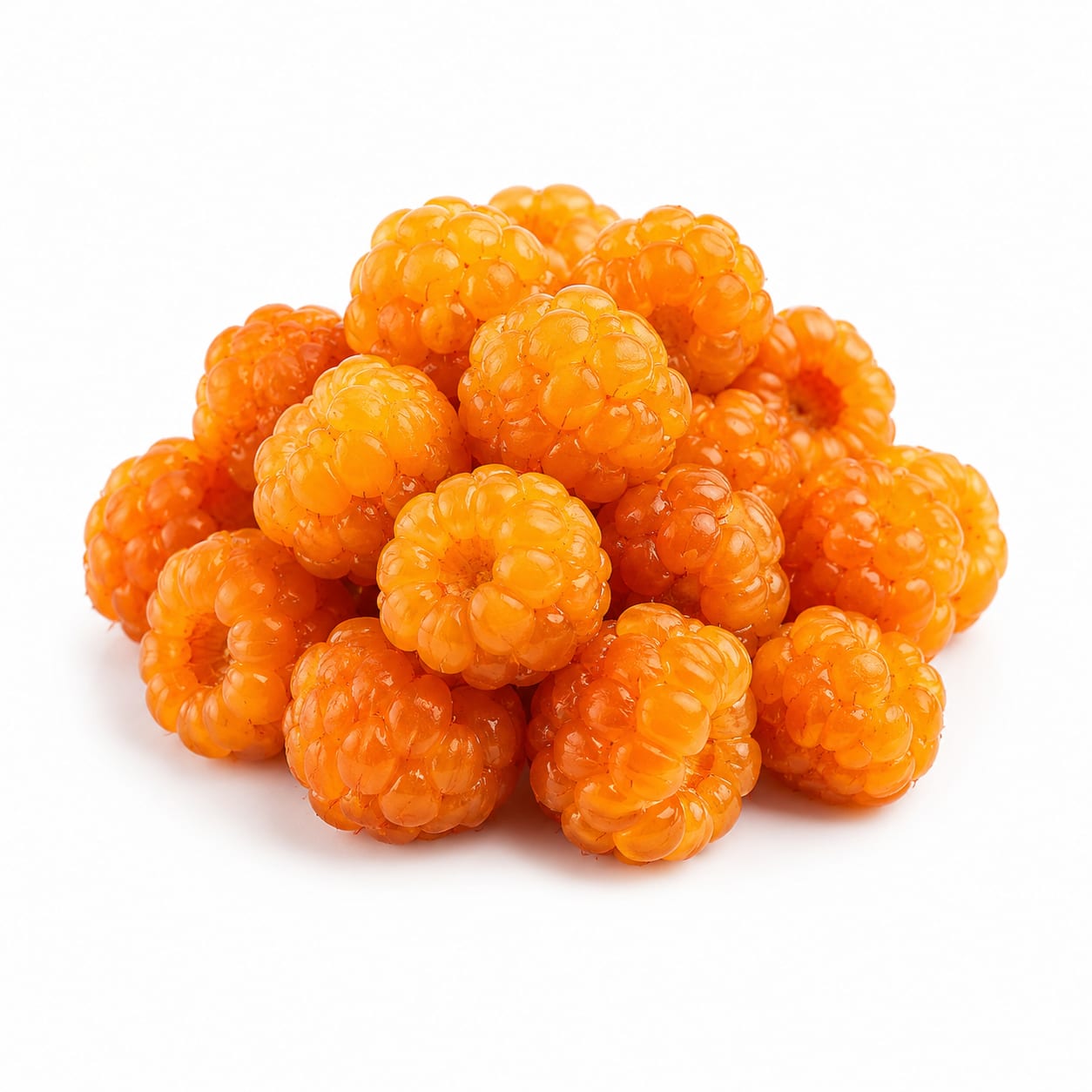
Thimbleberry
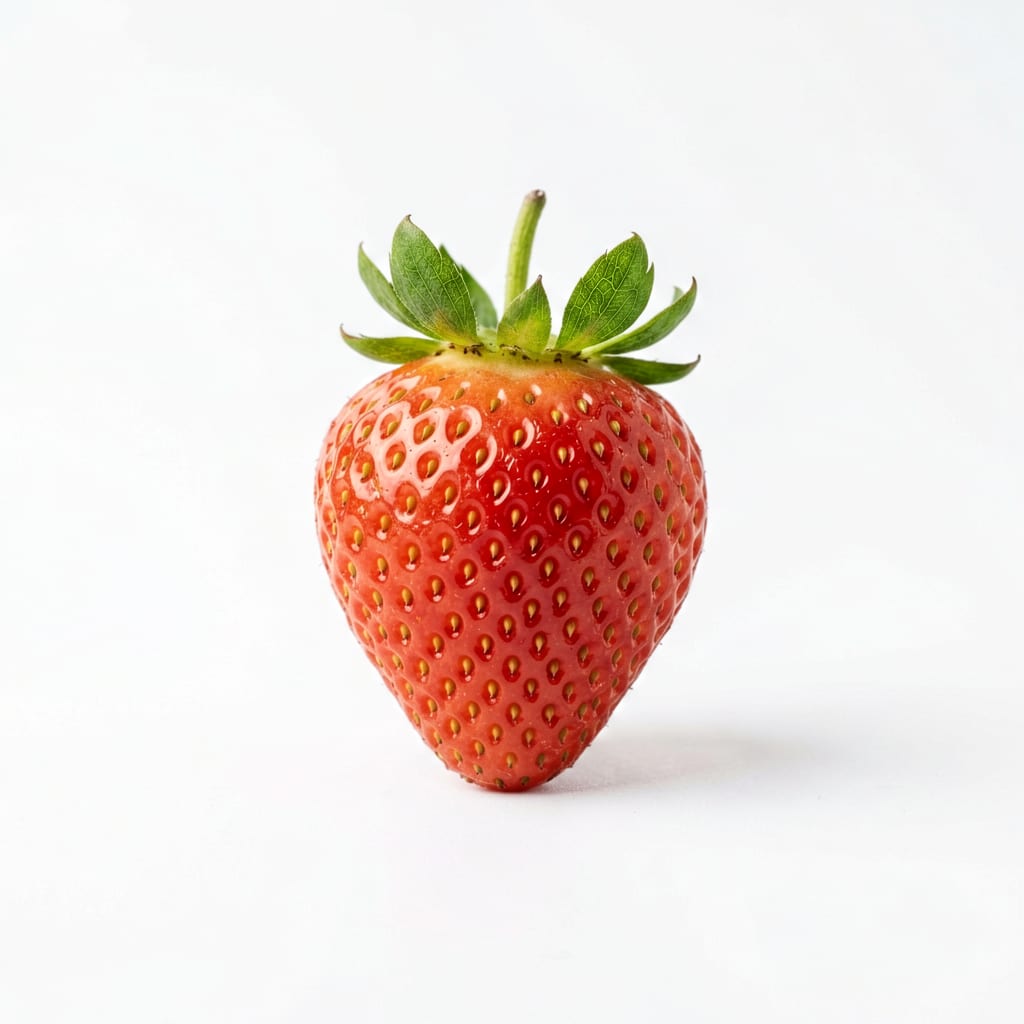
Strawberry
Thimbleberries win on purity and antioxidant density, but strawberries win on practical reality — you can actually buy them at a store.
Thimbleberry scores higher nutritionally and on purity, but its extreme impracticality pulls its real-world score down. Strawberry scores slightly lower on health metrics but dramatically higher on accessibility, making it the berry people will actually eat regularly. Confidence is moderate because thimbleberry nutritional data is limited compared to well-studied strawberries.
Wild nutritional superiority versus everyday accessibility. Thimbleberries are the cleaner, richer berry you will almost never eat; strawberries are the slightly more conventional berry available year-round.
At a glance
Executive summary
Overall
It depends
Healthier
Thimbleberry
More practical
Strawberry
Daily use
Strawberry
Key comparison lenses
wild vs cultivated berry nutrition
Thimbleberries are almost exclusively wild-foraged while strawberries are the most commercially cultivated berry, making this a core wild-vs-farmed comparison
antioxidant and phytonutrient density
Both berries are prized for antioxidants but differ significantly in anthocyanin profiles and total phenolic content
pesticide exposure risk
Strawberries consistently rank #1 on the EWG Dirty Dozen list, while wild thimbleberries have essentially zero pesticide exposure
practical accessibility
Thimbleberries are extremely perishable and almost never sold commercially, making daily consumption unrealistic for most people
sugar and glycemic impact
Thimbleberries tend to be lower in sugar with a more tart profile, relevant for blood sugar conscious consumers
Best choice for
Thimbleberry
- Foragers and hikers in the Pacific Northwest and western North America
- People prioritizing zero pesticide exposure
- Anyone seeking peak antioxidant density from a wild food
- Those who value eating locally and seasonally from wild landscapes
Strawberry
- Families needing affordable, widely available fruit
- Anyone meal-prepping or buying groceries weekly
- People wanting a versatile berry for smoothies, desserts, and salads
- Those who need consistent year-round nutrition access
Least suitable for
Thimbleberry
- Anyone without access to wild foraging areas
- People needing reliable weekly meal planning
- Consumers who expect store-bought consistency
- Those unfamiliar with safe wild berry identification
Strawberry
- People highly concerned about pesticide residue who cannot afford organic
- Anyone seeking the most nutrient-dense wild food experience
- Those avoiding commercially farmed produce
Deep comparison
Dimension by dimension
Each lens scores both foods and breaks down who each option suits.
- Dimension 1 · Priority 92Thimbleberry
antioxidant density
Thimbleberry · 88Strawberry · 74Thimbleberries pack more phenolic compounds and anthocyanins per ounce than strawberries, thanks to their wild growth in nutrient-rich soils without agricultural dilution.
Tradeoff
You get more antioxidant firepower from thimbleberries, but only during a narrow seasonal window in specific geographic regions.
Why it matters
Higher antioxidant density means better cellular protection against oxidative stress, which accumulates silently over years.
Real-world impact
If you eat wild thimbleberries during their brief season, you are getting a concentrated dose of protective compounds that commercially farmed strawberries simply cannot match per serving.
Thimbleberry
- Reducing chronic inflammation markers
- Supporting vascular health through concentrated anthocyanins
- Maximum phenolic intake per calorie consumed
Better for
- Antioxidant benefit is seasonal and intermittent, not cumulative
- Difficult to consume enough volume to match long-term strawberry intake
Worse for
Strawberry
- Consistent year-round antioxidant intake from reliable access
- Easier to combine with other high-antioxidant foods daily
Better for
- Commercial farming can dilute phenolic content compared to wild varieties
- Storage and transport reduce antioxidant levels before consumption
Worse for
- Dimension 2 · Priority 88Thimbleberry
pesticide and chemical purity
Thimbleberry · 97Strawberry · 42Wild thimbleberries grow without any agricultural chemicals. Conventional strawberries are the worst offender on the Dirty Dozen list, frequently testing positive for dozens of pesticide residues.
Tradeoff
Thimbleberries offer near-zero chemical exposure but require foraging knowledge. Organic strawberries reduce risk significantly but cost substantially more.
Why it matters
Cumulative pesticide exposure from strawberries is one of the highest dietary sources for most consumers, especially children.
Real-world impact
A family eating conventional strawberries several times per week is getting a meaningful pesticide load. Switching to organic or wild alternatives makes a real difference in total body burden.
Thimbleberry
- Zero synthetic pesticide exposure
- No agricultural runoff or soil contamination concerns
- Complete absence of fumigants used in conventional strawberry farming
Better for
- Wild berries could absorb environmental pollutants if growing near roads or industrial areas
Worse for
Strawberry
- Organic options exist and are widely available
- Well-regulated safety standards at least set maximum residue limits
Better for
- Conventional strawberries average 8+ pesticide residues per sample
- Strawberry farming relies heavily on soil fumigants linked to respiratory issues
- Even washing does not remove systemic pesticides absorbed into the fruit
Worse for
- Dimension 3 · Priority 90Strawberry
everyday accessibility and practicality
Thimbleberry · 12Strawberry · 95Strawberries are available in every grocery store year-round. Thimbleberries are almost never sold commercially and spoil within hours of picking.
Tradeoff
The best berry nutritionally means nothing if you cannot obtain it. Strawberries win this dimension overwhelmingly.
Why it matters
Nutrition only works when you can actually eat the food consistently. The most nutrient-dense berry in the world is useless if it sits on a mountain you never visit.
Real-world impact
You can buy strawberries on any Tuesday in any town. Thimbleberries require being in the right place during a 3-4 week summer window with foraging knowledge.
Thimbleberry
- Free if you forage them yourself
- Connects you to landscape and seasonal eating patterns
Better for
- Cannot be stored or transported — they disintegrate within hours
- No commercial supply chain exists
- Seasonal window of only 3-4 weeks per year
- Geographic restriction to western North America
Worse for
Strawberry
- Available fresh, frozen, and dried year-round
- Consistent pricing and supply chain reliability
- Easy to incorporate into meal prep routines
Better for
- Out-of-season strawberries are often flavorless and nutritionally weaker
- Long supply chains mean produce is picked underripe
Worse for
- Dimension 4 · Priority 78Strawberry
vitamin C content
Thimbleberry · 68Strawberry · 86Strawberries are an excellent vitamin C source, delivering nearly 100% of daily needs per cup. Thimbleberries contain vitamin C but in lower concentrations.
Tradeoff
Strawberries are a reliable daily vitamin C source. Thimbleberries contribute some but should not be relied upon for this nutrient.
Why it matters
Vitamin C supports immune function, collagen synthesis, and iron absorption — daily intake matters more than occasional high doses.
Real-world impact
A morning smoothie with strawberries meaningfully moves your vitamin C needle. Thimbleberries would help but cannot serve this role consistently.
Thimbleberry
- Still contributes meaningful vitamin C during foraging season
Better for
- Lower concentration per serving compared to strawberries
- Irregular access means unreliable vitamin C contribution
Worse for
Strawberry
- One cup covers nearly all daily vitamin C needs
- Consistent content regardless of season when using frozen
Better for
- Vitamin C degrades during long transport and storage of conventional strawberries
Worse for
- Dimension 5 · Priority 75Thimbleberry
fiber and digestive value
Thimbleberry · 82Strawberry · 68Thimbleberries have a higher fiber-to-sugar ratio, with more seeds and structural roughage per serving. Strawberries provide decent fiber but are sweeter and less fibrous overall.
Tradeoff
Thimbleberries feel more like a functional fiber food. Strawberries are gentler and more palatable but less filling per calorie.
Why it matters
Higher fiber-to-sugar ratios mean steadier blood sugar, better satiety, and improved gut health over time.
Real-world impact
A handful of thimbleberries will keep you fuller longer with less sugar impact. Strawberries are more enjoyable to eat in volume but less satiating per calorie.
Thimbleberry
- Better fiber-to-sugar ratio supports gut microbiome diversity
- More filling per serving despite similar calorie counts
- Seed content provides insoluble fiber for digestive regularity
Better for
- Seed-heavy texture is not enjoyable for everyone
- Small serving sizes limit total fiber contribution
Worse for
Strawberry
- Still a good fiber source compared to most fruits
- More palatable texture encourages eating larger volumes
Better for
- Lower fiber density means you need to eat more for the same gut benefit
- Higher sugar content partially offsets fiber benefits
Worse for
- Dimension 6 · Priority 74Thimbleberry
sugar content and glycemic impact
Thimbleberry · 81Strawberry · 65Thimbleberries are tarter with less natural sugar per serving. Strawberries are moderately sweet with a glycemic index around 40, which is still low but higher than thimbleberries.
Tradeoff
Less sugar means better blood sugar control, but the sweeter taste of strawberries makes them more enjoyable and easier to eat regularly.
Why it matters
For people managing insulin resistance or reducing sugar intake, every gram of sugar reduction counts, even from whole fruit.
Real-world impact
Thimbleberries will not spike blood sugar at all. Strawberries are still a safe choice but slightly sweeter, which matters for strict low-carb or diabetic contexts.
Thimbleberry
- Lower sugar load per serving
- Minimal glycemic impact suitable for strict low-carb approaches
- Tart flavor discourages overconsumption
Better for
- Tartness limits appeal for some palates
- Hard to eat enough to matter glycemically anyway due to access
Worse for
Strawberry
- Still low glycemic index compared to most fruits
- Natural sweetness helps satisfy sugar cravings without junk food
Better for
- Higher sugar content adds up in large smoothies or bowls
- Sweeter taste can trigger cravings for more sweet foods in sensitive individuals
Worse for
Timeline
Health impact over time
Short-term
Hours to days
Thimbleberry
- Quick antioxidant boost if eaten fresh after foraging
- Very gentle on blood sugar with minimal glycemic response
- Mild digestive stimulation from seed fiber content
Strawberry
- Noticeable vitamin C lift supporting immune function
- Moderate blood sugar response that is well-tolerated by most
- Hydrating and refreshing, especially in warm weather
Long-term
Months to years
Thimbleberry
- Reduced cumulative pesticide exposure if used as a seasonal alternative to conventional berries
- Potential anti-inflammatory benefits from concentrated wild anthocyanins
- Stronger connection to seasonal and local eating patterns
Strawberry
- Consistent cardiovascular support from regular anthocyanin and vitamin C intake
- Concerning cumulative pesticide load if only conventional strawberries are consumed
- Improved long-term fiber intake if eaten daily
Risk profile
Safety & processing
Both berries are whole foods with no inherent processing. However, conventional strawberries carry agricultural chemical residues that thimbleberries avoid entirely. Frozen strawberries may contain added sugars in some brands, so always check labels.
Thimbleberry
misidentification with toxic wild berries
highForaging without expert knowledge can lead to confusing thimbleberries with toxic lookalikes. Never eat wild berries unless you are certain of identification.
environmental contamination in wild areas
mediumBerries growing near roads, old industrial sites, or treated land can absorb heavy metals or pollutants from soil and air.
parasite or pathogen exposure from unwild-washed fruit
lowWild berries can carry soil bacteria or animal contamination. Always rinse thoroughly even in clean-appearing wilderness areas.
Strawberry
pesticide residue exposure
highStrawberries consistently rank as the most pesticide-contaminated fruit. Conventional samples regularly test positive for dozens of residues including known endocrine disruptors.
soil fumigant exposure
mediumStrawberry fields are fumigated before planting with chemicals like chloropicrin that affect farmworkers and nearby communities. Trace residues can remain in fruit.
mold and spoilage toxins
lowStrawberries spoil quickly and can develop mold that produces mycotoxins. Discard any berries showing even minor mold growth immediately.
Who wins for whom
Audience fit
Same foods, different winners depending on your goal.
children
StrawberryStrawberries are sweeter, more palatable, widely available, and familiar. The pesticide concern is real but manageable with organic options. Thimbleberries are impractical and the foraging risk is inappropriate for children.
daily consumption
StrawberryYou can buy strawberries 52 weeks a year. Thimbleberries are available for roughly 3 weeks if you live in the right region and forage. Daily use overwhelmingly favors strawberries.
diabetes
ThimbleberryLower sugar content and higher fiber ratio give thimbleberries a gentler glycemic profile, though both berries are diabetes-friendly compared to most fruits.
elderly
StrawberryConsistent access to strawberries supports regular vitamin C and fiber intake. The soft texture is easy to eat. Thimbleberries cannot provide reliable daily nutrition for elderly individuals.
muscle gain
StrawberryNeither berry is a muscle-building food, but strawberries provide more vitamin C which supports collagen synthesis and recovery, and you can actually eat them regularly post-workout.
weight loss
ThimbleberryLower sugar and higher fiber-to-calorie ratio make thimbleberries slightly more favorable, but strawberries are still an excellent weight loss food and far more practical to eat consistently.
Your move
Decision guide
Choose Thimbleberry
- You live in or visit the Pacific Northwest during summer and can forage safely
- Pesticide avoidance is your top dietary priority
- You want the most nutrient-dense wild berry experience possible
- You are building a seasonal, locally-foraged eating practice
Choose Strawberry
- You need reliable weekly fruit for yourself or your family
- You want a versatile berry for smoothies, baking, salads, and snacks
- You are focused on consistent daily vitamin C and fiber intake
- You do not have access to safe foraging areas or knowledge
Either works if
- You simply want a delicious berry and both are available
- You are comparing organic strawberries to wild thimbleberries and the pesticide gap is smaller
- You enjoy variety and can eat thimbleberries seasonally and strawberries the rest of the year
Avoid both if
- You have a severe berry allergy or salicylate sensitivity
- You are on a very strict low-FODMAP diet and reacting to excess fructose
Final recommendation
Eat thimbleberries whenever you can find them — they are a nutritional and experiential gift from the wild. But build your daily berry habit around organic strawberries, because consistency beats perfection. The best antioxidant in the world cannot help you if it is sitting on a mountainside while you are standing in a grocery store.
Practical
Consumer tips
- 1
If buying conventional strawberries, soak them in a baking soda solution for 12-15 minutes to reduce surface pesticide residues — it will not remove systemic residues but helps meaningfully.
- 2
Go organic for strawberries specifically. They are the single highest-priority fruit to buy organic due to pesticide load.
- 3
If you forage thimbleberries, pick away from roadsides, old orchards, or any treated land. Bring a field guide and never eat anything you cannot identify with 100% certainty.
- 4
Frozen organic strawberries are often more nutritious than fresh conventional ones — they are picked at peak ripeness and frozen immediately, preserving vitamin C and antioxidants.
- 5
Thimbleberries cannot be stored. Eat them within hours of picking or mash and freeze immediately. They make excellent jam if you want to preserve their value.