
Nutrition comparison
Thimbleberry vs Boysenberry: Nutrition, Taste, and Which Berry to Choose
Compare Thimbleberry and Boysenberry side by side. Learn which berry has more vitamin C, more fiber, lower sugar, and which is actually realistic to eat regularly.
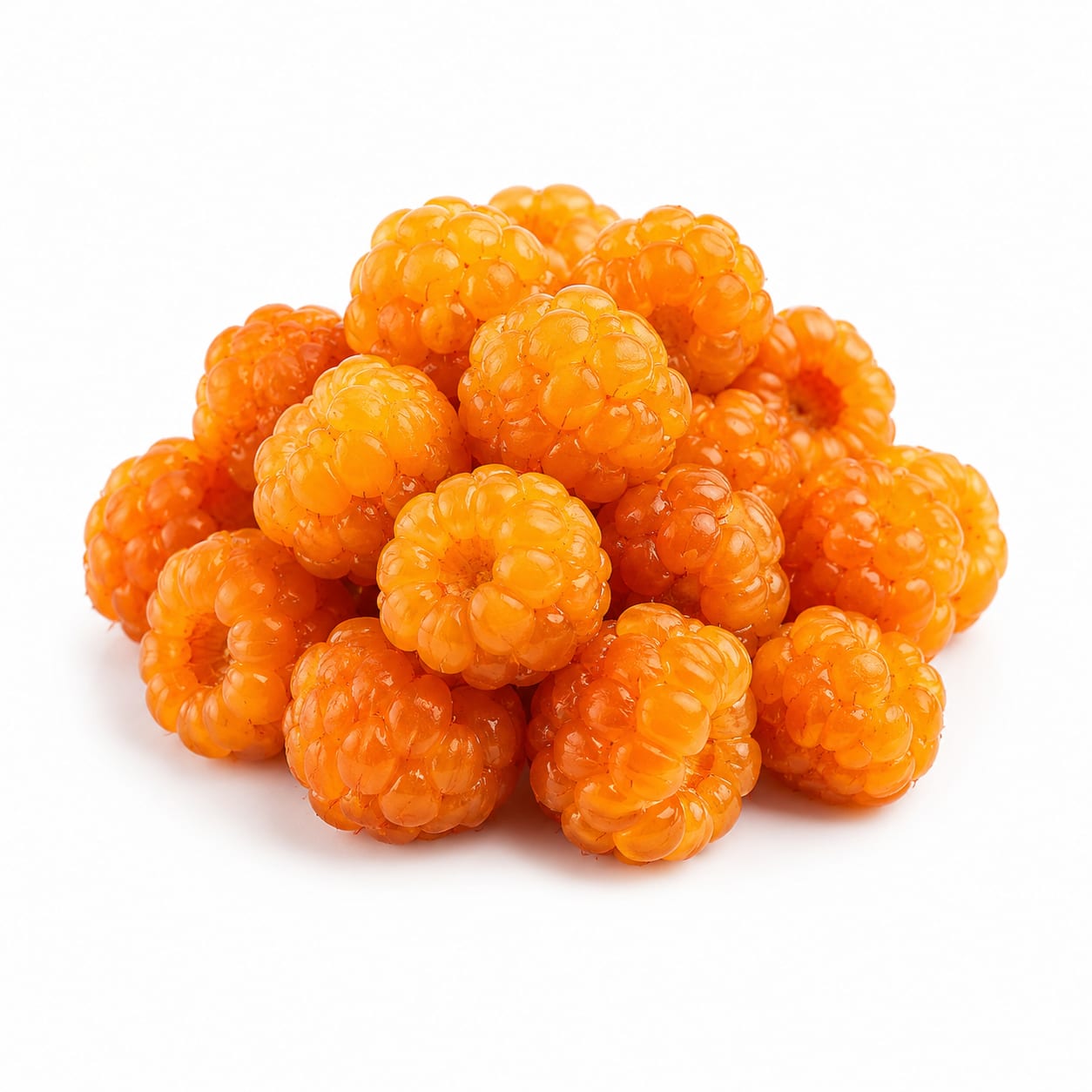
Thimbleberry
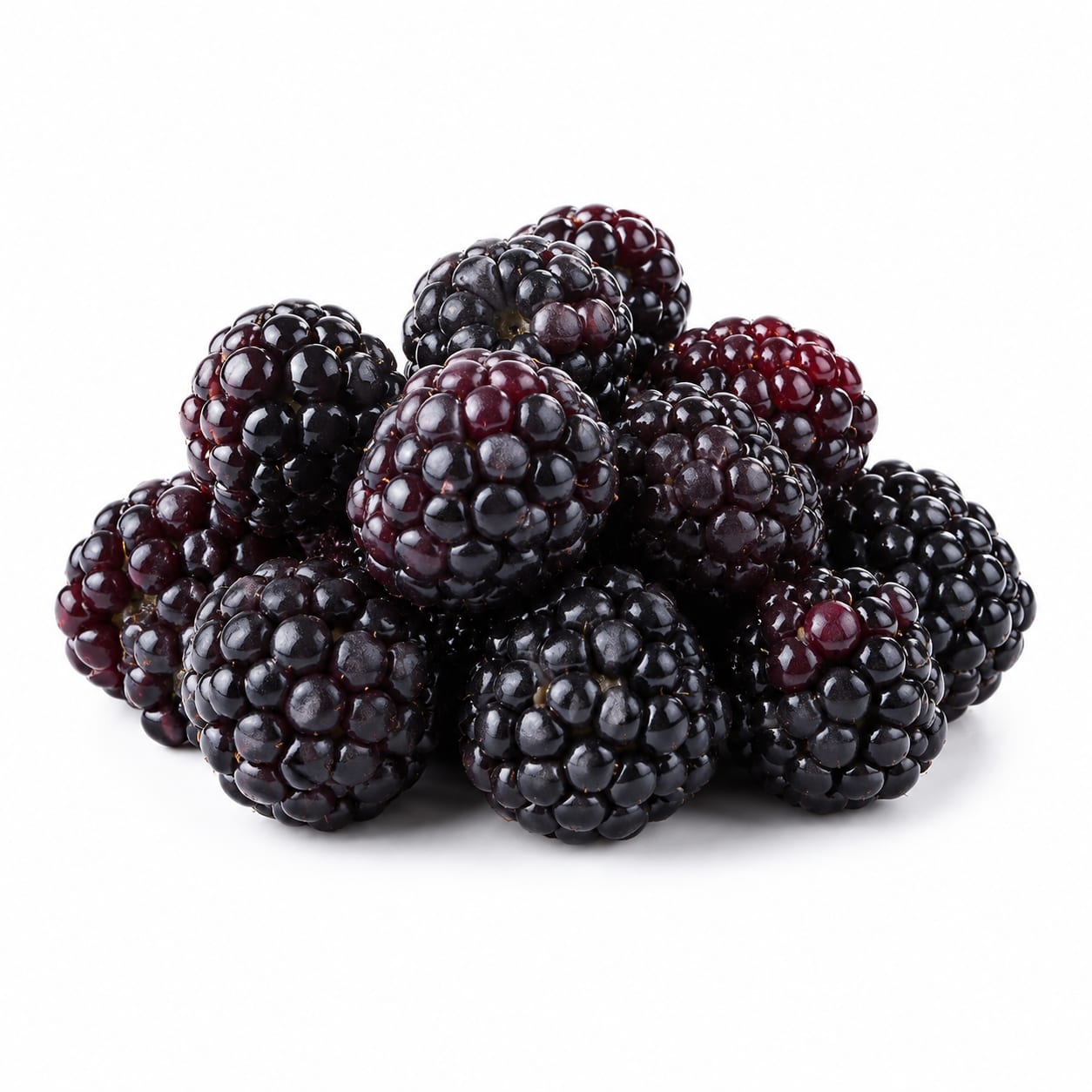
Boysenberry
Thimbleberry edges ahead nutritionally with higher vitamin C and unique antioxidant compounds, but boysenberry wins decisively on availability, fiber, and everyday practicality.
Boysenberry scores slightly higher due to practical usability and fiber content, but Thimbleberry's nutritional edge keeps it close. Low confidence reflects limited clinical data on Thimbleberry specifically.
Peak wild nutrition you can barely find versus slightly less nutrient-dense berry you can actually buy and use regularly.
At a glance
Executive summary
Overall
It depends
Healthier
Thimbleberry
More practical
Boysenberry
Daily use
Boysenberry
Key comparison lenses
antioxidant and nutrient density
Both berries are prized for their phytonutrient profiles, making antioxidant capacity the primary decision driver
availability and practical everyday use
Thimbleberries are extremely hard to find commercially while boysenberries are more accessible, creating a major real-world tradeoff
sugar content and blood sugar impact
Berry comparisons often involve users managing sugar intake or seeking low-glycemic options
fiber and digestive benefit
Both berries offer fiber but in different quantities, affecting satiety and gut health
culinary versatility
Users want to know which berry works better for jams, baking, snacking, or smoothies
Best choice for
Thimbleberry
- Foragers and wild food enthusiasts with local access
- Those seeking maximum vitamin C from a berry source
- People wanting a delicate, low-sugar fresh snacking berry
Boysenberry
- Home cooks making jams, pies, or sauces
- Anyone shopping at grocery stores or farmers markets
- Those prioritizing fiber intake for gut health
Least suitable for
Thimbleberry
- Anyone without foraging access or specialty suppliers
- Meal preppers needing berries that hold up in storage
- People who need consistent, reliable nutrition sources
Boysenberry
- Those watching sugar intake closely who want the lowest-sugar berry option
- People seeking the most nutrient-dense wild berry experience
Deep comparison
Dimension by dimension
Each lens scores both foods and breaks down who each option suits.
- Dimension 1 · Priority 92Thimbleberry
antioxidant_and_vitamin_density
Thimbleberry · 85Boysenberry · 76Thimbleberry delivers more vitamin C per serving and contains unique flavonoid compounds less common in cultivated berries.
Tradeoff
That nutritional advantage only matters if you can actually get fresh Thimbleberries, which most people cannot.
Why it matters
Higher antioxidant intake supports immune resilience and reduces oxidative stress over time.
Real-world impact
If you forage Thimbleberries in season, eating them fresh gives you a noticeable vitamin C boost. For everyone else, boysenberries still provide solid antioxidant benefits.
Thimbleberry
- Immune support during cold season
- Maximizing micronutrient intake per calorie
Better for
- Situations requiring reliable daily intake
Worse for
Boysenberry
- Consistent year-round antioxidant intake
- Cooking applications where heat reduces vitamin C advantage
Better for
- Those specifically seeking peak vitamin C content
Worse for
- Dimension 2 · Priority 70Boysenberry
fiber_and_satiety
Thimbleberry · 62Boysenberry · 80Boysenberries contain significantly more dietary fiber per serving, making them more filling and better for digestive regularity.
Tradeoff
Thimbleberries are lower in fiber but their soft texture makes them easier to eat large quantities quickly, which can backfire on satiety.
Why it matters
Fiber slows sugar absorption, feeds gut bacteria, and keeps you full longer between meals.
Real-world impact
A bowl of boysenberries with yogurt will keep you satisfied longer than the same portion of Thimbleberries.
Thimbleberry
- Light snacking when you want something refreshing but not heavy
Better for
- Using as a standalone filling snack
Worse for
Boysenberry
- Breakfast toppings that sustain energy until lunch
- Improving digestive regularity naturally
Better for
- People with sensitive digestion who need lower fiber temporarily
Worse for
- Dimension 3 · Priority 75Thimbleberry
sugar_content_and_blood_sugar_impact
Thimbleberry · 82Boysenberry · 70Thimbleberries are naturally lower in sugar, giving them a gentler impact on blood sugar.
Tradeoff
Boysenberries are sweeter and more flavorful, which makes them more enjoyable but slightly higher in natural sugars.
Why it matters
Lower sugar berries are better for stable energy and managing insulin response throughout the day.
Real-world impact
If you are watching blood sugar, Thimbleberries are the safer bet. Boysenberries are still far better than most fruits, just not the lowest option.
Thimbleberry
- Diabetics seeking the lowest-sugar berry option
- Keto or very-low-carb eaters counting every gram
Better for
- Those who find very tart berries unappealing and skip eating fruit entirely
Worse for
Boysenberry
- Active people who benefit from natural fruit sugars post-workout
- Kids who need palatable fruit options to enjoy healthy eating
Better for
- People closely managing blood sugar spikes
Worse for
- Dimension 4 · Priority 88Boysenberry
availability_and_everyday_practicality
Thimbleberry · 25Boysenberry · 72Boysenberries are commercially grown and available at farmers markets and some grocery stores. Thimbleberries are almost exclusively wild-foraged and virtually never sold retail.
Tradeoff
The rarest berry is not necessarily the best berry if you cannot access it regularly.
Why it matters
Nutrition only works if you can actually eat the food consistently. A berry you cannot buy provides zero benefit.
Real-world impact
Most people will never encounter fresh Thimbleberries unless they live in the Pacific Northwest or forage actively. Boysenberries require some effort to find but are realistically obtainable.
Thimbleberry
- Foragers in the Pacific Northwest during summer months
- Adventurous eaters seeking unique wild food experiences
Better for
- Urban dwellers without foraging access
- Anyone needing berries outside of midsummer
Worse for
Boysenberry
- Anyone who shops at stores or markets for their food
- People who want to meal prep with berries over the weekend
Better for
- Those who live in regions where boysenberries are not grown or distributed
Worse for
- Dimension 5 · Priority 65Boysenberry
culinary_versatility
Thimbleberry · 50Boysenberry · 82Boysenberries hold their shape better when cooked, make superior jams and pies, and work well in both sweet and savory applications.
Tradeoff
Thimbleberries are incredibly delicate and turn to mush almost instantly, limiting them to fresh eating or quick preserves.
Why it matters
If you enjoy cooking with berries, versatility determines how often you actually use what you buy or forage.
Real-world impact
Boysenberry jam is a beloved classic for good reason. Thimbleberry jam exists but is a niche delicacy most people will never make.
Thimbleberry
- Eating fresh off the bush as a trail snack
- Making small-batch artisan preserves if you forage enough
Better for
- Any recipe requiring the berry to maintain structure
- Decorative garnishing
Worse for
Boysenberry
- Baking pies, cobblers, and muffins
- Making homemade jam and fruit sauces
- Smoothies where a thicker berry texture is welcome
Better for
- Delicate fresh presentations where a softer berry is preferred
Worse for
Timeline
Health impact over time
Short-term
Hours to days
Thimbleberry
- Quick vitamin C boost supporting immune function
- Light, refreshing hydration with minimal sugar load
- Very gentle on blood sugar with almost no crash risk
Boysenberry
- More sustained fullness from higher fiber content
- Mild natural energy from slightly higher fruit sugars
- Better digestive motility within hours of eating
Long-term
Months to years
Thimbleberry
- Consistent antioxidant intake supports reduced inflammation if you can access them regularly
- Lower lifetime sugar exposure from fruit sources
- Realistically, most people will not consume Thimbleberries often enough for meaningful long-term effects
Boysenberry
- Regular fiber intake supports gut microbiome diversity over months and years
- Anthocyanin consumption linked to cardiovascular and cognitive benefits with consistent intake
- More realistic to sustain as a dietary habit due to availability
Risk profile
Safety & processing
Both berries are whole, unprocessed foods when eaten fresh. Thimbleberries are almost exclusively wild, meaning zero agricultural chemical exposure. Boysenberries may be conventionally or organically grown, so sourcing matters more.
Thimbleberry
Misidentification with toxic wild berries
highForaging Thimbleberries requires confident identification. Several toxic berries resemble wild Rubus species. Never eat wild berries unless you are certain of identification.
Environmental contamination in wild areas
mediumWild berries near roads or industrial areas may absorb heavy metals or pollutants from soil and air.
Parasite and pathogen exposure from unwild-washed fruit
lowWild berries can carry soil bacteria or tiny insects. Always rinse thoroughly before eating.
Boysenberry
Pesticide residue on conventionally grown berries
mediumLike most commercially grown berries, boysenberries may carry pesticide residues. Washing helps but does not remove all traces. Organic options reduce this concern.
Mold and spoilage from delicate skin
lowBoysenberries spoil quickly. Moldy berries should be discarded entirely, not just trimmed, as mold spores spread invisibly.
Who wins for whom
Audience fit
Same foods, different winners depending on your goal.
children
BoysenberryBoysenberries are sweeter, more available, and easier to incorporate into kid-friendly recipes like smoothies and yogurt parfaits.
daily consumption
BoysenberryYou can actually buy boysenberries. A berry you can eat daily beats a nutritionally superior berry you see once a year.
diabetes
ThimbleberryLower sugar content and gentler blood sugar impact give Thimbleberry the edge, though boysenberries are still a solid low-glycemic choice.
elderly
BoysenberryHigher fiber supports digestive regularity, which becomes more important with age. Availability also ensures consistent intake.
muscle gain
It dependsNeither berry is a meaningful protein source. Both offer antioxidants that support recovery, but neither moves the needle for muscle building.
weight loss
ThimbleberryLower sugar and calorie density make Thimbleberry marginally better for weight loss, though the difference is small and access matters more.
Your move
Decision guide
Choose Thimbleberry
- You forage in the Pacific Northwest and have reliable summer access
- You want the lowest-sugar, highest-vitamin-C berry option available
- You value wild food experiences and eating hyper-locally
Choose Boysenberry
- You want a nutritious berry you can actually find and buy
- You cook with berries regularly and need versatility
- Fiber intake and gut health are priorities for you
- You are feeding a family and need accessible, appealing fruit options
Either works if
- You simply want more berry diversity in your diet
- You are comparing fresh berry options at a farmers market and both are available
- You are making a mixed berry dish where either would work
Avoid both if
- You have a severe berry allergy or salicylate sensitivity
- You are on a very strict elimination diet that excludes all Rubus family fruits
Final recommendation
Eat boysenberries as your everyday berry and treat Thimbleberries as a special find when you encounter them. The best berry for your health is the one you can eat consistently, and boysenberries win on that front. If you are lucky enough to forage fresh Thimbleberries, enjoy them fresh for the vitamin C boost, but do not build a nutrition plan around something so rare.
Practical
Consumer tips
- 1
If you find fresh boysenberries, freeze extras immediately. They spoil within two days of purchase.
- 2
Look for boysenberry jam at farmers markets if fresh berries are unavailable in your area. It retains much of the antioxidant benefit.
- 3
When foraging Thimbleberries, always confirm identification with a local expert or reliable field guide first.
- 4
Wash both berries gently right before eating, not before storing. Pre-washing accelerates spoilage.
- 5
Organic boysenberries are worth the premium if you eat them regularly. Berries consistently rank high for pesticide residue when conventionally grown.
- 6
Thimbleberry leaves can be brewed into a mild tea traditionally used for digestive comfort, but evidence is anecdotal.