
Nutrition comparison
Thimbleberry vs Blueberry: Nutrition, Antioxidants, and Which Berry Wins
Compare thimbleberry and blueberry nutrition, antioxidants, sugar content, and practicality. Learn which berry is healthier and when to choose each.
Overall winner · Blueberry
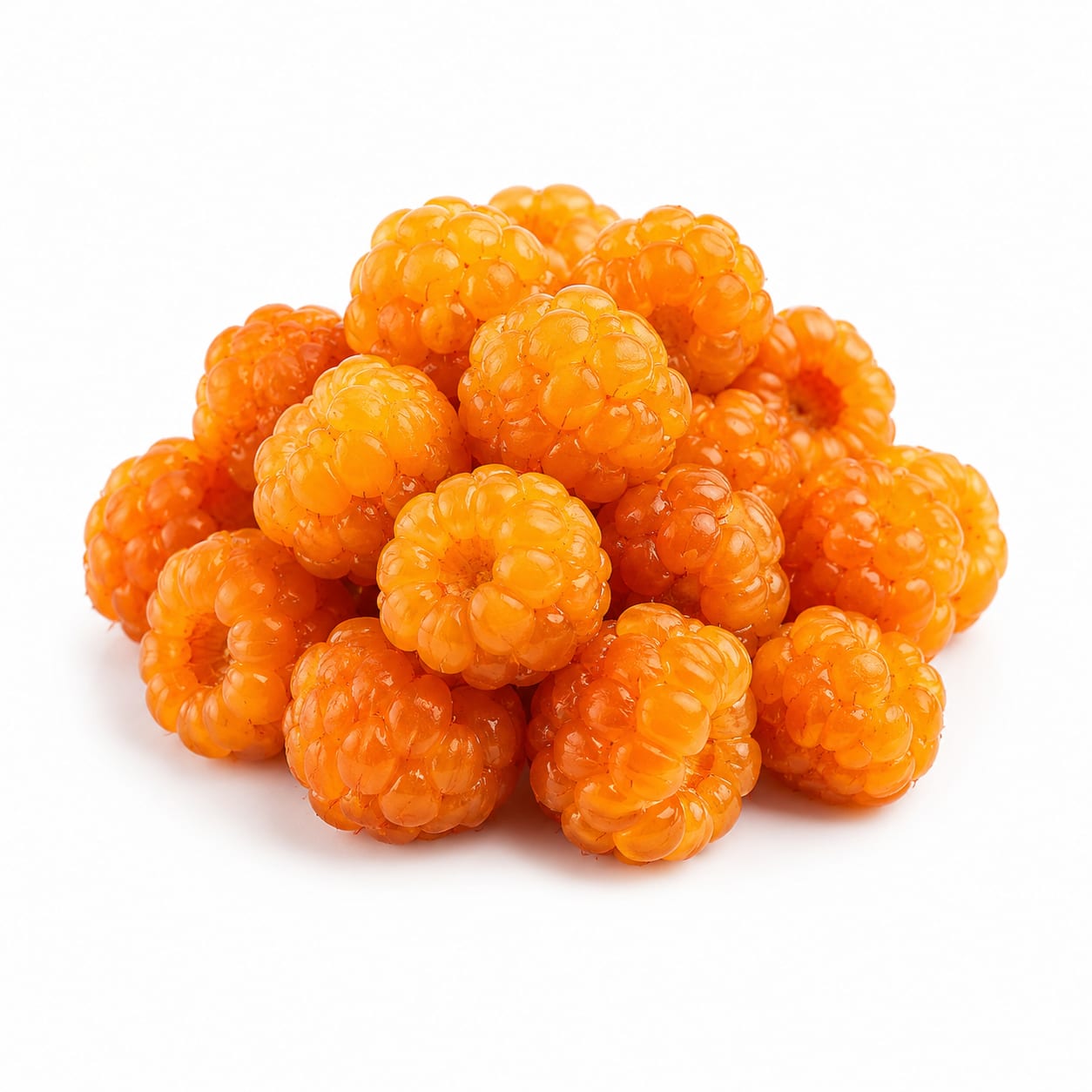
Thimbleberry
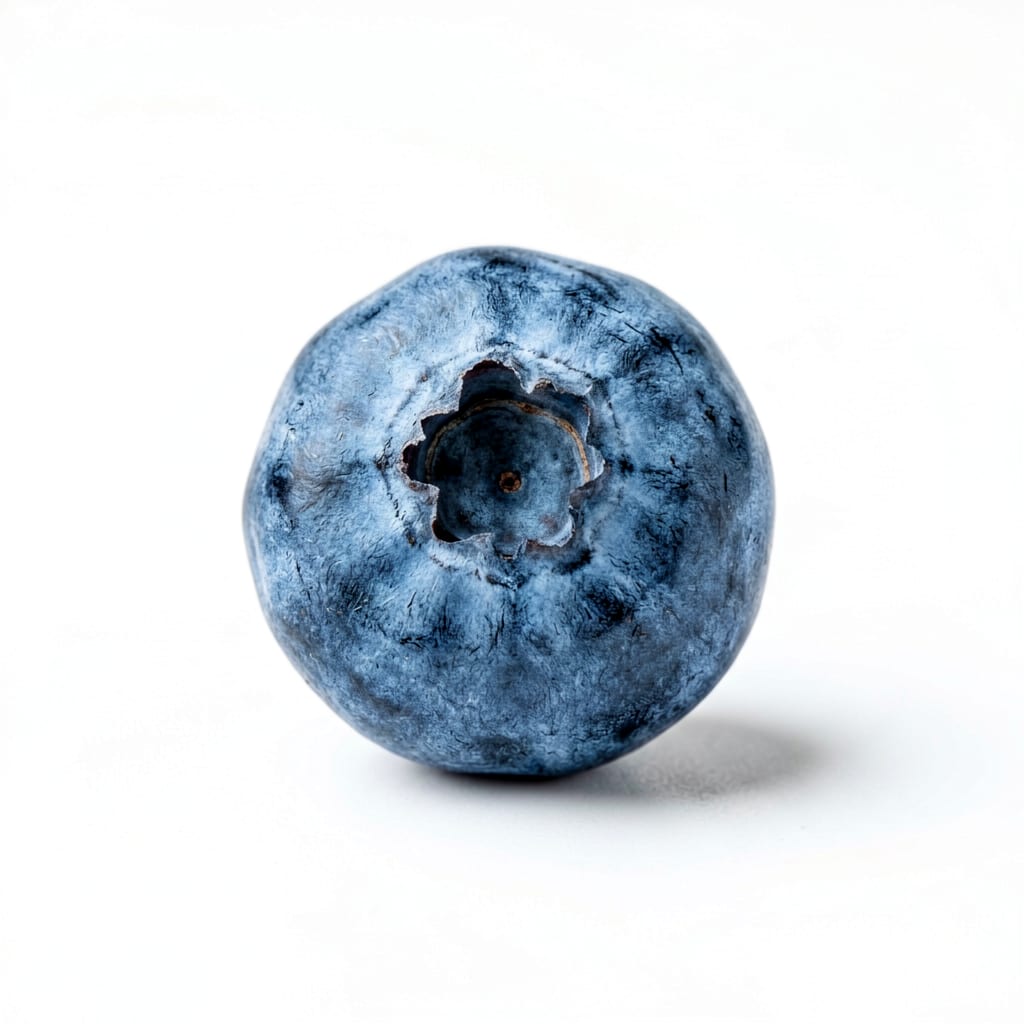
Blueberry
Blueberries win on practicality and availability, but thimbleberries offer a uniquely rich, wild-foraged nutrient profile that commercial berries cannot replicate.
Thimbleberries likely edge out blueberries nutritionally, especially in vitamin C and wild-plant phytochemicals, but their extreme seasonal scarcity drags the real-world score down significantly. Blueberries score higher because you can actually eat them regularly, which matters more than marginal nutrient advantages you cannot access.
Thimbleberries likely deliver more vitamin C and a broader antioxidant spectrum from their wild growth, but you can barely find them outside foraging season. Blueberries are always accessible and still genuinely superfood-quality.
At a glance
Executive summary
Overall
Blueberry
Healthier
Thimbleberry
More practical
Blueberry
Daily use
Blueberry
Key comparison lenses
antioxidant diversity and berry nutrition
Users comparing berries typically want to know which delivers more health-protective compounds and better nutritional value per serving
practical availability and everyday usability
A berry you cannot buy at the store has fundamentally different real-world utility than one available year-round
wild foraged vs commercial produce
Thimbleberries are almost exclusively wild-foraged while blueberries are widely cultivated, raising questions about nutrient density and pesticide exposure
sugar and glycemic impact
Berry comparisons often involve people managing blood sugar or seeking lower-sugar fruit options
Best choice for
Thimbleberry
- Foragers and wild-food enthusiasts seeking peak nutrient density
- People wanting maximum vitamin C from a berry source
- Anyone with access to fresh thimbleberries during their brief summer season
- Those prioritizing zero pesticide exposure from wild-harvested fruit
Blueberry
- Anyone who needs reliable, year-round berry nutrition
- Meal preppers and smoothie builders wanting consistent ingredients
- People who want well-studied, evidence-backed health benefits
- Families wanting an affordable, kid-friendly superfruit
Least suitable for
Thimbleberry
- Anyone without foraging access or knowledge
- People needing consistent daily fruit intake
- Those who want frozen or stored berry options
- Busy households wanting grab-and-go produce
Blueberry
- Those specifically seeking the highest possible vitamin C from berries
- People avoiding all commercially farmed produce
- Anyone in regions where blueberries are imported and expensive
Deep comparison
Dimension by dimension
Each lens scores both foods and breaks down who each option suits.
- Dimension 1 · Priority 94Thimbleberry
antioxidant_profile_and_phytochemical_diversity
Thimbleberry · 88Blueberry · 82Thimbleberries likely offer a broader range of wild-plant antioxidants, while blueberries deliver a concentrated dose of well-studied anthocyanins.
Tradeoff
Blueberry antioxidants are extensively researched with proven benefits; thimbleberry antioxidants are probably more diverse but lack clinical evidence.
Why it matters
A wider antioxidant spectrum may protect against more types of cellular damage, but proven anthocyanin benefits like memory support give blueberries a reliability edge.
Real-world impact
Eating blueberries regularly gives you dependable brain and heart protection. Eating thimbleberries when available gives you a nutrient boost that no store-bought berry can match.
Thimbleberry
- Total antioxidant diversity from wild growing conditions
- Vitamin C content per serving
- Unique phytochemicals from stress-adapted wild plants
Better for
- No clinical studies validating specific health claims
Worse for
Blueberry
- Anthocyanin concentration specifically
- Evidence-backed cognitive and cardiovascular benefits
- Consistent antioxidant delivery across seasons
Better for
- Narrower antioxidant range compared to wild berries
Worse for
- Dimension 2 · Priority 90Blueberry
availability_and_everyday_practicality
Thimbleberry · 18Blueberry · 95Blueberries are available fresh, frozen, and dried year-round at any grocery store. Thimbleberries are almost impossible to find commercially and have a harvest window of just weeks.
Tradeoff
The rarest berry is often the most nutritious, but nutrition only matters if you can actually eat it.
Why it matters
Consistency drives health outcomes more than occasional superfood moments. A berry you eat daily beats a berry you encounter once a summer.
Real-world impact
You can put blueberries in your oatmeal every morning. Thimbleberries are a special treat you might enjoy a handful of times per year if you know where to look.
Thimbleberry
- No commercial supply chain or cold storage degradation
- Always eaten fresh at peak ripeness
Better for
- Almost never sold in stores
- Extremely short harvest season
- Degrades within hours of picking
- Cannot be stockpiled or meal-prepped
Worse for
Blueberry
- Available fresh, frozen, and dried year-round
- Sold at every grocery store and farmers market
- Freeze beautifully for months of use
- Consistent quality and portion control
Better for
- Long supply chains may reduce peak nutrient content
- Out-of-season berries are often less flavorful
Worse for
- Dimension 3 · Priority 82Thimbleberry
vitamin_and_mineral_density
Thimbleberry · 84Blueberry · 76Thimbleberries are notably higher in vitamin C and likely richer in several minerals due to wild soil conditions. Blueberries offer solid vitamin K and manganese but less vitamin C.
Tradeoff
Thimbleberries win on raw vitamin content, but blueberries provide nutrients that are harder to get from other common foods like vitamin K and manganese.
Why it matters
Vitamin C is easy to get from many sources, so the thimbleberry advantage is somewhat redundant. Vitamin K from blueberries fills a more common dietary gap.
Real-world impact
If you already eat citrus or bell peppers, the thimbleberry vitamin C edge matters less. Blueberry vitamin K actually helps fill a real nutrient gap for many people.
Thimbleberry
- Significantly more vitamin C per serving
- Likely higher in iron and calcium from wild soils
- More folate from unmodified wild genetics
Better for
- Nutrient content varies wildly between harvests
- No standardized nutritional data available
Worse for
Blueberry
- Better vitamin K content for bone and blood health
- Reliable manganese source for metabolism
- Consistent nutrient levels across commercial batches
Better for
- Lower vitamin C than many other berries
- Soil depletion in commercial farms may reduce mineral content
Worse for
- Dimension 4 · Priority 75Thimbleberry
sugar_content_and_blood_sugar_impact
Thimbleberry · 82Blueberry · 74Thimbleberries are tarter and likely lower in sugar than blueberries, which have been selectively bred for sweetness over decades.
Tradeoff
Lower sugar makes thimbleberries better for glucose management, but their tartness limits how much most people want to eat. Sweeter blueberries encourage higher consumption of beneficial compounds.
Why it matters
For people watching blood sugar, every gram of sugar matters. But for overall health, eating more berries of any kind usually wins over eating fewer low-sugar berries.
Real-world impact
A diabetic might appreciate the lower sugar hit of thimbleberries. A healthy person will likely eat more total antioxidants from blueberries simply because they taste better.
Thimbleberry
- Lower natural sugar content per serving
- Less glycemic impact per handful
- Better for strict low-carb or keto approaches
Better for
- Tartness may limit intake quantity
Worse for
Blueberry
- Still low glycemic compared to most fruits
- Sweetness encourages higher berry consumption overall
Better for
- Commercial varieties have been bred for higher sugar
- Dried blueberries can be sugar-concentrated
Worse for
- Dimension 5 · Priority 72It depends
fiber_and_digestive_benefits
Thimbleberry · 78Blueberry · 78Both berries offer good fiber, but from different sources. Thimbleberries have more seeds contributing rough fiber, while blueberries provide smoother pectin-based fiber.
Tradeoff
Thimbleberry seed fiber is great for bowel regularity but can feel gritty. Blueberry fiber is gentler and more pleasant to eat in quantity.
Why it matters
Fiber type affects both digestion comfort and gut microbiome feeding patterns. Seed fiber and pectin fiber feed different beneficial bacteria.
Real-world impact
Thimbleberries might keep you more regular with their seed roughage. Blueberries are easier to eat in larger quantities, delivering more total fiber per sitting.
Thimbleberry
- Seed-based fiber adds insoluble roughage for regularity
- More diverse fiber types feeding gut bacteria
Better for
- Seeds can be annoying in texture-sensitive preparations
- Hard to eat enough volume for significant fiber intake
Worse for
Blueberry
- Pectin fiber is gentler on sensitive stomachs
- Easier to consume in fiber-meaningful quantities
Better for
- Less insoluble fiber than seedy berries
Worse for
- Dimension 6 · Priority 78Thimbleberry
pesticide_and_contamination_exposure
Thimbleberry · 92Blueberry · 68Wild-harvested thimbleberries grow without agricultural chemicals. Conventionally farmed blueberries consistently appear on pesticide residue watch lists, though organic options exist.
Tradeoff
Thimbleberries avoid farm chemicals entirely but carry wild-harvest risks like roadside pollution or unknown soil contamination. Organic blueberries split the difference with verified clean growing practices.
Why it matters
Pesticide exposure from berries is a real concern because they are eaten unpeeled and often in quantity. The cleaner the berry, the more confidently you can eat it daily.
Real-world impact
If you eat blueberries every day, choosing organic matters a lot. Thimbleberries from clean foraging spots are essentially zero-pesticide, but you must know your harvest location.
Thimbleberry
- Zero agricultural pesticide exposure
- No synthetic fertilizers or growth regulators
- No post-harvest chemical treatments
Better for
- No testing for wild soil contaminants like heavy metals
- Roadside foraging can introduce vehicle pollution
Worse for
Blueberry
- Organic certification provides verified clean growing
- Regulated testing for commercial safety standards
Better for
- Conventional blueberries frequently carry pesticide residues
- Even organic berries face some approved spray exposure
Worse for
Timeline
Health impact over time
Short-term
Hours to days
Thimbleberry
- Quick vitamin C boost supporting immune function within hours
- Mild blood sugar stability from low sugar and high fiber
- Seed roughage may stimulate bowel movement within a day
Blueberry
- Rapid anthocyanin absorption supporting blood vessel flexibility
- Steady energy from moderate sugar with fiber buffering
- Gentle digestive support without gritty texture
Long-term
Months to years
Thimbleberry
- Potential for stronger immune resilience from consistent wild-plant compounds
- Lower cumulative pesticide burden if foraged from clean areas
- Unfortunately, seasonal-only access limits most long-term benefits
Blueberry
- Documented cognitive protection and memory support from regular anthocyanin intake
- Cardiovascular risk reduction from daily berry consumption habits
- Consistent fiber intake supporting gut microbiome diversity over months and years
Risk profile
Safety & processing
Both berries are whole foods with minimal processing concerns. Thimbleberries are as natural as it gets, going straight from bush to mouth. Fresh blueberries are equally whole, but frozen and dried versions may include added sugars or preservatives, so always check labels.
Thimbleberry
misidentification_with_toxic_lookalikes
highForagers must be certain of identification. Some wild berries resemble thimbleberries but are toxic. Never eat wild-harvested berries without confident species knowledge.
environmental_contamination_at_harvest_site
mediumBerries growing near roads, old industrial sites, or treated land can absorb heavy metals or pollutants. Always forage away from potential contamination sources.
rapid_spoilage_after_picking
mediumThimbleberries degrade within hours of harvest and can grow mold or bacteria quickly. Eat or process them immediately after picking.
Blueberry
pesticide_residue_on_conventional_fruit
mediumBlueberries rank on EWG's Dirty Dozen list some years. Washing helps but does not remove all residues. Organic reduces this significantly.
mold_and_fungal_growth_in_storage
lowBlueberries can develop mold quickly once spoiled. Inspect containers and discard any mushy or fuzzy berries before they spread contamination.
Who wins for whom
Audience fit
Same foods, different winners depending on your goal.
children
BlueberryKids prefer sweeter fruit, and blueberries are a familiar, safe, choke-free option. Thimbleberry seeds and tartness make them a harder sell.
daily consumption
BlueberryYou can actually find and eat blueberries every day. Thimbleberry daily consumption is essentially impossible for most people.
diabetes
ThimbleberryLower sugar content and tart profile give thimbleberries a gentler glycemic impact, though both berries are diabetes-friendly compared to most fruit.
elderly
BlueberryBlueberries have proven cognitive benefits relevant to aging brains and are soft, easy to chew, and consistently available for daily brain-protective habits.
muscle gain
It dependsNeither berry is a protein source. Both offer antioxidant support for recovery, but the difference is negligible for muscle-building goals.
weight loss
ThimbleberryLower sugar and higher roughage fiber make thimbleberries slightly more satiating per calorie, but blueberries are close enough that availability makes them the realistic daily choice.
Your move
Decision guide
Choose Thimbleberry
- You forage and have access to clean thimbleberry patches during summer
- You want the most nutrient-dense, pesticide-free berry possible
- You are comfortable with wild food identification and safety
- You view berries as an occasional nutritional treat rather than a daily staple
Choose Blueberry
- You want a reliable superfruit you can eat every single day
- You care about evidence-backed health benefits with clinical support
- You need berries for smoothies, baking, oatmeal, or meal prep
- You are feeding a family that expects familiar, sweet fruit
- You want frozen berries available in your freezer year-round
Either works if
- You simply want more berries in your diet and both are available
- You are rotating through different berry types for antioxidant diversity
- You prioritize whole fruit over processed snacks regardless of species
Avoid both if
- You have a salicylate sensitivity that triggers with berries
- You are on a strict very-low-carb diet counting every gram of sugar
- You have known berry allergies or oral allergy syndrome
Final recommendation
Eat blueberries daily for consistent, proven health benefits. When thimbleberry season arrives and you have foraging access, treat them as a nutritional bonus. The best approach is not choosing one, but layering wild berries on top of your regular blueberry habit whenever nature makes it possible.
Practical
Consumer tips
- 1
If buying conventional blueberries, wash them thoroughly in a vinegar-water solution to reduce pesticide residue
- 2
Freeze blueberries on a baking sheet first, then transfer to bags so they do not clump together
- 3
When foraging thimbleberries, harvest only from areas at least 50 feet from roads or treated land
- 4
Thimbleberries cannot be stored, so plan to eat or jam them the same day you pick them
- 5
Organic frozen blueberries often retain more nutrients than fresh conventional berries that have traveled long distances
- 6
Mix multiple berry types together for the broadest antioxidant coverage rather than relying on a single variety