
Nutrition comparison
Salmonberry vs Thimbleberry: Which Wild Berry Should You Forage?
Compare salmonberry and thimbleberry—flavor, nutrition, harvesting ease, and practical uses. Find out which Pacific Northwest wild berry is worth your foraging time.
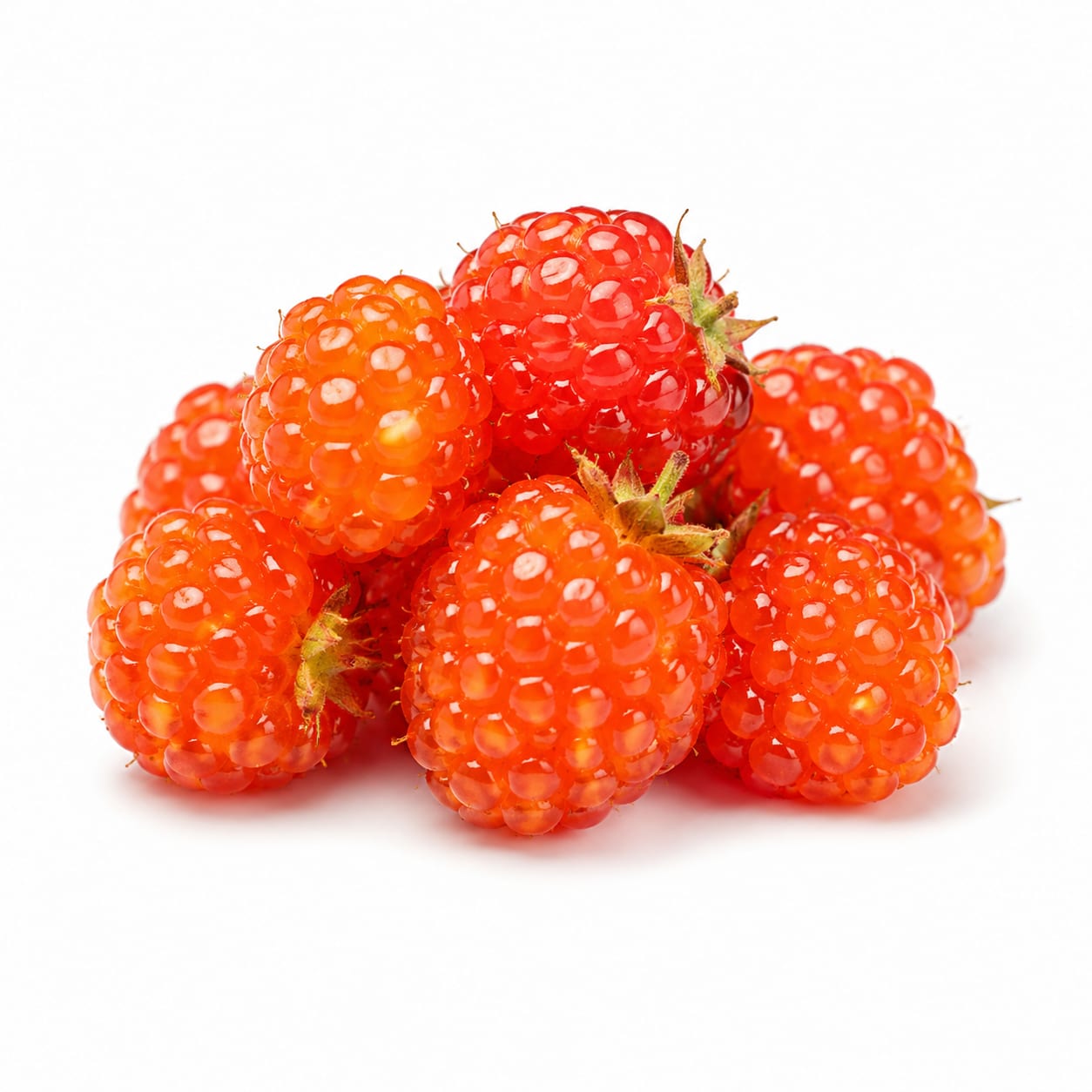
Salmonberry
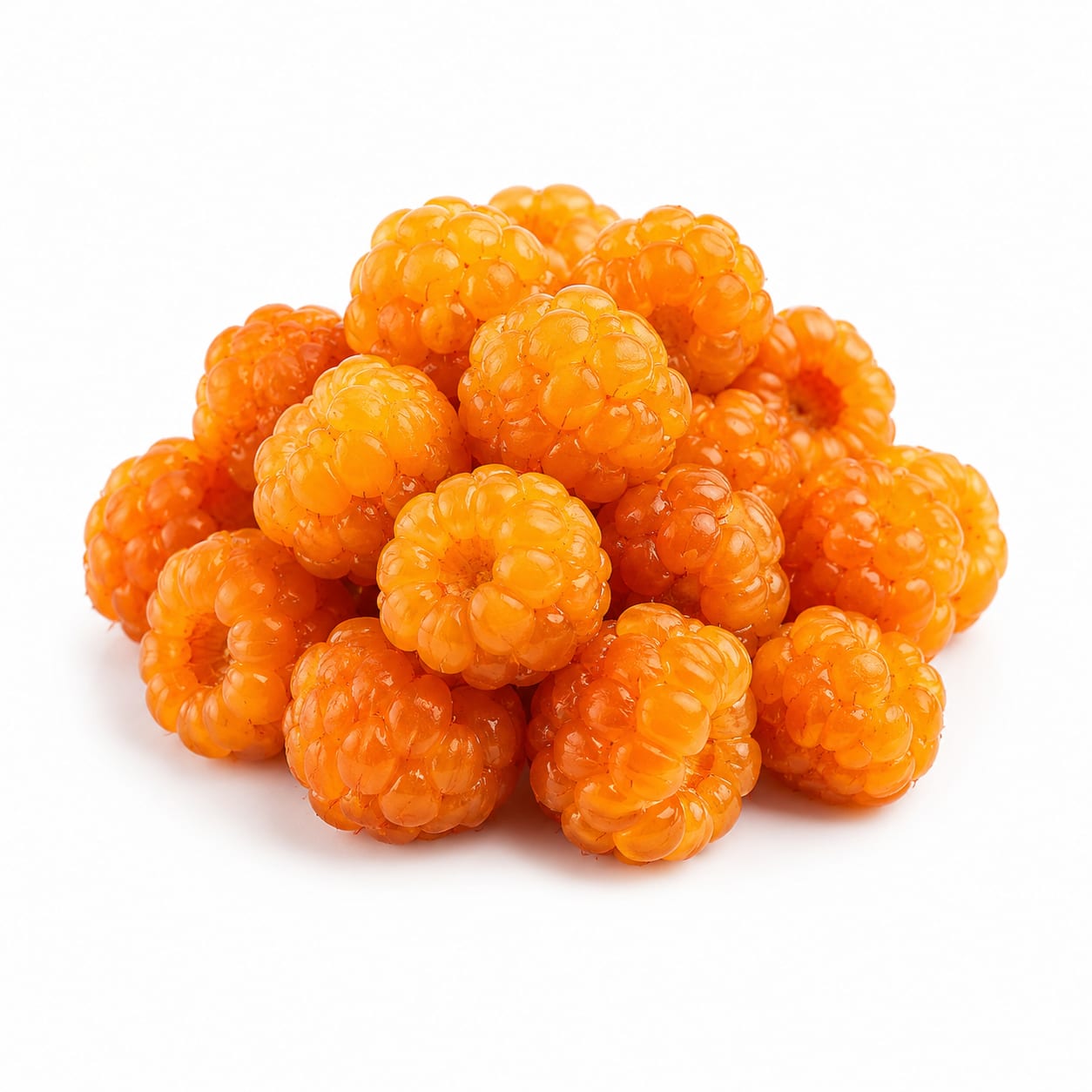
Thimbleberry
Thimbleberry wins on flavor and sweetness; salmonberry wins on juiciness and yield per bush. Nutritionally they are nearly identical.
Thimbleberry edges ahead on flavor and antioxidant density, but salmonberry is more practical for harvesting and preserving. Low confidence reflects limited nutritional data on both wild berries and high variability based on ripeness and growing conditions.
Thimbleberry tastes better but is frustratingly fragile and lower yielding, while salmonberry is easier to harvest in quantity but can taste watery and bland
At a glance
Executive summary
Overall
It depends
Healthier
It depends
More practical
Salmonberry
Daily use
Salmonberry
Key comparison lenses
wild berry foraging choice
Both are wild-foraged Pacific Northwest berries rarely found in stores, so users are likely deciding which to pick or prioritize while foraging
flavor and eating experience
These berries differ significantly in taste—salmonberry is milder and juicier, thimbleberry is sweeter and more intense—making flavor a primary decision factor
perishability and practical use
Both berries are extremely fragile and spoil quickly, but thimbleberry is even more delicate, affecting how each can be used after harvesting
nutritional comparison of similar wild fruits
Users want to know if either berry offers a meaningful nutritional edge despite both being low-calorie wild fruits
Best choice for
Salmonberry
- People who want larger harvests with less effort
- Anyone making jams or preserves where volume matters
- Those who prefer milder, less sweet fruit
- Hikers wanting a hydrating trail snack
Thimbleberry
- Flavor-focused foragers who want the best-tasting wild berry
- Anyone eating berries fresh right off the bush
- People who enjoy intense, tangy-sweet fruit
- Dessert toppings where flavor concentration matters
Least suitable for
Salmonberry
- Anyone seeking bold, sweet berry flavor
- People comparing these to cultivated berries like raspberries
- Those wanting a rich dessert ingredient
Thimbleberry
- Anyone needing to store or transport berries
- People wanting large harvests efficiently
- Those who dislike seedy texture
Deep comparison
Dimension by dimension
Each lens scores both foods and breaks down who each option suits.
- Dimension 1 · Priority 95Thimbleberry
Flavor and Eating Satisfaction
Salmonberry · 55Thimbleberry · 82Thimbleberry delivers a richer, sweeter, more complex flavor. Salmonberry is pleasant but often disappointingly bland, especially if picked even slightly underripe.
Tradeoff
Thimbleberry's superior taste comes in a fragile package that collapses in your hands; salmonberry holds together better but tastes watery by comparison
Why it matters
With wild berries, flavor is often the entire point—if you're foraging for enjoyment, a bland harvest feels like wasted effort
Real-world impact
You'll likely eat thimbleberries eagerly on the spot but struggle to bring them home; salmonberries travel better but may sit uneaten in your container
Salmonberry
- Casual grazers who eat while walking
- People who enjoy mild, refreshing fruit
Better for
- Those expecting raspberry-level sweetness
- Anyone foraging specifically for dessert ingredients
Worse for
Thimbleberry
- Flavor enthusiasts seeking the best wild berry experience
- Anyone making fresh desserts or toppings on-site
Better for
- People who need berries to survive transport home
- Those bothered by delicate, crumbly texture
Worse for
- Dimension 2 · Priority 82Salmonberry
Harvest Efficiency and Yield
Salmonberry · 78Thimbleberry · 45Salmonberry bushes produce heavily and berries pull off easily in handfuls. Thimbleberry yields are sparse and each berry requires gentle individual picking.
Tradeoff
You can fill a container with salmonberries in minutes; the same container of thimbleberries takes much longer and many berries will be crushed in the process
Why it matters
If foraging is about gathering food efficiently, salmonberry respects your time far better
Real-world impact
A 30-minute salmonberry harvest can yield enough for jam; the same time on thimbleberry might give you a small handful to eat immediately
Salmonberry
- Families foraging together who want visible results
- Anyone preserving berries for later use
- Time-limited foragers
Better for
- Those who find large harvests of bland fruit demotivating
Worse for
Thimbleberry
- Patient foragers who enjoy the process as much as the result
- People snacking while walking rather than collecting
Better for
- Anyone trying to gather enough for a recipe
- People who find low-yield foraging frustrating
Worse for
- Dimension 3 · Priority 70Thimbleberry
Nutritional Value
Salmonberry · 62Thimbleberry · 68Both berries offer vitamin C, fiber, and antioxidants typical of wild Rubus species. Thimbleberry appears slightly richer in antioxidants per gram due to deeper pigmentation and more seeds.
Tradeoff
The nutritional gap is small and both berries are solid choices; thimbleberry's edge comes from higher seed content adding fiber and polyphenols
Why it matters
Neither berry is a nutritional powerhouse—you'd need to eat large quantities for meaningful nutrient intake, so flavor should probably drive your choice more than nutrition
Real-world impact
Eating a cup of either berry provides a light vitamin C boost and some fiber, but neither replaces a balanced diet or supplements if you're targeting specific nutrients
Salmonberry
- Those who prefer juicier, more hydrating fruit with moderate nutrients
Better for
- Anyone seeking the most nutrient-dense wild berry option
Worse for
Thimbleberry
- People maximizing antioxidant intake from wild foods
- Those who tolerate seedy texture for extra fiber
Better for
- People sensitive to seeds or who dislike gritty texture
Worse for
- Dimension 4 · Priority 78Salmonberry
Perishability and Storage
Salmonberry · 52Thimbleberry · 30Both berries spoil within hours of picking, but thimbleberry is dramatically more fragile—it essentially disintegrates when handled. Salmonberry at least holds its shape briefly.
Tradeoff
Neither berry stores well, but salmonberry can survive a gentle trip home; thimbleberry must be eaten at the bush or within minutes of picking
Why it matters
If you cannot eat berries immediately while foraging, thimbleberry's fragility makes it almost impractical as a gathered food
Real-world impact
Salmonberries might last a few hours refrigerated; thimbleberries turn to mush in a container no matter how careful you are
Salmonberry
- Anyone wanting to bring berries home
- People who refrigerate and eat within a day
Better for
- Those expecting store-bought berry shelf life
Worse for
Thimbleberry
- Trail snackers eating immediately
Better for
- Anyone more than 10 minutes from their kitchen
- People wanting to freeze or preserve later
Worse for
- Dimension 5 · Priority 72Salmonberry
Culinary Versatility
Salmonberry · 65Thimbleberry · 50Salmonberry works better in jams, syrups, and baked goods because you can actually collect enough and it holds together during cooking. Thimbleberry's delicacy limits it to fresh eating.
Tradeoff
Salmonberry's milder flavor means prepared goods may taste bland without added sugar or mixing with other berries; thimbleberry has the flavor but not the structural integrity for cooking
Why it matters
If you want to do something with your foraged berries beyond snacking, salmonberry is the only practical option
Real-world impact
Salmonberry jam is a real possibility; thimbleberry jam requires heroic effort and still often turns into unappealing mush
Salmonberry
- Home preservers and jam makers
- Bakers wanting wild berry muffins or pies
- Anyone making fruit syrups or cordials
Better for
- Those wanting strong berry flavor in cooked dishes without added sugar
Worse for
Thimbleberry
- Raw food enthusiasts
- Garnish-focused chefs who value flavor over volume
Better for
- Anyone cooking or heating berries
- People making preserves or baked goods
Worse for
Timeline
Health impact over time
Short-term
Hours to days
Salmonberry
- Hydrating due to high water content—refreshing on hot trail hikes
- Mild blood sugar impact thanks to low sugar density
- Unlikely to cause digestive upset unless eaten in very large quantities
Thimbleberry
- Slightly more filling per volume due to seed content and fiber
- Very low glycemic impact given small typical portion sizes
- Seeds may bother those with diverticulitis or seed sensitivity
Long-term
Months to years
Salmonberry
- Regular wild berry consumption supports antioxidant intake, though salmonberry is not the most concentrated source
- Low calorie density supports weight maintenance when substituted for processed snacks
- Foraging itself provides physical activity and outdoor time—arguably the bigger health benefit
Thimbleberry
- Slightly higher antioxidant and fiber intake per serving compared to salmonberry
- Same weight maintenance benefits as other low-calorie wild fruits
- Practically, the difficulty of getting large quantities limits any meaningful long-term nutritional impact
Risk profile
Safety & processing
Both berries are as natural as food gets—wild, uncultivated, and eaten with zero processing. The only concern is environmental contamination from foraging locations near roads or polluted waterways.
Salmonberry
Misidentification
mediumSalmonberry resembles other Rubus species, most of which are also edible, but novice foragers should still confirm identity before eating any wild berry
Environmental contamination
lowBerries growing near roads, old industrial sites, or downstream of agricultural runoff may carry pollutants—always consider the foraging location
Parasite contamination from bear feces
lowSalmonberry thickets are prime bear habitat; wash berries if possible and be aware of your surroundings while picking
Thimbleberry
Misidentification
mediumThimbleberry could be confused with unripe or misidentified wild berries by novices, though its distinctive maple-shaped leaves make it easier to identify than many species
Environmental contamination
lowSame location-based concerns as salmonberry—avoid areas near roads, pesticide use, or polluted waterways
Surface contamination from handling
lowBecause thimbleberries are so delicate and often eaten unwashed in the field, any surface contamination is consumed directly
Who wins for whom
Audience fit
Same foods, different winners depending on your goal.
children
SalmonberrySalmonberry's milder flavor and firmer texture are more kid-friendly; thimbleberry's crumbly delicacy frustrates small hands and its tanginess can be off-putting
daily consumption
SalmonberryRealistically, neither is available daily unless you live in prime foraging territory during a narrow season, but salmonberry's higher yield makes regular consumption more feasible during its window
diabetes
SalmonberrySalmonberry's lower sugar content and higher water density make it the slightly safer choice for blood sugar, though both are low-glycemic in typical foraging portions
elderly
SalmonberrySalmonberry is easier to harvest without bending deeply into brush and its softer seeds are gentler on dental work and digestion
muscle gain
It dependsNeither berry provides meaningful protein or calories for muscle building; both are irrelevant to this goal
weight loss
It dependsBoth are extremely low calorie and virtually identical in energy density—neither moves the needle meaningfully for weight loss on its own
Your move
Decision guide
Choose Salmonberry
- You want to actually bring berries home or make preserves
- You're foraging with kids who need easy, rewarding picking
- You prefer mild, refreshing fruit over intense sweetness
- You're hiking in wet coastal areas where salmonberry is abundant
Choose Thimbleberry
- Flavor is your top priority and you're eating berries on the spot
- You want the most satisfying wild berry taste experience
- You're a patient forager who values quality over quantity
- You're snacking on a dry forest trail where thimbleberry thrives
Either works if
- You just want a healthy trail snack while hiking
- Both are available and you enjoy variety
- You're introducing someone to wild berry foraging
Avoid both if
- You cannot confidently identify the berries and their lookalikes
- You're foraging near roads, industrial areas, or agricultural runoff
- You have severe allergies to Rubus family fruits (raspberries, blackberries)
- You expect store-bought berry quality and will be disappointed by wild fruit variability
Final recommendation
Eat both if you find both—this is a rare either-or where there is no wrong answer. Prioritize thimbleberry for the taste experience if you find it, but focus your harvesting effort on salmonberry if you want to bring something home. The real value of either berry is the foraging adventure itself, not the nutritional profile.
Practical
Consumer tips
- 1
Pick salmonberries when they are fully deep orange-red—pale or yellow ones are underripe and nearly tasteless
- 2
Thimbleberries slide off their core when ripe; if you have to tug, they need another day
- 3
Bring a wide, shallow container for either berry—never stack or pile deeply
- 4
If making salmonberry jam, add a splash of lemon juice and mix with a smaller amount of a more flavorful berry like wild blackberry for depth
- 5
Always forage with a reliable field guide or experienced forager until you can identify both berries and their habitat confidently
- 6
Check for bear sign before spending time in salmonberry thickets—this is prime bear food territory
- 7
Both berries freeze poorly due to high water content—use fresh or cook into preserves the same day