
Nutrition comparison
Thimbleberry vs Loganberry: Nutrition, Taste, and Which Berry to Choose
Compare Thimbleberry and Loganberry nutrition, sugar content, antioxidants, and practicality. Learn which berry is better for weight loss, diabetes, and daily use.
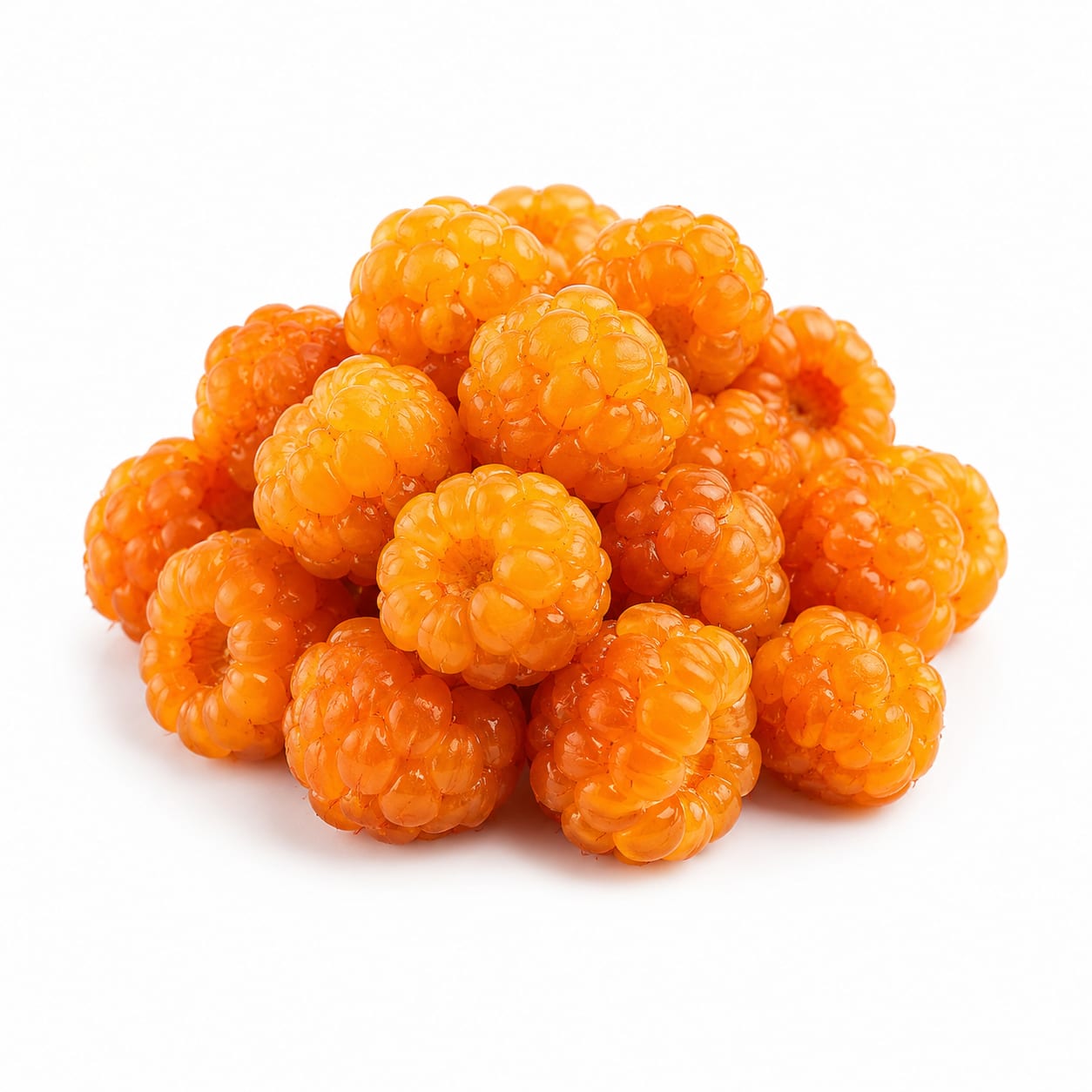
Thimbleberry
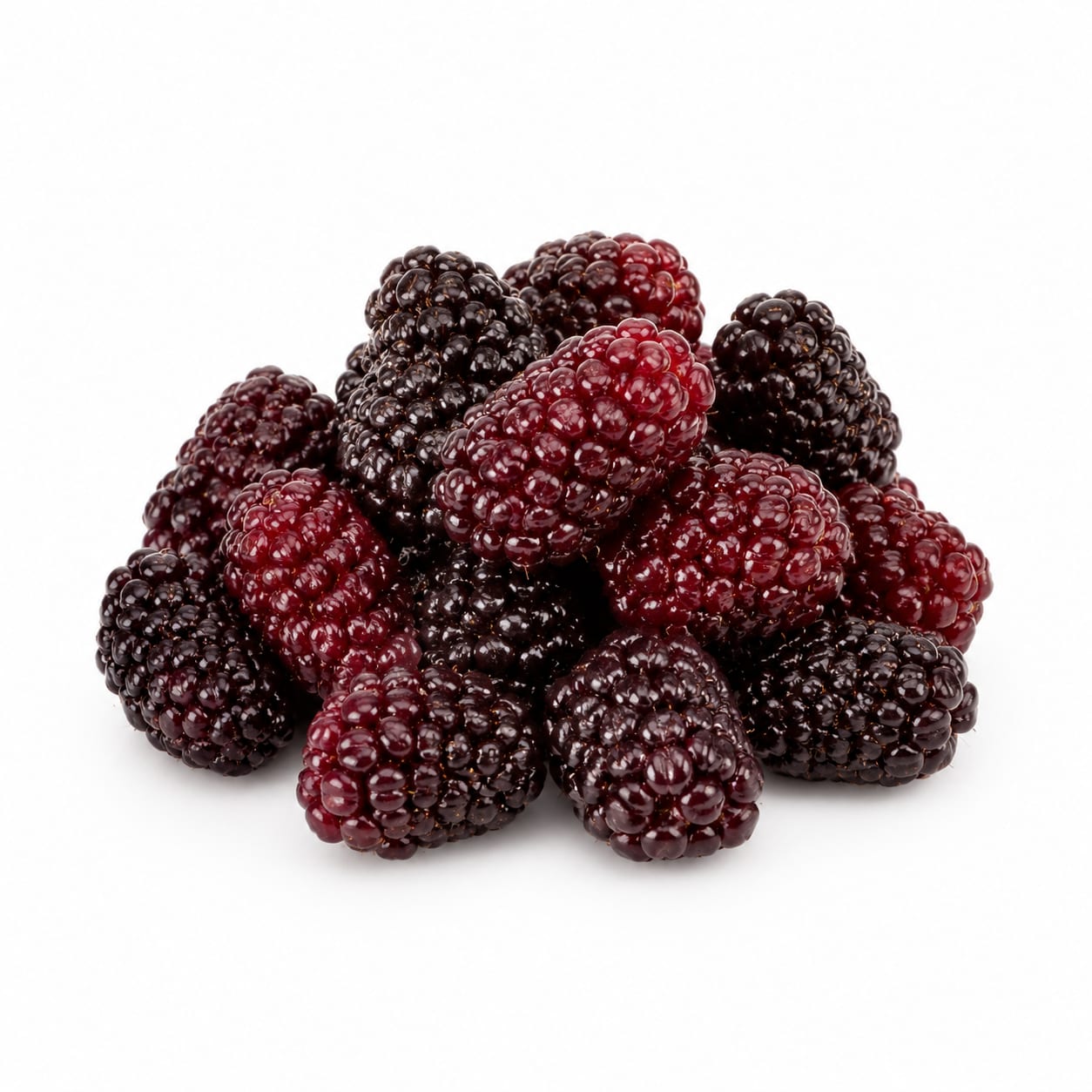
Loganberry
Thimbleberry wins on raw nutrient density and lower sugar, but Loganberry wins on practicality, availability, and culinary usefulness.
Loganberry edges ahead due to real-world usability, but Thimbleberry's superior raw nutrient profile keeps it competitive. The low confidence reflects how heavily the winner depends on whether you can actually obtain fresh Thimbleberries.
Peak wild nutrition you can barely access versus reliable cultivated nutrition you can actually eat regularly.
At a glance
Executive summary
Overall
It depends
Healthier
Thimbleberry
More practical
Loganberry
Daily use
Loganberry
Key comparison lenses
wild foraging vs cultivated berry nutrition
Thimbleberry is almost exclusively wild-foraged while Loganberry is a cultivated hybrid, fundamentally shaping access and nutrient profiles
antioxidant and phytonutrient density
Both berries are prized for anthocyanins and vitamin C but differ significantly in concentration and variety
practical availability and daily usability
Thimbleberry's extreme perishability makes it nearly impossible to find commercially, while Loganberry is far more accessible
sugar content and blood sugar impact
Both are relatively low-sugar fruits but differ enough to matter for glucose-sensitive users
culinary versatility
Loganberry holds up well in cooking and preserves while Thimbleberry is best eaten fresh immediately after picking
Best choice for
Thimbleberry
- Wild foragers with immediate access to Pacific Northwest trails
- Those seeking the lowest-sugar berry option available
- People prioritizing raw, unprocessed, hyper-local fruit
- Anyone wanting maximum vitamin C per calorie from a berry
Loganberry
- Home gardeners wanting a productive, hardy berry plant
- People who cook with berries regularly in jams, pies, and sauces
- Those who need a reliable berry they can actually purchase
- Families wanting a tart, flavorful berry for everyday meals
Least suitable for
Thimbleberry
- Anyone without foraging access or wild berry sources
- Meal preppers who need berries that last more than a few hours
- People who dislike tart, delicate fruit textures
- Those wanting consistent, measurable nutrition from store-bought produce
Loganberry
- People sensitive to even moderate acidity who find tart fruit unpleasant
- Those seeking the absolute lowest-sugar berry option
- Foraging purists who avoid cultivated hybrids
- Anyone in climates where Loganberry plants cannot thrive
Deep comparison
Dimension by dimension
Each lens scores both foods and breaks down who each option suits.
- Dimension 1 · Priority 90Thimbleberry
antioxidant and phytonutrient density
Thimbleberry · 88Loganberry · 76Thimbleberry packs more antioxidants per gram thanks to its wild growth conditions and thinner skin allowing higher surface-area pigment concentration.
Tradeoff
You get more phytonutrients from Thimbleberry but only if eaten within hours of picking, whereas Loganberry retains decent antioxidant levels even after storage.
Why it matters
Wild berries typically develop more protective compounds under natural stress, giving foraged Thimbleberries a genuine edge in anthocyanin diversity.
Real-world impact
A handful of fresh-picked Thimbleberries likely delivers more cellular protection than the same amount of store-bought Loganberries, but that advantage fades quickly with time.
Thimbleberry
- Maximizing antioxidant intake per calorie consumed
- Anti-aging and cellular protection protocols
- Raw food enthusiasts eating immediately after harvest
Better for
- Situations where berries sit in a fridge for days before consumption
- Anyone relying on shipped, stored, or preserved fruit
Worse for
Loganberry
- Consistent antioxidant intake over weeks and months
- Anyone storing berries more than a day before eating
- Smoothie makers who blend frozen berries regularly
Better for
- Peak phytonutrient optimization when fresh wild berries are available
- Those seeking the absolute highest anthocyanin diversity
Worse for
- Dimension 2 · Priority 82Thimbleberry
sugar content and blood sugar impact
Thimbleberry · 85Loganberry · 72Thimbleberry is notably lower in sugar with a more favorable glycemic profile, making it gentler on blood sugar.
Tradeoff
Lower sugar means less natural sweetness, so Thimbleberry tastes more tart and less dessert-like than Loganberry.
Why it matters
For anyone monitoring glucose, the difference between roughly 4g and 7g of sugar per cup is meaningful, especially when berries are eaten in larger quantities.
Real-world impact
You can eat more Thimbleberries without the subtle blood sugar rise that comes from sweeter berries, making them a better grazing snack for metabolically sensitive people.
Thimbleberry
- Diabetics and pre-diabetics managing blood sugar
- Low-carb and keto dieters counting every gram of sugar
- People who snack on berries throughout the afternoon
Better for
- Athletes needing quick carbohydrate replenishment
- People using berries as a pre-exercise energy source
Worse for
Loganberry
- Active individuals who benefit from natural fruit sugars post-workout
- Children who need palatable fruit options to develop healthy eating habits
- Anyone finding very tart fruit unappealing and needing some sweetness
Better for
- Strict glucose management requiring minimal sugar intake
- Those who easily overeat sweeter fruit
Worse for
- Dimension 3 · Priority 88Loganberry
availability and practical access
Thimbleberry · 22Loganberry · 79Loganberry is commercially available, garden-cultivable, and stores reasonably well. Thimbleberry is almost never sold and deteriorates within hours.
Tradeoff
The berry with better nutrition is the one you likely cannot buy, while the slightly less nutrient-dense option is the one you can actually get year-round.
Why it matters
Nutrition only matters if you can access the food. A superior berry you never eat provides zero benefit compared to a good berry you eat daily.
Real-world impact
Most people will eat Loganberries dozens of times per year and Thimbleberries rarely if ever, making Loganberry the de facto winner for real dietary impact.
Thimbleberry
- Residents of the Pacific Northwest with trails nearby during summer
- Dedicated foragers who plan trips around berry season
Better for
- Urban dwellers with no foraging access
- Anyone wanting berries outside of a narrow summer window
- Meal preppers and planners
Worse for
Loganberry
- Anyone buying berries from stores, farmers markets, or online
- Home gardeners in USDA zones 5-9 wanting reliable fruit production
- People who freeze or preserve berries for off-season use
Better for
- Those with land in very cold or very hot climates where Loganberry struggles
- Foraging traditionalists who prefer purely wild foods
Worse for
- Dimension 4 · Priority 75Loganberry
fiber and digestive health
Thimbleberry · 68Loganberry · 80Loganberry provides more fiber per serving thanks to its denser flesh and more prominent seeds, supporting better digestion and satiety.
Tradeoff
More fiber means Loganberry is more filling but also has a seedier texture that some find unpleasant, while Thimbleberry's delicate texture is easier to eat but less satiating.
Why it matters
Fiber from whole berries supports gut bacteria diversity and slows sugar absorption, compounding Loganberry's already decent blood sugar profile.
Real-world impact
A cup of Loganberries with yogurt will keep you fuller longer than the same amount of Thimbleberries, which feel more like a light garnish than a substantial snack.
Thimbleberry
- People with sensitive digestion who find seedy berries irritating
- Those preferring a melt-in-the-mouth texture over chewiness
Better for
- Situations where you need a snack to actually fill you up
- People relying on fruit as a significant fiber source
Worse for
Loganberry
- Anyone increasing daily fiber intake for gut health
- People using berries as a satiating snack between meals
- Those managing cholesterol through dietary fiber
Better for
- Those with diverticulitis or seed sensitivity issues
- Anyone who finds seedy berry textures unappealing
Worse for
- Dimension 5 · Priority 78Thimbleberry
vitamin C and micronutrient profile
Thimbleberry · 84Loganberry · 73Thimbleberry delivers more vitamin C per serving along with a slightly richer mineral profile, boosted by wild growing conditions in mineral-rich soils.
Tradeoff
Vitamin C degrades rapidly after picking, so Thimbleberry's advantage only holds if you eat it fresh. Stored Loganberry may actually deliver more by the time it reaches your plate.
Why it matters
Wild berries growing in undisturbed soil often accumulate more trace minerals like manganese and magnesium than cultivated varieties in depleted farmland.
Real-world impact
Fresh-picked Thimbleberries are an exceptional vitamin C source, but if they sit for even a day, Loganberries from your fridge may surpass them in actual delivered nutrition.
Thimbleberry
- Immediate consumption after foraging for maximum vitamin C
- Those seeking trace mineral diversity from wild foods
- People in regions with mineral-rich volcanic soils where Thimbleberries thrive
Better for
- Any scenario where berries are not eaten within hours of picking
- People relying on stored fruit for winter nutrition
Worse for
Loganberry
- Reliable vitamin C intake from stored or frozen berries
- Those who buy berries days before eating them
- People wanting consistent, measurable micronutrient content
Better for
- Peak vitamin C optimization when fresh wild berries are available
- Those seeking maximum trace mineral diversity
Worse for
- Dimension 6 · Priority 72Loganberry
culinary versatility
Thimbleberry · 40Loganberry · 86Loganberry excels in jams, pies, sauces, and baked goods while Thimbleberry collapses into mush with any heat or handling.
Tradeoff
Thimbleberry offers a transcendent fresh-eating experience but almost nothing else, while Loganberry is a reliable workhorse across dozens of recipes.
Why it matters
If you cook with berries regularly, having one that holds its shape and intensifies in flavor with heat dramatically expands your meal options.
Real-world impact
Loganberry jam, pie, and compote are genuinely delicious. Thimbleberry is best enjoyed standing on a trail, eating directly from the bush.
Thimbleberry
- Raw purists who only eat fruit fresh and unadorned
- Those seeking a unique, ephemeral tasting experience
Better for
- Any cooking application involving heat
- Preserving or canning projects
- Recipes requiring the berry to maintain structural integrity
Worse for
Loganberry
- Home cooks making preserves, jams, and baked goods
- Anyone wanting berries that freeze well for later use
- People who enjoy making fruit sauces and compotes
- Cocktail and beverage makers using berry flavors
Better for
- Those seeking a delicate, melt-in-the-mouth fresh berry experience
- Raw food minimalists who avoid any processing
Worse for
Timeline
Health impact over time
Short-term
Hours to days
Thimbleberry
- Rapid vitamin C boost when eaten fresh-picked
- Very gentle on blood sugar due to low sugar content
- Light, non-heavy feeling after eating, unlikely to cause bloating
Loganberry
- Moderate energy from natural sugars, satisfying without being heavy
- Noticeable fiber helping with satiety between meals
- Slightly tart flavor can stimulate digestion and appetite regulation
Long-term
Months to years
Thimbleberry
- Strong antioxidant support if consumed regularly during foraging season
- Minimal sugar exposure supports metabolic health over decades
- Connection to wild food foraging may improve overall diet quality and outdoor activity
Loganberry
- Consistent fiber intake supporting gut microbiome diversity
- Reliable anthocyanin consumption linked to cardiovascular and cognitive benefits
- Practical daily access makes long-term berry consumption habits sustainable
Risk profile
Safety & processing
Both berries are whole, unprocessed foods when eaten fresh. Thimbleberry has a slight edge in naturalness since it is virtually always wild-foraged and never commercially farmed with agricultural chemicals. Loganberry may be grown with conventional or organic farming practices depending on the source, so pesticide exposure varies by supplier.
Thimbleberry
Misidentification with toxic wild berries
highForagers must be confident in identification. Several toxic berries resemble Thimbleberry to untrained eyes, especially in shared habitats.
Environmental contamination in wild areas
mediumRoadside or industrial-area foraging may expose berries to heavy metals, pesticides drift, or pollutants. Always forage well away from contamination sources.
Parasite and animal contamination
lowWild berries may carry microscopic parasites or animal waste residue. Rinsing is advisable but difficult with Thimbleberry's delicate structure.
Loganberry
Pesticide residue from conventional farming
mediumCommercially grown Loganberries may carry pesticide residues. Choosing organic reduces this significantly. Always wash before eating.
Mold and spoilage during storage
lowLike all berries, Loganberry is susceptible to mold. Inspect and discard damaged berries promptly to avoid mycotoxin exposure.
Who wins for whom
Audience fit
Same foods, different winners depending on your goal.
children
LoganberryLoganberry's sweeter flavor and wider availability make it far more likely that kids will actually eat it, and the fiber supports healthy digestion in growing bodies.
daily consumption
LoganberryYou can actually buy, store, and eat Loganberries year-round. Thimbleberry's extreme seasonality and perishability make daily consumption nearly impossible for most people.
diabetes
ThimbleberrySignificantly lower sugar content and gentler blood sugar impact give Thimbleberry a clear edge for glucose management, assuming fresh access.
elderly
LoganberryReliable access, easier storage, and more fiber for digestive regularity make Loganberry the practical choice for older adults who need consistency.
muscle gain
LoganberryLoganberry provides slightly more carbohydrates for post-workout recovery and more fiber for sustained energy, plus you can actually eat it consistently enough to matter.
weight loss
ThimbleberryLower sugar and calorie density make Thimbleberry marginally better for weight loss, though the advantage is small and only relevant if you can actually access them regularly.
Your move
Decision guide
Choose Thimbleberry
- You live in or visit the Pacific Northwest during summer and can forage reliably
- You want the lowest-sugar, highest-vitamin-C berry possible and can eat it immediately
- You value the experience and nutrition of wild foods over convenience
- You have no access to Loganberry but know where Thimbleberries grow
Choose Loganberry
- You want a berry you can actually buy, store, and use in recipes
- You cook with berries regularly and need something that holds up to heat
- You are planting a garden and want a productive, hardy berry bush
- You need consistent, reliable fruit nutrition rather than occasional peak experiences
Either works if
- You simply want more berry diversity in your diet regardless of which one
- Both are available fresh and you are eating them raw the same day
- You are comparing frozen options and either would add similar value to smoothies
Avoid both if
- You have a berry allergy or salicylate sensitivity
- You are on a very strict low-oxalate diet and sensitive to berry oxalates
- You are seeking a high-protein food and confusing fruit with protein sources
Final recommendation
Eat Loganberry as your everyday berry for its reliability, fiber, and culinary flexibility. Seek out Thimbleberry as a seasonal treat when you can forage it fresh, enjoying it as a raw vitamin C and antioxidant boost that no store-bought berry can match. The ideal approach is not choosing one but using each for what it does best: Loganberry for daily life, Thimbleberry for wild abundance when the moment arrives.
Practical
Consumer tips
- 1
If foraging Thimbleberries, always confirm identification with a local expert or reliable field guide before eating any wild berry.
- 2
Rinse foraged Thimbleberries gently with cool water just before eating. Their delicate structure means they cannot be soaked or stored wet.
- 3
Loganberry plants are excellent for home gardens in USDA zones 5-9 and produce prolifically with minimal care, giving you fresh berries far superior to store-bought.
- 4
Freeze Loganberries on a parchment-lined tray before bagging to prevent clumping, preserving their shape for months of smoothie and baking use.
- 5
If buying Loganberry jam or preserves, check the sugar content. Many commercial versions add more sugar than berry, negating the health benefits.
- 6
Thimbleberry's extreme perishability means you should eat it within 2-4 hours of picking for maximum nutrition and flavor. After that, vitamin C degrades rapidly.
- 7
When growing Loganberries, netting against birds is essential. They are a favorite target and can strip a bush overnight.
- 8
Both berries pair well with plain yogurt or oatmeal, but Loganberry's firmer texture holds up better overnight in refrigerator oats.