
Nutrition comparison
Thimbleberry vs Raspberry: Which Wild Berry Is Actually Better for You?
Compare thimbleberry and raspberry nutrition, antioxidants, fiber, and safety. Learn when wild thimbleberries outperform raspberries and why raspberries win for daily eating.
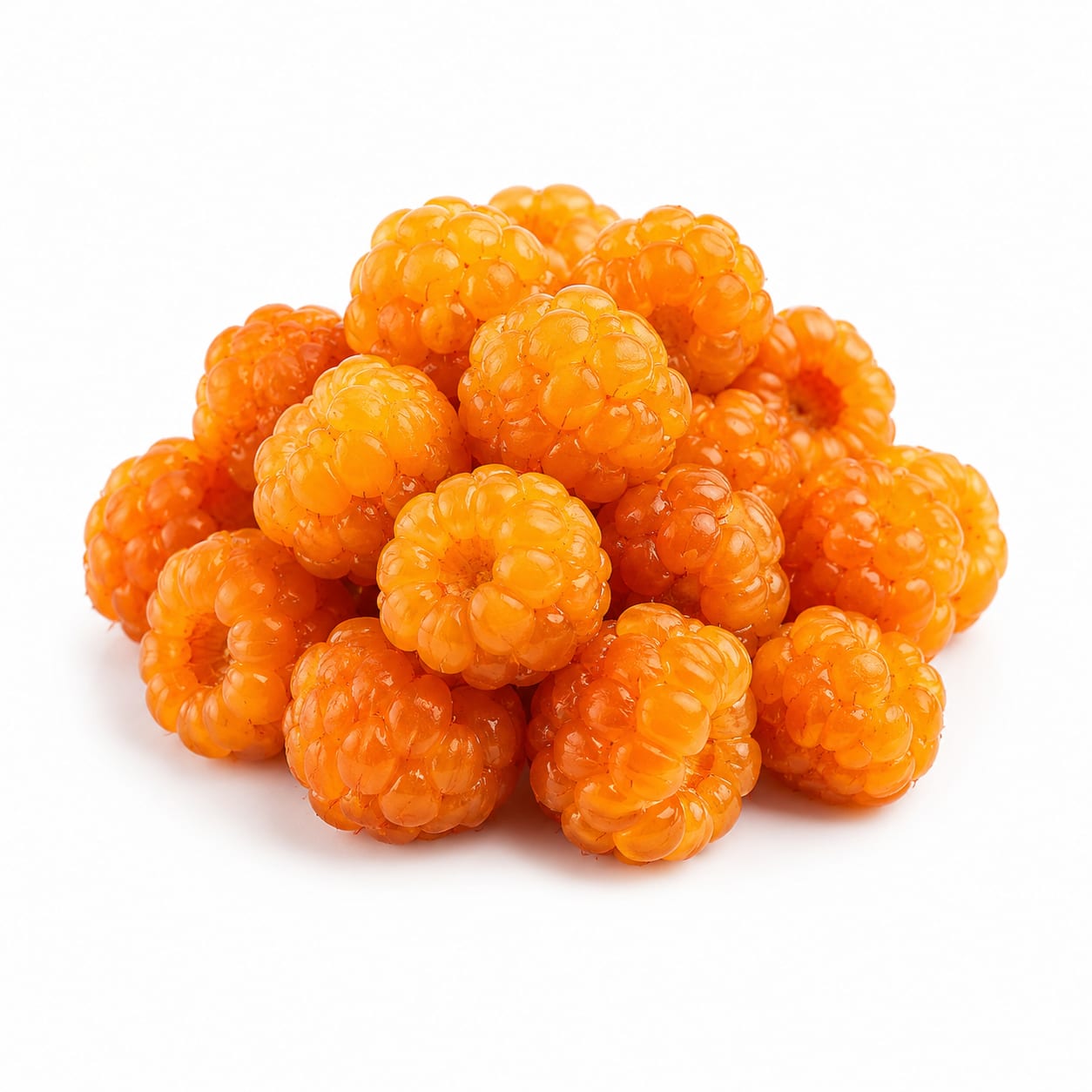
Thimbleberry
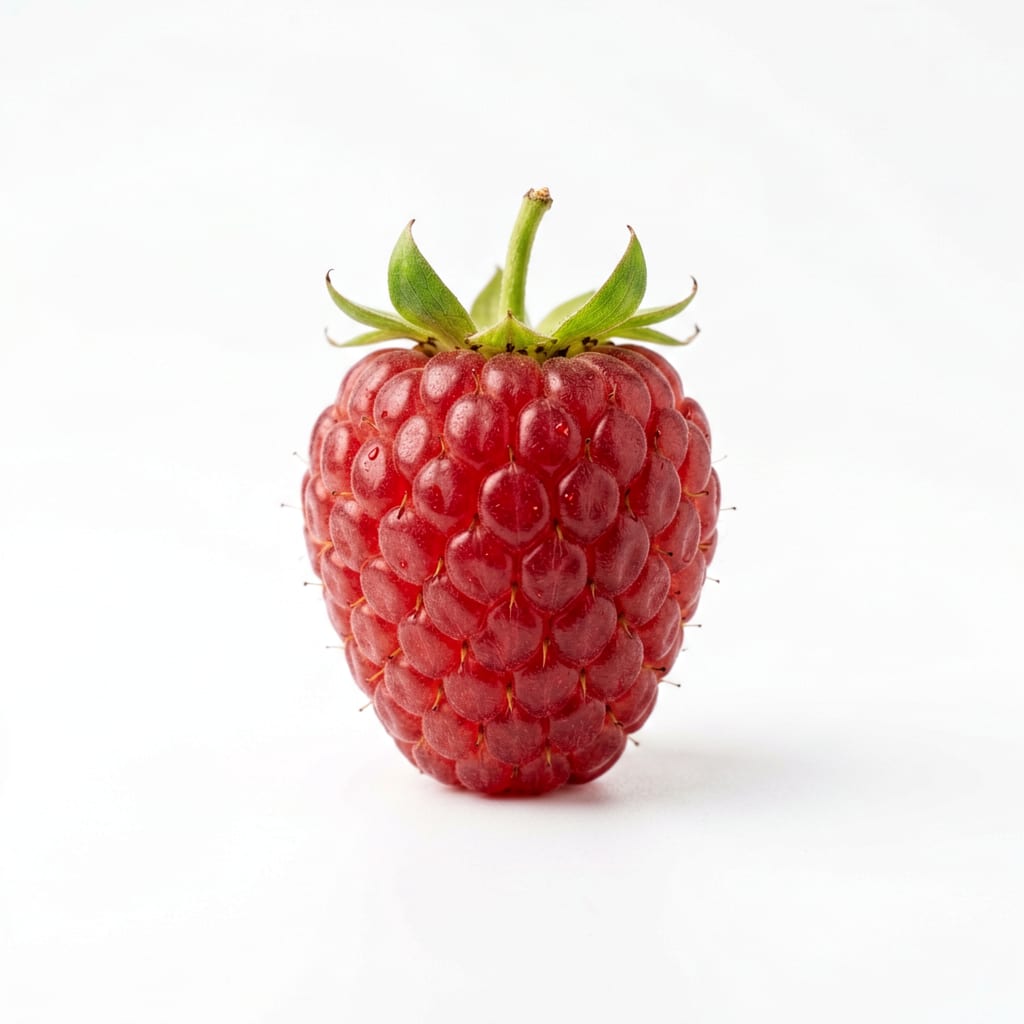
Raspberry
Raspberries win on practicality and reliable nutrition; thimbleberries offer a unique wild-foraged experience with potentially higher antioxidant concentrations but are impractical as a regular food source.
Thimbleberries likely edge out raspberries in certain phytonutrients due to wild growing conditions, but their extreme impracticality as a regular food source lowers the overall score. Raspberries deliver dependable nutrition you can actually eat daily.
Access to a potentially more phytonutrient-dense wild berry versus the convenience and consistency of a store-bought staple with well-documented benefits.
At a glance
Executive summary
Overall
It depends
Healthier
It depends
More practical
Raspberry
Daily use
Raspberry
Key comparison lenses
wild foraged vs commercial berry nutrition
Thimbleberries are almost exclusively wild-foraged while raspberries are widely cultivated, making availability and reliability the core tension
practical everyday fruit choice
Most users need to know whether seeking out thimbleberries is worth the effort or if raspberries deliver comparable benefits conveniently
antioxidant and phytonutrient density
Both berries are prized for anthocyanins and ellagic acid but wild thimbleberries may concentrate more defensive phytochemicals
foraging safety vs grocery reliability
Thimbleberry foraging introduces misidentification risk and environmental contamination concerns that raspberries avoid entirely
Best choice for
Thimbleberry
- Foraging enthusiasts seeking wild food connection
- People wanting peak antioxidant density from wild berries
- Those with access to clean, safe thimbleberry patches
- Adventurous eaters exploring regional native foods
Raspberry
- Anyone needing reliable daily fruit intake
- Meal preppers and smoothie makers
- People who want consistent nutrition labels
- Families wanting safe, accessible berries year-round
Least suitable for
Thimbleberry
- People with no foraging experience or access
- Anyone concerned about misidentifying wild berries
- Those needing consistent weekly meal planning
- People in regions where thimbleberries don't grow
Raspberry
- Those seeking the most intense wild-berry flavor experience
- People wanting to reduce reliance on commercial agriculture
Deep comparison
Dimension by dimension
Each lens scores both foods and breaks down who each option suits.
- Dimension 1 · Priority 90Thimbleberry
antioxidant_density
Thimbleberry · 88Raspberry · 79Wild thimbleberries likely pack more anthocyanins and phenolic compounds per serving because wild plants produce more defensive chemicals without agricultural pampering.
Tradeoff
Higher potential antioxidant content comes with zero nutritional labeling and variable potency depending on growing conditions.
Why it matters
More antioxidants mean better cellular protection, but you cannot dose or track intake with a wild food the way you can with standardized raspberries.
Real-world impact
A handful of wild thimbleberries may deliver a bigger antioxidant punch, but you will not eat them often enough for that advantage to accumulate meaningfully.
Thimbleberry
- Occasional antioxidant boost from wild foraging
- People who value peak phytonutrient density per bite
Better for
- Cannot verify actual antioxidant content of any given batch
Worse for
Raspberry
- Consistent daily antioxidant intake
- Measurable, trackable nutrition
Better for
- Cultivated berries may have lower phytonutrient concentrations than wild equivalents
Worse for
- Dimension 2 · Priority 95Raspberry
availability_and_convenience
Thimbleberry · 15Raspberry · 92Raspberries are available fresh or frozen in virtually every grocery store year-round. Thimbleberries are almost never sold commercially and must be foraged during a narrow summer window.
Tradeoff
You sacrifice the unique wild-berry experience for something you can actually buy on Tuesday in February.
Why it matters
Nutrition only works if you can access it consistently. A superior berry you never eat beats nothing, but an accessible berry you eat daily wins in real life.
Real-world impact
Most people will eat raspberries weekly and thimbleberries never. That frequency gap determines actual health outcomes more than marginal nutrient differences.
Thimbleberry
- People who already forage and have reliable patches
Better for
- Seasonal window of only a few weeks
- No commercial supply chain
- Extremely perishable even when found
Worse for
Raspberry
- Everyone else
- Meal planning and recipe consistency
- Year-round fruit intake
Better for
- Can be expensive out of season
- Mold quickly in the fridge
Worse for
- Dimension 3 · Priority 75It depends
fiber_and_digestive_benefits
Thimbleberry · 76Raspberry · 78Both berries provide excellent fiber with similar seed-to-flesh ratios. Raspberries have a slight edge in documented fiber content at around 8 grams per cup.
Tradeoff
Thimbleberries may feel lighter and less seedy in the mouth, which some people prefer, but raspberries deliver a more reliably measured fiber dose.
Why it matters
Fiber from berries supports gut health and steadier blood sugar. Both options are strong choices here.
Real-world impact
Either berry will help you feel fuller and support digestion. The difference is negligible in practice.
Thimbleberry
- People who find raspberry seeds annoyingly gritty
Better for
- No reliable nutrition data for exact fiber content
Worse for
Raspberry
- Those tracking daily fiber grams precisely
- People wanting the highest verified fiber per serving
Better for
- Seeds can bother sensitive digestive systems
Worse for
- Dimension 4 · Priority 70Raspberry
vitamin_c_and_micronutrients
Thimbleberry · 68Raspberry · 80Raspberries provide well-documented vitamin C at about 32mg per cup plus solid manganese and folate. Thimbleberry data is sparse but likely comparable, just unverified.
Tradeoff
Raspberries give you a nutrition label you can trust. Thimbleberries give you an educated guess.
Why it matters
If you are counting micronutrients for a health condition, verified data matters. For general wellness, both are strong contributors.
Real-world impact
Eating raspberries daily reliably moves the needle on vitamin C intake. Thimbleberries probably do too, but you cannot confirm it.
Thimbleberry
- Wild berries growing in mineral-rich soil may concentrate more trace minerals
Better for
- Nutritional values vary wildly by location and soil quality
Worse for
Raspberry
- Documented, consistent vitamin and mineral content
- Reliable for dietary tracking apps
Better for
- Cultivated in soil that may be depleted of some trace minerals
Worse for
- Dimension 5 · Priority 82Raspberry
safety_and_contamination_risk
Thimbleberry · 55Raspberry · 88Raspberries from reputable sources carry minimal risk. Thimbleberries grow wild and may absorb environmental pollutants, and misidentification is possible for inexperienced foragers.
Tradeoff
The romance of wild food comes with real responsibility for correct identification and awareness of your foraging environment.
Why it matters
Eating the wrong wild berry can cause serious illness. Even correct identification carries risk if plants grow near roads or contaminated soil.
Real-world impact
One misidentified berry can land you in the emergency room. Raspberries from a store virtually never carry this risk.
Thimbleberry
- No pesticide residue if foraged far from agricultural areas
Better for
- Possible confusion with toxic lookalikes
- Environmental contaminant exposure near roads or old industrial sites
- Animal-borne contamination from wildlife
Worse for
Raspberry
- Zero misidentification risk
- Regulated food safety standards
- Consistent washing and handling protocols
Better for
- Conventional raspberries may carry pesticide residue
- Occasional foodborne illness outbreaks in commercial berry supply
Worse for
- Dimension 6 · Priority 65Raspberry
culinary_versatility
Thimbleberry · 50Raspberry · 85Raspberries work in smoothies, baking, salads, jams, and sauces with thousands of tested recipes. Thimbleberries are too delicate and rare for most cooking applications beyond fresh eating or simple preserves.
Tradeoff
Thimbleberries have a unique floral-tart flavor that is unforgettable fresh, but they fall apart in cooking and you will never have enough for a recipe.
Why it matters
If you cannot cook with it, a food remains a niche experience rather than a dietary staple.
Real-world impact
Raspberries integrate into your weekly cooking effortlessly. Thimbleberries are a special-occasion snack you eat standing in the woods.
Thimbleberry
- Raw eating enthusiasts who value unique flavors
- Small-batch artisan jam makers in the Pacific Northwest
Better for
- Too delicate for most cooking methods
- Never available in sufficient quantity for recipes
Worse for
Raspberry
- Baking and dessert recipes
- Smoothies and breakfast bowls
- Salad toppings and savory applications
- Anyone who cooks with berries regularly
Better for
- Flavor is more familiar and less exciting to adventurous palates
Worse for
Timeline
Health impact over time
Short-term
Hours to days
Thimbleberry
- Quick antioxidant boost from concentrated wild phytonutrients
- Light, satisfying fresh snack with natural sugars for mild energy
- Possible digestive sensitivity if unaccustomed to wild berries
Raspberry
- Reliable fiber intake supporting satiety and steady digestion
- Vitamin C contributing to immune function within hours of eating
- Gentle blood sugar impact suitable for most people between meals
Long-term
Months to years
Thimbleberry
- Potential for higher cumulative antioxidant intake if foraged regularly and safely
- Deepened connection to local food systems and seasonal eating patterns
- Risk exposure if foraging areas are contaminated with heavy metals or pollutants
Raspberry
- Consistent fiber intake supporting gut microbiome diversity over months and years
- Well-documented cardiovascular and anti-inflammatory benefits from regular consumption
- Possible pesticide exposure if not choosing organic, though risk is low
Risk profile
Safety & processing
Both berries are whole foods with minimal processing. Thimbleberries are as natural as it gets since they are never commercially farmed. Raspberries are minimally processed but may carry agricultural chemical residues unless organic.
Thimbleberry
Misidentification with toxic berries
highInexperienced foragers could confuse thimbleberries with toxic species. Always forage with an expert or verified guide.
Environmental contamination
mediumWild berries near roads, old mines, or industrial areas may absorb heavy metals or pollutants from soil and air.
Parasite and animal contamination
lowWild berries can be exposed to animal feces or parasites. Wash thoroughly before eating.
Raspberry
Pesticide residue
mediumConventional raspberries frequently appear on EWG's Dirty Dozen list. Choose organic when possible or wash thoroughly.
Mold and spoilage
lowRaspberries mold quickly. Inspect containers before purchase and consume within a few days.
Foodborne illness from commercial supply
lowOccasional recalls occur for norovirus or hepatitis A contamination, mostly in frozen berries from certain regions.
Who wins for whom
Audience fit
Same foods, different winners depending on your goal.
children
RaspberryRaspberries are safe, accessible, and kid-friendly. Thimbleberries require foraging knowledge and carry misidentification risks that are irresponsible around children.
daily consumption
RaspberryYou can eat raspberries every day of the year. Thimbleberries are available for a few weeks and only if you forage them yourself.
diabetes
RaspberryRaspberries have well-documented low glycemic impact and high fiber content, making them a safe, predictable choice for blood sugar management.
elderly
RaspberryConsistent fiber and vitamin C from raspberries support aging digestive and immune systems without the physical demands and risks of foraging.
muscle gain
It dependsNeither berry is a protein source. Both offer antioxidants that support recovery, but neither moves the needle meaningfully for muscle building.
weight loss
RaspberryRaspberries provide reliable low-calorie fiber that supports satiety in a portion-controlled format you can actually purchase and track.
Your move
Decision guide
Choose Thimbleberry
- You are an experienced forager with access to clean, safe thimbleberry patches
- You want the most intense wild-berry flavor experience possible
- You are building a deeper relationship with local native foods
- You already eat raspberries regularly and want something special and different
Choose Raspberry
- You need a reliable daily berry you can buy any week of the year
- You are meal prepping, making smoothies, or baking
- You have no foraging experience and want safe, consistent nutrition
- You are tracking macros or micronutrients for a health goal
Either works if
- You simply want more berries in your diet and both are available
- You are focused on general antioxidant intake from whole fruits
- You enjoy variety and want to rotate different berries seasonally
Avoid both if
- You have a salicylate sensitivity that triggers reactions to berries
- You are on a strict very-low-carb diet and cannot afford fruit sugars
Final recommendation
Eat raspberries as your everyday berry. They are accessible, well-studied, and genuinely excellent for you. If you have the chance to safely forage thimbleberries during their brief season, treat it as a special experience rather than a nutritional strategy. The best berry for your health is the one you actually eat consistently.
Practical
Consumer tips
- 1
Choose organic raspberries when possible since they rank high for pesticide residue on conventional farms
- 2
Never eat wild thimbleberries unless you are certain of identification and the foraging area is free from contamination
- 3
Freeze raspberries on a sheet pan before bagging to keep them from clumping for smoothies and baking
- 4
If you find thimbleberries, eat them fresh within hours as they disintegrate faster than almost any other berry
- 5
Wash all berries right before eating rather than before storing to slow mold growth
- 6
Consider frozen raspberries for daily use as they are picked at peak ripeness and retain nutrients well