
Nutrition comparison
Thimbleberry vs Mulberry: Nutrition, Taste, and Which Berry to Pick
Compare thimbleberry and mulberry nutrition, sugar content, antioxidants, and availability. Learn which berry fits your health goals and lifestyle best.
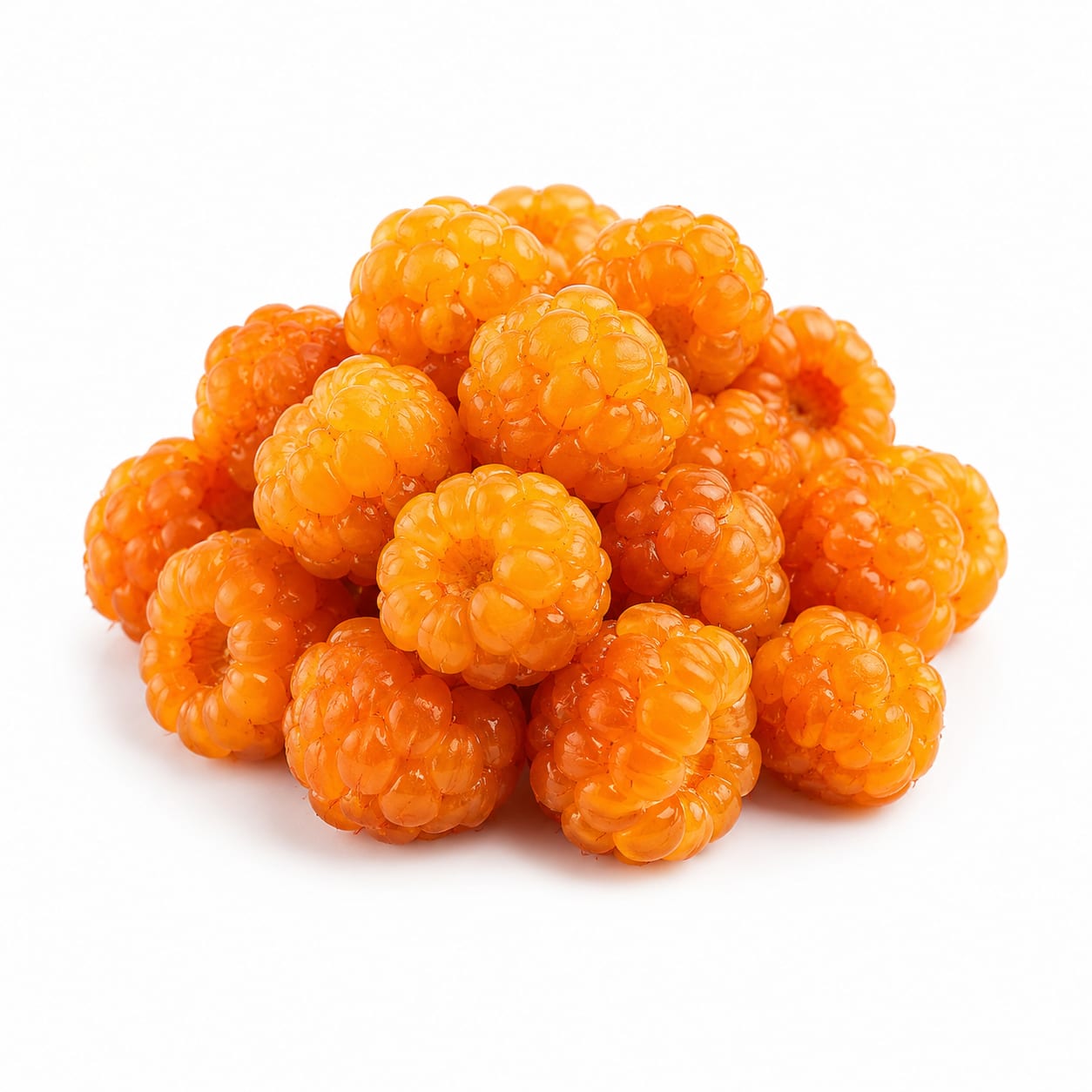
Thimbleberry
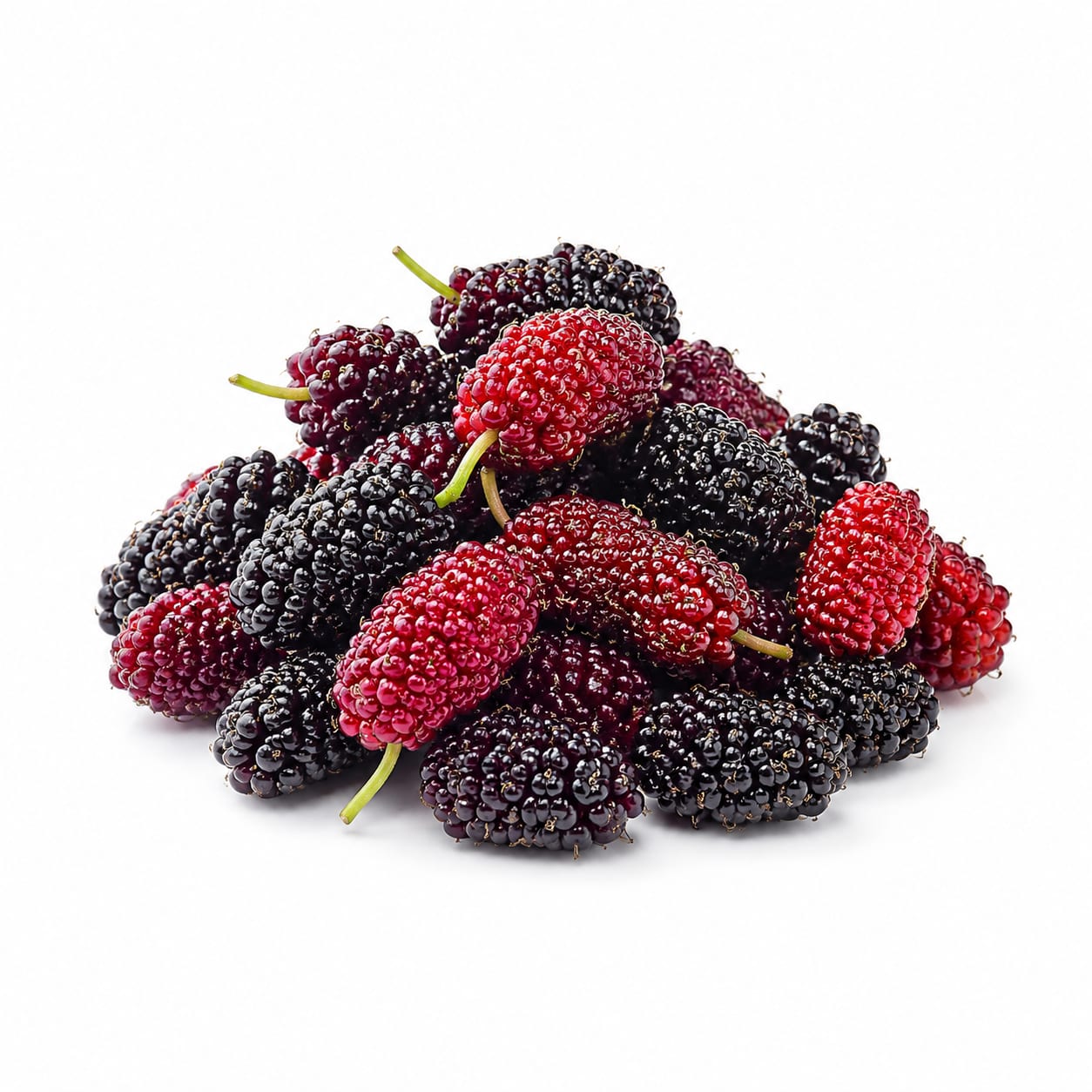
Mulberry
Mulberry wins on practicality and nutrient density, but thimbleberry offers a unique wild-foraging experience with lower sugar and a delicate flavor that cannot be store-bought.
Mulberry scores higher due to superior availability, iron content, and resveratrol. Thimbleberry remains compelling for low sugar and wild-food appeal but loses points on accessibility and fragility.
Accessibility versus exclusivity — mulberries are easy to find and nutrient-packed, while thimbleberries are rare, seasonal, and fragile but offer a singular taste of the wild.
At a glance
Executive summary
Overall
It depends
Healthier
Mulberry
More practical
Mulberry
Daily use
Mulberry
Key comparison lenses
antioxidant and nutrient density
Both berries are prized for their phytonutrient profiles, making this the primary reason users compare them
foraging vs commercial accessibility
Thimbleberries are almost exclusively wild-foraged while mulberries have commercial availability, creating a major practical divide
blood sugar and diabetes friendliness
Berry comparisons often stem from sugar-conscious users seeking the best low-glycemic option
daily sustainability and versatility
Users want to know which berry can realistically become a staple food
Best choice for
Thimbleberry
- Foragers and hikers seeking a wild food connection
- Low-sugar snack seekers wanting delicate sweetness
- People who value food novelty and seasonal eating
- Anyone avoiding commercially available produce
Mulberry
- Daily berry consumers wanting consistent nutrition
- Iron-deficient individuals needing plant-based iron sources
- People seeking resveratrol without wine
- Home cooks wanting versatile fresh or dried berries
Least suitable for
Thimbleberry
- Anyone needing reliable year-round berry access
- People who want to meal-prep with berries
- Those unfamiliar with safe wild-foraging practices
Mulberry
- People strictly limiting sugar who choose dried mulberries
- Those with mulberry pollen allergies
- Anyone seeking an ultra-low-calorie fruit option
Deep comparison
Dimension by dimension
Each lens scores both foods and breaks down who each option suits.
- Dimension 1 · Priority 92Mulberry
antioxidant_power
Thimbleberry · 65Mulberry · 82Mulberries deliver more measurable antioxidants, especially resveratrol and anthocyanins, which are linked to heart and brain health.
Tradeoff
Thimbleberries contain antioxidants too, but less research exists on their specific polyphenol profile, making claims harder to verify.
Why it matters
Consistent antioxidant intake from well-studied sources gives more confidence in long-term health benefits.
Real-world impact
Eating mulberries regularly is a more evidence-backed way to support vascular health than relying on less-studied wild berries.
Thimbleberry
- Those who already eat a diverse antioxidant-rich diet and want variety
Better for
- Anyone relying on one berry as their primary antioxidant source
Worse for
Mulberry
- Heart health-conscious eaters
- People seeking resveratrol benefits without alcohol
Better for
- People who assume all berries are interchangeable for antioxidant content
Worse for
- Dimension 2 · Priority 80Thimbleberry
sugar_and_glycemic_impact
Thimbleberry · 85Mulberry · 68Thimbleberries are lower in sugar and less sweet, making them gentler on blood sugar. Dried mulberries can be surprisingly sugar-dense.
Tradeoff
Lower sugar means less immediate palatability — thimbleberries taste more tart and subtle, which some find less satisfying as a snack.
Why it matters
For anyone monitoring glucose or reducing sugar cravings, the default sweetness of a berry matters more than people think.
Real-world impact
A handful of fresh thimbleberries will not trigger the same sugar crash cycle that dried mulberries can.
Thimbleberry
- People with insulin resistance or prediabetes
- Anyone reducing daily sugar intake
Better for
- Children who reject tart flavors
Worse for
Mulberry
- Athletes needing quick natural carbohydrate after training
Better for
- Sugar-conscious snackers who reach for dried mulberries without checking sugar content
Worse for
- Dimension 3 · Priority 85Mulberry
vitamin_and_mineral_density
Thimbleberry · 60Mulberry · 84Mulberries are notably rich in iron, vitamin C, and potassium. Thimbleberries offer vitamin C but lag on most other minerals.
Tradeoff
Iron from mulberries is non-heme and less absorbable than animal sources, so the advantage is real but modest without pairing with vitamin C.
Why it matters
Plant-based iron sources are valuable for vegetarians and vegans who struggle to meet daily requirements.
Real-world impact
Adding mulberries to a morning smoothie can meaningfully contribute to daily iron intake in a way thimbleberries cannot match.
Thimbleberry
- Those who get iron from other reliable sources and just want light vitamin C
Better for
- People relying on berries as a meaningful iron source
Worse for
Mulberry
- Vegans and vegetarians needing plant-based iron
- Anyone with mild iron deficiency seeking food-based support
Better for
- Those with hemochromatosis who must limit iron intake
Worse for
- Dimension 4 · Priority 88Mulberry
availability_and_practicality
Thimbleberry · 25Mulberry · 82Mulberries are available fresh, frozen, and dried in many grocery stores. Thimbleberries are almost never sold commercially and must be foraged.
Tradeoff
Foraging thimbleberries provides a meaningful nature connection and zero cost, but requires knowledge, timing, and geographic luck.
Why it matters
The healthiest berry in the world provides zero benefit if you cannot access it regularly.
Real-world impact
Most people will eat mulberries dozens of times per year and thimbleberries never — that frequency gap matters more than marginal nutrient differences.
Thimbleberry
- Rural dwellers in the Pacific Northwest with foraging skills
- People who value food experience over convenience
Better for
- Anyone who cannot safely identify wild berries
- City dwellers with no foraging grounds nearby
Worse for
Mulberry
- Urban residents without foraging access
- Busy people who need reliable grocery staples
Better for
- Those in regions where mulberries are still uncommon in stores
Worse for
- Dimension 5 · Priority 70Mulberry
fiber_and_digestive_benefit
Thimbleberry · 62Mulberry · 75Mulberries contain more fiber per serving, especially in dried form. Thimbleberries provide some fiber but in smaller quantities due to their delicate structure.
Tradeoff
Dried mulberry fiber comes with concentrated sugar — a tradeoff that does not exist with fresh thimbleberries.
Why it matters
Fiber from whole fruit supports gut health and satiety better than supplements, making fiber-dense berries a practical choice.
Real-world impact
A quarter cup of dried mulberries with oatmeal provides noticeable fullness that fresh thimbleberries alone would not achieve.
Thimbleberry
- Those who prefer fresh, water-rich fruit over dried
Better for
- Anyone counting on berries as a significant fiber source
Worse for
Mulberry
- People wanting to increase daily fiber without supplements
- Oatmeal and yogurt toppings that add texture and fiber
Better for
- Those who only eat dried mulberries and underestimate the sugar load
Worse for
Timeline
Health impact over time
Short-term
Hours to days
Thimbleberry
- Gentle blood sugar response due to low sugar content
- Mild hydration from high water content
- Quick but light energy without a crash
Mulberry
- Noticeable natural energy from higher carbohydrate content
- Iron contribution that supports morning alertness
- Dried versions can cause a sugar spike if overconsumed
Long-term
Months to years
Thimbleberry
- Consistent low-sugar fruit intake supports insulin sensitivity
- Seasonal foraging encourages outdoor activity and nature exposure
- Limited access means inconsistent long-term nutrient contribution
Mulberry
- Regular resveratrol intake may support cardiovascular health
- Sustained iron intake benefits those at risk for deficiency
- Dried mulberry overconsumption could contribute to excess sugar intake over time
Risk profile
Safety & processing
Both berries are whole foods at their freshest. However, dried mulberries often contain added sugar or preservatives, so checking labels matters. Thimbleberries are virtually always consumed fresh and wild, making them the more naturally unprocessed option by default.
Thimbleberry
Misidentification with toxic wild berries
highForaging thimbleberries requires confident identification. Several toxic berries resemble thimbleberries to untrained eyes, and one mistake can cause serious illness.
Environmental contamination in wild areas
mediumWild berries near roads or old industrial sites may absorb heavy metals or pesticide drift that commercial produce is tested for.
Mulberry
Added sulfites in dried mulberries
mediumSome dried mulberries contain sulfur dioxide as a preservative, which can trigger reactions in sensitive individuals, particularly asthmatics.
Mulberry pollen allergy
lowWhile the fruit is rarely allergenic, mulberry tree pollen is a known allergen. Cross-reactivity is uncommon but possible.
Who wins for whom
Audience fit
Same foods, different winners depending on your goal.
children
MulberrySweeter taste and wider availability make mulberries more appealing and accessible for kids, though portion control with dried versions matters.
daily consumption
MulberryMulberries can actually be eaten daily due to availability. Thimbleberries are a seasonal treat, not a daily staple.
diabetes
ThimbleberryLower sugar content and gentler glycemic impact make thimbleberries the safer choice, assuming fresh consumption.
elderly
MulberryIron, potassium, and vitamin C in mulberries address common老年 nutritional gaps, and the availability supports consistent intake.
muscle gain
MulberryMore carbohydrates for post-workout glycogen replenishment and iron for oxygen transport to recovering muscles.
weight loss
ThimbleberryLower sugar and calorie density make thimbleberries easier to enjoy without overconsumption, though their rarity limits practical impact.
Your move
Decision guide
Choose Thimbleberry
- You live in or visit the Pacific Northwest and can safely forage
- You want the lowest-sugar berry option available
- The experience of eating wild food matters as much as nutrition
- You already have reliable daily fruit sources and want something special
Choose Mulberry
- You want a nutrient-dense berry you can buy at a store
- Iron intake is a personal health priority
- You are interested in resveratrol without drinking wine
- You need a versatile berry for cooking, baking, or smoothies
Either works if
- You simply want to eat more berries and both are available
- Antioxidant variety matters more to you than optimizing one nutrient
- You enjoy rotating seasonal fruits throughout the year
Avoid both if
- You have a known berry allergy
- You are on a strict very-low-carb diet and cannot accommodate fruit sugar
- You cannot verify the source of wild thimbleberries or the ingredients in dried mulberries
Final recommendation
Make mulberries your everyday berry for their iron, resveratrol, and reliable access. Treat thimbleberries as a seasonal reward for foraging — a rare, low-sugar delicacy that connects you to place and season. If you can only choose one for consistent health benefits, mulberries deliver more measurable nutrition per bite.
Practical
Consumer tips
- 1
Check dried mulberry labels for added sugar — unsweetened versions exist but require deliberate searching
- 2
If foraging thimbleberries, go with an experienced guide and never eat any wild berry you cannot identify with 100% confidence
- 3
Freeze fresh mulberries when in season to preserve nutrients for months — they hold up well
- 4
Pair mulberries with a vitamin C source like citrus to boost iron absorption from the berries
- 5
Avoid roadside thimbleberries which may carry exhaust contaminants — forage at least 50 meters from busy roads
- 6
Dried mulberries are concentrated: a quarter cup equals roughly a full cup of fresh berries in sugar content