
Nutrition comparison
Thimbleberry vs Blackberry: Nutrition, Fiber, and Which Berry to Eat Daily
Compare thimbleberry and blackberry side by side. Blackberry wins on fiber, antioxidants, and availability. Thimbleberry is a rare foraging gem best enjoyed as a seasonal treat.
Overall winner · Blackberry
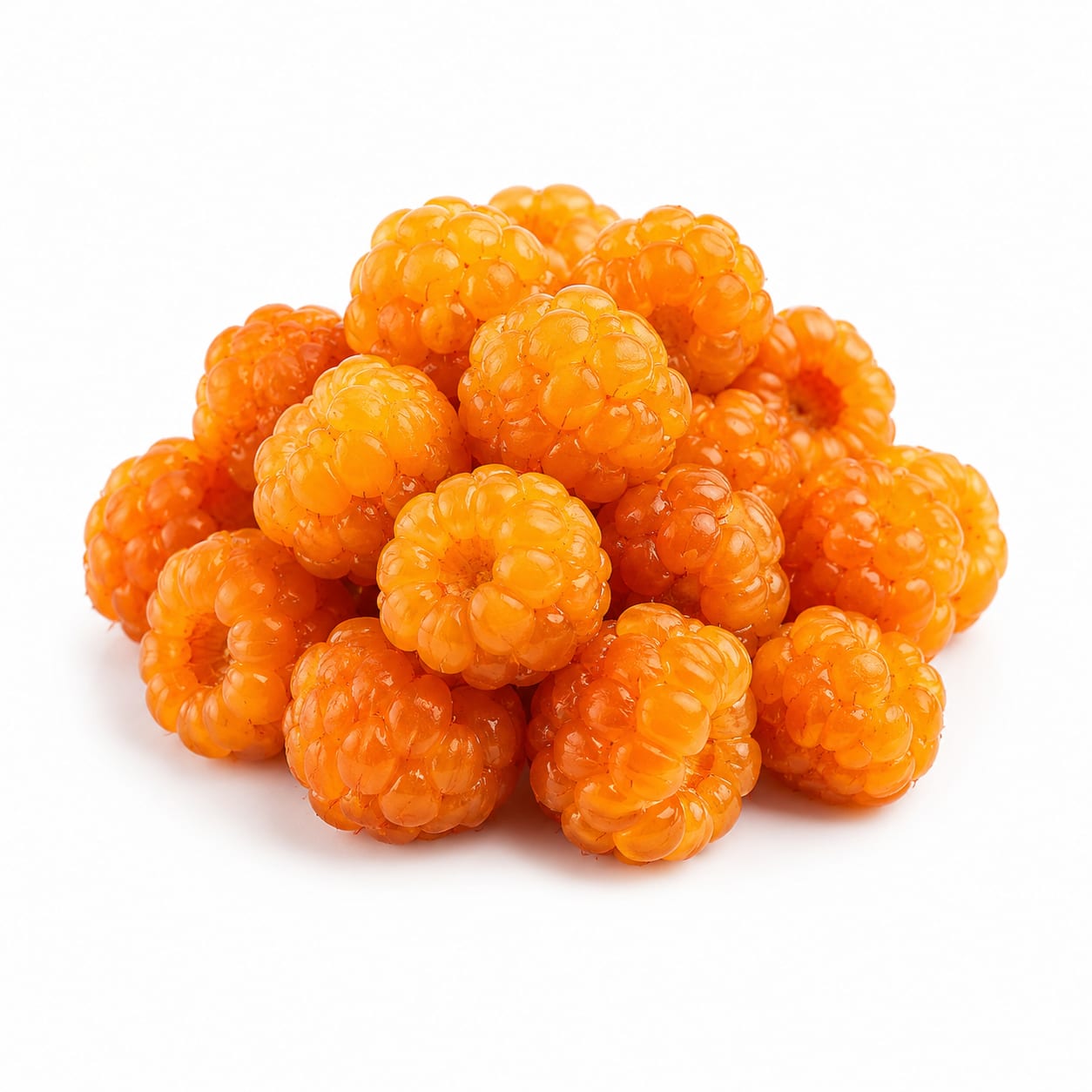
Thimbleberry
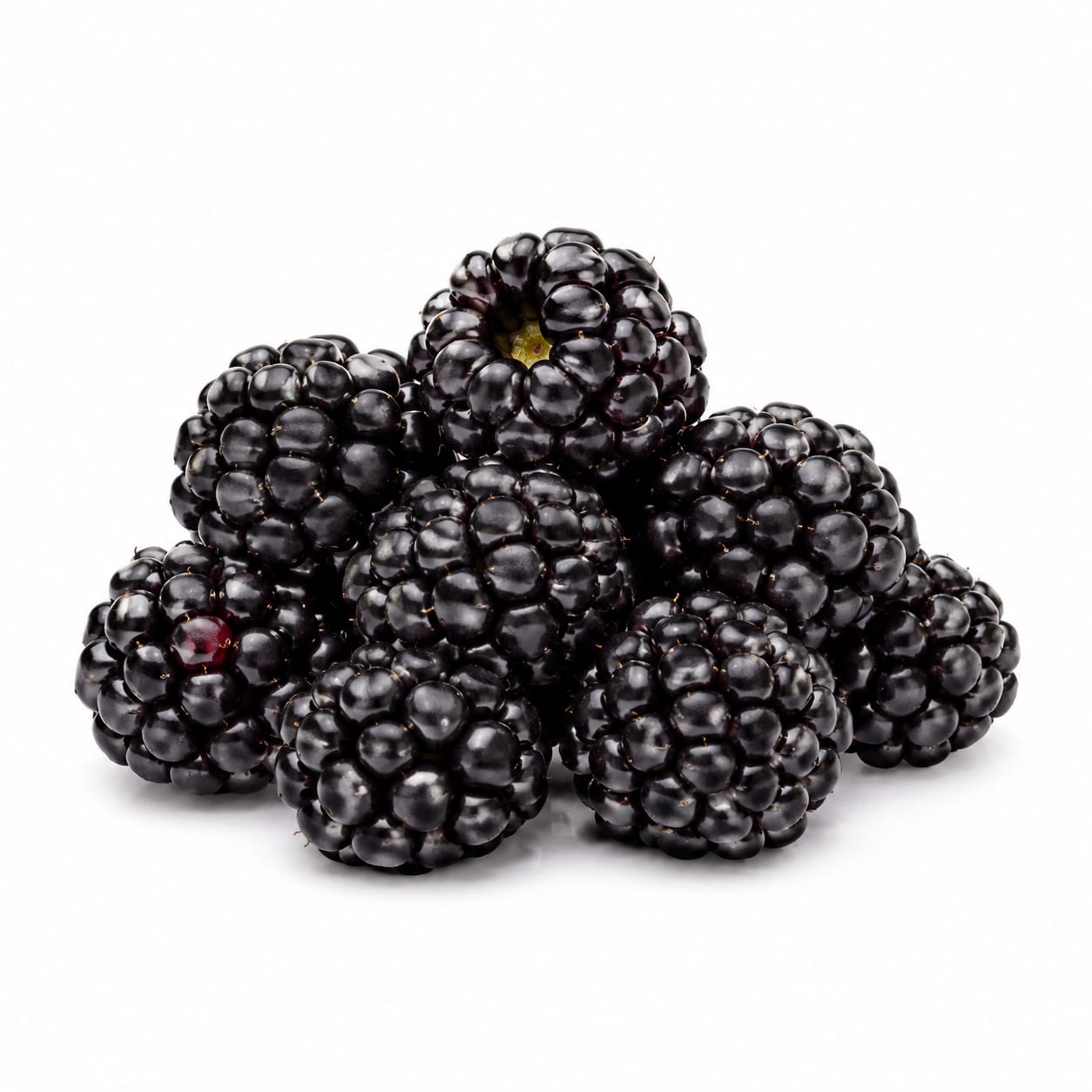
Blackberry
Blackberry wins on nutrition, fiber, and everyday practicality. Thimbleberry is a rare foraging treat with charm but limited real-world utility.
Blackberry scores significantly higher due to superior fiber, proven antioxidant content, and widespread availability. Thimbleberry loses ground primarily on practicality and lack of nutritional data — not because it's unhealthy, but because it's hard to find and harder to keep fresh.
Thimbleberry offers a unique wild-berry experience and delicate flavor, but blackberry delivers substantially more fiber, antioxidants, and is actually available in stores.
At a glance
Executive summary
Overall
Blackberry
Healthier
Blackberry
More practical
Blackberry
Daily use
Blackberry
Key comparison lenses
antioxidant density
Both are Rubus berries prized for anthocyanins, but blackberry has far more research validating its antioxidant capacity
fiber and satiety
Blackberry is one of the highest-fiber berries available, while thimbleberry's softer texture signals less fiber
availability and practicality
Thimbleberry is almost exclusively wild-foraged and extremely perishable, making blackberry the realistic daily choice
wild foraging novelty
Thimbleberry appeals to foragers and local food enthusiasts seeking unique, regional flavors
vitamin and mineral profile
Blackberry offers well-documented vitamin C, K, and manganese levels; thimbleberry has limited nutritional data
Best choice for
Thimbleberry
- Wild food enthusiasts and foragers
- People seeking rare, regional fruit experiences
- Anyone who values delicate, melt-in-your-mouth berry texture
Blackberry
- Daily fruit rotation and meal prep
- Fiber-focused diets and gut health
- Budget-conscious shoppers wanting maximum nutrition per dollar
Least suitable for
Thimbleberry
- Anyone who needs reliable, year-round access
- Meal preppers — thimbleberries spoil within hours
- People seeking well-documented nutritional outcomes
Blackberry
- Those who find the seeds annoying or irritating
- People specifically seeking a delicate, soft berry texture
Deep comparison
Dimension by dimension
Each lens scores both foods and breaks down who each option suits.
- Dimension 1 · Priority 92Blackberry
Antioxidant Power
Thimbleberry · 60Blackberry · 90Blackberry is one of the most antioxidant-dense berries you can eat, backed by extensive ORAC testing. Thimbleberry likely shares some anthocyanin benefits as a Rubus relative, but data is sparse.
Tradeoff
Thimbleberry may have unique phytonutrients from its wild growing conditions, but without research, this remains speculative.
Why it matters
Antioxidants from berries help reduce inflammation and protect cells from everyday oxidative stress — the kind that drives aging and chronic disease.
Real-world impact
Eating blackberries regularly gives you a well-studied dose of protective compounds. Thimbleberry might offer similar benefits, but you're betting on tradition rather than evidence.
Thimbleberry
- Experiencing diverse wild phytonutrients
Better for
- No clinical data to confirm specific health claims
Worse for
Blackberry
- Consistent, measurable antioxidant intake
- Reduced inflammation markers over time
Better for
- Less novelty — common berry, less excitement
Worse for
- Dimension 2 · Priority 88Blackberry
Fiber and Satiety
Thimbleberry · 45Blackberry · 92Blackberry packs roughly 8g of fiber per cup — one of the highest of any berry. Thimbleberry's soft, almost dissolving texture means far less structural fiber.
Tradeoff
Thimbleberry is easier to eat and gentler on the mouth, but you sacrifice the fullness and blood sugar benefits that blackberry's fiber provides.
Why it matters
High-fiber berries keep you fuller longer, slow sugar absorption, and feed gut bacteria. This is where blackberry genuinely shines.
Real-world impact
A cup of blackberries with breakfast can help you stay satisfied until lunch. Thimbleberry disappears quickly — delicious but not filling.
Thimbleberry
- Easy to eat for people with mouth sensitivity
- Lighter snack when you don't want to feel full
Better for
- Less satiety per calorie
- Minimal contribution to daily fiber goals
Worse for
Blackberry
- Sustained energy without crashes
- Gut health and regularity
- Blood sugar stability after meals
Better for
- Seeds can bother some people's teeth or digestion
Worse for
- Dimension 3 · Priority 85Blackberry
Availability and Practicality
Thimbleberry · 15Blackberry · 88Blackberry is available in nearly every grocery store year-round. Thimbleberry is almost never sold commercially and must be foraged in specific regions during a brief summer window.
Tradeoff
Thimbleberry's rarity makes it special and exciting, but you simply cannot rely on it as a regular food source.
Why it matters
The healthiest food is the one you can actually eat consistently. Availability determines whether a food becomes a habit or a one-time experience.
Real-world impact
Blackberry can be a weekly grocery staple. Thimbleberry is more like a vacation memory — wonderful when it happens, but not something you plan meals around.
Thimbleberry
- Foraging adventures and connection to place
- Seasonal anticipation and appreciation
Better for
- Cannot be meal-prepped
- Unavailable to most people in most places
Worse for
Blackberry
- Reliable meal planning
- Consistent nutrition day after day
- Frozen options for smoothies and baking year-round
Better for
- Less emotional or experiential appeal
Worse for
- Dimension 4 · Priority 65Blackberry
Vitamin and Mineral Density
Thimbleberry · 50Blackberry · 82Blackberry delivers strong amounts of vitamin C, vitamin K, and manganese per serving. Thimbleberry's nutritional profile is poorly documented, though it likely shares some similarities.
Tradeoff
Thimbleberry may have decent micronutrients, but without lab data, you're guessing. Blackberry's numbers are verified and impressive.
Why it matters
Vitamin K supports bone health and blood clotting. Manganese helps with metabolism and connective tissue. These matter more as you age.
Real-world impact
A daily handful of blackberries meaningfully contributes to your vitamin K and manganese needs. Thimbleberry might help too, but you can't track it.
Thimbleberry
- Wild berries may concentrate minerals from diverse soils
Better for
- No USDA or published nutritional database entries
Worse for
Blackberry
- Documented vitamin K for bone and blood health
- Reliable manganese for joint and metabolic support
- Vitamin C for immune function
Better for
- Soil-depleted farmed berries may have lower mineral content than wild
Worse for
- Dimension 5 · Priority 60Blackberry
Culinary Versatility
Thimbleberry · 35Blackberry · 80Blackberry holds up in baking, smoothies, jams, and salads. Thimbleberry is too delicate for most cooking and is best eaten immediately fresh.
Tradeoff
Thimbleberry's fleeting freshness is part of its magic, but it means you have almost no recipe flexibility.
Why it matters
If you can't cook with it or store it, a food stays a novelty rather than a staple.
Real-world impact
Blackberry works in overnight oats, baked goods, and sauces. Thimbleberry must be eaten on the spot — which is lovely but limiting.
Thimbleberry
- Unmatched fresh-eating experience when perfectly ripe
Better for
- Turns to mush with any heat or handling
- Cannot be stored or transported
Worse for
Blackberry
- Baking into muffins, crisps, and pies
- Blending into smoothies
- Making jam and preserves
- Freezing for later use
Better for
- Seeds can be gritty in smooth desserts
Worse for
Timeline
Health impact over time
Short-term
Hours to days
Thimbleberry
- Immediate enjoyment from a rare, delicate wild fruit
- Very light on the stomach — easy to digest
- Minimal blood sugar impact due to low calorie density
Blackberry
- Noticeable fullness from high fiber content
- Steadier blood sugar after eating compared to sweeter berries
- Mild digestive adjustment if you're not used to high-fiber foods
Long-term
Months to years
Thimbleberry
- Limited impact simply because consistent consumption is unrealistic
- Potential exposure to diverse wild phytonutrients if foraged regularly
- Possible pesticide-free advantage from wild harvesting
Blackberry
- Improved gut health and regularity from consistent fiber intake
- Reduced inflammation markers from regular anthocyanin consumption
- Better bone and cardiovascular support from vitamin K and manganese
- Seed content may irritate diverticulosis in susceptible individuals
Risk profile
Safety & processing
Both berries are whole, unprocessed foods. Thimbleberry has a slight naturalness edge because it's virtually always wild-foraged, never farmed or treated. Blackberry can be conventionally farmed with pesticide use, though organic options are widely available.
Thimbleberry
Misidentification with toxic lookalikes
mediumForaging always carries identification risk. Thimbleberry is relatively distinctive, but inexperienced foragers could confuse unripe or similar-looking wild berries.
Environmental contamination in wild areas
lowRoadside or industrial-area foraging may expose berries to heavy metals or pollutants. Always forage away from contaminated zones.
Rapid spoilage and mold
mediumThimbleberries spoil within hours of picking. Mold growth can produce toxins if eaten after degradation.
Blackberry
Pesticide residue on conventional berries
mediumBlackberries consistently appear on EWG's Dirty Dozen list. Conventional berries often carry multiple pesticide residues. Washing helps but doesn't remove everything.
Seed-related digestive irritation
lowThe abundant seeds can aggravate diverticulosis or irritable bowel in sensitive individuals.
Who wins for whom
Audience fit
Same foods, different winners depending on your goal.
children
BlackberryBlackberry is widely available, affordable, and its firm texture is fun for kids. Thimbleberry's rarity and delicacy make it impractical for regular kids' snacks.
daily consumption
BlackberryYou can actually buy blackberries every week. Thimbleberry is a seasonal foraging event, not a daily habit.
diabetes
BlackberryBlackberry's superior fiber content slows glucose absorption more effectively, supporting steadier blood sugar.
elderly
BlackberryVitamin K and manganese in blackberry support bone density and joint health — key concerns for aging adults. The fiber also helps with common constipation issues.
muscle gain
It dependsNeither berry is a meaningful protein source. Both work equally well as micronutrient-rich sides to protein-focused meals.
weight loss
BlackberryBlackberry's high fiber and low calorie density make it more filling per serving, helping control overall intake.
Your move
Decision guide
Choose Thimbleberry
- You're a forager who can positively identify thimbleberry in the wild
- You want a rare, memorable fruit experience rather than a nutrition staple
- You live in the Pacific Northwest or similar regions where thimbleberries grow abundantly
- You value the story and place behind your food as much as the nutrients
Choose Blackberry
- You want the most fiber-rich berry for gut health and satiety
- You need a reliable, store-bought berry for daily meals and snacks
- You're focused on measurable antioxidant and vitamin intake
- You meal prep or cook with berries regularly
Either works if
- You simply enjoy berries and want variety in your diet
- You're eating fresh fruit as a light snack and don't need maximum fiber
- You're not dealing with specific health conditions that favor one over the other
Avoid both if
- You have a severe Rubus allergy — both are in the same plant family
- You're on a very low-fiber diet for acute digestive conditions — blackberry's seeds and fiber may be too much
Final recommendation
Eat blackberries as your everyday berry — they're accessible, fiber-rich, and backed by solid nutrition research. If you ever get the chance to try fresh thimbleberries, absolutely do it — but treat them as a special experience, not a nutrition strategy.
Practical
Consumer tips
- 1
Buy organic blackberries when possible — they rank high for pesticide residue on conventional farms
- 2
Freeze blackberries on a sheet pan before bagging to keep them from clumping — great for smoothies later
- 3
If you forage thimbleberries, eat them within a few hours and never wash them ahead of time — they're too delicate
- 4
Blackberry seeds are nutrient-rich but can be strained out for smoother jams and sauces if texture bothers you
- 5
For the best blackberry flavor, look for deep purple-black color with no red or green patches — that means full ripeness