
Fried Food
Tempura
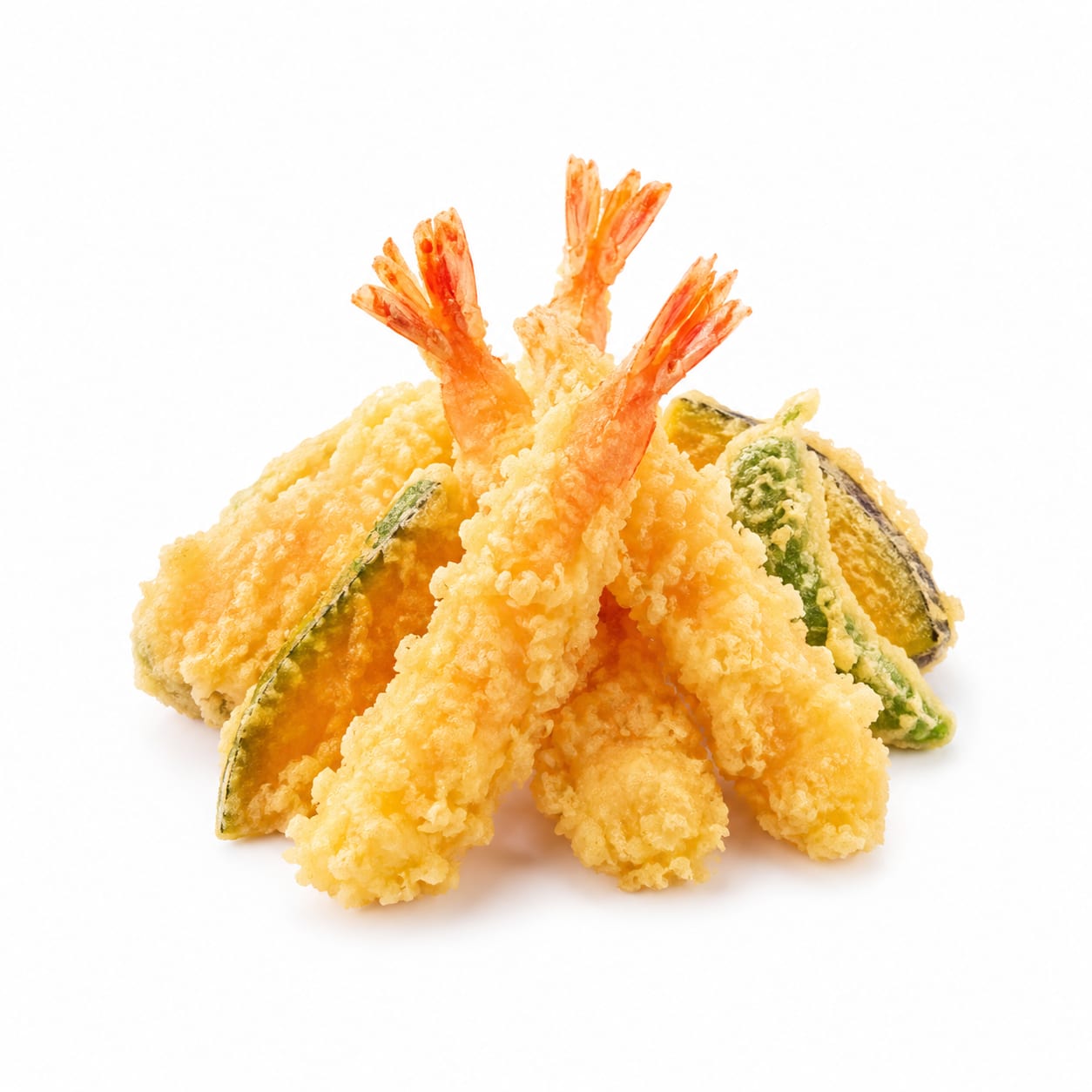
A Japanese preparation of battered and deep-fried seafood or vegetables.
A Japanese dish consisting of seafood or vegetables that have been battered and deep-fried, resulting in a light, crispy texture.
high-fat deep-fried battered food
Typical serving · 120g
Common varieties · shrimp tempura, vegetable tempura, squid tempura, sweet potato tempura
Overall context score across nutrition, safety, and diet fit
At a glance
Quick facts
Simple indicators based on nutrition, processing, and diet fit.
The story
What makes it unique
Tempura is characterized by a high fat content due to deep frying, which significantly increases its energy density. The refined wheat batter digests rapidly, leading to a moderate to high glycemic response depending on the core ingredient. Satiety is moderate due to the fat content, but the low fiber and high caloric density make it easy to overconsume.
Varieties: shrimp tempura · vegetable tempura · squid tempura · sweet potato tempura
Per 100g
Nutrition breakdown
Macro balance and key metrics at a glance.
Energy
Density 2.50 kcal/g
Protein
Carbs
Fat
Fiber
Sugar
1 g
Sodium
400 mg
Potassium
180 mg
Glycemic index
65
Glycemic load
13
Water content
50%
Standout compounds
Nutrient highlights
Fat
highProvides concentrated energy but high in omega-6 if fried in vegetable oil
Sodium
moderateAdds flavor but can contribute to elevated blood pressure if overconsumed
Protein
moderateSupplies essential amino acids if made with shrimp or squid
Carbohydrates
moderateQuick energy from refined flour batter
Wellness map
Health scores & processing
NOVA processing scale
Ultra-processed · Ultra-processed
Made with refined flour batter and subjected to deep frying, which drastically alters the food matrix and introduces oxidized lipids.
Diet compatibility
- Weight loss
- Muscle gain
- Diabetes
- Gut health
- Low carb
- High protein
- Heart health
Relative standing
Food rankings
Qualitative ranks compared to similar whole foods.
- Satietymoderate
- Blood sugarpoor
- Nutrient densitypoor
- Fitness fuelpoor
- Processing qualitypoor
Eat with confidence
Food safety profile
Primary concerns involve the quality and reuse of frying oils, which can create inflammatory compounds, and heavy metal exposure if seafood is used. Starchy vegetables like sweet potato can form acrylamide when fried at high temperatures.
Evidence confidence 85%
- Pesticideslow
- Antibioticsmoderate
- Heavy metalsmoderate
- Contaminationlow
Watch for
- acrylamide
- oxidized cooking oils
- mercury
Safer choices
Homemade tempura using avocado oil or light olive oil, and wild-caught shrimp.
Prep tips
Drain well on paper towels after frying to remove excess surface oil. Avoid reusing frying oil to prevent lipid oxidation.
Quality of frying oils and reuse practices in commercial restaurants.
Deep dive
Health analysis
How this food may fit different goals and preparation choices.
Weight loss
High energy density and fat content make tempura a poor choice for calorie restriction, as it is easy to overconsume without feeling full.
Blood sugar
The refined flour batter digests quickly, causing rapid blood sugar spikes, though the high fat content can slightly delay gastric emptying.
Fitness & energy
Provides calories but the high fat content slows digestion, making it a suboptimal pre- or post-workout fuel compared to lean proteins and complex carbs.
Gut health
Lacks dietary fiber and contains fried fats which can promote inflammation and negatively alter gut microbiota composition.
Processing quality
Deep frying and refined batter classify this as ultra-processed, introducing advanced glycation end products and oxidized fats.
Food safety
Restaurant frying oils are often reused, increasing inflammatory lipid byproducts. Seafood variants carry typical heavy metal risks associated with ocean sourcing.
Common mistakes
Assuming vegetable tempura is as healthy as steamed or roasted vegetables just because the core ingredient is a vegetable.
Best preparation
Baking a light whole-wheat panko coating instead of deep-frying, or air-frying to reduce oil absorption by up to 80%.
Practical guide
Best use cases
When and how this food fits real eating patterns.
Occasional dining out treat
Enjoying tempura in moderation at a Japanese restaurant as a flavor experience rather than a health food.
High-calorie bulking
Adding caloric density to the diet for individuals struggling to meet high daily energy needs.
Balance sheet
Pros & cons
Upsides
- Provides quick caloric energy
- Contains some protein if made with seafood
- Palatable way to introduce vegetables for picky eaters
- Rich in flavor and satisfying crunch
Trade-offs
- Very high in calories and fat from deep frying
- Refined flour batter spikes blood sugar
- Frying destroys many heat-sensitive vitamins in vegetables
- Often cooked in oxidized or reused industrial seed oils
- Low in dietary fiber
Fit check
Who is it for?
Great match
- occasional indulgence
- caloric surplus bulking phases
- flavor-focused dining experiences
Consider alternatives
- weight loss diets
- blood sugar management
- heart-healthy protocols
- strict low-carb or keto diets
Side by side
How it compares
Open the full head-to-head analysis for nutrition, safety, and practical tradeoffs.
This food
Tempura
VS90% alike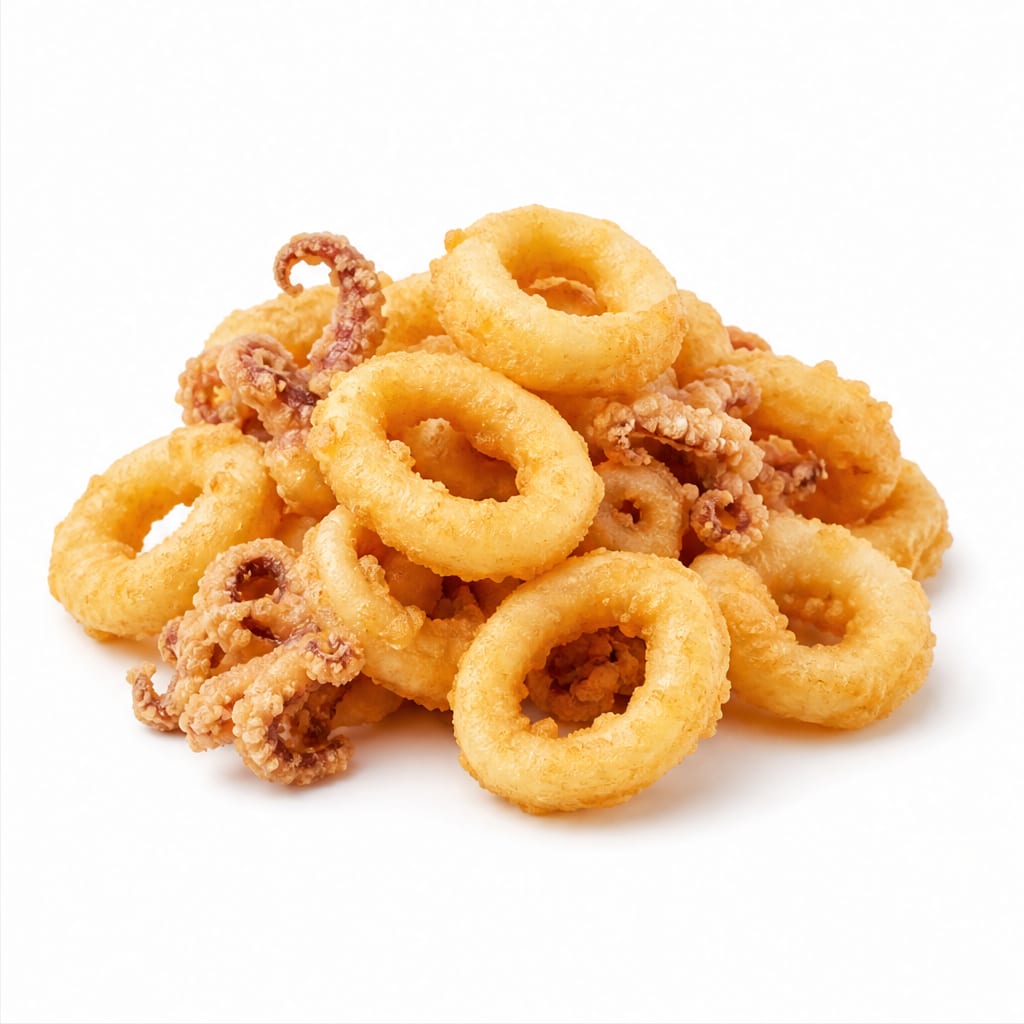
Compare with
Fried Calamari
Tempura uses a lighter, fluffier batter, while fried calamari uses a denser breading. Both are high in calories and fat.
Tempura features a lighter batter than fried calamari, but both are deep-fried and similarly high in calories and fat.
This food
Tempura
VS85% alike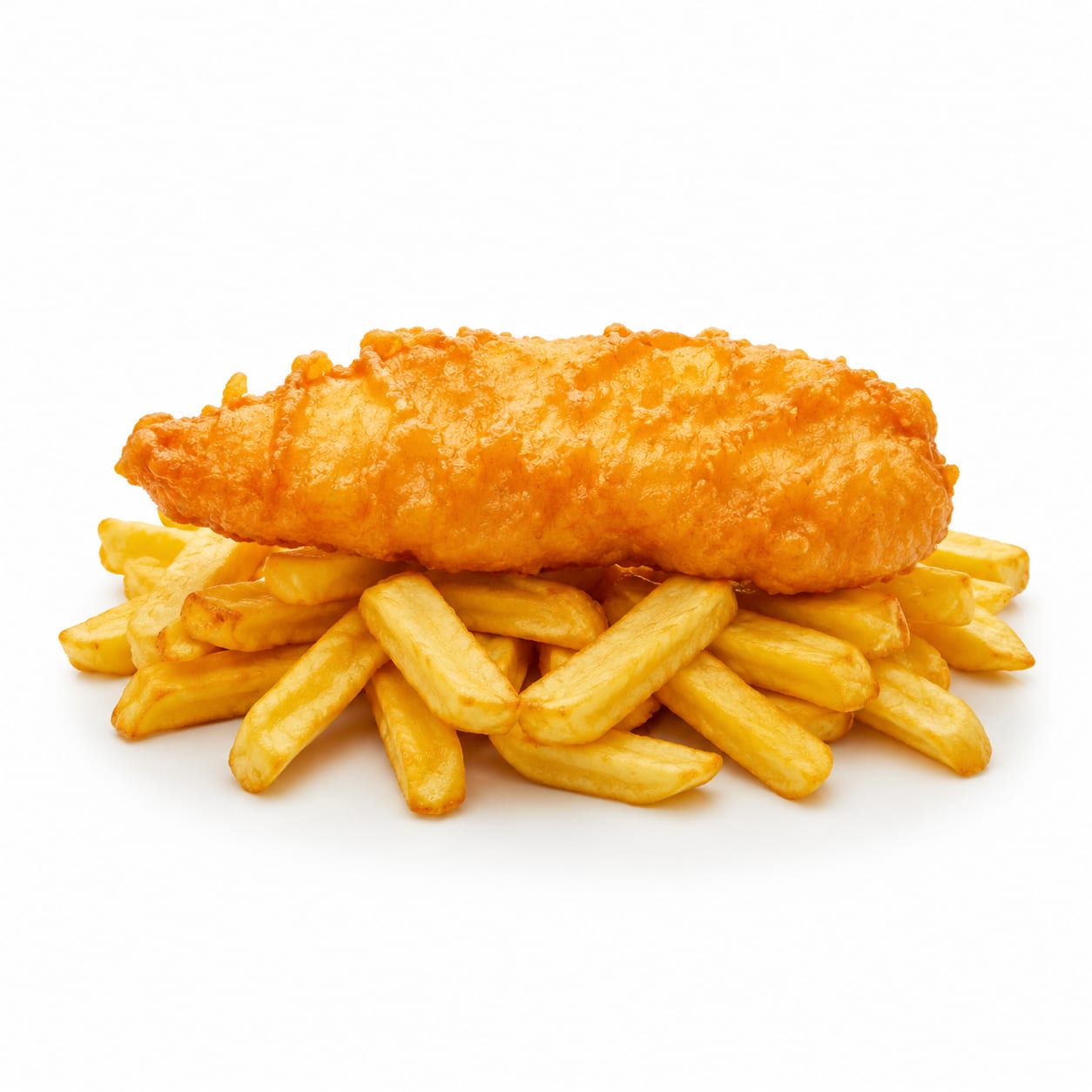
Compare with
Fish and Chips
Fish and chips uses a heavier beer batter and larger portions of carbs from potatoes, making it higher in calories than a typical tempura serving.
Tempura is lower in calories and carbs than fish and chips due to lighter batter and smaller portion sizes.
This food
Tempura
VS95% alike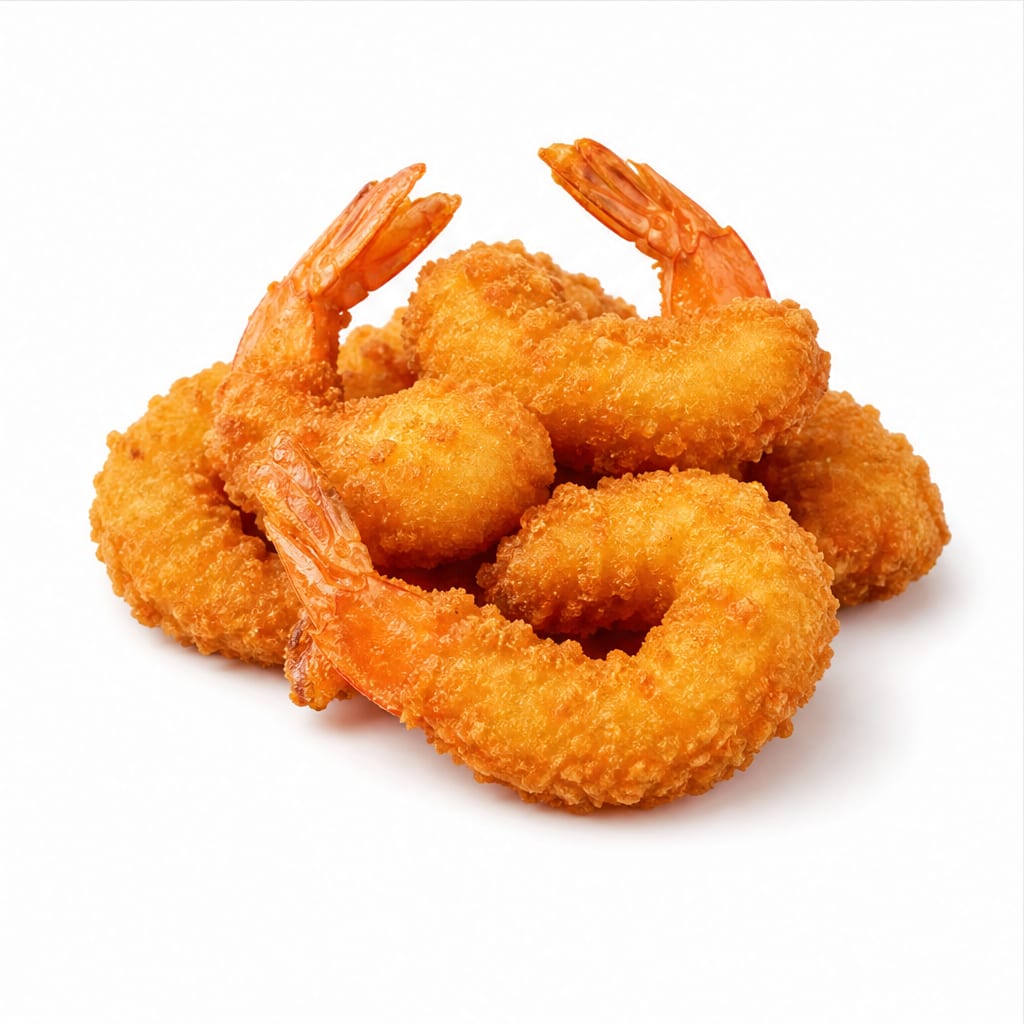
Compare with
Breaded Shrimp
Breaded shrimp uses breadcrumbs which absorb less oil than tempura batter, but tempura has a lighter mouthfeel.
Breaded shrimp is slightly lower in fat than tempura shrimp because the breading absorbs less oil than the wet batter.
This food
Tempura
VS80% alike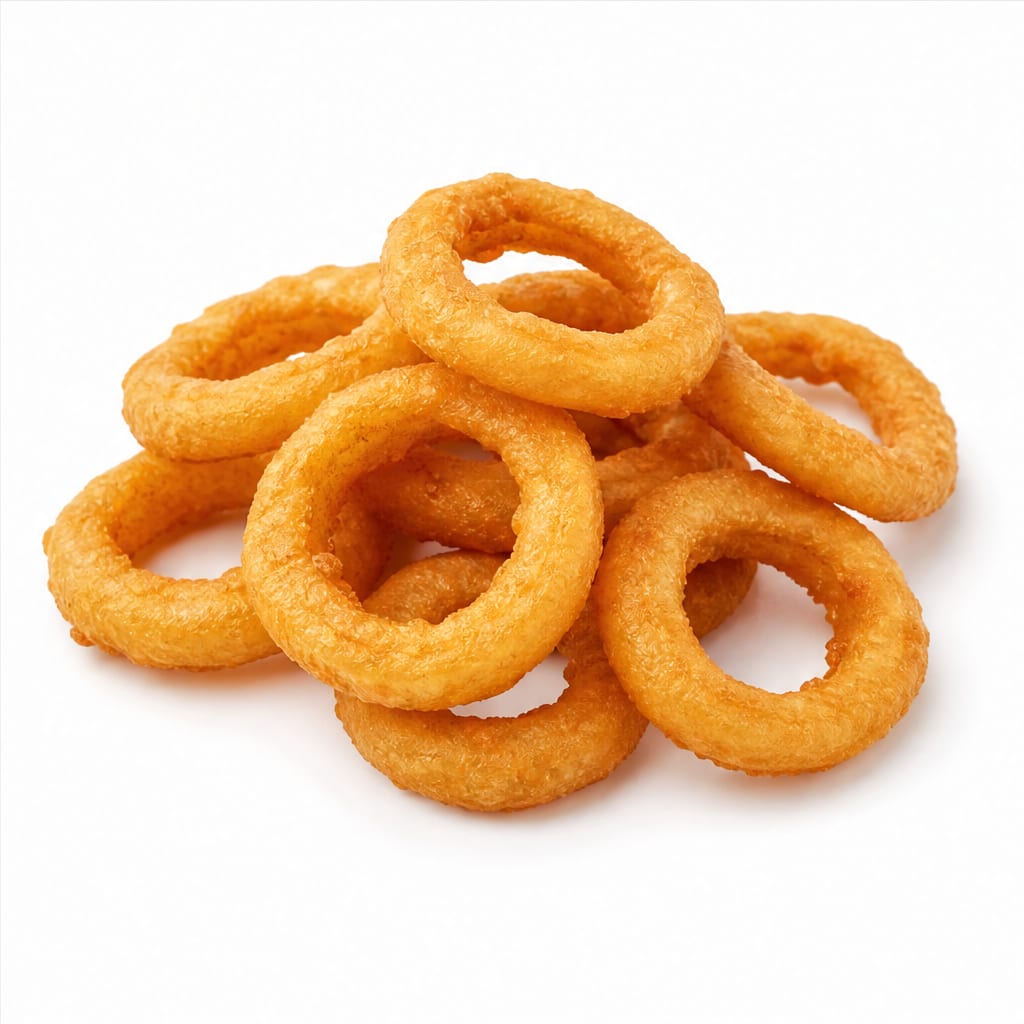
Compare with
Onion Rings
Onion rings are typically heavier and greasier than vegetable tempura, which uses a thinner batter.
Vegetable tempura is lighter and lower in calories than onion rings due to its thinner, less absorbent batter.
This food
Tempura
VS75% alike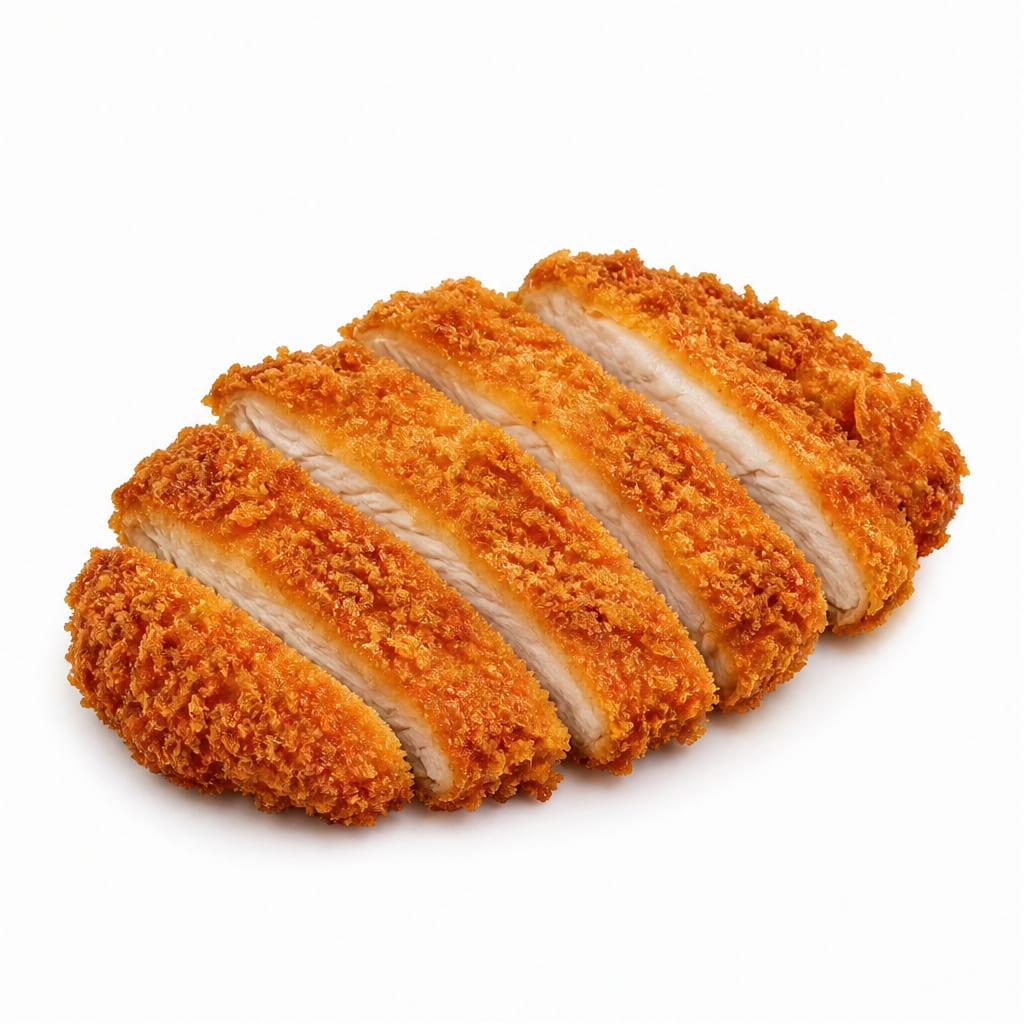
Compare with
Chicken Katsu
Chicken katsu uses panko breadcrumbs and chicken breast, offering higher protein but often more calories per piece than tempura.
Chicken katsu provides more protein than tempura, but tempura is generally lower in calories and fat per serving.
This food
Tempura
VS85% alike.jpg)
Compare with
Spring Rolls (Fried)
Fried spring rolls use a thin wheat wrapper that gets very crispy and absorbs significant oil, similar to tempura.
Tempura and fried spring rolls are similar in fat content, but spring rolls often contain carb-dense fillings making tempura slightly better for blood sugar.
This food
Tempura
VS40% alike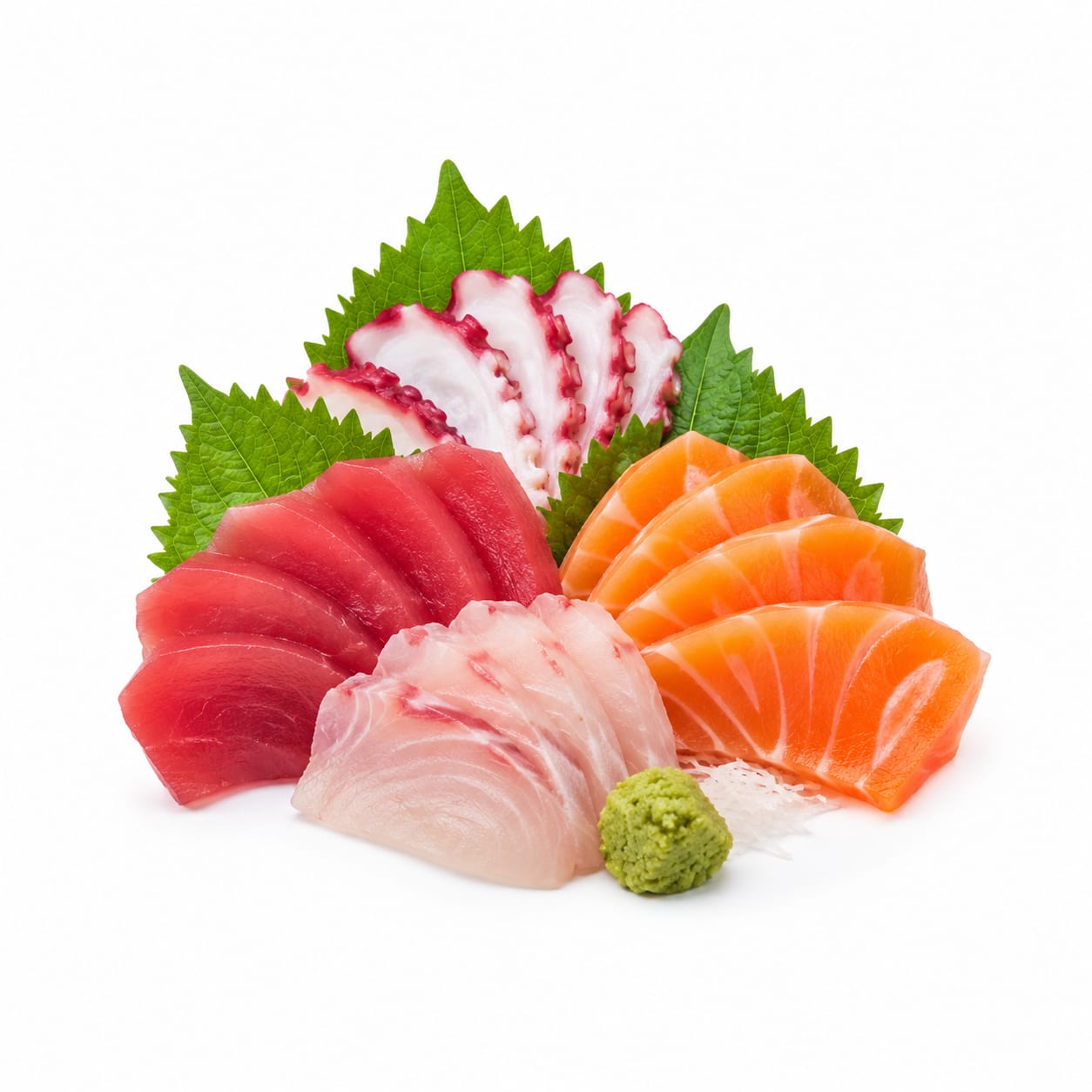
Compare with
Sashimi
Sashimi is raw and unbreaded, offering pure protein with no carbs or frying oil, making it vastly healthier.
Sashimi provides the same seafood without the batter and oil, making it far lower in calories and carbs than tempura.
This food
Tempura
VS30% alike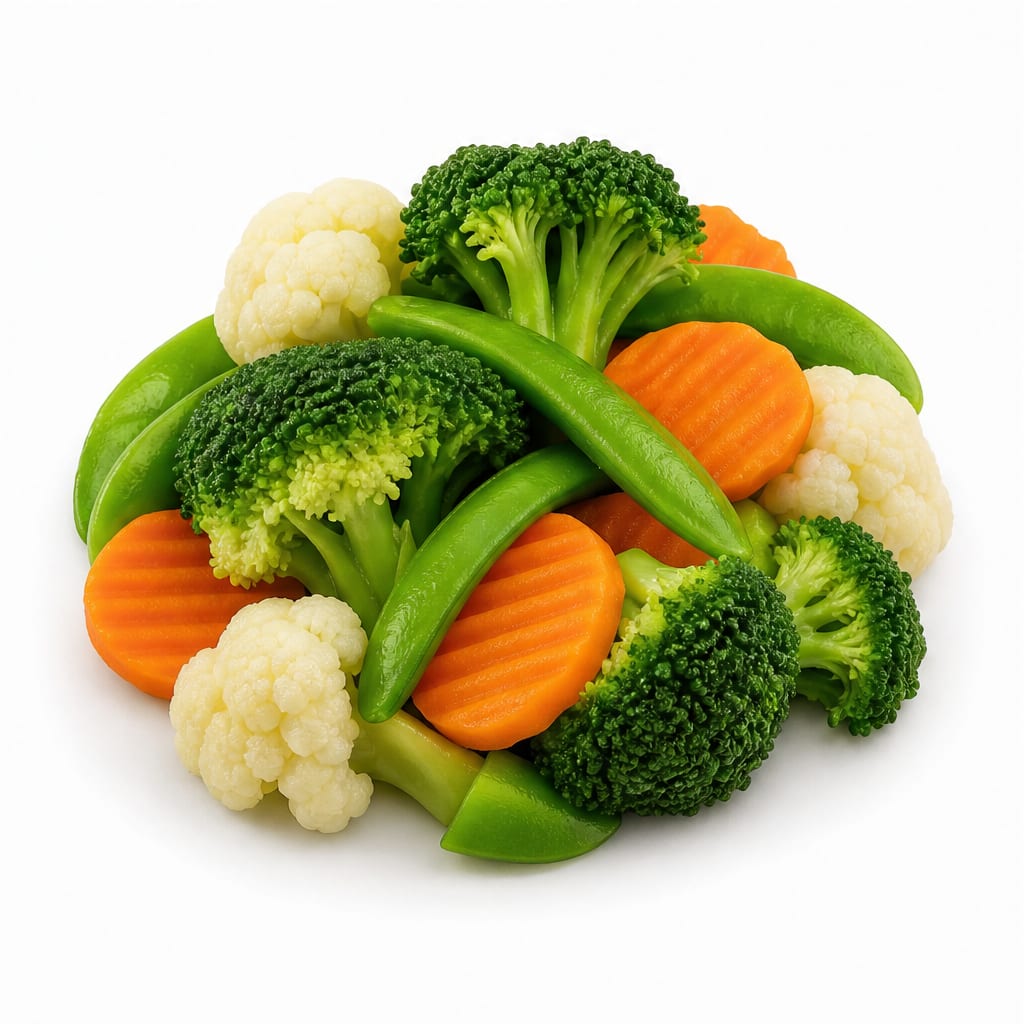
Compare with
Steamed Vegetables
Steaming preserves nutrients and adds zero fat, making it the superior choice for health compared to tempura.
Steamed vegetables retain their nutrients and fiber without added calories, vastly outperforming vegetable tempura for weight loss and blood sugar control.
This food
Tempura
VS50% alike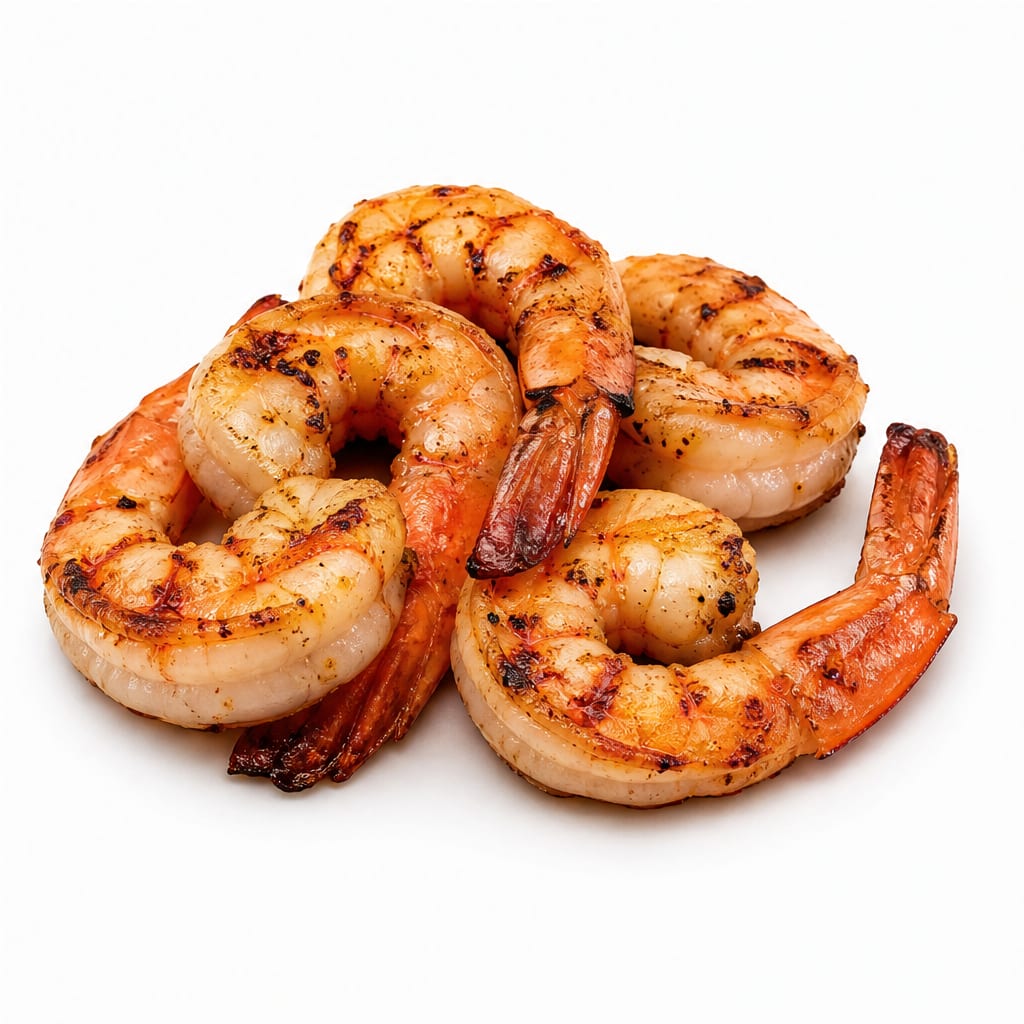
Compare with
Grilled Shrimp
Grilling shrimp preserves protein without adding carbs or excess fat, making it much better for health and fitness.
Grilled shrimp delivers high protein with minimal fat and zero carbs, making it a much leaner alternative to tempura shrimp.
This food
Tempura
VS70% alike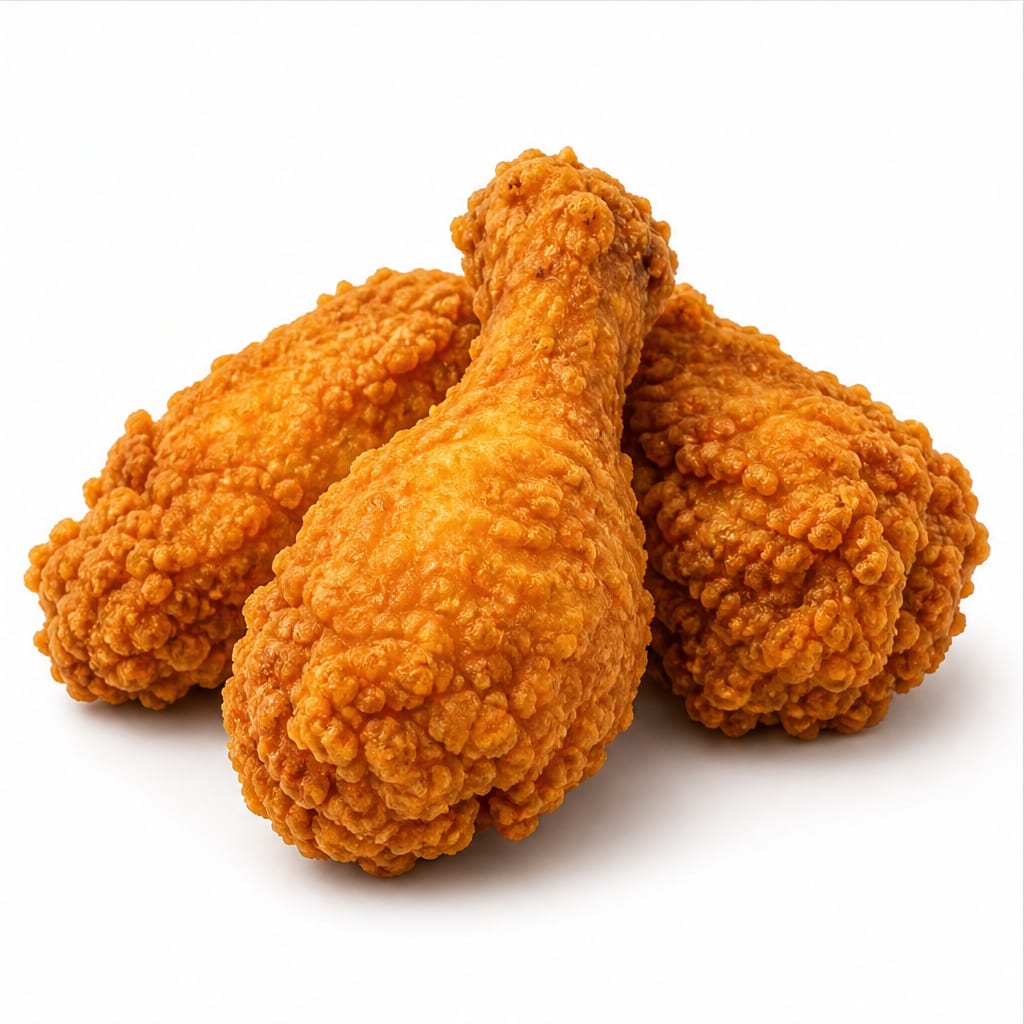
Compare with
Fried Chicken
Fried chicken uses a heavier breading and fattier meat, resulting in higher calories and saturated fat than tempura.
Tempura is generally lower in calories and saturated fat than fried chicken due to lighter batter and leaner core ingredients.
Common questions
FAQ
Answers aligned with how people search for this food.
Is tempura healthy for you?
Tempura is generally not considered healthy due to the deep-frying process, which adds significant fat and calories while reducing the nutritional value of the vegetables or seafood inside.
How many calories are in tempura?
A typical serving of tempura (around 3-4 pieces or 120g) contains roughly 300 calories, mostly from the batter and frying oil.
Is vegetable tempura healthier than meat tempura?
Vegetable tempura has slightly fewer calories and less saturated fat than meat options, but the deep-fried batter still makes it a high-calorie, high-fat food.
Can diabetics eat tempura?
It is best limited; the refined flour batter can spike blood sugar, and the high fat content can cause delayed, prolonged glucose elevations.
Is tempura keto-friendly?
No, traditional tempura batter is made from wheat flour, which is high in carbohydrates and not suitable for a ketogenic diet.
Why is tempura batter so light?
The light texture comes from using ice-cold water and minimal mixing, which prevents gluten formation, combined with rapid moisture expansion during deep frying.
Does tempura have a lot of carbs?
Yes, the batter adds a significant amount of refined carbohydrates, typically 15-20 grams of carbs per 100g serving.
How can I make tempura healthier?
Use an air fryer or bake the tempura instead of deep-frying, and substitute refined flour with almond flour or whole-wheat panko for a lower-carb, lower-fat version.
Transparency
Data confidence
Estimated confidence for nutrition data, interpretation, safety notes, and comparisons.
Nutrition data
Health analysis
Food safety
Comparisons