
Nutrition comparison
Tempura vs Fried Chicken: Which Is Healthier?
Compare Tempura vs Fried Chicken to see which fried food is better for protein, sodium, and digestion. Find out which option fits your health goals.
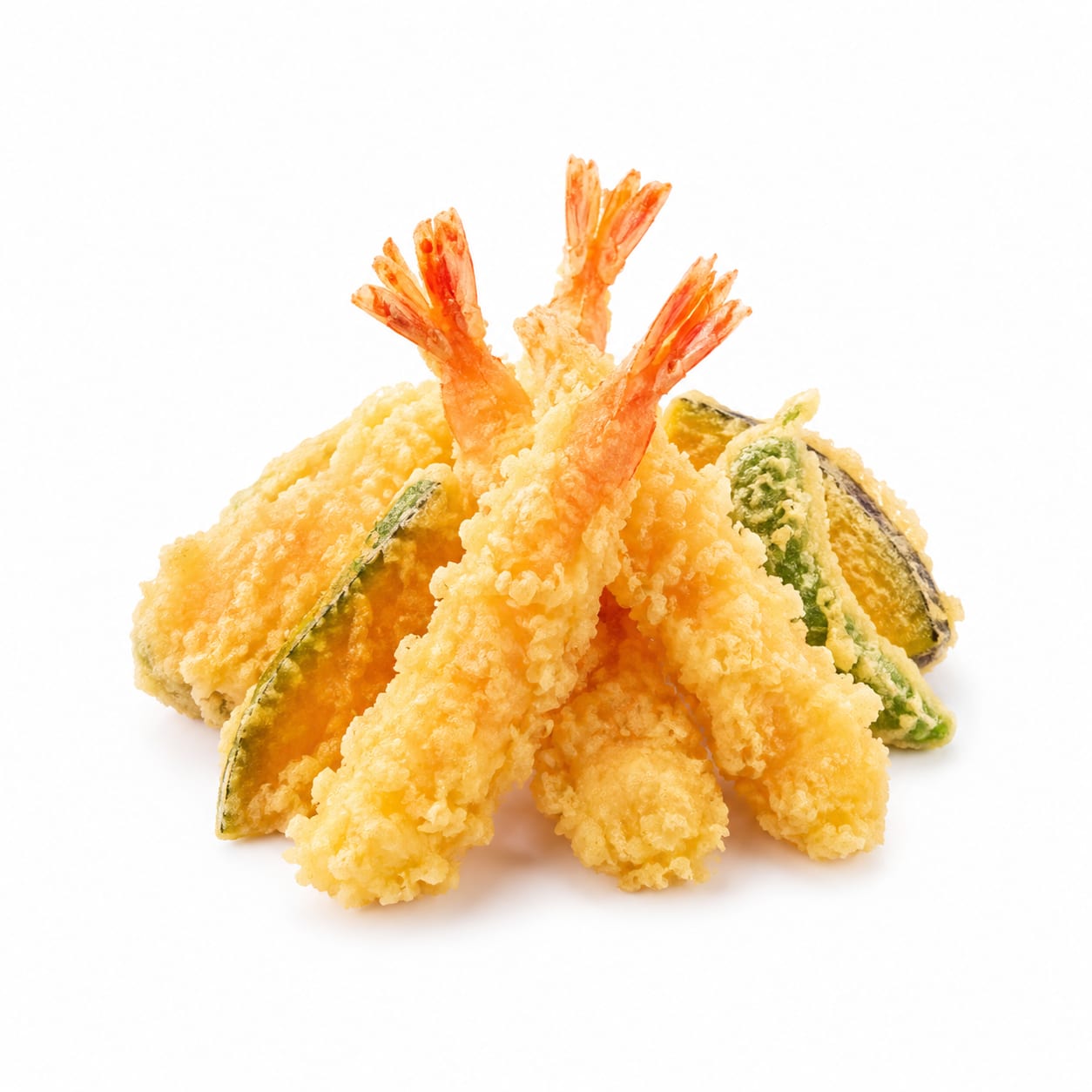
Tempura
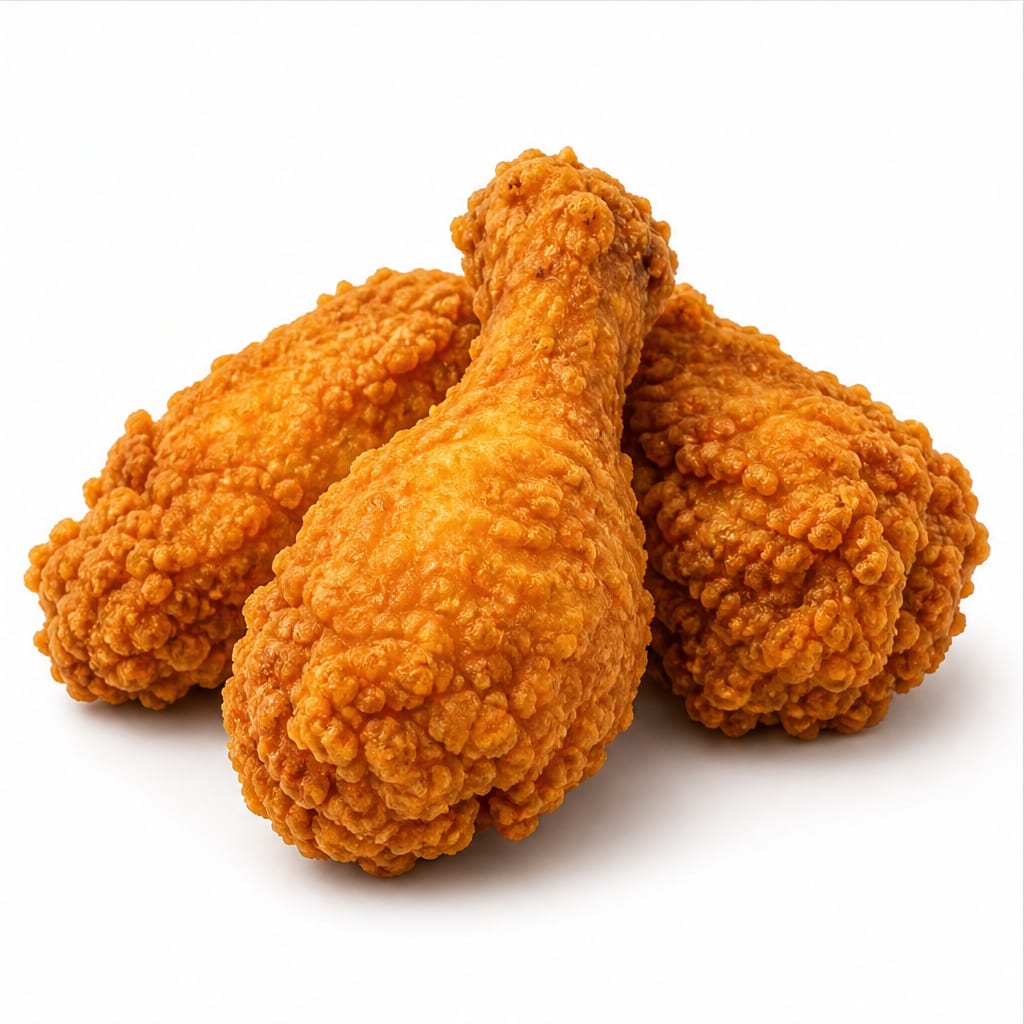
Fried Chicken
Tempura is lighter and lower in sodium, while Fried Chicken delivers far more protein and satiety.
Tempura scores slightly higher due to lower sodium and lighter digestive load, but both are deep-fried indulgences with limited daily health value. Fried Chicken loses points on sodium and heaviness but wins on protein density.
You trade the heavy protein punch and fullness of Fried Chicken for the lighter, less sodium-heavy experience of Tempura.
At a glance
Executive summary
Overall
It depends
Healthier
It depends
More practical
Fried Chicken
Daily use
It depends
Key comparison lenses
Comparing fried food impacts on digestion and energy
Both are deep-fried, so users want to know which leaves them feeling less sluggish.
Protein vs. lighter calorie load tradeoff
Fried Chicken offers high protein, while Tempura offers a lighter calorie footprint per piece.
Sodium and heart health risks
Fried Chicken is often heavily brined, making sodium a major differentiator.
Ingredient quality and nutrient diversity
Tempura often wraps vegetables or shrimp, adding micronutrients that chicken lacks.
Best choice for
Tempura
- People wanting a lighter fried meal without the meat-heavy slump
- Those watching sodium intake
- Anyone craving vegetables or seafood with a crispy texture
Fried Chicken
- Active individuals needing high protein for muscle recovery
- People wanting a single-piece meal that keeps them full for hours
- Those seeking hearty comfort food
Least suitable for
Tempura
- Anyone needing a high-protein, muscle-building meal
- People extremely sensitive to fried foods or poor-quality seed oils
Fried Chicken
- People managing hypertension or severe sodium restrictions
- Those wanting a light meal that will not cause a food coma
Deep comparison
Dimension by dimension
Each lens scores both foods and breaks down who each option suits.
- Dimension 1 · Priority 95Fried Chicken
Protein & Satiety
Tempura · 25Fried Chicken · 85Fried Chicken is a protein powerhouse that keeps you full, whereas Tempura provides very little protein.
Tradeoff
You get long-lasting fullness with Fried Chicken, but it comes with a heavy, sluggish feeling that Tempura avoids.
Why it matters
If you are eating a fried food as a main course, protein content dictates whether you will be hungry again an hour later.
Real-world impact
A Fried Chicken dinner will likely keep you full until bedtime. A Tempura dinner might leave you scavenging for snacks a few hours later.
Tempura
- Light eaters who prefer smaller meals
Better for
- Muscle maintenance
- Appetite control
Worse for
Fried Chicken
- Post-workout recovery
- Long workdays where you cannot snack
Better for
- Feeling agile and light afterward
Worse for
- Dimension 2 · Priority 90Tempura
Sodium Load
Tempura · 55Fried Chicken · 25Fried Chicken is often brined or heavily seasoned, packing a massive sodium punch. Tempura relies more on a light dipping sauce.
Tradeoff
Choosing Tempura saves you from a sodium spike, but you miss out on the deep savory flavor of a well-brined chicken.
Why it matters
High sodium intake directly impacts blood pressure and bloating, making this a crucial daily health metric.
Real-world impact
Eating Fried Chicken can easily push you over your daily sodium limit, leading to thirst and next-day puffiness.
Tempura
- Blood pressure management
- Reducing morning bloating
Better for
- Intense savory cravings
Worse for
Fried Chicken
- Replenishing sodium after heavy sweating
Better for
- Heart health
- Kidney strain
Worse for
- Dimension 3 · Priority 85Tempura
Digestive Comfort
Tempura · 60Fried Chicken · 35Tempura batter is lighter and thinner, making it easier on the stomach than the thick, heavy breading of Fried Chicken.
Tradeoff
Tempura sits lighter in the stomach, but the thicker breading on Fried Chicken stays warmer longer.
Why it matters
Heavy, greasy breading can trigger acid reflux or indigestion, especially when eaten late.
Real-world impact
Tempura is far less likely to cause that uncomfortable 'brick in your stomach' feeling during an afternoon meeting.
Tempura
- Prone to acid reflux
- Late-night eating
Better for
- Feeling physically grounded after a meal
Worse for
Fried Chicken
- Cold weather comfort eating
Better for
- Avoiding the post-meal food coma
Worse for
- Dimension 4 · Priority 70Tempura
Nutrient Diversity
Tempura · 65Fried Chicken · 45Tempura often encases shrimp, sweet potatoes, or broccoli, bringing trace minerals and vitamins. Fried Chicken is mostly just meat and carbs.
Tradeoff
You get broader micronutrients with Tempura, but Fried Chicken offers far more of the single nutrient that matters most: protein.
Why it matters
Relying on Fried Chicken as a meal offers no plant-based fiber or diverse vitamins.
Real-world impact
A Tempura platter with vegetables provides a slightly more balanced plate than a bucket of chicken, despite the shared fryer.
Tempura
- Adding variety to a fried meal
- Getting trace minerals like iodine from shrimp
Better for
- Consistent macronutrient balance
Worse for
Fried Chicken
- B-vitamin intake
- Iron and zinc consumption
Better for
- Fiber intake
- Phytonutrient consumption
Worse for
Timeline
Health impact over time
Short-term
Hours to days
Tempura
- Lighter energy levels post-meal
- Less intense thirst compared to heavily salted fried foods
- Possible mild sluggishness from frying oil
Fried Chicken
- Strong feeling of fullness and heaviness
- High thirst from excessive sodium
- Potential for acid reflux due to thick greasy breading
Long-term
Months to years
Tempura
- Lower risk of sodium-induced hypertension compared to Fried Chicken
- Inflammatory risks from seed oils if eaten frequently
- Minimal protein support for aging muscles
Fried Chicken
- Significant risk of elevated blood pressure if consumed regularly
- Better muscle preservation due to high protein
- Higher cardiovascular strain from combined saturated fat and sodium
Risk profile
Safety & processing
Both are battered and deep-fried, but Fried Chicken frequently involves industrial brining, flavor enhancers, and sometimes preservatives, while Tempura batter is traditionally just flour, egg, and ice water.
Tempura
Seafood allergens
highShrimp tempura is a severe risk for those with shellfish allergies, often cooked in shared oil.
Oxidized cooking oils
mediumDeep-frying at high temperatures can degrade oil quality, creating inflammatory compounds.
Fried Chicken
Undercooked poultry
highThick breading can cause the outside to brown before the interior reaches safe temperatures, risking salmonella.
Excessive sodium and preservatives
mediumCommercial Fried Chicken often contains phosphate preservatives and extreme sodium levels from brining.
Who wins for whom
Audience fit
Same foods, different winners depending on your goal.
children
Fried ChickenKids generally prefer the familiar, hearty taste of chicken, and the high protein supports growth.
daily consumption
It dependsNeither should be eaten daily, but Tempura is less likely to cause daily blood pressure spikes.
diabetes
It dependsTempura batter is thin and lower in carbs, but Fried Chicken breading can be removed. Both are high in inflammatory fats which are unhelpful for diabetes.
elderly
TempuraTempura is easier to chew and digest, and the lower sodium load is safer for aging cardiovascular systems.
muscle gain
Fried ChickenFried Chicken provides substantial protein necessary for muscle repair and growth, despite the extra fat.
weight loss
TempuraTempura has a lighter calorie density per piece, making it easier to fit into a calorie deficit, especially if you choose vegetable options.
Your move
Decision guide
Choose Tempura
- You want a fried treat without feeling weighed down all afternoon
- You are watching your blood pressure or sodium intake
- You prefer a mix of seafood and vegetables over heavy meat
Choose Fried Chicken
- You need a high-protein meal after a heavy workout
- You want a meal that will keep you full for 5 to 6 hours
- You are craving deep, savory comfort food on a cold day
Either works if
- You are comfortable with the inflammatory tradeoffs of deep-fried food
- You plan to pair the meal with a large side of vegetables to balance the plate
Avoid both if
- You have severe heart disease or hypertension
- You are following a strict low-fat or anti-inflammatory diet
- You are prone to gallbladder issues triggered by greasy foods
Final recommendation
Choose Tempura for a lighter, lower-sodium indulgence that will not put you to sleep, or choose Fried Chicken when protein and long-lasting fullness are your top priorities. Neither is a health food, so let your immediate energy and hunger needs guide you.
Practical
Consumer tips
- 1
Place fried foods on a paper towel immediately after cooking to absorb surface oil.
- 2
If ordering Fried Chicken, remove the skin to drastically cut calories, fat, and sodium.
- 3
For Tempura, dip lightly in the tentsuyu sauce rather than soaking it to control sodium.
- 4
Always pair either option with a fiber-rich side salad to slow down fat absorption and stabilize blood sugar.