
Nutrition comparison
Tempura vs Onion Rings: Which Fried Food Is Healthier?
Compare tempura and onion rings to see which fried food offers better nutrition, fewer calories, and less grease. Find out which is the smarter indulgence.
Overall winner · Tempura
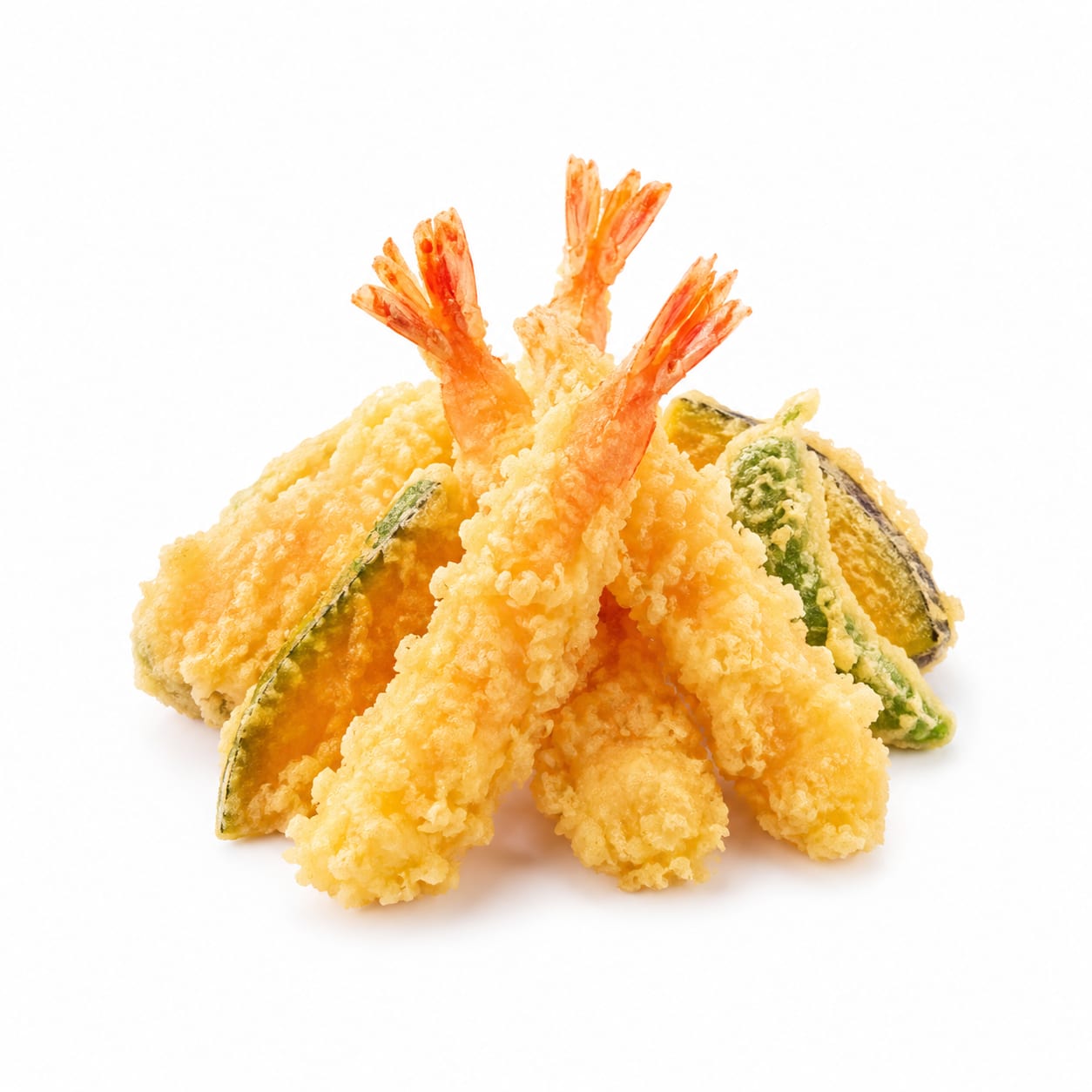
Tempura
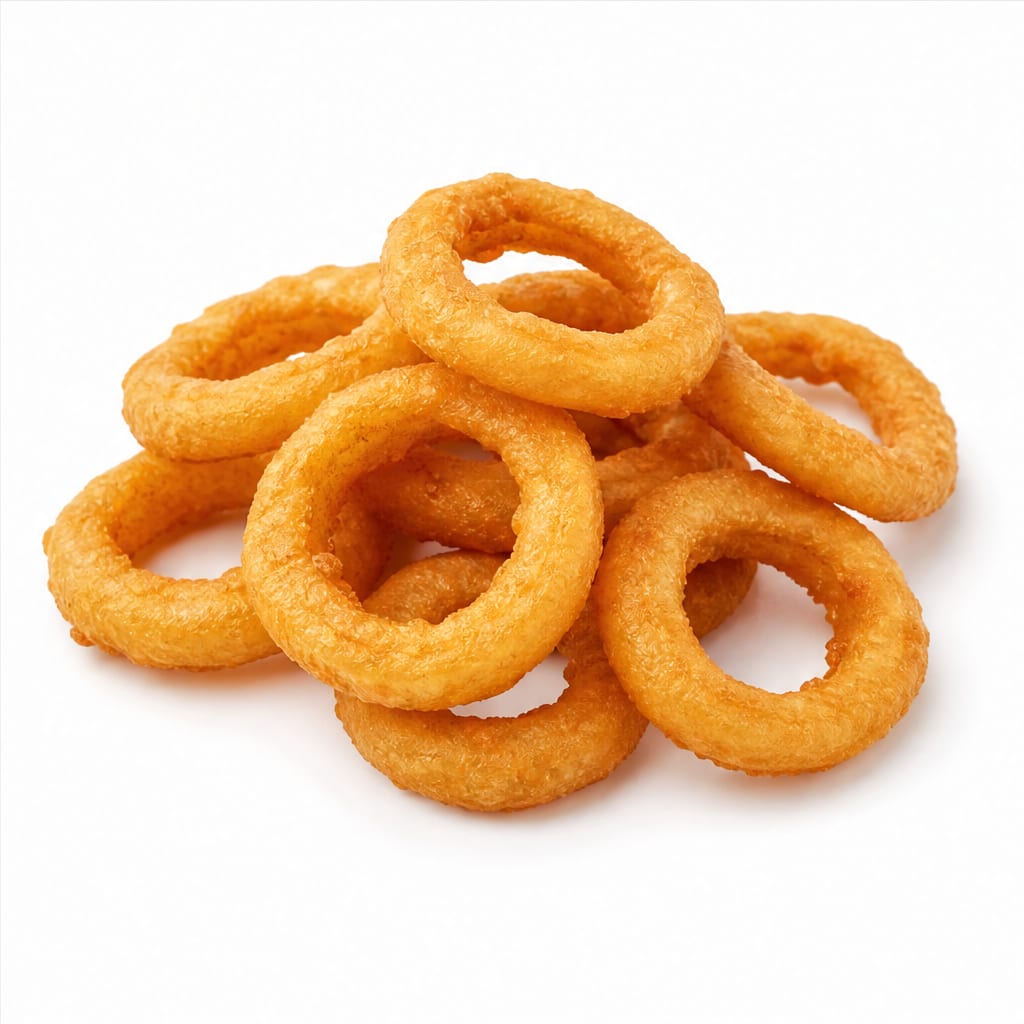
Onion Rings
Tempura delivers more protein and actual nutrients from its core ingredients, while onion rings are mostly heavy batter and starch.
Tempura scores higher due to its protein content and lighter batter, while onion rings rank lower because they are essentially empty carbs soaked in oil.
You trade the comforting crunch and convenience of onion rings for the more balanced, protein-containing bite of tempura.
At a glance
Executive summary
Overall
Tempura
Healthier
Tempura
More practical
Onion Rings
Daily use
It depends
Key comparison lenses
Oil absorption and batter density
The type of batter heavily dictates how much oil the food absorbs, directly impacting calorie density and digestive comfort.
Macronutrient quality of the core ingredient
Tempura typically coats protein-rich shrimp or nutrient-dense vegetables, while onion rings coat a low-nutrient starch.
Satiety and blood sugar impact
Fried carbs alone cause rapid blood sugar spikes, whereas adding protein changes the metabolic response entirely.
Ultra-processing and additives
Restaurant tempura uses fresh ingredients, while commercial onion rings often contain preservatives and fillers in their breading.
Best choice for
Tempura
- People wanting protein with their fried food
- Those eating Japanese cuisine
- Anyone wanting a lighter fried option
Onion Rings
- Fans of classic comfort food
- Those craving a salty, crunchy side dish
- Budget-conscious diners looking for cheap sides
Least suitable for
Tempura
- People with shellfish allergies
- Those strictly avoiding all fried foods
Onion Rings
- People seeking high-protein meals
- Those managing blood sugar spikes
- Anyone avoiding empty carbohydrates
Deep comparison
Dimension by dimension
Each lens scores both foods and breaks down who each option suits.
- Dimension 1 · Priority 95Tempura
Macronutrient Balance
Tempura · 65Onion Rings · 20Tempura provides a meaningful protein boost from seafood or vegetables, whereas onion rings offer almost zero protein and high simple carbs.
Tradeoff
Choosing tempura means getting actual nutrition alongside the fat, while onion rings are purely an indulgence with little nutritional return.
Why it matters
Protein helps stabilize blood sugar and keeps you full, preventing the crash that often follows eating fried carbs.
Real-world impact
Eating tempura as a main leaves you satisfied; eating onion rings as a side often leaves you hungry again an hour later.
Tempura
- Muscle maintenance
- Balanced meals
- Blood sugar stability
Better for
- Low-fat diets
Worse for
Onion Rings
- Quick energy
- Carb loading
Better for
- Weight management
- Diabetes control
- High-protein diets
Worse for
- Dimension 2 · Priority 90Tempura
Oil Absorption and Batter Weight
Tempura · 60Onion Rings · 25Tempura batter is famously light and airy, absorbing less oil, while onion ring breading is dense and acts like a sponge for frying oil.
Tradeoff
Tempura feels lighter in the stomach, but onion rings deliver a heavier, crunchier bite that some people find more comforting.
Why it matters
Less oil absorption means fewer calories and less digestive heaviness after eating.
Real-world impact
You are less likely to feel sluggish after a tempura meal compared to eating a large portion of heavily breaded onion rings.
Tempura
- Calorie consciousness
- Easier digestion
Better for
- Those wanting a heavy, filling side
Worse for
Onion Rings
- Maximum crunch
- Comfort eating
Better for
- Sensitive stomachs
- Avoiding grease
Worse for
- Dimension 3 · Priority 85Tempura
Satiety and Fullness
Tempura · 70Onion Rings · 20Thanks to the protein in shrimp or vegetables, tempura keeps you full much longer than onion rings, which are mostly digestible starch.
Tradeoff
Tempura works better as a standalone meal component, while onion rings are strictly a side dish that will not sustain you on their own.
Why it matters
Foods that fail to satisfy lead to overeating later in the day.
Real-world impact
A tempura lunch will carry you to dinner; an onion ring snack will have you reaching for more food by mid-afternoon.
Tempura
- Long workdays
- Post-workout meals
Better for
- Small appetites
Worse for
Onion Rings
- Sharing at a barbecue
Better for
- Sustained energy
- Hunger control
Worse for
- Dimension 4 · Priority 75Tempura
Ingredient Quality and Processing
Tempura · 60Onion Rings · 25Restaurant tempura typically uses fresh, whole ingredients, whereas commercial onion rings are often highly processed with fillers and preservatives.
Tradeoff
Tempura relies on the quality of its raw ingredients, while frozen onion rings are designed for shelf stability and consistency over nutrition.
Why it matters
Whole ingredients interact better with your body and carry fewer hidden chemicals.
Real-world impact
Eating tempura means eating actual shrimp or sweet potato; eating frozen onion rings means consuming a long list of unpronounceable additives.
Tempura
- Clean eating
- Whole food diets
Better for
- Shellfish allergies
Worse for
Onion Rings
- Budget meals
- Long-term freezer storage
Better for
- Avoiding ultra-processed foods
Worse for
Timeline
Health impact over time
Short-term
Hours to days
Tempura
- Satisfying fullness from protein
- Mild sluggishness if overeating
Onion Rings
- Rapid blood sugar spike
- Greasy aftertaste
- Quickly returning hunger
Long-term
Months to years
Tempura
- Potential increase in cholesterol from fried seafood
- Better weight maintenance than carb-heavy fried foods
Onion Rings
- Increased risk of weight gain from empty calories
- Higher cardiovascular strain from heavy oil absorption
Risk profile
Safety & processing
Tempura is a simply processed food made of fresh ingredients and batter, while commercial onion rings are ultra-processed, often containing preservatives, dough conditioners, and artificial flavors.
Tempura
Oxidized cholesterol
mediumFrying shrimp can oxidize its cholesterol, which may be more harmful to arteries than unoxidized cholesterol.
Onion Rings
Acrylamide formation
mediumFrying starchy breading at high temperatures creates acrylamide, a potential carcinogen.
Trans fats
highMany commercial onion rings are fried in partially hydrogenated oils, introducing harmful trans fats.
Who wins for whom
Audience fit
Same foods, different winners depending on your goal.
children
TempuraTempura offers nutrients like protein and vitamins from the core ingredients, making it a better choice for growing bodies than empty carbs.
daily consumption
It dependsNeither should be eaten daily due to the frying process, but tempura is the lesser of two evils if fried food is a regular occurrence.
diabetes
TempuraTempura causes a slower blood sugar rise due to its protein content, while onion rings are a fast carb spike.
elderly
TempuraThe softer texture of tempura and its protein content are beneficial for older adults who need easily chewed, muscle-preserving foods.
muscle gain
TempuraShrimp tempura provides high-quality protein necessary for muscle repair, whereas onion rings offer none.
weight loss
TempuraTempura has more protein and less heavy breading, making it slightly easier to fit into a calorie-controlled diet.
Your move
Decision guide
Choose Tempura
- You want a meal with actual protein and nutrients
- You prefer a lighter, less greasy fried food
- You are eating at a Japanese restaurant
Choose Onion Rings
- You are craving classic, heavy comfort food
- You need a cheap, shareable side dish for a group
- You love the specific crunch of a thick beer batter
Either works if
- You are comfortable with the calorie load of fried foods
- You just want something crispy and salty as a rare treat
Avoid both if
- You have severe heart conditions or high cholesterol
- You are on a strict low-fat or weight-loss diet
- You are sensitive to greasy foods and indigestion
Final recommendation
If you are going to eat fried food, tempura is the smarter choice because you get real nutrition alongside the crunch. Save onion rings for occasional comfort, not as a dietary staple.
Practical
Consumer tips
- 1
Order vegetable tempura like sweet potato or broccoli to maximize fiber and minimize cholesterol.
- 2
Share an order of onion rings instead of getting your own to cut down on the heavy carb and oil load.
- 3
Ask if the restaurant uses fresh oil, as old oil makes both foods significantly worse for your health.
- 4
Make baked onion rings at home with panko and a light spray of oil to capture the crunch without the deep-fry downside.