
Nutrition comparison
Tempura vs Chicken Katsu: Which Fried Japanese Dish Is Healthier?
Compare Tempura and Chicken Katsu nutrition including calories, protein, sodium, and oil absorption. Find out which Japanese fried food fits your health goals better.
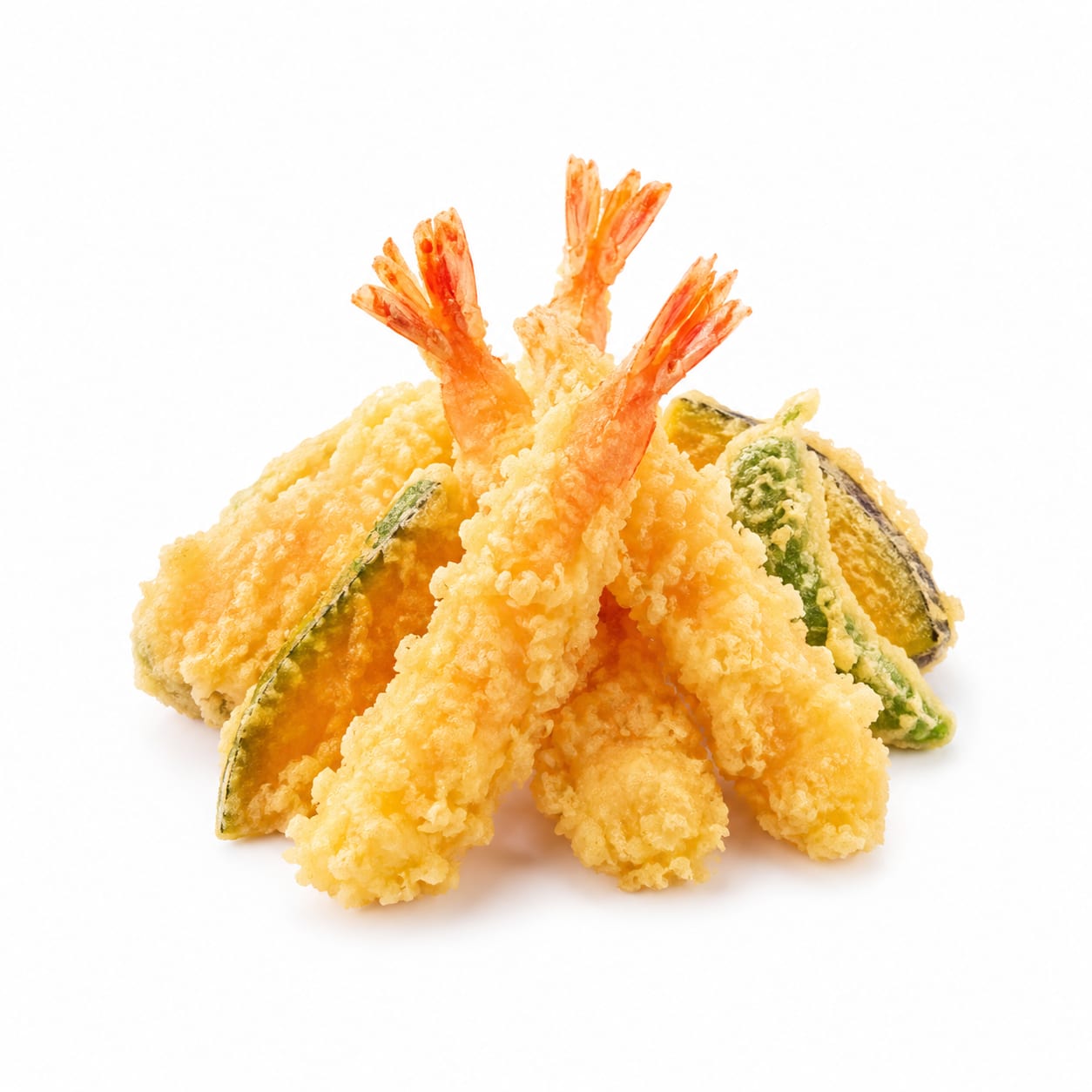
Tempura
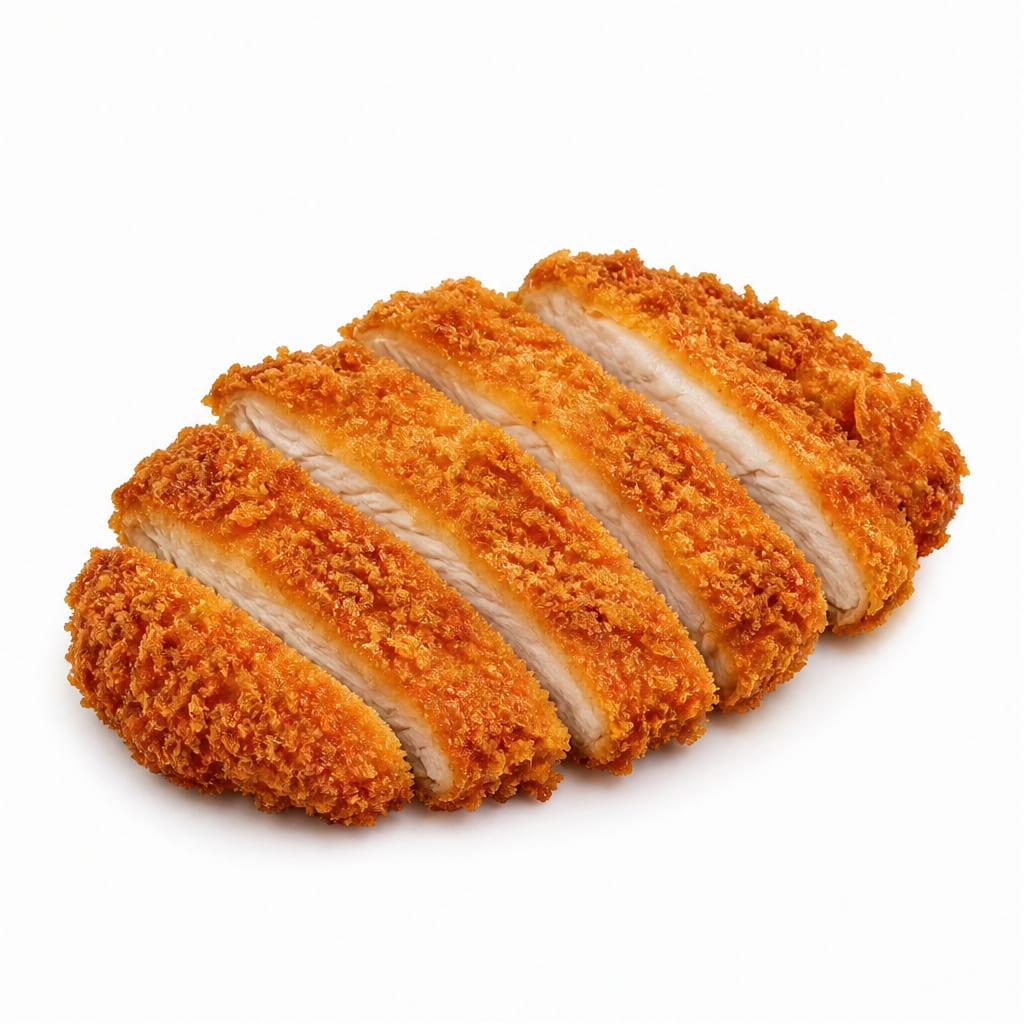
Chicken Katsu
Neither is a health food, but they shine for different reasons: Tempura is lighter and more diverse, Chicken Katsu is more filling and protein-rich.
Both are indulgent fried foods with limited nutritional upside. Chicken Katsu scores slightly higher due to significantly more protein and better satiety, while Tempura earns points for lighter batter and potential vegetable inclusion. The gap is small because neither belongs in a regular healthy eating pattern.
Lighter batter and vegetable variety versus more protein and longer-lasting fullness.
At a glance
Executive summary
Overall
It depends
Healthier
It depends
More practical
Chicken Katsu
Daily use
neither
Key comparison lenses
fried food health tradeoffs
Both are deep-fried Japanese dishes, so the core question is which frying style and coating does less damage
protein and satiety comparison
Chicken Katsu delivers substantially more protein, making it more filling and functional for active people
oil absorption and calorie density
Tempura's thin batter may absorb less oil than panko's thick breading, affecting calorie load per bite
sodium and sauce impact
Tonkatsu sauce is significantly higher in sugar and sodium than tentsuyu, changing the metabolic profile
nutrient diversity from vegetables
Tempura often includes vegetables, offering micronutrients that Chicken Katsu cannot match
Best choice for
Tempura
- Lighter appetite days when you want fried food without feeling heavy
- Adding vegetable variety to an otherwise meat-heavy meal
- Hot summer days when heavy fried food feels like too much
Chicken Katsu
- Post-workout meals needing serious protein recovery
- Busy days where one filling meal needs to hold you for hours
- Active people who need sustained energy and muscle support
Least suitable for
Tempura
- Anyone needing high protein intake for muscle or recovery goals
- People watching cholesterol closely due to shrimp and frying oil
- Very hungry people who will need to eat again soon after
Chicken Katsu
- Those managing sodium intake strictly due to tonkatsu sauce
- Anyone seeking lighter fare or vegetable-forward meals
- People sensitive to heavy, greasy meals causing sluggishness
Deep comparison
Dimension by dimension
Each lens scores both foods and breaks down who each option suits.
- Dimension 1 · Priority 92Chicken Katsu
Protein Quality and Quantity
Tempura · 25Chicken Katsu · 72Chicken Katsu delivers roughly 25-35g of protein per serving from chicken breast or thigh. Tempura's protein depends on the item but typically lands around 8-15g.
Tradeoff
You gain serious muscle-fueling protein with Chicken Katsu but lose the lighter eating experience that Tempura offers.
Why it matters
Protein determines how long you stay full and how well your body recovers from activity. This is the biggest nutritional gap between the two.
Real-world impact
After Chicken Katsu, you likely stay full for 4-5 hours. After Tempura, hunger may return within 2-3 hours, especially if it's vegetable-heavy.
Tempura
- Light eaters who prefer smaller protein portions
Better for
- Post-workout recovery meals
- Anyone relying on one meal to carry them through a long afternoon
Worse for
Chicken Katsu
- Athletes and active individuals needing recovery protein
- Anyone trying to stay full longer between meals
- People building muscle or preserving lean mass while dieting
Better for
- Light eaters who feel uncomfortably stuffed
- Evening meals close to bedtime
Worse for
- Dimension 2 · Priority 88Tempura
Oil Absorption and Calorie Density
Tempura · 45Chicken Katsu · 35Tempura's thin batter creates a delicate shell that can absorb slightly less oil than panko's thick, porous breading. However, both are deep-fried and calorie-dense.
Tradeoff
Tempura may save you 100-200 calories per serving through lower oil absorption, but the difference is modest and depends heavily on frying technique.
Why it matters
Even small calorie differences compound over time if you eat fried foods regularly. But frying temperature and oil quality matter more than batter type.
Real-world impact
A Tempura meal might run 500-700 calories versus Chicken Katsu at 600-900 calories. Neither is light, but Tempura leaves you feeling less weighed down.
Tempura
- Calorie-conscious diners choosing between fried options
- People who dislike the heavy greasy feeling of thick breading
Better for
- Anyone assuming Tempura is a low-calorie choice — it is not
Worse for
Chicken Katsu
- Those prioritizing fullness over calorie minimization
- People who find thin batter less satisfying and end up eating more
Better for
- Strict calorie counters, especially if portions are large
Worse for
- Dimension 3 · Priority 86Chicken Katsu
Satiety and Fullness
Tempura · 35Chicken Katsu · 68Chicken Katsu's dense protein and heavier breading create a much more filling meal. Tempura, especially vegetable versions, digests quickly and leaves you hungry sooner.
Tradeoff
Fullness comes at the cost of feeling heavy and potentially sluggish after eating.
Why it matters
A meal that holds you for hours prevents snacking and overeating later. But feeling overly full can kill productivity and energy.
Real-world impact
Chicken Katsu is a one-and-done meal. Tempura often needs rice, soup, or sides to feel complete, adding more calories overall.
Tempura
- Small appetites or multi-course meals where Tempura is one component
- Hot weather eating when heavy food sounds unappealing
Better for
- Main course for a physically demanding day
- Anyone prone to snacking after insufficient meals
Worse for
Chicken Katsu
- Lunch that needs to carry you through a busy workday
- Anyone tired of meals that leave them hungry an hour later
Better for
- Late dinners close to bedtime
- Sedentary days with low calorie needs
Worse for
- Dimension 4 · Priority 80Tempura
Sodium and Sauce Impact
Tempura · 50Chicken Katsu · 30Tentsuyu dipping sauce is lighter and lower in sugar than tonkatsu sauce, which is thick, sweet, and sodium-dense. The sauce difference alone can mean 300-500mg more sodium.
Tradeoff
Tonkatsu sauce is a big part of what makes Chicken Katsu delicious, but it adds hidden sugar and salt that many people underestimate.
Why it matters
Sodium from sauces is one of the easiest ways to exceed daily limits without realizing it, especially for blood pressure management.
Real-world impact
Requesting sauce on the side or using less can narrow this gap significantly. The default serving of tonkatsu sauce is generous.
Tempura
- People managing hypertension or sodium-sensitive conditions
- Anyone watching sugar intake including hidden sauce sugars
Better for
- Diners who over-dip in tentsuyu, negating the sodium advantage
Worse for
Chicken Katsu
- Those who find plain fried chicken unappealing and need bold flavor
Better for
- Blood pressure management, especially with regular consumption
- Anyone tracking sodium who forgets to account for sauce
Worse for
- Dimension 5 · Priority 75Tempura
Nutrient Diversity
Tempura · 55Chicken Katsu · 25Tempura platters often include sweet potato, zucchini, eggplant, and seaweed alongside shrimp. Chicken Katsu is nutritionally monolithic — breading and chicken.
Tradeoff
Vegetable tempura adds vitamins, minerals, and fiber that Chicken Katsu simply cannot provide, but the frying process degrades some heat-sensitive nutrients.
Why it matters
Even fried vegetables retain some fiber and minerals. A mixed Tempura plate is closer to a balanced meal than a chicken cutlet.
Real-world impact
A vegetable-heavy Tempura order gives you potassium, vitamin A, and fiber that make the meal slightly less nutritionally empty.
Tempura
- Anyone trying to sneak vegetables into an indulgent meal
- People eating few vegetables overall who need any opportunity
Better for
- Shrimp-only tempura orders that lose the vegetable advantage entirely
Worse for
Chicken Katsu
- Those who get vegetables from other dishes in the same meal
Better for
- Meals where Chicken Katsu is the only item with no vegetable sides
Worse for
- Dimension 6 · Priority 70Tempura
Digestive Comfort
Tempura · 52Chicken Katsu · 38Tempura's lighter batter sits easier in the stomach for most people. Chicken Katsu's dense panko crust and thicker meat create a heavier digestive load.
Tradeoff
Light and easy to digest means less staying power. Heavier means longer fullness but potential discomfort.
Why it matters
Post-meal comfort affects energy, focus, and mood. Heavy fried food can cause sluggishness and acid reflux in sensitive people.
Real-world impact
After Tempura, you can usually return to normal activity within 30 minutes. Chicken Katsu may leave you in a food coma for an hour or more.
Tempura
- People prone to acid reflux or heartburn from heavy meals
- Lunch before an active or mentally demanding afternoon
Better for
- Situations where light eating leads to hunger distraction later
Worse for
Chicken Katsu
- Evening meals where post-dinner sluggishness is acceptable
- Those with iron stomachs who never experience digestive discomfort
Better for
- Anyone with GERD, IBS, or sensitive digestion triggered by greasy food
- Workday lunches before important meetings or presentations
Worse for
Timeline
Health impact over time
Short-term
Hours to days
Tempura
- Quick energy from refined carbs in the batter, possible crash within 1-2 hours
- Lighter stomach feel compared to heavier fried foods
- Potential thirst from sodium in dipping sauce
Chicken Katsu
- Longer-lasting fullness from protein and fat combination
- Post-meal drowsiness or food coma likely due to digestive load
- Higher immediate sodium hit from tonkatsu sauce
Long-term
Months to years
Tempura
- Regular consumption contributes to elevated LDL cholesterol from frying oils
- Vegetable varieties offer slightly more micronutrient support than meat-only fried dishes
- Low protein content means you may overeat other foods to compensate
Chicken Katsu
- Higher protein supports muscle maintenance and metabolic health long-term
- Consistent sodium load from tonkatsu sauce raises blood pressure risk over time
- Calorie density makes weight management harder with frequent consumption
Risk profile
Safety & processing
Both are freshly cooked dishes with minimal artificial additives. Tempura batter is simply flour, egg, and ice water. Panko breading is wheat flour with minimal additives. The main concern is frying oil quality and reuse, not mysterious ingredients.
Tempura
Shrimp allergy cross-contamination
highTempura kitchens fry shrimp alongside other items. Even vegetable tempura may contact shrimp residue in shared oil.
Oil degradation from repeated frying
mediumRestaurants that reuse frying oil at insufficient temperatures create oxidized compounds that may be inflammatory.
Undercooked seafood in thick pieces
lowLarge shrimp or fish pieces may not cook through if oil temperature drops, though this is uncommon in professional kitchens.
Chicken Katsu
Undercooked chicken center
mediumThick chicken cutlets can brown on the outside before the center reaches safe temperature, especially in busy kitchens rushing orders.
Oil degradation from repeated frying
mediumSame concern as Tempura — reused oil at high volume restaurants may contain oxidized fats and acrylamide.
High sodium from tonkatsu sauce
mediumA single serving of tonkatsu sauce can contain 500-800mg sodium, which is significant for those managing blood pressure.
Who wins for whom
Audience fit
Same foods, different winners depending on your goal.
children
Chicken KatsuKids generally prefer the familiar crunch and mild flavor of Chicken Katsu over mixed tempura. The protein also supports growing bodies, though sodium should be monitored.
daily consumption
neitherBoth are deep-fried indulgences that should be enjoyed weekly at most, not daily. Regular fried food consumption raises cardiovascular risk regardless of which coating you choose.
diabetes
It dependsChicken Katsu's higher protein slows blood sugar rise, but panko breading adds more refined carbs. Tempura has less breading but also less protein to buffer the glycemic impact. Both require caution and portion control.
elderly
TempuraTempura's softer texture when dipped is easier to chew and digest. Chicken Katsu can be tough and dry for aging teeth and sensitive digestion.
muscle gain
Chicken KatsuChicken Katsu provides 25-35g of complete protein per serving, which is essential for muscle repair and growth. Tempura simply cannot compete on protein content.
weight loss
TempuraSlightly fewer calories per serving and lighter overall energy density, though neither is ideal for weight loss. Vegetable tempura options add volume with fewer calories than a dense chicken cutlet.
Your move
Decision guide
Choose Tempura
- You want a lighter fried meal that will not put you in a food coma
- Your meal includes vegetable tempura for added nutrients and fiber
- You are watching sodium and prefer the lighter dipping sauce
- You have a smaller appetite or are eating multiple courses
Choose Chicken Katsu
- You need serious protein after a workout or physically demanding day
- One meal needs to keep you full for 5+ hours without snacking
- You find light meals unsatisfying and end up eating more later anyway
- You are an active person who burns through calories efficiently
Either works if
- You are eating Japanese food as an occasional treat, not a dietary staple
- You pair the fried dish with a large side salad or steamed vegetables
- You control portions and sauce amounts rather than eating the full restaurant serving
Avoid both if
- You are managing heart disease, high cholesterol, or high blood pressure
- You are following a low-fat or low-calorie eating plan strictly
- You have gallbladder issues triggered by greasy foods
- You eat fried foods more than twice per week already
Final recommendation
For most people, the choice comes down to what your day demands. Need fuel and staying power? Chicken Katsu wins. Want something lighter with more variety? Tempura is your pick. Just remember that both are occasional indulgences — the healthiest move is enjoying either once a week or less, with plenty of vegetables on the side and sauce used sparingly.
Practical
Consumer tips
- 1
Ask for tonkatsu sauce on the side and dip lightly instead of pouring it over — you will cut sodium by 40-60%
- 2
Order mixed tempura with vegetables rather than shrimp-only to get fiber and micronutrients
- 3
Share a fried entrée and fill the rest of your plate with steamed vegetables or edamame
- 4
Choose restaurants that fry at high temperatures and change oil regularly — food cooked in fresh oil absorbs less fat
- 5
Drink green tea with your meal — it will not undo the frying, but it provides antioxidants and aids digestion
- 6
If eating Chicken Katsu, consider removing some panko breading to reduce carbs and oil absorption
- 7
Avoid adding extra rice as a filler — both dishes are already carb and calorie heavy