
Nutrition comparison
Tempura vs Sashimi: Nutritional & Health Comparison
Compare Tempura vs Sashimi to see which is healthier. Learn about calorie density, fat quality, raw fish safety, and which Japanese dish fits your diet best.
Overall winner · Sashimi
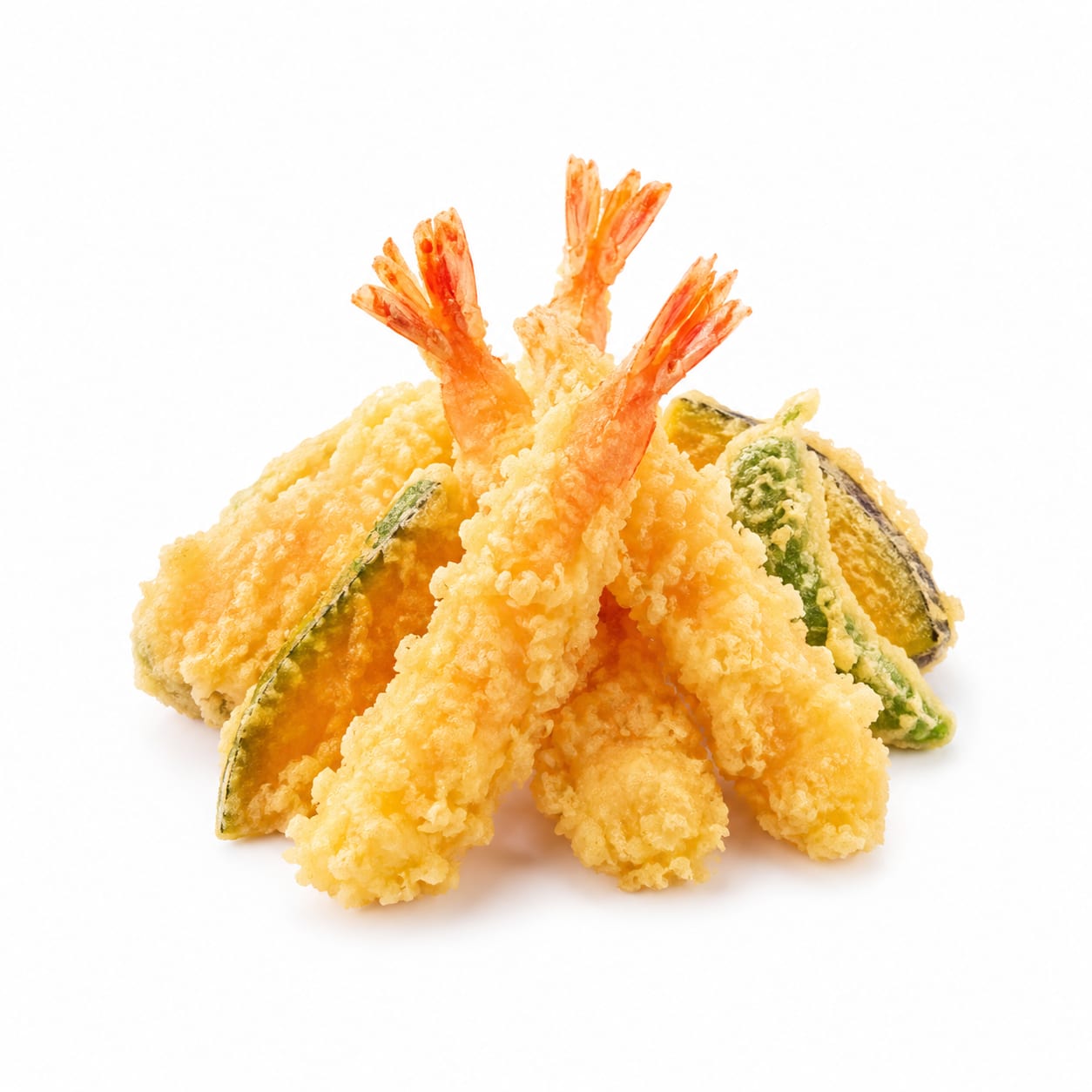
Tempura
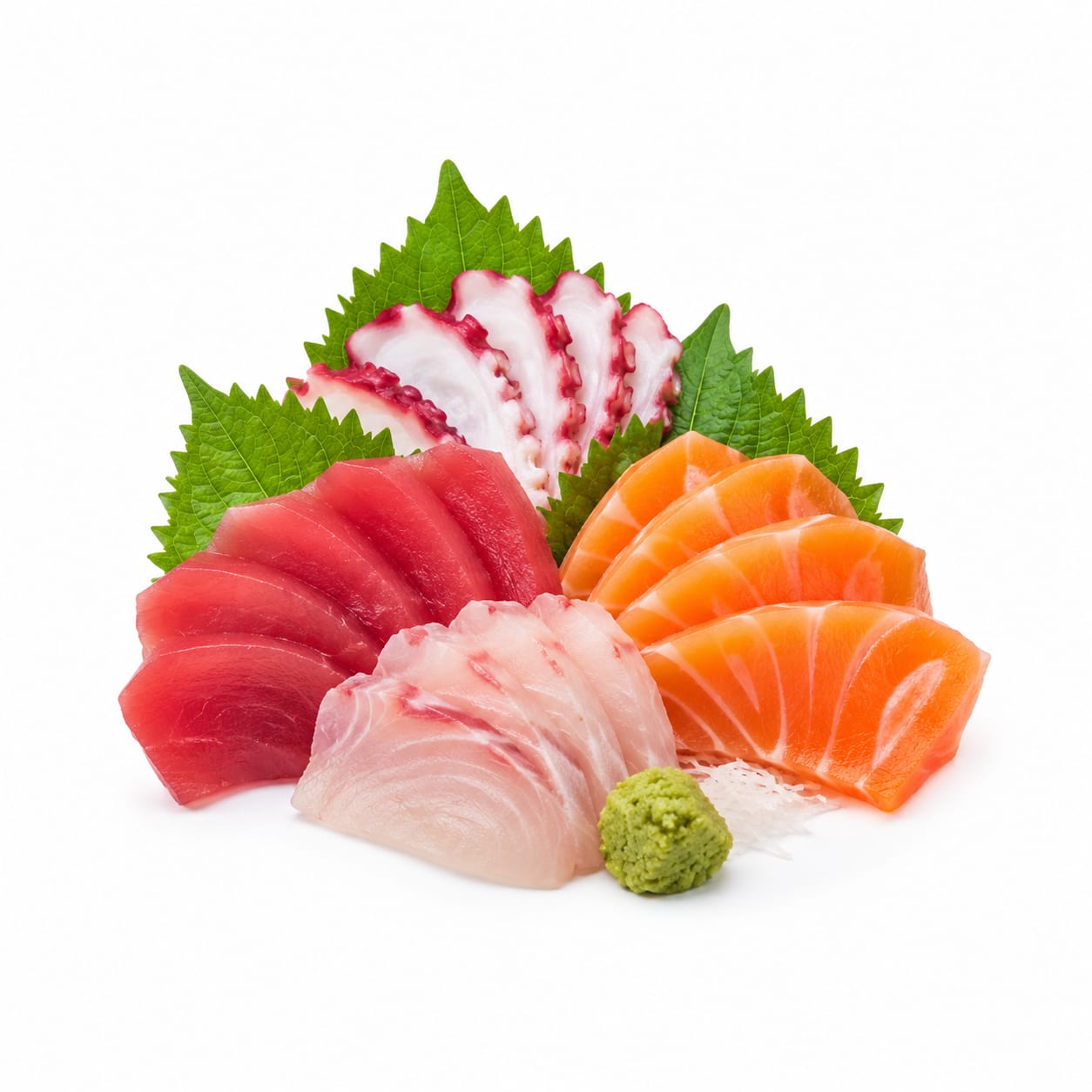
Sashimi
Sashimi delivers pure protein and healthy fats without the heavy oil and batter of Tempura, making it the cleaner choice for regular eating.
Sashimi scores significantly higher due to its superior fat profile, high-quality protein, and low calorie density, while Tempura's deep-frying process heavily penalizes its nutritional value.
You trade the comforting crunch and zero-parasite safety of Tempura for the lean, nutrient-dense, but raw profile of Sashimi.
At a glance
Executive summary
Overall
Sashimi
Healthier
Sashimi
More practical
Tempura
Daily use
Sashimi
Key comparison lenses
Weight management and calorie density
Deep-frying dramatically increases the calorie density of Tempura compared to raw Sashimi.
Heart health and fat quality
Comparing inflammatory frying oils in Tempura to beneficial omega-3s in Sashimi is critical for cardiovascular decisions.
Food safety and raw fish risks
Sashimi carries inherent raw seafood risks, whereas Tempura is fully cooked, creating a major safety tradeoff.
Post-meal energy and digestibility
Heavy fried batter versus light raw protein significantly affects how you feel after eating.
Best choice for
Tempura
- Comfort food cravings
- People with compromised immune systems who must avoid raw fish
- Those wanting a hot, filling meal
Sashimi
- Lean protein intake
- Omega-3 boosting
- Low-carb and keto diets
Least suitable for
Tempura
- Daily consumption due to high oil intake
- Cholesterol and heart disease management
- Calorie-controlled diets
Sashimi
- Pregnant women or immunocompromised individuals
- People with fish allergies or mercury sensitivity
- Those who dislike raw textures
Deep comparison
Dimension by dimension
Each lens scores both foods and breaks down who each option suits.
- Dimension 1 · Priority 95Sashimi
Fat Quality & Heart Health
Tempura · 25Sashimi · 90Sashimi provides heart-healthy omega-3s, while Tempura introduces inflammatory frying oils.
Tradeoff
Tempura's batter absorbs significant oil during frying, increasing saturated fat and potentially trans fats, whereas Sashimi offers raw, unadulterated fish oils.
Why it matters
Chronic consumption of fried oils increases cardiovascular risk, while omega-3s protect the heart.
Real-world impact
Eating Tempura regularly can leave you feeling sluggish and contribute to long-term heart strain; Sashimi supports steadier energy and better blood lipids.
Tempura
- Quick comfort on a cold day
Better for
- Cholesterol management
- Avoiding inflammatory oils
Worse for
Sashimi
- Cardiovascular health
- Reducing inflammation
Better for
- Those needing to avoid raw foods
Worse for
- Dimension 2 · Priority 90Sashimi
Calorie Density & Weight Management
Tempura · 30Sashimi · 95Sashimi is extremely lean and low-calorie, while Tempura is calorie-dense due to oil absorption.
Tradeoff
The crispy batter on Tempura triples the calorie count compared to the same fish served as Sashimi.
Why it matters
High calorie density makes it easy to overeat without feeling full, hindering weight goals.
Real-world impact
A Tempura meal can quietly pack 600+ calories, whereas a Sashimi plate keeps you full on far fewer calories.
Tempura
- Bulking or needing high calorie intake
Better for
- Portion control
- Calorie tracking
Worse for
Sashimi
- Weight loss
- Lean muscle maintenance
Better for
- Those with very high caloric needs who struggle to eat enough
Worse for
- Dimension 3 · Priority 85Tempura
Food Safety & Contamination Risk
Tempura · 90Sashimi · 55Tempura is fully cooked, eliminating parasite risks, while Sashimi carries inherent raw seafood risks.
Tradeoff
You gain absolute safety from pathogens with Tempura's cooking, but take on raw food risks with Sashimi.
Why it matters
Raw fish can harbor parasites or bacteria if not sourced and handled perfectly.
Real-world impact
Pregnant women, the elderly, or those with weak immune systems can safely eat Tempura but should avoid Sashimi.
Tempura
- Pregnancy
- Compromised immune systems
- Questionable restaurant hygiene
Better for
- Exposure to oxidized cooking oils
Worse for
Sashimi
- Access to high-quality, sushi-grade fish
Better for
- Risk of foodborne illness
- Mercury exposure
Worse for
- Dimension 4 · Priority 80Sashimi
Nutrient Retention & Processing
Tempura · 40Sashimi · 95Sashimi preserves all natural vitamins and omega-3s, while Tempura's high heat degrades them.
Tradeoff
Deep frying destroys heat-sensitive nutrients like omega-3s and B vitamins, which remain intact in Sashimi.
Why it matters
You eat fish for its nutrients; frying undermines the primary health benefit.
Real-world impact
Choosing Sashimi means you actually absorb the brain-boosting and anti-inflammatory fats you are paying for.
Tempura
- Digestive comfort for sensitive stomachs
Better for
- Nutrient degradation
- Ultra-processing
Worse for
Sashimi
- Maximizing omega-3 intake
- Preserving B vitamins
Better for
- Digestive sensitivity to cold or raw foods
Worse for
Timeline
Health impact over time
Short-term
Hours to days
Tempura
- Heavy, greasy feeling post-meal
- Possible indigestion or heartburn
- Quick energy spike followed by a crash
Sashimi
- Light yet satisfying feeling
- Sustained energy without a crash
- Risk of mild stomach upset if fish is not fresh
Long-term
Months to years
Tempura
- Increased risk of cardiovascular disease from fried oils
- Weight gain if eaten frequently
- Higher systemic inflammation
Sashimi
- Improved heart and brain health from omega-3s
- Better weight maintenance
- Potential heavy metal accumulation if eating high-mercury fish too often
Risk profile
Safety & processing
Tempura involves battering and deep-frying, which alters the food matrix and introduces potentially degraded oils. Sashimi is simply raw fish, representing food in its most natural state.
Tempura
Oxidized cooking oils
mediumReused frying oil can contain harmful compounds and trans fats that promote inflammation.
Acrylamide formation
lowFrying starchy batters at high temperatures can produce trace amounts of acrylamide, a potential carcinogen.
Sashimi
Parasites and bacteria
mediumRaw fish carries a risk of anisakiasis and bacterial contamination if not sushi-grade or properly frozen.
Mercury and heavy metals
mediumPredatory fish like tuna can accumulate mercury, which is neurotoxic in high amounts.
Who wins for whom
Audience fit
Same foods, different winners depending on your goal.
children
TempuraCooked Tempura is safer for kids' developing immune systems and is more appealing with its crunchy texture.
daily consumption
SashimiSashimi's lean profile supports daily consumption (varying fish types to manage mercury), while daily Tempura would overload the body with fried oils.
diabetes
SashimiSashimi has zero carbs and will not spike blood sugar, whereas Tempura's batter can cause glycemic fluctuations.
elderly
TempuraOlder adults with weakened immune systems should avoid raw fish; Tempura's cooking eliminates pathogen risks.
muscle gain
SashimiSashimi provides pure, high-quality protein without the added fats and carbs that come with Tempura batter.
weight loss
SashimiSashimi is extremely low in calories and high in protein, keeping you full without the fat load of Tempura.
Your move
Decision guide
Choose Tempura
- You are pregnant, elderly, or immunocompromised and need to avoid raw fish.
- You want a hot, comforting, and crunchy meal.
- You are at a restaurant with questionable raw fish quality.
Choose Sashimi
- You want a clean, high-protein, low-calorie meal.
- You are focused on heart health and maximizing omega-3 intake.
- You prefer lighter meals that will not leave you feeling sluggish.
Either works if
- You just want a delicious Japanese appetizer and your overall diet is balanced.
- You are dining out and prioritizing enjoyment over strict nutrition.
Avoid both if
- You have a severe seafood allergy.
- You are on a strict vegan or plant-based diet.
Final recommendation
Choose Sashimi for daily health and lean protein, but opt for Tempura when you need a safe, comforting, cooked meal or are dining where raw fish quality is uncertain.
Practical
Consumer tips
- 1
When ordering Tempura, ask if the restaurant uses fresh oil; stale oil significantly increases inflammatory compounds.
- 2
If eating Sashimi frequently, choose lower-mercury fish like salmon instead of tuna to protect against heavy metal buildup.
- 3
Dip Tempura lightly in tentsuyu to reduce sodium intake, and use minimal soy sauce for Sashimi.
- 4
If you want a middle ground, consider ordering grilled fish to get cooked fish without the heavy batter.