
Nutrition comparison
Tempura vs Fried Calamari: Which Fried Seafood Appetizer Is Healthier?
Compare Tempura and Fried Calamari on calories, protein, cholesterol, sodium, and digestive comfort. Find out which fried seafood starter fits your health goals better.
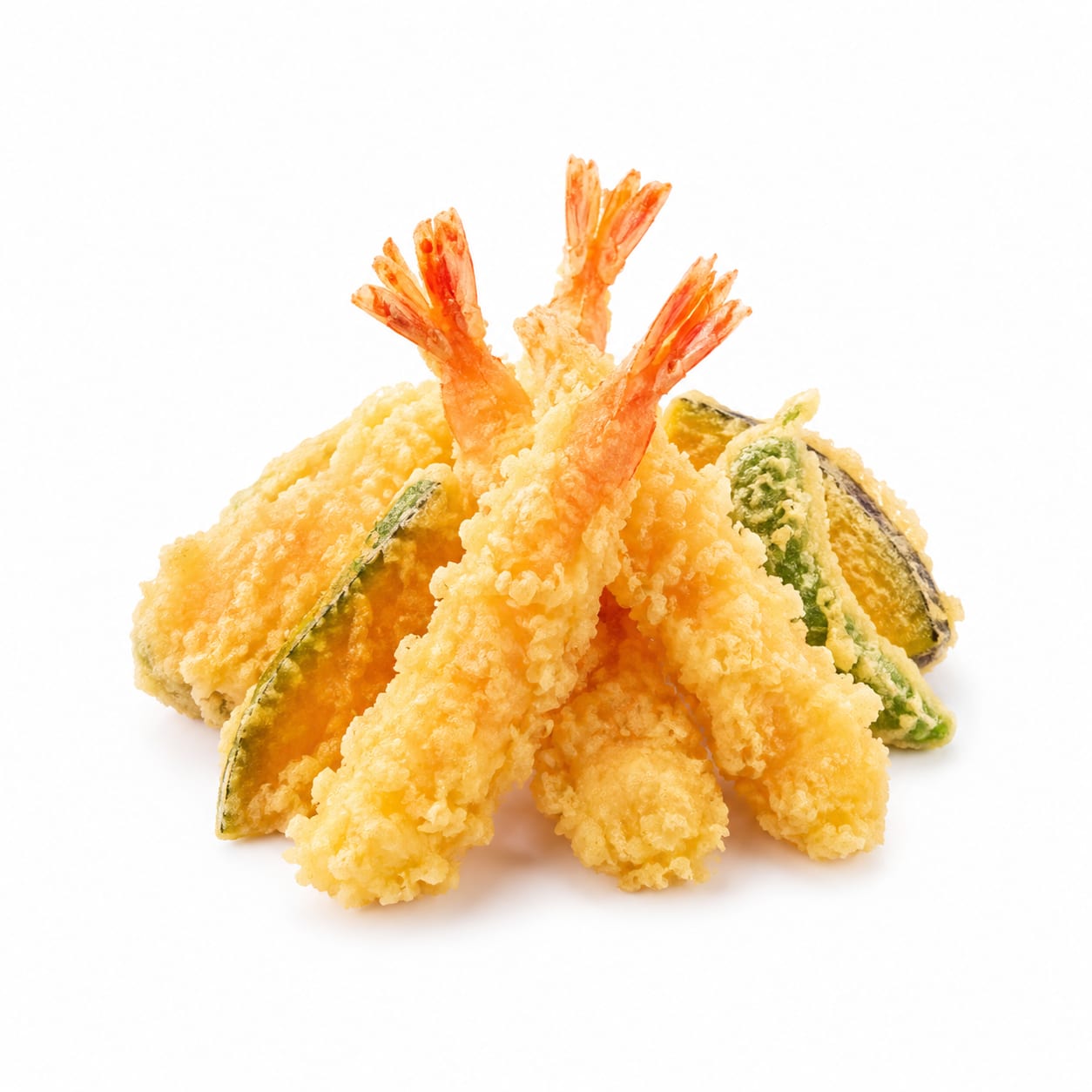
Tempura
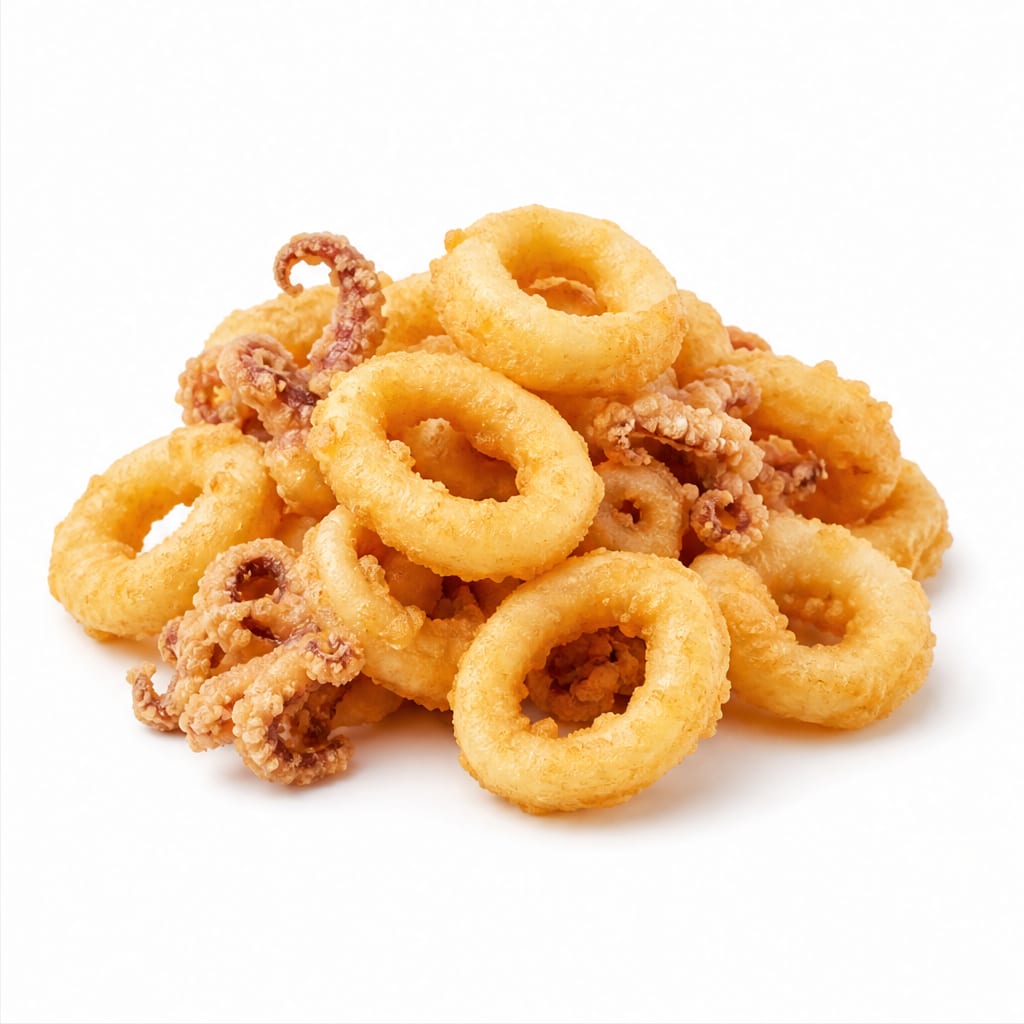
Fried Calamari
Tempura offers more variety with vegetables and a lighter batter, while Fried Calamari delivers more protein but packs more cholesterol and sodium.
Tempura edges ahead slightly due to vegetable inclusion and lighter batter, but both are fried indulgences with limited nutritional upside. The small gap reflects tempura's flexibility rather than a clear health advantage.
Nutritional diversity and lighter batter versus higher protein and richer seafood flavor.
At a glance
Executive summary
Overall
It depends
Healthier
Tempura
More practical
Fried Calamari
Daily use
Tempura
Key comparison lenses
fried seafood appetizer choice
Both are deep-fried seafood dishes commonly ordered as starters, so users are likely deciding between them at a restaurant.
calorie and fat tradeoffs
Both are battered and fried, making fat content and calorie density the primary concern for most diners.
protein quality and cholesterol
Squid is high in protein but also high in cholesterol, while tempura often mixes shrimp with vegetables, changing the nutritional profile significantly.
digestive comfort after fried food
Fried foods differ in how heavy they sit, and users often care about post-meal comfort when choosing appetizers.
contaminant exposure from seafood
Both involve seafood, raising questions about mercury, microplastics, and foodborne illness risk.
Best choice for
Tempura
- People wanting vegetable variety alongside seafood
- Those watching cholesterol intake
- Diners who prefer lighter, crispier batter
- Anyone seeking smaller portion control
Fried Calamari
- Those prioritizing high protein intake
- Diners wanting a more filling appetizer
- People who enjoy bold, savory seafood flavor
- Post-workout eaters needing protein
Least suitable for
Tempura
- People avoiding fried foods entirely
- Those with shellfish allergies if shrimp tempura is included
- Diners wanting a protein-heavy starter
Fried Calamari
- People managing high cholesterol
- Those on low-sodium diets
- Diners sensitive to heavy fried food
- Anyone avoiding squid due to texture preferences
Deep comparison
Dimension by dimension
Each lens scores both foods and breaks down who each option suits.
- Dimension 1 · Priority 95Tempura
Calorie Density and Fat Load
Tempura · 42Fried Calamari · 36Tempura's lighter batter absorbs less oil, resulting in slightly fewer calories per piece, though both are calorie-dense fried foods.
Tradeoff
Neither is a low-calorie option, but tempura pieces are typically smaller and include low-calorie vegetables that dilute the overall energy density.
Why it matters
When you're starting a meal with a fried appetizer, even small calorie differences compound quickly across multiple pieces.
Real-world impact
A typical tempura platter runs 600-800 calories versus 700-900 for a full Fried Calamari order. The difference is modest but noticeable if you eat out often.
Tempura
- Controlling appetizer calories
- Sharing with a group since pieces vary
Better for
- Still a high-calorie starter that can derail daily intake
Worse for
Fried Calamari
- Getting more calories if you need them
- Feeling fuller from a denser portion
Better for
- Easy to overeat because the rings are small and addictive
Worse for
- Dimension 2 · Priority 88Fried Calamari
Protein Content and Quality
Tempura · 45Fried Calamari · 68Fried Calamari delivers significantly more protein per serving since squid is the main ingredient, while tempura mixes seafood with low-protein vegetables.
Tradeoff
More protein in Fried Calamari comes with more cholesterol, so the benefit depends on your overall diet and health goals.
Why it matters
Protein from appetizers can help with satiety and blood sugar stability, preventing overeating during the main course.
Real-world impact
A Fried Calamari serving provides roughly 18-22g of protein versus 10-14g for a mixed tempura platter. That difference matters if the appetizer is your main protein source.
Tempura
- Those who get protein from other courses and want variety
Better for
- Vegetable tempura pieces contribute almost no protein
Worse for
Fried Calamari
- Anyone using appetizers to boost daily protein
- Post-workout diners needing recovery fuel
Better for
- High protein comes with high cholesterol tradeoff
Worse for
- Dimension 3 · Priority 85Tempura
Cholesterol and Heart Health
Tempura · 48Fried Calamari · 30Squid is notably high in cholesterol, making Fried Calamari a tougher choice for heart-conscious diners. Tempura's mix of vegetables and shrimp spreads the cholesterol load.
Tradeoff
Shrimp tempura still has cholesterol, but vegetable pieces dilute the per-piece impact significantly.
Why it matters
For anyone monitoring cardiovascular risk, repeated high-cholesterol appetizers can add up over time.
Real-world impact
A Fried Calamari serving can contain 200-260mg of cholesterol, approaching or exceeding the daily recommended limit. Tempura with vegetables might deliver 100-150mg depending on the shrimp ratio.
Tempura
- People managing high cholesterol
- Those with family history of heart disease
Better for
- Shrimp tempura still contributes meaningful cholesterol
Worse for
Fried Calamari
- Healthy individuals without cholesterol concerns who want the protein
Better for
- One serving can nearly max out daily cholesterol budget
Worse for
- Dimension 4 · Priority 80Tempura
Sodium Load
Tempura · 40Fried Calamari · 32Fried Calamari is typically seasoned aggressively and served with salty dipping sauces, pushing sodium higher than tempura's lighter seasoning approach.
Tradeoff
Tempura dipping sauce (tentsuyu) is also sodium-rich, but you control how much you use, whereas calamari's salt is baked into every bite.
Why it matters
Restaurant appetizers are hidden sodium bombs that can cause bloating and raise blood pressure, especially before the main course arrives.
Real-world impact
Fried Calamari often hits 800-1200mg sodium per serving. Tempura ranges from 500-900mg depending on sauce usage. Both are significant, but calamari leaves you less room to moderate.
Tempura
- Those who dip lightly to control sodium
- People watching blood pressure
Better for
- Tentsuyu dipping sauce can be deceptively salty if you over-dip
Worse for
Fried Calamari
- Diners who don't salt-sensitize and want bold flavor
Better for
- Salt is integrated into every piece, no way to reduce it
Worse for
- Dimension 5 · Priority 72Tempura
Digestive Comfort
Tempura · 50Fried Calamari · 40Tempura's lighter, airier batter sits less heavily than the denser breading on Fried Calamari, which can feel like a brick in your stomach before a main course.
Tradeoff
Squid can be rubbery and harder to digest when overcooked, while tempura vegetables are gentle on the stomach.
Why it matters
A heavy appetizer can ruin appetite regulation and leave you uncomfortably full before the meal properly begins.
Real-world impact
After Fried Calamari, many diners feel too full for their main course. Tempura tends to feel lighter in the moment, though both are fried and can cause heartburn in sensitive people.
Tempura
- Those prone to heartburn or indigestion
- Diners who want to enjoy their main course comfortably
Better for
- Still fried food, so not gentle by any absolute standard
Worse for
Fried Calamari
- People with iron stomachs who want a hearty starter
Better for
- Dense and heavy, often causes that overstuffed feeling
Worse for
- Dimension 6 · Priority 75Tempura
Nutritional Variety
Tempura · 62Fried Calamari · 38Tempura platters typically include sweet potato, zucchini, and other vegetables alongside shrimp, offering micronutrients and fiber that Fried Calamari simply lacks.
Tradeoff
The vegetables are still fried, so you get some vitamins but also extra oil. Still, it beats the monotone nutritional profile of squid rings.
Why it matters
Getting even small amounts of fiber and micronutrients from an appetizer can take the edge off blood sugar spikes from fried batter.
Real-world impact
Sweet potato tempura provides beta-carotene and some fiber. Zucchini adds potassium. Fried Calamari offers essentially zero fiber and minimal micronutrient diversity.
Tempura
- Those who want at least some vegetable intake with their indulgence
- Diners seeking color and variety on the plate
Better for
- Frying degrades some heat-sensitive vitamins in the vegetables
Worse for
Fried Calamari
- Those who prefer a focused, protein-forward appetizer
Better for
- Nutritionally one-dimensional: protein, fat, and carbs only
Worse for
- Dimension 7 · Priority 70It depends
Inflammatory Potential
Tempura · 38Fried Calamari · 38Both are deep-fried in industrial oils at high temperatures, generating similar levels of inflammatory compounds. This is essentially a tie in a bad way.
Tradeoff
Neither food supports an anti-inflammatory diet. The batter type and oil quality matter more than the protein source inside.
Why it matters
Regular consumption of deep-fried foods contributes to systemic inflammation, which underlies many chronic diseases.
Real-world impact
If you eat either regularly, you're getting a steady dose of advanced glycation end products and oxidized fats. Occasional consumption is fine, but neither should be a weekly habit.
Tempura
- Slightly less oil absorption with lighter batter
Better for
- Still a significant inflammatory load from deep frying
Worse for
Fried Calamari
- Squid contains some anti-inflammatory selenium
Better for
- Denser breading means potentially more oxidized oil per bite
Worse for
Timeline
Health impact over time
Short-term
Hours to days
Tempura
- Quick energy from refined carbs in the batter
- Possible mild heartburn from fried food
- Lighter fullness compared to heavier fried starters
- Sodium-related thirst if dipping sauce is used heavily
Fried Calamari
- More sustained fullness from higher protein content
- Higher likelihood of feeling overstuffed quickly
- Thirst from higher sodium integrated into every piece
- Potential for sluggishness before the main course
Long-term
Months to years
Tempura
- Regular consumption contributes to elevated LDL from frying oils
- Vegetable pieces provide small amounts of beneficial micronutrients
- Cholesterol impact is moderate if shrimp is the only seafood
- Weight gain risk from frequent fried appetizer habits
Fried Calamari
- Significant cholesterol intake if eaten regularly
- Higher sodium habit raises blood pressure risk over time
- Squid provides selenium and B vitamins, but frying diminishes benefits
- Consistent fried food intake increases cardiovascular risk markers
Risk profile
Safety & processing
Both are freshly cooked dishes rather than ultra-processed packaged foods, but Fried Calamari often contains more additives in restaurant settings. Commercial calamari breading may include preservatives, anti-caking agents, and flavor enhancers. Tempura batter is traditionally simpler: flour, egg, ice water. However, restaurant tempura batter mixes can also include modified starches. Neither is a whole food, but tempura's ingredient list is typically shorter and more recognizable.
Tempura
Shellfish allergy cross-contamination
highShrimp tempura is a major allergen risk. Even vegetable tempura is often fried in the same oil as shrimp, posing cross-contact danger for shellfish-allergic diners.
Oil degradation and reuse
mediumRestaurants that fry tempura at lower temperatures may reuse oil longer, increasing oxidized fat consumption. Quality varies widely by establishment.
Raw egg in batter
lowTraditional tempura batter uses raw egg, which is then cooked during frying. Undercooked batter in thick pieces could pose minor risk, but this is rare in properly prepared tempura.
Fried Calamari
Squid allergenicity and cross-reaction
mediumSquid can trigger reactions in people with mollusk allergies, which are less commonly tested than shellfish allergies and may catch diners off guard.
High-heat oil compounds
mediumFried Calamari is typically cooked at higher temperatures than tempura, potentially generating more acrylamide and heterocyclic amines in the breading.
Sodium and preservatives in commercial breading
mediumPre-made calamari breading often contains sodium tripolyphosphate and other preservatives to retain moisture and extend shelf life.
Who wins for whom
Audience fit
Same foods, different winners depending on your goal.
children
TempuraKids often prefer the milder taste and fun shapes of vegetable and shrimp tempura. Fried Calamari's rubbery texture and stronger flavor can be off-putting for younger palates.
daily consumption
It dependsNeither should be consumed daily. Both are fried indulgences. If forced to choose, tempura's vegetable content makes it slightly less damaging as an occasional regular, but daily fried food of any kind is not recommended.
diabetes
TempuraTempura's vegetable pieces add small amounts of fiber that slow carb absorption slightly. Both are fried carb-heavy starters, but tempura's variety helps marginally with blood sugar stability.
elderly
TempuraTempura's lighter batter is easier to chew and digest. Fried Calamari's chewy texture can be difficult for those with dental issues, and the higher sodium is riskier for blood pressure management.
muscle gain
Fried CalamariFried Calamari provides substantially more protein per serving, which matters more for muscle gain than the extra calories or cholesterol.
weight loss
TempuraTempura's lighter batter and vegetable pieces mean slightly fewer calories per piece, making portion control easier. Neither is ideal for weight loss, but tempura is the lesser indulgence.
Your move
Decision guide
Choose Tempura
- You want a lighter appetizer that won't ruin your appetite for the main course
- You enjoy vegetable variety alongside your seafood
- You're watching cholesterol or sodium and want more control over each bite
- You're dining with kids or people who prefer milder flavors
- You're at a Japanese restaurant where tempura is a specialty prepared with care
Choose Fried Calamari
- Protein is your priority and you want a filling starter
- You're sharing with a group that loves bold, savory flavors
- You're not concerned about cholesterol and want the richest seafood experience
- You're at an Italian restaurant where calamari is a house specialty
- You want something that stands alone as a satisfying dish rather than a light opener
Either works if
- You're treating yourself to a fried appetizer and both sound appealing
- You're sharing with a table and can order both for variety
- You only eat fried appetizers occasionally, so the nutritional differences are minor
Avoid both if
- You have cardiovascular concerns and are monitoring cholesterol and sodium strictly
- You're following an anti-inflammatory diet
- You're trying to lose weight and fried starters are a trigger food
- You have seafood allergies to either shellfish or mollusks
- You experience heartburn or indigestion from fried foods
Final recommendation
If you're choosing between Tempura and Fried Calamari at a restaurant, let the kitchen's specialty guide you. A Japanese restaurant's tempura will almost always be better executed than their calamari, and vice versa at an Italian spot. Nutritionally, tempura wins on variety, lighter batter, and lower cholesterol, while Fried Calamari wins on protein and satiety. Neither is a health food, so pick the one you'll enjoy more and balance the rest of your meal with lighter choices.
Practical
Consumer tips
- 1
Ask for tempura sauce on the side so you control sodium intake by dipping lightly instead of soaking.
- 2
Order vegetable-heavy tempura platters rather than all-shrimp to reduce cholesterol and add fiber.
- 3
Share Fried Calamari with the table instead of eating a full portion solo to cut calories and sodium in half.
- 4
Ask your server about oil quality and how often they change fryer oil. Fresher oil means fewer inflammatory compounds in both dishes.
- 5
Pair either appetizer with a large side salad to add fiber and slow absorption of fats and carbs.
- 6
Avoid ordering both a fried appetizer and a fried main course in the same meal.
- 7
If choosing Fried Calamari, skip the salty marinara and opt for a lemon squeeze instead to save 200-400mg sodium.
- 8
At Japanese restaurants, ask if the tempura is made to order or pre-fried. Made-to-order means fresher oil and better texture.