
Nutrition comparison
Tempura vs Steamed Vegetables: Nutrition, Health Impact, and Which to Choose
Compare tempura and steamed vegetables side by side. Learn the real calorie, nutrient, and health tradeoffs between deep-fried and steamed vegetable preparation methods.
Overall winner · Steamed Vegetables
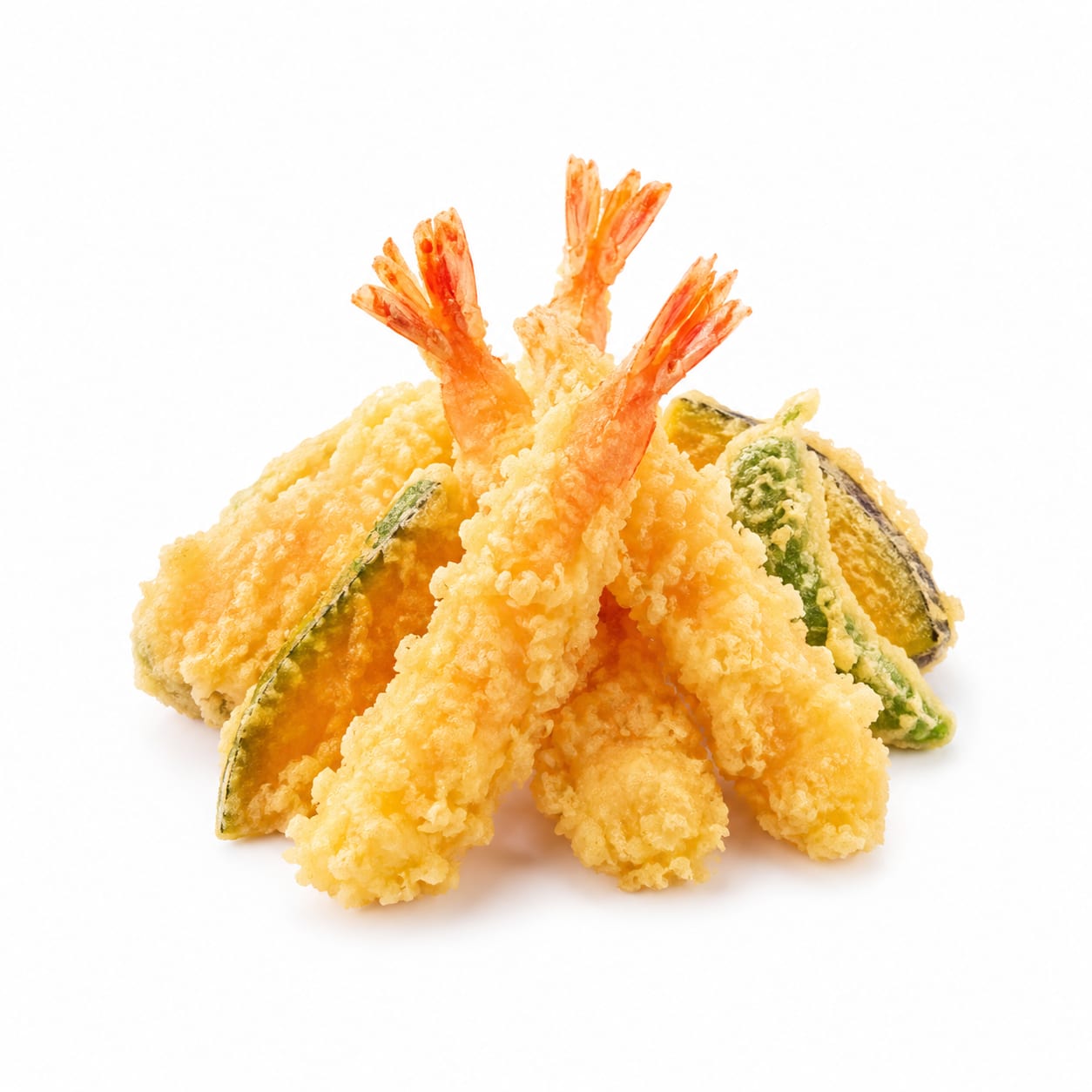
Tempura
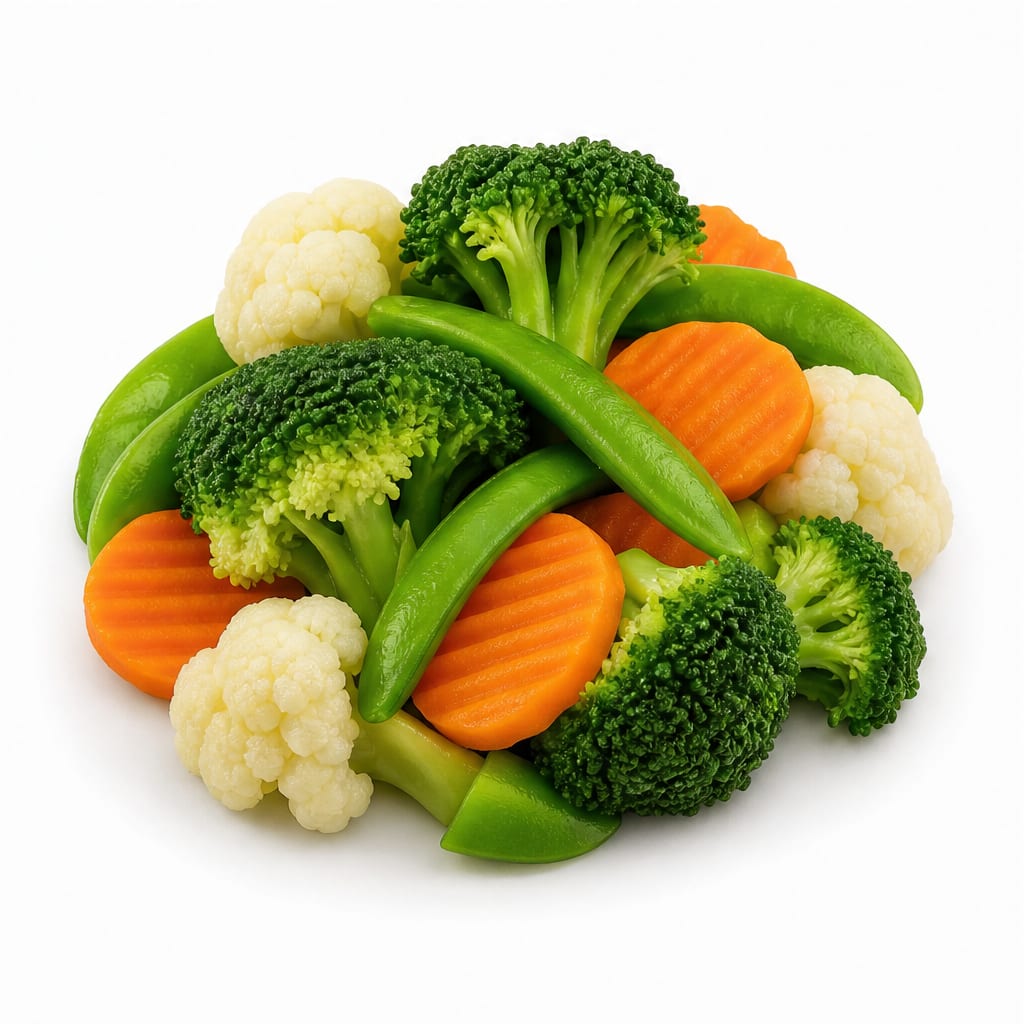
Steamed Vegetables
Steamed Vegetables win for daily health, but Tempura delivers an indulgent experience that matters for sustainability and enjoyment.
Steamed Vegetables score dramatically higher due to superior nutrient density, minimal processing, and zero inflammatory oil exposure. Tempura scores low because deep-frying transforms healthy ingredients into high-calorie, nutrient-degraded indulgences with real health tradeoffs.
You trade calorie density and inflammatory oils for crispy satisfaction and social enjoyment.
At a glance
Executive summary
Overall
Steamed Vegetables
Healthier
Steamed Vegetables
More practical
Steamed Vegetables
Daily use
Steamed Vegetables
Key comparison lenses
Weight management and calorie control
The calorie gap between deep-fried and steamed preparations is massive, making this the dominant concern for most users
Nutrient preservation vs flavor tradeoff
Frying degrades heat-sensitive vitamins while adding empty calories, whereas steaming retains nutrients but sacrifices indulgence
Everyday vs occasional eating pattern
Users are likely deciding between a daily vegetable side dish and a restaurant-style treat
Heart health and inflammatory impact
Fried foods introduce inflammatory oils and trans fat risks that steamed vegetables completely avoid
Satiety and meal satisfaction
Tempura feels more indulgent and filling short-term, while steamed vegetables provide lighter, steadier fullness
Best choice for
Tempura
- Occasional restaurant meals where enjoyment matters
- Social dining experiences and celebrations
- Transitioning from fried foods to healthier options
- Days when you need emotional comfort from food
Steamed Vegetables
- Daily vegetable intake and long-term health
- Weight loss or calorie-controlled eating
- Post-workout recovery meals
- Anyone managing heart disease or diabetes
Least suitable for
Tempura
- Daily consumption or calorie-restricted diets
- People managing high cholesterol or heart conditions
- Those avoiding fried or inflammatory foods
- Anyone seeking steady energy without crashes
Steamed Vegetables
- People who find plain vegetables unappealing and need flavor variety
- Social settings where only fried options are available
- Those needing high-calorie intake for weight gain
Deep comparison
Dimension by dimension
Each lens scores both foods and breaks down who each option suits.
- Dimension 1 · Priority 95Steamed Vegetables
Calorie Density and Weight Impact
Tempura · 22Steamed Vegetables · 95Tempura packs 3-5 times more calories than steamed vegetables per serving due to oil absorption during deep-frying.
Tradeoff
The crispy coating comes at a steep caloric cost that can quietly derail weight management goals.
Why it matters
A single tempura vegetable serving can match the calories of a large steamed vegetable bowl, making portion control much harder.
Real-world impact
You could eat a mountain of steamed broccoli for the same calories as a few pieces of tempura — that difference adds up fast over weeks.
Tempura
- Someone needing calorie surplus for weight gain
- Endurance athletes with high energy demands
Better for
- Consistent weight gain if eaten frequently
- Difficulty maintaining calorie awareness at restaurants
Worse for
Steamed Vegetables
- Anyone watching their weight
- People who eat large portions and want to feel full
Better for
- May feel too light for those needing substantial meals
Worse for
- Dimension 2 · Priority 90Steamed Vegetables
Nutrient Retention and Quality
Tempura · 30Steamed Vegetables · 92Steaming preserves heat-sensitive vitamins like C and B folates far better than deep-frying, which degrades nutrients and adds no nutritional value through oil.
Tradeoff
Tempura batter creates a barrier that shields some nutrients, but the high oil temperature still destroys most vitamin content.
Why it matters
You eat vegetables for their vitamins and minerals — frying undermines the very reason you chose them.
Real-world impact
That tempura zucchini retains a fraction of its original vitamin C, while steamed zucchini keeps most of it intact.
Tempura
- Minimal — some fat-soluble vitamins like A and K may absorb slightly better with oil
Better for
- Significant vitamin C and B vitamin loss
- Antioxidant degradation from high-heat oil exposure
Worse for
Steamed Vegetables
- Maximum vitamin and mineral preservation
- Full antioxidant capacity maintained
- Complete fiber benefit without oil interference
Better for
- Minimal — slight loss of some nutrients compared to raw, but far superior to frying
Worse for
- Dimension 3 · Priority 85Steamed Vegetables
Inflammatory and Heart Health Impact
Tempura · 25Steamed Vegetables · 95Deep-frying introduces oxidized fats and potentially inflammatory compounds, while steamed vegetables actively reduce inflammation.
Tradeoff
Every tempura serving adds inflammatory oil burden that your body must process, whereas steamed vegetables help clear it.
Why it matters
Chronic inflammation from repeated fried food consumption is a silent driver of heart disease and metabolic issues.
Real-world impact
Eating tempura weekly versus steamed vegetables daily could mean measurably different cholesterol numbers over a year.
Tempura
- Occasional consumption poses minimal risk for healthy individuals
Better for
- Oxidized oils from repeated frying promote arterial damage
- Trans fat risk from restaurant fryers
- Omega-6 overload from vegetable oils
Worse for
Steamed Vegetables
- Actively anti-inflammatory phytonutrients preserved
- Zero oxidized fat exposure
- Supports healthy cholesterol levels
- Protects blood vessel lining
Better for
- No significant inflammatory concerns
Worse for
- Dimension 4 · Priority 75It depends
Satiety and Eating Experience
Tempura · 72Steamed Vegetables · 68Tempura delivers immediate satisfaction through fat and crunch, but steamed vegetables provide longer-lasting physical fullness from fiber.
Tradeoff
Tempura satisfies cravings quickly but can leave you hungry again sooner, while steamed vegetables fill you steadily without the thrill.
Why it matters
Emotional satisfaction from food is real and matters for long-term dietary adherence.
Real-world impact
After tempura, you may crave more fried food within hours. After steamed vegetables, you feel comfortably full but might miss the crunch.
Tempura
- Immediate emotional satisfaction and comfort
- Craving relief for fried food urges
- Social enjoyment at restaurants
Better for
- Fat-heavy meals can trigger overeating patterns
- Post-meal sluggishness from heavy oil load
Worse for
Steamed Vegetables
- Steadier, longer-lasting fullness from fiber
- No blood sugar spike and crash cycle
- Easier to stop eating when satisfied
Better for
- May feel unsatisfying without added flavors or dips
- Crunch deprivation can lead to seeking snacks later
Worse for
- Dimension 5 · Priority 70Steamed Vegetables
Digestive Tolerance
Tempura · 35Steamed Vegetables · 88Steamed vegetables are gentle on digestion, while deep-fried tempura can cause bloating, reflux, and sluggish digestion.
Tradeoff
The oil coating on tempura slows gastric emptying, which feels heavy rather than comfortably full.
Why it matters
Digestive discomfort after meals affects energy, mood, and sleep quality.
Real-world impact
A tempura dinner often leads to that heavy, bloated feeling before bed, while steamed vegetables leave you light and comfortable.
Tempura
- Slower digestion can briefly extend fullness
Better for
- Common trigger for acid reflux and heartburn
- Bloating and gas from heavy oil load
- Sluggish digestion lasting hours
Worse for
Steamed Vegetables
- Easy on the stomach and digestive tract
- No reflux or heartburn risk
- Comfortable post-meal feeling
- Suitable for sensitive digestion
Better for
- High-fiber vegetables may cause gas if introduced too quickly
Worse for
- Dimension 6 · Priority 65Steamed Vegetables
Practicality and Preparation
Tempura · 30Steamed Vegetables · 90Steaming is faster, cleaner, and requires no special equipment or oil management, while tempura demands frying setup and ventilation.
Tradeoff
Tempura requires effort, oil disposal, and kitchen ventilation — steaming needs water and a pot.
Why it matters
The easier a healthy food is to prepare, the more often you will actually eat it.
Real-world impact
You can steam vegetables in 5 minutes with minimal cleanup. Tempura means oil splatter, ventilation, and proper disposal.
Tempura
- Restaurant and takeout availability is widespread
- Impressive for dinner parties and special occasions
Better for
- Requires deep-frying setup and thermometer
- Oil disposal and kitchen ventilation needed
- Splatter and mess cleanup
- Does not reheat well — gets soggy
Worse for
Steamed Vegetables
- Minimal prep time and equipment
- Easy cleanup with no oil handling
- Meal prep friendly and reheats well
- Hard to mess up
Better for
- Can feel monotonous without seasoning variety
Worse for
Timeline
Health impact over time
Short-term
Hours to days
Tempura
- Heavy, sluggish feeling within 30-60 minutes after eating
- Potential heartburn or acid reflux from greasy coating
- Blood sugar spike if batter contains refined flour
- Immediate satisfaction followed by craving more fried food
Steamed Vegetables
- Light, comfortable fullness without digestive burden
- Steady energy without crashes or spikes
- May feel initially unsatisfied if accustomed to fried textures
- Clear-headed feeling after eating
Long-term
Months to years
Tempura
- Increased cardiovascular risk from repeated fried food consumption
- Weight gain tendency from consistent calorie surplus
- Potential inflammatory marker elevation
- Possible insulin resistance worsening from frequent refined flour and oil exposure
Steamed Vegetables
- Improved cardiovascular markers from consistent vegetable intake
- Better weight management and digestive regularity
- Lower systemic inflammation
- Reduced chronic disease risk across multiple categories
Risk profile
Safety & processing
Tempura adds refined flour batter and deep-frying oil, introducing processing that transforms whole vegetables into a fried food product. Steamed Vegetables undergo only heat and water, preserving their natural state almost completely.
Tempura
Oxidized cooking oil
mediumRestaurant fryers often reuse oil at high temperatures, creating oxidized compounds linked to cellular damage and inflammation.
Trans fat exposure
mediumSome restaurants still use partially hydrogenated oils or blend them, introducing small but meaningful trans fat amounts.
Acrylamide formation
lowHigh-temperature frying of starchy vegetables can produce acrylamide, a probable carcinogen, though tempura batter moderates this somewhat.
Steamed Vegetables
Pesticide residue
lowSteaming reduces but does not eliminate pesticide residues on conventionally grown vegetables. Washing before steaming helps significantly.
Minimal contamination risk
lowSteaming itself is a food-safe cooking method that kills most pathogens, making this one of the safest preparation methods available.
Who wins for whom
Audience fit
Same foods, different winners depending on your goal.
children
It dependsTempura can help vegetable-averse kids eat vegetables through familiar crunch, but Steamed Vegetables build healthier long-term taste preferences.
daily consumption
Steamed VegetablesSteamed Vegetables can be eaten multiple times daily without health concerns, while Tempura should be an occasional indulgence.
diabetes
Steamed VegetablesSteamed Vegetables have minimal impact on blood sugar, while Tempura batter adds refined carbs that spike glucose.
elderly
Steamed VegetablesSteamed Vegetables are easier to digest and support cardiovascular health, which becomes increasingly important with age.
muscle gain
It dependsNeither is a protein source, but Tempura adds calories that support a surplus, while Steamed Vegetables provide micronutrients that support recovery.
weight loss
Steamed VegetablesSteamed Vegetables provide maximum volume and fiber for minimal calories, making portion control nearly effortless.
Your move
Decision guide
Choose Tempura
- You are celebrating or dining out and want to enjoy the experience fully
- You struggle to eat any vegetables and tempura is your gateway to trying them
- You are at a healthy weight and active enough to absorb extra calories
- You need comfort food and steamed vegetables would leave you feeling deprived
Choose Steamed Vegetables
- You want a daily vegetable habit that supports long-term health
- You are managing your weight, blood sugar, or heart health
- You value steady energy and comfortable digestion after meals
- You meal prep and need a reliable, easy vegetable side dish
Either works if
- You are eating vegetables either way — both beat no vegetables at all
- You rotate between preparation methods for variety and sustainability
Avoid both if
- You have specific vegetable allergies regardless of preparation method
- You need concentrated protein or healthy fats and neither option delivers those
Final recommendation
Make Steamed Vegetables your daily default and save Tempura for occasional enjoyment. The health gap between these two is too large to ignore, but banning fried food entirely often backfires. A practical ratio: steamed most days, tempura once or twice a month at quality restaurants. If tempura is your only way to eat vegetables right now, start there and gradually shift toward lighter preparations as your palate adjusts.
Practical
Consumer tips
- 1
Ask restaurants what oil they fry in — canola or rice bran oil is better than reused mystery blends
- 2
If making tempura at home, use fresh oil at the correct temperature to minimize absorption and oxidation
- 3
Season steamed vegetables with lemon, garlic, herbs, or a drizzle of olive oil to close the flavor gap
- 4
Try air-fried vegetables as a middle ground — similar crunch with a fraction of the oil
- 5
Blanching before steaming can improve texture and flavor for denser vegetables like broccoli
- 6
If transitioning from tempura, try lightly sautéed vegetables as a stepping stone before going fully steamed
- 7
Batch-steam vegetables and refrigerate — they reheat well and save time across the week