
Nutrition comparison
Tempura vs Grilled Shrimp: Which Is Healthier?
Tempura or Grilled Shrimp? Compare calories, protein, inflammation risk, and heart health impact. Find out which shrimp preparation fits your goals.
Overall winner · Grilled Shrimp
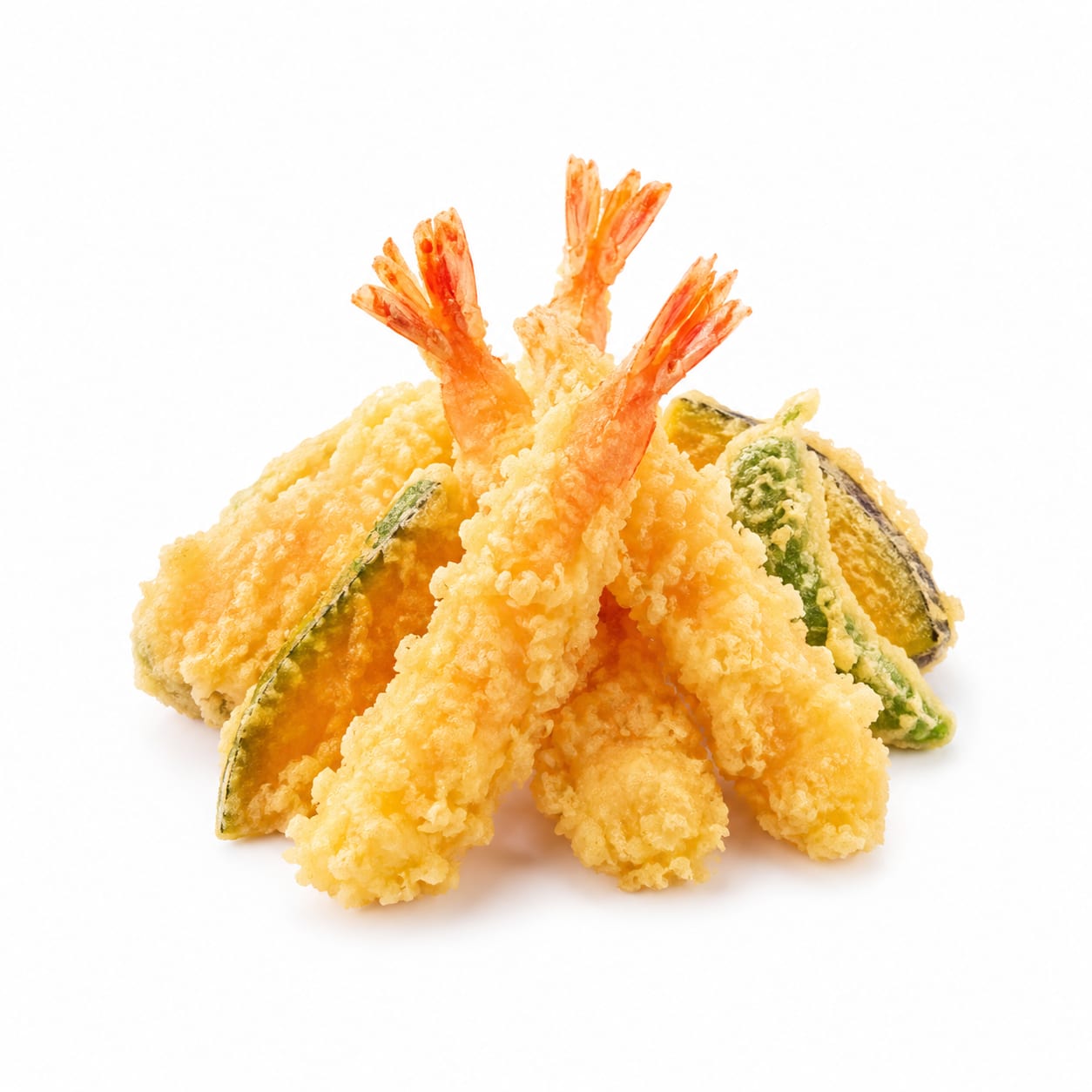
Tempura
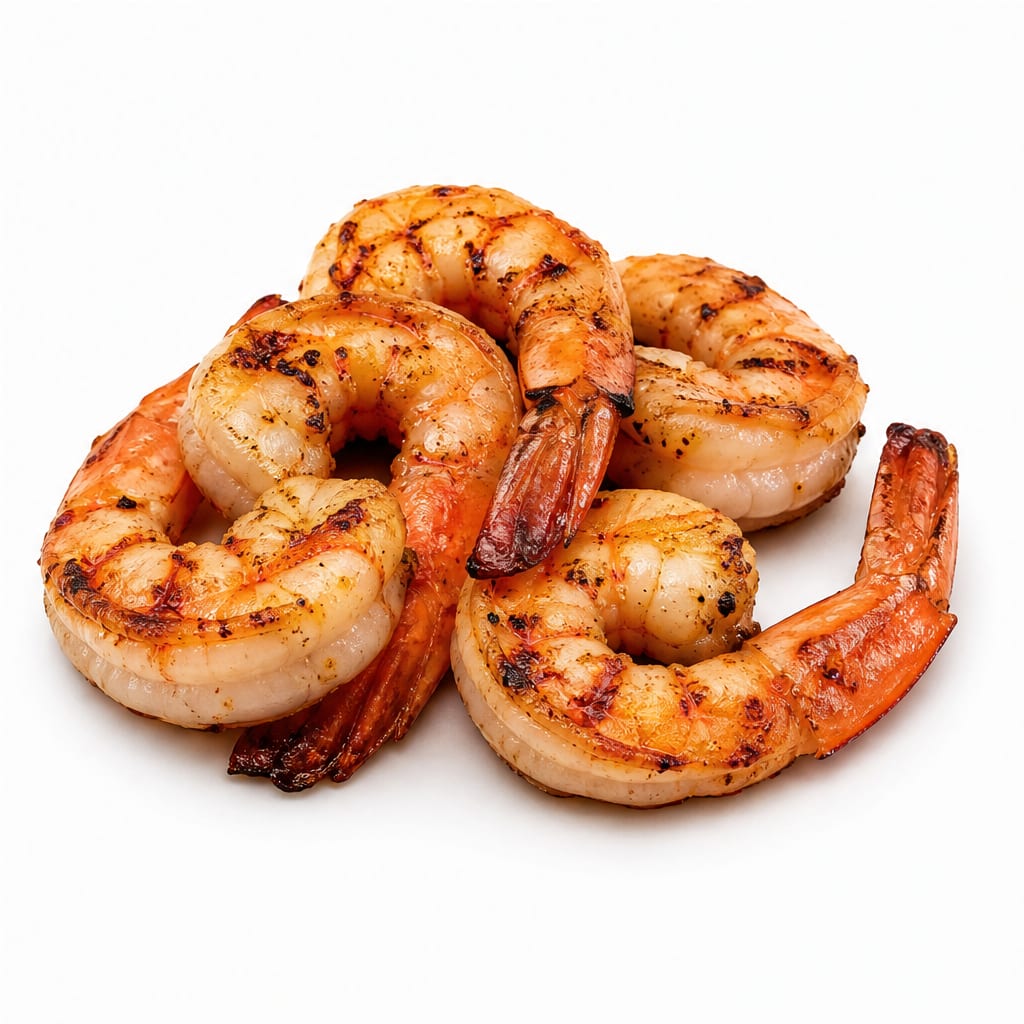
Grilled Shrimp
Grilled Shrimp delivers the same core protein with a fraction of the calories and none of the inflammatory frying oil, making it the clear everyday choice.
Grilled Shrimp dominates this comparison because it preserves the natural nutritional advantages of shrimp without the caloric and inflammatory penalties of deep-frying. Tempura is not inherently toxic but its preparation method transforms a lean protein into a calorie-dense, less nutritious option.
Tempura offers crunch and comfort-food satisfaction but costs you roughly triple the calories and introduces inflammatory frying compounds; Grilled Shrimp sacrifices that crispy indulgence for a dramatically cleaner nutritional profile.
At a glance
Executive summary
Overall
Grilled Shrimp
Healthier
Grilled Shrimp
More practical
Grilled Shrimp
Daily use
Grilled Shrimp
Key comparison lenses
cooking method health impact
Deep-frying versus grilling is the single biggest differentiator here, affecting calories, inflammation, and long-term disease risk
calorie density and weight management
Tempura absorbs significant oil during frying, dramatically increasing calories per serving compared to grilled shrimp
inflammatory potential
Fried foods introduce oxidized fats and advanced glycation end products, while grilling preserves the shrimp's natural anti-inflammatory profile
protein efficiency
Both deliver quality protein, but Grilled Shrimp provides far more protein per calorie since Tempura dilutes it with batter and oil
heart health tradeoffs
Shrimp itself is heart-friendly, but the frying process in Tempura undermines that benefit considerably
Best choice for
Tempura
- Occasional indulgence meals where crunch and comfort food satisfaction matter most
- Social dining at Japanese restaurants when sharing multiple dishes
- Times when you specifically crave fried texture and nothing else will satisfy
Grilled Shrimp
- Regular weeknight dinners requiring a lean protein source
- Weight loss or body recomposition phases needing high protein with low calories
- Post-workout meals where clean protein matters more than indulgence
- Anyone managing cholesterol, blood pressure, or inflammatory conditions
Least suitable for
Tempura
- Daily or frequent consumption due to calorie and inflammatory fat load
- Anyone actively managing heart disease, high cholesterol, or metabolic syndrome
- People tracking calories closely who need protein efficiency
Grilled Shrimp
- Those who find plain grilled flavors unappealing and need more sensory variety to stick with healthy eating
- Situations where you specifically want a crispy, indulgent appetizer experience
Deep comparison
Dimension by dimension
Each lens scores both foods and breaks down who each option suits.
- Dimension 1 · Priority 95Grilled Shrimp
Calorie & Fat Load
Tempura · 30Grilled Shrimp · 90A typical Tempura shrimp serving runs 250-350 calories with 15-25g fat, while the same amount of Grilled Shrimp sits around 100-120 calories with 1-2g fat.
Tradeoff
You pay a steep caloric premium for that crispy batter — roughly 3x the calories for the same protein payload.
Why it matters
If you eat shrimp regularly, the calorie difference compounds fast. Twice a week over a year, Tempura could add roughly 15,000 extra calories compared to Grilled Shrimp.
Real-world impact
That Tempura appetizer can quietly eat up half your dinner calorie budget before the main course arrives.
Tempura
- Times when you want a calorie-dense dish to feel full quickly
Better for
- Consistent calorie surplus without realizing it
- Feeling heavy and sluggish after meals
Worse for
Grilled Shrimp
- Weight management without portion restriction
- Keeping dinner light when you had a heavy lunch
- Staying within calorie targets effortlessly
Better for
- Very active individuals who actually need calorie density to meet energy needs
Worse for
- Dimension 2 · Priority 88Grilled Shrimp
Inflammatory Potential
Tempura · 25Grilled Shrimp · 82Deep-frying generates oxidized fats and advanced glycation end products that promote inflammation. Grilling shrimp with minimal oil avoids nearly all of this.
Tradeoff
The crunch of Tempura comes with cellular-level baggage — compounds that can worsen chronic inflammation over time.
Why it matters
Chronic low-grade inflammation is linked to heart disease, joint pain, and faster aging. Fried foods are a consistent driver of this.
Real-world impact
People with achy joints or skin issues often notice improvement simply by swapping fried proteins for grilled ones.
Tempura
- Worsening chronic inflammation
- Potential flare-ups for those with arthritis or autoimmune conditions
Worse for
Grilled Shrimp
- Reducing systemic inflammation
- Supporting joint and skin health
- Long-term disease prevention
Better for
- Dimension 3 · Priority 82Grilled Shrimp
Protein Efficiency
Tempura · 45Grilled Shrimp · 92Grilled Shrimp delivers roughly 24g protein per 100 calories. Tempura drops that to about 8-10g protein per 100 calories because batter and oil dilute the protein density.
Tradeoff
Tempura fills you up with fat and carbs instead of protein — you get the calories without the muscle-building, satiating benefit.
Why it matters
Protein-per-calorie is one of the strongest predictors of whether a food helps you stay lean and satisfied.
Real-world impact
After a Tempura meal you may feel full but not truly satisfied, leading to snacking later. Grilled Shrimp tends to keep hunger at bay longer.
Tempura
- Poor protein-to-calorie ratio makes it hard to hit protein goals without overeating calories
Worse for
Grilled Shrimp
- Muscle maintenance and growth
- Staying full between meals
- Getting more nutritional value per bite
Better for
- Dimension 4 · Priority 80Grilled Shrimp
Heart Health Impact
Tempura · 30Grilled Shrimp · 85Shrimp itself is neutral to beneficial for heart health, but the frying oil in Tempura adds saturated fat and oxidized lipids that work against cardiovascular wellness.
Tradeoff
The same shrimp that could support heart health gets undermined by the frying process in Tempura.
Why it matters
Heart disease risk is heavily influenced by the types of fat you eat regularly, not just total fat.
Real-world impact
Swapping Tempura for Grilled Shrimp a few times a month is a small change that meaningfully reduces dietary risk factors over a year.
Tempura
- Adding oxidized fats that may damage blood vessel lining
- Undermining the natural heart-health benefits of shrimp
Worse for
Grilled Shrimp
- Supporting healthy cholesterol ratios
- Reducing intake of oxidized fats
- Long-term cardiovascular protection
Better for
- Dimension 5 · Priority 72It depends
Satiety & Satisfaction
Tempura · 70Grilled Shrimp · 68Tempura provides immediate sensory satisfaction from crunch and richness, while Grilled Shrimp offers steadier, longer-lasting fullness from clean protein.
Tradeoff
Tempura wins the first five minutes of eating pleasure; Grilled Shrimp wins the next three hours of not being hungry again.
Why it matters
Craving satisfaction matters for adherence, but protein-based satiety matters more for actually controlling intake.
Real-world impact
If you are an emotional eater, Tempura might scratch an itch that Grilled Shrimp cannot. But you may find yourself hungry again sooner.
Tempura
- Comfort food cravings
- Sensory satisfaction and crunch
- Social and celebratory eating moments
Better for
- The fullness fades faster than expected
- Risk of overeating because it does not trigger strong satiety signals
Worse for
Grilled Shrimp
- Sustained fullness between meals
- Avoiding the post-fried-food energy dip
- Staying on track without feeling deprived later
Better for
- May feel too plain for people who rely on texture variety to enjoy meals
Worse for
- Dimension 6 · Priority 68Grilled Shrimp
Blood Sugar Stability
Tempura · 40Grilled Shrimp · 88The batter on Tempura adds refined carbs that can spike blood sugar, especially when combined with fat which delays the spike but makes the crash worse. Grilled Shrimp has essentially zero carbs.
Tradeoff
Tempura creates a more volatile blood sugar curve; Grilled Shrimp keeps things flat and steady.
Why it matters
Blood sugar spikes and crashes drive cravings, fatigue, and overeating — even in people without diabetes.
Real-world impact
A Tempura lunch can leave you reaching for a snack by 3pm. Grilled Shrimp keeps energy stable through the afternoon.
Tempura
- Post-meal energy crashes
- Triggering carb cravings later in the day
Worse for
Grilled Shrimp
- Steady energy after meals
- Fewer afternoon cravings
- Better blood sugar control for diabetics and pre-diabetics
Better for
- Dimension 7 · Priority 55It depends
Sodium & Seasoning Load
Tempura · 50Grilled Shrimp · 60Tempura batter often contains salt and is served with salty dipping sauce. Grilled Shrimp can be seasoned lightly or heavily depending on preparation. Neither is inherently low-sodium.
Tradeoff
Restaurant Tempura tends to be saltier due to batter and sauce, but home-prepared Grilled Shrimp with heavy seasoning can match it.
Why it matters
Sodium intake matters for blood pressure, and both preparations can easily exceed modest targets if you are not careful.
Real-world impact
Ask for sauce on the side with Tempura, and go easy on the salt with Grilled Shrimp — both need conscious portioning.
Tempura
- Dipping sauce can add 500-1000mg sodium per serving
- Batter contains hidden salt you cannot adjust
Worse for
Grilled Shrimp
- Easier to control sodium when cooking at home
- No hidden salt in batter
Better for
- Over-salting at home is easy if you are not measuring
Worse for
Timeline
Health impact over time
Short-term
Hours to days
Tempura
- Heavy, full feeling shortly after eating due to fat content
- Possible energy dip 1-2 hours after the meal from blood sugar fluctuation
- Thirst from higher sodium in batter and dipping sauce
Grilled Shrimp
- Light but satisfied feeling after eating
- Steady energy for hours without a crash
- Quick digestion without heaviness or bloating
Long-term
Months to years
Tempura
- Regular consumption contributes to chronic inflammation and elevated cardiovascular risk
- Higher calorie intake from fried foods is associated with gradual weight gain
- Frequent fried food consumption linked to increased risk of type 2 diabetes and metabolic syndrome
Grilled Shrimp
- Consistent lean protein intake supports muscle maintenance and healthy body composition
- Low inflammatory load helps protect cardiovascular and joint health long-term
- Sustainable as a regular protein source without accumulating dietary risk factors
Risk profile
Safety & processing
Tempura involves batter made from refined flour and often commercial frying oils, adding processing steps and potential additives. Grilled Shrimp is essentially shrimp plus seasoning and heat — about as close to whole food as animal protein gets.
Tempura
Oxidized frying oils
mediumOils reused at high temperatures break down into compounds linked to cellular damage and inflammation. Restaurant Tempura is especially concerning if oil is not changed frequently.
Acrylamide and AGEs
mediumHigh-heat frying of flour-based batter produces advanced glycation end products and potentially acrylamide, both associated with accelerated aging and inflammation.
Shellfish allergen
highShrimp is a top allergen. Tempura preparation does not change this risk, and cross-contamination in fryers is common in restaurants.
Grilled Shrimp
Shellfish allergen
highSame core allergen risk as Tempura. Shrimp allergies can be severe and unpredictable.
Charring compounds
lowGrilling can produce heterocyclic amines if shrimp is significantly charred, but quick grilling of shrimp minimizes this compared to longer-cooked meats.
Shrimp contamination
lowBoth preparations share concerns about antibiotic residues and heavy metals in farmed shrimp. Source quality matters more than cooking method here.
Who wins for whom
Audience fit
Same foods, different winners depending on your goal.
children
It dependsKids often prefer the crunch of Tempura, which can help them actually eat seafood. But Grilled Shrimp is nutritionally superior — the best choice depends on whether the priority is acceptance or nutrition.
daily consumption
Grilled ShrimpGrilled Shrimp can be eaten several times a week without accumulating dietary risk. Tempura should be an occasional choice due to fat load and inflammatory compounds.
diabetes
Grilled ShrimpZero carbs and no blood sugar spike make Grilled Shrimp a safe, stable choice. Tempura's batter introduces refined carbs that complicate glucose management.
elderly
Grilled ShrimpOlder adults benefit from easy-to-digest, low-inflammatory protein. Grilled Shrimp is gentler on the digestive system and supports heart and joint health.
muscle gain
Grilled ShrimpProtein-per-calorie matters for muscle gain while staying lean, and Grilled Shrimp delivers far more usable protein without the caloric overhead of batter and oil.
weight loss
Grilled ShrimpGrilled Shrimp provides high protein at minimal calories, making it far easier to maintain a deficit without feeling deprived.
Your move
Decision guide
Choose Tempura
- You are at a Japanese restaurant and want the authentic experience — enjoy it without guilt as an occasional treat
- Comfort food crunch is non-negotiable for your meal satisfaction today
- You have been eating very clean and want a deliberate indulgence
Choose Grilled Shrimp
- You want a lean protein source you can eat multiple times per week
- You are managing weight, cholesterol, blood sugar, or inflammation
- You need a post-workout meal that delivers protein without heaviness
- You want to feel energized rather than sluggish after eating
Either works if
- You are eating shrimp as a small appetizer and the portion is modest either way
- You have no specific health concerns and just want a tasty shrimp dish
Avoid both if
- You have a shellfish allergy — this is a hard stop regardless of preparation
- You are following a strict vegan or vegetarian diet
- You have gout and are sensitive to purine-rich seafood
Final recommendation
Make Grilled Shrimp your default and save Tempura for occasional enjoyment. The nutritional gap between these two is not subtle — you are essentially taking a superfood and either preserving its benefits or burying them in batter and oil. That said, one Tempura meal will not derail your health. The key is frequency, not perfection.
Practical
Consumer tips
- 1
If you order Tempura at a restaurant, ask for the dipping sauce on the side and use it sparingly — you will cut 300-600mg sodium easily
- 2
When making Tempura at home, use a light batter and high-quality oil at the correct temperature to minimize oil absorption
- 3
Grilled Shrimp benefits from marinades with garlic, lemon, and herbs — you get big flavor without adding calories or inflammatory fats
- 4
If the crunch of Tempura is what you crave, try lightly panko-crusted baked shrimp as a middle ground — crispy texture with a fraction of the oil
- 5
Buy wild-caught shrimp when possible to reduce antibiotic and contaminant exposure regardless of which preparation you choose
- 6
Pair Grilled Shrimp with vegetables and a whole grain for a complete, satisfying meal that keeps you full for hours