
Nutrition comparison
Tempura vs Fish and Chips: Which Fried Food Is Less Unhealthy?
Compare Tempura and Fish and Chips on calories, fat, sodium, and nutrition. Find out which fried option does less damage and when each is the better choice.
Overall winner · Tempura
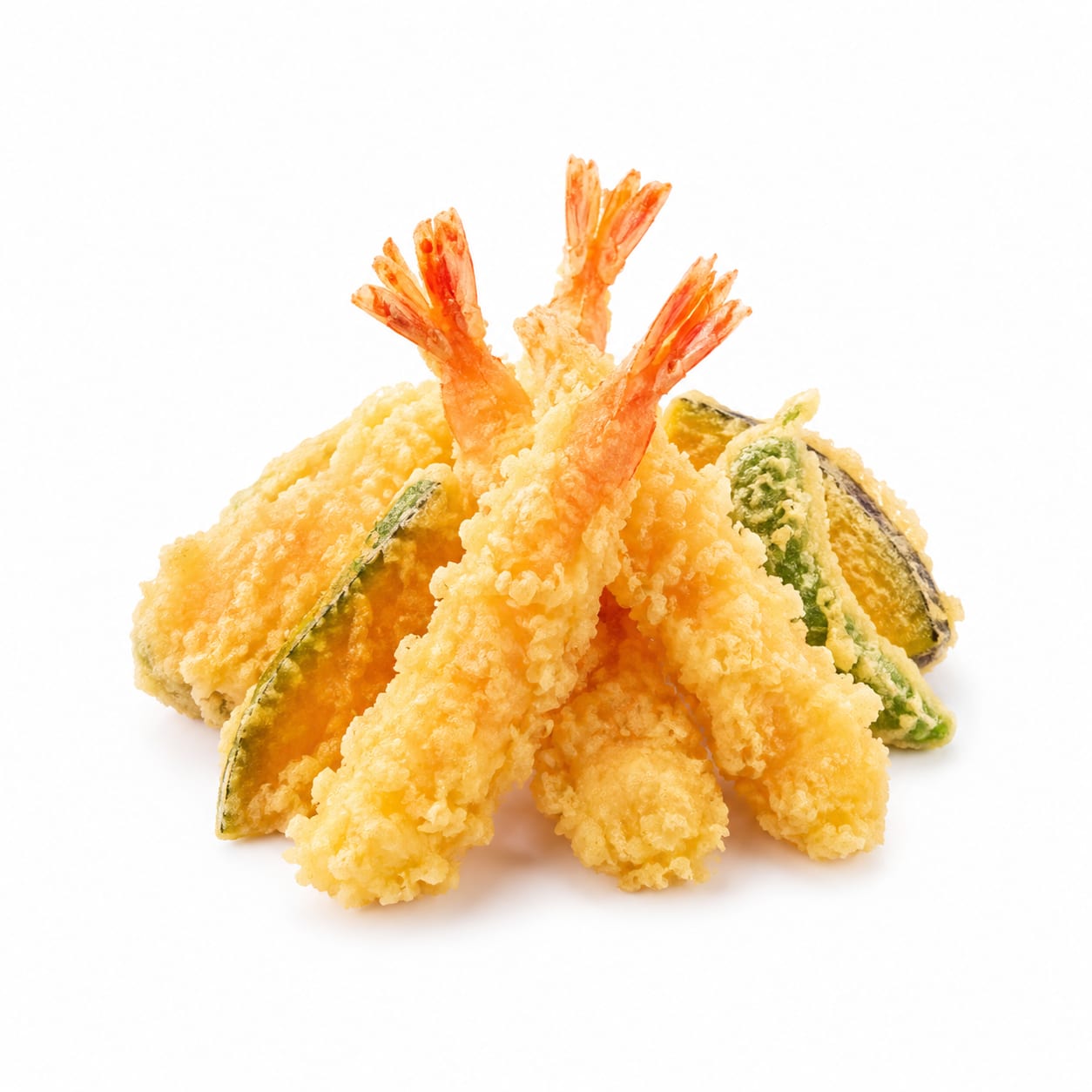
Tempura
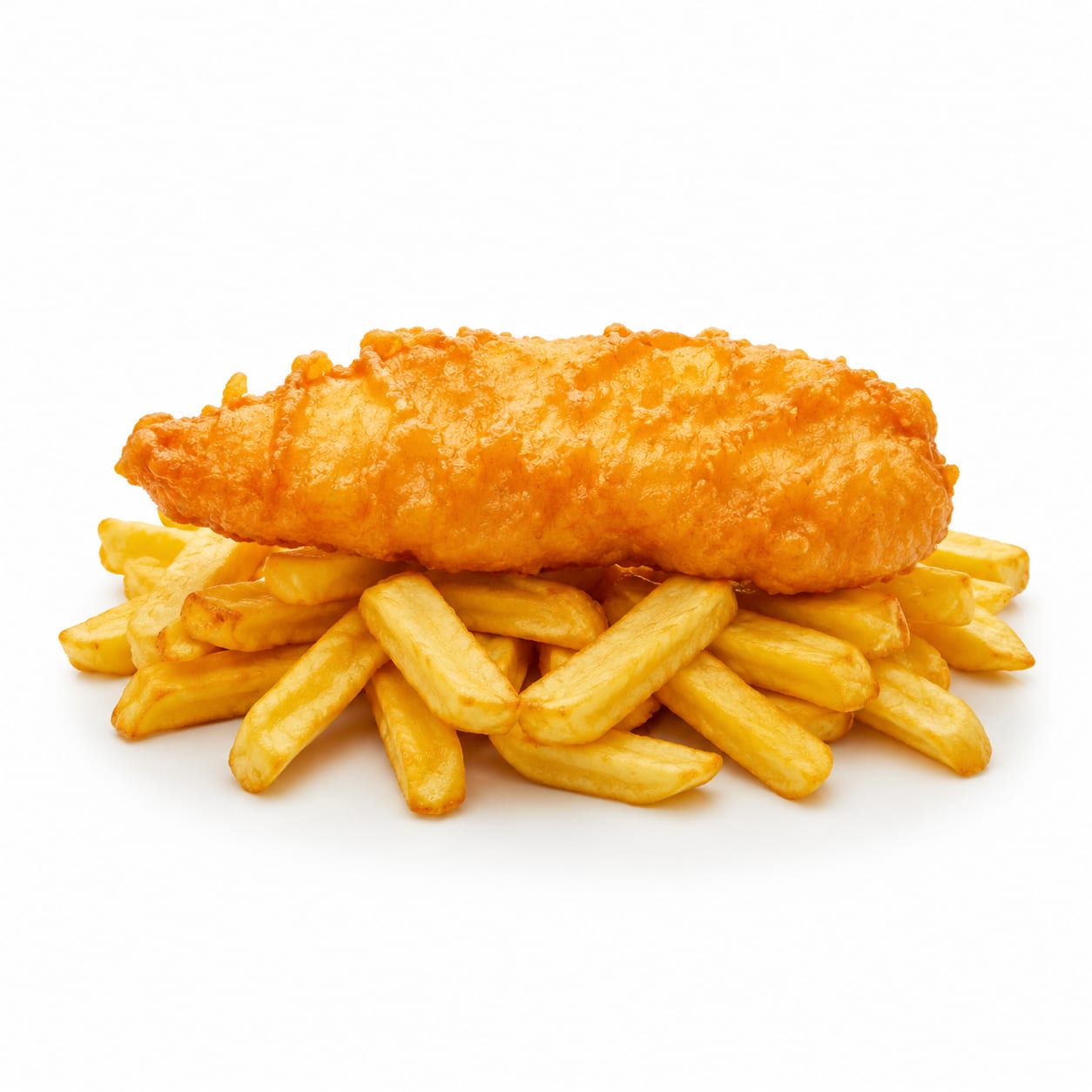
Fish and Chips
Tempura edges out Fish and Chips thanks to a lighter batter that absorbs less oil, smaller portions, and the inclusion of vegetables. Fish and Chips is heavier, saltier, and harder on your calorie budget.
Tempura scores moderately because while it's still deep-fried, its lighter batter and smaller portions reduce the damage. Fish and Chips scores lower due to heavier oil absorption, massive carb load from thick fries, and higher sodium. Neither is a health food, but Tempura is the lesser fried evil.
Tempura is lighter and easier to portion, but Fish and Chips is more filling and provides a bigger protein hit in a single meal.
At a glance
Executive summary
Overall
Tempura
Healthier
Tempura
More practical
Fish and Chips
Daily use
Tempura
Key comparison lenses
fried food health tradeoffs
Both are deep-fried dishes, so users want to know which does less damage
calorie and fat comparison
Fried foods are calorie-dense; understanding which is lighter matters for weight management
portion control and satiety
Tempura comes in bite-sized pieces while Fish and Chips is a heavy single plate
oil quality and absorption
Different batters absorb different amounts of oil, impacting health outcomes
nutrient retention from frying
Both contain fish and vegetables, but frying reduces nutrient availability differently
Best choice for
Tempura
- People watching their calorie intake who still want fried food
- Those who prefer lighter meals that won't cause a food coma
- Anyone wanting vegetable variety alongside their fried seafood
- Smaller appetites or snack-sized meal seekers
Fish and Chips
- People needing a hearty, filling meal after physical labor or exercise
- Those who want maximum protein and carbs in one sitting
- Anyone seeking comfort food satisfaction on a cold day
- Budget diners looking for maximum calories per dollar
Least suitable for
Tempura
- People needing a large, satisfying meal to feel full
- Those on low-fat diets who want to avoid repeated frying
- Anyone with shellfish allergies (common in tempura)
Fish and Chips
- People managing their weight or calorie intake
- Those with high blood pressure or sodium sensitivity
- Anyone seeking a light lunch that won't slow them down
Deep comparison
Dimension by dimension
Each lens scores both foods and breaks down who each option suits.
- Dimension 1 · Priority 95Tempura
Oil Absorption and Fat Load
Tempura · 45Fish and Chips · 30Tempura's thin, ice-cold batter creates a lighter crust that absorbs less oil. Fish and Chips uses a thicker beer batter that soaks up significantly more grease.
Tradeoff
Tempura feels less greasy on the palate, but this also means less of that satisfying richness some people crave from fried food.
Why it matters
Less oil absorption means fewer calories and less inflammatory fat per bite, which adds up fast when eating fried foods.
Real-world impact
After eating Tempura you're less likely to feel that heavy, oily sensation in your stomach. Fish and Chips often leaves you reaching for antacids.
Tempura
- Reducing calorie intake from fried meals
- Avoiding that sluggish, greasy feeling after eating
Better for
- Less indulgent fried food experience
Worse for
Fish and Chips
- Maximum flavor and richness from the batter
- Feeling deeply satisfied after a heavy meal
Better for
- Higher inflammatory fat load per serving
Worse for
- Dimension 2 · Priority 90Tempura
Calorie Density and Portion Control
Tempura · 50Fish and Chips · 28A typical Tempura meal has 500-700 calories. A standard Fish and Chips serving easily hits 800-1200+ calories, largely from the thick-cut fries.
Tradeoff
Tempura lets you stop after a few pieces. Fish and Chips comes as one massive plate that encourages overeating.
Why it matters
Portion control is the single biggest factor in weight management with fried foods. Being able to eat less without feeling deprived is a real advantage.
Real-world impact
You can share Tempura as an appetizer and still have room for healthier sides. Fish and Chips tends to be the entire meal, crowding out vegetables.
Tempura
- Easier to eat a reasonable amount and stop
- Can be shared as part of a balanced Japanese meal
Better for
- May not feel like enough food if you're very hungry
Worse for
Fish and Chips
- One plate covers your calorie needs for hours
Better for
- Very easy to consume 1000+ calories without realizing it
Worse for
- Dimension 3 · Priority 85Tempura
Nutritional Variety
Tempura · 60Fish and Chips · 35Tempura often includes vegetables like sweet potato, zucchini, and eggplant alongside shrimp or fish. Fish and Chips is essentially just white fish and potatoes.
Tradeoff
More variety means more micronutrients, but the frying process still degrades heat-sensitive vitamins significantly.
Why it matters
Even fried vegetables retain some fiber and minerals. A meal with vegetable variety is nutritionally superior to one without, even if neither is ideal.
Real-world impact
A Tempura platter gives you colors and textures from different vegetables. Fish and Chips is beige on beige with minimal micronutrient diversity.
Tempura
- Broader micronutrient intake from mixed vegetables
- More fiber from vegetable tempura pieces
Better for
- Frying still destroys most heat-sensitive vitamins like vitamin C
Worse for
Fish and Chips
- Higher total potassium from the large potato portion
Better for
- Very limited phytonutrient diversity
- Essentially no green or orange vegetables
Worse for
- Dimension 4 · Priority 80Tempura
Sodium Load
Tempura · 48Fish and Chips · 32Tempura uses a light seasoning approach. Fish and Chips relies heavily on salt, both in the batter and on the chips, plus malt vinegar and extra salt added at the table.
Tradeoff
Less sodium is better for blood pressure, but some people find unsalted fried food bland and unsatisfying.
Why it matters
A single Fish and Chips meal can contain 1500-2500mg of sodium, approaching or exceeding the daily recommended limit in one sitting.
Real-world impact
After Fish and Chips you might notice bloating and thirst for hours. Tempura is less likely to trigger that puffy, dehydrated feeling the next morning.
Tempura
- Easier on blood pressure
- Less bloating and water retention after eating
Better for
- May taste bland to those accustomed to heavily salted food
Worse for
Fish and Chips
- Bolder, more satisfying savory flavor
Better for
- Can exceed daily sodium limits in a single meal
Worse for
- Dimension 5 · Priority 75Fish and Chips
Satiety and Fullness
Tempura · 40Fish and Chips · 70Fish and Chips is a heavy, filling meal that keeps you full for hours. Tempura is lighter and digests faster, leaving you hungry sooner.
Tradeoff
Feeling full is great, but the fullness from Fish and Chips comes with a heavy, lethargic feeling that can kill productivity.
Why it matters
If you need sustained energy after eating, lighter is better. If you're done for the day and want comfort, heavy wins.
Real-world impact
Fish and Chips after a long workday feels like a reward. Tempura is the better lunch choice when you still have things to do.
Tempura
- No food coma after eating
- Better choice before physical or mental activity
Better for
- May need a snack within 2-3 hours
Worse for
Fish and Chips
- Won't be hungry again for 4-5 hours
- Deep comfort food satisfaction
Better for
- Afternoon energy crash is almost guaranteed
Worse for
- Dimension 6 · Priority 70Fish and Chips
Protein Quality
Tempura · 45Fish and Chips · 58Fish and Chips delivers a large fillet of white fish, offering 25-35g of protein. Tempura pieces are smaller, and the mix often includes vegetables with no protein.
Tradeoff
More protein is generally good, but the massive carb and fat load that comes with it in Fish and Chips undermines the benefit.
Why it matters
Protein helps with satiety and muscle maintenance, but the protein-to-calorie ratio matters more than absolute protein amount.
Real-world impact
After Fish and Chips you've gotten a solid protein hit, but it came wrapped in 1000+ calories. Tempura's protein is more modest but comes with fewer calories attached.
Tempura
- Better protein-to-calorie ratio if you focus on shrimp pieces
Better for
- Protein amount varies widely depending on the mix
Worse for
Fish and Chips
- More total protein per serving
- Larger, more satisfying fish portion
Better for
- Protein comes with a very high calorie price tag
Worse for
- Dimension 7 · Priority 70Tempura
Carbohydrate Load and Blood Sugar
Tempura · 48Fish and Chips · 30Fish and Chips piles on refined carbs from thick-cut fries and batter. Tempura's batter is thinner and there are fewer starchy carbs overall.
Tradeoff
Fewer carbs means steadier energy, but some people genuinely need the carb fuel after intense physical activity.
Why it matters
Large refined carb loads cause blood sugar spikes followed by crashes, driving cravings and fatigue.
Real-world impact
Fish and Chips can trigger that cycle of feeling stuffed, then sleepy, then hungry again two hours later. Tempura is less likely to cause that rollercoaster.
Tempura
- Steadier energy after eating
- Less dramatic blood sugar spikes
Better for
- Not enough carbs for serious athletes refueling
Worse for
Fish and Chips
- Good post-workout carb replenishment if you've earned it
Better for
- Blood sugar crash risk for sedentary eaters
Worse for
Timeline
Health impact over time
Short-term
Hours to days
Tempura
- Lighter post-meal feeling with less digestive heaviness
- Moderate thirst from frying oil but less than Fish and Chips
- Less bloating due to smaller portion and lower sodium
Fish and Chips
- Heavy fullness that can progress to sluggishness and drowsiness
- Noticeable thirst from high sodium content
- Bloating and potential heartburn from the large greasy meal
Long-term
Months to years
Tempura
- Less cumulative calorie damage if eaten occasionally
- Lower sodium exposure reduces cardiovascular strain over time
- Still contributes to inflammatory load from repeated deep frying
Fish and Chips
- Regular consumption significantly increases cardiovascular risk from trans fats and sodium
- High calorie density accelerates weight gain if eaten frequently
- Large refined carb loads contribute to insulin resistance over time
Risk profile
Safety & processing
Both are freshly cooked from relatively whole ingredients, but Fish and Chips batter often includes preservatives and the chips are frequently pre-frozen with additives. Tempura batter is typically just flour, egg, and ice water, making it slightly cleaner.
Tempura
Shellfish allergy exposure
highShrimp tempura is extremely common and cross-contamination in fryers is almost guaranteed at Japanese restaurants.
Oil degradation and oxidation
mediumRestaurants that reuse frying oil at high temperatures create oxidized compounds that are inflammatory and potentially harmful.
Fish and Chips
Mercury in white fish
lowCod and haddock are low-mercury fish, so this is a minor concern compared to larger predatory fish.
Acrylamide from fried potatoes
mediumDeep-fried potatoes contain acrylamide, a probable carcinogen formed when starchy foods are cooked at high temperatures.
Oil degradation from extended frying
mediumChip shops often reuse oil for extended periods, increasing harmful compound formation.
Who wins for whom
Audience fit
Same foods, different winners depending on your goal.
children
It dependsKids often love both, but Fish and Chips is more allergen-safe if shellfish is involved in Tempura. Tempura is lighter and less likely to cause stomachaches.
daily consumption
It dependsNeither should be eaten daily, but if forced to choose, Tempura causes less cumulative damage due to lower calories and sodium.
diabetes
TempuraLower refined carb load means smaller blood sugar spikes, though both should be limited.
elderly
TempuraLighter, easier to digest, and lower sodium makes Tempura gentler on aging cardiovascular systems and digestive tracts.
muscle gain
Fish and ChipsHigher total protein and carbs support muscle recovery and growth, assuming the calorie surplus is intentional.
weight loss
TempuraSmaller portions, lighter batter, and lower calorie density make Tempura easier to fit into a calorie-controlled diet.
Your move
Decision guide
Choose Tempura
- You want fried food but don't want to feel heavy afterward
- You're watching calories but refuse to give up crispy textures
- You enjoy vegetable variety alongside your fried seafood
- You're eating lunch and still have work to do
Choose Fish and Chips
- You're exhausted and need serious comfort food
- You just finished intense physical activity and need refueling
- You want one big meal that keeps you full for hours
- It's a cold rainy day and only something hearty will do
Either works if
- You're treating yourself and neither is a regular habit
- You're sharing with friends and portion sizes become less relevant
Avoid both if
- You have high blood pressure or heart disease and need to limit fried foods
- You're managing your weight actively and can't afford the calorie hit
- You have gallbladder issues and high-fat meals trigger symptoms
Final recommendation
If you're choosing between these two fried options, Tempura is the smarter pick more often. It delivers the crispy satisfaction with less oil, fewer calories, and better nutritional variety. Save Fish and Chips for when you truly need that heavy, comforting meal experience, and keep it occasional.
Practical
Consumer tips
- 1
Ask for Tempura vegetables only to skip the shellfish allergy risk and reduce calories further
- 2
At Fish and Chips shops, ask for less salt and skip the mushy peas if they're loaded with sugar
- 3
Share a Fish and Chips portion with someone to cut the calorie load in half
- 4
Order Tempura as part of a Japanese meal set with miso soup and salad for better balance
- 5
Pat both foods with a napkin before eating to remove surface oil and save 50-100 calories
- 6
Avoid beer-battered Fish and Chips if you're sensitive to gluten; Tempura batter also contains wheat flour
- 7
Choose grilled fish with chips instead of battered when available for a meaningful fat reduction