
Nutrition comparison
Tempura vs Spring Rolls (Fried): Which Is Healthier?
Comparing Tempura and Fried Spring Rolls: discover which deep-fried option has less oil, more protein, and better fiber for your health goals.
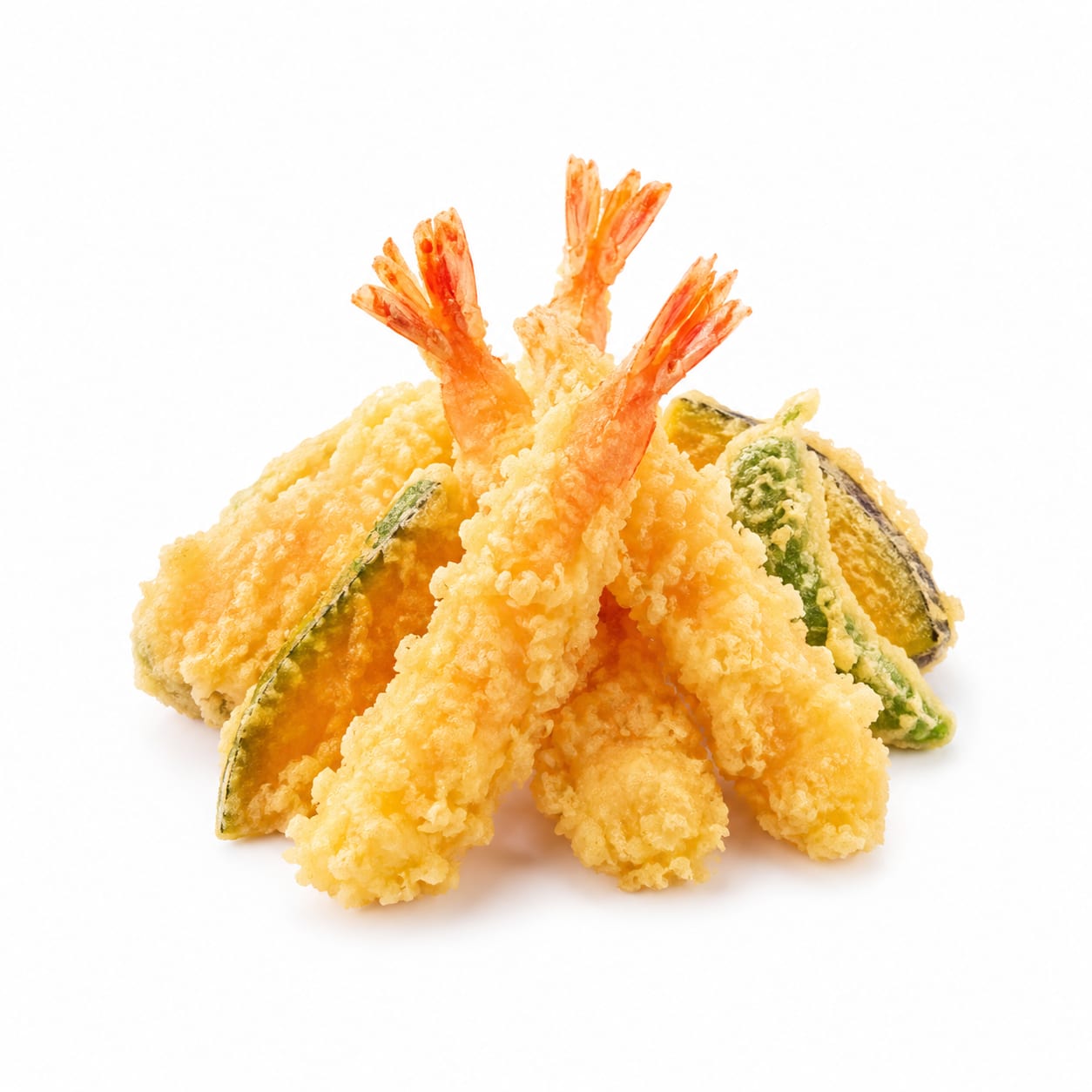
Tempura
.jpg)
Spring Rolls (Fried)
Neither is a health food, but they trade blows depending on what you value: Tempura offers better protein with a lighter batter, while Fried Spring Rolls deliver more filling fiber from vegetables.
Spring Rolls (Fried) score slightly higher due to their vegetable content providing fiber and satiety, but both lose significant points for being deep-fried. Tempura lags slightly because it rarely provides the fiber needed to buffer the fat and carbs.
Protein and potentially less oil absorption in Tempura versus more vegetable fiber and satiety in Fried Spring Rolls.
At a glance
Executive summary
Overall
It depends
Healthier
Spring Rolls (Fried)
More practical
Spring Rolls (Fried)
Daily use
It depends
Key comparison lenses
oil absorption and grease
Both are deep-fried, so how much oil they soak up is the biggest health and taste differentiator.
nutrient density of fillings
Spring rolls typically pack more vegetables inside, while tempura is often a single ingredient coated in batter.
carbohydrate load
Comparing the heavy batter of tempura against the wrapper and fillings of spring rolls matters for blood sugar.
protein quality
Tempura often features shrimp or fish, offering higher quality protein than vegetable-heavy spring rolls.
Best choice for
Tempura
- People prioritizing protein intake like shrimp or white fish
- Those who find heavy fried wrappers cause indigestion
- Anyone wanting a lighter-tasting fried indulgence
Spring Rolls (Fried)
- Those needing more fiber to stay full longer
- People wanting to sneak in extra vegetables
- Anyone looking for a more filling appetizer to prevent overeating later
Least suitable for
Tempura
- People strictly managing saturated fat intake
- Those with shellfish allergies if shrimp tempura is chosen
Spring Rolls (Fried)
- People watching their carbohydrate intake due to the thick wrapper
- Those highly sensitive to deep-fried grease
Deep comparison
Dimension by dimension
Each lens scores both foods and breaks down who each option suits.
- Dimension 1 · Priority 95Tempura
Oil Absorption & Fat Quality
Tempura · 45Spring Rolls (Fried) · 35Tempura batter, when fried correctly at high heat, creates a barrier that can actually absorb less oil than the wrapper of a spring roll.
Tradeoff
Tempura might feel lighter and less greasy, but it still uses a significant amount of oil in the cooking process.
Why it matters
Less oil absorption means fewer calories and less digestive heaviness after eating.
Real-world impact
You are less likely to feel that heavy, sluggish sensation in your stomach an hour after eating Tempura compared to Fried Spring Rolls.
Tempura
- Avoiding that overly greasy mouthfeel
- Slightly lower calorie density per bite
Better for
- Risk of extremely high fat if the oil temperature drops during frying
Worse for
Spring Rolls (Fried)
- Wrappers act like sponges, soaking up more frying oil
Worse for
- Dimension 2 · Priority 88Spring Rolls (Fried)
Nutrient Density & Fiber
Tempura · 25Spring Rolls (Fried) · 55Fried Spring Rolls usually contain a mix of cabbage, carrots, and mushrooms, offering actual fiber and micronutrients, whereas Tempura is mostly batter-coated starch or protein.
Tradeoff
You get more vitamins and gut-friendly fiber with Spring Rolls, but they come wrapped in a refined carb shell.
Why it matters
Fiber helps slow down the absorption of fat and carbs, preventing massive blood sugar spikes.
Real-world impact
Eating Fried Spring Rolls will keep you full for longer and give you steadier energy than Tempura, which can leave you hungry again quickly.
Tempura
- Almost zero fiber to buffer the carbs and fat
- Quick energy crash after eating
Worse for
Spring Rolls (Fried)
- Better blood sugar control thanks to vegetable fiber
- More sustained fullness after the meal
Better for
- Dimension 3 · Priority 75Tempura
Protein Content
Tempura · 65Spring Rolls (Fried) · 30Tempura is frequently made with shrimp, squid, or fish, delivering a solid protein hit that Fried Spring Rolls usually lack.
Tradeoff
You get more muscle-fueling protein with Tempura, but it comes with the cholesterol and saturated fat of deep-frying.
Why it matters
Protein is essential for staying full and maintaining muscle, making a meal feel more like a meal and less like a snack.
Real-world impact
If you eat Tempura as a main dish, the protein will actually help satisfy you, whereas Fried Spring Rolls are mostly carbs and fat.
Tempura
- Better post-workout option if choosing shrimp or fish
- More satiating due to protein content
Better for
Spring Rolls (Fried)
- Very low protein unless stuffed with pork or chicken
- More likely to be eaten as an appetizer rather than a filling main
Worse for
- Dimension 4 · Priority 70It depends
Carbohydrate Load
Tempura · 40Spring Rolls (Fried) · 35Tempura batter is pure refined flour, but Spring Roll wrappers are dense refined carbs too. The difference is minimal and depends on portion size.
Tradeoff
Tempura gives you a lighter crisp but with zero complex carbs, while Spring Rolls offer some complex carbs from veggies hidden inside a refined wrapper.
Why it matters
High refined carb loads combined with deep-frying create a perfect storm for inflammation and fat storage.
Real-world impact
Both will spike your blood sugar if eaten alone, so pairing them with a side salad or protein is essential.
Tempura
- Batter offers empty refined carbohydrates
Worse for
Spring Rolls (Fried)
- The inner vegetable carbs provide some nutritional value
Better for
- Thick wrappers add a heavy load of refined carbs
Worse for
Timeline
Health impact over time
Short-term
Hours to days
Tempura
- Quick energy spike followed by a crash due to refined batter and fat
- Possible indigestion or heartburn if the oil is heavy
Spring Rolls (Fried)
- More sustained fullness due to vegetable fiber
- Feeling overly stuffed because the wrapper and oil sit heavily in the stomach
Long-term
Months to years
Tempura
- Increased cardiovascular risk if fried oils are reused or high in trans fats
- Potential weight gain from frequent high-calorie, low-fiber consumption
Spring Rolls (Fried)
- Better micronutrient status thanks to vegetable fillings
- Similar cardiovascular risks from deep-frying if consumed frequently
Risk profile
Safety & processing
Both are processed through deep-frying. Tempura batter often contains baking soda or egg for fluffiness, while Spring Roll wrappers are a highly refined flour product. The whole-food content inside Spring Rolls slightly redeems them.
Tempura
Undercooked seafood
highIf the oil cools down, thick shrimp or fish tempura can remain raw inside while the batter looks done, posing a foodborne illness risk.
Oxidized frying oil
mediumRestaurants often reuse oil for tempura, creating inflammatory compounds.
Spring Rolls (Fried)
Oxidized frying oil
mediumSpring roll wrappers absorb a lot of oil, meaning you ingest more of whatever state the frying oil is in.
Hidden allergens
mediumThe mixed fillings inside Spring Rolls can easily hide allergens like shellfish or peanuts that aren't visible from the outside.
Who wins for whom
Audience fit
Same foods, different winners depending on your goal.
children
Spring Rolls (Fried)Fried Spring Rolls are easier to chew, less likely to contain tough textures, and sneak in vegetables for picky eaters.
daily consumption
It dependsNeither should be consumed daily due to deep-frying, but a light vegetable tempura over rice is a more balanced everyday meal than heavy fried rolls.
diabetes
Spring Rolls (Fried)The fiber from the vegetable fillings in Spring Rolls slows down the digestion of the carbohydrate wrapper, preventing a massive blood sugar spike.
elderly
TempuraTempura is softer and easier to digest if made with vegetables or tender shrimp, whereas the dense fried wrapper of Spring Rolls can be tough on aging digestive systems.
muscle gain
TempuraShrimp or fish Tempura provides high-quality protein necessary for muscle repair, which Spring Rolls lack.
weight loss
It dependsNeither is ideal, but Tempura offers protein for satiety while Spring Rolls offer fiber. Portion control is the only real path here.
Your move
Decision guide
Choose Tempura
- You want a lighter-tasting fried food that feels less heavy in your stomach
- You need a protein-focused appetizer or meal
- You are eating at a high-quality restaurant where oil temperature is carefully controlled
Choose Spring Rolls (Fried)
- You want to feel full and satisfied for hours
- You are craving crunch but still want to get some vegetables in
- You are sharing appetizers and want something universally crowd-pleasing
Either works if
- You are comfortable with the calorie load of fried food and just want what sounds tastiest
- You plan to balance the meal with a large side salad or steamed vegetables
Avoid both if
- You have gallbladder issues or severe acid reflux triggered by greasy foods
- You are strictly monitoring your cardiovascular health and avoiding fried foods
Final recommendation
If you are forced to choose at a restaurant, go for Tempura if you need protein and hate feeling greasy, or Fried Spring Rolls if you want the fiber to keep you full. Either way, blot the excess oil with a napkin and pair it with something green.
Practical
Consumer tips
- 1
Blot your Tempura and Fried Spring Rolls with a paper napkin immediately to remove surface oil and save yourself grams of fat.
- 2
Always pair these fried foods with a vinegar-based dipping sauce; the acidity helps cut through the grease and slows the absorption of carbs.
- 3
If making Spring Rolls at home, try pan-frying or air-frying instead of deep-frying to get the crunch without the oil bath.
- 4
Ask if the restaurant offers fresh spring rolls instead; skipping the fryer entirely makes this a completely different, much healthier comparison.