
Nutrition comparison
Tempura vs Breaded Shrimp: Which Fried Shrimp Is Healthier?
Compare tempura and breaded shrimp on calories, fat, sodium, and processing. Find out which fried shrimp option is the smarter indulgence for your health goals.
Overall winner · Tempura
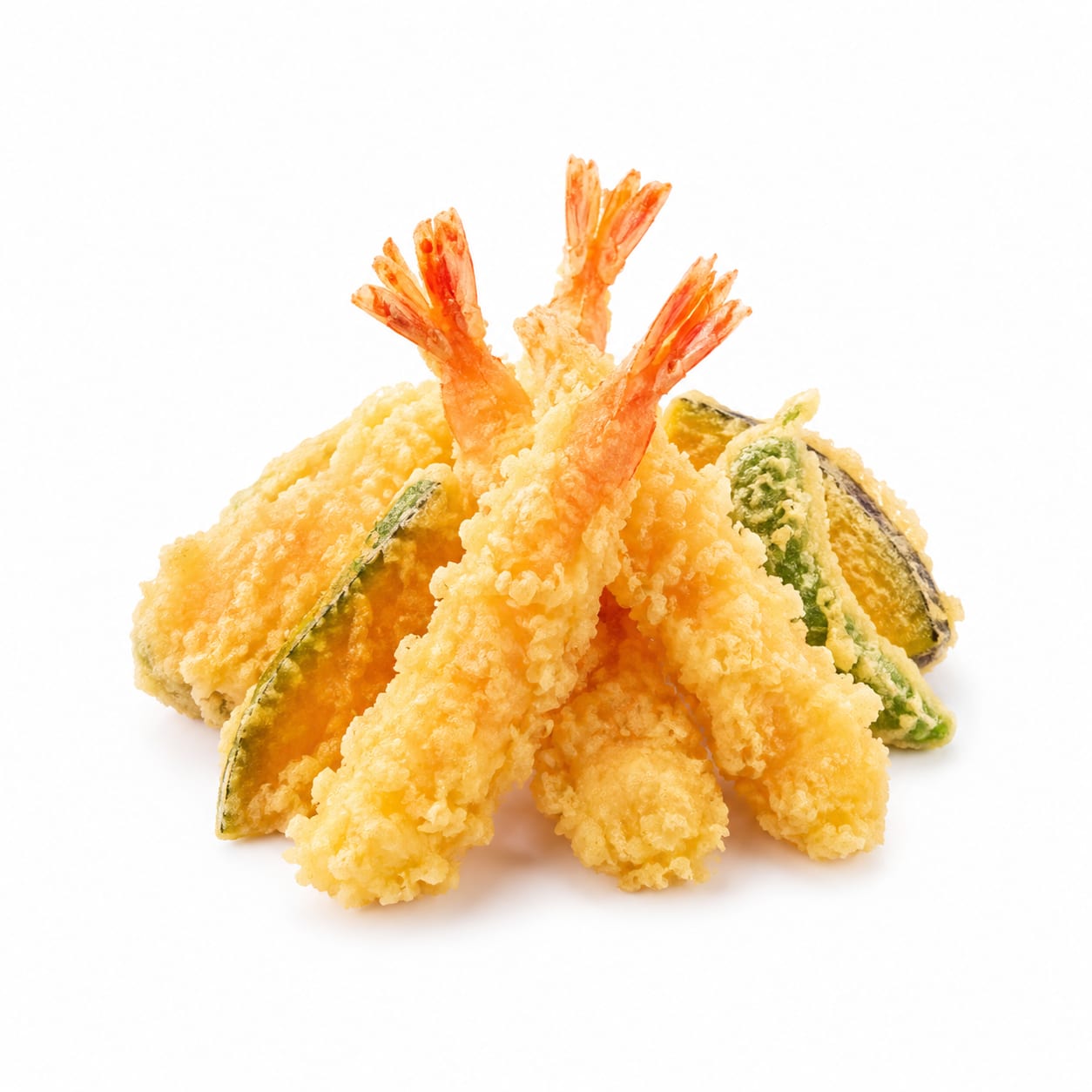
Tempura
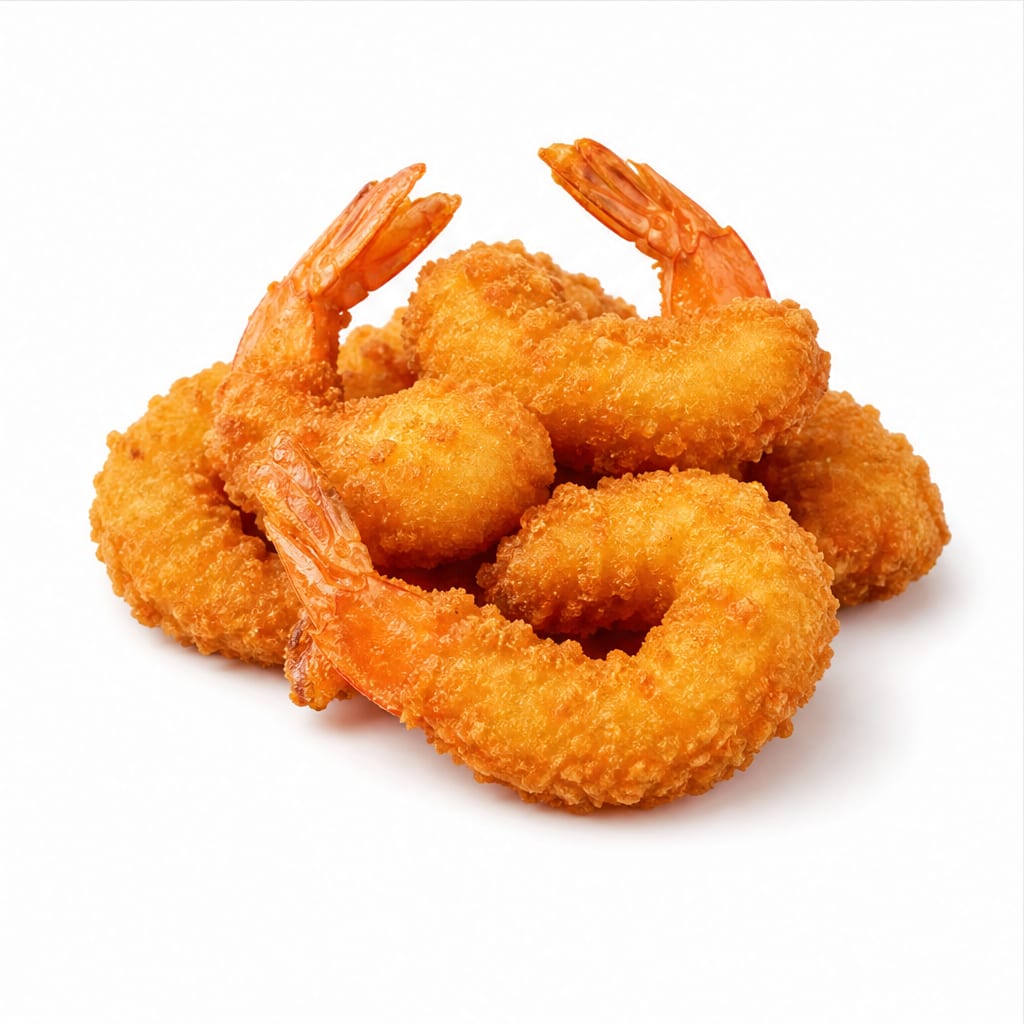
Breaded Shrimp
Tempura wins as the lighter fried shrimp option thanks to its thinner batter that absorbs less oil, though both remain indulgent choices.
Tempura scores moderately higher due to its lighter batter absorbing less oil and having fewer additives. Breaded shrimp loses ground on heavier processing, higher sodium, and greater calorie density. Neither scores well overall since both are deep-fried indulgences.
Tempura gives you a lighter, crispier bite with fewer calories, while breaded shrimp delivers a heavier crunch but comes with more oil, sodium, and often more preservatives.
At a glance
Executive summary
Overall
Tempura
Healthier
Tempura
More practical
Breaded Shrimp
Daily use
It depends
Key comparison lenses
calorie and fat comparison
Both are deep-fried shrimp dishes, so oil absorption and calorie density are the primary differentiators
coating style impact
Tempura's light batter versus breaded shrimp's thick crumb coating dramatically affects nutrition and eating experience
everyday indulgence selection
Users choosing between these are likely deciding which fried shrimp option is the smarter indulgence
sodium and preservative awareness
Breaded shrimp often contains seasoned breadcrumbs with hidden sodium and preservatives
restaurant vs frozen convenience
Tempura is typically restaurant-made while breaded shrimp is often a frozen processed product
Best choice for
Tempura
- People watching calorie intake who still want fried shrimp
- Those avoiding heavily processed frozen foods
- Anyone seeking a lighter, more delicate eating experience
- Restaurant diners wanting the smarter fried option
Breaded Shrimp
- Budget-conscious shoppers needing convenient frozen protein
- Families wanting an easy kid-friendly meal component
- People who prefer a hearty, crunchy coating over delicate crispness
- Meal preppers who need freezer-stable options
Least suitable for
Tempura
- People avoiding deep-fried foods entirely
- Those seeking a filling, heavy meal component
- Home cooks wanting an easy weeknight option
Breaded Shrimp
- People closely monitoring sodium intake
- Those avoiding ultra-processed frozen foods
- Anyone seeking a lighter, less greasy meal
Deep comparison
Dimension by dimension
Each lens scores both foods and breaks down who each option suits.
- Dimension 1 · Priority 95Tempura
calorie_density
Tempura · 45Breaded Shrimp · 30Tempura's thin batter soaks up significantly less oil than the thick breading on breaded shrimp, resulting in fewer calories per piece.
Tradeoff
You get a lighter calorie hit with tempura, but the smaller coating means less of that satisfying crunchy volume some people crave.
Why it matters
A typical tempura shrimp runs 60-80 calories versus 90-120 for breaded shrimp. That difference compounds quickly across a meal.
Real-world impact
Choosing tempura over breaded shrimp at a restaurant could save you 150-300 calories per meal without feeling deprived.
Tempura
- Weight-conscious diners
- Those tracking calories who still want fried food
Better for
- Those expecting a heavy, filling portion
Worse for
Breaded Shrimp
- People who want maximum food volume per serving
Better for
- Anyone closely managing daily calorie intake
Worse for
- Dimension 2 · Priority 90Tempura
oil_absorption_and_fat_quality
Tempura · 42Breaded Shrimp · 28Tempura batter creates a delicate seal that blocks some oil penetration. Breaded shrimp's porous crumb coating acts like a sponge.
Tradeoff
Less oil means a cleaner taste and lighter stomach with tempura, but breaded shrimp's oil-soaked crunch is exactly what some people find irresistible.
Why it matters
Thick breading can double the fat content compared to tempura's light batter. That means more calories and heavier digestion.
Real-world impact
After eating breaded shrimp, you are more likely to feel sluggish and greasy. Tempura leaves you lighter and more comfortable.
Tempura
- People with sensitive digestion
- Those who dislike greasy aftertaste
Better for
- People wanting maximum crunch factor
Worse for
Breaded Shrimp
- Anyone craving that classic heavy fried crunch
Better for
- Those prone to post-fried-food stomach discomfort
Worse for
- Dimension 3 · Priority 80Tempura
sodium_load
Tempura · 40Breaded Shrimp · 25Tempura batter is typically just flour, egg, and water with minimal salt. Breaded shrimp often uses pre-seasoned breadcrumbs packed with sodium and preservatives.
Tradeoff
Tempura's milder seasoning lets the shrimp flavor shine through, but some diners find it bland without dipping sauce. Breaded shrimp is pre-loaded with flavor but at a sodium cost.
Why it matters
Frozen breaded shrimp can pack 400-600mg sodium per serving. Tempura often lands closer to 200-300mg before dipping sauces.
Real-world impact
If you are watching blood pressure, breaded shrimp can quietly eat up a quarter of your daily sodium budget in one serving.
Tempura
- People with hypertension
- Those controlling sodium intake
Better for
- People who find unseasoned food boring
Worse for
Breaded Shrimp
- Anyone wanting bold pre-seasoned flavor without extra effort
Better for
- Salt-sensitive individuals
- Anyone already near their daily sodium limit
Worse for
- Dimension 4 · Priority 85Tempura
processing_and_additives
Tempura · 50Breaded Shrimp · 25Tempura is typically made fresh with simple ingredients. Commercial breaded shrimp often contains preservatives, dough conditioners, and artificial flavors.
Tradeoff
Tempura demands more skill and fresh preparation, while breaded shrimp offers grab-and-bake convenience at the cost of ingredient quality.
Why it matters
Frozen breaded shrimp labels frequently list sodium phosphates, modified food starch, and preservatives. Tempura batter is usually just flour, egg, and ice-cold water.
Real-world impact
If you can pronounce every ingredient in your fried shrimp, you are probably eating tempura. Breaded shrimp often has a paragraph of additives.
Tempura
- Clean-eating advocates
- Those avoiding preservatives and artificial ingredients
Better for
- Home cooks intimidated by frying technique
Worse for
Breaded Shrimp
- People who prioritize convenience over ingredient purity
Better for
- Anyone avoiding ultra-processed foods
Worse for
- Dimension 5 · Priority 70It depends
protein_quality
Tempura · 55Breaded Shrimp · 50Both deliver similar shrimp protein, but tempura has a higher shrimp-to-coating ratio, meaning more actual protein per bite.
Tradeoff
Tempura gives you more shrimp per piece, but breaded shrimp portions are often larger, so total protein per serving can end up similar.
Why it matters
With tempura, the shrimp is the star. With breaded shrimp, the coating takes up more of the weight, diluting protein density.
Real-world impact
For the same calorie budget, tempura delivers more protein from the shrimp itself rather than empty carb calories from breading.
Tempura
- Those prioritizing protein per calorie
- People who want more shrimp and less filler
Better for
- People wanting a larger, more filling portion size
Worse for
Breaded Shrimp
- Anyone eating for total volume who still gets adequate protein overall
Better for
- Those tracking protein-to-calorie ratios
Worse for
- Dimension 6 · Priority 75Breaded Shrimp
convenience_and_accessibility
Tempura · 30Breaded Shrimp · 75Breaded shrimp is a freezer-aisle staple you can bake in minutes. Good tempura requires technique, fresh batter, and deep-frying at the right temperature.
Tradeoff
Breaded shrimp trades quality for convenience. Tempura rewards effort with a superior eating experience but demands skill and time.
Why it matters
Most people can make decent breaded shrimp at home with zero skill. Tempura requires ice-cold batter, proper oil temperature, and a light hand.
Real-world impact
On a Tuesday night, frozen breaded shrimp wins. For a weekend dinner or restaurant outing, tempura is the clear upgrade.
Tempura
- Experienced home cooks
- Restaurant diners
Better for
- Beginner cooks
- People short on time
Worse for
Breaded Shrimp
- Busy weeknight cooks
- People with limited frying skills
- Anyone who needs freezer-stable meal options
Better for
- Those who care about food quality and freshness
Worse for
Timeline
Health impact over time
Short-term
Hours to days
Tempura
- Lighter post-meal feeling compared to heavier fried options
- Less greasy aftertaste due to thinner batter seal
- Possible heartburn if dipped generously in tempura sauce
Breaded Shrimp
- Heavier, more sluggish feeling after eating due to greater oil absorption
- Higher sodium can cause thirst and mild bloating
- More likely to trigger overeating because the crunchy coating is highly palatable
Long-term
Months to years
Tempura
- Lower cumulative calorie intake if choosing tempura over breaded shrimp regularly
- Still a fried food, so regular consumption contributes to cardiovascular risk
- Less preservative exposure compared to commercial breaded products
Breaded Shrimp
- Higher sodium intake from regular consumption can raise blood pressure over time
- More frequent exposure to preservatives and additives from processed breading
- Greater calorie density makes weight management harder if eaten often
Risk profile
Safety & processing
Tempura is a processed food due to deep-frying, but its batter uses simple, recognizable ingredients. Breaded shrimp, especially frozen commercial varieties, often qualifies as ultra-processed with added preservatives, sodium phosphates, and flavor enhancers embedded in the breading.
Tempura
Oil degradation from repeated frying
mediumRestaurant tempura oil is sometimes reused extensively, creating oxidized compounds. Fresh oil matters more here than most people realize.
Undercooked shrimp
lowThin batter cooks quickly, but the shrimp inside must reach safe temperature. Reputable restaurants handle this well.
Breaded Shrimp
Sodium phosphate additives
mediumCommon in frozen breaded shrimp to retain moisture. Regular consumption may affect kidney health and calcium balance.
Preservative sensitivities
lowSome commercial breaded shrimp contains sodium benzoate or BHT. Usually fine in moderation but worth checking labels if sensitive.
Inconsistent cooking with frozen product
mediumFrozen breaded shrimp can brown on the outside while the shrimp inside stays undercooked if oven temperature is too high.
Who wins for whom
Audience fit
Same foods, different winners depending on your goal.
children
Breaded ShrimpKids tend to love the familiar crunchy breading, and frozen breaded shrimp is an easy protein option parents can prepare quickly.
daily consumption
It dependsNeither should be eaten daily due to deep-frying. If forced to choose, tempura is less harmful as a regular option, but both are best enjoyed occasionally.
diabetes
TempuraTempura's thinner batter means fewer refined carbs per piece, leading to a smaller blood sugar impact than thick breading.
elderly
TempuraTempura's lighter coating is easier to chew and digest, and lower sodium is especially important for older adults managing blood pressure.
muscle gain
It dependsBoth provide similar shrimp protein. Choose based on which fits your calorie and sodium budget better.
weight loss
TempuraTempura absorbs less oil and delivers more shrimp per calorie, making it the smarter indulgence when calories matter.
Your move
Decision guide
Choose Tempura
- You want the lighter, more refined fried shrimp experience
- You are watching calories, sodium, or ingredient quality
- You are eating at a restaurant and want the smarter choice
- You care about tasting the actual shrimp rather than just the coating
Choose Breaded Shrimp
- Convenience is your top priority and you need something from the freezer aisle
- You are feeding kids who prefer familiar crunchy coatings
- You want maximum crunch and hearty texture over delicacy
- You are meal prepping and need something easy to batch-cook
Either works if
- You are eating fried shrimp as an occasional treat and the nutritional differences feel negligible
- Both are available and you simply prefer the taste of one over the other
Avoid both if
- You are managing heart disease and need to minimize fried foods entirely
- You are on a strict low-sodium diet and cannot afford the salt hit from either preparation
- You have a shrimp allergy
Final recommendation
When the fried shrimp craving hits, tempura is the clearly smarter choice. It delivers more shrimp flavor, absorbs less oil, and avoids the preservative baggage of commercial breading. That said, if convenience drives your decision, frozen breaded shrimp is not a disaster in moderation. Just read the label, watch your portion, and pair it with vegetables rather than more fried sides.
Practical
Consumer tips
- 1
If buying frozen breaded shrimp, look for brands with short ingredient lists and less than 400mg sodium per serving
- 2
Make tempura at home using ice-cold sparkling water in the batter for extra lightness
- 3
Oven-bake breaded shrimp instead of deep-frying to cut calories significantly
- 4
Pair either option with a large side of steamed or stir-fried vegetables to balance the meal
- 5
Go easy on tempura dipping sauce, as it can add 200-400mg sodium per small bowl
- 6
If ordering tempura at a restaurant, ask if they use fresh oil to reduce oxidized fat exposure
- 7
Consider air-fryer tempura-style shrimp as a middle ground that captures lightness with far less oil