
Root Vegetable
Taro
A starchy root vegetable that provides complex carbs and gut-friendly resistant starch, requiring thorough cooking before eating.
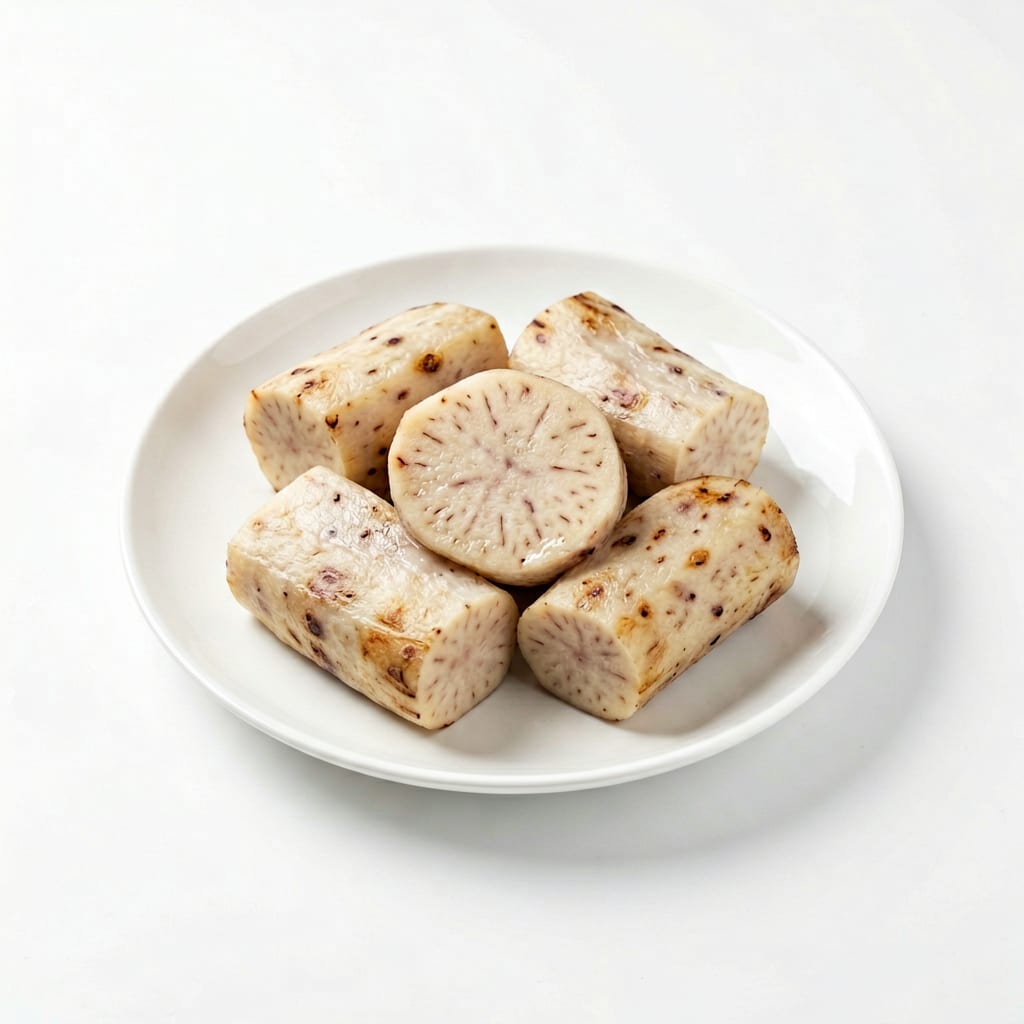
A starchy, underground tuber with brown, hairy skin and white flesh speckled with purple. Native to Southeast Asia, it is a staple carbohydrate source in many tropical regions and must be cooked before consumption.
complex carbohydrate source with prebiotic fiber
Typical serving · 150g
Common varieties · dasheen, eddoe, bun-long, chinese taro
Overall context score across nutrition, safety, and diet fit
At a glance
Quick facts
Simple indicators based on nutrition, processing, and diet fit.
The story
What makes it unique
Taro is a starchy tuber composed primarily of complex carbohydrates and amylose, digesting at a moderate rate to provide sustained energy. Its high resistant starch content, which increases when cooked and cooled, acts as a prebiotic. Raw taro contains calcium oxalate crystals, which are highly irritating and must be neutralized by heat processing.
Varieties: dasheen · eddoe · bun-long · chinese taro
Per 100g
Nutrition breakdown
Macro balance and key metrics at a glance.
Energy
Density 1.42 kcal/g
Protein
Carbs
Fat
Fiber
Sugar
0.5 g
Sodium
20 mg
Potassium
560 mg
Glycemic index
55
Glycemic load
19
Water content
60%
Standout compounds
Nutrient highlights
Resistant Starch
highFeeds beneficial gut bacteria and improves insulin sensitivity
Fiber
moderatePromotes digestive regularity and increases satiety
Potassium
highSupports healthy blood pressure and fluid balance
Vitamin B6
moderateAids in amino acid metabolism and cognitive development
Wellness map
Health scores & processing
NOVA processing scale
unprocessed · Whole food
Whole root vegetable sold in its raw, natural state requiring only peeling and cooking.
Diet compatibility
- Weight loss
- Muscle gain
- Diabetes
- Gut health
- Low carb
- High protein
- Heart health
Relative standing
Food rankings
Qualitative ranks compared to similar whole foods.
- Satietygood
- Blood sugarmoderate
- Nutrient densitygood
- Fitness fuelgood
- Processing qualityexcellent
Eat with confidence
Food safety profile
Raw taro contains high levels of calcium oxalate, which causes severe throat irritation, itching, and swelling. Thorough cooking completely destroys these crystals, making the tuber safe to eat.
Evidence confidence 95%
- Pesticideslow
- Antibioticslow
- Heavy metalslow
- Contaminationmoderate
Watch for
- calcium oxalate crystals
Safer choices
Properly peeled and fully cooked taro roots from reputable suppliers.
Prep tips
Wear gloves when peeling raw taro to prevent skin irritation from oxalate juice. Boil, steam, or roast thoroughly until completely tender. Do not consume raw.
Standard agricultural regulations apply; no specific bans or unusual restrictions.
Deep dive
Health analysis
How this food may fit different goals and preparation choices.
Weight loss
Moderate energy density and high fiber content promote fullness, but portion control is needed due to high carbohydrate density.
Blood sugar
Has a moderate glycemic index. Cooling after cooking increases resistant starch, which significantly lowers the blood sugar response compared to hot taro.
Fitness & energy
Provides slow-digesting complex carbohydrates ideal for sustained energy and glycogen replenishment in endurance activities.
Gut health
Rich in resistant starch and soluble fiber that act as prebiotics, feeding beneficial gut bacteria and supporting microbiome diversity.
Processing quality
A whole, unprocessed food with no additives, retaining its full natural nutrient profile.
Food safety
Toxic when raw due to calcium oxalate. Must be cooked thoroughly to eliminate throat-irritating compounds.
Common mistakes
Eating undercooked taro causing mouth and throat irritation, or preparing it like a low-carb vegetable when it is actually very starch-dense.
Best preparation
Boiling, steaming, or roasting until completely tender. Cooling boiled taro in the fridge overnight maximizes resistant starch.
Practical guide
Best use cases
When and how this food fits real eating patterns.
Pre-workout complex carbs
Provides sustained, slow-digesting energy for endurance training without causing rapid blood sugar spikes.
Gut-friendly starch source
Cooked and cooled taro delivers resistant starch that feeds beneficial intestinal bacteria.
Gluten-free thickening agent
Taro flour or mashed taro works well as a gluten-free thickener for soups, stews, and baked goods.
Balance sheet
Pros & cons
Upsides
- High in gut-friendly resistant starch
- Excellent source of potassium for heart health
- Naturally gluten-free and hypoallergenic
- Provides sustained, slow-release energy
- Unprocessed whole food
Trade-offs
- High in carbohydrates, not suitable for keto
- Toxic and irritating when raw or undercooked
- Low in protein and healthy fats
- Relatively high in calories compared to non-starchy vegetables
Fit check
Who is it for?
Great match
- pre-workout fueling
- gut microbiome support
- gluten-free diets
- endurance athletes
Consider alternatives
- strict ketogenic diets
- low-carb diets
- raw food diets
- high-protein diets
Side by side
How it compares
Open the full head-to-head analysis for nutrition, safety, and practical tradeoffs.
This food
Taro
VS90% alike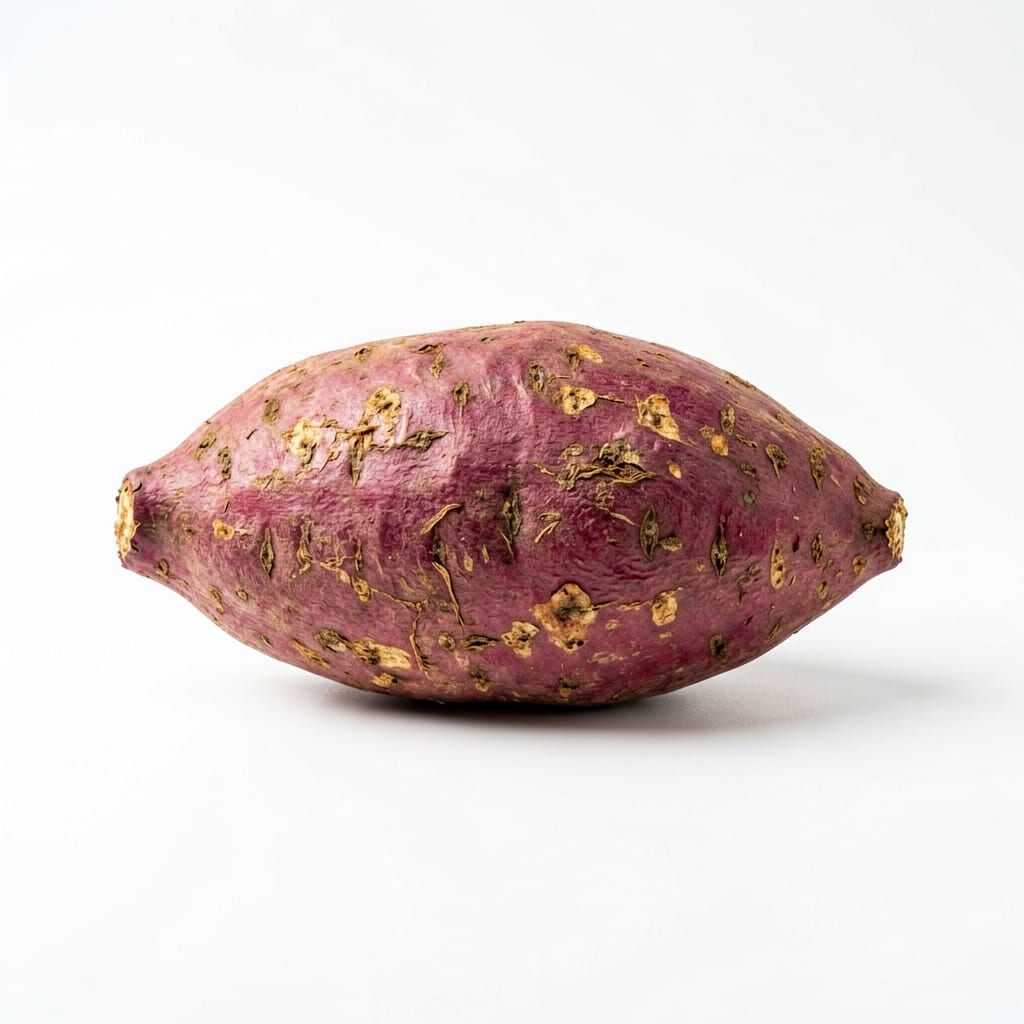
Compare with
Sweet Potato
Sweet potato is higher in vitamin A and has a lower glycemic index, while taro provides more resistant starch and potassium.
Sweet potato offers more vitamin A and better blood sugar control, while taro provides more resistant starch for gut health and potassium for muscle function.
This food
Taro
VS95% alike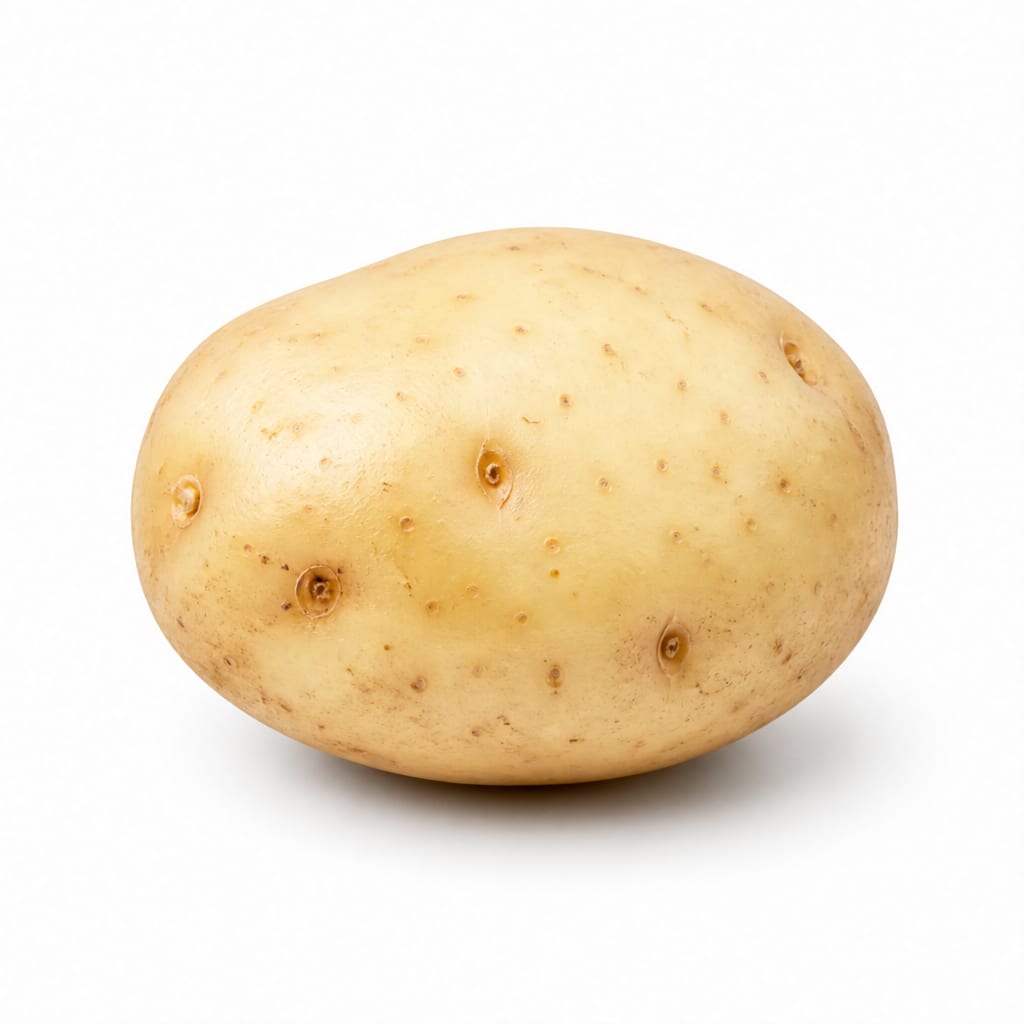
Compare with
White Potato
Taro has double the fiber and more resistant starch than white potato, which digests faster and spikes blood sugar more rapidly.
Taro beats white potato for gut health and blood sugar control due to higher fiber, but white potato digests faster for quicker post-workout recovery.
This food
Taro
VS85% alike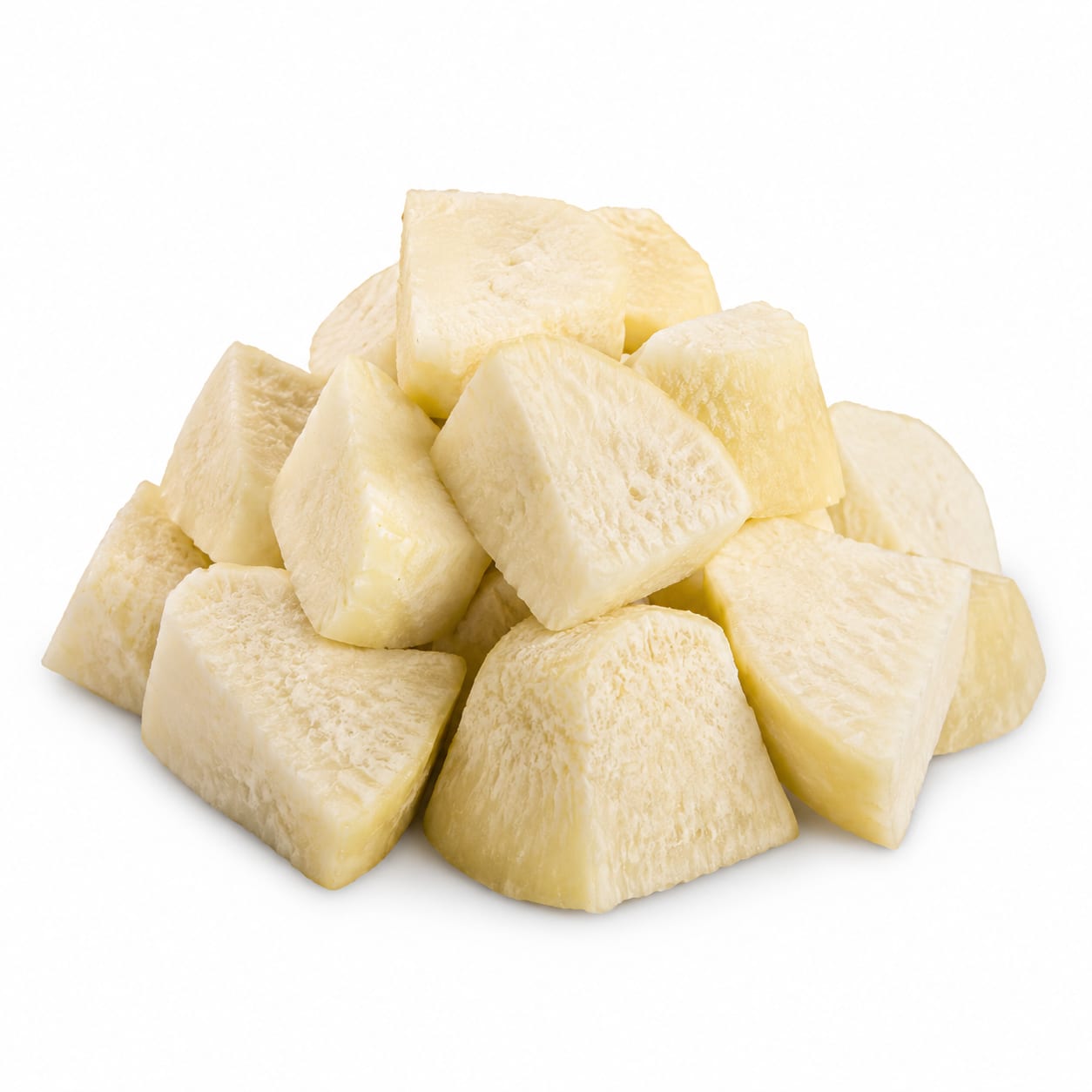
Compare with
Yam
Nutritionally very similar, but taro provides more resistant starch and a slightly lower glycemic load than yam.
Taro and yam are similar starchy tubers, but taro edges out yam for blood sugar control and gut health due to its resistant starch content.
This food
Taro
VS80% alike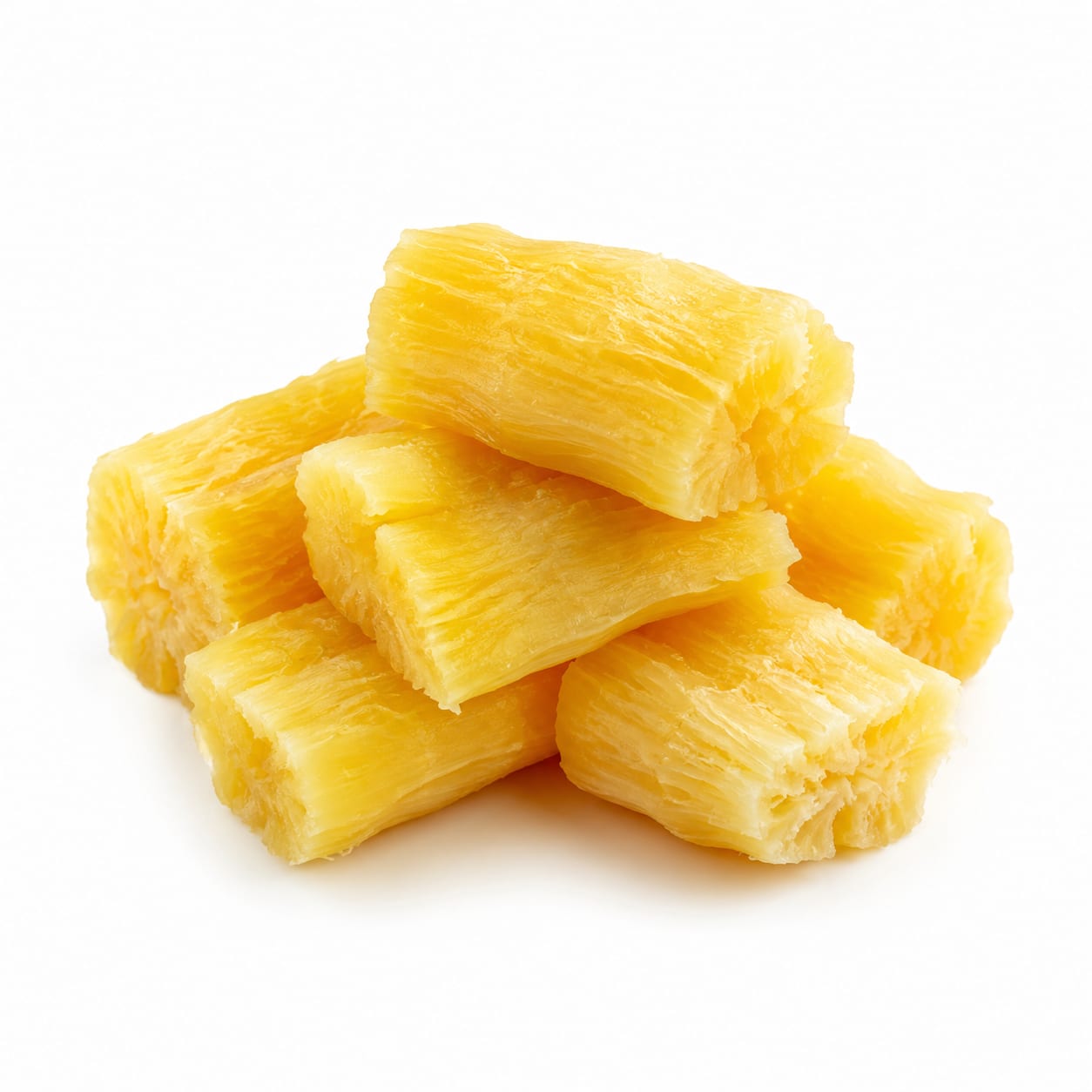
Compare with
Cassava
Cassava is higher in calories and carbohydrates but lower in fiber and nutrients compared to taro.
Taro is significantly more nutritious than cassava, offering more fiber and potassium, while cassava provides denser carbs for heavy fueling.
This food
Taro
VS60% alike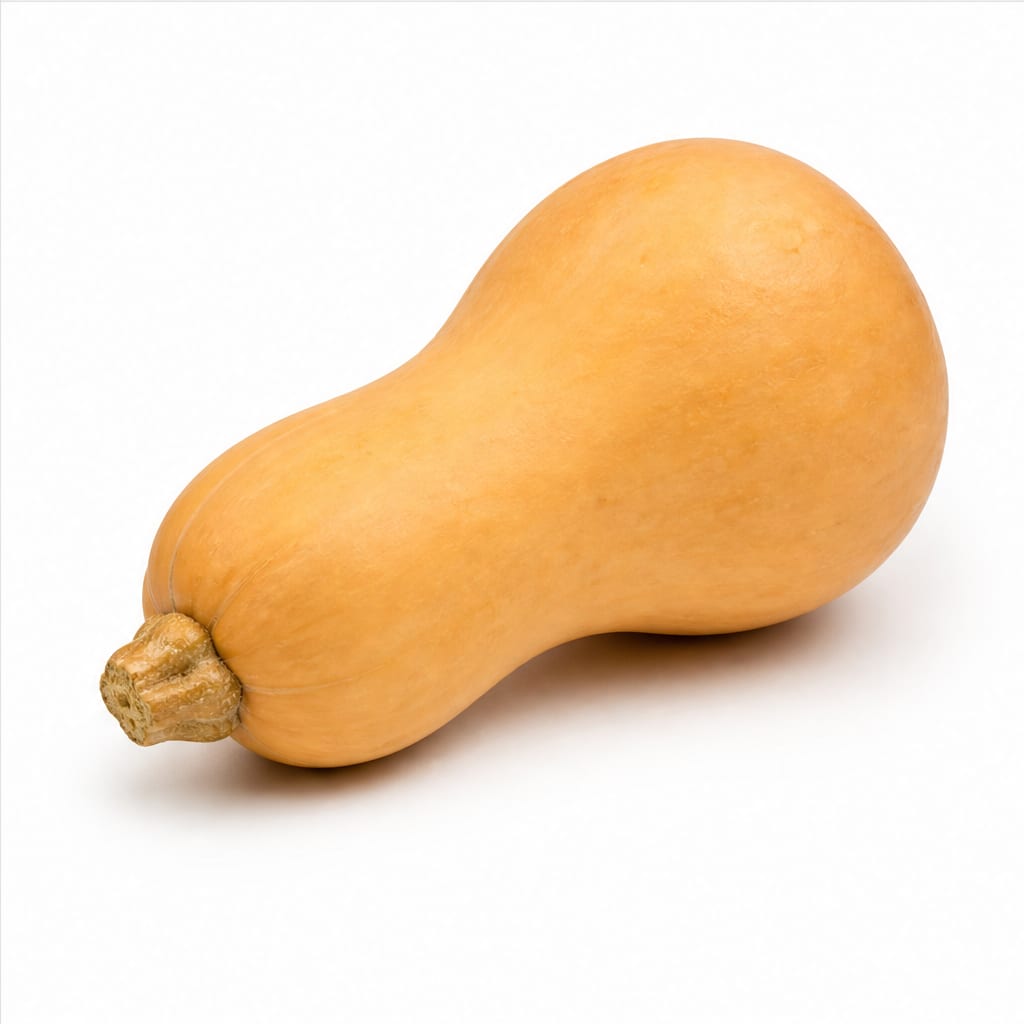
Compare with
Butternut Squash
Butternut squash is much lower in calories and carbs, making it better for weight loss, while taro is better for gut health and sustained energy.
Butternut squash is lower in calories and better for weight loss, while taro provides more sustained energy and gut-friendly resistant starch.
This food
Taro
VS50% alike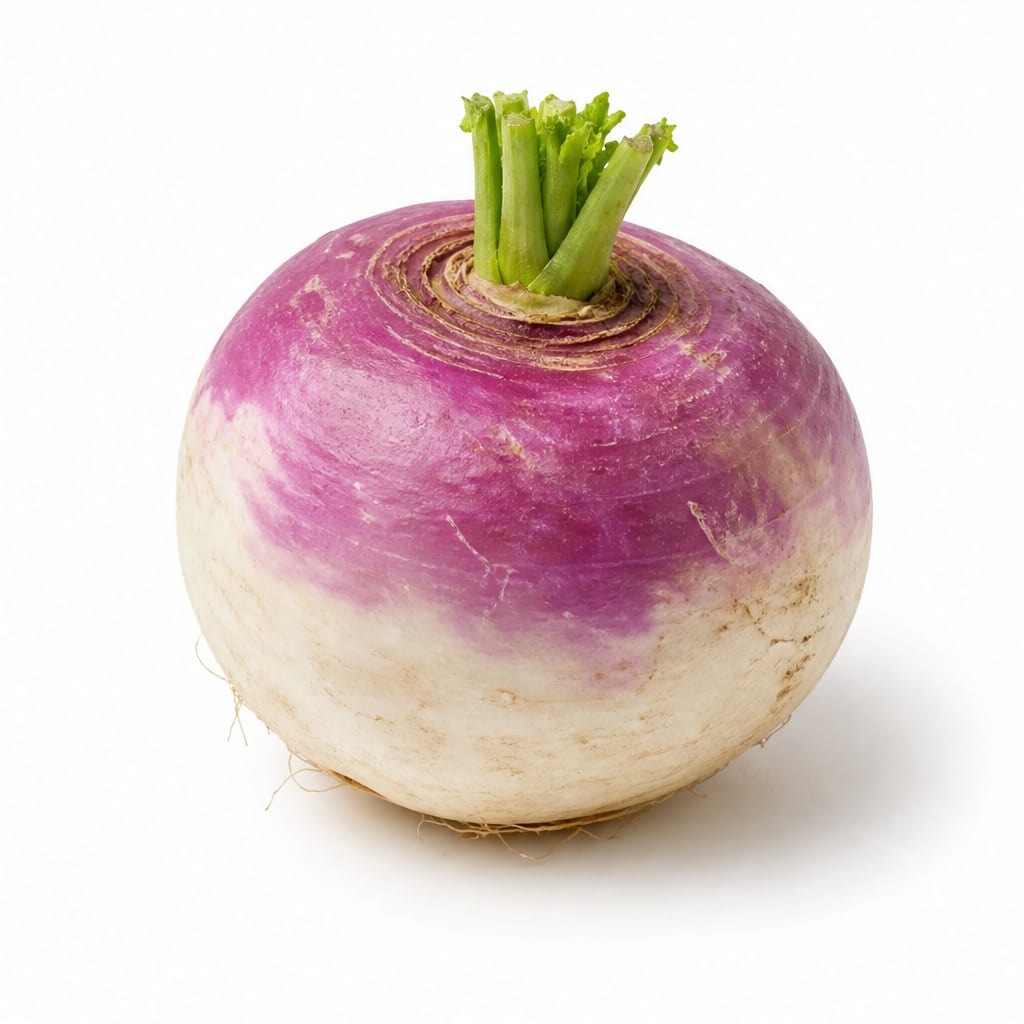
Compare with
Turnip
Turnips are low-carb and low-calorie, ideal for weight loss, whereas taro is a dense carb source for energy and gut health.
Turnips are vastly lower in carbs and better for keto, while taro is the superior choice for pre-workout energy and resistant starch benefits.
This food
Taro
VS55% alike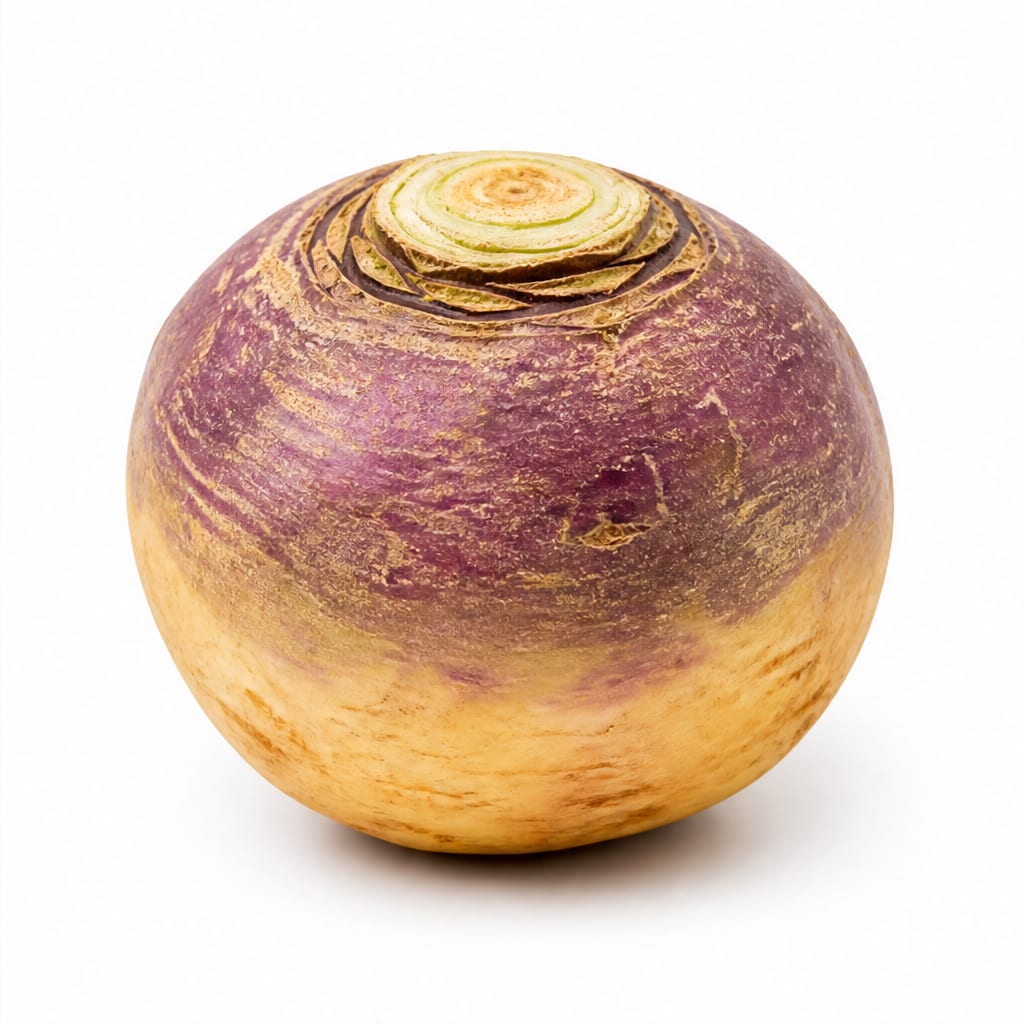
Compare with
Rutabaga
Rutabaga offers a lower calorie, moderate carb option, while taro delivers higher energy and prebiotic fiber.
Rutabaga is lower in carbohydrates and better for blood sugar management, while taro provides more sustained energy and gut-friendly starch.
This food
Taro
VS65% alike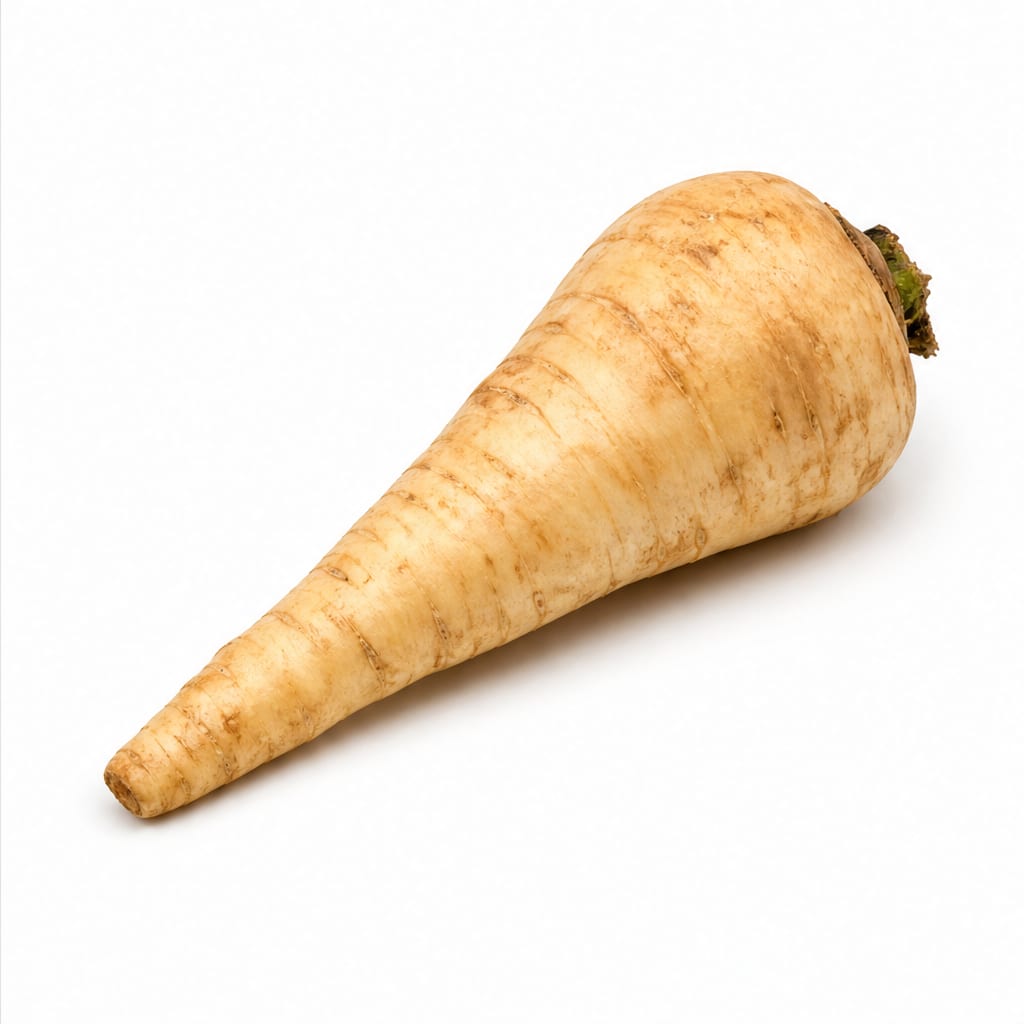
Compare with
Parsnip
Parsnips are slightly higher in sugar and vitamin C, while taro is higher in resistant starch and potassium.
Parsnips are sweeter and slightly lower in calories, but taro offers better blood sugar regulation and prebiotic benefits due to resistant starch.
This food
Taro
VS70% alike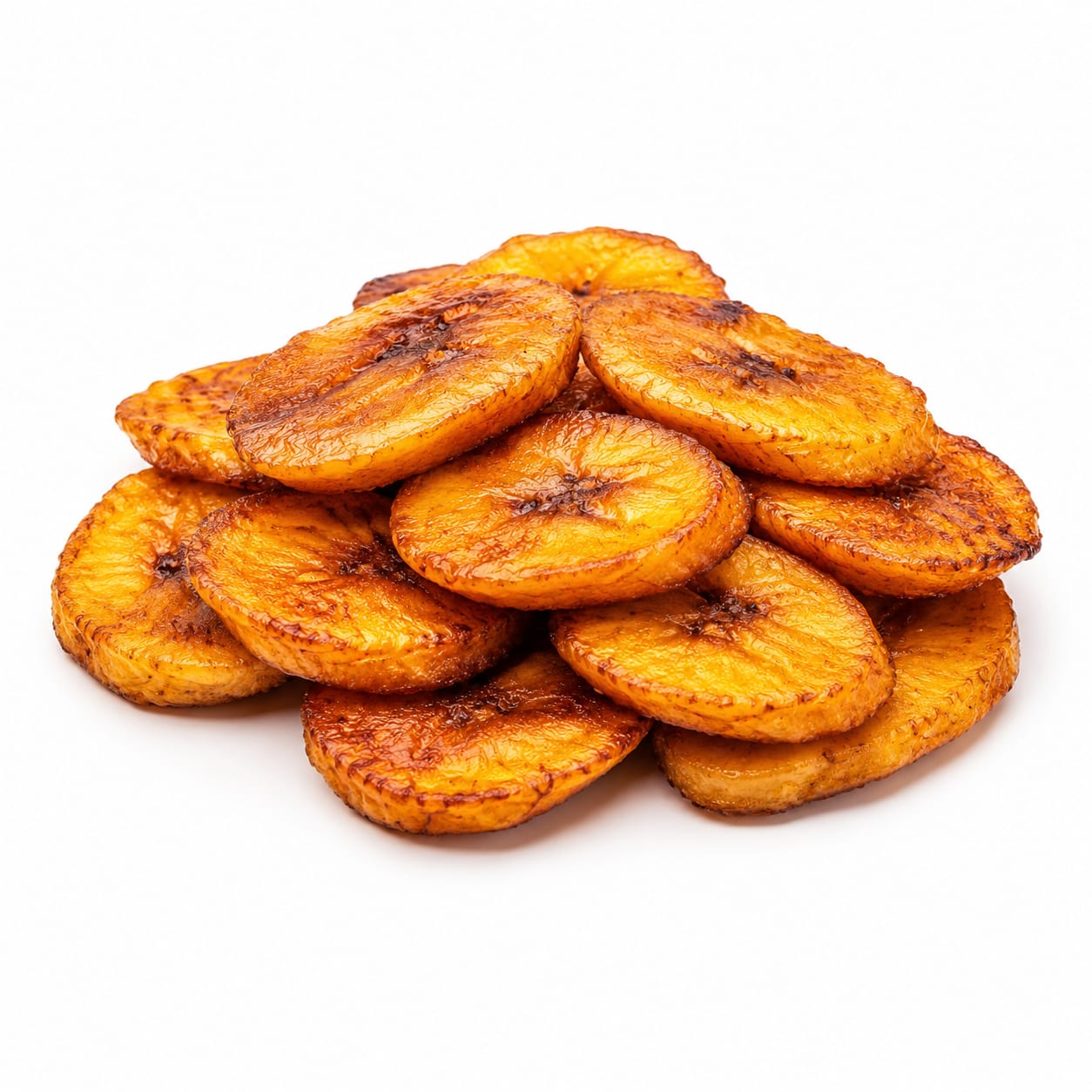
Compare with
Plantain
Plantains offer more potassium and vitamin A, while taro provides more resistant starch and a lower sugar content.
Taro contains no sugar and more resistant starch for gut health, while plantains offer more potassium and faster-digesting carbs for athletes.
This food
Taro
VS45% alike
Compare with
Pumpkin
Pumpkin is a low-calorie, high-vitamin A food, while taro is a dense carb source focused on energy and fiber.
Pumpkin is extremely low in calories and high in vitamin A, whereas taro is a high-energy carb source packed with gut-friendly resistant starch.
Common questions
FAQ
Answers aligned with how people search for this food.
Is taro good for weight loss?
Taro can support weight loss due to its high fiber and resistant starch content, which increase satiety. However, it is calorie-dense, so portion control is important.
Can diabetics eat taro?
Yes, in moderation. Taro has a moderate glycemic index, but cooking and cooling it increases resistant starch, which lowers its blood sugar impact.
Is raw taro poisonous?
Raw taro is not poisonous in the lethal sense, but it contains calcium oxalate crystals that cause severe burning, itching, and swelling in the mouth and throat. It must always be cooked thoroughly.
Is taro healthier than potato?
Taro provides more fiber and resistant starch than white potato, making it better for gut health and blood sugar control. White potato is slightly higher in protein and vitamin C.
Does taro have resistant starch?
Yes, taro is a good source of resistant starch, especially after being cooked and then cooled. This starch feeds beneficial gut bacteria and improves insulin sensitivity.
How do you remove oxalates from taro?
Oxalates are destroyed by heat. Peeling and thoroughly boiling, steaming, or roasting taro eliminates the calcium oxalate crystals, making it safe to eat.
Is taro keto friendly?
No, taro is very high in carbohydrates (over 34g per 100g) and is not suitable for a strict ketogenic diet.
What does taro taste like?
Taro has a mildly sweet, nutty, and earthy flavor with a slightly vanilla-like aroma. Its texture when cooked is smooth and slightly sticky.
Transparency
Data confidence
Estimated confidence for nutrition data, interpretation, safety notes, and comparisons.
Nutrition data
Health analysis
Food safety
Comparisons