
Nutrition comparison
Taro vs White Potato: Which Root Vegetable Is Healthier?
Compare taro and white potato on blood sugar impact, fiber, safety, and convenience. Learn which starchy staple fits your health goals and lifestyle better.
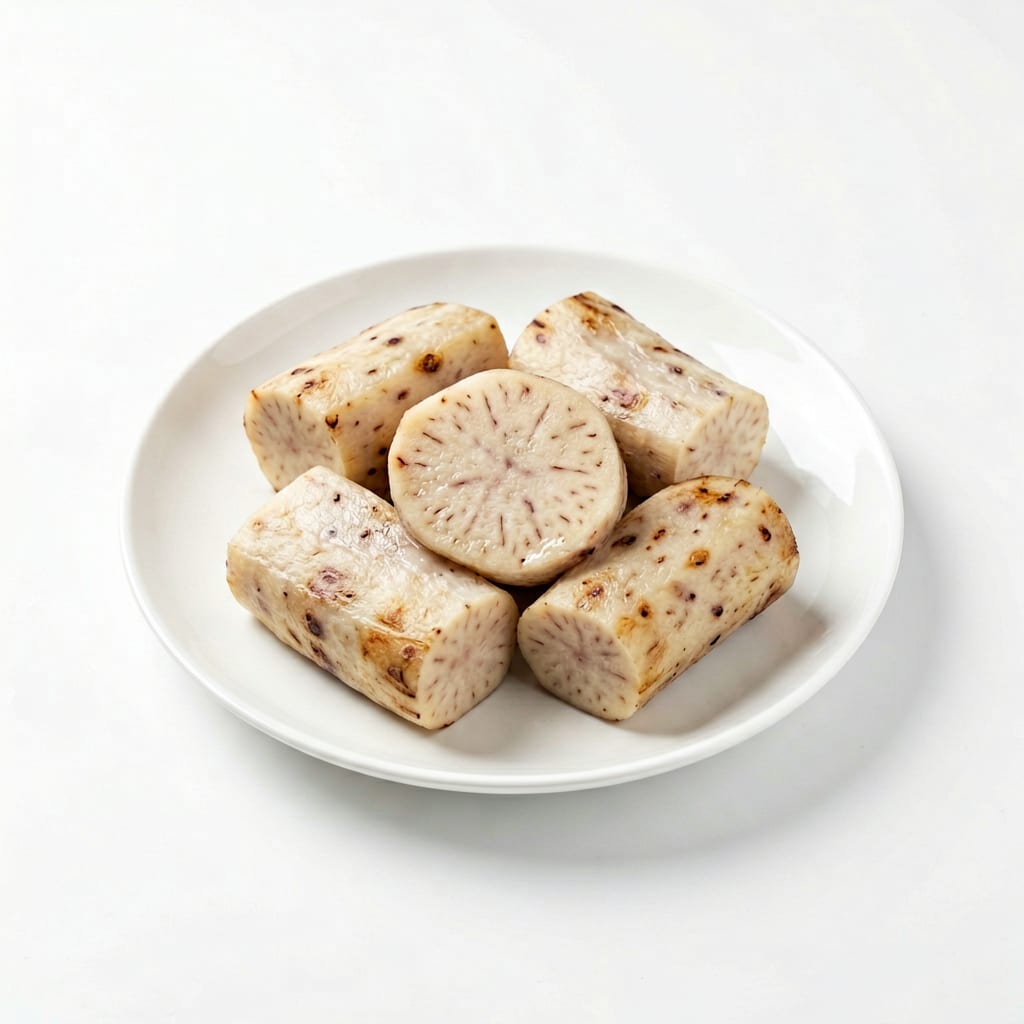
Taro
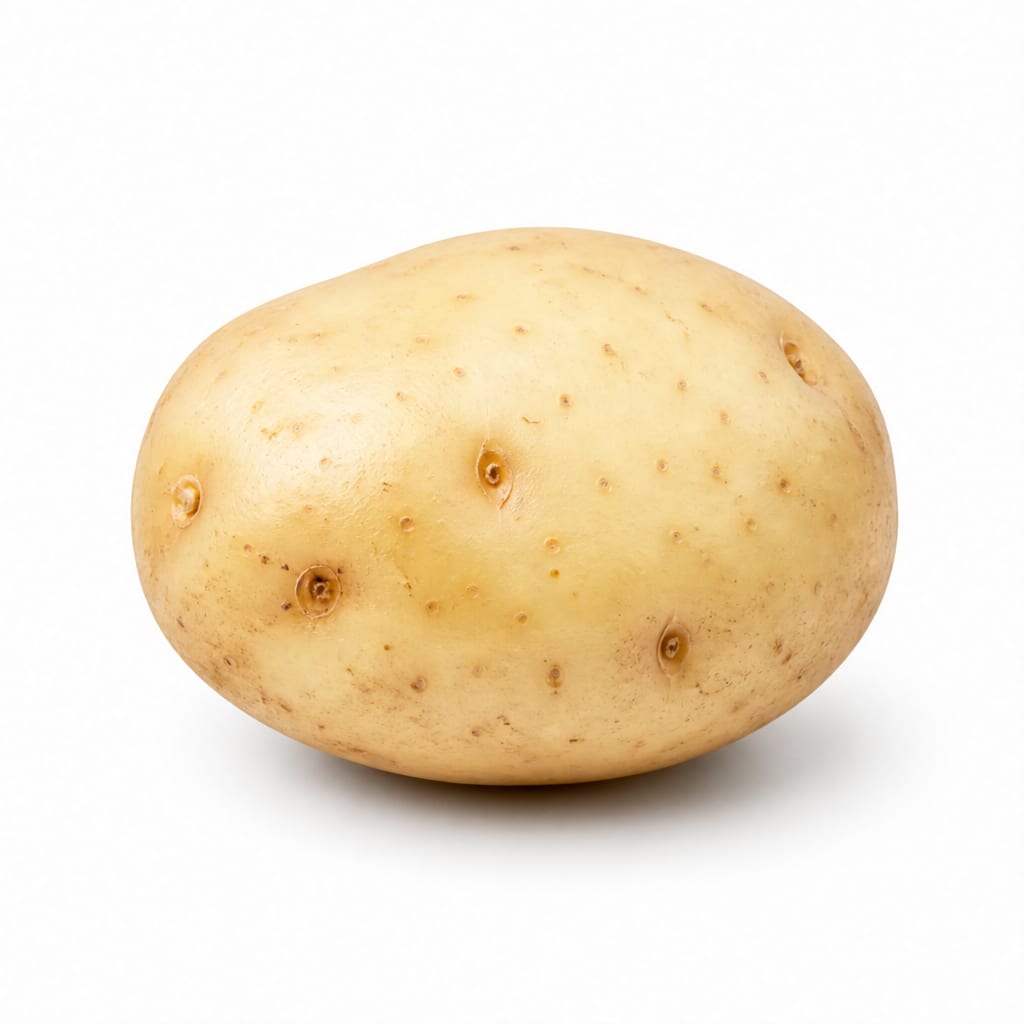
White Potato
Taro offers steadier energy and more fiber, but white potato is safer to prepare and far more convenient for daily life.
Taro edges ahead nutritionally with better fiber, lower glycemic impact, and richer micronutrients. White potato closes the gap through superior convenience, lower cost, and zero toxicity risk from improper preparation. The modest score difference reflects that both are legitimate staple carbs with different strengths.
Taro gives you better blood sugar control and richer micronutrients at the cost of mandatory careful cooking and harder-to-find availability. White potato is effortless and familiar but spikes blood sugar faster.
At a glance
Executive summary
Overall
It depends
Healthier
Taro
More practical
White Potato
Daily use
White Potato
Key comparison lenses
blood sugar management
Both are starchy staples with meaningfully different glycemic impacts, making this the top concern for most users
safety and preparation requirements
Taro contains calcium oxalate and must be cooked thoroughly, while white potato preparation is more forgiving
nutrient density comparison
Users choosing between root vegetables often want to know which delivers more micronutrients per calorie
digestive tolerance and gut health
Fiber type and resistant starch content differ significantly, affecting digestion and gut bacteria
everyday practicality and availability
White potato is ubiquitous and cheap; taro requires specialty stores and more prep knowledge
Best choice for
Taro
- People managing diabetes or insulin resistance
- Anyone seeking steadier energy without afternoon crashes
- Those wanting more fiber and micronutrients from their carbs
- Fans of Asian and Pacific Island cuisine traditions
White Potato
- Busy households needing quick, reliable meal prep
- Athletes needing fast post-workout carb replenishment
- Anyone on a tight grocery budget
- People unfamiliar with taro preparation safety
Least suitable for
Taro
- Anyone prone to kidney stones due to oxalate content
- People who meal-prep in bulk without careful cooking habits
- Those with limited access to specialty or Asian grocery stores
White Potato
- People with severe blood sugar management needs
- Those actively trying to reduce high-glycemic foods
- Anyone bored with bland starches seeking more flavor complexity
Deep comparison
Dimension by dimension
Each lens scores both foods and breaks down who each option suits.
- Dimension 1 · Priority 92Taro
Blood Sugar Stability
Taro · 74White Potato · 42Taro digests more slowly and causes a gentler blood sugar rise compared to the rapid spike from white potato.
Tradeoff
Taro's steadier energy comes with a denser, heavier eating experience that some find less satisfying than fluffy mashed potatoes.
Why it matters
If you get sleepy after carb-heavy meals or manage prediabetes, this difference is daily-life significant.
Real-world impact
A taro-based lunch keeps you alert through the afternoon. A white potato lunch may leave you reaching for coffee by 2pm.
Taro
- Prediabetics seeking gentler carb options
- Office workers avoiding post-lunch energy dips
- Anyone tracking continuous glucose monitor readings
Better for
- Those wanting light, fluffy texture over dense starch
Worse for
White Potato
- Endurance athletes needing rapid glycogen refueling
- Underweight individuals who struggle to eat enough
Better for
- Anyone already fighting sugar cravings and energy swings
Worse for
- Dimension 2 · Priority 85Taro
Fiber and Gut Health
Taro · 78White Potato · 52Taro delivers roughly double the fiber of white potato, including resistant starch and inulin that feed beneficial gut bacteria.
Tradeoff
More fiber means taro is more filling but can cause bloating if your gut is not used to it, especially with larger portions.
Why it matters
Fiber is the single most underconsumed nutrient in Western diets. Getting it from your staple carb is an effortless upgrade.
Real-world impact
Swapping white potato for taro a few times a week can meaningfully improve digestion regularity without taking supplements.
Taro
- People with sluggish digestion
- Anyone trying to increase fiber without supplements
- Gut microbiome optimization enthusiasts
Better for
- People with IBS who flare up from inulin and resistant starch
Worse for
White Potato
- Those with sensitive digestion who need low-fiber foods temporarily
- Post-surgery patients on bland, easy-to-process diets
Better for
- Anyone already falling short of daily fiber targets
Worse for
- Dimension 3 · Priority 78Taro
Micronutrient Density
Taro · 76White Potato · 58Taro provides more potassium, vitamin E, and B vitamins per serving. White potato offers more vitamin C but less overall mineral content.
Tradeoff
Taro's micronutrient edge is real but modest. Neither food is a micronutrient powerhouse on its own.
Why it matters
If starch is your primary calorie source, small micronutrient differences compound over years of daily eating.
Real-world impact
Over months, choosing taro over white potato contributes slightly better to electrolyte balance and antioxidant intake.
Taro
- People relying heavily on starches as their main calorie source
- Those who eat limited variety and need each food to pull more weight nutritionally
Better for
- Those expecting dramatic micronutrient improvements from a single swap
Worse for
White Potato
- Anyone getting plenty of potassium and vitamin E from other foods already
Better for
- People concerned about marginal nutrient gaps in grain-heavy diets
Worse for
- Dimension 4 · Priority 88White Potato
Safety and Preparation
Taro · 40White Potato · 85Raw taro contains calcium oxalate crystals that cause intense mouth and throat irritation. It must be peeled and cooked thoroughly. White potato is far more forgiving.
Tradeoff
Taro's toxicity when undercooked demands respect and attention. White potato can be eaten with minimal prep anxiety.
Why it matters
One food can hurt you if rushed. The other tolerates sloppy cooking. This matters for busy parents and beginners.
Real-world impact
Undercooked taro makes your throat feel like you swallowed glass. Undercooked potato is just unpleasant, not dangerous.
Taro
- Experienced cooks comfortable with traditional preparation methods
- Those who enjoy mindful, ritualistic cooking processes
Better for
- Distracted or impatient cooks
- Households with young children helping in the kitchen
Worse for
White Potato
- Busy parents who need to cook quickly without safety worries
- College students and cooking beginners
- Anyone meal-prepping in large batches casually
Better for
- Those who overvalue novelty and culinary adventure over reliability
Worse for
- Dimension 5 · Priority 70White Potato
Convenience and Availability
Taro · 38White Potato · 90White potato is available everywhere, costs less, and cooks in familiar ways. Taro requires specialty stores and more cooking knowledge.
Tradeoff
Eating taro means planning ahead and often paying more. White potato is always there when you need it.
Why it matters
The healthiest food is the one you actually eat consistently. Accessibility drives consistency more than nutrition facts.
Real-world impact
You can find white potatoes at any gas station. Finding good taro might require a dedicated grocery run.
Taro
- Urban dwellers near Asian or international markets
- Meal planners who shop weekly and cook intentionally
Better for
- People who shop at conventional supermarkets only
- Spontaneous cooks who decide dinner at 5pm
Worse for
White Potato
- Rural shoppers with limited store options
- Anyone cooking on autopilot after a long workday
- Budget-conscious families feeding many people
Better for
- Those willing to invest effort for better nutritional returns
Worse for
- Dimension 6 · Priority 72It depends
Satiety and Eating Experience
Taro · 70White Potato · 72White potato scores among the most satiating foods tested. Taro is filling too, but its denser texture can feel heavy rather than satisfying.
Tradeoff
Fluffy potato textures trigger more eating satisfaction per bite. Dense taro fills the stomach faster but with less pleasure.
Why it matters
Satiety is not just about fullness. It includes the psychological satisfaction that prevents snacking an hour later.
Real-world impact
A baked white potato with toppings feels like a complete, comforting meal. Taro feels more like a dense fuel source.
Taro
- Those who prefer chewy, substantial textures
- People who eat slowly and enjoy denser foods
Better for
- People who associate comfort food with light, fluffy textures
Worse for
White Potato
- Emotional eaters who need comfort from their carbs
- Anyone who finds dense foods unappealing or heavy
Better for
- Those who find fluffy starches too easy to overeat
Worse for
Timeline
Health impact over time
Short-term
Hours to days
Taro
- Steadier energy with less post-meal drowsiness
- Possible throat irritation if undercooked
- More immediate digestive fullness due to higher fiber
White Potato
- Quick energy that may crash within 1-2 hours
- Easier digestion with less bloating risk
- Rapid satisfaction from familiar comfort food texture
Long-term
Months to years
Taro
- Better blood sugar regulation with regular consumption
- Improved gut microbiome diversity from resistant starch and inulin
- Potential kidney stone risk for oxalate-sensitive individuals with high consumption
White Potato
- Possible contribution to insulin resistance if eaten frequently without balancing protein and fat
- Modest fiber intake that may not meet daily needs alone
- Consistent, reliable calorie source with minimal toxicity risk
Risk profile
Safety & processing
Both taro and white potato are whole, unprocessed root vegetables. Neither carries additive concerns when purchased fresh. The naturalness comparison is essentially a tie. The real difference is that taro requires more human knowledge to eat safely, while white potato is more foolproof.
Taro
Calcium oxalate toxicity from undercooking
highRaw or undercooked taro contains needle-shaped calcium oxalate crystals that cause immediate burning, swelling, and irritation in the mouth and throat. Always peel and cook taro thoroughly until completely soft.
Oxalate contribution to kidney stones
mediumEven properly cooked taro contains oxalates. People with a history of calcium oxalate kidney stones should moderate intake and ensure adequate hydration and calcium intake from other sources.
Skin irritation during peeling
lowSome people experience itching or tingling hands when peeling raw taro. Wearing gloves while prepping eliminates this issue.
White Potato
Solanine toxicity from green or sprouted potatoes
mediumGreen spots and sprouts indicate solanine buildup, which can cause nausea and headaches. Simply cutting away green areas and sprouts before cooking resolves this.
Acrylamide formation during high-heat cooking
lowFrying or roasting white potato at very high temperatures creates acrylamide, a probable carcinogen. Boiling and steaming avoid this entirely.
Who wins for whom
Audience fit
Same foods, different winners depending on your goal.
children
White PotatoWhite potato is safer, milder in flavor, and has a texture kids accept readily. Taro's oxalate risk and denser texture make it less suitable for young children.
daily consumption
White PotatoWhite potato's convenience, safety, and universal availability make it more sustainable as a daily staple. Taro is better as a rotational addition rather than a daily default for most people.
diabetes
TaroTaro's slower carbohydrate absorption creates a flatter glucose curve, which is exactly what diabetes management requires. The fiber further slows sugar entry into the bloodstream.
elderly
It dependsWhite potato is easier to chew and digest, which matters for aging digestive systems. But taro's potassium and fiber benefit blood pressure and constipation, common elderly concerns. Choose based on individual health priorities.
muscle gain
White PotatoWhite potato's faster-digesting carbs are ideal for post-workout glycogen replenishment when your muscles need quick fuel for recovery and growth.
weight loss
TaroTaro's higher fiber and lower glycemic impact help control appetite and reduce insulin spikes, making it easier to stay in a calorie deficit without feeling deprived.
Your move
Decision guide
Choose Taro
- You want steadier energy and better blood sugar control from your carbs
- You have access to taro and know how to prepare it safely
- You are increasing fiber intake and want it from whole foods, not supplements
- You enjoy exploring different cuisines and textures
Choose White Potato
- You need a reliable, affordable staple that works every day without extra thought
- You cook for a family and need kid-friendly, safe options
- You are an athlete who benefits from faster carbohydrate absorption
- You are new to cooking and want something forgiving
Either works if
- You are generally healthy and eat a varied diet with multiple carb sources
- You rotate between different starches throughout the week anyway
- Your main concern is avoiding ultra-processed foods, and both fit that criteria
Avoid both if
- You are on a strict very-low-carb or ketogenic diet
- You have severe oxalate sensitivity that limits both taro and certain potato varieties
- You need primarily protein-dense foods rather than starch-dense foods
Final recommendation
Use white potato as your everyday staple for convenience and safety, and bring in taro a few times a week for its blood sugar and fiber benefits. This rotation gives you the reliability of potato with the nutritional upside of taro, without the hassle of making taro your daily default. If you have diabetes or insulin resistance, tip the balance toward taro more aggressively. If you are feeding kids or cooking in a rush, lean on white potato without guilt.
Practical
Consumer tips
- 1
Always wear gloves when peeling taro to prevent skin irritation from oxalate crystals
- 2
Boil taro for at least 15-20 minutes until completely soft to neutralize calcium oxalate
- 3
Store white potatoes in a cool, dark place and cut away any green spots before cooking
- 4
If new to taro, start with small portions to test your digestion before making it a regular staple
- 5
Pair either starch with protein and healthy fat to slow digestion and improve the glycemic response
- 6
Boiling or steaming white potato creates resistant starch upon cooling, which improves its blood sugar profile for leftovers
- 7
Taro works exceptionally well in soups and stews where long cooking ensures safety and develops flavor
- 8
If taro is hard to find fresh, look for frozen peeled taro at Asian grocery stores to save prep time