
Nutrition comparison
Taro vs Plantain: Which Starchy Staple Is Healthier for You?
Compare taro and plantain nutrition, blood sugar impact, fiber, potassium, and cooking safety. Find out which root starch fits your health goals and lifestyle best.
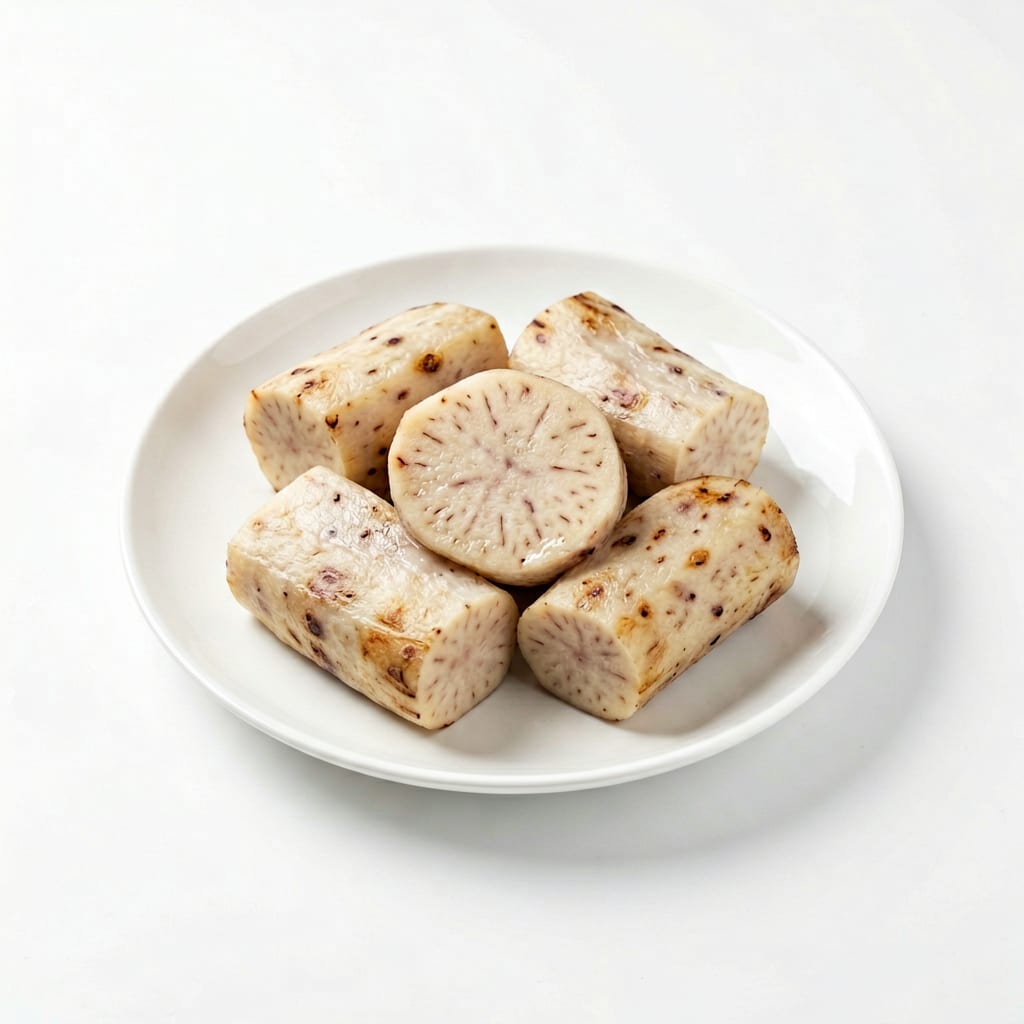
Taro
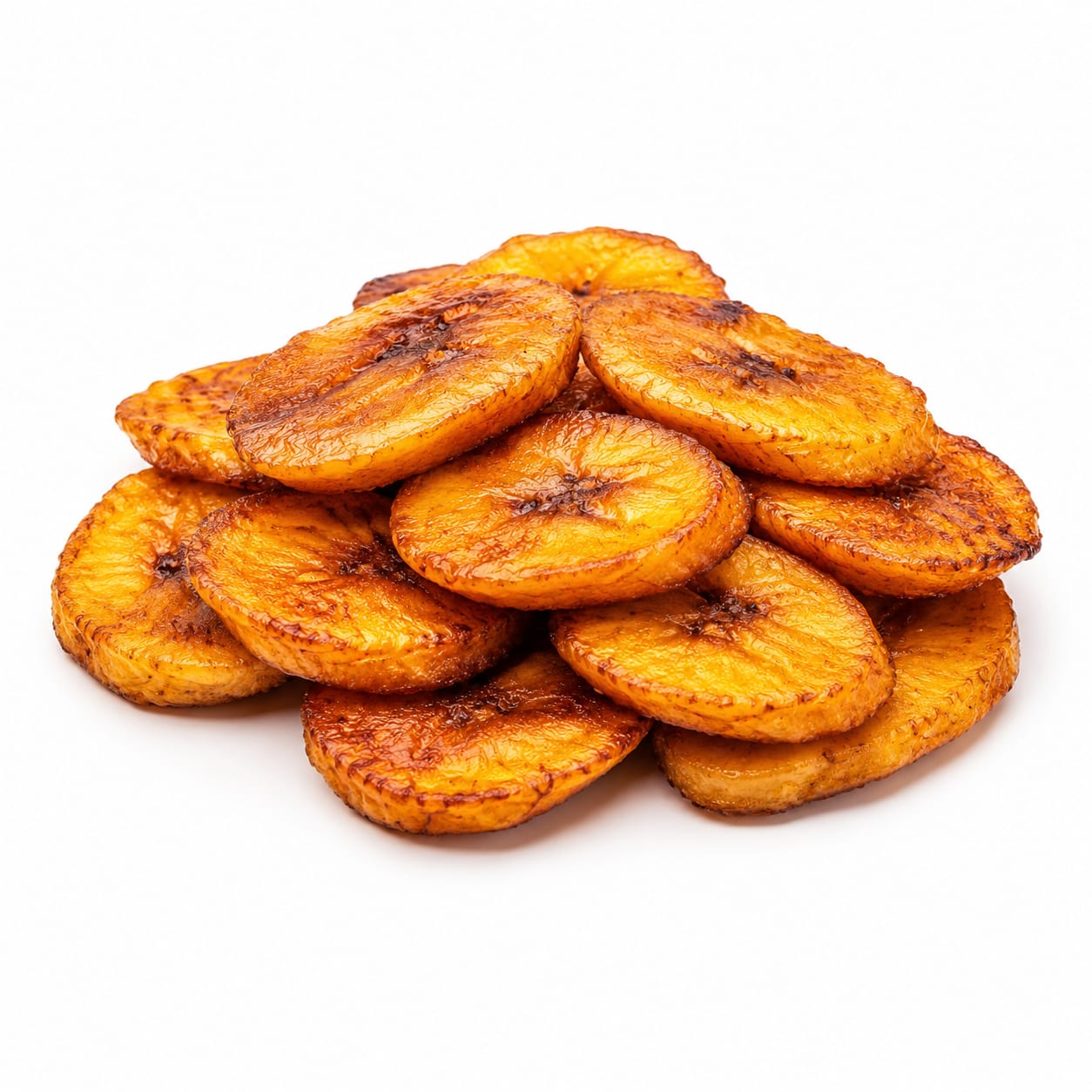
Plantain
Taro wins for blood sugar control and fiber, while plantain wins for potassium, convenience, and culinary flexibility.
Taro edges ahead on blood sugar stability, fiber content, and resistant starch benefits. Plantain stays competitive with superior potassium, easier preparation, and broader culinary appeal. The gap is modest because both are nutritious whole-food starches with different strengths.
Taro offers steadier energy and more gut-friendly fiber but demands careful cooking to neutralize oxalates. Plantain is safer and more versatile but hits blood sugar harder, especially when ripe.
At a glance
Executive summary
Overall
It depends
Healthier
Taro
More practical
Plantain
Daily use
It depends
Key comparison lenses
blood sugar management
Both are starchy staples with significantly different glycemic impacts, making this the top concern for most users choosing between them
digestive tolerance and safety
Taro contains calcium oxalate requiring thorough cooking, while plantain is generally safer to prepare, creating a real-world usability tradeoff
weight management and satiety
Both are calorie-dense starches, but fiber content and resistant starch levels differ enough to affect fullness and portion control
culinary versatility and convenience
Plantain adapts to sweet and savory dishes across ripeness stages, while taro has a more specific culinary niche
micronutrient density
Each offers distinct vitamin and mineral profiles that matter for long-term dietary variety
Best choice for
Taro
- People managing diabetes or insulin resistance
- Those seeking better blood sugar stability
- Anyone wanting more fiber with their starches
- Digestive health-focused eaters needing resistant starch
Plantain
- Active individuals needing quick post-workout carbs
- People wanting a potassium-rich food
- Those who value cooking convenience and safety
- Families wanting a kid-friendly starchy side
Least suitable for
Taro
- People with kidney stones or oxalate sensitivity
- Anyone impatient with longer prep times
- Those unfamiliar with proper taro preparation techniques
Plantain
- People strictly managing blood sugar spikes
- Those on low-carb or keto diets
- Anyone sensitive to higher glycemic loads
Deep comparison
Dimension by dimension
Each lens scores both foods and breaks down who each option suits.
- Dimension 1 · Priority 92Taro
Blood Sugar Stability
Taro · 78Plantain · 52Taro digests more slowly thanks to higher resistant starch and fiber, giving you steadier energy without the crash.
Tradeoff
Plantain, especially when ripe, releases sugar faster. Great after exercise, rough for insulin-sensitive folks.
Why it matters
Post-meal energy crashes and cravings are often driven by how fast your starch breaks down. This is where taro genuinely shines.
Real-world impact
A taro-based lunch keeps you fuller longer. A ripe plantain lunch may leave you hungry again within two hours.
Taro
- Diabetics and prediabetics
- Anyone avoiding afternoon energy crashes
- Low-glycemic diet followers
Better for
- Someone needing rapid carb replenishment after intense exercise
Worse for
Plantain
- Endurance athletes needing quick fuel
- Post-workout recovery meals
- Underweight individuals needing easy calories
Better for
- Anyone monitoring fasting blood sugar
- Metabolic syndrome patients
Worse for
- Dimension 2 · Priority 85Taro
Fiber and Gut Health
Taro · 82Plantain · 58Taro delivers nearly double the fiber of plantain, plus more resistant starch that feeds beneficial gut bacteria.
Tradeoff
Plantain still provides decent fiber when green, but taro is the clear winner for digestive regularity and microbiome support.
Why it matters
Fiber isn't just about digestion. It shapes your gut bacteria, influences inflammation, and affects how satisfied you feel after eating.
Real-world impact
Regular taro eaters often notice better digestion and less bloating. Plantain eaters get some benefit but may need additional fiber sources.
Taro
- People with sluggish digestion
- Anyone building a gut-friendly diet
- Those trying to increase satiety naturally
Better for
- People with acute digestive flare-ups who need low-residue diets temporarily
Worse for
Plantain
- Those who find very high-fiber foods uncomfortable in large portions
Better for
- Anyone relying on a single starch as their main fiber source
Worse for
- Dimension 3 · Priority 75Plantain
Micronutrient Profile
Taro · 60Plantain · 76Plantain packs more potassium, vitamin C, and vitamin A (especially when ripe). Taro offers more vitamin E and B6 but loses on overall mineral density.
Tradeoff
Taro has a slight edge in antioxidants and vitamin E, but plantain's potassium content is genuinely impressive and hard to match.
Why it matters
Potassium is one of the most underconsumed nutrients globally, affecting blood pressure, cramping, and heart rhythm.
Real-world impact
Eating plantain regularly can meaningfully reduce muscle cramps and support heart health. Taro's micronutrient contribution is solid but less dramatic.
Taro
- People focused on antioxidant intake
- Those needing more vitamin E for skin health
Better for
- Cramp-prone athletes who need potassium-rich foods
Worse for
Plantain
- Anyone with muscle cramps or low potassium
- People managing blood pressure through diet
- Those wanting immune-supporting vitamin C from starches
Better for
- Those specifically seeking vitamin E-rich whole foods
Worse for
- Dimension 4 · Priority 88Plantain
Preparation Safety
Taro · 45Plantain · 85Taro contains calcium oxalate crystals that cause severe mouth and throat irritation if undercooked. Plantain is safe to eat once simply cooked through.
Tradeoff
Taro's safety risk is manageable with proper cooking, but it adds real anxiety and prep time that plantain simply doesn't have.
Why it matters
A food that can hurt you if slightly undercooked demands respect and attention. This matters for busy households and beginners.
Real-world impact
Undercooked taro causes an immediate burning, itchy sensation in your mouth. Plantain just needs to be cooked until tender — no special precautions.
Taro
- Experienced cooks comfortable with traditional preparation methods
Better for
- People with oxalate sensitivity or kidney stone history
- Inexperienced cooks
- Anyone rushing through meal prep
Worse for
Plantain
- Busy parents needing safe, simple prep
- Cooking beginners
- Anyone with kids who help in the kitchen
Better for
- Dimension 5 · Priority 72Plantain
Culinary Versatility
Taro · 55Plantain · 80Plantain shifts from starchy and savory when green to sweet and dessert-like when ripe. Taro stays firmly in savory territory.
Tradeoff
Taro's nutty, earthy flavor is unique and beloved, but plantain covers far more culinary ground with a single ingredient.
Why it matters
A versatile staple reduces food waste and meal-planning fatigue. Plantain can be breakfast, lunch, dinner, or a snack.
Real-world impact
Green plantains make tostones and savory chips. Ripe plantains make sweet maduros. Taro makes great poi, chips, and stews, but the range is narrower.
Taro
- Fans of Asian and Pacific Island cuisine traditions
- Those wanting a unique earthy flavor profile
Better for
- Those who get bored eating the same flavor profile repeatedly
Worse for
Plantain
- Meal preppers wanting one ingredient for multiple meals
- Households that enjoy both sweet and savory dishes
- Anyone exploring Caribbean, Latin, or African cooking
Better for
- Dimension 6 · Priority 78Taro
Satiety and Portion Control
Taro · 76Plantain · 60Taro's higher fiber and resistant starch make it more filling per calorie, helping you eat less without feeling deprived.
Tradeoff
Plantain is delicious and easy to overeat, especially when fried or ripe. The sweeter taste can trigger wanting more.
Why it matters
Foods that naturally limit themselves are underrated. Taro fills you up faster, which matters for weight management without counting calories.
Real-world impact
A moderate taro portion feels satisfying. A plantain portion often leads to reaching for a second one.
Taro
- Emotional eaters who benefit from built-in portion control
- Weight-conscious individuals
- Those who want to feel full on less food
Better for
- Those who need calorie-dense easy-to-eat foods
Worse for
Plantain
- Underweight people who struggle to eat enough
- Athletes in calorie surplus phases
Better for
- Anyone prone to overeating starchy comfort foods
Worse for
Timeline
Health impact over time
Short-term
Hours to days
Taro
- Steady, sustained energy without sharp blood sugar spikes
- High satiety that reduces between-meal snacking
- Risk of mouth and throat irritation if undercooked — always boil or steam thoroughly
Plantain
- Noticeable blood sugar rise, especially with ripe plantains
- Quick energy availability useful for active periods
- Very gentle on the digestive system when simply prepared
Long-term
Months to years
Taro
- Improved gut microbiome diversity from resistant starch and fiber
- Better blood sugar regulation with regular consumption
- Oxalate accumulation risk for susceptible individuals — those with kidney stone history should moderate
Plantain
- Significant potassium intake supporting cardiovascular health and cramp prevention
- Potential for gradual blood sugar dysregulation if consumed as a dominant starch, especially ripe
- Good dietary variety when rotated with other starches
Risk profile
Safety & processing
Both taro and plantain are whole, minimally processed foods as typically purchased. Neither carries additive concerns in their natural form. The main processing risk comes from packaged taro chips or plantain chips, which add oil and salt — stick to homemade preparations for the healthiest experience.
Taro
Calcium oxalate toxicity
highRaw taro contains needle-shaped calcium oxalate crystals that cause immediate burning, swelling, and irritation in the mouth and throat. Always peel and cook thoroughly — boiling is most effective at reducing oxalates.
Oxalate kidney stone contribution
mediumEven cooked taro retains some oxalates. People with a history of calcium oxalate kidney stones should limit intake or pair with high-calcium foods to reduce absorption.
Allergic contact dermatitis
lowHandling raw taro can cause skin irritation in sensitive individuals due to oxalate crystals. Wear gloves when peeling.
Plantain
Pesticide residue on peel
lowConventional plantains may carry pesticide residues on the peel. Washing before cutting reduces transfer to the flesh. Choosing organic further minimizes exposure.
Overconsumption blood sugar spike
lowNot a contamination risk, but ripe plantain's high sugar content can cause problematic blood sugar spikes in sensitive individuals if eaten in large portions.
Who wins for whom
Audience fit
Same foods, different winners depending on your goal.
children
PlantainPlantain is safer to prepare, naturally sweeter and more kid-friendly, and carries no risk of mouth irritation from accidental undercooking.
daily consumption
PlantainPlantain's easier preparation, broader culinary flexibility, and safety profile make it more sustainable as a daily staple for most people, despite taro's metabolic advantages.
diabetes
TaroTaro's lower glycemic impact and higher fiber content create a gentler blood sugar response, making it the safer regular starch choice for glucose management.
elderly
It dependsTaro supports blood sugar and gut health better, but plantain's potassium helps with blood pressure and cramps. Choose based on the individual's primary health concern. Those with kidney stones should lean toward plantain.
muscle gain
PlantainPlantain provides faster-digesting carbs that replenish glycogen efficiently after training, plus more potassium for muscle function and cramp prevention.
weight loss
TaroHigher fiber and resistant starch make taro more filling per calorie, naturally reducing overconsumption without relying on willpower alone.
Your move
Decision guide
Choose Taro
- You're managing diabetes, prediabetes, or insulin resistance
- Gut health and digestive regularity are top priorities
- You enjoy traditional Asian or Pacific Island cooking and know proper preparation
- You want a starch that keeps you full for hours without crashing
Choose Plantain
- You need a potassium-rich food for blood pressure or cramp management
- Convenience and cooking safety matter more than marginal metabolic advantages
- You want one ingredient that works in both sweet and savory dishes
- You're feeding kids or cooking for a busy household
Either works if
- You're rotating starchy staples for dietary variety — both are excellent whole-food choices
- You're an active person who tolerates carbs well and just wants a nutritious starch
- You enjoy exploring global cuisines and want authentic ingredients for different traditions
Avoid both if
- You're on a strict low-carb or ketogenic diet — both are too carb-dense
- You have severe oxalate restrictions — taro is directly problematic, and even plantain contains moderate oxalates
Final recommendation
If blood sugar control is your priority, taro is the smarter regular choice — just commit to proper cooking. If you value convenience, safety, and versatility in your daily cooking, plantain is the more practical staple. Ideally, rotate both to get taro's gut-friendly fiber and plantain's potassium without over-relying on either.
Practical
Consumer tips
- 1
Always boil or steam taro for at least 15-20 minutes before eating. Never taste raw taro — the mouth burn is immediate and unpleasant.
- 2
Wear gloves when peeling raw taro to protect your skin from oxalate irritation, especially if you have sensitive hands.
- 3
Green plantains behave like potatoes — starchy and neutral. Ripe plantains behave like sweet bananas. Choose ripeness based on your meal plan.
- 4
For the lowest glycemic impact from plantain, use it green and avoid frying. Boiling or baking green plantain keeps sugar release slower.
- 5
Pair taro with calcium-rich foods like yogurt or leafy greens to bind oxalates and reduce kidney stone risk if you're susceptible.
- 6
Both foods freeze well after cooking. Make large batches of boiled taro or plantain and portion for quick weeknight meals.
- 7
If buying packaged taro or plantain chips, check for excessive added oils and sodium — homemade versions are dramatically healthier.