
Nutrition comparison
Taro vs Sweet Potato: Nutrition, Safety, and Which Is Better for You
Compare taro and sweet potato on vitamin A, blood sugar impact, gut health, and safety. Learn which root vegetable fits your health goals and when to choose each.
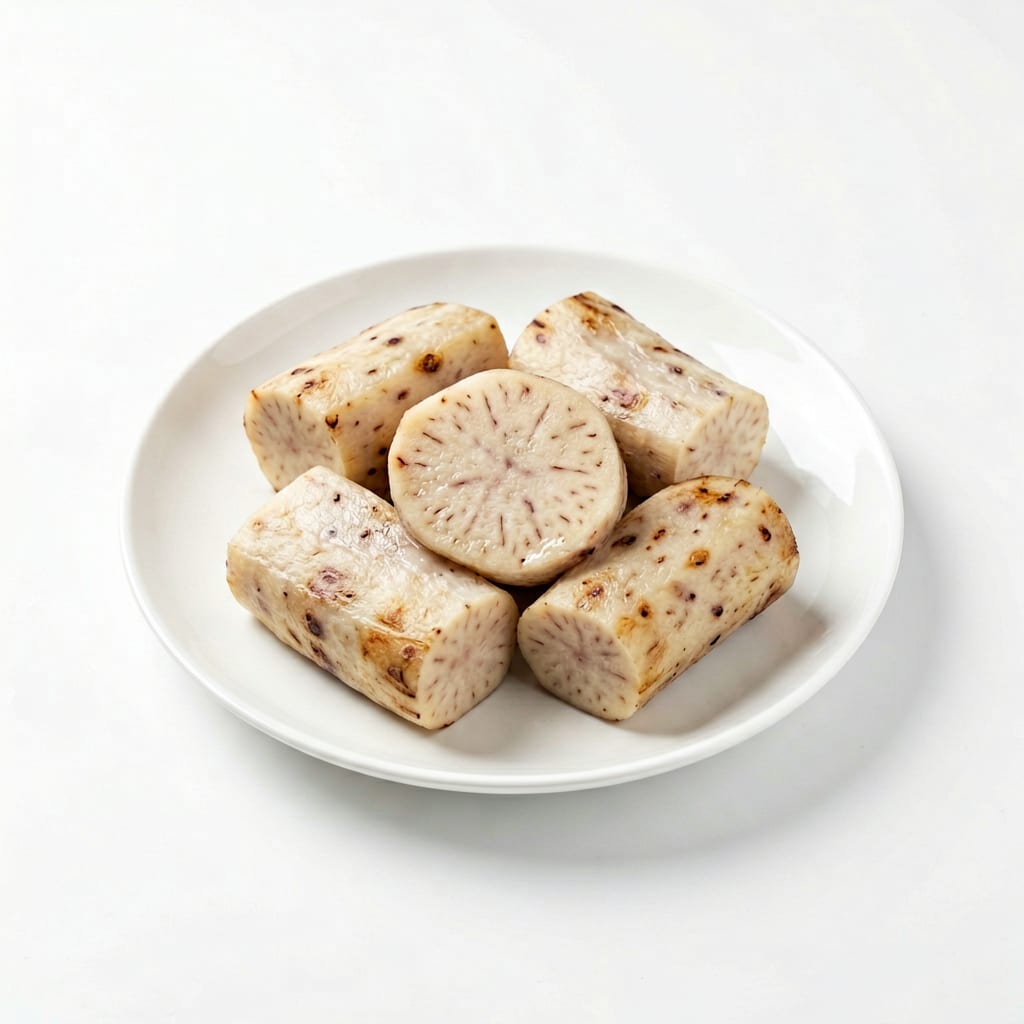
Taro
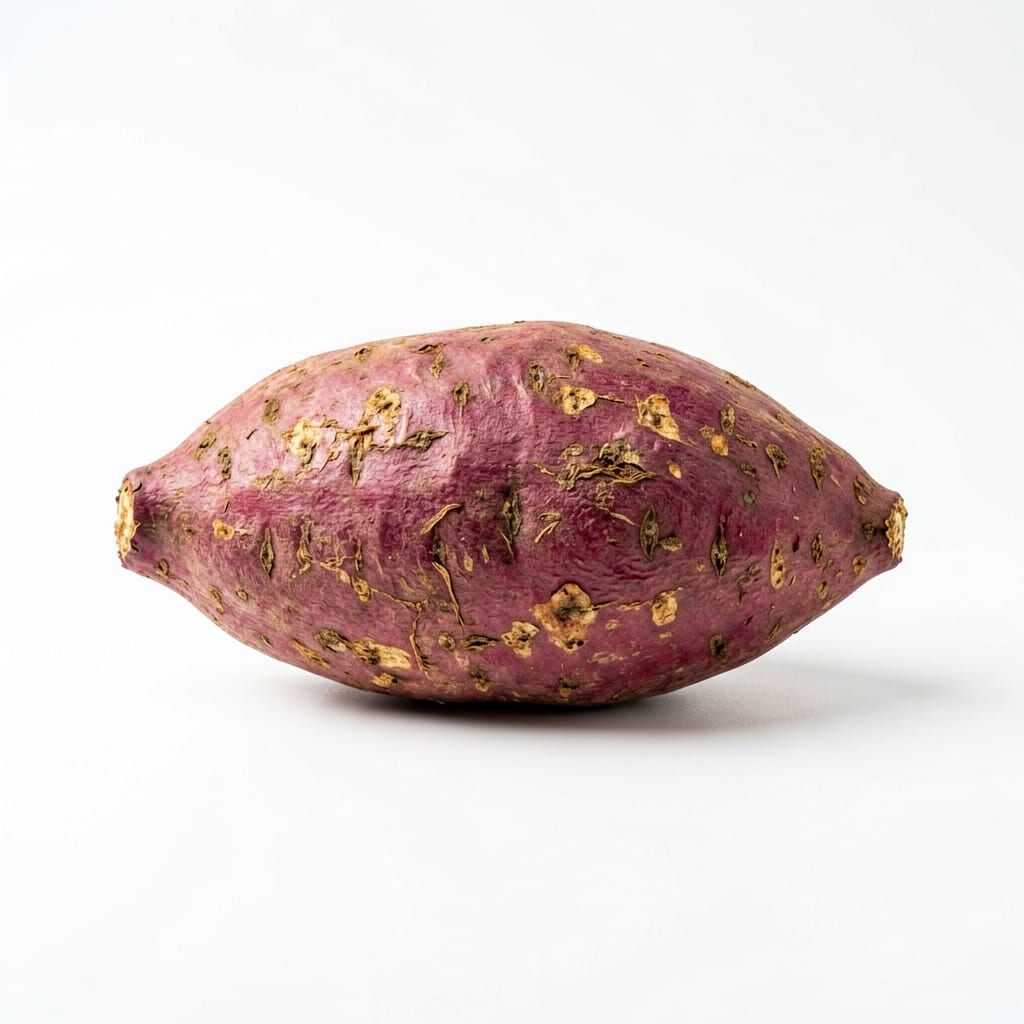
Sweet Potato
Sweet potato wins on nutrition and safety, but taro offers unique gut-friendly starch and cultural authenticity for specific dishes.
Sweet potato scores notably higher due to its exceptional vitamin A content, safer handling, and lower glycemic impact when boiled. Taro remains valuable for resistant starch and lower sugar content but loses ground on safety risks and preparation difficulty.
Sweet potato delivers vastly more vitamin A and safer prep, while taro provides more resistant starch for gut health but demands careful cooking and carries oxalate risks.
At a glance
Executive summary
Overall
It depends
Healthier
Sweet Potato
More practical
Sweet Potato
Daily use
Sweet Potato
Key comparison lenses
blood sugar management and glycemic impact
Both are starchy root vegetables commonly chosen as carb sources, making glycemic response a primary decision factor
safety and preparation requirements
Taro contains calcium oxalate crystals that require careful cooking, a unique safety concern not shared by sweet potato
vitamin A and antioxidant needs
Sweet potato is one of the richest vitamin A sources available, while taro provides almost none — a dramatic nutritional divergence
digestive health and fiber quality
Both offer fiber but with different profiles; taro's resistant starch and fiber type may benefit gut health differently
kidney stone risk and oxalate awareness
Taro's oxalate content makes it risky for prone individuals, a hidden concern many users overlook
Best choice for
Taro
- People seeking resistant starch for gut microbiome support
- Those wanting a lower-sugar starchy carb option
- Cooks preparing traditional Asian or Pacific Island dishes
- Anyone avoiding excess vitamin A intake
Sweet Potato
- Anyone needing more vitamin A or beta-carotene
- People prioritizing easy, safe preparation
- Those managing blood sugar who want a lower glycemic option when boiled
- Families with children who need simple, nutrient-dense sides
Least suitable for
Taro
- People prone to kidney stones due to oxalate content
- Anyone unfamiliar with proper taro preparation techniques
- Those seeking quick-cooking weeknight staples
- Individuals with sensitive throats who might react to undercooked pieces
Sweet Potato
- People strictly limiting sugar or sweetness in savory meals
- Those avoiding excess vitamin A from supplements already
- Anyone bored by its ubiquity in healthy meal prep
Deep comparison
Dimension by dimension
Each lens scores both foods and breaks down who each option suits.
- Dimension 1 · Priority 95Sweet Potato
Vitamin A and Antioxidant Power
Taro · 5Sweet Potato · 98Sweet potato dominates with over 1000x more vitamin A than taro, which provides virtually none.
Tradeoff
Choosing taro means missing out on one of the easiest ways to meet daily vitamin A needs through food alone.
Why it matters
Vitamin A supports vision, immune function, and skin health. One medium sweet potato can exceed your entire daily requirement.
Real-world impact
Eating sweet potato regularly can meaningfully improve night vision and immune resilience. Taro offers no help here.
Taro
- Those already getting excess vitamin A from supplements or liver
Better for
- Those relying on root vegetables as a primary vitamin A source
Worse for
Sweet Potato
- Anyone not eating organ meats or taking vitamin A supplements
- Children who need easy vitamin A sources
- People with poor night vision or frequent infections
Better for
- People at risk of vitamin A toxicity from combined supplement use
Worse for
- Dimension 2 · Priority 90Sweet Potato
Blood Sugar Stability
Taro · 55Sweet Potato · 72Boiled sweet potato has a surprisingly low glycemic index, while taro's is moderate to high depending on preparation.
Tradeoff
Taro contains less sugar but raises blood sugar more sharply when boiled, creating a counterintuitive tradeoff.
Why it matters
Steady blood sugar means fewer energy crashes and better hunger control throughout the day.
Real-world impact
A boiled sweet potato gives steadier energy for hours. Taro may cause a quicker rise and dip, leaving you hungry sooner.
Taro
- Those who prefer smaller portions of denser carbs
- People pairing carbs with protein and fat to blunt glycemic response
Better for
- Diabetics monitoring post-meal glucose spikes closely
Worse for
Sweet Potato
- People with insulin resistance or prediabetes
- Anyone wanting sustained energy without afternoon crashes
- Those eating carbs as a standalone snack
Better for
- Those who find sweet varieties trigger sugar cravings
Worse for
- Dimension 3 · Priority 82Taro
Gut Health and Resistant Starch
Taro · 85Sweet Potato · 65Taro contains more resistant starch and unique fiber types that feed beneficial gut bacteria more effectively.
Tradeoff
Taro's gut benefits come with oxalate risks that sweet potato avoids entirely.
Why it matters
Resistant starch acts like soluble fiber, feeding good bacteria and producing short-chain fatty acids that protect the colon.
Real-world impact
Regular taro consumption may improve digestion regularity and gut flora diversity, but you must cook it properly to access these benefits safely.
Taro
- People focused on microbiome health
- Those dealing with constipation who need gentler fiber
- Anyone following gut-healing dietary protocols
Better for
- People with IBS who may react to resistant starch fermentation
Worse for
Sweet Potato
- Those who get enough fiber from other sources already
- People wanting simpler digestive benefits without oxalate concerns
Better for
- Those specifically seeking resistant starch benefits
Worse for
- Dimension 4 · Priority 88Sweet Potato
Safety and Preparation Ease
Taro · 35Sweet Potato · 90Raw taro is toxic and causes severe mouth and throat irritation, requiring thorough cooking. Sweet potato is safe to eat even raw in small amounts.
Tradeoff
Taro's unique texture and flavor demand respect and time, while sweet potato is forgiving and beginner-friendly.
Why it matters
Improperly cooked taro can cause painful swelling of the lips, tongue, and throat due to calcium oxalate crystals.
Real-world impact
Sweet potato can be microwaved, roasted, or steamed with zero safety worries. Taro demands peeling gloves, full cooking, and careful handling.
Taro
- Experienced cooks comfortable with traditional preparation methods
- Those who value the unique creamy texture that proper taro cooking produces
Better for
- Households with curious children who might sample raw ingredients
- Anyone rushing through meal prep
- People with sensitive skin who may react to raw taro handling
Worse for
Sweet Potato
- Busy families needing quick safe sides
- Meal preppers who batch-cook without worry
- Anyone new to cooking root vegetables
Better for
- Those who find the sweetness limits savory dish applications
Worse for
- Dimension 5 · Priority 70Taro
Mineral Content and Electrolytes
Taro · 78Sweet Potato · 68Taro provides more potassium, magnesium, and phosphorus per serving, supporting hydration and muscle function.
Tradeoff
Taro's mineral advantage is real but modest, and sweet potato still offers respectable potassium levels.
Why it matters
Adequate potassium helps regulate blood pressure and prevent cramping, especially for active people.
Real-world impact
After a sweaty workout, taro replenishes electrolytes slightly better, but both are solid choices compared to refined carbs.
Taro
- Athletes needing electrolyte replenishment
- People on low-potassium diets who should actually limit taro
Better for
- People with kidney disease who must limit potassium
Worse for
Sweet Potato
- Those getting minerals from varied diets already
- People who prioritize vitamin A over marginal mineral differences
Better for
- Those relying heavily on one staple for mineral intake
Worse for
- Dimension 6 · Priority 72It depends
Calorie Density and Satiety
Taro · 70Sweet Potato · 72Both are similarly filling, but taro is slightly more calorie-dense while sweet potato offers more volume per calorie.
Tradeoff
Taro feels denser and more substantial in smaller portions, while sweet potato lets you eat more volume for fewer calories.
Why it matters
Volume eaters prefer sweet potato; those wanting compact energy prefer taro.
Real-world impact
A large sweet potato feels like a big satisfying meal. Taro feels more like a dense energy bite — filling but compact.
Taro
- Hikers and athletes needing compact calorie-dense fuel
- Those who prefer smaller portions that feel substantial
Better for
- Those counting calories who find taro's density sneaky
Worse for
Sweet Potato
- Volume eaters who want to feel full on fewer calories
- People managing portion sizes visually
Better for
- Active people needing more calories per bite
Worse for
Timeline
Health impact over time
Short-term
Hours to days
Taro
- Improperly cooked taro causes immediate mouth and throat burning from calcium oxalate crystals
- Provides steady dense energy when properly prepared
- May cause bloating in sensitive individuals due to resistant starch fermentation
Sweet Potato
- Delivers quick-satisfying energy with natural sweetness that curbs cravings
- Very gentle on the digestive system for most people
- The orange flesh provides immediate beta-carotene that supports immune function
Long-term
Months to years
Taro
- Regular consumption supports gut microbiome diversity through resistant starch
- Oxalate accumulation may increase kidney stone risk in susceptible individuals
- Consistent mineral intake supports bone density and blood pressure regulation
Sweet Potato
- Sustained vitamin A intake protects vision and reduces infection risk over years
- Lower oxalate content makes it safer for long-term kidney health
- Regular consumption supports skin health and immune resilience consistently
Risk profile
Safety & processing
Both taro and sweet potato are whole, minimally processed root vegetables when purchased fresh. Neither carries additive concerns in their natural form. The real difference is that taro requires more processing at home — peeling, soaking, and thorough cooking — while sweet potato can even be eaten with the skin on after simple roasting or steaming.
Taro
Calcium oxalate toxicity from raw or undercooked taro
highRaw taro contains needle-shaped calcium oxalate crystals that cause immediate burning, swelling, and irritation of the mouth, tongue, and throat. Always peel and cook thoroughly before eating.
Kidney stone formation from oxalate load
mediumEven properly cooked taro retains significant oxalates. People with a history of calcium oxalate kidney stones should limit or avoid taro.
Skin irritation during handling
mediumPeeling raw taro can cause itchy, irritated skin in some people. Wearing gloves while peeling is recommended.
Sweet Potato
Mild oxalate content
lowSweet potato contains small amounts of oxalates but far less than taro. Only a concern for those on strict low-oxalate diets for kidney stone prevention.
Solanine in green spots
lowLike many root vegetables, sweet potatoes can develop toxic solanine if exposed to light and turning green. Simply cut away any green portions before cooking.
Who wins for whom
Audience fit
Same foods, different winners depending on your goal.
children
Sweet PotatoSweet potato is safer to prepare, naturally sweet and kid-friendly, and delivers critical vitamin A for growing bodies. Taro's safety risks make it less suitable for households with young children.
daily consumption
Sweet PotatoSweet potato's safety profile, nutrient density, and preparation ease make it a more sustainable daily staple. Taro is better enjoyed as an occasional variety.
diabetes
Sweet PotatoBoiled sweet potato has a lower glycemic index and more fiber per calorie, leading to gentler blood sugar responses when portion-controlled.
elderly
Sweet PotatoSweet potato is softer when cooked, easier to digest, and provides vitamin A for aging eyes and immune systems. Taro's oxalate content poses extra risks for older kidneys.
muscle gain
It dependsTaro offers slightly more compact carbs and minerals for recovery, but sweet potato's vitamin A supports immune health during heavy training. Both work well paired with protein.
weight loss
Sweet PotatoSweet potato provides more food volume per calorie and its natural sweetness satisfies cravings without dense calorie loading.
Your move
Decision guide
Choose Taro
- You prioritize gut health and want more resistant starch in your diet
- You have no kidney stone history and enjoy traditional taro dishes
- You want a denser, less sweet carb for savory recipes
- You are comfortable with proper taro preparation techniques
Choose Sweet Potato
- You want maximum nutrition with minimal preparation hassle
- You need more vitamin A in your diet for vision or immune support
- You have kids, limited cooking time, or want a forgiving ingredient
- You are managing blood sugar, watching your weight, or eating for longevity
Either works if
- You simply want a whole-food carb source instead of refined grains
- You enjoy rotating root vegetables for dietary variety
- You pair either with protein and healthy fats for balanced meals
Avoid both if
- You are on a strict very-low-carb or ketogenic diet
- You have severe kidney disease requiring potassium and oxalate restriction
- You are allergic to either root vegetable specifically
Final recommendation
Sweet potato is the better default choice for most people — safer, more nutrient-dense, and easier to live with daily. Taro earns its place as a gut-friendly alternative for confident cooks who value its unique texture and resistant starch benefits, but its oxalate risks and demanding preparation keep it from being a universal recommendation. Rotate both if you enjoy taro, but let sweet potato carry the weekly workload.
Practical
Consumer tips
- 1
Always wear gloves when peeling raw taro to prevent skin irritation from calcium oxalate crystals
- 2
Boil or steam taro for at least 15-20 minutes until completely soft — no crunchiness is acceptable
- 3
If you have a history of kidney stones, limit taro to occasional consumption and drink plenty of water with it
- 4
Boil sweet potatoes rather than baking them for a significantly lower glycemic impact
- 5
Pair either root vegetable with a protein source and healthy fat to slow digestion and stabilize blood sugar
- 6
Choose orange-fleshed sweet potatoes over white varieties for dramatically more vitamin A
- 7
Store both in cool, dark, dry places — never the refrigerator, which alters texture and flavor
- 8
Leftover cooled sweet potato develops more resistant starch, making it gentler on blood sugar when reheated