
Nutrition comparison
Taro vs Butternut Squash: Nutrition, Safety, and Which Is Better for You
Compare taro and butternut squash side by side. Learn which root vegetable is better for weight loss, blood sugar, gut health, and everyday cooking safety.
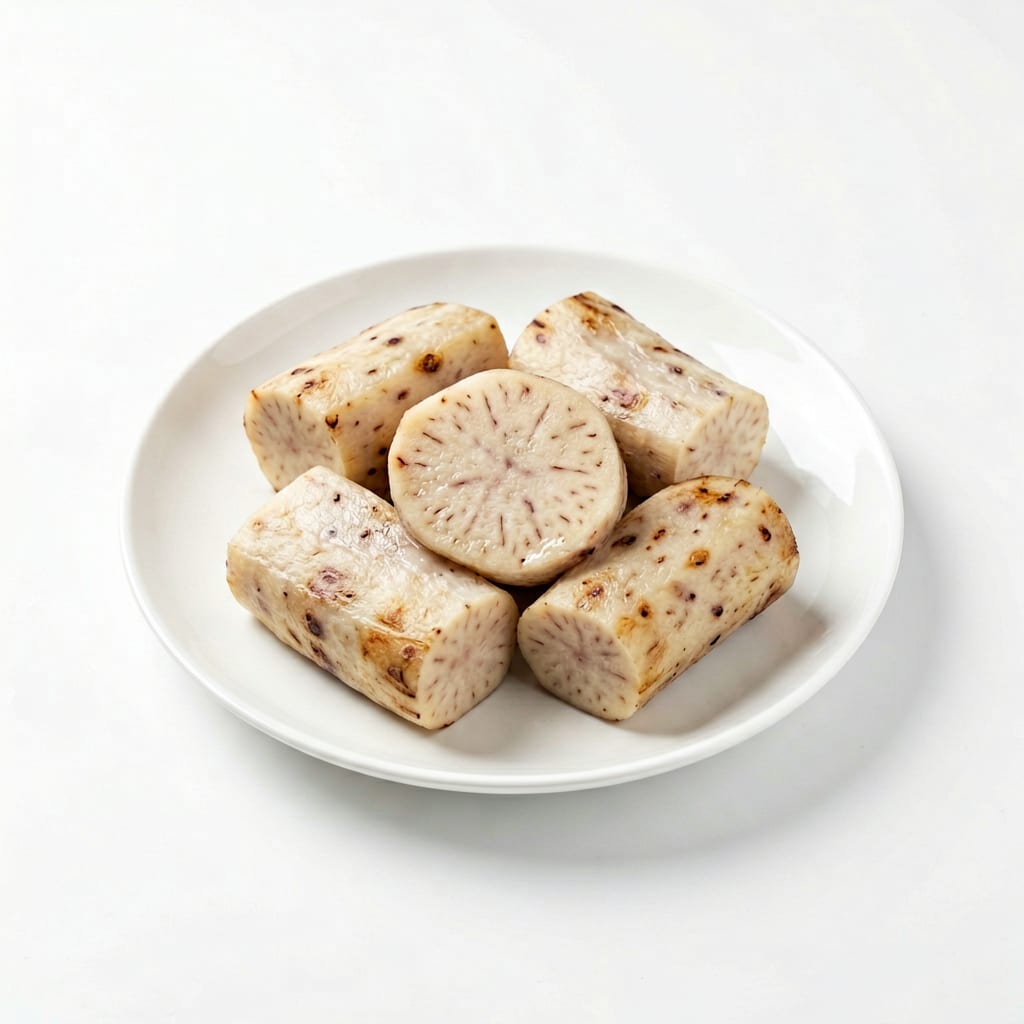
Taro
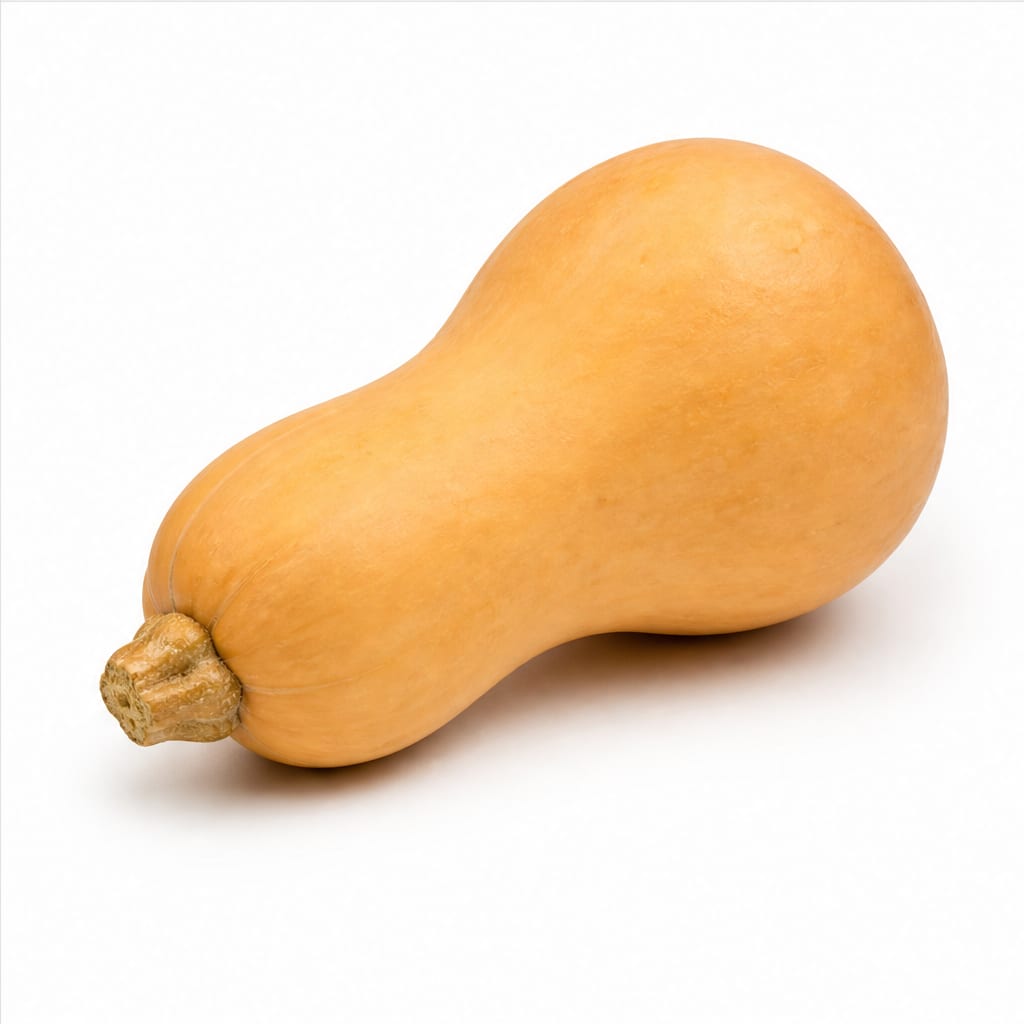
Butternut Squash
Butternut squash wins for most everyday eaters thanks to lower calories, massive vitamin A content, and easier prep. Taro shines when you need denser energy, more filling meals, or resistant starch for gut health.
Butternut squash scores higher due to its superior nutrient-to-calorie ratio, safety profile, and broader accessibility. Taro remains valuable for specific needs like sustained energy and gut health, but requires more caution and carries higher calorie density.
Taro fills you up longer and feeds gut bacteria better, but costs more calories and demands careful cooking. Butternut squash is lighter, safer, and more nutrient-dense per calorie.
At a glance
Executive summary
Overall
It depends
Healthier
Butternut Squash
More practical
Butternut Squash
Daily use
Butternut Squash
Key comparison lenses
blood sugar management
Both are starchy carbohydrates with different glycemic profiles, making blood sugar impact the top concern for most users choosing between them
weight management and calorie density
Taro is significantly more calorie-dense than butternut squash, which matters for portion control and weight goals
safety and preparation requirements
Taro contains calcium oxalate and must be cooked thoroughly, while butternut squash has no such toxicity risk
vitamin and antioxidant profile
Butternut squash is dramatically richer in vitamin A and beta-carotene, while taro offers different micronutrient strengths
digestive tolerance and gut health
Taro's resistant starch and fiber content support gut bacteria differently than butternut squash's soluble fiber
Best choice for
Taro
- Athletes needing sustained carbohydrate energy
- People wanting to support gut bacteria with resistant starch
- Those struggling to get enough calories or feel full
- Anyone seeking a denser, more satisfying starch side dish
Butternut Squash
- Weight-conscious eaters wanting maximum volume for minimal calories
- People prioritizing immune support and eye health via vitamin A
- Busy cooks wanting simple, safe preparation
- Anyone managing blood sugar who wants a lower-glycemic starch
Least suitable for
Taro
- People prone to kidney stones due to oxalate content
- Impatient cooks who might undercook it
- Those strictly counting calories
- Anyone unfamiliar with proper taro preparation
Butternut Squash
- Athletes needing high-calorie fuel
- People who find low-calorie meals unsatisfying
- Those wanting resistant starch benefits for gut microbiome
Deep comparison
Dimension by dimension
Each lens scores both foods and breaks down who each option suits.
- Dimension 1 · Priority 90Butternut Squash
blood sugar stability
Taro · 55Butternut Squash · 75Butternut squash has a lower glycemic load per serving, making it gentler on blood sugar despite both being starchy foods.
Tradeoff
Taro provides longer-lasting energy from its dense starch content but causes a larger blood sugar rise per serving.
Why it matters
If you experience afternoon energy crashes or manage prediabetes, the gentler blood sugar curve of butternut squash makes daily eating feel more stable.
Real-world impact
A butternut squash lunch keeps you steady. A taro lunch fuels you longer but may cause a sharper post-meal spike if you eat a large portion.
Taro
- Sustained energy for long physical work sessions
- Post-workout recovery when you need carb replenishment
Better for
- Large portions can spike blood sugar significantly
- Not ideal for low-carb eating styles
Worse for
Butternut Squash
- Steady energy without crashes
- Prediabetes or insulin resistance management
- Lighter meals that won't cause food coma
Better for
- May not provide enough sustained energy for very active days
Worse for
- Dimension 2 · Priority 85Butternut Squash
nutrient density per calorie
Taro · 60Butternut Squash · 88Butternut squash delivers dramatically more vitamins per calorie, especially vitamin A, while taro offers more minerals like potassium and magnesium.
Tradeoff
You get more eye and immune support from butternut squash, but more electrolytes and B-vitamins from taro.
Why it matters
If you eat to maximize nutrition without overeating, butternut squash gives you more health-boosting compounds per bite.
Real-world impact
One cup of butternut squash provides over 400% of your daily vitamin A needs for under 100 calories. Taro gives you solid minerals but at nearly double the calories.
Taro
- Potassium intake for muscle function and blood pressure
- Vitamin E and B6 for energy metabolism
- Magnesium for sleep and recovery
Better for
- Lower vitamin A and C content relative to calories
- Fewer antioxidants per serving
Worse for
Butternut Squash
- Vitamin A for vision and immune defense
- Beta-carotene antioxidant protection
- Vitamin C for skin and wound healing
Better for
- Less potassium and magnesium per serving
Worse for
- Dimension 3 · Priority 80Taro
satiety and fullness
Taro · 82Butternut Squash · 65Taro is significantly more filling per serving due to its denser starch content and higher calorie load, while butternut squash feels lighter.
Tradeoff
Taro keeps hunger away longer but at a higher calorie cost. Butternut squash lets you eat more volume for fewer calories but may leave you hungry sooner.
Why it matters
If you constantly feel hungry between meals, taro's density can help. If you prefer eating larger portions without weight gain, butternut squash is your friend.
Real-world impact
A taro side dish at dinner can keep you full until morning. Butternut squash might have you reaching for a snack by 9pm.
Taro
- Long gaps between meals without hunger
- Physically demanding days requiring sustained fuel
- People who feel unsatisfied after light meals
Better for
- Easy to overeat calories without realizing
- Can feel too heavy before physical activity
Worse for
Butternut Squash
- Volume eating for weight management
- People who prefer feeling light after meals
- Smaller appetites that get overwhelmed by dense food
Better for
- May not satisfy genuine hunger alone
- Requires pairing with protein or fat for lasting fullness
Worse for
- Dimension 4 · Priority 80Butternut Squash
safety and preparation ease
Taro · 40Butternut Squash · 85Butternut squash is straightforward to prepare safely. Taro contains calcium oxalate crystals that cause severe mouth and throat irritation if undercooked.
Tradeoff
Taro rewards careful cooking with unique texture and flavor, but the safety margin is slim. Butternut squash is forgiving and safe even if slightly underdone.
Why it matters
If you meal prep in a rush or cook for children, taro's toxicity risk when raw or undercooked is a real concern. Butternut squash removes that worry entirely.
Real-world impact
Undercooked taro feels like eating glass due to oxalate crystals. Properly cooked, it becomes creamy and delicious. Butternut squash is safe at any level of doneness.
Taro
- Experienced cooks who follow proper preparation methods
- Cultural dishes where taro is traditional and preparation is well-understood
Better for
- Raw or undercooked taro causes painful mouth irritation
- People with kidney stone history should limit oxalate intake
- Requires peeling gloves in some varieties due to skin irritation
Worse for
Butternut Squash
- Busy weeknight cooking
- Cooking with children who might sample ingredients
- Meal prep where you might cut corners on cooking time
Better for
- Hard to peel when raw, though this is a convenience issue not a safety one
Worse for
- Dimension 5 · Priority 70Taro
gut health and digestive tolerance
Taro · 78Butternut Squash · 68Taro contains resistant starch that feeds beneficial gut bacteria, while butternut squash offers gentle soluble fiber that is easier on sensitive stomachs.
Tradeoff
Taro is better for building a healthy microbiome long-term, but butternut squash is safer for immediate digestive comfort.
Why it matters
If you have IBS or a sensitive gut, butternut squash is less likely to cause bloating. If you want to nourish gut bacteria, taro's resistant starch is more impactful.
Real-world impact
Taro acts like a prebiotic, feeding good bacteria over time. Butternut squash is the gentler choice when your stomach is already upset.
Taro
- Long-term gut microbiome diversity
- Prebiotic benefits for beneficial bacteria
- Regular digestive patterns with consistent consumption
Better for
- Resistant starch can cause gas and bloating initially
- Oxalates may irritate sensitive digestive systems
Worse for
Butternut Squash
- Sensitive digestion or IBS flare-ups
- Gentle fiber that soothes rather than challenges the gut
- Recovery from stomach illness when you need easy digestion
Better for
- Less prebiotic impact on gut bacteria composition
Worse for
- Dimension 6 · Priority 85Butternut Squash
weight management
Taro · 50Butternut Squash · 82Butternut squash has roughly half the calories per cup compared to taro, making it far easier to fit into a calorie-controlled eating plan.
Tradeoff
Taro is more filling per serving but packs significantly more calories. Butternut squash lets you eat more food volume for less caloric cost.
Why it matters
For most people trying to lose or maintain weight, calorie density matters more than absolute fullness. Butternut squash makes portion control almost effortless.
Real-world impact
You can eat two cups of butternut squash for roughly the same calories as one cup of taro. That visual and physical volume difference matters psychologically.
Taro
- Maintaining weight when you struggle to eat enough
- Athletes in bulking phases who need calorie density
Better for
- Easy to overconsume calories before feeling full
- Dense calories add up quickly in mixed dishes
Worse for
Butternut Squash
- Calorie deficit eating without feeling deprived of volume
- Weight maintenance with flexible portion sizes
- People who track calories and want more food per unit
Better for
- May require added fats or proteins to create satisfying meals
Worse for
Timeline
Health impact over time
Short-term
Hours to days
Taro
- Provides sustained energy from dense complex carbohydrates
- Can cause mouth and throat irritation if undercooked due to calcium oxalate
- May trigger bloating from resistant starch if your gut is not accustomed to it
- Feels heavy and satisfying after eating
Butternut Squash
- Delivers quick but gentle energy with less blood sugar disruption
- Supports immune function immediately through high vitamin A and C content
- Easy on digestion with gentle soluble fiber
- Feels light and comfortable after meals
Long-term
Months to years
Taro
- Resistant starch supports healthier gut bacteria diversity over time
- Potassium contributes to sustained blood pressure regulation
- Oxalate accumulation may increase kidney stone risk in susceptible individuals
- B-vitamins support consistent energy metabolism
Butternut Squash
- Beta-carotene provides ongoing antioxidant protection against cellular damage
- Vitamin A supports long-term vision health and immune resilience
- Low calorie density helps maintain healthy weight over years
- Consistent fiber intake supports regular digestion and colon health
Risk profile
Safety & processing
Both taro and butternut squash are whole, minimally processed root vegetables typically sold in their natural state. Neither carries concerns about additives, preservatives, or ultra-processing when purchased fresh.
Taro
Calcium oxalate toxicity from undercooking
highRaw or undercooked taro contains needle-shaped calcium oxalate crystals that cause immediate burning, swelling, and irritation in the mouth and throat. Always boil, steam, or roast taro thoroughly until completely soft.
Kidney stone formation from oxalates
mediumEven properly cooked taro contains oxalates that can contribute to kidney stone formation in people with a history of calcium oxalate stones.
Skin irritation during peeling
lowSome taro varieties can cause mild skin irritation during handling. Wearing gloves while peeling is recommended.
Butternut Squash
Pesticide residue on conventionally grown squash
lowButternut squash has a thick skin that protects the flesh from pesticide exposure. Peeling further reduces any residue concern.
Spoilage from improper storage
lowOnce cut, butternut squash spoils within a few days refrigerated. Whole squash stores well for weeks in cool, dry conditions.
Who wins for whom
Audience fit
Same foods, different winners depending on your goal.
children
Butternut SquashButternut squash is sweeter, safer to prepare, and its mild flavor appeals more to kids. Taro's oxalate risk and denser texture make it less kid-friendly.
daily consumption
Butternut SquashButternut squash is safer, easier to prepare, lower in calories, and more nutrient-dense per serving, making it a more sustainable daily staple.
diabetes
Butternut SquashButternut squash has a lower glycemic load per serving and fewer carbohydrates per cup, creating gentler blood sugar responses.
elderly
Butternut SquashButternut squash is easier to digest, gentler on aging kidneys, and provides vitamin A for immune and vision support. Taro's oxalate content poses more risk for older kidneys.
muscle gain
TaroTaro's higher calorie and carbohydrate density provides more fuel for training and recovery, and its potassium content supports muscle function.
weight loss
Butternut SquashButternut squash provides roughly half the calories per cup compared to taro, making it far easier to maintain a calorie deficit while still eating satisfying portions.
Your move
Decision guide
Choose Taro
- You need calorie-dense fuel for physically demanding days
- You want to support gut bacteria with resistant starch
- You are an athlete in a bulking or high-carb phase
- You enjoy traditional Asian or Pacific Island recipes featuring taro
- You struggle to feel full after meals and need something heavier
Choose Butternut Squash
- You want maximum nutrition with minimum calories
- You are managing blood sugar, prediabetes, or diabetes
- You have a history of kidney stones and need to limit oxalates
- You want simple, safe weeknight cooking without special precautions
- You prefer lighter meals that do not leave you feeling sluggish
Either works if
- You want a whole-food starch instead of refined grains
- You are looking for potassium-rich foods to support blood pressure
- You enjoy rotating different root vegetables for variety
- You are neither oxalate-sensitive nor strictly counting calories
Avoid both if
- You are following a strict ketogenic or very low-carb diet
- You have severe allergies to either plant family
- You need high-protein foods as your primary calorie source
Final recommendation
For most people, butternut squash is the better everyday choice. It is safer, lighter, more nutrient-dense per calorie, and easier to cook. Choose taro when you specifically need its dense energy, resistant starch for gut health, or cultural authenticity in traditional dishes. If you do eat taro, always cook it thoroughly to avoid oxalate irritation.
Practical
Consumer tips
- 1
Always boil or steam taro until completely soft. If any part feels firm or chalky, cook it longer.
- 2
Wear gloves when peeling taro to avoid potential skin irritation from oxalate crystals.
- 3
Butternut squash is easier to cut after microwaving for 2-3 minutes to soften the skin.
- 4
If you have kidney stone history, limit taro to occasional consumption and drink plenty of water with it.
- 5
Roast butternut squash with olive oil and cinnamon for a simple side that feels like comfort food.
- 6
Taro pairs well with coconut milk in soups and stews for a creamy, filling meal.
- 7
Both freeze well after cooking, so batch-prep on weekends for easy weeknight additions.
- 8
Butternut squash skins are edible when roasted and add extra fiber if you prefer not peeling.