
Nutrition comparison
Taro vs Parsnip: Which Root Vegetable Is Better for You?
Compare taro and parsnip nutrition, blood sugar impact, safety, and cooking convenience. Find out which root vegetable fits your health goals and lifestyle better.
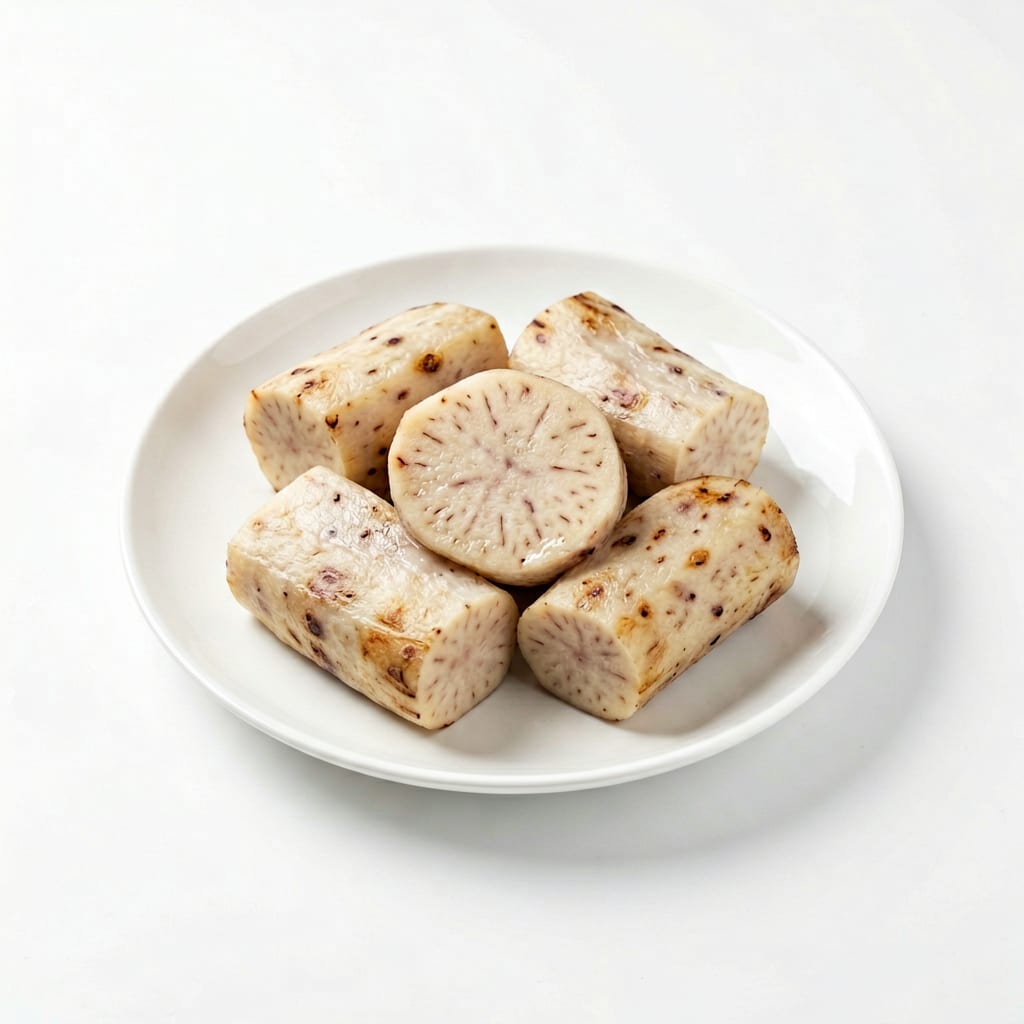
Taro
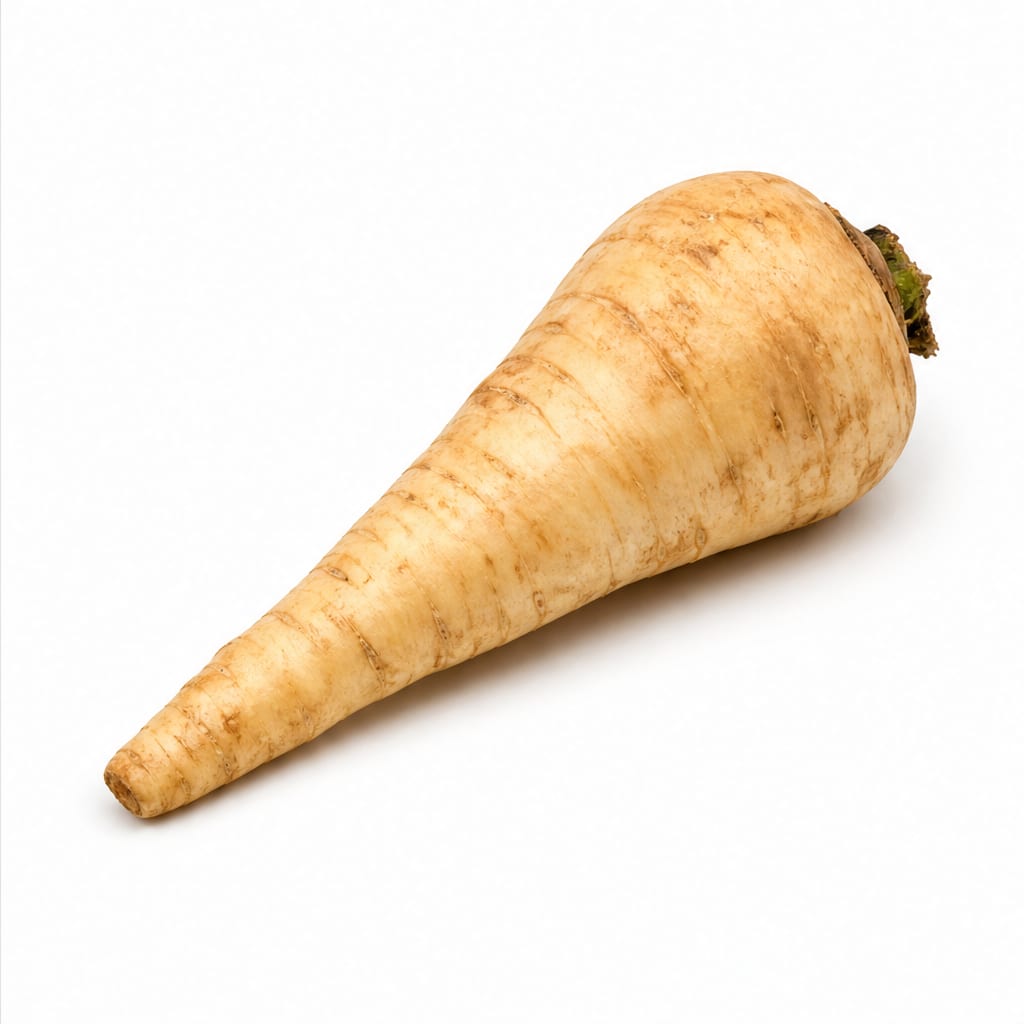
Parsnip
Parsnip is lighter and easier to use daily, while Taro offers steadier energy and more resistant starch for gut health.
Parsnip edges ahead mainly on practicality and lower calorie density, but Taro wins on blood sugar control and gut health. The close scores reflect that both are nutritious whole foods with different strengths.
Taro gives you better blood sugar stability and gut-feeding fiber, but demands careful cooking. Parsnip is simpler to prepare and lower in calories, but has a higher natural sugar content.
At a glance
Executive summary
Overall
It depends
Healthier
It depends
More practical
Parsnip
Daily use
Parsnip
Key comparison lenses
blood sugar management
Both are starchy root vegetables, so glycemic impact is the primary concern for most users choosing between them
digestive tolerance and safety
Taro contains calcium oxalate crystals requiring thorough cooking, while parsnip has phototoxic compounds that matter for handling
weight management and satiety
Users comparing root vegetables often want to know which keeps them fuller with fewer calories
nutrient density for daily use
Both are whole foods, so understanding which offers more micronutrient value per bite matters for regular consumption
cooking convenience and versatility
Taro demands more careful preparation, while parsnip is more forgiving in the kitchen
Best choice for
Taro
- People managing diabetes or insulin resistance
- Anyone prioritizing gut health and microbiome support
- Those wanting longer-lasting energy without crashes
- Individuals who enjoy traditional Asian or Pacific Islander cuisine
Parsnip
- People counting calories or managing weight
- Anyone wanting a quick-cooking root vegetable for weeknights
- Those who prefer sweeter, milder flavors in roasted dishes
- Home cooks looking for an easy potato substitute
Least suitable for
Taro
- People with kidney stones or oxalate sensitivity
- Anyone impatient with prep or who skips thorough cooking
- Those watching calorie intake closely
- People unfamiliar with proper taro preparation techniques
Parsnip
- People strictly limiting sugar even from whole foods
- Those on very low-carb or keto diets
- Anyone with sensitivity to furanocoumarins or on photosensitizing medications
- People who dislike sweet flavors in savory dishes
Deep comparison
Dimension by dimension
Each lens scores both foods and breaks down who each option suits.
- Dimension 1 · Priority 92Taro
blood sugar stability
Taro · 78Parsnip · 62Taro has more resistant starch and a lower effective glycemic load, leading to steadier blood sugar after meals.
Tradeoff
Parsnip tastes sweeter because it contains more natural sugars, which means a faster glucose rise despite its fiber content.
Why it matters
If you get afternoon energy crashes or manage diabetes, this difference affects how you feel hours after eating.
Real-world impact
A taro-based lunch keeps you stable until dinner. A parsnip-heavy meal might leave you reaching for a snack sooner.
Taro
- Diabetics and pre-diabetics
- People who get sleepy after carb-heavy meals
- Anyone doing intermittent fasting who wants stable energy
Better for
- Those who need fast carbohydrate energy post-workout
Worse for
Parsnip
- Active people who need quicker energy replenishment
- Athletes refueling after intense exercise
Better for
- Anyone monitoring blood sugar closely
- People with insulin resistance
Worse for
- Dimension 2 · Priority 88Taro
fiber quality and gut health
Taro · 82Parsnip · 70Taro is rich in resistant starch and glucomannan fiber, both of which feed beneficial gut bacteria more effectively than the soluble fiber in parsnips.
Tradeoff
Parsnip still provides solid fiber at roughly 6.5g per cup cooked, but lacks the prebiotic punch of taro's resistant starch.
Why it matters
Your gut microbiome thrives on resistant starch. Better gut bacteria means improved digestion, immunity, and even mood.
Real-world impact
Regular taro eaters may notice less bloating and more regular digestion over time compared to parsnip-only diets.
Taro
- People with IBS-C or chronic constipation
- Anyone taking probiotics who wants to feed those good bacteria
- Those focused on microbiome diversity
Better for
- People on low-FODMAP diets during elimination phases
Worse for
Parsnip
- People who need gentle, non-fermenting fiber
- Anyone sensitive to fermentable carbohydrates
Better for
- Those specifically seeking prebiotic fiber benefits
Worse for
- Dimension 3 · Priority 80Parsnip
calorie density and weight management
Taro · 58Parsnip · 76Parsnip delivers fewer calories per cup at roughly 100 versus taro's 142, making it easier to fit into a calorie-conscious eating plan.
Tradeoff
Taro is more calorie-dense because it packs more starch, which helps with satiety but adds up faster if you eat large portions.
Why it matters
For weight loss, volume matters. You can eat more parsnip for the same calories, which helps with feeling satisfied.
Real-world impact
A roasted parsnip side dish fits more comfortably into a 500-calorie dinner than an equivalent portion of taro.
Taro
- People who need higher-calorie whole foods for maintenance
- Those struggling to eat enough rather than too much
Better for
- Careful calorie counters
- Those prone to overeating starchy foods
Worse for
Parsnip
- Anyone actively losing weight
- People who prefer larger food portions within a calorie budget
Better for
- Underweight individuals needing calorie density
Worse for
- Dimension 4 · Priority 75It depends
micronutrient profile
Taro · 72Parsnip · 74Taro excels in vitamin E, vitamin B6, and manganese. Parsnip wins on folate, vitamin C, and vitamin K. Both offer solid potassium.
Tradeoff
Neither is a micronutrient powerhouse compared to leafy greens, but they complement each other well if you rotate them.
Why it matters
Folate supports cell repair and is critical during pregnancy. Vitamin E protects cells from damage. Both matter long-term.
Real-world impact
If you are pregnant or planning to be, parsnip's folate gives it an edge. For everyday antioxidant support, taro's vitamin E helps more.
Taro
- People wanting more antioxidant protection from vitamin E
- Anyone needing B6 for mood and energy metabolism
Better for
- Those specifically seeking folate from whole foods
Worse for
Parsnip
- Women of childbearing age needing folate
- People wanting immune support from vitamin C
- Anyone needing vitamin K for bone health
Better for
- People looking for vitamin E from starch sources
Worse for
- Dimension 5 · Priority 70Parsnip
preparation safety and convenience
Taro · 45Parsnip · 82Raw taro contains calcium oxalate crystals that cause severe mouth and throat irritation, demanding thorough peeling and cooking. Parsnip is far more forgiving.
Tradeoff
Taro's safety requirement adds prep time and anxiety for unfamiliar cooks. Parsnip can even be eaten raw in salads without risk.
Why it matters
If a food is intimidating to prepare, you will cook it less often. Convenience directly impacts how consistently you eat it.
Real-world impact
Parsnip can be quickly peeled, chopped, and roasted in 25 minutes. Taro requires gloves for peeling and must be fully cooked through with no shortcuts.
Taro
- Experienced cooks comfortable with traditional preparation methods
- Those who already know how to handle oxalate-rich foods
Better for
- Beginner cooks
- Anyone who rushes meal prep
- People with sensitive skin who want to avoid handling irritants
Worse for
Parsnip
- Busy weeknight cooks
- Meal preppers who want simplicity
- Anyone new to cooking root vegetables
Better for
- Those who enjoy elaborate traditional cooking processes
Worse for
Timeline
Health impact over time
Short-term
Hours to days
Taro
- Provides sustained energy without a sharp blood sugar spike
- Can cause mouth and throat burning if undercooked due to calcium oxalate
- Resistant starch may cause temporary gas or bloating if your gut is not used to it
Parsnip
- Delivers quicker energy from its higher natural sugar content
- Gentle on the digestive system with well-tolerated fiber
- May trigger mild digestive discomfort if eaten in very large quantities
Long-term
Months to years
Taro
- Resistant starch intake supports healthier gut microbiome diversity over time
- Consistent consumption may improve insulin sensitivity
- Oxalate load could contribute to kidney stone formation in susceptible individuals
Parsnip
- Regular folate intake supports cellular repair and cardiovascular health
- Vitamin C and K contribute to long-term bone and immune health
- Higher natural sugar content from frequent consumption may affect blood sugar management over years
Risk profile
Safety & processing
Both taro and parsnip are whole, unprocessed root vegetables. Neither typically carries additives when purchased fresh. The main concern is not processing but proper cooking, especially for taro.
Taro
Calcium oxalate toxicity from undercooking
highRaw or undercooked taro contains needle-shaped calcium oxalate crystals that cause immediate burning, swelling, and irritation in the mouth and throat. Always boil, steam, or roast taro until completely tender.
Kidney stone aggravation from oxalates
mediumEven when cooked, taro retains oxalates that can contribute to calcium oxalate kidney stones in prone individuals. People with a history of stones should limit taro or pair it with calcium-rich foods.
Skin irritation during peeling
mediumHandling raw taro with bare hands can cause itching and irritation. Wear gloves or oil your hands before peeling.
Parsnip
Furanocoumarin phototoxicity from handling
lowParsnip leaves and stems contain furanocoumarins that can cause skin rashes in sunlight. The root itself has minimal amounts, but sensitive individuals should wash hands after handling.
Wild parsnip misidentification
mediumWild parsnip is an invasive weed with much higher furanocoumarin levels. Always purchase cultivated parsnip from trusted sources rather than foraging.
Who wins for whom
Audience fit
Same foods, different winners depending on your goal.
children
ParsnipParsnip's natural sweetness appeals more to kids, and it carries no risk of mouth irritation from undercooking, making it safer for family meals.
daily consumption
ParsnipParsnip's simpler preparation, lower calorie density, and gentler digestive profile make it more sustainable as an everyday staple without extra planning.
diabetes
TaroTaro's resistant starch and lower effective glycemic load create a slower, more manageable blood sugar response compared to parsnip's higher sugar content.
elderly
ParsnipParsnip is gentler on digestion, easier to prepare safely, and provides folate and vitamin K which support cardiovascular and bone health in aging adults.
muscle gain
TaroTaro provides more carbohydrate per serving, which supports glycogen replenishment and training volume for muscle-building programs.
weight loss
ParsnipParsnip has roughly 30% fewer calories per cup than taro, making it easier to maintain a calorie deficit while still enjoying starchy satisfaction.
Your move
Decision guide
Choose Taro
- You want steadier blood sugar and longer-lasting energy from your carbs
- Gut health and feeding your microbiome is a top priority
- You are comfortable with careful preparation and thorough cooking
- You enjoy traditional dishes from Asian, Pacific Islander, or African cuisines
- You need a higher-calorie whole food for active days
Choose Parsnip
- You want a lower-calorie root vegetable that fits easily into weight management
- Weeknight cooking speed and simplicity matter to you
- You prefer sweeter flavors in roasted vegetable dishes
- You are pregnant or trying to conceive and want more folate from food
- You are cooking for children who need safe, mild-tasting vegetables
Either works if
- You simply want a nutritious whole-food carbohydrate instead of refined grains
- You are rotating root vegetables for dietary variety
- You are not managing a specific health condition that favors one over the other
Avoid both if
- You are on a strict very-low-carb or ketogenic diet
- You have severe oxalate restrictions and cannot tolerate either root
- You need high-protein foods and are relying too heavily on starchy vegetables
Final recommendation
For most people, parsnip is the easier daily choice thanks to simpler prep and lower calories. But if blood sugar control or gut health is your priority, taro is worth the extra cooking care. The best approach is rotating both to get taro's resistant starch and parsnip's folate and vitamin C throughout the week.
Practical
Consumer tips
- 1
Wear gloves or coat your hands in oil when peeling taro to avoid skin irritation from oxalate crystals
- 2
Always cook taro until completely soft with no firm or chalky spots remaining
- 3
Parsnip sweetens after a frost, so shop for it in late fall and winter for the best flavor
- 4
Pair taro with calcium-rich foods like yogurt or cheese to reduce oxalate absorption if you are prone to kidney stones
- 5
Roast parsnip with olive oil and rosemary for a simple side that brings out its natural sweetness without added sugar
- 6
Boil taro before frying or mashing to ensure the oxalate crystals are fully neutralized
- 7
Store both vegetables in a cool dark place or the refrigerator crisper and use within one to two weeks for best quality
- 8
If taro causes you digestive gas at first, start with small portions and increase gradually as your gut adapts to the resistant starch