
Nutrition comparison
Taro vs Cassava: Nutrition, Safety, and Which Root Vegetable Is Better for You
Compare taro and cassava side by side. Learn which root vegetable is safer, more nutritious, and better for your health goals, plus essential cooking safety tips.
Overall winner · Taro
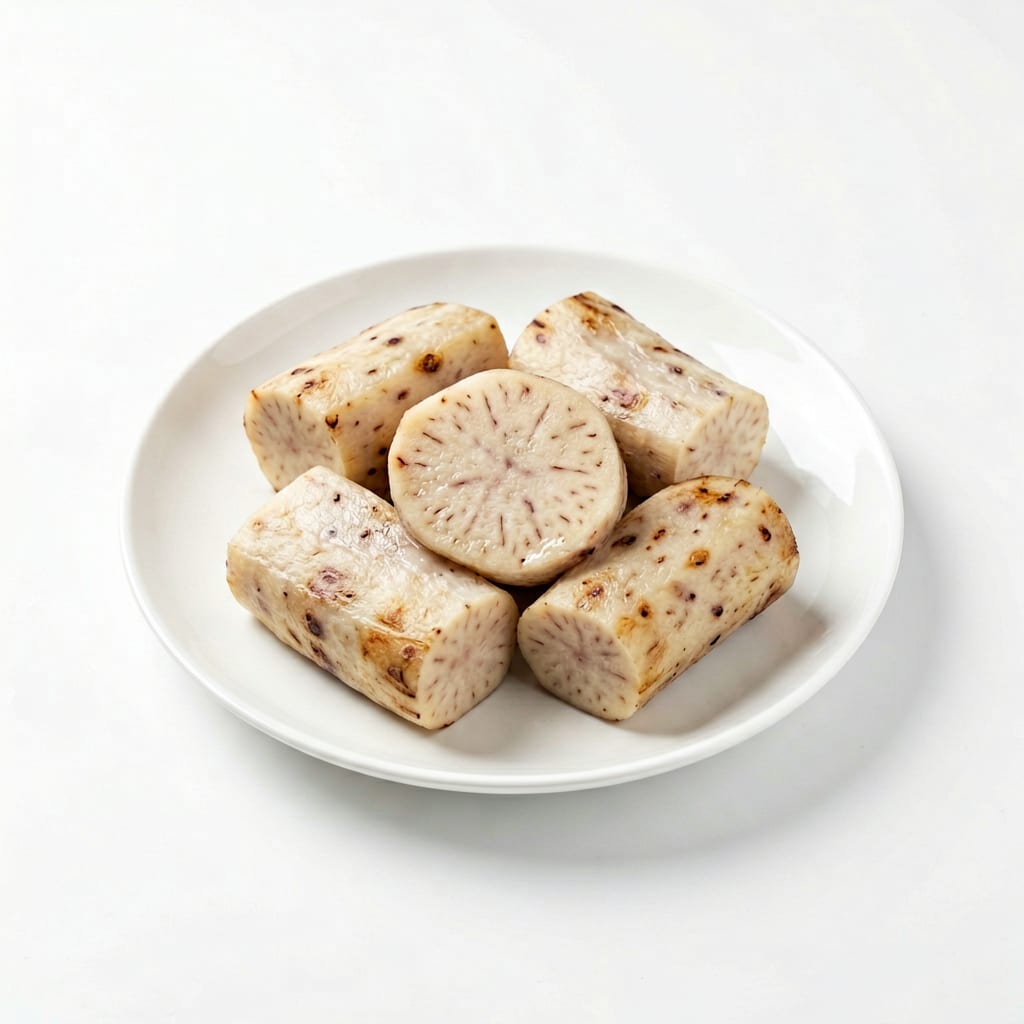
Taro
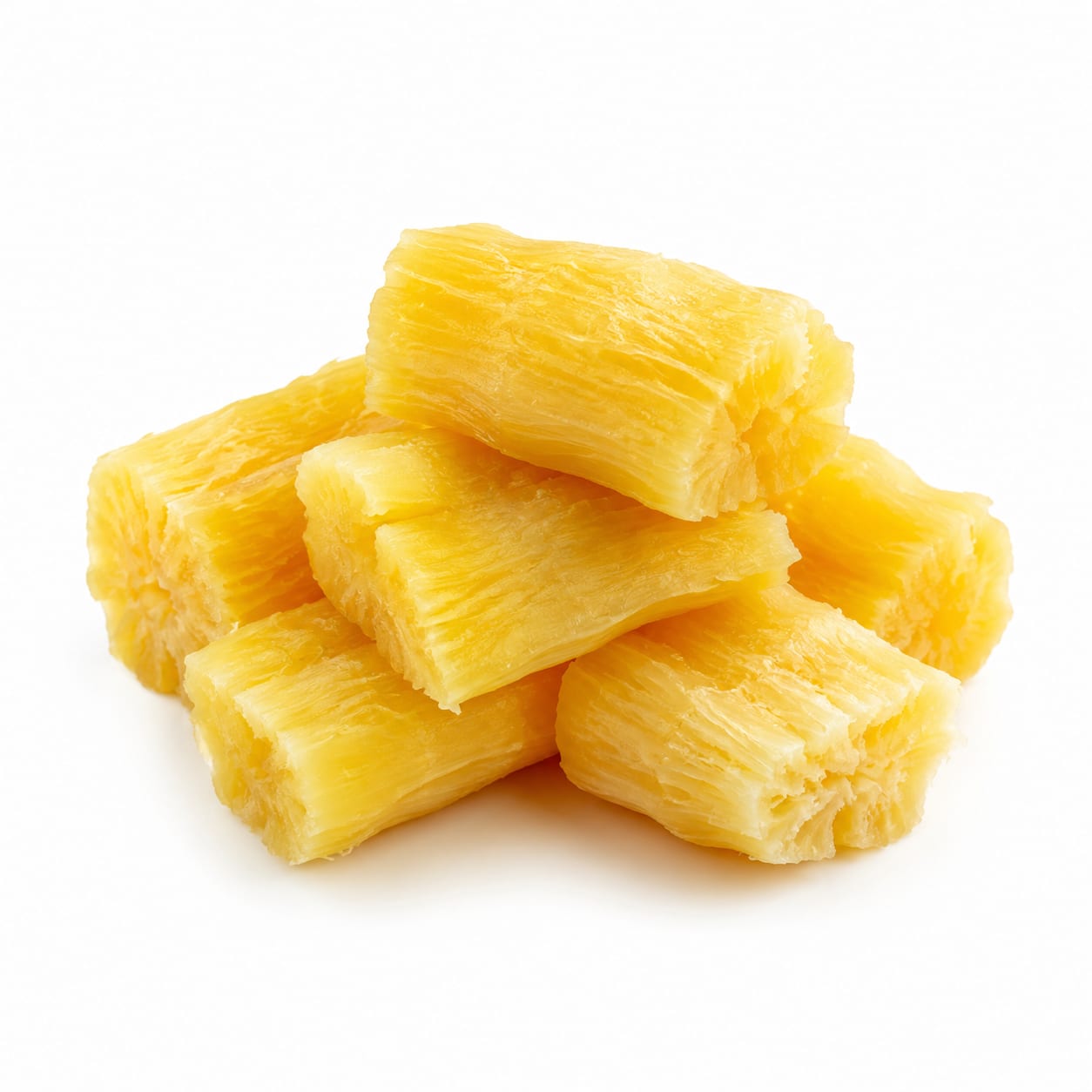
Cassava
Taro edges out cassava thanks to better fiber, more micronutrients, and a less dangerous toxin profile, though both require proper cooking and serve similar roles as dense carb staples.
Taro scores higher due to superior micronutrient density, more fiber, and a less hazardous toxin profile. Cassava loses ground on safety risks and lower nutritional value per calorie, though it wins on calorie density and availability in certain regions.
Cassava delivers more calories and carbs per bite, but taro offers better nutritional quality and significantly lower safety risks when preparation is imperfect.
At a glance
Executive summary
Overall
Taro
Healthier
Taro
More practical
It depends
Daily use
Taro
Key comparison lenses
safety and toxin concerns
Both foods contain natural toxins that must be neutralized through cooking, but cassava's cyanogenic glycosides are far more dangerous if improperly prepared
staple carb comparison
Users are typically choosing between these as dietary starch staples and want to know which provides better nutrition per calorie
blood sugar management
Both are high-carb root vegetables, so glycemic impact is a key decision factor
digestive tolerance
Taro's oxalates and cassava's cyanide precursors both affect digestion differently
nutritional value per serving
Users want to know which root delivers more vitamins, minerals, and fiber for the calories
Best choice for
Taro
- People seeking more fiber and steadier digestion
- Those concerned about food safety and toxin exposure
- Anyone wanting more vitamins and minerals per calorie
- Households with less experience preparing tropical root vegetables
Cassava
- Athletes or laborers needing maximum calorie density
- People on gluten-free diets seeking a flour alternative
- Those in regions where cassava is the affordable local staple
- Anyone wanting a neutral-flavored base for savory dishes
Least suitable for
Taro
- People with oxalate sensitivity or kidney stone history
- Those needing maximum calorie intake on a budget
Cassava
- Anyone unfamiliar with proper cassava preparation techniques
- People with cyanide sensitivity or compromised detoxification
- Children if preparation safety is uncertain
Deep comparison
Dimension by dimension
Each lens scores both foods and breaks down who each option suits.
- Dimension 1 · Priority 95Taro
safety_and_toxin_risk
Taro · 72Cassava · 40Taro contains calcium oxalate crystals that cause mouth and throat irritation if eaten raw, but cooking eliminates this effectively. Cassava contains cyanogenic glycosides that release cyanide, which is far more dangerous and has caused fatal poisoning.
Tradeoff
Taro's oxalate irritation is unpleasant but rarely life-threatening, while cassava's cyanide risk is genuinely dangerous, especially with bitter varieties or inadequate processing.
Why it matters
Improperly prepared cassava has caused acute poisoning deaths, particularly in food-insecure regions. Taro's worst-case scenario is mouth irritation from undercooking.
Real-world impact
If you slightly undercook taro, your mouth tingles. If you slightly undercook bitter cassava, you could end up in the hospital.
Taro
- Households with variable cooking skill levels
- Families cooking for children
Better for
- People who try to eat it raw
Worse for
Cassava
- Experienced cooks who know proper soaking and fermentation techniques
Better for
- Anyone who skips the peeling and soaking steps
- Communities with limited water access for processing
Worse for
- Dimension 2 · Priority 85Taro
nutritional_density
Taro · 70Cassava · 50Taro provides more fiber, potassium, vitamin E, and B vitamins per calorie than cassava. Cassava is primarily starch with fewer micronutrients to show for its calories.
Tradeoff
Cassava gives you more calories and carbs per serving, but taro gives you more actual nutrition per bite.
Why it matters
If you're eating a root vegetable as a dietary staple, the micronutrient gap compounds over time.
Real-world impact
A taro-based diet quietly delivers more potassium and fiber. A cassava-heavy diet without supplementation can contribute to nutrient deficiencies over months.
Taro
- People relying on root vegetables as a primary food source
- Anyone wanting to maximize nutrition per calorie
Better for
- Very active people who need calorie density
Worse for
Cassava
- Those who need pure caloric fuel above all else
Better for
- Anyone at risk of micronutrient deficiency
Worse for
- Dimension 3 · Priority 80Taro
blood_sugar_impact
Taro · 55Cassava · 40Both are high-glycemic starchy roots, but taro's higher fiber content slows glucose absorption somewhat. Cassava's starch is digested quickly, causing sharper blood sugar spikes.
Tradeoff
Neither is ideal for blood sugar control, but taro is the slightly gentler option. Both should be paired with protein and fat.
Why it matters
For people with diabetes or insulin resistance, the difference between a sharp spike and a moderate one matters daily.
Real-world impact
Eating cassava alone can feel energizing then crash-inducing. Taro with a protein source gives steadier energy for a few hours.
Taro
- People with prediabetes or mild insulin resistance
- Those who experience afternoon energy crashes
Better for
- People who need extremely low-glycemic foods
Worse for
Cassava
- Endurance athletes needing quick carbohydrate fuel
Better for
- Anyone managing diabetes without medication
Worse for
- Dimension 4 · Priority 75Taro
digestive_tolerance
Taro · 60Cassava · 55Properly cooked taro is gentle on the stomach and its fiber supports healthy digestion. Properly cooked cassava is also well-tolerated, but its lower fiber makes it less helpful for regularity.
Tradeoff
Taro supports digestion better long-term, but both are comfortable to eat when well-prepared.
Why it matters
For people relying on these as daily staples, the fiber difference affects bathroom regularity and gut health over weeks and months.
Real-world impact
Regular taro eaters tend to have smoother digestion. Heavy cassava consumers may need additional fiber sources to stay regular.
Taro
- People who struggle with constipation
- Those wanting gut-friendly carb sources
Better for
- People with oxalate-related kidney stone risk
Worse for
Cassava
- People recovering from digestive illness who need easily digestible starch
Better for
- Those who already lack dietary fiber
Worse for
- Dimension 5 · Priority 70Cassava
calorie_density_and_satiety
Taro · 58Cassava · 72Cassava packs more calories and carbs per serving, making it more filling in the short term for active people. Taro is moderately satisfying but less calorie-dense.
Tradeoff
Cassava fills you up faster with sheer carb volume, but taro's fiber provides longer-lasting satiety signals.
Why it matters
For manual laborers or athletes, cassava's calorie density is an advantage. For sedentary individuals, it's easy to overconsume.
Real-world impact
A cassava meal after physical work feels deeply satisfying. A taro meal keeps you comfortable without the heavy fullness.
Taro
- People watching their calorie intake
- Those who prefer lighter meals
Better for
- People with high caloric needs
Worse for
Cassava
- Agricultural workers and athletes
- Anyone struggling to eat enough calories
Better for
- Anyone trying to lose weight
Worse for
- Dimension 6 · Priority 65It depends
versatility_and_preparation
Taro · 65Cassava · 65Both are versatile in similar ways: boiling, mashing, frying, and flour production. Taro has a slightly nutty, earthy flavor. Cassava is more neutral, making it a blank canvas.
Tradeoff
Taro brings more flavor personality to dishes. Cassava's neutrality makes it more adaptable to both sweet and savory recipes.
Why it matters
Flavor preference affects whether you actually enjoy eating these regularly.
Real-world impact
Taro works beautifully in savory stews and as a mashed side. Cassava excels as fries, flatbreads, and neutral bases for bold sauces.
Taro
- People who enjoy earthy, distinct flavors
- Those making traditional Asian or Pacific Islander dishes
Better for
- Cooks wanting a completely neutral starch
Worse for
Cassava
- People wanting a neutral base for other flavors
- Those making gluten-free baked goods
Better for
- Dishes where the root's own flavor should shine
Worse for
Timeline
Health impact over time
Short-term
Hours to days
Taro
- Undercooked taro causes immediate mouth and throat irritation from oxalate crystals
- Properly cooked taro provides steady, comfortable energy for 2-3 hours
- The fiber content promotes comfortable digestion within hours of eating
Cassava
- Undercooked cassava can cause dizziness, headache, nausea, and in severe cases acute cyanide poisoning
- Properly cooked cassava provides a quick energy boost that may fade within 1-2 hours
- Large portions can cause bloating due to rapid starch digestion
Long-term
Months to years
Taro
- Regular consumption supports cardiovascular health through potassium intake
- Fiber contributes to sustained gut health and regularity over months
- Oxalate accumulation may be a concern for people prone to calcium oxalate kidney stones
Cassava
- Chronic low-level cyanide exposure from marginally prepared cassava is linked to neurological issues and konzo disease
- Long-term reliance without dietary diversity can lead to protein and micronutrient deficiencies
- Low fiber intake may contribute to digestive sluggishness over time
Risk profile
Safety & processing
Both taro and cassava are whole, minimally processed root vegetables when purchased fresh. The main concern is not additives but natural toxins that require proper cooking. Processed forms like cassava flour or taro chips introduce additional considerations around added oils and sodium.
Taro
Calcium oxalate irritation
mediumRaw taro contains needle-shaped calcium oxalate crystals that cause immediate burning and swelling of lips, tongue, and throat. Thorough boiling or baking eliminates this risk.
Kidney stone contribution
lowOxalates from taro can contribute to kidney stone formation in susceptible individuals, especially when consumed in large quantities with inadequate hydration.
Cassava
Cyanogenic glycoside poisoning
highCassava contains compounds that release hydrogen cyanide when cells are damaged. Bitter varieties contain significantly more. Improper preparation has caused acute poisoning and death. Peeling, soaking, and thorough cooking are essential.
Chronic cyanide exposure
mediumEven sub-acute levels of cyanide from marginally processed cassava are associated with neurological disorders including konzo and tropical ataxic neuropathy, particularly in populations relying on it as a staple.
Who wins for whom
Audience fit
Same foods, different winners depending on your goal.
children
TaroTaro's milder toxin profile makes it safer for households where cooking consistency varies. Cassava's cyanide risk demands more careful preparation that may not always be reliable.
daily consumption
TaroTaro's better nutritional profile and lower safety risk make it more suitable as a daily staple, provided oxalate sensitivity is not an issue.
diabetes
TaroTaro's fiber slows glucose absorption modestly, making it the slightly better choice, though both require careful portioning and pairing with protein.
elderly
TaroOlder adults benefit more from taro's potassium for heart health and fiber for digestion, with less safety risk from imperfect cooking.
muscle gain
CassavaCassava's higher carbohydrate and calorie content provides more fuel for intense training and recovery.
weight loss
TaroTaro's higher fiber and lower calorie density make it easier to control portions and stay satisfied with fewer calories.
Your move
Decision guide
Choose Taro
- You want more nutrition per calorie from your staple carb
- Safety is a priority and you want more margin for error in cooking
- You value fiber for digestion and long-term gut health
- You have kidney stone concerns but can moderate oxalate intake
Choose Cassava
- You need maximum calorie density for physical labor or athletic training
- Cassava is the affordable and available local staple in your region
- You are an experienced cook confident in proper soaking and preparation
- You want a neutral-flavored base for diverse recipes
Either works if
- You want a gluten-free alternative to wheat-based carbs
- You enjoy exploring traditional tropical and subtropical cuisines
- You are pairing the root with protein and vegetables in a balanced meal
Avoid both if
- You are following a very low-carb or ketogenic diet
- You have severe blood sugar instability without medication support
- You lack reliable access to adequate cooking facilities
Final recommendation
For most people, taro is the smarter default choice. It delivers more fiber, more micronutrients, and a significantly safer toxin profile than cassava. Choose cassava when you specifically need its calorie density or when it is the practical staple in your region, but always prioritize thorough peeling, soaking, and cooking. Neither food should be eaten raw, and both work best as part of a meal that includes protein and vegetables.
Practical
Consumer tips
- 1
Never eat taro or cassava raw. Both require thorough cooking to neutralize natural toxins.
- 2
For cassava, always peel deeply and soak for at least 4-6 hours before cooking. Bitter varieties need longer processing.
- 3
If your mouth tingles while eating taro, it needs more cooking time. Stop eating and return it to heat.
- 4
Pair either root with a protein source like fish, beans, or eggs to blunt blood sugar spikes.
- 5
If you have a history of calcium oxalate kidney stones, limit taro frequency and drink plenty of water when consuming it.
- 6
Cassava flour is not inherently safer than fresh cassava. Verify that commercially available flour comes from properly processed roots.
- 7
Boil both roots rather than roasting if you want maximum toxin reduction. Boiling water leaches and degrades toxins more effectively.
- 8
Store both in a cool, dry, well-ventilated area. Do not refrigerate raw cassava, as cold damage can increase cyanide production.