
Nutrition comparison
Taro vs Pumpkin: Which Is Healthier for Your Goals?
Compare taro and pumpkin nutrition including calories, fiber, vitamin A, blood sugar impact, and safety. Find out which root vegetable fits your diet best.
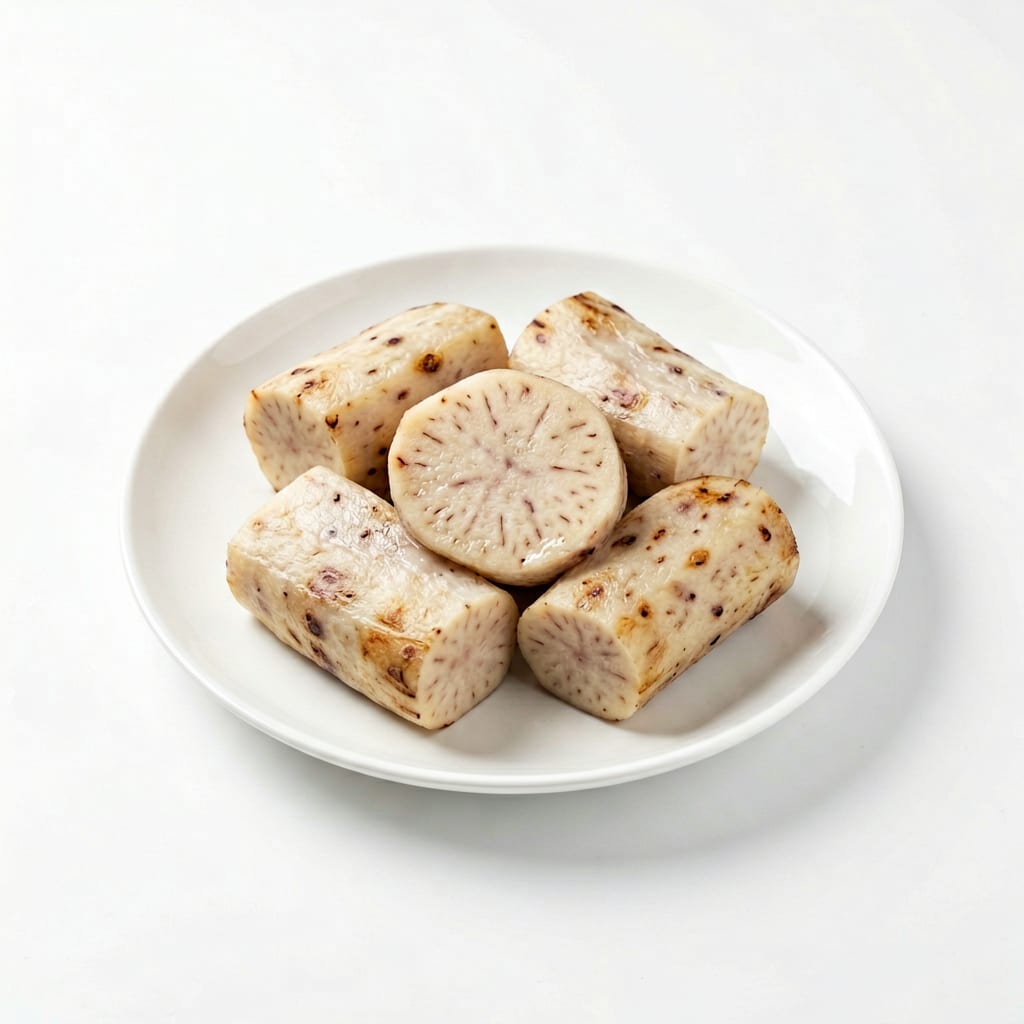
Taro
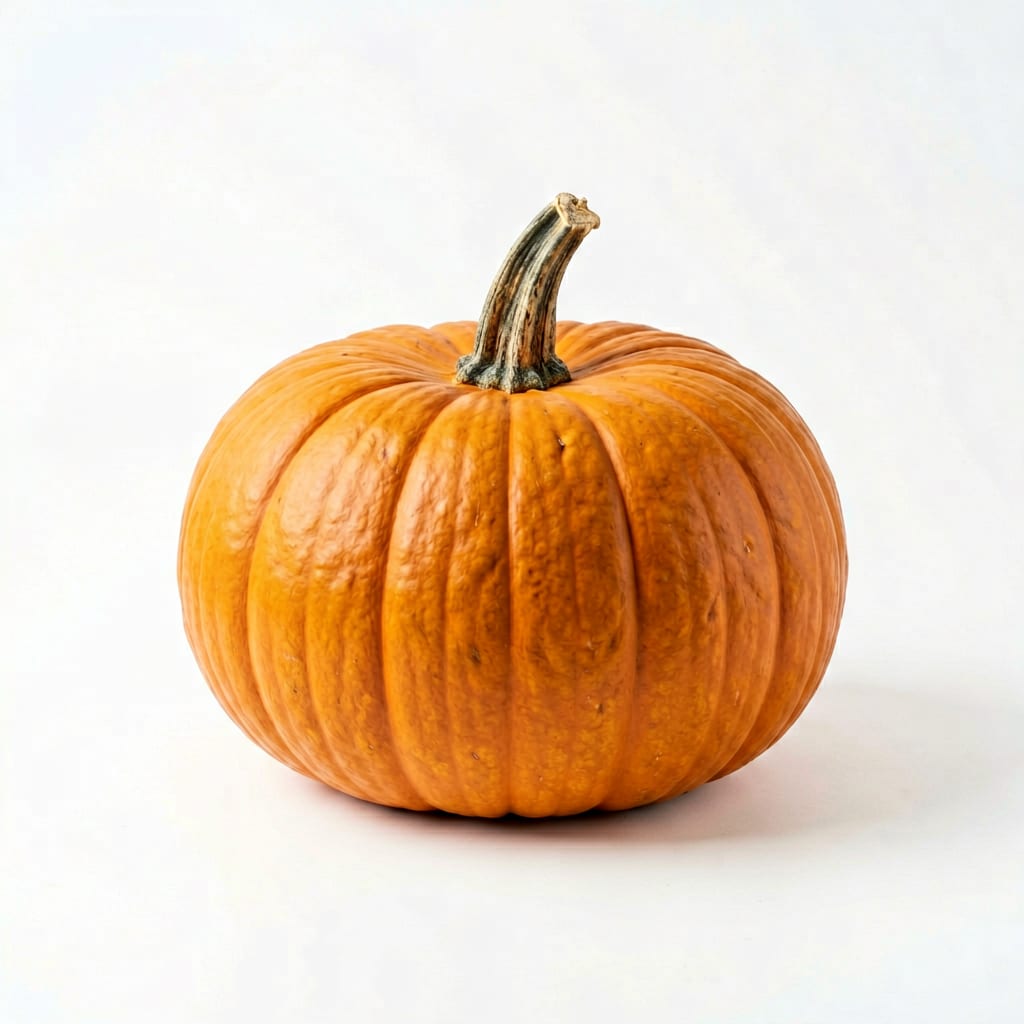
Pumpkin
Pumpkin wins for low-calorie nutrition and vitamin A, while taro wins for sustained energy and gut-friendly resistant starch.
Pumpkin scores higher overall due to its exceptional nutrient-to-calorie ratio, superior vitamin A content, and easier safety profile. Taro remains valuable for specific needs like sustained energy and gut health but requires more caution and carries more calories.
Calorie density versus satiety power. Pumpkin lets you eat more volume for fewer calories, but taro keeps you full longer with its starchy substance.
At a glance
Executive summary
Overall
It depends
Healthier
It depends
More practical
Pumpkin
Daily use
Pumpkin
Key comparison lenses
blood sugar management and glycemic impact
Taro is a starchy root with resistant starch while pumpkin is a low-carb squash, making glycemic response the most critical differentiator
weight loss and calorie efficiency
Pumpkin is dramatically lower in calories per serving, a major factor for anyone managing intake
satiety and meal satisfaction
Taro's dense starch content makes it far more filling, which matters for hunger control and meal planning
safety and preparation requirements
Raw taro contains toxic calcium oxalate crystals and must always be cooked thoroughly, while pumpkin is safe raw or cooked
vitamin A and antioxidant needs
Pumpkin is one of the richest sources of beta-carotene available, while taro offers negligible vitamin A
Best choice for
Taro
- People needing sustained energy like manual workers or athletes
- Those managing gut health through resistant starch intake
- Anyone wanting a filling starchy side that will not spike blood sugar as sharply as potatoes or rice
- Individuals following traditional Asian or Pacific Island diets
Pumpkin
- People actively losing weight who need low-calorie volume
- Anyone needing more vitamin A in their diet
- Those wanting a versatile ingredient that works in both savory and sweet dishes
- Busy cooks who want something safe and easy to prepare
Least suitable for
Taro
- People strictly counting calories on a deficit
- Anyone unfamiliar with proper taro preparation who might undercook it
- Those on a very low-carb or keto diet
- People with oxalate sensitivity or kidney stone history
Pumpkin
- Athletes or workers needing calorie-dense fuel
- People who find low-calorie foods unsatisfying on their own
- Those looking for a substantial starchy base for meals
Deep comparison
Dimension by dimension
Each lens scores both foods and breaks down who each option suits.
- Dimension 1 · Priority 92Pumpkin
blood sugar stability
Taro · 65Pumpkin · 82Pumpkin has a much lower glycemic load per serving, making it easier on blood sugar. Taro's resistant starch helps, but its higher carbohydrate content still delivers a larger glucose impact.
Tradeoff
Taro provides longer-lasting energy from its starch density, while pumpkin avoids significant blood sugar elevation altogether at typical serving sizes.
Why it matters
If you are prediabetic, diabetic, or sensitive to energy crashes, pumpkin is the safer bet. Taro is still better than white potatoes or rice but demands more portion awareness.
Real-world impact
A taro meal will keep you fueled for hours but may cause a noticeable energy rise and dip. A pumpkin side will barely move your blood sugar but will not sustain you as long.
Taro
- Endurance athletes needing slow-burning fuel
- People replacing worse starches like white rice
Better for
- Those who must strictly limit carbohydrate intake
- People sensitive to post-meal blood sugar rises
Worse for
Pumpkin
- Diabetics managing glucose spikes
- Anyone prone to afternoon energy crashes
- People eating late at night before bed
Better for
- Workers needing calorie-dense sustained energy
Worse for
- Dimension 2 · Priority 85Taro
satiety and fullness
Taro · 84Pumpkin · 58Taro is significantly more filling due to its dense starch and fiber content. Pumpkin is light and watery, which means you will likely feel hungry sooner after eating it.
Tradeoff
Taro fills you up but costs more calories. Pumpkin saves calories but may leave you reaching for a snack within an hour.
Why it matters
If hunger control is your main struggle, taro's staying power can prevent overeating later. If you prefer grazing or eating larger volumes, pumpkin gives you more plate space.
Real-world impact
A cup of cooked taro feels like a real meal component. A cup of pumpkin feels like a side dish you forget you ate.
Taro
- People who skip meals and need one to last
- Anyone replacing meat or grains with a filling plant base
- Those trying to reduce snacking between meals
Better for
- Those who feel uncomfortably heavy after starchy meals
Worse for
Pumpkin
- People who prefer eating larger portions
- Anyone practicing volume eating for weight loss
Better for
- Emotional eaters who need meals to feel satisfying
- People prone to late-night hunger after light dinners
Worse for
- Dimension 3 · Priority 88Pumpkin
nutrient density per calorie
Taro · 62Pumpkin · 89Pumpkin delivers an exceptional amount of vitamin A and other micronutrients for very few calories. Taro offers good minerals and fiber but requires more calories to get comparable micronutrient variety.
Tradeoff
Pumpkin is a micronutrient powerhouse per calorie but lacks the B vitamins and resistant starch that taro provides. Taro gives you more macronutrient substance at the cost of calorie efficiency.
Why it matters
If every calorie counts for your goals, pumpkin offers more nutritional return per bite. If you need substance and energy, taro justifies its calories better than most starches.
Real-world impact
One cup of pumpkin gives you over 200% of your daily vitamin A for under 50 calories. Taro gives you solid fiber and potassium but at nearly 190 calories per cup.
Taro
- Those who need both calories and nutrients together
- People recovering from illness who need energy plus nutrition
Better for
- Calorie restrictors who cannot afford starchy energy density
Worse for
Pumpkin
- Anyone on a calorie budget who still wants maximum nutrition
- People who do not eat enough orange vegetables for vitamin A
Better for
- Those already meeting vitamin A needs through other foods
Worse for
- Dimension 4 · Priority 80Taro
digestive health and gut friendliness
Taro · 80Pumpkin · 70Taro's resistant starch acts as a prebiotic, feeding beneficial gut bacteria. Pumpkin offers gentle soluble fiber that soothes digestion but has less prebiotic impact.
Tradeoff
Taro feeds your gut microbiome more effectively but can cause bloating if you are not used to resistant starch. Pumpkin is gentler and less likely to cause gas.
Why it matters
Gut health affects everything from immunity to mood. Taro is a stronger gut investment, but only if your digestive system tolerates it well.
Real-world impact
Adding taro regularly may improve your gut bacteria over weeks, but the first few servings might cause some gassiness. Pumpkin is the safer choice if you have a sensitive stomach today.
Taro
- People actively building gut microbiome diversity
- Those already comfortable with high-fiber diets
Better for
- Those new to high-fiber diets who may experience bloating
- People with active digestive inflammation
Worse for
Pumpkin
- Anyone with irritable bowel syndrome or sensitive digestion
- People recovering from stomach illness who need gentle foods
Better for
- Those specifically seeking prebiotic benefits
Worse for
- Dimension 5 · Priority 80Pumpkin
safety and ease of preparation
Taro · 48Pumpkin · 90Raw taro contains calcium oxalate crystals that can cause severe mouth and throat irritation, requiring thorough cooking. Pumpkin is safe raw or cooked with no toxicity risk.
Tradeoff
Taro rewards careful preparation with a unique creamy texture and flavor, but the safety barrier is real. Pumpkin is virtually foolproof.
Why it matters
If you are cooking for children, elderly family members, or anyone unfamiliar with taro, the risk of improper preparation is a genuine concern.
Real-world impact
Undercooked taro can make your mouth feel like you ate glass. Pumpkin can go straight from cutting to eating with zero risk.
Taro
- Experienced cooks familiar with root vegetable preparation
- Those who value traditional cooking methods and techniques
Better for
- Households with small children who might sample raw ingredients
- Anyone with a history of kidney stones related to oxalates
Worse for
Pumpkin
- Beginner cooks
- Parents preparing food for children
- Anyone meal-prepping in a hurry
Better for
Timeline
Health impact over time
Short-term
Hours to days
Taro
- Provides sustained energy for 3-4 hours after eating
- May cause mild bloating or gas if your body is unaccustomed to resistant starch
- Thorough cooking eliminates the risk of mouth and throat irritation from oxalate crystals
- Feels heavy and satisfying in the stomach, reducing urge to snack
Pumpkin
- Very light in the stomach, easy to digest within an hour
- Virtually no blood sugar disruption at normal portions
- High water content supports hydration
- May not feel satisfying enough on its own without pairing with protein or fat
Long-term
Months to years
Taro
- Regular resistant starch intake supports healthier gut bacteria populations
- Consistent fiber intake promotes regular bowel movements
- Potassium content supports healthy blood pressure over time
- Oxalate load may be a concern for those prone to calcium oxalate kidney stones
Pumpkin
- Exceptional beta-carotene intake supports eye health and immune function long-term
- Low calorie density makes sustained weight management easier
- Antioxidant content may reduce inflammation markers over months and years
- Potassium and vitamin C support cardiovascular health consistently
Risk profile
Safety & processing
Both taro and pumpkin are whole foods typically consumed in their natural state. The main concern is that packaged taro products like taro chips or taro bubble tea are ultra-processed and bear no resemblance to the whole root. Canned pumpkin can contain added sugars or syrups, so always check labels for 100% pure pumpkin.
Taro
Calcium oxalate toxicity from raw or undercooked taro
highRaw taro contains needle-shaped calcium oxalate crystals that cause immediate burning, swelling, and irritation in the mouth and throat. Always peel and cook taro thoroughly until completely soft.
Oxalate accumulation and kidney stone risk
mediumEven cooked taro contains oxalates. People with a history of calcium oxalate kidney stones should moderate their intake and ensure adequate hydration and calcium consumption from other sources.
Allergic reactions in sensitive individuals
lowSome people experience contact dermatitis from handling raw taro during peeling. Wearing gloves while preparing taro is recommended.
Pumpkin
Canned pumpkin confusion with pumpkin pie filling
mediumPumpkin pie filling contains added sugars, spices, and sometimes preservatives. Always select 100% pure pumpkin puree unless you intentionally want the sweetened version.
Pesticide residue on conventional pumpkin
lowPumpkin has a protective thick skin that reduces pesticide penetration into the flesh. Conventional pumpkin is generally considered low-risk for residue exposure.
Who wins for whom
Audience fit
Same foods, different winners depending on your goal.
children
PumpkinPumpkin is naturally sweet, safe in any preparation, and packed with vision-supporting vitamin A that growing children need. Taro's toxicity risk when undercooked makes it a stressful choice for households with kids.
daily consumption
PumpkinPumpkin's low calorie cost, safety, and versatility make it easy to eat every day without downside. Taro is healthy but its calorie density and oxalate content suggest moderation rather than daily reliance.
diabetes
PumpkinPumpkin's extremely low glycemic load makes it far safer for blood sugar management. Taro's resistant starch is better than most starches but still delivers a meaningful carbohydrate load that requires careful portioning.
elderly
PumpkinPumpkin is gentle on digestion, easy to prepare safely, and its vitamin A supports aging eyes and immune function. Taro's oxalate content and preparation requirements make it less suitable for elderly individuals who may have kidney concerns or limited cooking capacity.
muscle gain
TaroTaro provides the starchy carbohydrate fuel needed to support intense training and recovery. Its calorie density helps meet the surplus needed for muscle building, and its potassium supports muscle function.
weight loss
PumpkinPumpkin provides massive volume and micronutrients for minimal calories, making it one of the most calorie-efficient foods available. Taro is too calorie-dense to eat freely on a weight loss plan.
Your move
Decision guide
Choose Taro
- You need a filling starchy base that will keep you energized for hours
- You are an athlete or active person who burns through carbohydrates
- You want to improve gut health through resistant starch and prebiotic fiber
- You are replacing white rice or potatoes with a nutritionally superior starch
- You enjoy traditional cuisines where taro is a staple ingredient
Choose Pumpkin
- You are actively losing weight and need low-calorie meal volume
- You want to dramatically boost your vitamin A intake
- You have diabetes or blood sugar concerns and need a safe carbohydrate
- You want a foolproof ingredient that requires no special safety knowledge
- You prefer light meals that do not leave you feeling heavy
Either works if
- You want more potassium in your diet since both are excellent sources
- You are looking for whole-food alternatives to refined grains
- You want versatile ingredients that work in soups, stews, and curries
- You are trying to eat more orange and tan vegetables for dietary diversity
Avoid both if
- You are on a strict very-low-carb or ketogenic diet since both contain carbohydrates
- You have severe potassium restrictions due to kidney disease
Final recommendation
Keep both in rotation. Use pumpkin when you want light, nutrient-packed meals with minimal calorie cost. Use taro when you need real substance and sustained energy. Just remember: always cook taro thoroughly, and never assume more is better with either food. A balanced plate benefits from both their strengths.
Practical
Consumer tips
- 1
Wear gloves when peeling raw taro to protect your skin from oxalate irritation
- 2
Boil or steam taro until a fork slides through effortlessly with zero resistance, as any firmness means it is undercooked
- 3
Buy 100% pure pumpkin puree, not pumpkin pie filling, unless you specifically want added sugar and spices
- 4
Roast pumpkin with olive oil and salt for a simple side that brings out natural sweetness without added sugar
- 5
Start with small taro portions if you are new to resistant starch to avoid bloating and gas
- 6
Freeze extra pumpkin puree in ice cube trays for easy smoothie additions later
- 7
Pair pumpkin with a fat source like olive oil or nuts to improve beta-carotene absorption significantly
- 8
Taro works brilliantly in soups and stews where long cooking ensures safety and creates a creamy, thick texture