
Nutrition comparison
Taro vs Turnip: Which Root Vegetable Is Better for You?
Compare taro and turnip nutrition, calories, carbs, and health benefits. Find out which root vegetable fits your diet goals—low-carb, weight loss, or energy fuel.
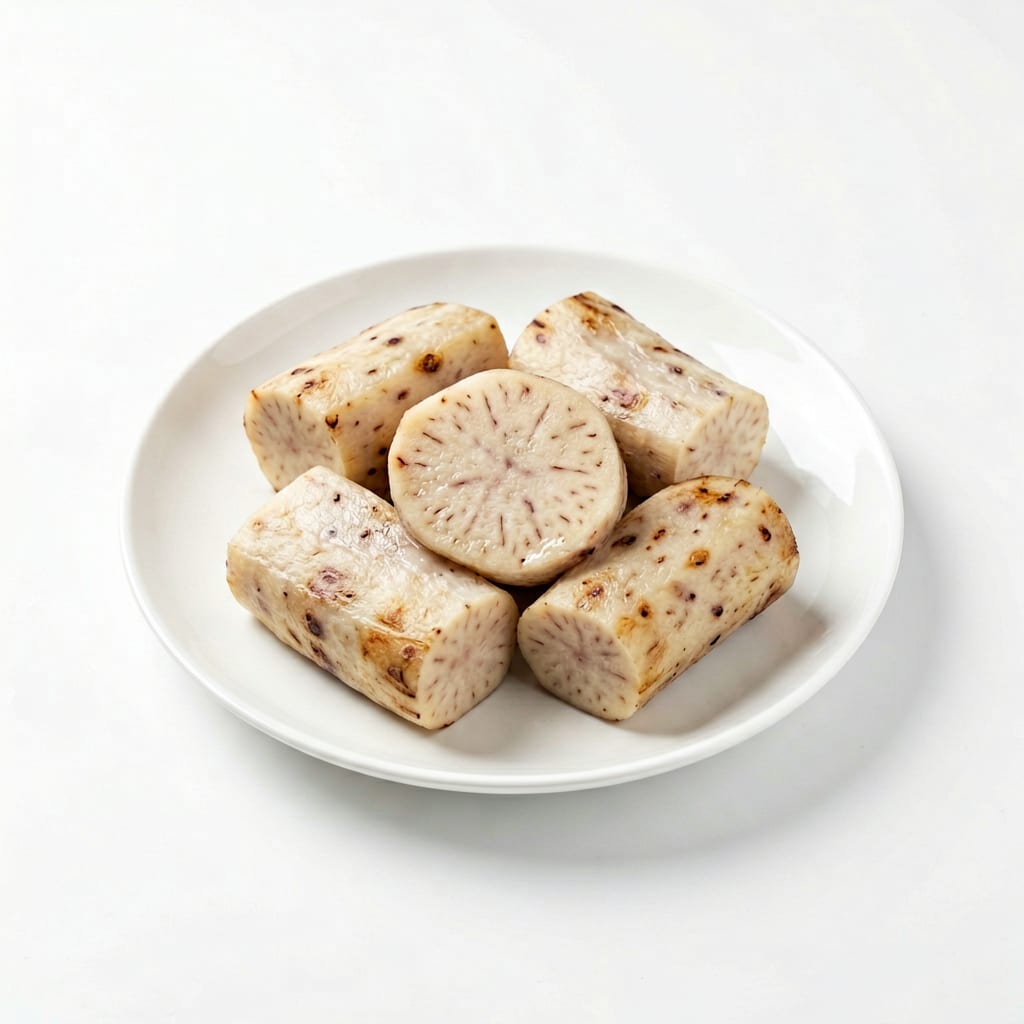
Taro
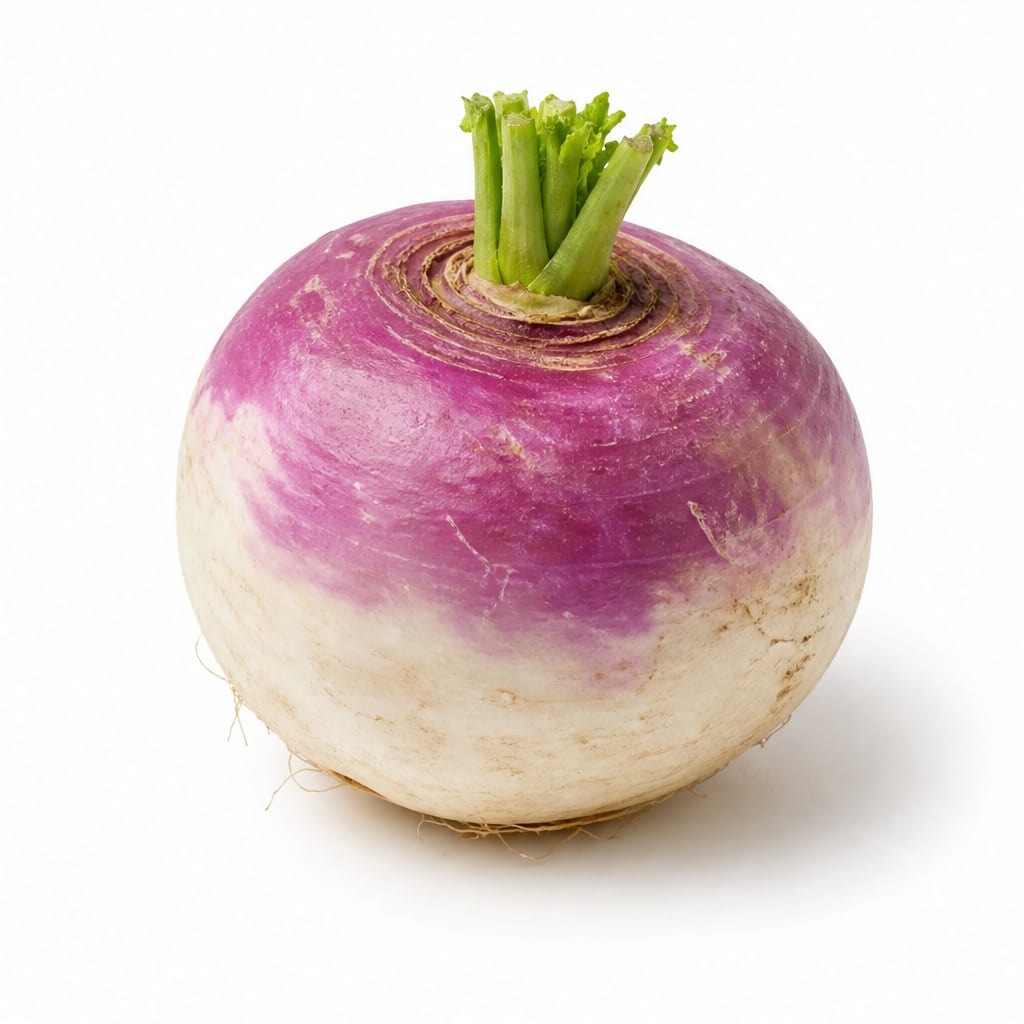
Turnip
Taro fills you up with hearty, starchy energy; turnip keeps things light and low-carb. Your goals decide the winner.
Turnip scores higher for most everyday health goals due to its low calorie density, blood sugar friendliness, and safety. Taro earns its place when you need substantial starchy energy, but its oxalate risk and carb load narrow its appeal.
Taro gives satisfying, sustained energy at the cost of more calories and carbs. Turnip saves calories but won't fill you up the same way.
At a glance
Executive summary
Overall
It depends
Healthier
It depends
More practical
Turnip
Daily use
Turnip
Key comparison lenses
blood sugar and carb management
Taro is starchy and carb-dense while turnip is low-carb, making this the most impactful difference for most users
calorie efficiency and weight management
Taro packs roughly 4x the calories per serving compared to turnip, a critical factor for portion-conscious eaters
food safety and preparation requirements
Taro contains calcium oxalate and must be thoroughly cooked, while turnip can be eaten raw safely
digestive comfort and tolerance
Taro's oxalate content and starchiness can cause issues for sensitive individuals, while turnip is gentler
nutrient diversity and unique benefits
Each offers distinct micronutrients—taro brings potassium and vitamin E, turnip delivers vitamin C and glucosinolates
Best choice for
Taro
- Active individuals needing sustained carbohydrate energy
- People wanting a filling, comforting starch replacement for potatoes
- Those on a bulking diet or needing calorie density
- Anyone seeking potassium-rich foods for muscle function
Turnip
- Low-carb and keto dieters looking for potato alternatives
- Weight loss seekers wanting maximum volume for minimal calories
- People managing blood sugar who need low-glycemic options
- Anyone wanting a quick-prep vegetable with no safety concerns
Least suitable for
Taro
- People with kidney stones or oxalate sensitivity
- Low-carb dieters strictly limiting starch intake
- Anyone short on prep time who wants raw or quick-cook options
- Those watching calorie density closely
Turnip
- Athletes needing carb fuel for endurance performance
- Underweight individuals seeking calorie-dense foods
- Anyone finding turnip's slightly bitter flavor unappealing
- People wanting a hearty, meal-anchor starch
Deep comparison
Dimension by dimension
Each lens scores both foods and breaks down who each option suits.
- Dimension 1 · Priority 92Turnip
blood sugar stability
Taro · 42Turnip · 88Turnip is dramatically easier on blood sugar with roughly one-fifth the carbs per serving.
Tradeoff
Taro provides longer-lasting energy from its starch content, but at the cost of a higher glycemic impact that can spike blood sugar more sharply.
Why it matters
If you're managing diabetes, prediabetes, or energy crashes, this difference is decisive. Taro behaves more like a potato; turnip behaves more like a radish.
Real-world impact
A turnip-based dinner keeps your blood sugar steady through the evening. A taro-based dinner gives satisfying fullness but may cause a bigger post-meal rise followed by a gradual dip.
Taro
- Post-workout carb replenishment
- Long hiking or endurance activity fuel
Better for
- Late-night eating if blood sugar is a concern
- Sedentary days with minimal energy expenditure
Worse for
Turnip
- Diabetes and insulin resistance management
- Avoiding afternoon energy crashes
- Low-carb meal planning
Better for
- Pre-workout energy needs
- Recovery meals after intense exercise
Worse for
- Dimension 2 · Priority 86Taro
satiety and fullness
Taro · 82Turnip · 55Taro's starch and calorie density make it significantly more filling per serving.
Tradeoff
You feel fuller with taro, but you've consumed far more calories to get there. Turnip is lighter—great for volume eating, less great for lasting satisfaction.
Why it matters
If hunger between meals derails your eating, taro's stick-to-your-ribs quality matters. If you prefer grazing or eating larger portions, turnip's low calorie density is your friend.
Real-world impact
A taro side dish at lunch can keep you full until dinner. A turnip side dish leaves room—helpful if you're counting calories, less helpful if you're fighting cravings.
Taro
- People who skip meals and need long-lasting fullness
- Manual laborers needing sustained energy
Better for
- Anyone easily overeating calorie-dense foods
Worse for
Turnip
- Volume eaters who like large portions
- Intermittent fasters eating lighter meals
Better for
- Chronic snackers who need meals to actually hold them
Worse for
- Dimension 3 · Priority 88Turnip
calorie efficiency
Taro · 38Turnip · 90Turnip delivers more food volume per calorie by a wide margin—roughly 4x fewer calories per cup.
Tradeoff
You can eat a mountain of turnip for minimal calories, but you'll need to add other foods to make a complete meal. Taro is a meal anchor all by itself.
Why it matters
For weight loss, calorie efficiency is king. Turnip lets you fill your plate without filling your calorie budget.
Real-world impact
A full cup of diced turnip runs about 36 calories. A cup of taro runs about 187. Same plate space, very different calorie impact.
Taro
- Hard gainers needing calorie density
- Meal preppers wanting one starch to build around
Better for
- Cutting phases where every calorie counts
Worse for
Turnip
- Weight loss diets
- Anyone tracking calories who wants more food volume
Better for
- Bulking phases where low calorie density works against you
Worse for
- Dimension 4 · Priority 85Turnip
food safety and preparation
Taro · 48Turnip · 92Turnip is safe raw or cooked. Taro contains calcium oxalate crystals that cause severe mouth and throat irritation if undercooked.
Tradeoff
Taro requires peeling, soaking, and thorough cooking to be safe. Turnip can be sliced and eaten immediately—zero risk.
Why it matters
This isn't a minor detail. Raw or undercooked taro causes a painful, burning sensation in the mouth and throat. It's one of the more consequential prep requirements among common vegetables.
Real-world impact
With turnip, you can snack on raw sticks while cooking. With taro, cutting corners on cooking time means real pain. Families with kids should be especially cautious.
Taro
- Experienced cooks comfortable with proper taro preparation
Better for
- Anyone new to cooking taro
- Raw food diet followers
Worse for
Turnip
- Busy weeknight cooking
- Households with children who might sample raw vegetables
- Meal prep beginners
- Raw vegetable snackers
Better for
- Dimension 5 · Priority 72It depends
micronutrient profile
Taro · 70Turnip · 68Taro excels in potassium, vitamin E, and B6. Turnip shines in vitamin C and cancer-fighting glucosinolates.
Tradeoff
Neither is a micronutrient powerhouse compared to leafy greens, but they complement each other well. Taro supports muscle and nerve function; turnip supports immunity and cellular defense.
Why it matters
If you already eat plenty of vitamin C foods, taro's potassium may be more valuable. If your diet lacks fresh produce, turnip's vitamin C contribution matters more.
Real-world impact
Taro helps with cramp prevention and electrolyte balance after sweating. Turnip helps ward off colds and adds antioxidant protection at the cellular level.
Taro
- Athletes needing potassium for muscle recovery
- People low on B vitamins
Better for
- Those specifically seeking vitamin C sources
Worse for
Turnip
- Immune support during cold season
- Anyone interested in cruciferous vegetable benefits
Better for
- People needing electrolyte replenishment
Worse for
- Dimension 6 · Priority 78Turnip
digestive tolerance
Taro · 50Turnip · 75Turnip is gentler on most digestive systems. Taro's oxalate and resistant starch can cause bloating or discomfort in sensitive people.
Tradeoff
Taro's resistant starch feeds beneficial gut bacteria, which is good long-term, but can cause gas and bloating short-term. Turnip is easier to digest immediately but offers less prebiotic benefit.
Why it matters
If you have IBS, oxalate sensitivity, or a history of kidney stones, taro is a riskier choice. Turnip is the safer bet for sensitive stomachs.
Real-world impact
Taro might leave you bloated if your gut isn't adapted to resistant starch. Turnip is unlikely to cause digestive drama even on a sensitive day.
Taro
- Healthy guts that benefit from prebiotic resistant starch
Better for
- Anyone with oxalate sensitivity
- Kidney stone prone individuals
Worse for
Turnip
- IBS and FODMAP-sensitive individuals
- Kidney stone formers
- People with oxalate-related concerns
Better for
- Those specifically wanting prebiotic fiber benefits
Worse for
Timeline
Health impact over time
Short-term
Hours to days
Taro
- Provides substantial, lasting energy from complex carbohydrates
- Can cause mouth and throat irritation if undercooked due to calcium oxalate
- May trigger bloating in those unaccustomed to resistant starch
Turnip
- Delivers a light, crisp eating experience with minimal digestive burden
- Provides a quick vitamin C boost supporting immediate immune function
- Unlikely to cause any adverse short-term reactions when eaten raw or cooked
Long-term
Months to years
Taro
- Resistant starch supports beneficial gut bacteria and metabolic health over time
- Consistent potassium intake aids blood pressure regulation
- Oxalate exposure may increase kidney stone risk in susceptible individuals
Turnip
- Glucosinolates from regular cruciferous consumption are linked to reduced cancer risk
- Low calorie density supports sustainable weight management
- Vitamin C contributes to collagen production and long-term skin and joint health
Risk profile
Safety & processing
Both taro and turnip are whole, unprocessed root vegetables. Neither carries additive concerns when purchased fresh. The main distinction is that taro requires more processing at home—peeling and thorough cooking—while turnip can be eaten as-is.
Taro
Calcium oxalate toxicity
highRaw or undercooked taro contains needle-shaped calcium oxalate crystals that cause immediate burning, swelling, and irritation in the mouth and throat. Proper cooking neutralizes this risk completely.
Kidney stone promotion
mediumEven when cooked, taro contains oxalates that can contribute to kidney stone formation in prone individuals. Those with a history of calcium oxalate stones should moderate intake.
Turnip
Goitrogenic compounds
lowTurnip contains goitrogens common to cruciferous vegetables, which can interfere with thyroid function in very large amounts if consumed raw. Cooking reduces this significantly, and normal portions pose minimal risk.
Who wins for whom
Audience fit
Same foods, different winners depending on your goal.
children
TurnipTurnip is safer around kids who might sample raw vegetables. Taro's oxalate risk demands strict cooking discipline that's harder to enforce with curious children.
daily consumption
TurnipTurnip's safety, versatility, and low metabolic burden make it easier to eat every day without downsides. Taro is fine regularly but requires more mindful preparation and portioning.
diabetes
TurnipTurnip's low carbohydrate content and minimal glycemic impact make it far easier to integrate into blood sugar management. Taro's starch load requires careful portioning and pairing.
elderly
TurnipTurnip is easier to digest, gentler on blood sugar, and requires no special safety precautions. Taro's oxalate content and denser texture can be problematic for aging digestive systems.
muscle gain
TaroTaro provides the carb fuel and potassium that support training performance and recovery. Turnip simply doesn't deliver enough energy to meaningfully support muscle-building needs.
weight loss
TurnipTurnip's extremely low calorie density lets you eat generously while staying in a deficit. Taro's calorie density makes portion control much more important.
Your move
Decision guide
Choose Taro
- You need a hearty, satisfying starch to anchor your meals
- You're active and burning through carbohydrates regularly
- You're looking for a potato alternative with more micronutrient diversity
- You enjoy cooking and don't mind the extra prep requirements
Choose Turnip
- You're managing weight, blood sugar, or both
- You want a low-maintenance vegetable you can eat raw or cooked
- You have kidney stones, oxalate sensitivity, or digestive concerns
- You prefer lighter meals that don't leave you feeling heavy
Either works if
- You're building a diverse vegetable rotation and want both a starch and a low-carb option
- You're focused on overall diet quality rather than any single food choice
Avoid both if
- You're seeking a high-protein food—neither delivers meaningful protein
- You need a convenient grab-and-go snack without any preparation
Final recommendation
Keep both in your rotation. Use taro when you need a satisfying, energy-rich starch—think post-workout dinners or hearty stews. Use turnip when you want something light, low-carb, and effortless. If you must pick one for daily eating, turnip wins on safety, versatility, and metabolic friendliness.
Practical
Consumer tips
- 1
Always cook taro fully—boil, steam, or roast until completely tender. No al dente taro.
- 2
Wear gloves when peeling raw taro; the oxalate crystals can irritate skin too.
- 3
Soak peeled taro in water for 30 minutes before cooking to reduce oxalate content further.
- 4
Turnip can be roasted, mashed, or eaten raw as a crudité—no safety prep needed.
- 5
Pair taro with protein and healthy fat to blunt its blood sugar impact.
- 6
Try turnip as a low-carb potato substitute in mash or fries—same comfort, fraction of the carbs.
- 7
If you have a history of kidney stones, limit taro to occasional use and always cook it thoroughly.