
Nutrition comparison
Taro vs Rutabaga: Nutrition, Carbs, and Which is Healthier
Compare Taro vs Rutabaga to find out which root vegetable is better for weight loss, blood sugar, and easy cooking. Learn the key nutritional differences and safety tips.
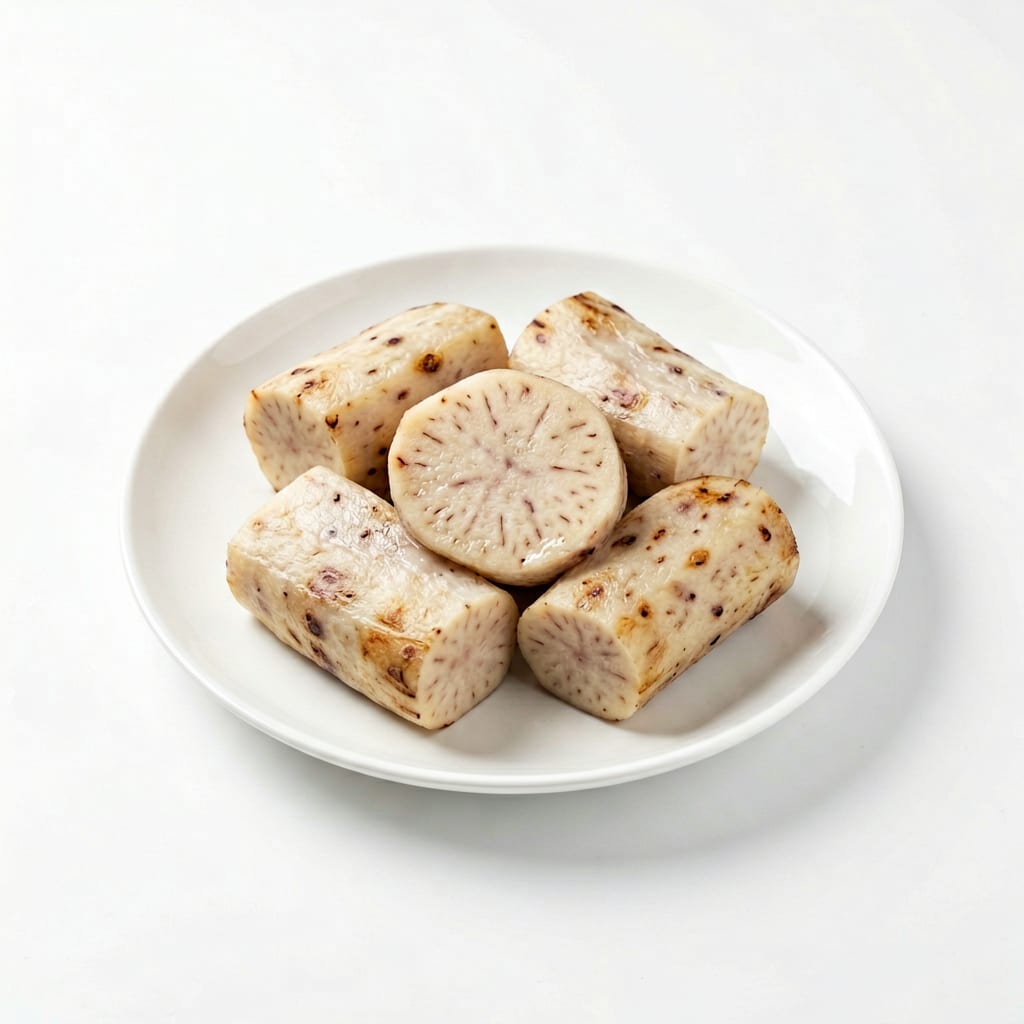
Taro
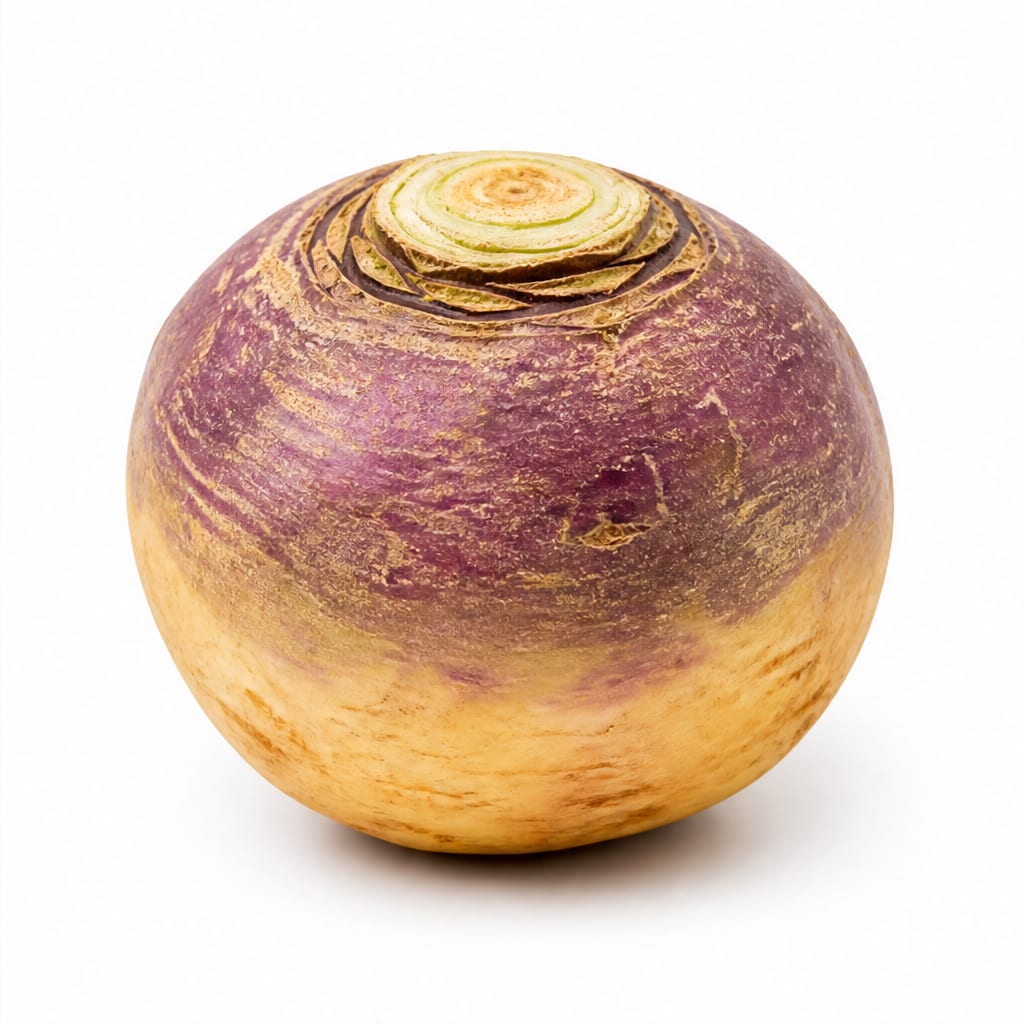
Rutabaga
Rutabaga wins for low-carb diets and easy prep, while Taro is the go-to for hearty, energy-dense meals if cooked properly.
Rutabaga scores higher overall due to its lower glycemic impact, easier preparation, and broader everyday suitability, though Taro remains excellent for specific energy needs.
Choosing Taro gives you starchy, comforting energy but requires strict cooking safety; choosing Rutabaga gives you a lighter, safer, lower-carb bite.
At a glance
Executive summary
Overall
It depends
Healthier
Rutabaga
More practical
Rutabaga
Daily use
Rutabaga
Key comparison lenses
Carbohydrate density and blood sugar impact
Taro is a heavy starchy staple while Rutabaga is a lower-carb cruciferous root, making glycemic load a primary decision factor.
Preparation safety and ease
Taro contains toxic oxalates that require thorough cooking, whereas Rutabaga is safe to eat raw or lightly cooked.
Energy density for active lifestyles
Taro provides substantial fuel for physical activity, while Rutabaga is better for light meals and calorie control.
Best choice for
Taro
- Athletes needing carb fuel
- People wanting a dense, comforting starch
- Traditional cultural recipes
Rutabaga
- People managing blood sugar
- Low-carb or keto dieters
- Home cooks wanting easy, safe prep
Least suitable for
Taro
- People with kidney stones (oxalate sensitivity)
- Those on strict low-carb diets
- Impatient cooks who skip thorough boiling
Rutabaga
- Athletes carb-loading for endurance
- Those needing high-calorie energy density
Deep comparison
Dimension by dimension
Each lens scores both foods and breaks down who each option suits.
- Dimension 1 · Priority 92Rutabaga
Blood Sugar Stability
Taro · 55Rutabaga · 85Rutabaga has significantly fewer carbs and a lower glycemic impact than Taro.
Tradeoff
Taro provides quick, dense energy but can spike blood sugar more sharply, while Rutabaga offers steadier, lighter fuel.
Why it matters
If you want to avoid the afternoon energy crash, Rutabaga is much easier on your blood sugar.
Real-world impact
Eating Taro feels like eating a potato; eating Rutabaga feels like a lighter, slightly sweet turnip.
Taro
- Post-workout carb replenishment
Better for
- Fasting states
- Sedentary evenings
Worse for
Rutabaga
- Managing diabetes
- Avoiding afternoon energy crashes
- Low-carb meal plans
Better for
- Pre-marathon carb loading
Worse for
- Dimension 2 · Priority 80Taro
Energy Density & Satiety
Taro · 88Rutabaga · 65Taro is a heavyweight starchy root that fills you up and fuels you for hours.
Tradeoff
You get more lasting physical energy from Taro, but at the cost of higher calorie and carb intake.
Why it matters
When you need a meal that sticks to your ribs, Taro delivers the dense comfort Rutabaga lacks.
Real-world impact
A Taro bowl keeps you full through a long work shift; Rutabaga might leave you looking for a snack sooner.
Taro
- Heavy labor or active jobs
- Hearty winter stews
- Growing teenagers
Better for
- Small appetites
Worse for
Rutabaga
- Light summer dinners
- Calorie deficit diets
Better for
- Recovering from intense exercise
Worse for
- Dimension 3 · Priority 88Rutabaga
Preparation Safety & Ease
Taro · 40Rutabaga · 90Rutabaga is safe to eat raw, while raw Taro is toxic and irritates the skin and mouth.
Tradeoff
Taro demands respect and careful cooking to be safe, whereas Rutabaga is forgiving and ready to eat with minimal prep.
Why it matters
Handling raw Taro can cause itching and throat swelling if not properly peeled and cooked, making Rutabaga far less stressful to work with.
Real-world impact
You can snack on raw Rutabaga sticks, but raw Taro will make your throat itch and burn.
Taro
- Cooks familiar with traditional preparation methods
Better for
- Quick snacking
- Raw salads
Worse for
Rutabaga
- Quick weeknight dinners
- Raw vegetable platters
- Novice cooks
Better for
- Recipes requiring a sticky, thick texture
Worse for
- Dimension 4 · Priority 70It depends
Micronutrient Profile
Taro · 78Rutabaga · 80Taro is rich in potassium and Vitamin E, while Rutabaga boasts high Vitamin C and glucosinolates.
Tradeoff
Taro supports heart health and hydration, while Rutabaga leans into immune support and cellular defense.
Why it matters
Your choice depends on whether you need electrolytes for muscle function or antioxidants for immunity.
Real-world impact
Taro helps with cramps and recovery; Rutabaga helps ward off colds and supports detox pathways.
Taro
- Athletes needing potassium
- Heart-healthy diets
Better for
- Vitamin C deficiency
Worse for
Rutabaga
- Immune support during winter
- Antioxidant-rich diets
Better for
- Potassium-depleted diets
Worse for
Timeline
Health impact over time
Short-term
Hours to days
Taro
- Provides quick, dense caloric energy
- Can cause throat or skin irritation if undercooked
Rutabaga
- Provides light, hydrating crunch
- Easy on digestion with mild fiber
Long-term
Months to years
Taro
- Supports blood pressure regulation via high potassium
- May contribute to weight gain if overconsumed due to high carb density
Rutabaga
- Supports immune health and cancer defense via glucosinolates
- Aids in long-term weight management with low calorie density
Risk profile
Safety & processing
Both Taro and Rutabaga are whole, unprocessed root vegetables typically sold raw and unpackaged.
Taro
Calcium oxalate toxicity
highRaw Taro contains needle-like calcium oxalate crystals that cause severe itching, burning, and throat swelling. Must always be peeled and thoroughly cooked.
Rutabaga
Goitrogenic compounds
lowRutabaga contains goitrogens common in cruciferous vegetables, which can interfere with thyroid function if consumed in massive amounts raw, but cooking largely neutralizes them.
Who wins for whom
Audience fit
Same foods, different winners depending on your goal.
children
RutabagaRutabaga is safer to prepare and serve without the strict cooking requirements of Taro, and its mild sweetness appeals to kids.
daily consumption
RutabagaRutabaga's low calorie density and easy prep make it a more practical everyday side dish than dense, labor-intensive Taro.
diabetes
RutabagaRutabaga's lower carbohydrate content and lower glycemic load make it much safer for blood sugar management.
elderly
RutabagaRutabaga is easier to digest, lower in carbs, and lacks the safety risks of undercooked Taro, which is crucial for vulnerable populations.
muscle gain
TaroTaro provides the dense carbohydrate fuel needed to support heavy training and muscle recovery.
weight loss
RutabagaRutabaga has less than half the calories and carbs of Taro per serving, making it far easier to fit into a calorie deficit.
Your move
Decision guide
Choose Taro
- You need dense, starchy fuel for physical labor or endurance sports
- You are making traditional dishes like poi or taro soup
- You want a comforting, heavy carb alternative to potatoes
Choose Rutabaga
- You want a low-carb alternative to potatoes
- You are managing blood sugar or trying to lose weight
- You want a safe, easy vegetable to roast or mash on a weeknight
Either works if
- You simply want a nutritious root vegetable to round out a stew
- You are looking for whole-food potassium sources
Avoid both if
- You are on a strict zero-carb carnivore diet
Final recommendation
Choose Rutabaga for everyday meals, weight management, and easy prep. Save Taro for when you need serious carb energy and have the time to cook it safely.
Practical
Consumer tips
- 1
Always wear gloves when peeling raw Taro to prevent skin irritation from oxalate crystals.
- 2
Boil Taro thoroughly until completely soft to ensure the oxalates break down completely.
- 3
Rutabaga peels easily with a vegetable peeler and can be eaten raw with hummus for a crunchy snack.
- 4
Mash Rutabaga with a little butter as a fantastic low-carb substitute for mashed potatoes.