
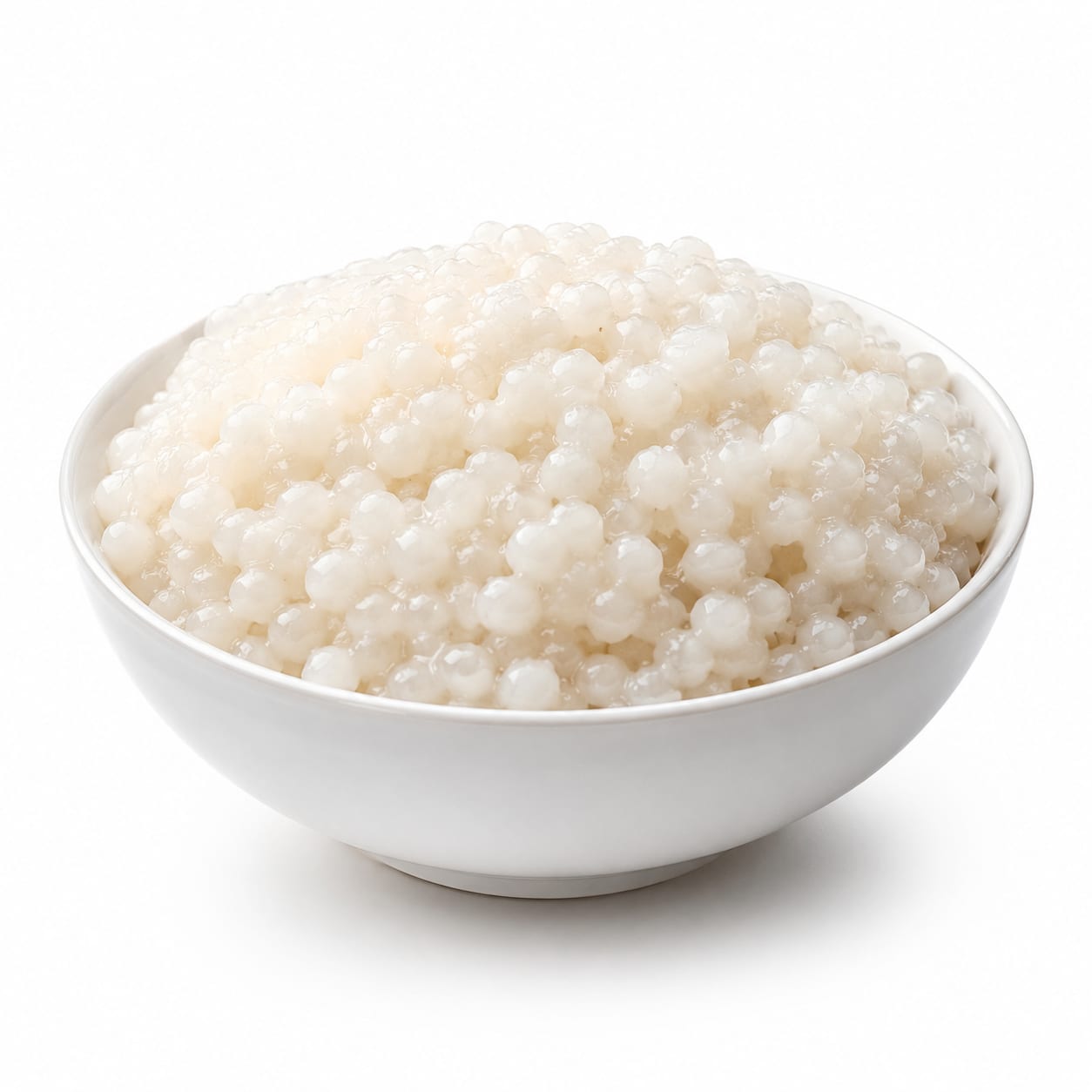
Starch / Grain Substitute
Tapioca
A pure starch extracted from cassava root, commonly used as a thickener or in puddings and bubble tea.
A starchy extract derived from the cassava root, commonly sold as pearls, flour, or flakes, used primarily as a thickening agent or in desserts like pudding and bubble tea.
fast-digesting pure carbohydrate source
Typical serving · 40g
Common varieties · pearl tapioca, tapioca flour, tapioca starch, instant tapioca, boba pearls
Overall context score across nutrition, safety, and diet fit
The story
What makes it unique
Tapioca is almost pure carbohydrate (starch) with minimal protein, fat, or fiber. It digests rapidly, causing quick elevations in blood glucose. The commercial extraction process removes toxic cyanogenic glycosides found in raw cassava, resulting in a safe but nutritionally sparse culinary ingredient.
Varieties: pearl tapioca · tapioca flour · tapioca starch · instant tapioca · boba pearls
Per 100g
Nutrition breakdown
Macro balance and key metrics at a glance.
Energy
Density 3.58 kcal/g
Protein
Carbs
Fat
Fiber
Sugar
3.4 g
Sodium
2 mg
Potassium
20 mg
Glycemic index
85
Glycemic load
75
Water content
10%
Standout compounds
Nutrient highlights
Carbohydrates
highRapid energy supply
Iron
lowOxygen transport in blood
Resistant starch (when cooled)
lowFeeds gut bacteria if cooked then cooled
Wellness map
Health scores & processing
NOVA processing scale
Processed culinary ingredient · Whole food
Tapioca is extracted from the cassava root through washing, peeling, grating, and centrifuging to isolate the starch, which removes toxins and most other nutrients.
Diet compatibility
- Weight loss
- Muscle gain
- Diabetes
- Gut health
- Low carb
- High protein
- Heart health
Relative standing
Food rankings
Qualitative ranks compared to similar whole foods.
- Satietypoor
- Blood sugarpoor
- Nutrient densitypoor
- Fitness fuelgood
- Processing qualitymoderate
Eat with confidence
Food safety profile
Commercially produced tapioca is safe as the extraction process removes naturally occurring cyanogenic glycosides found in raw cassava root.
Evidence confidence 90%
- Pesticideslow
- Antibioticslow
- Heavy metalslow
- Contaminationlow
Watch for
- cyanogenic glycosides
Safer choices
Certified organic or reputable commercial brands to ensure proper cyanogen removal.
Prep tips
Cook thoroughly according to package instructions to ensure complete gelatinization and safety.
Raw cassava contains cyanide-producing compounds; commercial tapioca must meet strict processing standards to ensure these are eliminated.
Deep dive
Health analysis
How this food may fit different goals and preparation choices.
Weight loss
Low energy density when cooked due to water absorption, but extremely low satiety and high carb content make it easy to overconsume.
Blood sugar
Rapidly digested pure starch causes significant blood sugar spikes, making it unsuitable for glucose management.
Fitness & energy
Excellent quick-digesting carb source for pre-workout energy or glycogen replenishment, similar to maltodextrin.
Gut health
Lacks fiber to support gut microbiome; resistant starch forms if cooked and cooled, but standard preparation offers minimal prebiotic benefit.
Processing quality
A refined extracted starch that strips away the fiber, vitamins, and minerals of the whole cassava root.
Food safety
Safe when commercially processed, as the extraction removes toxic cyanogenic glycosides present in raw cassava.
Common mistakes
Assuming tapioca is a whole grain or health food due to its use in gluten-free products; it is a refined starch.
Best preparation
Boil with milk or plant-based milk and add fiber-rich fruits or protein to improve the nutritional profile of tapioca pudding.
Practical guide
Best use cases
When and how this food fits real eating patterns.
Pre-workout energy
Provides fast-digesting carbohydrates for quick fuel before high-intensity exercise.
Gluten-free thickener
Acts as an excellent clear thickening agent for soups, sauces, and pies without adding gluten.
Sensitive digestion
Easily tolerated by people with digestive distress when bland, low-fiber foods are required.
Balance sheet
Pros & cons
Upsides
- Naturally gluten-free
- Grain-free and nut-free
- Provides rapid energy
- Easy to digest
- Versatile thickener
Trade-offs
- Very high glycemic index
- Lacks fiber and protein
- Minimal vitamins and minerals
- Can spike blood sugar
- Essentially empty calories
Fit check
Who is it for?
Great match
- gluten-free baking
- pre-workout carb loading
- soothing sensitive stomachs
Consider alternatives
- weight loss
- diabetes management
- low-carb diets
- high-protein diets
Side by side
How it compares
Open the full head-to-head analysis for nutrition, safety, and practical tradeoffs.
This food
Tapioca
VS90% alike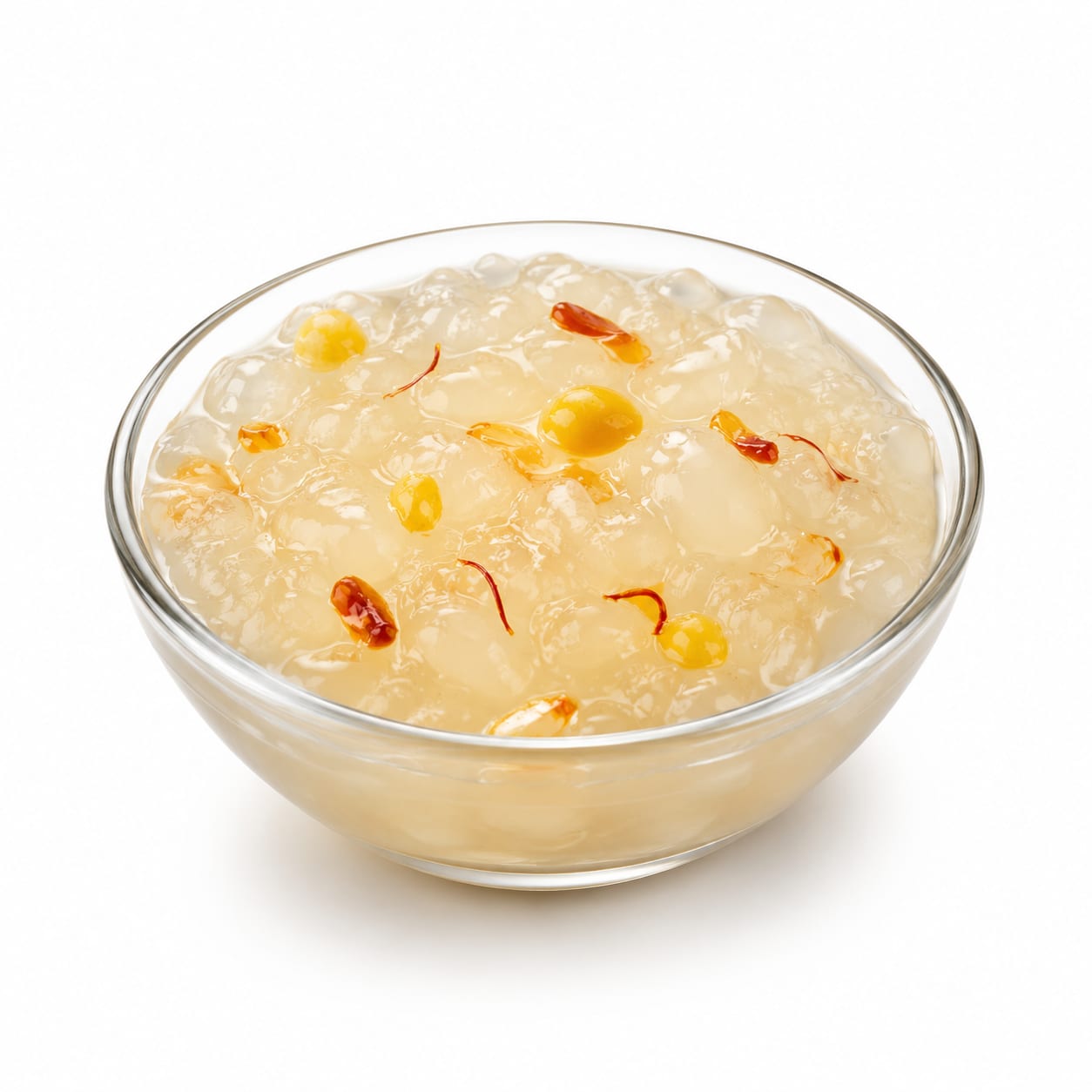
Compare with
Arrowroot
Arrowroot and tapioca are both refined starches with minimal nutritional value, though arrowroot is slightly easier to digest and forms a clearer gel.
Arrowroot and tapioca are nearly identical nutritionally as both are refined, low-nutrient starches used for thickening.
This food
Tapioca
VS85% alike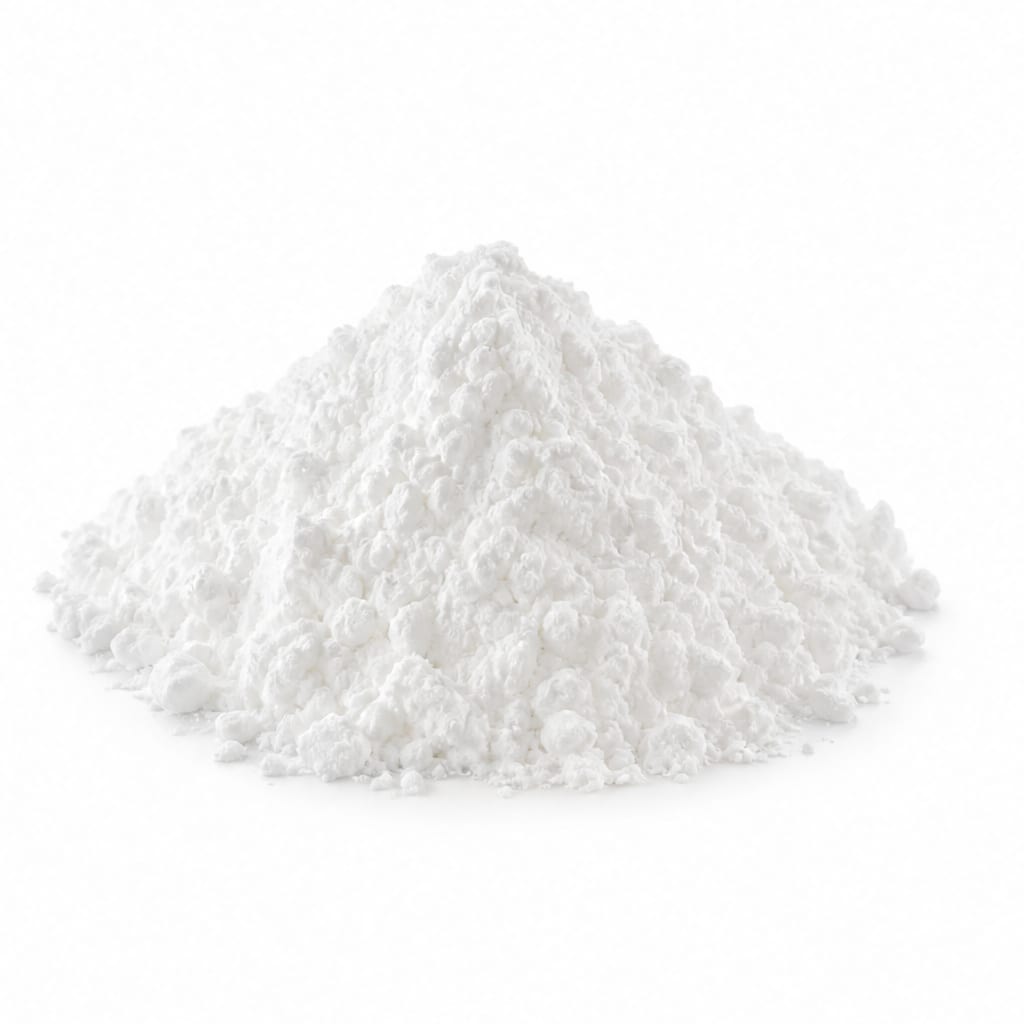
Compare with
Cornstarch
Cornstarch and tapioca are interchangeable in many recipes, but tapioca tolerates freezing better while cornstarch breaks down.
Cornstarch and tapioca offer similar empty calories and high glycemic impacts, making them functionally equal in nutrition.
This food
Tapioca
VS80% alike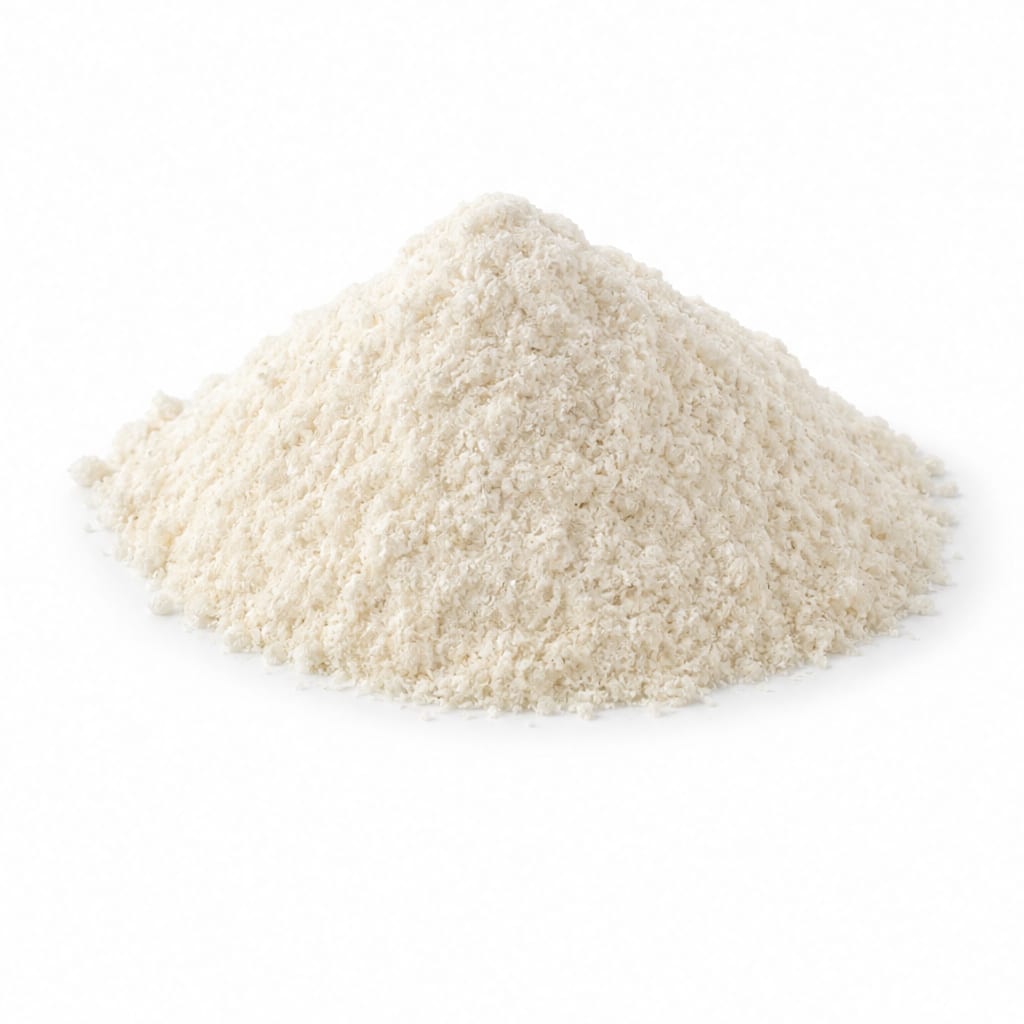
Compare with
Cassava Flour
Cassava flour contains the whole root, offering slightly more fiber and a denser texture, while tapioca is the extracted pure starch.
Cassava flour is less refined than tapioca, offering slightly more fiber, while tapioca provides faster-digesting carbs for workouts.
This food
Tapioca
VS60% alike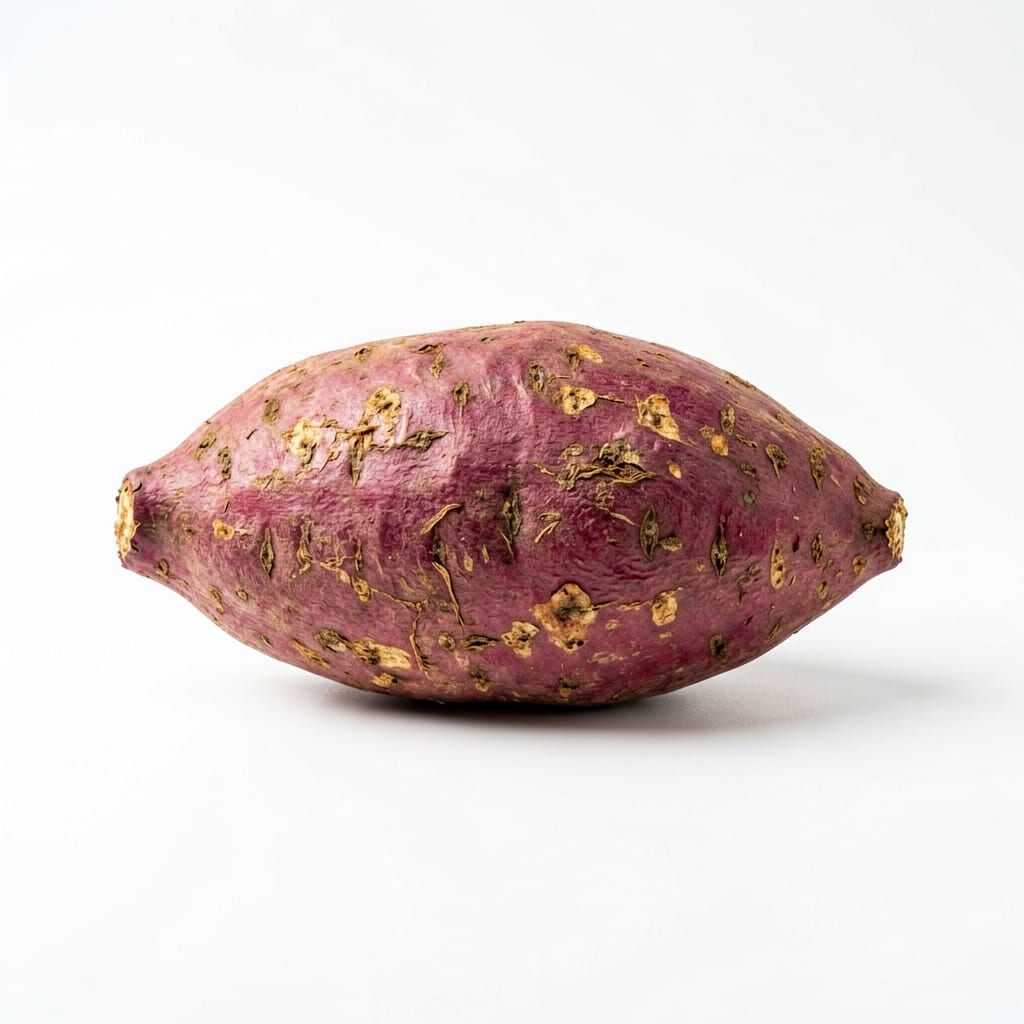
Compare with
Sweet Potato
Sweet potato is a whole food rich in vitamins and fiber, whereas tapioca is a refined extract with almost no micronutrients.
Sweet potato vastly outperforms tapioca in nutrition, fiber, and blood sugar control, making it the healthier carb choice.
This food
Tapioca
VS75% alike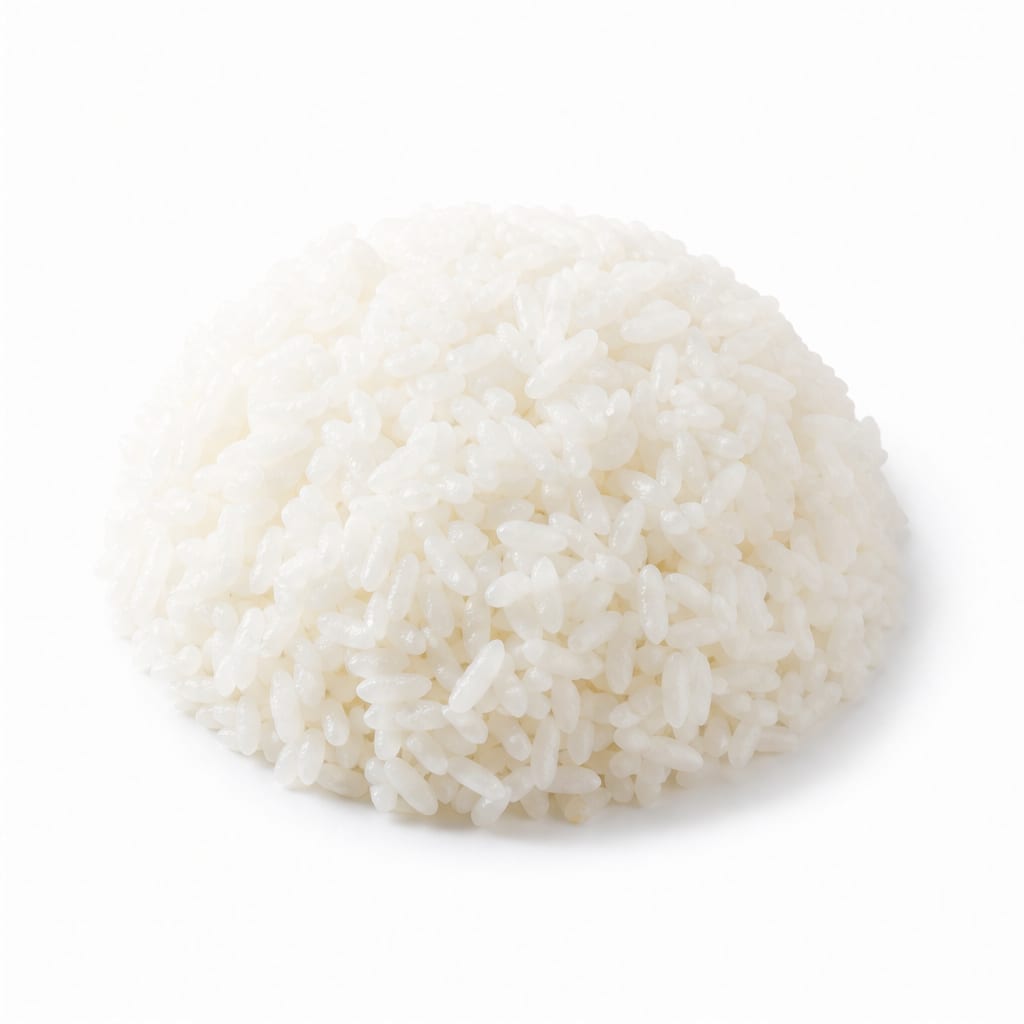
Compare with
White Rice
White rice provides slightly more protein and nutrients than tapioca, but both are rapidly digesting carbs.
White rice offers slightly more nutrients and satiety than tapioca, though both spike blood sugar quickly.
This food
Tapioca
VS85% alike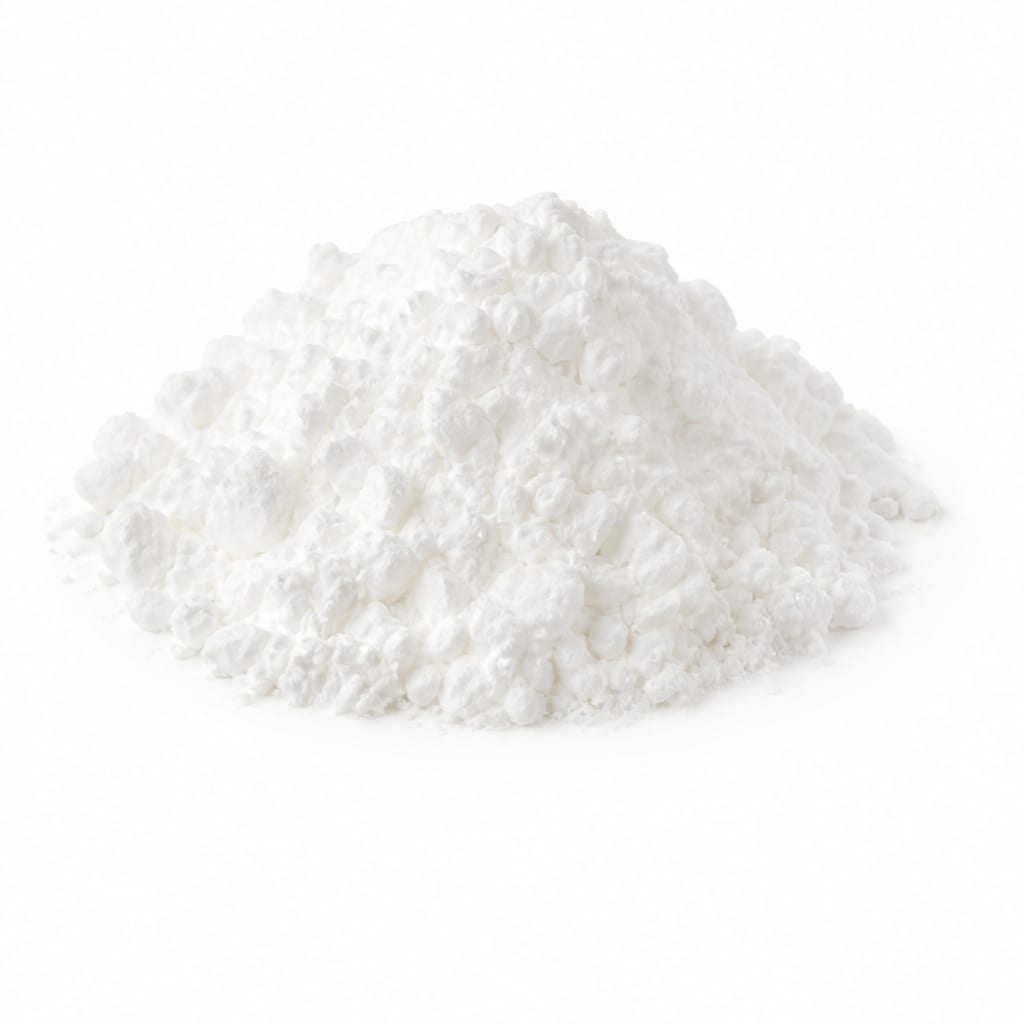
Compare with
Potato Starch
Potato starch and tapioca are similar in calories and carbs, but raw potato starch is a robust source of resistant starch for gut health.
Potato starch offers more gut-friendly resistant starch than tapioca, though both function similarly as thickeners.
This food
Tapioca
VS50% alike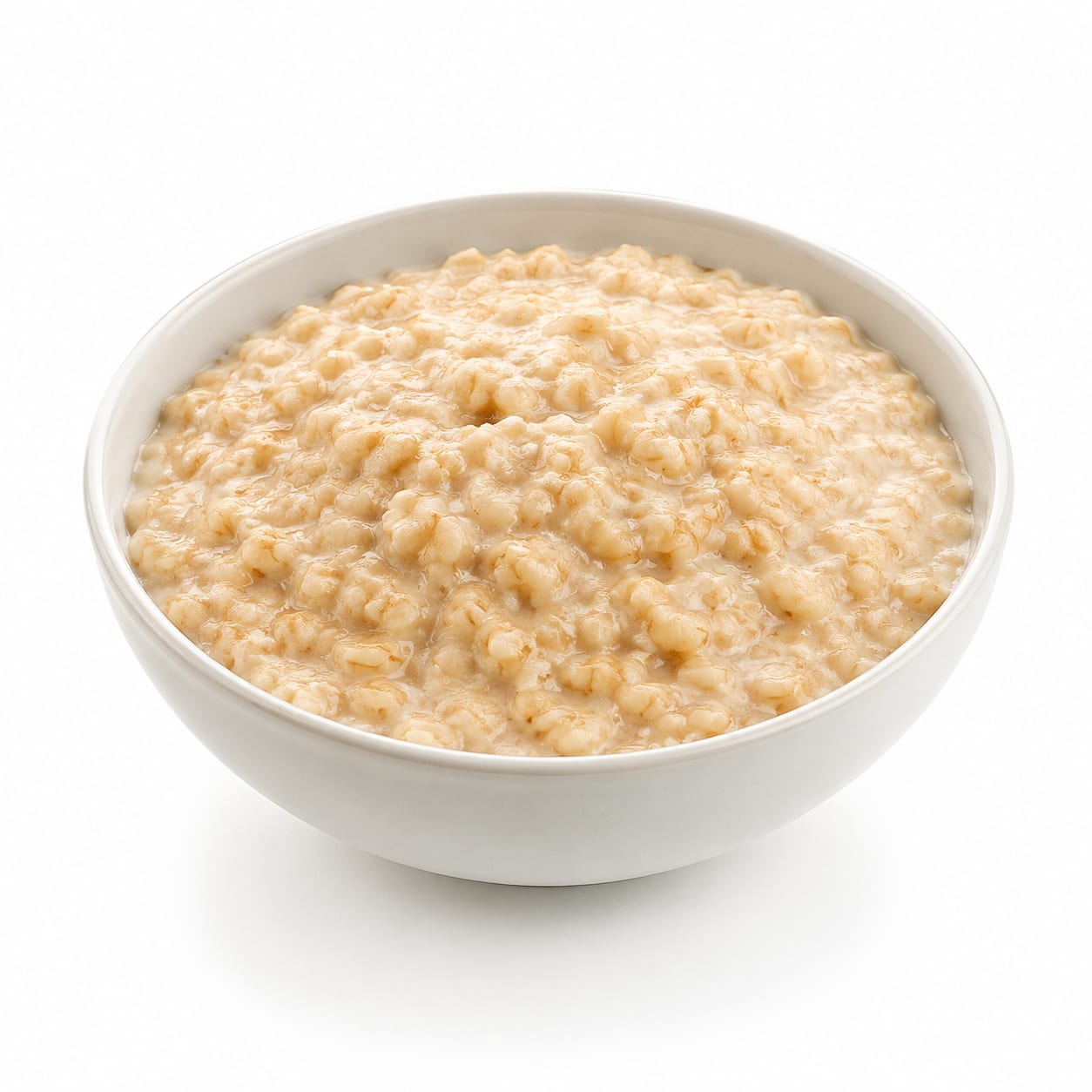
Compare with
Oats
Oats are rich in fiber and protein, promoting satiety and stable blood sugar, while tapioca is a refined, nutrient-poor starch.
Oats provide superior fiber, protein, and blood sugar stability compared to the empty carbs in tapioca.
This food
Tapioca
VS45% alike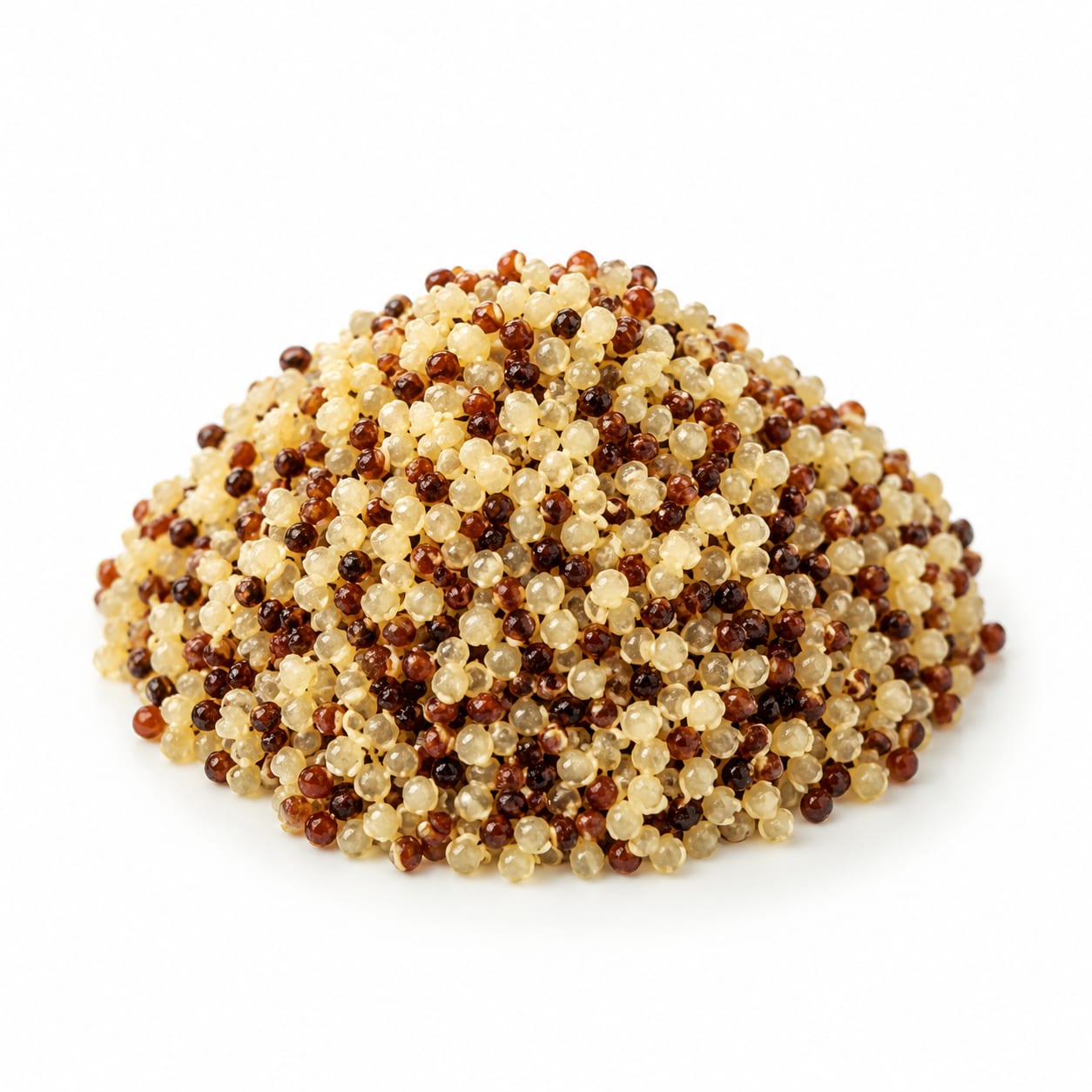
Compare with
Quinoa
Quinoa is a complete protein and high-fiber whole food, vastly outperforming tapioca in nutritional density and satiety.
Quinoa is a nutritional powerhouse with protein and fiber, while tapioca is purely a quick-digesting starch.
This food
Tapioca
VS40% alike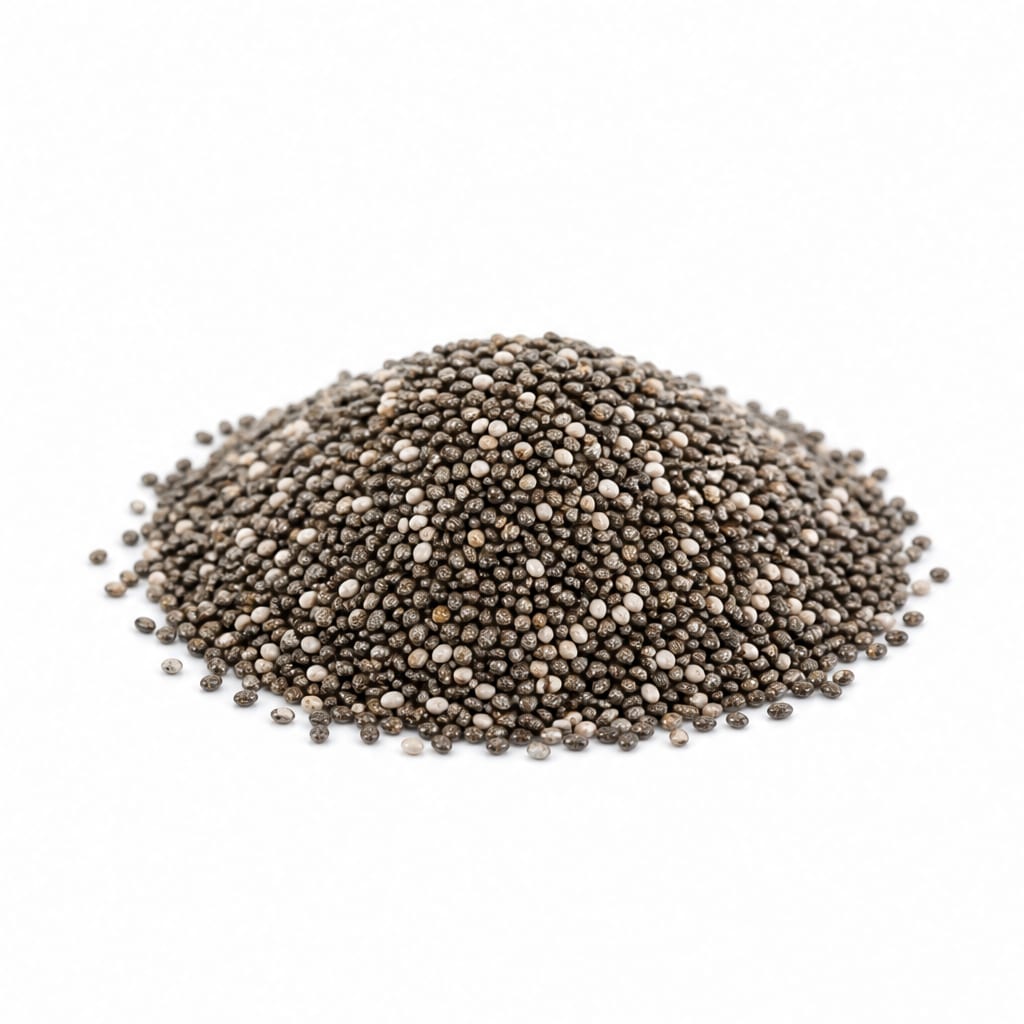
Compare with
Chia Seeds
Chia seeds are loaded with fiber, healthy fats, and protein, providing sustained energy, whereas tapioca causes blood sugar spikes.
Chia seeds offer massive fiber and healthy fats for satiety, making tapioca pudding nutritionally inferior by comparison.
This food
Tapioca
VS85% alike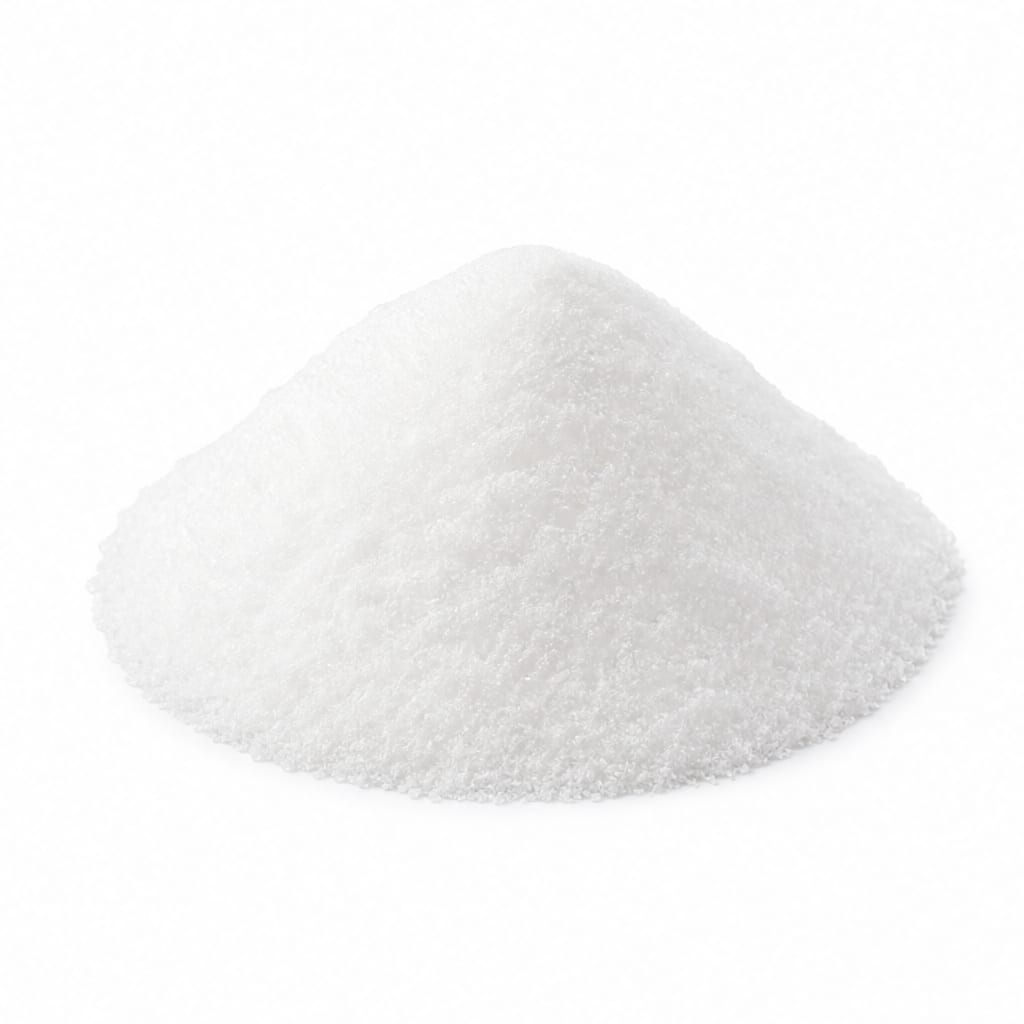
Compare with
Maltodextrin
Maltodextrin and tapioca syrup are functionally similar, providing rapid glycogen replenishment with no nutritional value.
Maltodextrin and tapioca are both fast-absorbing, nutrient-void carbs best reserved strictly for intense athletic fueling.
Common questions
FAQ
Answers aligned with how people search for this food.
Is tapioca good for weight loss?
No, tapioca is low in fiber and protein, which means it does not keep you full and can easily contribute to a calorie surplus.
Can diabetics eat tapioca?
It is generally not recommended as it is a pure starch that digests quickly and causes rapid blood sugar spikes.
Is tapioca keto-friendly?
No, tapioca is almost entirely carbohydrates and will easily kick you out of ketosis.
What is tapioca made from?
Tapioca is a starch extracted from the roots of the cassava plant.
Is tapioca gluten-free?
Yes, pure tapioca is naturally gluten-free and widely used in gluten-free baking and cooking.
Does tapioca have any nutritional value?
It provides quick energy from carbohydrates but lacks significant amounts of protein, fat, fiber, vitamins, and minerals.
Is tapioca hard to digest?
No, it is actually very easy to digest because it is a pure, refined starch, which makes it suitable for people with sensitive stomachs but bad for blood sugar.
Is boba made from tapioca?
Yes, traditional boba pearls are made from tapioca starch, though they often contain added sugar and caramel coloring.
Transparency
Data confidence
Estimated confidence for nutrition data, interpretation, safety notes, and comparisons.
Nutrition data
Health analysis
Food safety
Comparisons