
Nutrition comparison
Tapioca vs Maltodextrin: Which Carb Is Better?
Compare tapioca and maltodextrin for blood sugar, gut health, and athletic performance. Find out which starch is safer for daily use and which is better for sports.
Overall winner · Tapioca
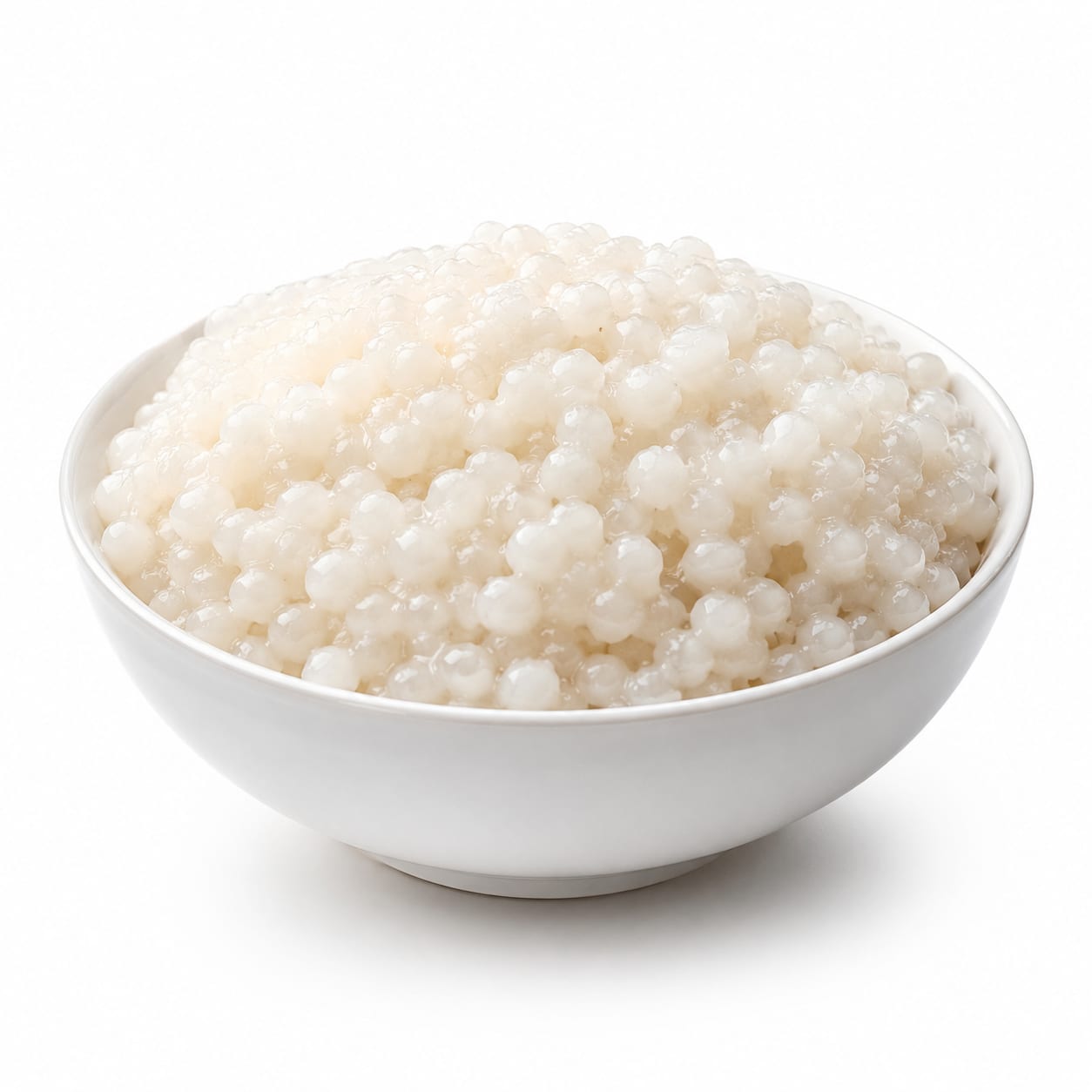
Tapioca
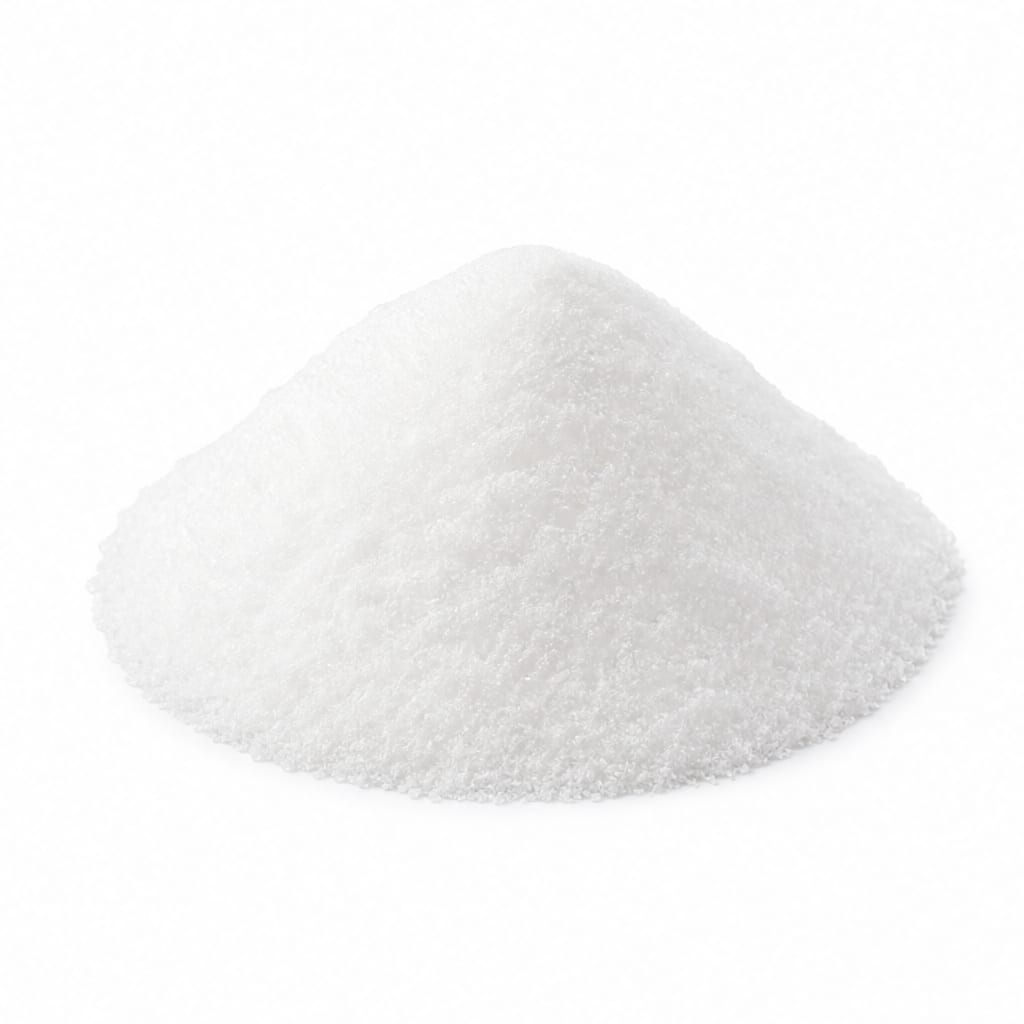
Maltodextrin
Tapioca is a familiar culinary starch that digests quickly but naturally, while Maltodextrin is an ultra-processed industrial carb that hits your bloodstream even faster than sugar, making it great for endurance sports but rough on your gut and metabolism for everyday eating.
Neither food is a nutritional powerhouse, as both are essentially empty carbohydrates. Tapioca scores higher because it is less processed and lacks the specific gut microbiome risks associated with Maltodextrin, making it slightly safer for general consumption despite both having poor nutritional profiles.
Culinary texture and slightly gentler blood sugar impact versus instant absorption for athletic performance.
At a glance
Executive summary
Overall
Tapioca
Healthier
Tapioca
More practical
It depends
Daily use
Tapioca
Key comparison lenses
Blood sugar and glycemic impact
Both are pure refined carbohydrates with very high glycemic indexes, but Maltodextrin digests even faster than table sugar, making blood sugar management the primary concern.
Gut health and microbiome impact
Maltodextrin has been shown to promote biofilm formation in the gut by harmful bacteria like E. coli, while Tapioca is largely inert and easier on the digestive lining.
Athletic performance and carb loading
Maltodextrin is a staple in sports nutrition for rapid glycogen replenishment, whereas Tapioca is a slower culinary starch not typically used for intra-workout energy.
Processing level and naturalness
Tapioca is a minimally processed extract from the cassava root, while Maltodextrin is an ultra-processed industrial hydrolysate derived from corn, rice, or wheat.
Best choice for
Tapioca
Maltodextrin
Least suitable for
Tapioca
Maltodextrin
Deep comparison
Dimension by dimension
Each lens scores both foods and breaks down who each option suits.
- Dimension 1 · Priority 95Tapioca
Blood Sugar Stability
Tapioca · 20Maltodextrin · 10Both spike blood sugar aggressively, but Maltodextrin is worse, absorbing even faster than pure glucose.
Tradeoff
You trade a slightly slower, more natural starch spike in Tapioca for an extreme, instant glycemic jolt with Maltodextrin.
Why it matters
Frequent extreme spikes lead to insulin resistance, energy crashes, and increased visceral fat over time.
Real-world impact
Eating Maltodextrin alone feels like drinking pure energy followed by a hard crash an hour later. Tapioca gives a quick rise but slightly softer landing.
Tapioca
- Slightly less extreme glycemic load
- More manageable energy curve when paired with fats
Better for
- Still highly disruptive to fasting insulin levels
Worse for
Maltodextrin
- Rapid sugar delivery for hypoglycemia recovery
Better for
- Guaranteed severe blood sugar spike and crash
- High risk of triggering cravings after the crash
Worse for
- Dimension 2 · Priority 85Tapioca
Gut Health & Microbiome
Tapioca · 60Maltodextrin · 30Tapioca is mostly inert and easy to digest, while Maltodextrin can actively disrupt gut bacteria balance.
Tradeoff
You trade a benign, easy-to-digest starch for one that may promote harmful bacterial biofilms in the intestines.
Why it matters
A disrupted microbiome is linked to bloating, inflammation, and weakened immunity.
Real-world impact
Regular Maltodextrin consumption can leave you feeling bloated and prone to stomach upset, whereas Tapioca is generally soothing unless overeaten.
Tapioca
- Inert starch that does not feed harmful bacteria
- Easy to digest for most people with sensitive stomachs
Better for
- Lacks fiber, so it does not actively support healthy digestion
Worse for
Maltodextrin
- No specific gut health benefits
Better for
- Promotes E. coli biofilm formation in the gut
- Can increase susceptibility to intestinal inflammation
Worse for
- Dimension 3 · Priority 80Maltodextrin
Athletic Performance & Carb Loading
Tapioca · 40Maltodextrin · 90Maltodextrin is purpose-built for rapid absorption during intense exercise, while Tapioca is too slow for mid-workout fueling.
Tradeoff
You trade whole-food naturalness for industrial efficiency in delivering glycogen to exhausted muscles.
Why it matters
During intense endurance events, slow digestion causes stomach cramps, whereas rapid absorption sustains performance.
Real-world impact
A Maltodextrin gel during a marathon provides instant fuel without stomach heaviness. Tapioca pearls would sit heavily and offer delayed energy.
Tapioca
- Can be used in pre-workout meals the night before for slow loading
Better for
- Digests too slowly to be useful during intense activity
- Heavy texture can cause cramping if eaten right before running
Worse for
Maltodextrin
- Absorbs instantly without gastrointestinal distress during exercise
- Rapidly replenishes glycogen post-workout
Better for
- Completely useless for sustained energy or steady stamina
Worse for
- Dimension 4 · Priority 75Tapioca
Processing & Additive Profile
Tapioca · 50Maltodextrin · 10Tapioca is a washed and dried root extract, while Maltodextrin is a heavily engineered food additive.
Tradeoff
You trade a simple, recognizable kitchen ingredient for a highly processed industrial powder.
Why it matters
Highly processed additives often have hidden metabolic costs that whole-food extracts do not.
Real-world impact
You can make Tapioca at home by grating and washing cassava. Maltodextrin requires industrial enzymes and acid hydrolysis.
Tapioca
- Recognizable whole-food origin
- Minimal chemical processing required
Better for
- Still a refined carbohydrate stripped of its natural fiber and nutrients
Worse for
Maltodextrin
- Long shelf life and highly consistent texture
Better for
- Ultra-processed industrial additive
- Often derived from GMO crops
Worse for
Timeline
Health impact over time
Short-term
Hours to days
Tapioca
Maltodextrin
Long-term
Months to years
Tapioca
Maltodextrin
Risk profile
Safety & processing
Tapioca is a processed but simple extract of the cassava root, involving washing, pulping, and drying. Maltodextrin undergoes extreme industrial processing, using acids and enzymes to break down starches into a rapidly dissolving powder, placing it firmly in the ultra-processed category.
Tapioca
High glycemic load
mediumCan severely impact blood sugar control in diabetics if not carefully managed.
Cyanide compounds (raw form only)
lowCommercial Tapioca is thoroughly processed to remove naturally occurring cyanogenic glycosides found in raw cassava, making it safe for consumption.
Maltodextrin
Gut dysbiosis
highMaltodextrin can promote the adhesion of harmful bacteria like E. coli to the intestinal lining, potentially exacerbating leaky gut and inflammatory conditions.
Allergen cross-contamination
mediumOften derived from wheat or corn, posing risks for those with Celiac disease, gluten intolerance, or severe corn allergies.
Who wins for whom
Audience fit
Same foods, different winners depending on your goal.
children
TapiocaTapioca is a recognizable, less processed food often used in gentle puddings, whereas Maltodextrin is an ultra-processed additive best minimized in children's diets.
daily consumption
TapiocaTapioca is a more natural, less disruptive starch for occasional culinary use. Maltodextrin should be treated as a sports supplement, not a daily dietary staple.
diabetes
It dependsBoth should be strictly limited. Tapioca has a slightly lower glycemic index, but neither is safe for regular consumption by diabetics.
elderly
TapiocaTapioca is soft, easy to chew, and gentle on the digestive tract. Maltodextrin poses unnecessary risks to gut health and blood sugar stability in older adults.
muscle gain
MaltodextrinMaltodextrin provides a rapid insulin spike post-workout, which helps shuttle amino acids into muscles quickly for recovery and growth.
weight loss
It dependsNeither is good for weight loss as both are empty carbs. However, Tapioca is more satiating in culinary forms like pudding, while Maltodextrin is an invisible additive that easily drives up calorie intake without fullness.
Your move
Decision guide
Choose Tapioca
- You are cooking a recipe that requires a thickener or chewy texture
- You want a gluten-free, dairy-free starch for baking
- You are looking for a comforting, easy-to-digest food for an upset stomach
Choose Maltodextrin
- You are an endurance athlete needing fast carbs during a race
- You are a bodybuilder seeking a post-workout insulin spike
- You are formulating homemade energy gels for long-distance running
Either works if
- You need a quick source of pure carbohydrate energy
- You are trying to gain weight and need easily consumable calories
Avoid both if
- You are diabetic or insulin resistant
- You are on a low-carb or ketogenic diet
- You are trying to heal a leaky gut or manage SIBO
Final recommendation
For everyday eating and cooking, Tapioca is the clear winner because it is a more natural, less processed starch that does not carry the specific gut health risks of Maltodextrin. However, if you are an endurance athlete staring down a marathon, Maltodextrin is the superior functional tool for rapid energy delivery. Treat Tapioca as an occasional culinary ingredient and Maltodextrin as a strict sports supplement.
Practical
Consumer tips
- 1
If eating Tapioca, pair it with protein and healthy fats like coconut milk to slow down the blood sugar spike.
- 2
Check ingredient labels carefully: Maltodextrin hides in salad dressings, protein bars, and instant soups where you least expect it.
- 3
Neither food provides meaningful nutrition, so always prioritize nutrient-dense carbs like sweet potatoes or oats over these refined starches.
- 4
If using Maltodextrin for sports, test it during training first, as its rapid absorption can cause stomach cramps in unaccustomed users.