
Nutrition comparison
Tapioca vs Cornstarch: Which Thickener Is Better for Your Health and Cooking?
Compare tapioca and cornstarch for thickening power, allergen safety, GMO concerns, and cost. Find out which starch belongs in your kitchen and when to use each.
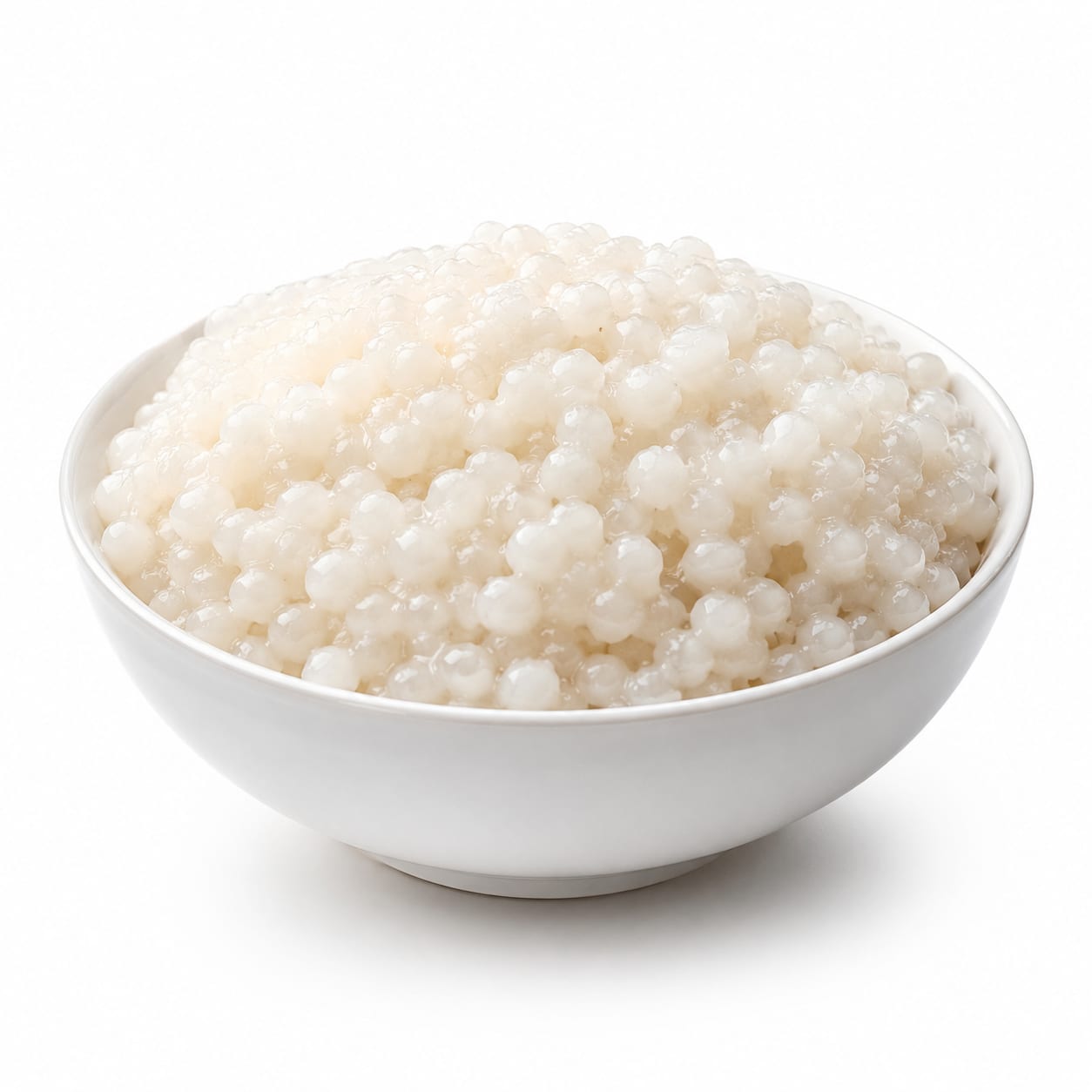
Tapioca
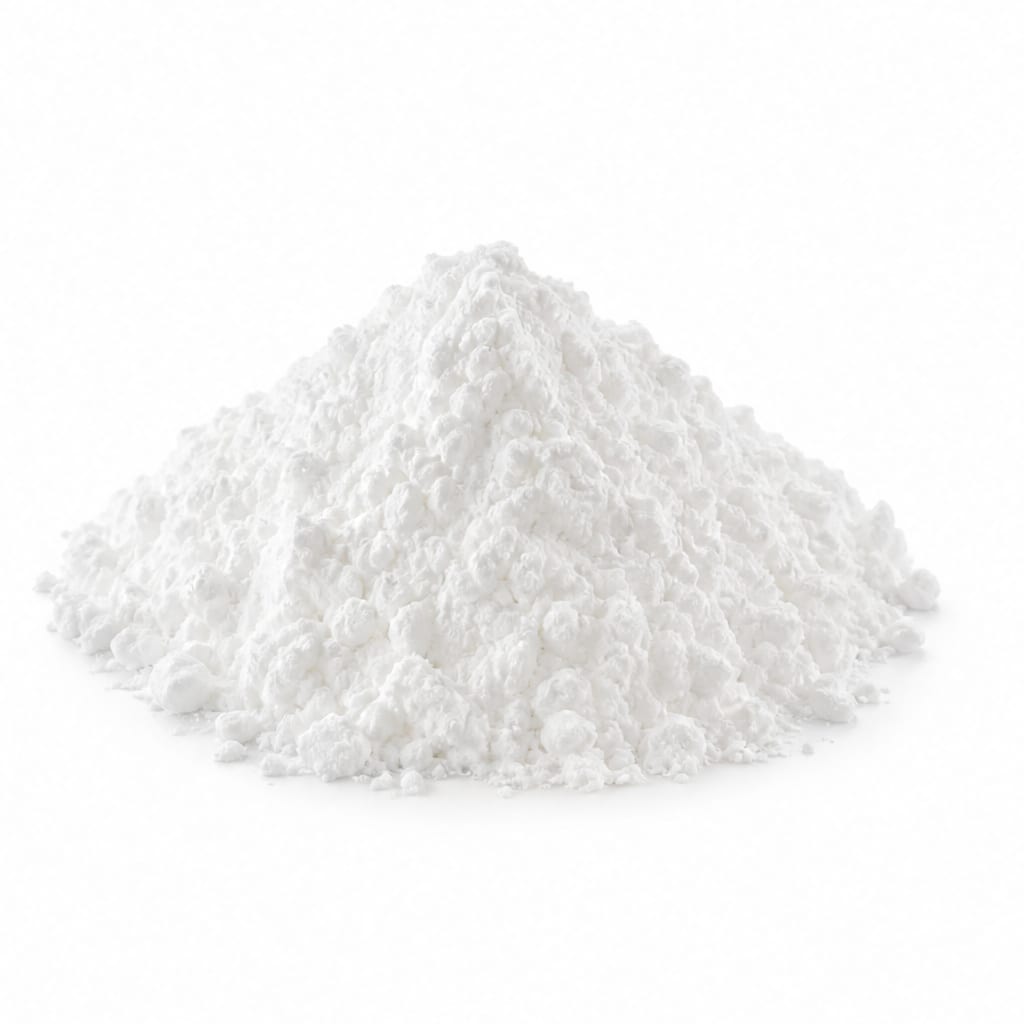
Cornstarch
Tapioca wins for allergen avoidance and cleaner sourcing; cornstarch wins for availability, cost, and thickening efficiency. Neither is a health food.
Scores are low because both are refined starches with minimal nutritional value. Tapioca edges slightly ahead due to fewer allergen concerns and non-GMO sourcing, but cornstarch wins on practicality and cost.
Tapioca costs more but avoids corn allergens and GMO concerns. Cornstarch thickens better per tablespoon and is far cheaper but carries corn sensitivity and GMO baggage.
At a glance
Executive summary
Overall
It depends
Healthier
It depends
More practical
Cornstarch
Daily use
Cornstarch
Key comparison lenses
thickening agent selection
Both are primarily used as thickeners, so performance and culinary behavior matter most
allergen and sensitivity avoidance
Corn is a common allergen and often GMO; tapioca offers a corn-free alternative
glycemic and metabolic impact
Both are refined starches with high glycemic loads, but differences exist
processing and purity concerns
Both are highly refined, but cornstarch faces more GMO and industrial processing scrutiny
safety and toxin risk
Cassava contains natural cyanogenic compounds that require proper processing
Best choice for
Tapioca
- People with corn allergies or sensitivities
- Those avoiding GMO ingredients
- Bakers wanting chewy, glossy textures in pies and puddings
- Paleo-leaning cooks avoiding grain-derived starches
Cornstarch
- Budget-conscious home cooks
- People thickening large batches of sauces or gravies
- Anyone needing a neutral-tasting, widely available thickener
- Those who want maximum thickening power per spoonful
Least suitable for
Tapioca
- Budget-limited households
- Recipes requiring a clear, non-glossy finish
- People with cassava or latex-fruit syndrome allergies
Cornstarch
- People with corn allergies or intolerances
- Those strictly avoiding GMO products
- Grain-free or paleo diet followers
Deep comparison
Dimension by dimension
Each lens scores both foods and breaks down who each option suits.
- Dimension 1 · Priority 95Cornstarch
thickening_performance
Tapioca · 72Cornstarch · 88Cornstarch thickens more efficiently with less product needed. Tapioca creates a glossier, slightly chewier texture.
Tradeoff
Cornstarch can break down if overcooked or exposed to acidic ingredients. Tapioca holds up better under heat and acid but requires more quantity.
Why it matters
Using less thickener means fewer empty calories in your final dish and more predictable results.
Real-world impact
A tablespoon of cornstarch thickens roughly the same as two tablespoons of tapioca, meaning less starch overall in your food.
Tapioca
- Acidic sauces like lemon curd or berry pies
- Dishes that need to hold up under prolonged heat
- Frozen desserts where freeze-thaw stability matters
Better for
- Recipes where you need a clear, invisible thickener
- Dishes where cost per serving matters
Worse for
Cornstarch
- Quick pan gravies and sauces
- Stir-fries needing a fast, clear glaze
- Large-batch cooking where cost adds up
Better for
- Acidic dishes that might break the thickening
- Frozen meals that may weep after thawing
Worse for
- Dimension 2 · Priority 88Tapioca
allergen_and_sensitivity_profile
Tapioca · 82Cornstarch · 48Tapioca is corn-free, soy-free, and grain-free. Cornstarch carries corn allergen risk and is almost always GMO unless explicitly organic.
Tradeoff
Tapioca is safer for sensitive individuals but costs significantly more. Cornstarch is cheap but problematic for the corn-allergic community.
Why it matters
Corn allergies and sensitivities are underdiagnosed and surprisingly common, especially in children.
Real-world impact
If you or a family member reacts to corn, tapioca is the stress-free choice. No label-reading anxiety required.
Tapioca
- Corn-allergic individuals
- Families managing multiple food sensitivities
- People following elimination diets
Better for
- People with latex-fruit syndrome who may cross-react with cassava
Worse for
Cornstarch
- People with no corn sensitivity concerns
- Households where allergen avoidance is not a priority
Better for
- Anyone with confirmed or suspected corn allergy
- Breastfeeding mothers of corn-sensitive infants
Worse for
- Dimension 3 · Priority 75It depends
glycemic_impact
Tapioca · 38Cornstarch · 35Both are essentially pure refined carbohydrates that spike blood sugar rapidly. Neither is metabolically friendly.
Tradeoff
Tapioca starch has a slightly higher glycemic index than cornstarch, but both are in the high range. The difference is negligible in real portions.
Why it matters
If you are managing blood sugar, both thickeners contribute empty carbs that can destabilize glucose control.
Real-world impact
Two tablespoons of either thickener in a pie filling adds roughly 14g of carbohydrate with zero fiber or protein to slow absorption.
Tapioca
- People with diabetes or insulin resistance
- Those monitoring carbohydrate intake closely
Worse for
Cornstarch
- Slightly lower glycemic index per gram, though the difference is minimal
Better for
- Same blood sugar concerns as tapioca
Worse for
- Dimension 4 · Priority 70Tapioca
sourcing_and_gmo_concerns
Tapioca · 78Cornstarch · 42Most cornstarch in the US is derived from GMO corn unless certified organic. Tapioca is typically non-GMO and often minimally processed.
Tradeoff
Organic cornstarch exists but costs more, narrowing the price gap with tapioca.
Why it matters
For people avoiding GMOs for environmental or personal health reasons, tapioca offers peace of mind without the organic price premium.
Real-world impact
Standard cornstarch is almost certainly GMO. If that matters to you, you need organic cornstarch or tapioca.
Tapioca
- GMO-avoidant consumers
- Those seeking simpler supply chains
- People who value transparent sourcing
Better for
Cornstarch
- Organic cornstarch users who find it at comparable prices
Better for
- Anyone actively avoiding GMO ingredients
Worse for
- Dimension 5 · Priority 72Cornstarch
cost_and_accessibility
Tapioca · 40Cornstarch · 90Cornstarch is one of the cheapest pantry staples available. Tapioca starch or flour costs roughly two to three times more.
Tradeoff
Cornstarch saves money on every batch. Tapioca costs more but may be worth it for allergen avoidance.
Why it matters
For families cooking on a budget, the price difference compounds over months of use.
Real-world impact
A 16oz box of cornstarch costs around $1.50. The same amount of tapioca starch runs $4-6.
Tapioca
- Specialty baking where small quantities are used
Better for
- High-volume cooks watching food budgets
Worse for
Cornstarch
- Budget households
- Institutional or restaurant cooking
- Anyone thickening frequently in large quantities
Better for
Timeline
Health impact over time
Short-term
Hours to days
Tapioca
- Rapid blood sugar spike when consumed in meaningful quantities
- Generally well-tolerated digestively unless cassava sensitivity exists
- Can cause bloating in large amounts due to resistant starch content
Cornstarch
- Similar rapid blood sugar spike
- May trigger reactions in corn-sensitive individuals including headaches, digestive upset, or skin issues
- Can cause digestive discomfort when consumed in large quantities
Long-term
Months to years
Tapioca
- No significant nutrient contribution with regular use
- Low allergenicity makes it sustainable for sensitive populations long-term
- Minimal inflammatory concern compared to grain-derived starches
Cornstarch
- No significant nutrient contribution with regular use
- Potential for cumulative GMO exposure concerns if using conventional cornstarch
- Chronic corn exposure may worsen low-grade sensitivities over time
Risk profile
Safety & processing
Both are refined starches stripped of fiber, protein, and micronutrients. Tapioca undergoes washing, pressing, and drying of cassava root. Cornstarch involves steeping, grinding, and separating corn kernels. Neither contains artificial additives, but both are far from whole foods. Tapioca has a slightly simpler processing chain with fewer industrial steps.
Tapioca
Cyanogenic glycosides from improperly processed cassava
mediumRaw cassava contains compounds that release cyanide. Commercial tapioca starch is processed to remove these, but poorly regulated sources could pose risk. Stick with reputable brands.
Latex-fruit syndrome cross-reactivity
lowPeople allergic to latex may react to cassava-derived products. This is uncommon but worth knowing if you have latex allergies.
Cornstarch
GMO corn pesticide residue
lowGMO corn is engineered for pesticide resistance. Residual amounts in refined starch are minimal but not zero. Organic cornstarch eliminates this concern.
Corn allergen contamination in sensitive individuals
mediumFor those with confirmed corn allergy, even trace cornstarch can trigger reactions. This is a genuine safety issue, not just a preference.
Who wins for whom
Audience fit
Same foods, different winners depending on your goal.
children
TapiocaTapioca avoids corn allergen risk and GMO concerns, which matters more for developing bodies. It is also the traditional base for infant tapioca pudding.
daily consumption
CornstarchCornstarch is more affordable and widely available for everyday cooking. Neither should be consumed in large amounts daily.
diabetes
It dependsBoth spike blood sugar. Neither is recommended for regular use by people managing diabetes. Use sparingly and pair with fiber and protein.
elderly
CornstarchCornstarch is cheaper and easier to find, and the slight glycemic difference is negligible. Budget and accessibility matter more at this stage.
muscle gain
It dependsNeither contributes meaningful protein. Both provide quick carbs that could support post-workout glycogen replenishment, but whole food carb sources are far superior.
weight loss
It dependsNeither supports weight loss. Both add empty calories. Use arrowroot or reduce thickener amounts instead.
Your move
Decision guide
Choose Tapioca
- You or someone you cook for has a corn allergy or sensitivity
- You want to avoid GMO ingredients without paying organic prices
- You are making fruit pies, puddings, or frozen desserts where its texture shines
- You follow a grain-free or paleo-adjacent diet
Choose Cornstarch
- Cost is a primary concern
- You need a reliable, neutral thickener for everyday sauces and gravies
- No one in your household has corn sensitivities
- You want maximum thickening power with the least product
Either works if
- You are thickening a small amount and the calorie difference is negligible
- You have both in your pantry and the recipe does not depend on specific texture
- You are using it as a minor ingredient in a larger dish
Avoid both if
- You are managing diabetes and want to minimize refined starch intake
- You are following a whole-food, minimally processed diet
- You could use arrowroot powder or pureed vegetables as a more nutritious thickener instead
Final recommendation
Keep cornstarch for everyday cooking if corn is not a concern for your household. Stock tapioca for baking, desserts, and cooking for corn-sensitive guests. Neither belongs at the center of a meal, and both are best used sparingly as functional ingredients rather than nutritional contributors.
Practical
Consumer tips
- 1
Buy organic cornstarch if GMO avoidance matters to you. The price gap with tapioca shrinks significantly.
- 2
Mix tapioca with a small amount of sugar before adding to hot liquids to prevent clumping.
- 3
Cornstarch must be dissolved in cold water before adding to hot dishes or it will form lumps.
- 4
Tapioca pearls and tapioca starch are different products. Use starch for thickening, pearls for boba and pudding.
- 5
Both thickeners lose power if frozen and thawed. Consider arrowroot for make-ahead frozen meals.
- 6
Start with less thickener than you think you need. You can always add more, but you cannot easily undo an over-thickened dish.