
Nutrition comparison
Tapioca vs Arrowroot: Which Starch Is Healthier and Better for Cooking?
Compare tapioca and arrowroot starch for digestion, blood sugar impact, thickening performance, and safety. Find out which one is better for your cooking and health needs.
Overall winner · Arrowroot
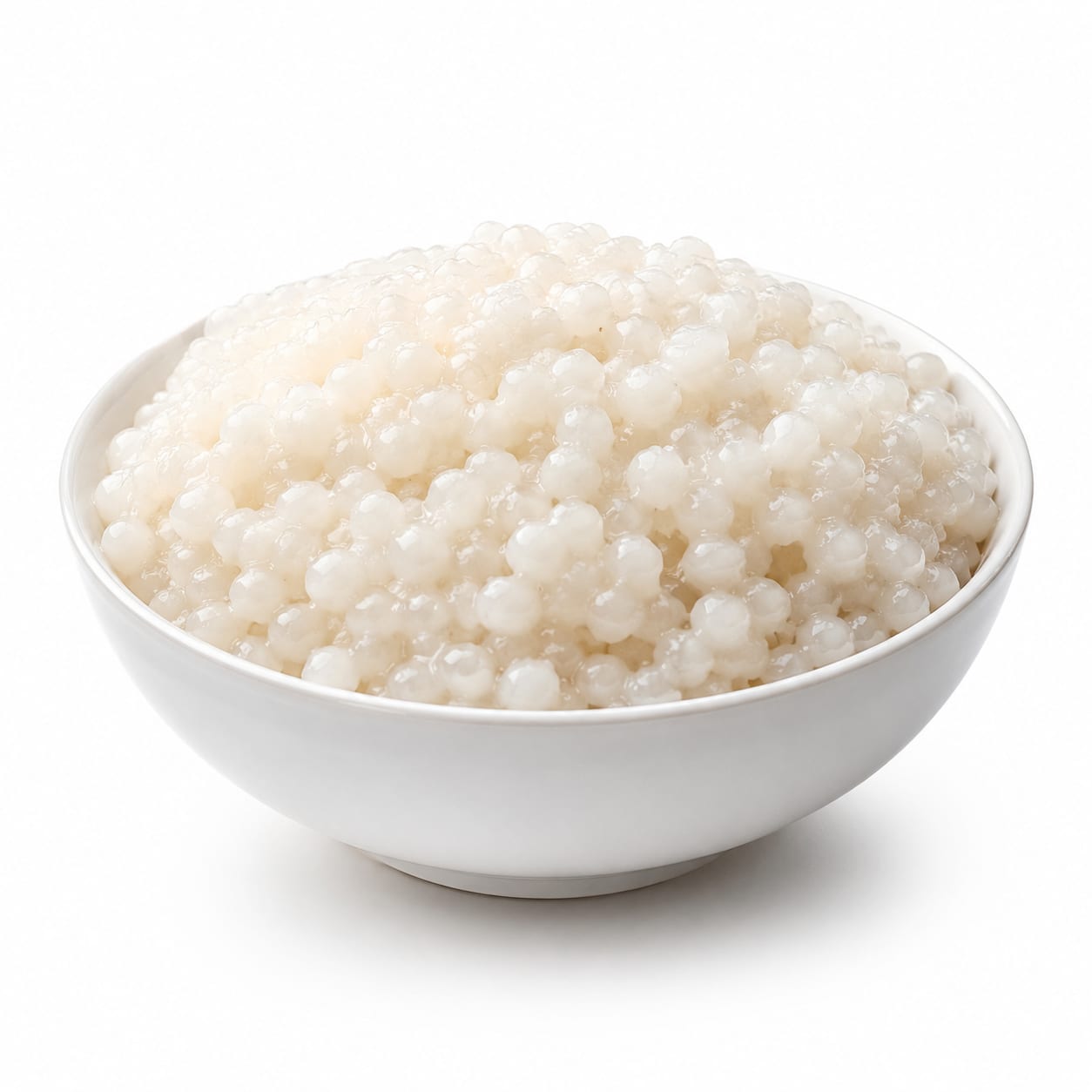
Tapioca
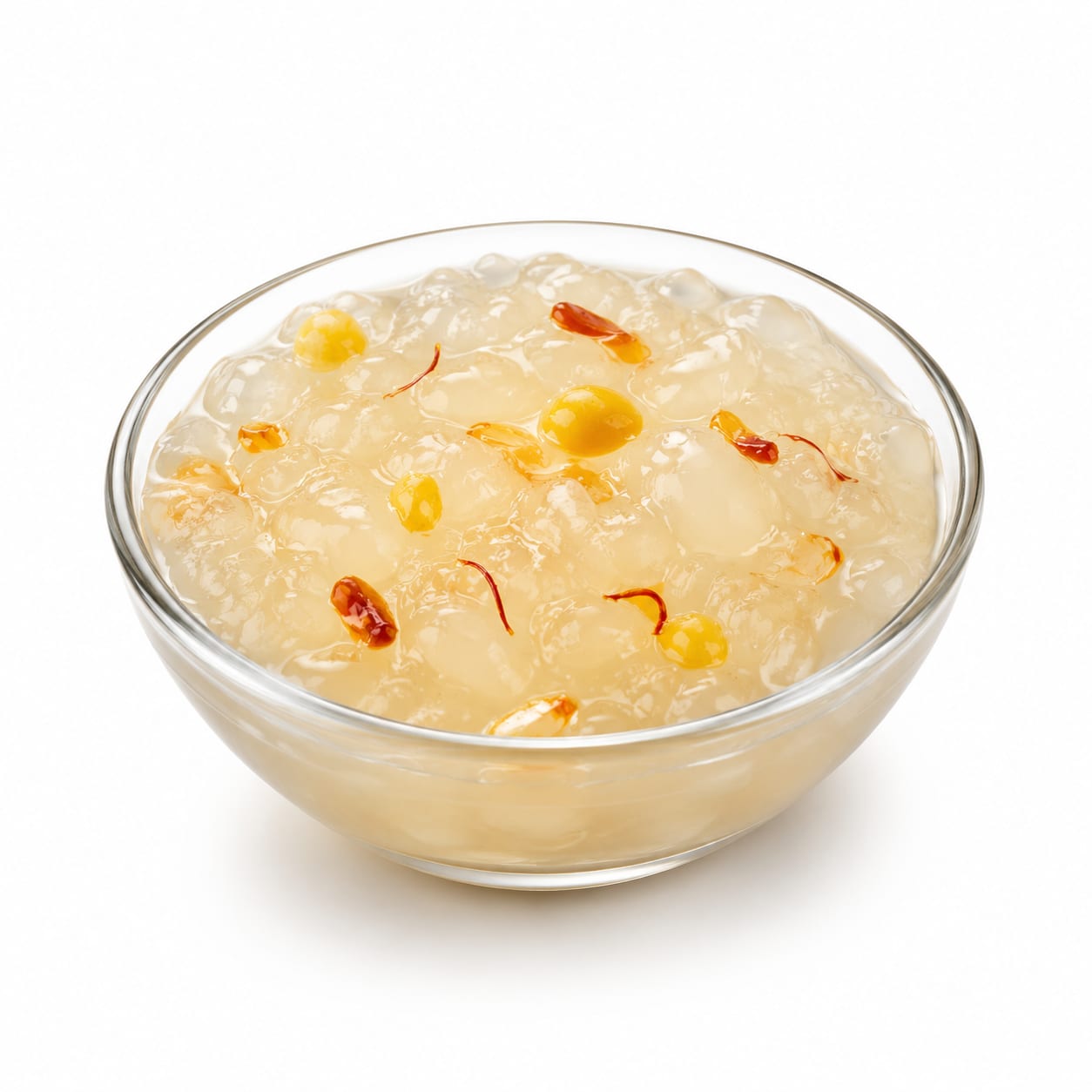
Arrowroot
Arrowroot edges ahead as the gentler, safer starch with better digestive tolerance, though tapioca wins for chewy textures and frozen dishes.
Arrowroot scores moderately higher due to its digestive gentleness, slightly better nutrient profile, and cleaner safety profile. Tapioca is not unhealthy but offers fewer functional advantages for daily health-conscious use.
Tapioca delivers superior texture and freeze-thaw stability, while arrowroot offers easier digestion and a cleaner safety profile.
At a glance
Executive summary
Overall
Arrowroot
Healthier
Arrowroot
More practical
It depends
Daily use
Arrowroot
Key comparison lenses
digestive tolerance
Arrowroot is famously gentle on the stomach and historically used for illness recovery, while tapioca can cause bloating in sensitive individuals
glycemic impact
Both are dense starches with significant blood sugar implications, but their glycemic responses differ meaningfully
culinary thickening performance
Most users choose between these as thickeners, and their behavior under heat, acid, and freezing varies substantially
safety and processing concerns
Tapioca derives from cassava which contains natural cyanogenic compounds requiring proper processing
nutritional density
Both are relatively nutrient-poor starches, but small differences in minerals and fiber matter for regular consumers
Best choice for
Tapioca
- Boba tea and chewy dessert recipes
- Frozen meals and pies that need freeze-thaw stability
- Baking where a chewy, elastic texture is desired
- People wanting a neutral-flavored calorie source during recovery
Arrowroot
- Sensitive digestion or recovering from illness
- Thickening acidic sauces like fruit glazes
- Clear, glossy finishes in sauces and gravies
- Parents seeking a gentle starch for young children
Least suitable for
Tapioca
- People with sensitive digestion or IBS
- Blood sugar management diets
- Dairy-free acidic sauces (breaks down poorly)
Arrowroot
- Frozen dishes that undergo repeated thawing
- Recipes requiring chewy or stretchy texture
- Prolonged high-heat cooking like slow-simmered stews
Deep comparison
Dimension by dimension
Each lens scores both foods and breaks down who each option suits.
- Dimension 1 · Priority 92Arrowroot
digestive_tolerance
Tapioca · 45Arrowroot · 90Arrowroot is one of the most digestible starches available, traditionally given to infants and recovering patients. Tapioca can cause gas and bloating, especially in larger amounts.
Tradeoff
Tapioca's resistant starch feeds gut bacteria but also produces gas; arrowroot digests smoothly with minimal fermentation.
Why it matters
If your stomach is ever sensitive, this difference is immediately noticeable. Arrowroot feels light; tapioca can feel heavy.
Real-world impact
After a stomach bug, arrowroot-based porridge feels soothing. A tapioca pudding might leave you uncomfortably full and gassy.
Tapioca
- Feeding beneficial gut bacteria via resistant starch
Better for
- People prone to bloating or gas
Worse for
Arrowroot
- Recovering from gastrointestinal illness
- Sensitive stomachs and IBS-prone individuals
- Infants and elderly with fragile digestion
Better for
- Those specifically wanting prebiotic resistant starch benefits
Worse for
- Dimension 2 · Priority 88Arrowroot
glycemic_impact
Tapioca · 25Arrowroot · 38Both are high-glycemic starches that spike blood sugar, but arrowroot has slightly more fiber and a marginally lower glycemic load.
Tradeoff
Neither is a good choice for blood sugar control, but arrowroot is the lesser of two evils by a small margin.
Why it matters
If you are diabetic or insulin-resistant, both should be used sparingly. The difference between them is real but modest.
Real-world impact
A tapioca-based snack will cause a sharper energy crash than arrowroot, but both will spike blood sugar more than whole grains.
Tapioca
- Quick energy replenishment after intense exercise
Better for
- Anyone monitoring blood sugar closely
Worse for
Arrowroot
- Slightly steadier energy release compared to tapioca
- Marginally better for prediabetics when small amounts are needed
Better for
- Still too high-glycemic for low-carb or keto diets
Worse for
- Dimension 3 · Priority 85It depends
culinary_thickening_performance
Tapioca · 72Arrowroot · 78Arrowroot creates clearer, glossier sauces and handles acid well. Tapioca survives freezing and long cooking better but turns cloudy and gluey in acidic dishes.
Tradeoff
Arrowroot makes prettier sauces but breaks down with extended heat. Tapioca holds up in slow cooking but fails in fruit-based dishes.
Why it matters
Choosing the wrong thickener can ruin a dish's texture. Acid and heat behave very differently with each starch.
Real-world impact
Use arrowroot for a lemon curd or berry glaze and it stays silky. Use tapioca and it gets stringy. But freeze that berry pie and tapioca holds while arrowroot weeps.
Tapioca
- Frozen pies and make-ahead meals
- Slow-cooked stews and soups
- Chewy boba and pudding textures
Better for
- Acidic or citrus-based sauces
Worse for
Arrowroot
- Acidic sauces and fruit-based glazes
- Clear, glossy gravy or sauce finishes
- Quick-thickened stir-fry sauces
Better for
- Dishes that will be frozen and reheated
- Recipes requiring prolonged simmering
Worse for
- Dimension 4 · Priority 80Arrowroot
safety_and_toxin_profile
Tapioca · 55Arrowroot · 88Cassava (tapioca's source) naturally contains cyanogenic glycosides that must be properly removed during processing. Arrowroot has no such concern.
Tradeoff
Commercially processed tapioca is generally safe, but the underlying risk from improper processing exists. Arrowroot has no natural toxin concerns.
Why it matters
For most consumers buying commercial products, this is a low risk. But for those sourcing artisanal or homemade cassava products, it matters greatly.
Real-world impact
Store-bought tapioca pearls or flour are safe. But if someone makes homemade cassava flour without proper soaking and fermentation, it could be dangerous.
Tapioca
- No meaningful safety advantage
Better for
- Risk from improperly processed cassava products
- Concern with unverified or homemade cassava flour
Worse for
Arrowroot
- Complete absence of cyanogenic compounds
- Safer for homemade or artisanal preparation
- No processing-dependent safety concerns
Better for
- No notable safety downside
Worse for
- Dimension 5 · Priority 65Arrowroot
nutritional_density
Tapioca · 30Arrowroot · 42Both are primarily empty starches, but arrowroot contains slightly more iron, potassium, and B vitamins. Neither is a meaningful nutrient source.
Tradeoff
The nutritional gap is small and neither food should be relied on for vitamins or minerals. Arrowroot has a slight edge that only matters with frequent consumption.
Why it matters
If you eat these occasionally as thickeners, the nutrient difference is negligible. If you rely on them as dietary staples, arrowroot's edge compounds.
Real-world impact
A daily arrowroot-thickened sauce gives you a tiny bit more iron and potassium than tapioca would. Not life-changing, but not nothing either.
Tapioca
- Slightly more calcium per serving
Better for
- Very low in vitamins and minerals overall
Worse for
Arrowroot
- More iron and potassium per serving
- Slightly more B-vitamins
- Marginally more fiber
Better for
- Still nutritionally sparse — not a meaningful nutrient source
Worse for
Timeline
Health impact over time
Short-term
Hours to days
Tapioca
- Quick blood sugar spike followed by energy crash
- Possible bloating and gas from resistant starch fermentation
- Immediate feeling of fullness due to dense carbohydrate content
Arrowroot
- Milder blood sugar spike compared to tapioca
- Comfortable, easy digestion with minimal gas
- Lighter stomach feel after eating
Long-term
Months to years
Tapioca
- Regular high-glycemic consumption may worsen insulin sensitivity
- Resistant starch may support beneficial gut bacteria over time
- Low nutrient density means missed nutritional opportunities if used as a staple
Arrowroot
- Slightly better long-term blood sugar profile than tapioca
- Gentle on the digestive tract with consistent use
- Marginal iron and potassium contribution with frequent consumption
Risk profile
Safety & processing
Both are single-ingredient starches with no artificial additives in their pure forms. However, tapioca requires more extensive processing to extract starch from cassava and remove natural toxins. Arrowroot undergoes simpler washing and drying, making it closer to its whole-food origin. Commercial tapioca pearls often contain added sulfites or preservatives, while arrowroot powder typically does not.
Tapioca
Cyanogenic glycosides from cassava
mediumCassava roots contain compounds that can release cyanide. Commercial processing removes these effectively, but improperly prepared or artisanal products may retain concerning levels. Boiling, soaking, and fermenting are essential safety steps.
Added sulfites in tapioca pearls
lowSome commercial tapioca pearls contain sulfite preservatives which can trigger reactions in sensitive individuals, particularly people with asthma.
Arrowroot
Adulteration with cheaper starches
lowSome commercial arrowroot powder is cut with potato starch or tapioca to reduce costs. This is a labeling issue rather than a safety concern, but reduces the digestive benefits you expect.
Who wins for whom
Audience fit
Same foods, different winners depending on your goal.
children
ArrowrootArrowroot has a long history of use in infant formulas and baby foods due to its exceptional digestibility and clean safety profile.
daily consumption
ArrowrootArrowroot's easier digestion, cleaner safety profile, and slightly better nutrient content make it the more sustainable daily choice when a starch thickener is needed.
diabetes
ArrowrootArrowroot has a slightly lower glycemic impact, though both should be used very sparingly by anyone managing blood sugar.
elderly
ArrowrootGentle digestion and no toxin concerns make arrowroot the safer choice for aging digestive systems that may be more sensitive.
muscle gain
TapiocaTapioca's faster-digesting carbs can provide quick post-workout glycogen replenishment, and its resistant starch content may support gut health for better nutrient absorption.
weight loss
ArrowrootNeither supports weight loss well, but arrowroot's slightly higher fiber and lower glycemic load make it marginally less likely to trigger hunger cycles.
Your move
Decision guide
Choose Tapioca
- You are making boba tea, tapioca pudding, or chewy desserts
- Your recipe will be frozen and needs to survive thawing
- You want a prebiotic-resistant starch for gut health
- You need a starch that holds up to long simmering
- You are an athlete needing fast post-workout carbs
Choose Arrowroot
- You have a sensitive stomach or are recovering from illness
- You are thickening an acidic sauce, fruit glaze, or citrus dish
- You want the cleanest, safest starch for children or elderly
- You need a clear, glossy finish in your sauces
- You want the most digestible option for daily cooking
Either works if
- You need a gluten-free thickener for a neutral-pH gravy
- You are using small amounts as a binder in baking
- You are making a quick sauce and both are in your pantry
Avoid both if
- You are on a low-carb or ketogenic diet
- You are managing diabetes and need low-glycemic foods
- You are looking for nutrient-dense foods — neither qualifies
- You want a whole-food starch with fiber intact (choose whole potatoes or oats instead)
Final recommendation
Keep arrowroot in your pantry as the default thickener — it is gentler, safer, and more versatile for everyday cooking. Save tapioca for when you specifically need its unique chewy texture or freeze-thaw stability. Neither should be a dietary staple, but arrowroot is the one that earns its place in regular rotation.
Practical
Consumer tips
- 1
Check arrowroot labels for purity — some brands cut it with potato starch, which defeats the digestive benefits
- 2
Tapioca pearls often contain sulfites; choose organic or preservative-free brands if you are sensitive
- 3
For thickening, use about half as much arrowroot as you would flour — it is very potent
- 4
Never add arrowroot to boiling liquid; dissolve it in cold water first, then stir into a warm (not boiling) sauce
- 5
If making homemade cassava products, always peel, soak, and cook thoroughly to remove cyanogenic compounds
- 6
Store both starches in airtight containers away from moisture — they clump easily and lose thickening power