
Nutrition comparison
Tapioca vs Sweet Potato: Which Starch Is Actually Better For You?
Tapioca and Sweet Potato compared on nutrition, blood sugar impact, satiety, and health benefits. Discover why Sweet Potato wins for daily eating and when Tapioca might still have a place.
Overall winner · Sweet Potato
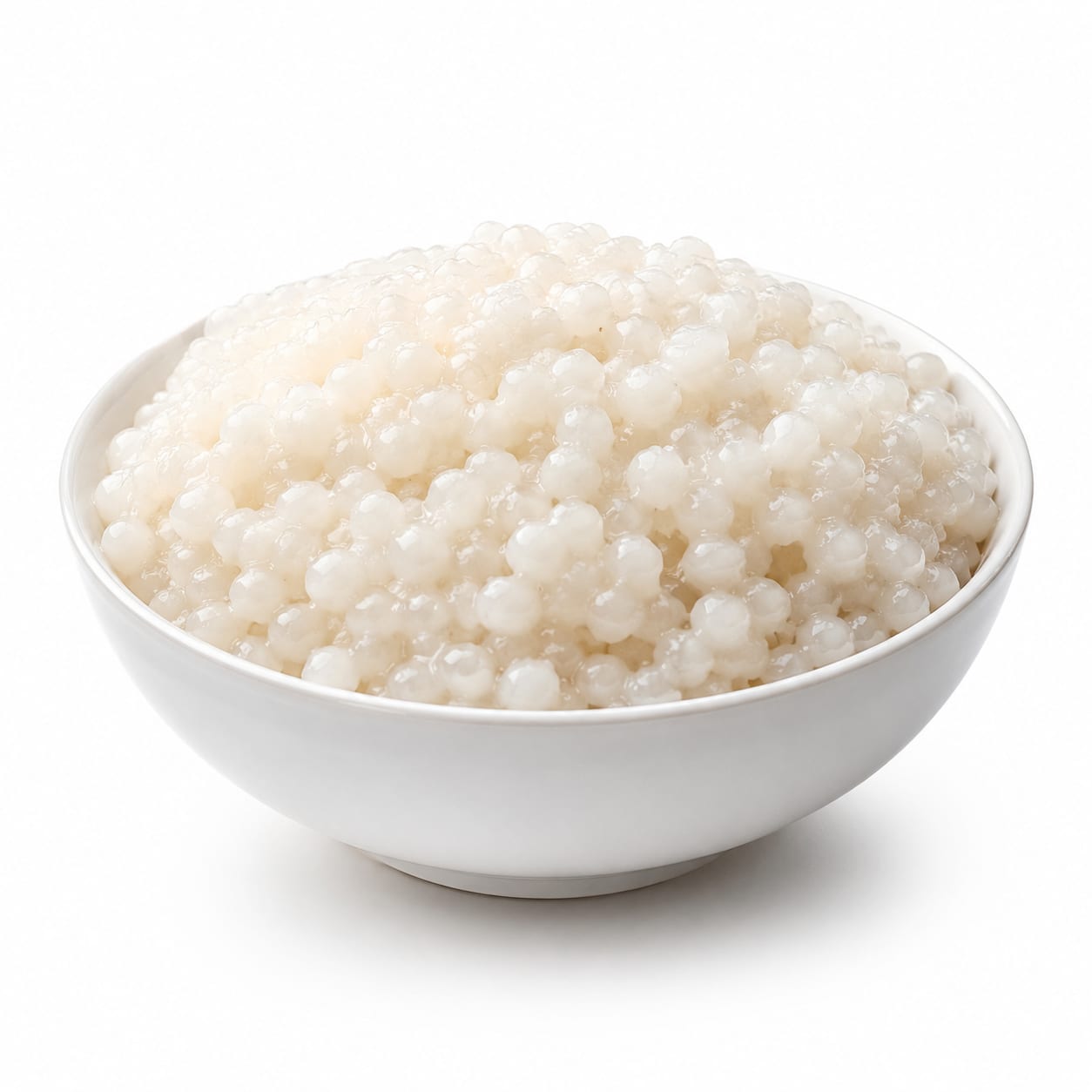
Tapioca
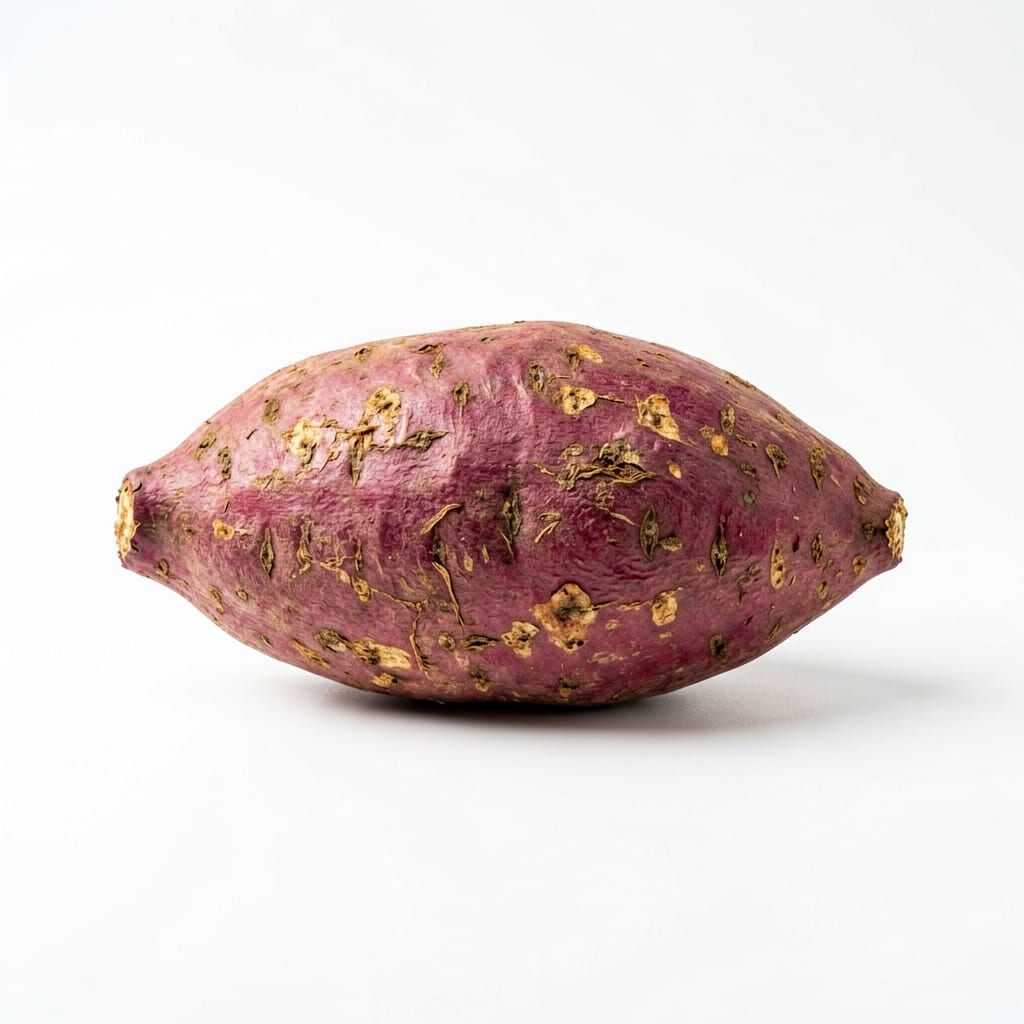
Sweet Potato
Sweet Potato dominates this comparison nutritionally, offering real vitamins, minerals, and fiber that Tapioca simply cannot match.
Sweet Potato scores dramatically higher because it provides real nutrition alongside its calories. Tapioca is essentially empty starch — functional for specific situations but poor as a regular food choice.
Tapioca provides easy-to-digest energy for sensitive stomachs but sacrifices virtually all nutritional value, while Sweet Potato delivers sustained energy and dense nutrition but requires more digestive effort.
At a glance
Executive summary
Overall
Sweet Potato
Healthier
Sweet Potato
More practical
Sweet Potato
Daily use
Sweet Potato
Key comparison lenses
nutritional value comparison
Tapioca is nearly pure starch with minimal nutrients, while sweet potato is one of the most nutrient-dense carbohydrates available
blood sugar management
The fiber gap between these two foods creates dramatically different glycemic responses that matter for daily energy and metabolic health
whole food vs extracted starch
Tapioca is an extracted product stripped of most natural components, whereas sweet potato is eaten whole with all cofactors intact
weight management satiety
One food leaves you hungry again quickly, the other keeps you full for hours despite similar calorie counts
digestive sensitivity
Tapioca's low residue can help sensitive digestive systems, while sweet potato's fiber may challenge some people initially
Best choice for
Tapioca
- People with severe digestive conditions needing low-residue foods
- Those recovering from gastrointestinal illness who need gentle calories
- Anyone needing quick, easily digestible pre-workout energy
- Gluten-free baking where a neutral starch base is required
Sweet Potato
- Anyone prioritizing long-term health and disease prevention
- People managing blood sugar or trying to lose weight
- Athletes needing sustained energy with micronutrient support
- Families looking for affordable, nutrient-dense daily staples
Least suitable for
Tapioca
- People with diabetes or insulin resistance
- Anyone seeking nutrient-dense meals
- Those trying to manage hunger and cravings
- Long-term daily dietary staples
Sweet Potato
- People with active IBD flares requiring low-fiber diets
- Those with severe digestive sensitivity to fermentable fibers
- Situations requiring immediate easy-to-digest energy
Deep comparison
Dimension by dimension
Each lens scores both foods and breaks down who each option suits.
- Dimension 1 · Priority 95Sweet Potato
Nutritional Density
Tapioca · 8Sweet Potato · 88Sweet Potato is loaded with vitamins, minerals, and antioxidants. Tapioca is nutritional dead space — almost pure carbohydrate with trace amounts of anything else.
Tradeoff
Tapioca's simplicity makes it hypoallergenic and easy to digest, but you get essentially zero vitamins or minerals per calorie consumed.
Why it matters
Eating nutrient-poor foods regularly means you either need to get all your nutrition elsewhere or risk deficiencies over time.
Real-world impact
A medium sweet potato gives you over 400% of your daily vitamin A needs. The same calories in tapioca give you virtually nothing nutritionally.
Tapioca
- Situations where minimal nutrient interaction with medications matters
Better for
- Meeting daily vitamin and mineral requirements
- Providing any meaningful micronutrient contribution
Worse for
Sweet Potato
- Daily nutrition building blocks
- Immune system support through beta carotene
- Bone health through potassium and vitamin A
- Eye health and vision support
Better for
- Extremely restricted medical diets requiring nutrient limitation
Worse for
- Dimension 2 · Priority 90Sweet Potato
Blood Sugar Stability
Tapioca · 20Sweet Potato · 68Tapioca spikes blood sugar rapidly with almost no fiber to slow absorption. Sweet Potato releases energy more gradually thanks to its fiber content and complex carbohydrate structure.
Tradeoff
Tapioca gives you fast energy but crashes you just as quickly. Sweet Potato provides steadier fuel but will not give you that immediate sugar rush if you need one.
Why it matters
Blood sugar roller coasters drive cravings, fatigue, and long-term metabolic damage. Steady energy feels better and performs better.
Real-world impact
Tapioca pearls in bubble tea can spike your blood sugar within 20 minutes and leave you hungry again an hour later. A baked sweet potato keeps you satisfied for 2-3 hours.
Tapioca
- Quick pre-workout fuel when you need fast-available glucose
- Hypoglycemia recovery when blood sugar is dangerously low
Better for
- Mid-morning energy crashes after breakfast
- Triggering hunger cycles and overeating
- Worsening insulin resistance over time
Worse for
Sweet Potato
- Sustained afternoon energy without the crash
- Diabetes management and insulin sensitivity
- Reducing cravings between meals
- Steady focus during long work sessions
Better for
- Situations requiring rapid blood sugar elevation
Worse for
- Dimension 3 · Priority 85Sweet Potato
Satiety and Fullness
Tapioca · 15Sweet Potato · 82Sweet Potato fills you up and keeps you full. Tapioca digests quickly and leaves you reaching for more food soon after eating.
Tradeoff
Tapioca's lightness can feel comfortable when you do not want a heavy meal, but that lightness comes at the cost of lasting satisfaction.
Why it matters
Foods that fail to satisfy lead to overeating, snacking, and higher total calorie intake throughout the day.
Real-world impact
A cup of tapioca pudding leaves you hungry within the hour. A medium baked sweet potato can carry you from lunch to dinner without snacking.
Tapioca
- When you want something light before a big meal
- Post-illness eating when fullness feels uncomfortable
Better for
- Controlling hunger and calorie intake
- Avoiding constant grazing behavior
Worse for
Sweet Potato
- Weight management through natural portion control
- Reducing between-meal snacking
- Feeling satisfied on fewer calories
- Busy days when you cannot eat frequently
Better for
- When you need to eat but feel too full for heavy food
Worse for
- Dimension 4 · Priority 80Sweet Potato
Processing and Naturalness
Tapioca · 30Sweet Potato · 92Sweet Potato is a whole food you can dig from the ground and eat. Tapioca requires extensive processing to extract starch from cassava root.
Tradeoff
Processing makes Tapioca shelf-stable and versatile as an ingredient, but strips away everything nutritionally valuable from the original cassava plant.
Why it matters
Whole foods carry synergistic nutrients that processed extracts cannot replicate. The more processed a food, the less your body recognizes it as real nourishment.
Real-world impact
A sweet potato you bake at home has one ingredient. Tapioca pearls often contain added preservatives, colorants, and stabilizers beyond the starch itself.
Tapioca
- Shelf stability and long storage
- Neutral flavor that adapts to any recipe
- Gluten-free thickening for sauces and desserts
Better for
- Exposure to potential additives in commercial products
- Loss of all natural cofactors during processing
Worse for
Sweet Potato
- Minimal processing with intact nutrient matrix
- No hidden additives or preservatives
- Transparent ingredient list — just sweet potato
- Preservation of natural fiber and phytonutrients
Better for
- Shorter shelf life requiring proper storage
Worse for
- Dimension 5 · Priority 70Tapioca
Digestive Tolerance
Tapioca · 78Sweet Potato · 62Tapioca's near-zero fiber makes it extremely gentle on an inflamed or sensitive digestive system. Sweet Potato's fiber is healthy but can bother some people.
Tradeoff
What heals digestion long-term (fiber from sweet potato) can irritate it short-term during flares. Tapioca offers short-term comfort but no long-term gut health benefits.
Why it matters
Digestive conditions require careful food choices, and sometimes the most nutritious option is not the best immediate choice.
Real-world impact
During a Crohn's flare, tapioca can provide safe calories without aggravating inflammation. Sweet potato might cause bloating or discomfort in the same situation.
Tapioca
- Active IBD flares requiring low-residue diets
- Post-surgical digestive recovery
- Severe IBS when fiber triggers symptoms
- Gastroenteritis recovery phase
Better for
- Contributing to constipation from lack of fiber
- Missing prebiotic benefits for gut bacteria
Worse for
Sweet Potato
- Building long-term gut microbiome health
- Preventing constipation through regular fiber intake
- Feeding beneficial gut bacteria with prebiotic fiber
Better for
- Triggering bloating in fiber-sensitive individuals
- Worsening symptoms during active digestive flares
Worse for
- Dimension 6 · Priority 60Sweet Potato
Versatility and Convenience
Tapioca · 55Sweet Potato · 72Sweet Potato works as a main dish, side, snack, or ingredient across cuisines. Tapioca has narrower use cases, primarily as a thickener or dessert base.
Tradeoff
Tapioca cooks faster and requires less preparation, but sweet potato fits into far more meals and eating occasions throughout the day.
Why it matters
A food that fits seamlessly into your routine gets eaten more consistently, which matters more than occasional perfect meals.
Real-world impact
You can bake, mash, roast, or microwave a sweet potato for any meal. Tapioca mostly shows up in puddings, bubble tea, and as a pie thickener.
Tapioca
- Quick thickening agent for recipes
- Making gluten-free baked goods
- Fast-cooking starch for desserts
Better for
- Limited to mostly dessert and thickening roles
- Cannot serve as a main dish component
Worse for
Sweet Potato
- Breakfast hash or toast alternatives
- Lunch and dinner side dishes
- Meal prep that reheats well
- Sweet and savory recipe applications
Better for
- Longer cooking time requiring planning
- Less convenient for quick recipes
Worse for
Timeline
Health impact over time
Short-term
Hours to days
Tapioca
- Rapid blood sugar spike followed by energy crash
- Quick but short-lasting fullness
- Easy digestion with minimal gastrointestinal effort
- Potential hunger returning within 60-90 minutes
Sweet Potato
- Steady energy release over 2-3 hours
- Sustained fullness that reduces snacking urges
- Mild digestive adjustment period if your body is unused to fiber
- Immediate contribution to daily vitamin A requirements
Long-term
Months to years
Tapioca
- Potential contribution to insulin resistance with regular consumption
- Nutrient gaps that must be filled by other foods
- No protective antioxidant or anti-inflammatory benefits
- Possible increased cravings and overeating patterns
Sweet Potato
- Improved insulin sensitivity from regular fiber intake
- Strong antioxidant protection from beta carotene and anthocyanins
- Better gut microbiome diversity from prebiotic fiber
- Reduced chronic disease risk from consistent micronutrient intake
Risk profile
Safety & processing
Tapioca is an extracted starch product that undergoes significant processing to separate it from the whole cassava root. Commercial tapioca products like pearls often contain added preservatives and stabilizers. Sweet Potato is a whole root vegetable eaten essentially as grown, with minimal to no processing required.
Tapioca
Cyanogenic compounds from improper cassava processing
mediumCassava roots contain natural cyanogenic glycosides. Commercial tapioca is processed to remove these, but poorly processed artisanal products could pose a risk.
Added sulfites in commercial products
lowSome tapioca products contain sulfite preservatives that can trigger reactions in sensitive individuals, particularly people with asthma.
Sweet Potato
Oxalate content
lowSweet potatoes contain moderate oxalates, which may concern people prone to calcium oxalate kidney stones, though the risk is low for most people.
Pesticide residue on conventional skins
lowConventional sweet potatoes may carry pesticide residues primarily on the skin. Choosing organic or peeling reduces this exposure significantly.
Who wins for whom
Audience fit
Same foods, different winners depending on your goal.
children
Sweet PotatoGrowing bodies need vitamins and minerals, not empty starch. Sweet Potato provides essential vitamin A for development, immune function, and growth.
daily consumption
Sweet PotatoSweet Potato is a sustainable daily staple that improves health over time. Regular Tapioca consumption would create significant nutritional gaps requiring compensation elsewhere.
diabetes
Sweet PotatoSweet Potato's fiber slows glucose absorption significantly. Tapioca behaves almost like pure sugar in your bloodstream, making it a poor choice for blood sugar management.
elderly
Sweet PotatoOlder adults need nutrient-dense foods to combat age-related decline. Sweet Potato supports bone health, vision, and immune function. Tapioca offers none of these benefits.
muscle gain
Sweet PotatoBoth provide carbohydrate energy, but Sweet Potato adds potassium for muscle function and antioxidants for recovery that Tapioca completely lacks.
weight loss
Sweet PotatoSweet Potato provides more satiety per calorie, reducing overall food intake throughout the day. Tapioca's empty calories encourage overeating.
Your move
Decision guide
Choose Tapioca
- You are recovering from gastrointestinal illness and need gentle, low-residue calories
- You have a specific recipe requiring a neutral starch thickener
- You are on a medically supervised low-fiber diet
- You need quick-digesting pre-workout fuel and tolerate simple starches well
Choose Sweet Potato
- You want a nutritious daily carbohydrate source
- You are managing your weight, blood sugar, or energy levels
- You care about getting real vitamins and minerals from your food
- You need a filling food that prevents overeating later
- You want affordable, versatile meal options throughout the week
Either works if
- You need gluten-free carbohydrate options
- You want a comforting starchy food that is not wheat-based
- You are building a varied diet and can include both occasionally
Avoid both if
- You are on a strict ketogenic or very-low-carb diet
- You have a severe carbohydrate metabolism disorder requiring carb restriction
- You are eliminating all starches for a specific therapeutic protocol
Final recommendation
Make Sweet Potato your everyday carbohydrate staple. It delivers real nutrition, steady energy, and lasting fullness that Tapioca simply cannot match. Save Tapioca for occasional desserts or specific digestive situations where its gentleness is genuinely needed. Choosing Sweet Potato as your default is one of the easiest nutritional upgrades you can make.
Practical
Consumer tips
- 1
Choose orange-fleshed sweet potatoes for maximum beta carotene — the deeper the color, the more nutrition you get
- 2
Eat sweet potato with a small amount of healthy fat like olive oil to dramatically improve vitamin A absorption
- 3
If you buy tapioca pearls, check ingredient lists for unnecessary additives, preservatives, or artificial colors
- 4
Store sweet potatoes in a cool, dark place but never the refrigerator — cold converts their starches to sugar and alters taste
- 5
Pierce sweet potatoes before microwaving — they cook in 5-8 minutes and retain most of their nutrients
- 6
If you have digestive sensitivity, try sweet potato with the skin removed at first, then gradually include the skin for more fiber
- 7
Boiling sweet potatoes can leach water-soluble nutrients — baking or steaming preserves more vitamins