
Nutrition comparison
Tapioca vs Potato Starch: Nutrition, Gut Health & Baking Comparison
Comparing tapioca and potato starch? Discover which is better for gut health, blood sugar, and gluten-free baking, plus the truth about resistant starch.
Overall winner · Potato Starch
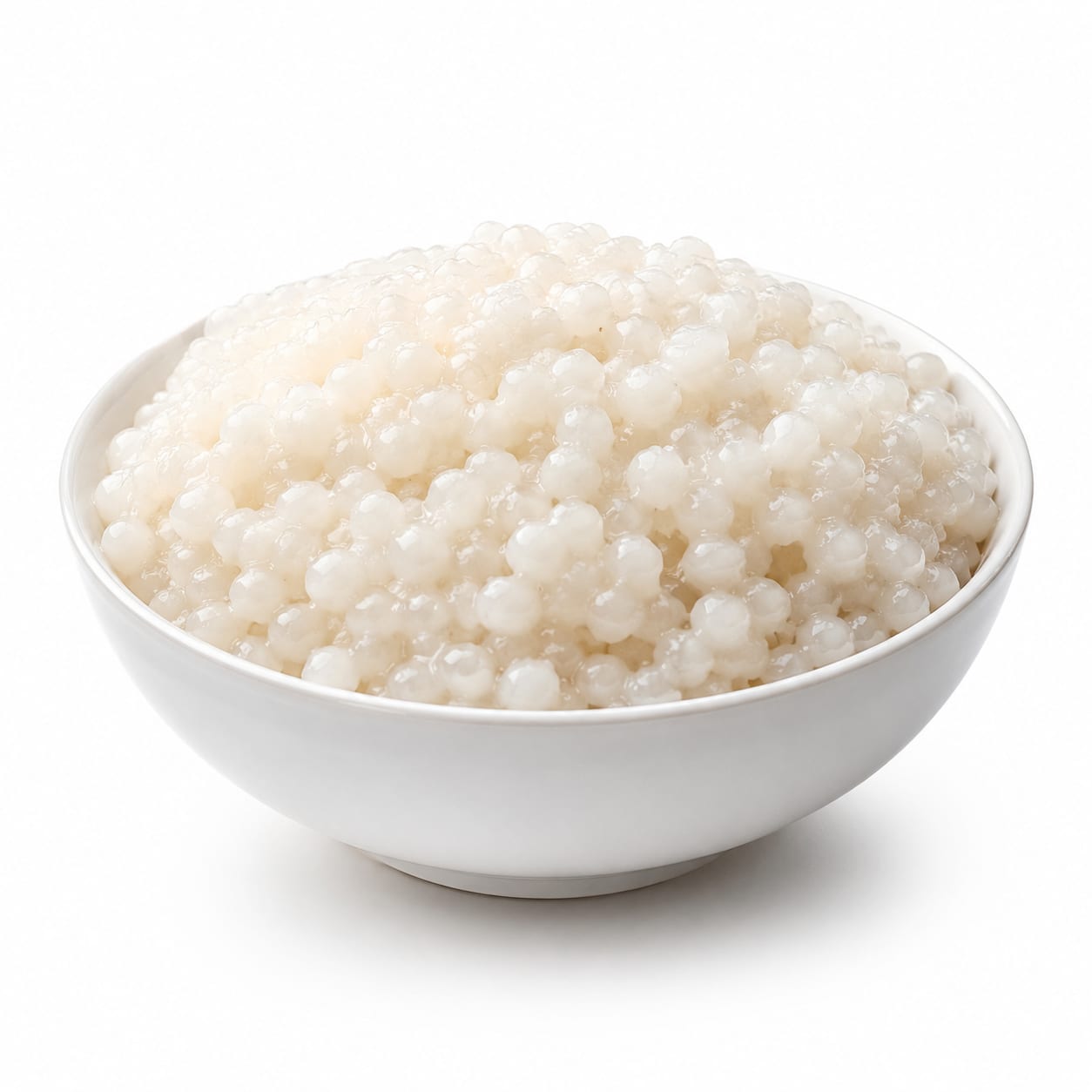
Tapioca
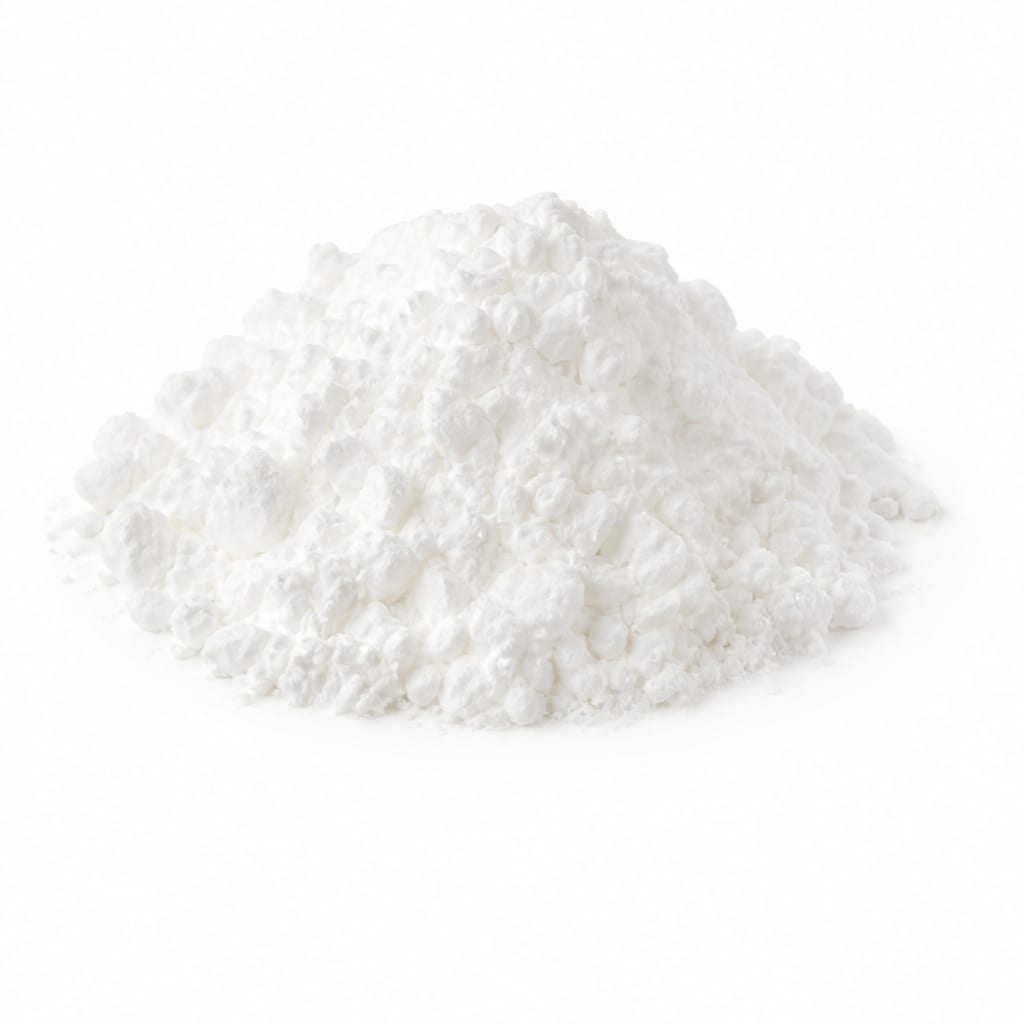
Potato Starch
Potato starch is the healthier choice due to its high resistant starch content, which feeds gut bacteria and stabilizes blood sugar when consumed raw. Tapioca is gentler on the stomach and superior for chewy, stretchy baking textures.
Potato starch scores higher overall because of its significant resistant starch benefits for gut health and blood sugar. Tapioca scores lower nutritionally but remains highly relevant for specific culinary and digestive needs.
You trade gut health and metabolic benefits for digestive comfort and culinary chewiness.
At a glance
Executive summary
Overall
Potato Starch
Healthier
Potato Starch
More practical
Tapioca
Daily use
Potato Starch
Key comparison lenses
Gut health and microbiome support
Potato starch is a well-known source of resistant starch, which acts as a prebiotic, whereas tapioca is mostly digested before reaching the gut.
Blood sugar management
Both are pure starches that can spike blood sugar when cooked, but raw potato starch has a minimal glycemic impact due to its resistant starch content.
Gluten-free baking and thickening
Both are staple ingredients in gluten-free kitchens, but they yield very different textures and behave differently when heated.
Digestive tolerance
Tapioca is famously easy on the stomach, while raw potato starch can cause bloating and gas as gut bacteria ferment it.
Best choice for
Tapioca
- People with sensitive digestion or recovering from stomach illness
- Gluten-free bakers needing chewy, stretchy dough textures
- Making traditional desserts like boba or tapioca pudding
Potato Starch
- People looking to boost gut microbiome health
- Those managing blood sugar who want a raw starch supplement
- Bakers wanting crispy, light textures or quick thickening
Least suitable for
Tapioca
- People looking to increase fiber or prebiotic intake
- Those strictly managing blood sugar spikes from cooked carbs
Potato Starch
- People with severe IBS or SIBO who react poorly to fermentable fibers
- Recipes requiring a chewy, stretchy, or gelatinous texture
Deep comparison
Dimension by dimension
Each lens scores both foods and breaks down who each option suits.
- Dimension 1 · Priority 95Potato Starch
Gut Health & Microbiome
Tapioca · 30Potato Starch · 92Potato starch is rich in resistant starch type 2, which passes undigested to the colon and feeds beneficial bacteria. Tapioca offers minimal prebiotic value.
Tradeoff
The fermentation of potato starch produces gas, which can cause bloating, whereas tapioca is nearly completely absorbed in the small intestine, leaving little for gut bacteria.
Why it matters
A healthy microbiome influences everything from immunity to mood, making prebiotic starches a powerful daily tool.
Real-world impact
Adding raw potato starch to a smoothie can improve regularity and gut health over time, while tapioca acts simply as empty carbs for energy.
Tapioca
- Avoiding fermentable carbs that cause gas
Better for
- Contributing to leaky gut or dysbiosis if overconsumed without fiber
Worse for
Potato Starch
- Feeding beneficial gut bacteria
- Improving bowel regularity
Better for
- Triggering IBS or SIBO symptoms in sensitive individuals
Worse for
- Dimension 2 · Priority 85Potato Starch
Blood Sugar Stability
Tapioca · 40Potato Starch · 75When cooked, both spike blood sugar rapidly. However, raw potato starch resists digestion, resulting in a minimal glycemic impact.
Tradeoff
You only get the blood sugar benefit from potato starch if you consume it raw, which limits culinary applications. Tapioca always spikes blood sugar when eaten.
Why it matters
Frequent blood sugar spikes lead to energy crashes, cravings, and long-term metabolic issues.
Real-world impact
Mixing a tablespoon of raw potato starch into cold yogurt will not cause an afternoon energy crash, while eating tapioca pudding likely will.
Tapioca
- Providing quick, easily accessible energy for athletes or recovery
Better for
- Triggering rapid blood sugar spikes and subsequent crashes
Worse for
Potato Starch
- Avoiding blood sugar spikes when consumed raw
- Improving insulin sensitivity over time
Better for
- Acting like any other high-glycemic carb when heated in baking or cooking
Worse for
- Dimension 3 · Priority 75Tapioca
Digestive Tolerance
Tapioca · 95Potato Starch · 55Tapioca is extremely gentle and often recommended for people with nausea or digestive distress. Potato starch can cause significant bloating when first introduced.
Tradeoff
Tapioca's gentle nature means it does nothing for your gut microbiome, while potato starch's gut benefits come with a temporary discomfort cost.
Why it matters
If you have a sensitive stomach, the prebiotic benefits of potato starch might not be worth the immediate discomfort.
Real-world impact
Tapioca is a safe, comforting food during a stomach flu, whereas raw potato starch might make you feel more bloated.
Tapioca
- Soothing an upset stomach
- Providing calories without digestive strain
Better for
- Lacking fiber to aid in long-term digestive regularity
Worse for
Potato Starch
- Building long-term digestive resilience through microbiome support
Better for
- Causing uncomfortable gas and bloating during the adaptation phase
Worse for
- Dimension 4 · Priority 80It depends
Culinary Performance & Texture
Tapioca · 85Potato Starch · 85Tapioca creates chewy, stretchy, and gelatinous textures, while potato starch creates light, crispy, and tender textures.
Tradeoff
You cannot easily swap them in recipes. Tapioca makes great boba and pizza crusts; potato starch makes great coatings and delicate cakes.
Why it matters
Using the wrong starch can ruin a recipe's texture, turning a crispy coating gummy or a chewy bread crumbly.
Real-world impact
If you want crispy fried chicken, use potato starch. If you want chewy mochi-style dough, use tapioca.
Tapioca
- Creating chewy and stretchy textures
- Making boba, puddings, and gluten-free bagels
Better for
- Making foods overly gummy or stringy if overused
Worse for
Potato Starch
- Creating crispy and light textures
- Thickening gravies quickly without cloudiness
Better for
- Becoming overly dense or tough if over-mixed in doughs
Worse for
Timeline
Health impact over time
Short-term
Hours to days
Tapioca
- Provides rapid energy due to quick carbohydrate absorption
- Soothes the stomach without causing fermentation or gas
Potato Starch
- Can cause noticeable bloating or gas if consumed raw in large amounts
- Provides steady energy without a blood sugar spike if consumed raw
Long-term
Months to years
Tapioca
- May contribute to blood sugar dysregulation if relied on as a primary carb source
- Lacks the fiber needed for long-term colon health
Potato Starch
- Supports a diverse and healthy gut microbiome
- May improve insulin sensitivity and metabolic health over time
Risk profile
Safety & processing
Both are extracted starches that undergo washing, centrifuging, and drying. Neither contains artificial additives in its pure form, but both are far removed from the whole cassava root or potato.
Tapioca
Cyanogenic glycosides
lowCassava naturally contains compounds that can produce cyanide, but commercial tapioca is rigorously processed and tested to remove them, making it safe for consumption.
Potato Starch
Solanine contamination
lowPotatoes contain solanine, a natural toxin. However, the starch extraction process removes virtually all solanine, making pure potato starch safe.
Who wins for whom
Audience fit
Same foods, different winners depending on your goal.
children
TapiocaTapioca is extremely gentle on developing digestive systems and provides easy energy without the gas and bloating risk of raw potato starch.
daily consumption
Potato StarchAs a daily supplement in cold foods, potato starch offers ongoing gut health and metabolic benefits, while tapioca is just empty carbs.
diabetes
Potato StarchWhen consumed raw, potato starch resists digestion and does not spike blood sugar, offering metabolic benefits that tapioca cannot match.
elderly
Potato StarchThe prebiotic benefits of potato starch support gut health and regularity, which are common concerns in older adults, provided they can tolerate the fermentation.
muscle gain
TapiocaTapioca provides rapidly digestible carbohydrates that are easily accessible for post-workout glycogen replenishment without causing stomach upset.
weight loss
Potato StarchRaw potato starch provides fewer digestible calories and increases satiety through gut fermentation, whereas tapioca is fully absorbed and can spike hunger.
Your move
Decision guide
Choose Tapioca
- You have a sensitive stomach or are recovering from a GI illness
- You need chewy, stretchy textures for gluten-free baking
- You want a quick-digesting carb source before or after workouts
Choose Potato Starch
- You want to improve your gut microbiome and bowel regularity
- You need a raw starch supplement that will not spike blood sugar
- You want crispy textures for frying or light, tender baking
Either works if
- You need a gluten-free thickener for a hot sauce or gravy
- You are looking for a neutral-flavored carbohydrate base
Avoid both if
- You are on a strict low-carb or ketogenic diet
- You are looking for nutrient-dense, whole-food carbohydrate sources
Final recommendation
Keep both in your pantry, but use them differently. Choose potato starch for daily gut health benefits in cold smoothies or yogurt, and for crispy frying. Save tapioca for comforting puddings, chewy baked goods, and days when your stomach needs a gentle, easy-to-digest meal.
Practical
Consumer tips
- 1
Never substitute tapioca for potato starch 1:1 in baking; their textures behave very differently.
- 2
To get the gut health benefits of potato starch, you must consume it raw; cooking destroys the resistant starch.
- 3
Start with a small amount of potato starch (1 teaspoon) and work your way up to avoid sudden bloating and gas.
- 4
Look for organic potato starch to avoid pesticide residues common in conventional potato farming.
- 5
Tapioca pearls need a long soak and boil to become truly tender, while tapioca flour blends easily into doughs.