
Nutrition comparison
Tapioca vs Oats: Which Is Healthier? Nutrition, Blood Sugar, and Digestion Compared
Tapioca and oats could not be more different nutritionally. Oats win on fiber, protein, and blood sugar stability. Tapioca wins on digestibility and gluten-free safety. Here is how to choose.
Overall winner · Oats
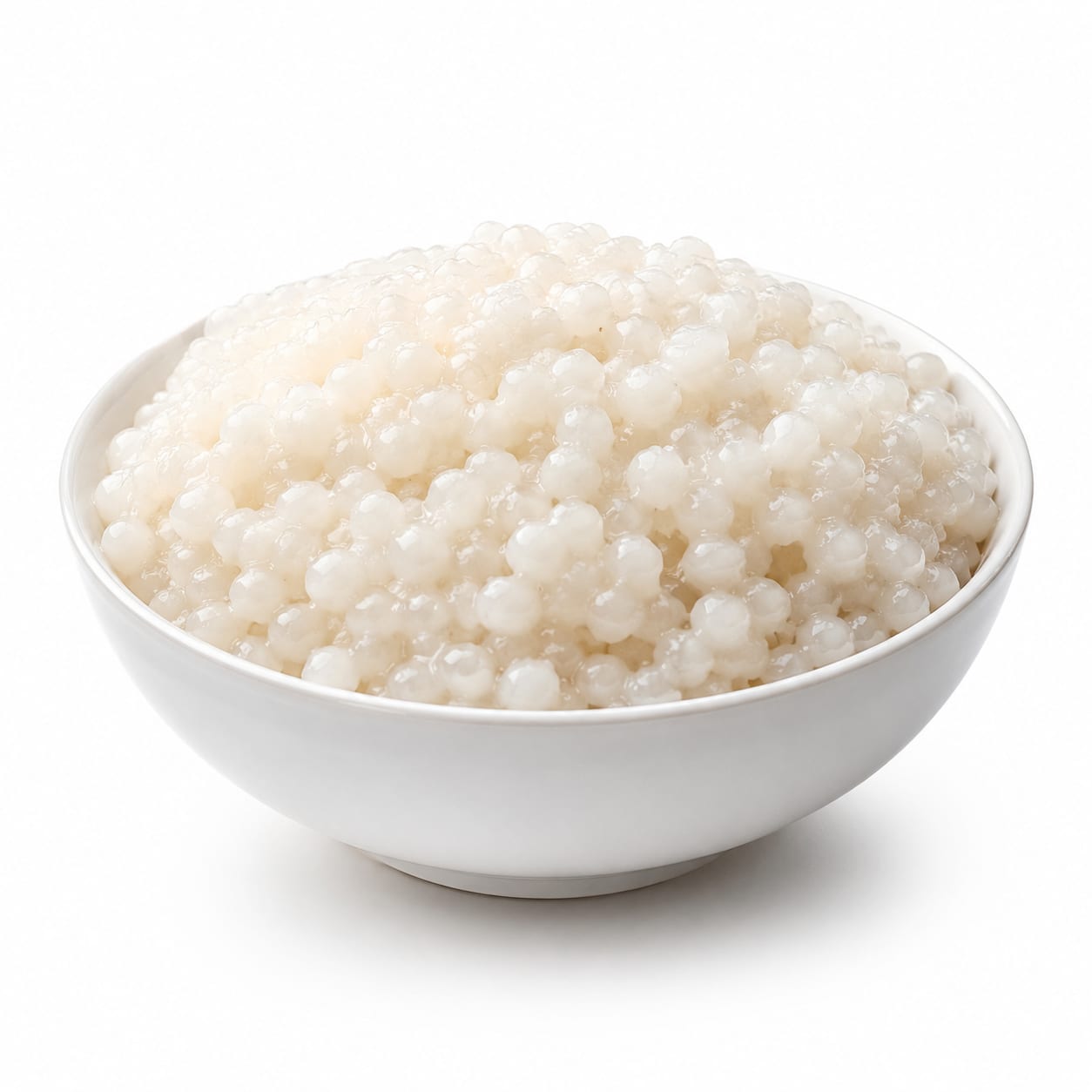
Tapioca
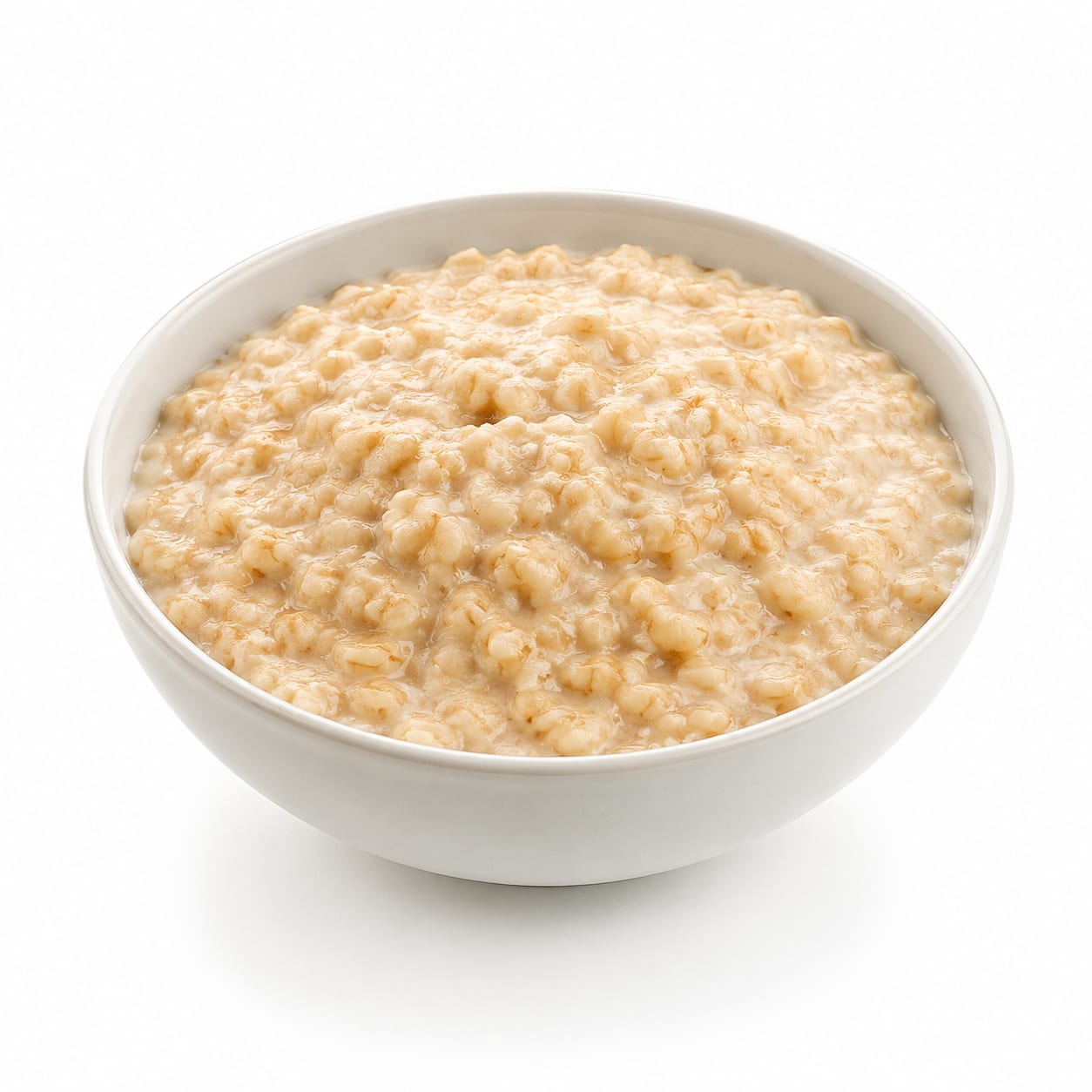
Oats
Oats dominate nutritionally in nearly every category, but tapioca has a narrow but real niche for people who need the most gentle, allergen-free carb source possible.
Oats score dramatically higher due to fiber, protein, vitamins, minerals, and blood sugar stability. Tapioca scores low because it is essentially pure starch with minimal nutritional payoff beyond quick calories.
You trade nutritional value and fullness for digestibility and guaranteed gluten-free safety.
At a glance
Executive summary
Overall
Oats
Healthier
Oats
More practical
Oats
Daily use
Oats
Key comparison lenses
nutritional density comparison
Tapioca is almost pure starch while oats are nutrient-dense whole grains — this is the core tradeoff
blood sugar management
The glycemic gap between these two is massive and affects energy, cravings, and diabetes risk
satiety and fullness
Oats keep you full for hours; tapioca digests quickly and leaves you hungry again fast
digestive tolerance
Tapioca is extremely gentle on the gut, making it relevant for people with IBS or recovery diets
gluten free needs
Tapioca is naturally gluten-free while oats carry cross-contamination risk unless certified
Best choice for
Tapioca
- People with severe gluten sensitivity or celiac disease who want zero cross-contamination risk
- Anyone recovering from gastrointestinal illness who needs an ultra-gentle carb
- Those on elimination diets testing for food intolerances
- Bubble tea lovers wanting the authentic experience
Oats
- Anyone prioritizing heart health and cholesterol management
- People trying to stay full until lunch without snacking
- Athletes needing sustained energy rather than quick spikes
- Anyone managing blood sugar or trying to reduce diabetes risk
- Budget-conscious eaters wanting maximum nutrition per dollar
Least suitable for
Tapioca
- People with diabetes or insulin resistance — the blood sugar spike is steep and fast
- Anyone trying to lose weight — tapioca is calorie-dense but not filling
- Those seeking nutrient-dense meals on a regular basis
- People who struggle with afternoon energy crashes
Oats
- People with celiac disease unless the oats are certified gluten-free
- Anyone with avenin sensitivity — a small subset reacts to oat protein similarly to gluten
Deep comparison
Dimension by dimension
Each lens scores both foods and breaks down who each option suits.
- Dimension 1 · Priority 95Oats
Nutritional Density
Tapioca · 10Oats · 85Tapioca is one of the least nutrient-dense carb sources available. Oats deliver fiber, protein, iron, magnesium, zinc, and B vitamins in every serving.
Tradeoff
Tapioca provides clean energy with almost zero competing nutrients. Oats pack a full nutritional profile but contain more potential allergens and irritants.
Why it matters
Eating nutrient-poor carbs regularly means you either need to get those nutrients elsewhere or risk deficiencies over time.
Real-world impact
A bowl of oatmeal at 7am fuels you with steady energy and real nutrition. Tapioca pudding at 7am tastes comforting but leaves your body asking for more within an hour.
Tapioca
- Ultra-simple carb loading when you want zero interference from fiber or fat
Better for
- Risk of nutrient gaps if tapioca replaces more nutritious staples regularly
Worse for
Oats
- Getting multiple nutrients from a single food instead of needing supplements
- Building meals that actually nourish rather than just fill
Better for
- More potential allergens and antinutrients like phytic acid
Worse for
- Dimension 2 · Priority 90Oats
Blood Sugar Stability
Tapioca · 15Oats · 78Tapioca has a very high glycemic index, causing rapid blood sugar spikes. Oats, especially steel-cut or rolled, release glucose slowly thanks to beta-glucan fiber.
Tradeoff
Tapioca gives you quick energy but crashes you just as fast. Oats trade that quick hit for hours of steady fuel.
Why it matters
Blood sugar roller coasters drive cravings, fatigue, mood swings, and long-term metabolic damage.
Real-world impact
After tapioca, you feel energized for 30 minutes then reach for a snack. After oats, you forget about food until well past noon.
Tapioca
- Post-workout when you actually want fast glycogen replenishment
- Endurance athletes mid-event who need quick carbs
Better for
- Anyone insulin-resistant will struggle with tapioca's glycemic impact
- Energy crashes make overeating more likely later in the day
Worse for
Oats
- Preventing the mid-morning energy crash
- Managing prediabetes or diabetes without medication changes
- Reducing cravings that derail healthy eating
Better for
- Instant oats can spike blood sugar nearly as much as tapioca — preparation type matters
Worse for
- Dimension 3 · Priority 85Oats
Satiety and Fullness
Tapioca · 18Oats · 88Oats are one of the most filling breakfast foods studied. Tapioca digests rapidly and leaves you hungry again quickly.
Tradeoff
Tapioca feels light and easy to eat even with low appetite. Oats feel substantial but may feel too heavy if you prefer eating small amounts.
Why it matters
Foods that fail to fill you up lead to more snacking, more calories, and more decision fatigue around food.
Real-world impact
A tapioca breakfast means you are eyeing the snack drawer by 9:30am. An oat breakfast means you might forget lunch exists.
Tapioca
- When you have no appetite but need calories — tapioca goes down easy
- Small children or elderly who eat small volumes
Better for
- Hunger returns fast, leading to more eating episodes per day
Worse for
Oats
- Weight management without counting calories — fullness does the work for you
- Busy people who cannot snack between meals
Better for
- Heavy feeling if you eat too large a portion before physical activity
Worse for
- Dimension 4 · Priority 75Tapioca
Digestive Tolerance
Tapioca · 90Oats · 65Tapioca is one of the most gut-friendly carb sources available. Oats contain fiber and fructans that can bother sensitive digestive systems.
Tradeoff
Tapioca's gentleness comes from having almost nothing to irritate — because it has almost nothing at all. Oats' fiber is beneficial long-term but can cause short-term discomfort.
Why it matters
For people with IBS, SIBO, or recovering from illness, even healthy fiber can be too much.
Real-world impact
After a stomach bug, tapioca feels safe and soothing. Oats might make a sensitive gut feel bloated or gassy.
Tapioca
- IBS or SIBO flares when you need low-FODMAP options
- Post-surgical or post-illness recovery diets
- Low-residue diets prescribed before medical procedures
Better for
- Long-term exclusive use means your gut microbiome starves for fiber
- Constipation risk if tapioca replaces all fiber sources
Worse for
Oats
- Building gut health over time through prebiotic fiber
- Preventing constipation naturally without supplements
Better for
- Gas and bloating when first adding oats to a low-fiber diet
- Fructan sensitivity on low-FODMAP protocols
Worse for
- Dimension 5 · Priority 80Oats
Heart Health
Tapioca · 12Oats · 90Oats are one of the few foods with an FDA-approved heart health claim. Beta-glucan fiber actively lowers LDL cholesterol. Tapioca offers nothing for cardiovascular protection.
Tradeoff
Oats require consistent daily consumption for cholesterol benefits. Tapioca will never harm your heart directly but provides zero protective benefit.
Why it matters
Heart disease remains the leading cause of death globally, and dietary fiber is one of the strongest protective factors.
Real-world impact
Eating oats daily can lower LDL cholesterol by 5-10% over several weeks. Tapioca simply cannot do this.
Tapioca
- No downside for heart health — just no upside either
Better for
- Missing a daily opportunity to protect your heart through food
Worse for
Oats
- Active cholesterol reduction through beta-glucan fiber
- Blood pressure support via magnesium content
- Anti-inflammatory effects from avenanthramides unique to oats
Better for
- Added sugar in flavored instant oat packets can undermine heart benefits
Worse for
- Dimension 6 · Priority 70Tapioca
Gluten-Free Safety
Tapioca · 95Oats · 55Tapioca is naturally and unambiguously gluten-free. Oats are inherently gluten-free but face widespread cross-contamination during farming and processing.
Tradeoff
Tapioca gives guaranteed safety with no label-reading required. Certified gluten-free oats exist but cost more and require vigilance.
Why it matters
For people with celiac disease, even trace gluten causes intestinal damage. Cross-contamination risk is not theoretical — it is common.
Real-world impact
A celiac can eat tapioca anywhere without worry. With oats, you must verify the certified gluten-free label every single time.
Tapioca
- Zero-risk choice for celiac disease
- No need to research brands or read labels carefully
- Safe at restaurants and social gatherings without questioning
Better for
- No nutritional benefit from the safety advantage
Worse for
Oats
- Certified gluten-free oats exist and provide nutrition that tapioca cannot
Better for
- Uncertified oats are risky — contamination rates can reach 20-30% in conventional products
- A small subset of celiacs react to avenin in oats even when gluten-free certified
Worse for
Timeline
Health impact over time
Short-term
Hours to days
Tapioca
- Quick energy surge followed by a crash within 1-2 hours
- Easy to eat even with nausea or low appetite
- Unlikely to cause bloating, gas, or digestive discomfort
- May trigger cravings for more carbs shortly after eating
Oats
- Steady energy lasting 3-4 hours without crashes
- Initial gas or bloating if your body is not used to high fiber
- Feeling comfortably full, which reduces between-meal snacking
- Possible mild digestive adjustment period in the first week
Long-term
Months to years
Tapioca
- Potential nutrient deficiencies if tapioca replaces more nutritious staples
- Higher diabetes risk from regular high-glycemic eating patterns
- Weight gain risk from poor satiety leading to overeating
- Minimal gut microbiome support due to near-zero fiber
Oats
- Lower LDL cholesterol and improved heart health markers
- Better blood sugar regulation and reduced diabetes risk
- Healthier gut microbiome from consistent prebiotic fiber intake
- Easier weight management from natural appetite regulation
Risk profile
Safety & processing
Plain tapioca pearls or flour are processed but typically free of artificial additives. Steel-cut and rolled oats are minimally processed whole grains. Instant oat packets are more processed and often contain added sugars and flavorings. Both foods in their basic forms are clean, but oats retain more of their natural structure and nutrition.
Tapioca
Cyanide exposure from improperly processed cassava
lowCommercial tapioca is processed to remove naturally occurring cyanogenic compounds. Risk is essentially zero with regulated products, but homemade or artisanal cassava products in certain regions require careful preparation.
Allergen cross-contamination in manufacturing
lowTapioca itself is hypoallergenic, but processing facilities may handle common allergens depending on the brand.
Oats
Gluten cross-contamination
highConventional oats are frequently grown near wheat and processed on shared equipment. Contamination rates are significant enough to harm people with celiac disease. Only certified gluten-free oats are safe.
Avenin sensitivity
lowA small percentage of people with celiac disease also react to avenin, a protein in oats similar to gluten. Even certified gluten-free oats may trigger symptoms in this group.
Pesticide residue
mediumOats are commonly treated with glyphosate as a pre-harvest desiccant. Choosing organic oats significantly reduces this exposure.
Who wins for whom
Audience fit
Same foods, different winners depending on your goal.
children
OatsGrowing bodies need the vitamins, minerals, and protein oats provide. Tapioca is safe for kids but nutritionally hollow as a regular staple.
daily consumption
OatsDaily oats build long-term health benefits. Daily tapioca builds long-term nutrient gaps.
diabetes
OatsBeta-glucan fiber slows glucose absorption significantly. Tapioca's high glycemic load makes blood sugar management much more difficult.
elderly
It dependsOats support heart health and regularity, which matter enormously for older adults. But tapioca is easier to eat and digest for those with dental issues, swallowing difficulties, or fragile digestion.
muscle gain
OatsOats provide more protein per serving and sustained energy for training. Tapioca can serve as a quick post-workout carb but lacks the protein to support muscle repair.
weight loss
OatsOats keep you full for hours with fewer calories per unit of satiety. Tapioca's low fullness-to-calorie ratio makes portion control much harder.
Your move
Decision guide
Choose Tapioca
- You have celiac disease and want a carb source with zero gluten anxiety
- You are recovering from a stomach illness and need the gentlest possible food
- You are on a low-FODMAP or low-residue diet under medical guidance
- You want quick carbs for endurance sports mid-activity
- You are doing an elimination diet and need a hypoallergenic base
Choose Oats
- You want a breakfast that actually keeps you full until lunch
- Heart health, cholesterol, or blood sugar management matters to you
- You are trying to lose or maintain weight without feeling deprived
- You want maximum nutrition per dollar spent on food
- You are building sustainable eating habits for the next decade
Either works if
- You are mixing them into a recipe where they serve different roles — tapioca for texture, oats for nutrition
- You rotate between them based on digestive tolerance day to day
Avoid both if
- You need a high-protein carb source — both are carb-heavy with modest protein at best
- You are on a strict ketogenic or very low-carb diet
Final recommendation
Make oats your daily driver. They deliver real nutrition, steady energy, and long-term health benefits that tapioca simply cannot match. Save tapioca for the specific moments when you need its unique advantages — digestive gentleness, guaranteed gluten-free safety, or that bubble tea craving. Treating tapioca as an occasional food and oats as a staple is the tradeoff that pays off.
Practical
Consumer tips
- 1
Choose steel-cut or rolled oats over instant — the less processed, the better the blood sugar response
- 2
If you need gluten-free oats, always look for certified gluten-free labels, not just 'wheat-free'
- 3
Soak oats overnight to reduce phytic acid and make minerals more absorbable
- 4
Pair tapioca with protein and fat to slow down the blood sugar spike — think tapioca with coconut milk and seeds, not alone
- 5
Add chia seeds, nuts, or protein powder to either food to compensate for their low protein content
- 6
Buy organic oats when possible to avoid glyphosate residue from pre-harvest desiccation
- 7
If oats cause bloating, start with small portions and increase gradually over two weeks