
Nutrition comparison
Tapioca vs Cassava Flour: Nutrition, Safety, and Which to Choose
Tapioca and cassava flour both come from the same root, but differ dramatically in nutrition and processing. Learn which is healthier and when to use each.
Overall winner · Cassava Flour
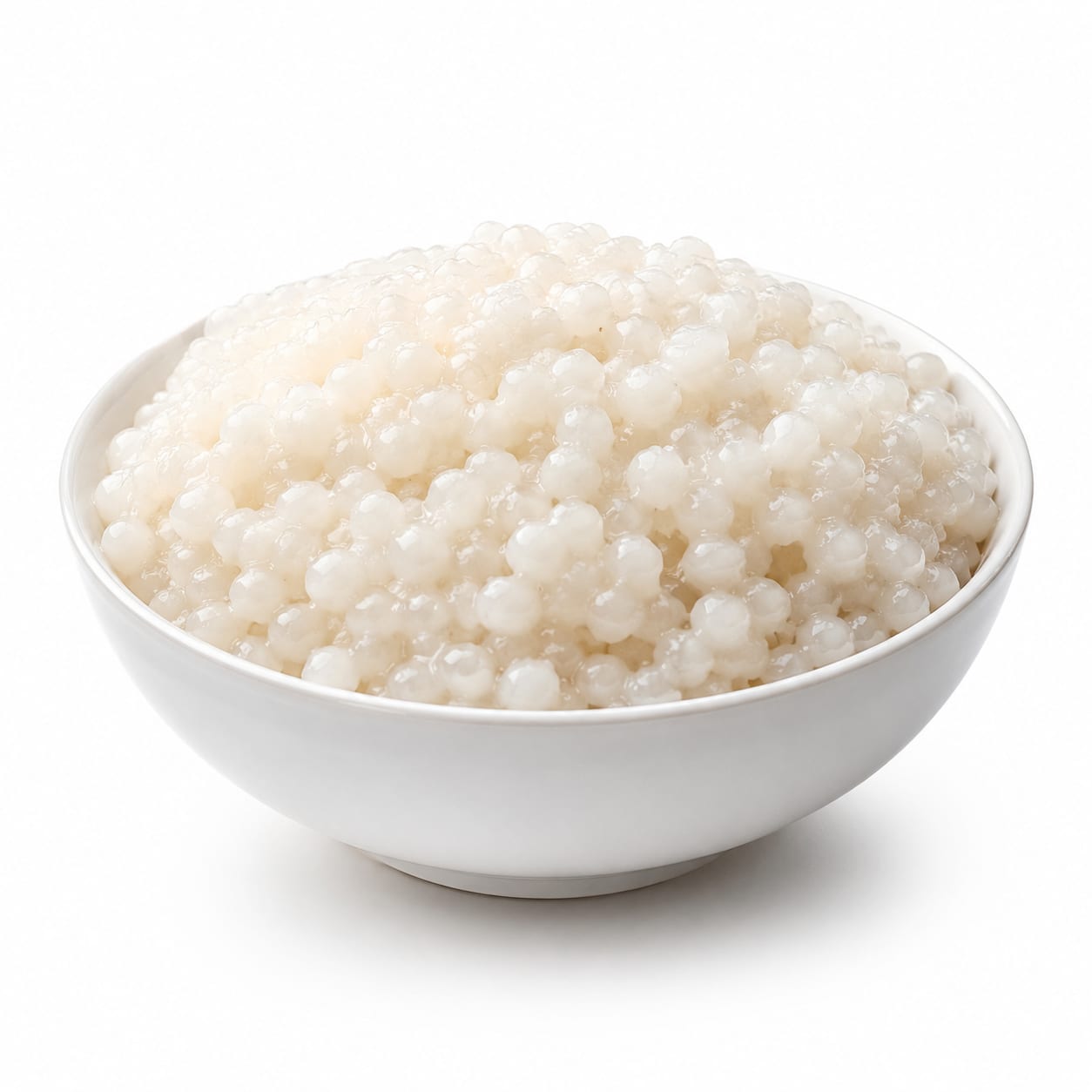
Tapioca
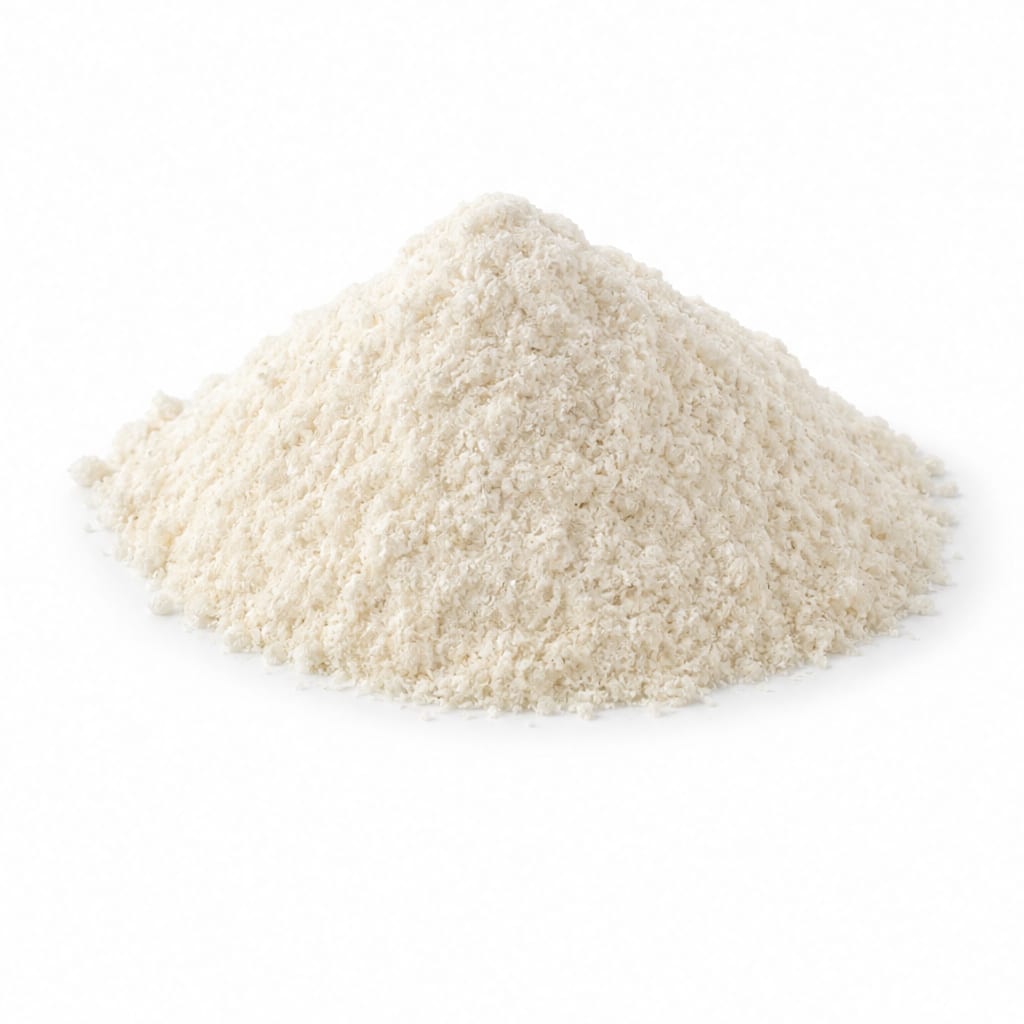
Cassava Flour
Cassava flour delivers more fiber, nutrients, and culinary versatility, while tapioca is essentially pure starch with minimal nutritional value.
Cassava flour scores notably higher because it retains fiber and nutrients from the whole root. Tapioca is penalized heavily for being essentially pure starch with almost zero nutritional value beyond carbohydrates.
Tapioca gives you that signature chewy texture and smooth thickening power, but cassava flour gives you actual nutrition and a more whole-food profile.
At a glance
Executive summary
Overall
Cassava Flour
Healthier
Cassava Flour
More practical
Cassava Flour
Daily use
Cassava Flour
Key comparison lenses
nutritional density
Tapioca is pure extracted starch while cassava flour retains the whole root, creating a massive nutrient gap
processing level
These foods come from the same plant but undergo vastly different processing, directly affecting health value
blood sugar impact
Both are carbohydrate-dense but fiber content differs significantly, changing glycemic responses
gluten free baking versatility
Both are popular gluten-free alternatives but behave very differently in recipes
safety and cyanide risk
Cassava contains cyanogenic compounds that require proper processing in both forms
Best choice for
Tapioca
- People making bubble tea or tapioca pudding
- Recipes specifically requiring a chewy, stretchy texture
- Thickening sauces where clarity is desired
- Those wanting a neutral-tasting starch additive
Cassava Flour
- Gluten-free baking as a primary flour substitute
- Anyone seeking more fiber and nutrients from their carb source
- Whole-food and minimally processed diet followers
- Paleo-friendly cooking and baking
Least suitable for
Tapioca
- People managing diabetes or blood sugar issues
- Anyone seeking nutrient-dense carbohydrate sources
- Low-carb or keto dieters
- Those avoiding empty calories
Cassava Flour
- Recipes requiring that specific tapioca chewiness
- People with severe cyanide sensitivity concerns
- Low-carb dieters
- Those needing a clear, neutral thickening agent
Deep comparison
Dimension by dimension
Each lens scores both foods and breaks down who each option suits.
- Dimension 1 · Priority 92Cassava Flour
nutritional_density
Tapioca · 12Cassava Flour · 52Cassava flour contains fiber, vitamin C, and minerals. Tapioca is nearly devoid of anything beyond starch.
Tradeoff
You sacrifice the clean, neutral starch purity of tapioca, but gain meaningful micronutrients and fiber with cassava flour.
Why it matters
Eating carbs without fiber or nutrients is essentially empty calories that spike blood sugar without sustained energy.
Real-world impact
A meal with cassava flour keeps you fuller longer. Tapioca leaves you hungry again within an hour.
Tapioca
- Pure energy loading for endurance activities
- Situations requiring zero fiber interference
Better for
- Nutrient-deficient diets
- Blood sugar management
- Long-term satiety
Worse for
Cassava Flour
- Daily nutrition and sustained energy
- Anyone counting nutrients per calorie
- Digestive health through fiber intake
Better for
- Situations requiring pure starch behavior
- Clear liquid thickening applications
Worse for
- Dimension 2 · Priority 85Cassava Flour
blood_sugar_stability
Tapioca · 18Cassava Flour · 40Both are high-glycemic foods, but cassava flour's fiber content slightly blunts the blood sugar spike compared to tapioca.
Tradeoff
Neither is ideal for blood sugar control, but cassava flour is the lesser of two evils due to retained fiber.
Why it matters
Rapid blood sugar spikes from tapioca lead to energy crashes and increased cravings shortly after eating.
Real-world impact
Tapioca-based snacks cause that familiar afternoon energy crash. Cassava flour-based foods at least slow the drop slightly.
Tapioca
- Quick energy replenishment post-workout
- Endurance athletes needing fast carbs
Better for
- Diabetes and prediabetes management
- Preventing energy crashes
- Reducing sugar cravings
Worse for
Cassava Flour
- Slightly steadier energy release
- Better paired with protein and fat for balanced meals
Better for
- Low-glycemic diet requirements
- Ketogenic eating
Worse for
- Dimension 3 · Priority 88Cassava Flour
processing_and_whole_food_quality
Tapioca · 22Cassava Flour · 62Tapioca undergoes extensive extraction to isolate pure starch. Cassava flour is simply the whole dried and ground root.
Tradeoff
Tapioca's heavy processing gives it unique culinary properties but strips away everything nutritionally valuable.
Why it matters
Minimally processed foods generally support better long-term health outcomes and gut health.
Real-world impact
Cassava flour fits cleanly into a whole-food diet philosophy. Tapioca feels more like an additive than a food.
Tapioca
- Specific culinary techniques requiring pure starch
- Industrial food production consistency
Better for
- Clean label requirements
- Whole-food diet compliance
- Reducing processed starch intake
Worse for
Cassava Flour
- Clean eating and whole-food diets
- Paleo and ancestral eating approaches
- Minimizing ultra-processed ingredients
Better for
- Applications needing refined, predictable starch behavior
Worse for
- Dimension 4 · Priority 78Cassava Flour
culinary_versatility
Tapioca · 38Cassava Flour · 68Cassava flour works as a near 1:1 wheat flour replacement in many recipes. Tapioca has a narrow but unique role.
Tradeoff
Tapioca creates textures nothing else can replicate, but cassava flour handles the broad daily cooking most people actually do.
Why it matters
A versatile pantry staple reduces the need for multiple specialty flours and simplifies meal prep.
Real-world impact
Cassava flour can make pancakes, tortillas, and bread with minor adjustments. Tapioca mostly makes boba and pudding.
Tapioca
- Bubble tea and boba
- Chewy desserts and puddings
- Cheese bread like Brazilian pão de queijo
- Clear sauce thickening
Better for
- Bread and baked goods structure
- Versatile daily cooking
- Nutritious meal building
Worse for
Cassava Flour
- Everyday gluten-free baking
- Tortillas and flatbreads
- Coating and frying
- General flour substitution
Better for
- Signature chewy tapioca textures
- Transparent thickening
Worse for
- Dimension 5 · Priority 70Tapioca
digestive_tolerance
Tapioca · 72Cassava Flour · 55Tapioca is extremely gentle on digestion because it contains almost no fiber. Cassava flour's fiber can bother sensitive systems.
Tradeoff
Easy digestion comes at the cost of zero nutritional benefit and poor satiety with tapioca.
Why it matters
People with IBS, post-surgery recovery, or sensitive digestion need foods that pass through gently.
Real-world impact
Tapioca is a go-to for people recovering from illness who need gentle calories. Cassava flour may cause bloating in fiber-sensitive individuals.
Tapioca
- Post-surgery or illness recovery eating
- IBS flare-up periods requiring low-fiber foods
- Sensitive stomachs needing gentle calories
Better for
- Long-term gut health
- Microbiome diversity support
Worse for
Cassava Flour
- Promoting regular healthy digestion
- Feeding beneficial gut bacteria through fiber
- Preventing constipation
Better for
- Acute digestive sensitivity episodes
- Low-residue diet requirements
Worse for
Timeline
Health impact over time
Short-term
Hours to days
Tapioca
- Quick blood sugar spike followed by energy crash
- Very gentle on an upset stomach
- Leaves you hungry again soon after eating
Cassava Flour
- More sustained energy than tapioca due to fiber content
- May cause mild bloating if you are not used to higher fiber intake
- More filling and satisfying in meals
Long-term
Months to years
Tapioca
- Regular consumption contributes to nutrient-poor calorie intake
- Potential for increased insulin resistance with frequent high-glycemic loads
- Does not support healthy gut microbiome diversity
Cassava Flour
- Fiber supports long-term digestive health and regularity
- Retained nutrients contribute to better overall micronutrient status
- Still a high-carb food that requires portion awareness for metabolic health
Risk profile
Safety & processing
Neither contains artificial additives, but tapioca requires extensive mechanical processing to extract and isolate pure starch from the cassava root. Cassava flour is simply the whole root peeled, dried, and ground, making it closer to a whole food.
Tapioca
Cyanogenic glycoside residue
lowProper commercial processing removes nearly all cyanide compounds, but poorly produced tapioca from unregulated sources could retain trace amounts. Reputable brands test for this.
Cassava Flour
Cyanogenic glycoside residue
mediumBecause cassava flour uses the whole root, there is slightly more potential for cyanide compound retention if processing is inadequate. Always choose brands that test for cyanide levels and follow proper preparation methods.
Who wins for whom
Audience fit
Same foods, different winners depending on your goal.
children
Cassava FlourCassava flour provides more nutrients per serving, supporting growth. Tapioca treats like pudding are fine occasionally but should not be a dietary staple for kids.
daily consumption
Cassava FlourCassava flour works as an everyday cooking ingredient with nutritional value. Tapioca is best reserved for specific recipes and occasional use.
diabetes
Cassava FlourNeither is great for blood sugar, but cassava flour's fiber slightly slows glucose absorption compared to tapioca's rapid spike.
elderly
It dependsCassava flour supports better nutrition and digestion for most seniors, but tapioca may be preferable during digestive illness recovery when low-fiber intake is needed.
muscle gain
It dependsNeither is optimal for muscle gain due to low protein. Tapioca offers faster carbs post-workout, but cassava flour provides slightly more sustained energy for training.
weight loss
Cassava FlourCassava flour's fiber content provides more satiety per calorie, making it easier to eat smaller portions without feeling deprived.
Your move
Decision guide
Choose Tapioca
- You are making bubble tea, tapioca pudding, or cheese bread
- You need a gentle, low-fiber food during illness recovery
- You specifically want that signature chewy, stretchy texture
- You need a clear, neutral thickening agent for sauces
Choose Cassava Flour
- You want a versatile gluten-free flour for daily cooking and baking
- Nutritional value matters to you beyond just carbohydrate calories
- You follow a whole-food or minimally processed eating philosophy
- You are making tortillas, pancakes, bread, or coated dishes
Either works if
- You need a gluten-free and grain-free carbohydrate source
- You are nut-free and need alternative flour options
- You want a neutral-tasting carb base for sweet or savory dishes
Avoid both if
- You are following a low-carb or ketogenic diet
- You have severe blood sugar management issues requiring low-glycemic foods only
- You have a known cassava allergy or sensitivity
Final recommendation
Keep cassava flour in your pantry for everyday gluten-free cooking and nutrition. Treat tapioca as a specialty ingredient for specific recipes, not a dietary staple. If you currently use tapioca regularly, switching to cassava flour gives you more nutrients, more fiber, and more cooking flexibility with very few downsides.
Practical
Consumer tips
- 1
Always buy cassava flour and tapioca from reputable brands that test for cyanide residue, especially important for cassava flour since it uses the whole root
- 2
Cassava flour can often substitute for wheat flour at a 3/4 cup ratio per 1 cup of wheat flour, but you may need to experiment with binding agents
- 3
Store both in airtight containers in a cool, dry place to prevent moisture absorption and spoilage
- 4
If switching from tapioca to cassava flour in baking, expect denser results and adjust liquids accordingly
- 5
For the best blood sugar response, always pair either food with protein, healthy fats, and fiber-rich vegetables