
Nutrition comparison
Tapioca vs Chia Seeds: Which Is Actually Better for You?
Tapioca and chia seeds could not be more different nutritionally. Compare their fiber, omega-3, blood sugar impact, and real-world health tradeoffs to find which fits your goals.
Overall winner · Chia Seeds
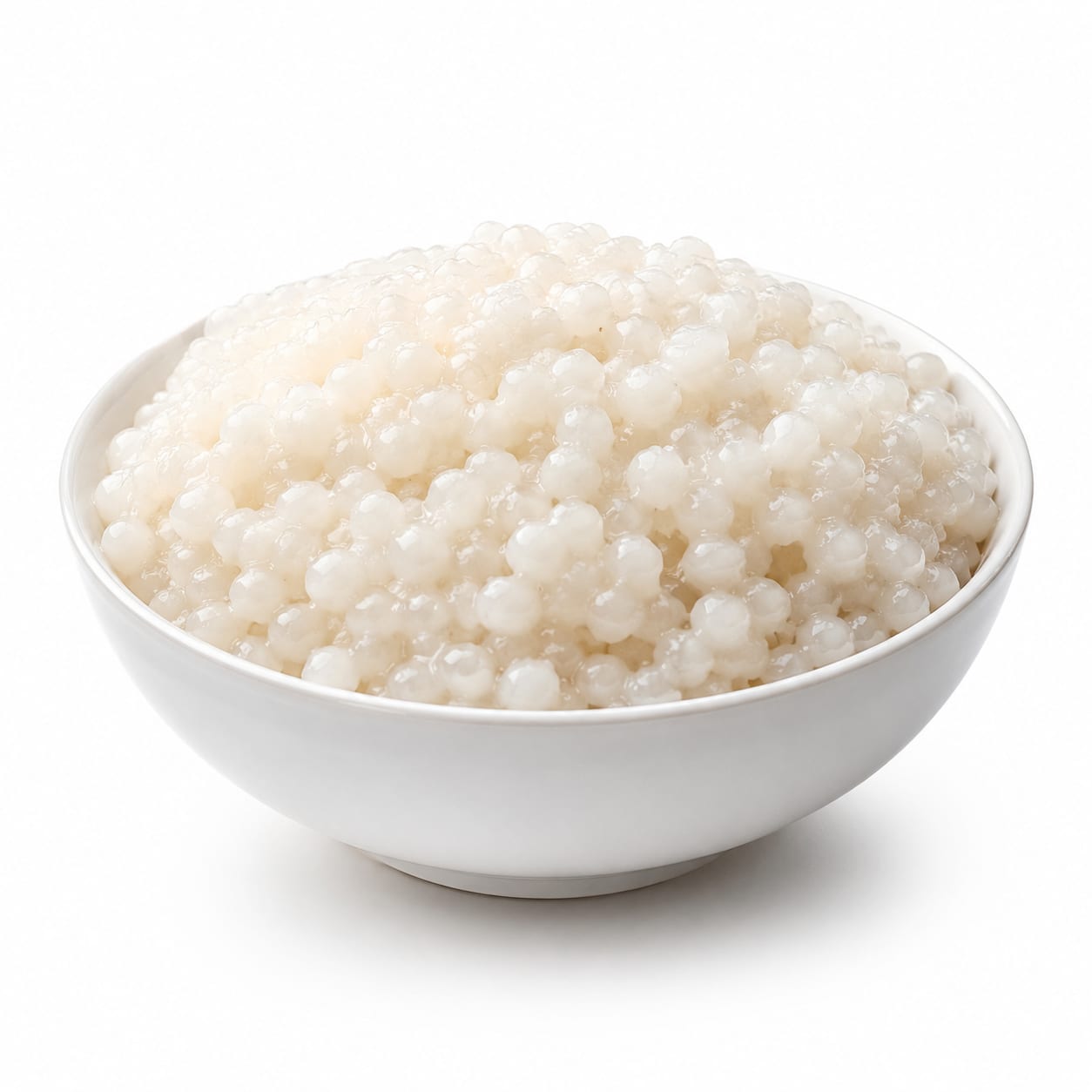
Tapioca
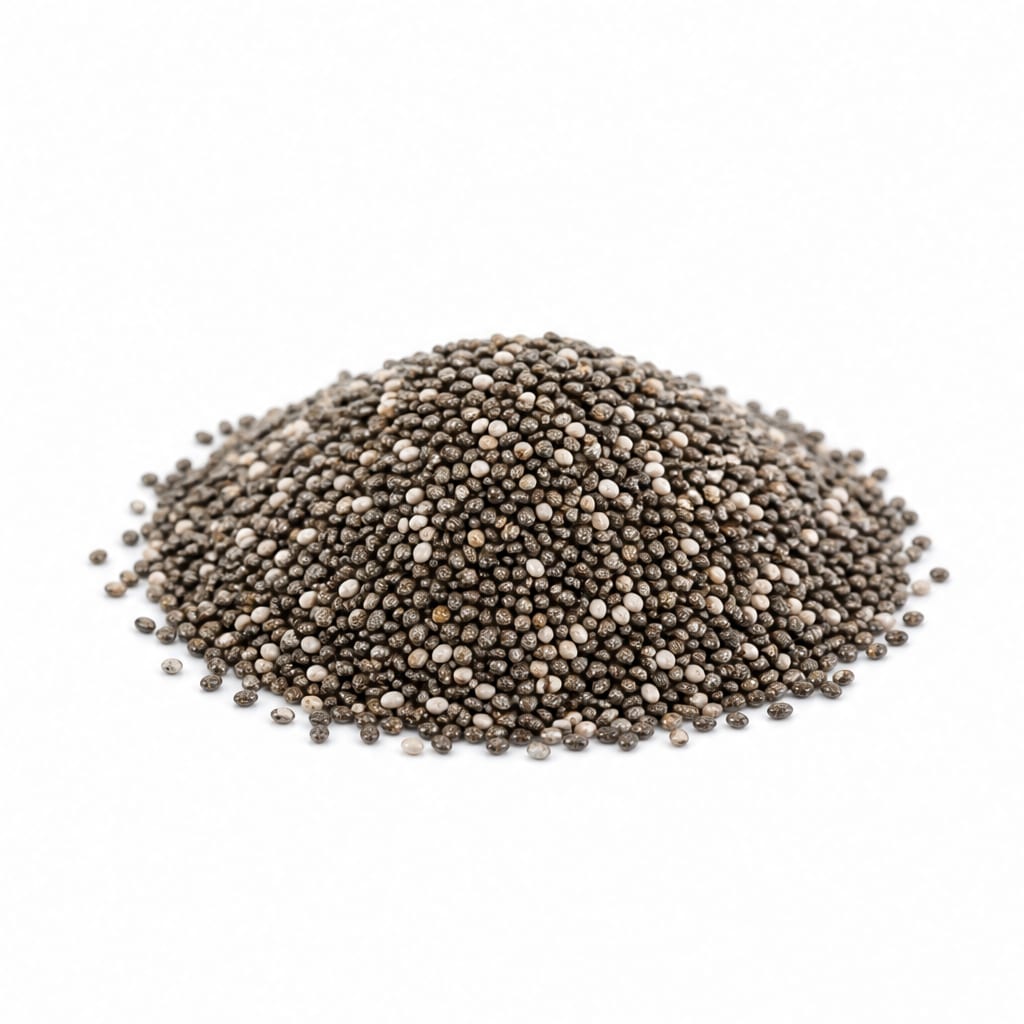
Chia Seeds
Chia seeds deliver massive nutrition in tiny portions, while tapioca is essentially comfort starch with minimal benefits beyond quick energy and gentle digestion.
Chia seeds dominate on nearly every health metric. Tapioca scores low because it provides calories with almost no nutritional return. The gap is large but tapioca still has legitimate niche uses for sensitive digestion and quick carb fueling.
You trade digestive comfort and quick energy from tapioca for sustained fullness, omega-3s, fiber, and long-term health benefits from chia seeds.
At a glance
Executive summary
Overall
Chia Seeds
Healthier
Chia Seeds
More practical
It depends
Daily use
Chia Seeds
Key comparison lenses
nutrient density vs digestibility
Tapioca is nearly pure starch with minimal nutrients, while chia seeds are one of the most nutrient-dense foods available, but harder to digest for some
blood sugar management
Tapioca spikes blood sugar rapidly; chia seeds stabilize it with high soluble fiber
weight management and satiety
Chia seeds keep you full for hours; tapioca leaves you hungry again quickly
digestive sensitivity
Tapioca is gentle on sensitive stomachs and elimination diets; chia can cause bloating or discomfort
omega-3 and healthy fat intake
Chia seeds are one of the best plant-based omega-3 sources; tapioca has zero fat
Best choice for
Tapioca
- People on elimination diets or recovering from GI illness
- Anyone needing quick, easily digestible carbs before or after intense exercise
- Those with severe digestive sensitivities who cannot tolerate fiber or seeds
- Infants and toddlers transitioning to solid foods (as tapioca porridge)
- People with seed allergies or who cannot eat small hard seeds
Chia Seeds
- Anyone focused on weight loss or appetite control
- People wanting plant-based omega-3 intake
- Those managing blood sugar or insulin resistance
- Anyone needing more fiber in their diet
- Long-term health optimization and daily nutrition
Least suitable for
Tapioca
- People with diabetes or blood sugar concerns
- Anyone tracking nutrient density per calorie
- Those trying to lose weight or reduce carb intake
- People who need sustained energy without crashes
Chia Seeds
- People with acute digestive flare-ups or IBD episodes
- Anyone who struggles with seeds getting stuck in teeth or dental work
- Those on very low-fiber diets prescribed by a doctor
- People who dislike gel-like or seedy textures
Deep comparison
Dimension by dimension
Each lens scores both foods and breaks down who each option suits.
- Dimension 1 · Priority 95Chia Seeds
Nutrient Density
Tapioca · 8Chia Seeds · 94Tapioca is almost pure carbohydrate with trace amounts of anything else. Chia seeds pack fiber, protein, omega-3s, calcium, magnesium, and antioxidants into every tablespoon.
Tradeoff
Tapioca's simplicity makes it hypoallergenic and easy to digest, but you get almost no vitamins, minerals, or beneficial compounds.
Why it matters
Eating nutrient-poor foods regularly means you need to work harder to meet your needs from other meals, or you risk subtle deficiencies over time.
Real-world impact
A chia pudding breakfast keeps you nourished and full. A tapioca pudding breakfast tastes comforting but leaves you under-fueled and hungry within an hour.
Tapioca
- Low-residue diets
- Post-surgical recovery when fiber must be limited
Better for
- Anyone counting micronutrients
- Long-term health optimization
Worse for
Chia Seeds
- Daily nutrition
- Meeting fiber and omega-3 goals
- Preventing nutrient gaps on plant-based diets
Better for
- Acute digestive rest periods
- Low-fiber medical protocols
Worse for
- Dimension 2 · Priority 92Chia Seeds
Blood Sugar Stability
Tapioca · 15Chia Seeds · 88Tapioca has a high glycemic index and causes rapid blood sugar spikes. Chia seeds slow digestion with viscous soluble fiber, leading to steady glucose absorption.
Tradeoff
Tapioca gives you fast energy when you need it, but that energy disappears quickly and can trigger cravings. Chia provides slow, steady fuel instead.
Why it matters
Blood sugar roller coasters drive fatigue, mood swings, and overeating. Stable blood sugar supports consistent energy and better food decisions throughout the day.
Real-world impact
Tapioca at breakfast can leave you reaching for a snack by 10 AM. Chia at breakfast can carry you comfortably to lunch.
Tapioca
- Quick carb loading before endurance events
- Hypoglycemia recovery when blood sugar is dangerously low
Better for
- Insulin resistance
- Anyone prone to energy dips after carbs
Worse for
Chia Seeds
- Diabetes and prediabetes management
- Sustained energy through long workdays
- Reducing afternoon energy crashes
Better for
- Acute low blood sugar episodes requiring fast glucose
Worse for
- Dimension 3 · Priority 90Chia Seeds
Satiety and Fullness
Tapioca · 18Chia Seeds · 91Chia seeds absorb up to 12 times their weight in water, forming a gel that physically fills your stomach and slows digestion. Tapioca digests quickly and leaves you hungry fast.
Tradeoff
Chia's fullness comes with a heavy, gel-like texture some people find unpleasant. Tapioca feels light and comforting but does not keep you satisfied.
Why it matters
Foods that keep you full make every other healthy eating decision easier. Foods that leave you hungry undermine your willpower for the rest of the day.
Real-world impact
Two tablespoons of chia in a smoothie can prevent mid-morning snacking. The same calories of tapioca disappear from your stomach almost as fast as you eat them.
Tapioca
- Light pre-workout fuel when you do not want a full stomach
- Small children who need gentle, easy portions
Better for
- Anyone struggling with portion control
- Frequent hunger between meals
Worse for
Chia Seeds
- Weight loss and appetite management
- Long gaps between meals
- Preventing late-night snacking
Better for
- Pre-race or pre-workout when you want a light stomach
- People who feel uncomfortably full easily
Worse for
- Dimension 4 · Priority 82Tapioca
Digestive Tolerance
Tapioca · 88Chia Seeds · 55Tapioca is one of the gentlest foods available, often used during illness recovery. Chia seeds are high in fiber and can cause bloating, gas, or discomfort, especially when introduced too quickly.
Tradeoff
Tapioca is soothing and safe for sensitive guts but provides no digestive health benefits. Chia supports long-term gut health but can irritate in the short term.
Why it matters
If your digestive system is inflamed or reactive, even healthy high-fiber foods can cause pain. Sometimes gentle and simple is the right call.
Real-world impact
After a stomach bug, tapioca porridge is comforting and safe. A chia pudding on the same day could cause cramping and bloating.
Tapioca
- Post-illness digestive recovery
- IBS flare-ups when fiber is a trigger
- Low-FODMAP diet phases
Better for
- Anyone needing more fiber
- Chronic constipation
Worse for
Chia Seeds
- Chronic constipation relief
- Building a healthier gut microbiome over time
- Improving stool regularity
Better for
- Active IBS or IBD flare-ups
- Sudden large increases in fiber intake
Worse for
- Dimension 5 · Priority 80Chia Seeds
Omega-3 and Healthy Fats
Tapioca · 2Chia Seeds · 92Chia seeds are one of the richest plant sources of alpha-linolenic acid, an omega-3 fat. Tapioca contains virtually zero fat of any kind.
Tradeoff
Chia's omega-3s are the plant-based ALA type, which converts poorly to the more active EPA and DHA. Still far better than tapioca's complete absence of healthy fats.
Why it matters
Most people eat too many inflammatory omega-6 fats and not enough omega-3s. Chia seeds help shift that balance without requiring fish or supplements.
Real-world impact
Adding chia daily can meaningfully improve your omega-3 intake over weeks. Tapioca contributes nothing to this critical nutritional gap.
Tapioca
- Extremely low-fat diets as medically prescribed
Better for
- Anyone not meeting omega-3 needs elsewhere
- Anti-inflammatory diet goals
Worse for
Chia Seeds
- Plant-based diets needing omega-3s
- Cardiovascular health support
- Anti-inflammatory eating patterns
Better for
- Severe fat malabsorption disorders
Worse for
- Dimension 6 · Priority 65It depends
Convenience and Versatility
Tapioca · 70Chia Seeds · 68Tapioca pearls cook into familiar puddings and bubble tea. Chia seeds need soaking but require no cooking and work in smoothies, oatmeal, yogurt, and baked goods.
Tradeoff
Tapioca requires cooking but delivers a familiar comfort food experience. Chia needs planning ahead for soaking but is more versatile across sweet and savory dishes.
Why it matters
The food you actually prepare and eat always beats the food that sits in your pantry. Convenience determines consistency.
Real-world impact
Chia can be stirred into overnight oats with zero cooking. Tapioca pearls need 15 to 30 minutes of simmering. But tapioca bubble tea is a treat chia cannot replicate.
Tapioca
- Making traditional desserts and bubble tea
- Comforting, familiar food experiences
Better for
- Quick no-cook nutrition boosts
- Adding to cold foods
Worse for
Chia Seeds
- No-cook meal prep
- Adding nutrition to existing meals without extra cooking
- Smoothie and yogurt mix-ins
Better for
- Traditional tapioca pudding recipes
- Authentic bubble tea texture
Worse for
Timeline
Health impact over time
Short-term
Hours to days
Tapioca
- Quick energy from easily absorbed carbohydrates
- Rapid blood sugar rise followed by a potential crash
- Gentle on an upset stomach or sensitive digestion
- Minimal satiety, likely to feel hungry again soon
Chia Seeds
- Noticeable fullness within 20 to 30 minutes of eating
- Possible bloating or gas if you are not used to high fiber
- Steady energy without a sugar crash
- Improved hydration when seeds are pre-soaked
Long-term
Months to years
Tapioca
- Risk of nutrient deficiencies if used as a dietary staple without supplementation
- Potential contribution to insulin resistance with frequent high-glycemic consumption
- Neutral impact on gut health due to lack of fiber
- Possible weight gain if portions are not controlled due to low satiety
Chia Seeds
- Improved cardiovascular markers from regular omega-3 intake
- Better digestive regularity and gut microbiome diversity
- Enhanced bone density from calcium and magnesium content
- Easier weight management from sustained satiety and lower net carbs
Risk profile
Safety & processing
Tapioca requires significant processing to extract starch from cassava root and form it into pearls or flour. Chia seeds are harvested and sold essentially whole with minimal intervention. Both are typically free of artificial additives, though flavored tapioca products and bubble tea syrups often add sugars and preservatives.
Tapioca
Cyanogenic compounds from improperly processed cassava
mediumCommercial tapioca is processed to remove naturally occurring cyanide precursors, but poorly produced or artisanal tapioca from unreliable sources could carry residual risk. Stick to reputable brands.
Added sugars and artificial flavors in prepared products
mediumTapioca pearls and puddings are frequently loaded with sugar, syrups, and artificial flavorings. The plain starch itself is neutral, but what gets added matters.
Chia Seeds
Choking hazard from dry seeds
mediumEating dry chia seeds without enough liquid can cause them to swell in the throat. Always soak or consume with adequate fluid, especially for children and elderly.
Digestive blockage in rare cases
lowPeople with narrowed esophagi or swallowing disorders should be cautious. There are rare case reports of chia causing esophageal blockage when eaten dry.
Who wins for whom
Audience fit
Same foods, different winners depending on your goal.
children
It dependsTapioca is gentler and safer for very young children and those with sensitive digestion. Chia seeds offer superior nutrition but pose a choking risk for toddlers if not properly prepared.
daily consumption
Chia SeedsChia seeds improve your nutritional baseline every day you eat them. Daily tapioca adds calories without meaningful nutrients and can undermine blood sugar stability over time.
diabetes
Chia SeedsChia seeds stabilize blood sugar with viscous fiber and have minimal net carbs. Tapioca's high glycemic index makes it a poor choice for glucose management.
elderly
It dependsChia seeds support bone density, heart health, and regularity, all critical for older adults. But tapioca is easier to chew and digest for those with dental or GI issues. Context determines the winner.
muscle gain
Chia SeedsNeither is a protein powerhouse, but chia seeds provide modest protein alongside anti-inflammatory omega-3s that support recovery. Tapioca offers quick carb energy but nothing for muscle repair.
weight loss
Chia SeedsChia seeds create lasting fullness with minimal net carbs and high fiber, making it far easier to eat less overall. Tapioca's low satiety and high glycemic load work against weight loss goals.
Your move
Decision guide
Choose Tapioca
- You are recovering from a stomach illness and need the gentlest possible food
- You need fast-digesting carbs before or after intense exercise
- You are on a low-fiber or elimination diet prescribed by a doctor
- You want to make bubble tea or traditional tapioca pudding as an occasional treat
- You have seed allergies or cannot tolerate small hard foods
Choose Chia Seeds
- You want to improve your daily nutrition with almost no effort
- You are trying to lose weight or control your appetite
- You need more fiber, omega-3s, or plant-based protein
- You want steady energy without blood sugar crashes
- You are meal prepping and want a versatile nutrient booster
Either works if
- You are making a dessert and want to choose based on texture preference
- You need a gluten-free thickener for a recipe
- You are rotating between comfort food and functional food on different days
Avoid both if
- You need a high-protein food as your primary nutrition source
- You are looking for a complete meal replacement
- You have both severe fiber intolerance and blood sugar concerns simultaneously
Final recommendation
Make chia seeds a daily staple for their nutritional benefits and satiety power. Save tapioca for occasional comfort treats or specific situations where gentle digestion matters more than nutrient density. If you currently eat tapioca regularly, swapping even half your servings for chia will meaningfully improve your health trajectory.
Practical
Consumer tips
- 1
Start with one tablespoon of chia seeds daily and increase gradually to avoid bloating and gas
- 2
Always soak chia seeds for at least 10 to 15 minutes before eating to prevent choking and improve digestibility
- 3
Choose plain tapioca starch or pearls and control your own sweeteners instead of buying pre-sweetened products
- 4
Mix chia into foods you already eat regularly, like oatmeal, smoothies, or yogurt, rather than preparing it separately
- 5
If you love tapioca pudding, try a half-tapioca half-chia version for a texture compromise that adds real nutrition
- 6
Store chia seeds in a cool, dry place or refrigerator to prevent omega-3 fats from going rancid over time
- 7
Buy organic chia seeds when possible to minimize pesticide exposure since you eat the whole seed