
Nutrition comparison
Tapioca vs Quinoa: Which Carb Is Actually Worth Eating?
Tapioca is comfort starch with almost no nutrients. Quinoa is a protein-packed supergrain that fills you up. Compare them on blood sugar, satiety, digestion, and real-world meal value.
Overall winner · Quinoa
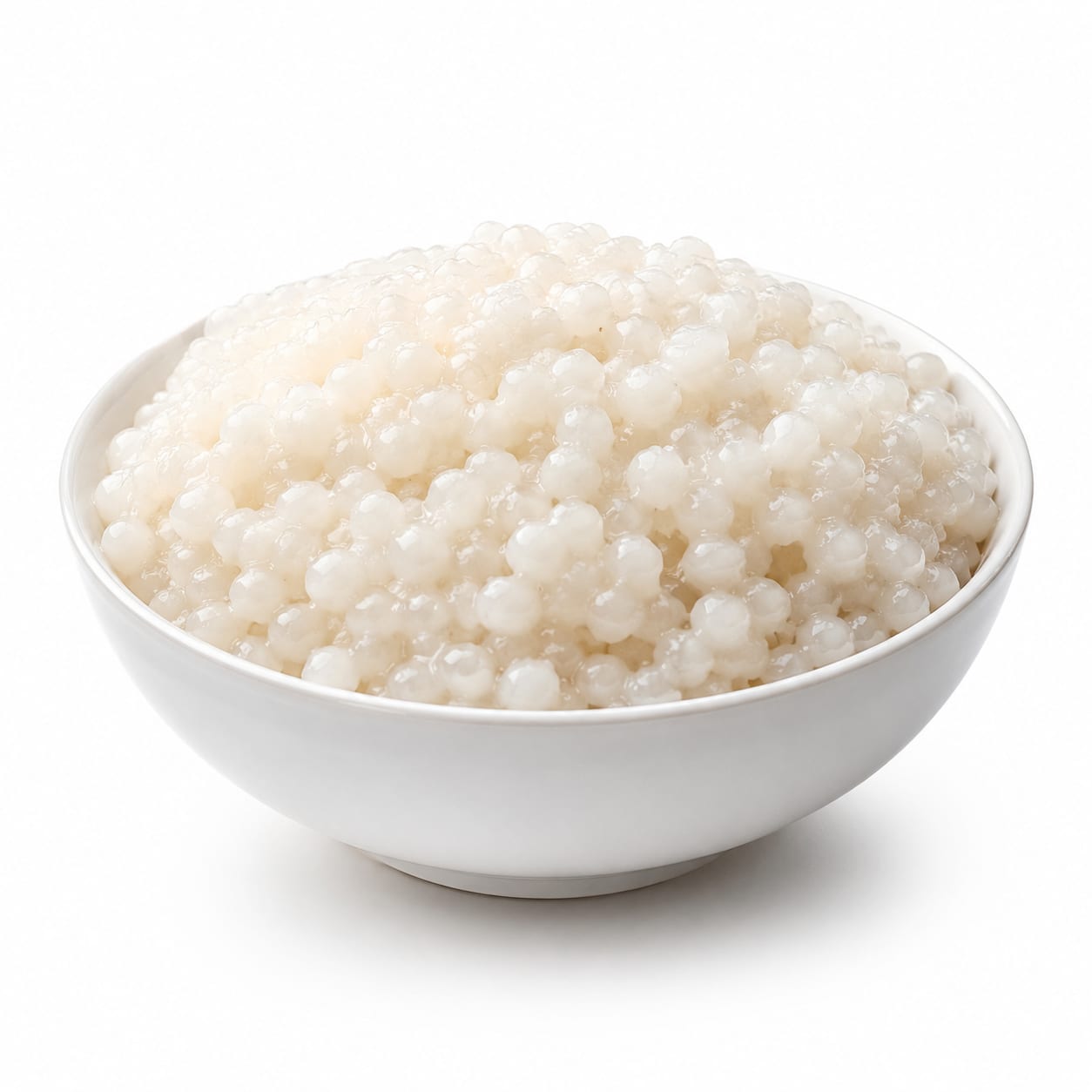
Tapioca
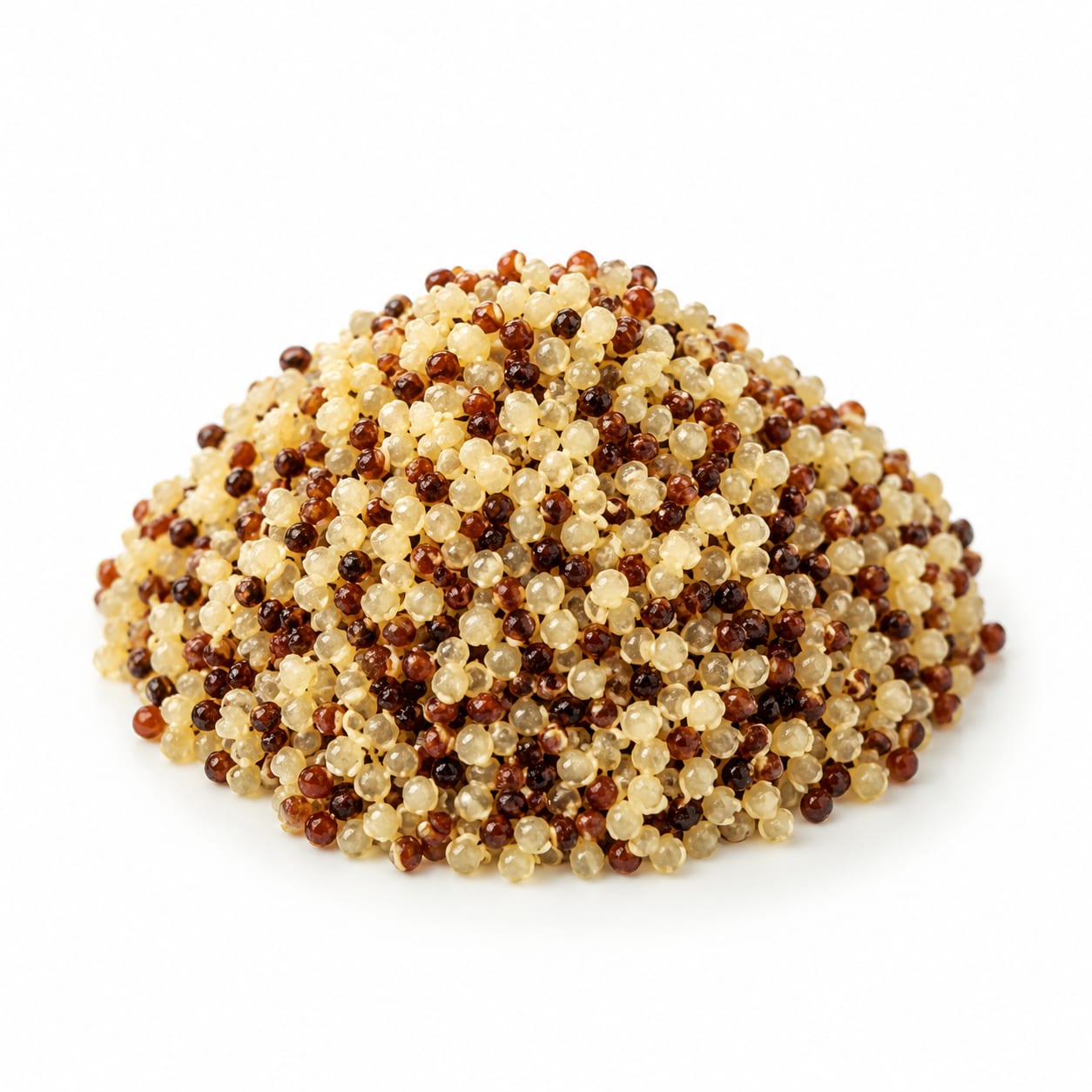
Quinoa
Quinoa wins decisively on nutrition and satiety, while tapioca is essentially comfort starch with almost no nutritional payoff.
Quinoa scores dramatically higher because it delivers protein, fiber, minerals, and steady energy. Tapioca scores low because it is nutritionally near-empty — just quick-digesting starch with minimal vitamins or minerals.
Tapioca is easier on sensitive stomachs and fun to eat, but you get almost zero vitamins, protein, or fiber. Quinoa nourishes you deeply but can bother some digestive systems and takes more effort to prepare well.
At a glance
Executive summary
Overall
Quinoa
Healthier
Quinoa
More practical
It depends
Daily use
Quinoa
Key comparison lenses
nutritional density
Tapioca is almost pure starch with minimal nutrients while quinoa is one of the most nutrient-dense seeds available — this is the defining contrast
blood sugar management
Tapioca spikes blood sugar rapidly; quinoa provides steadier energy, making glycemic impact the second most critical factor
satiety and fullness
Pure starch leaves you hungry again fast; protein and fiber in quinoa keep you full much longer
digestive sensitivity
Tapioca is extremely gentle on the gut, which matters for people with IBS or recovery diets
gluten free carb alternatives
Both are naturally gluten-free, so users comparing them are often seeking safe carb sources
Best choice for
Tapioca
- People recovering from illness who need bland, easy-to-digest calories
- Anyone with severe IBS or multiple food sensitivities who tolerates few carbs
- Bubble tea lovers wanting the authentic texture experience
- Infants and toddlers transitioning to solid foods (as thin porridge)
Quinoa
- Anyone seeking a nutrient-dense carb that actually fills them up
- Vegetarians and vegans needing complete plant protein
- People managing blood sugar or trying to lose weight
- Athletes wanting sustained energy with real nutritional value
Least suitable for
Tapioca
- People with diabetes or insulin resistance
- Anyone trying to lose weight while staying full
- Those needing protein or iron from their carb sources
- People prone to afternoon energy crashes
Quinoa
- People with oxalate-sensitive kidney stones
- Those with severe saponin sensitivity who find quinoa bitter even after rinsing
- Anyone on a very low-fiber or low-residue diet
Deep comparison
Dimension by dimension
Each lens scores both foods and breaks down who each option suits.
- Dimension 1 · Priority 95Quinoa
Nutritional Density
Tapioca · 12Quinoa · 93Tapioca is almost pure carbohydrate with trace amounts of calcium and iron. Quinoa provides complete protein, fiber, iron, magnesium, zinc, folate, and B-vitamins in meaningful amounts.
Tradeoff
You eat tapioca for calories and comfort, not nourishment. Quinoa feeds your body on nearly every level.
Why it matters
If a food is your main carb source, choosing one with almost no nutrients means you must work harder to meet needs elsewhere.
Real-world impact
A quinoa bowl at lunch keeps you nourished and energized. A tapioca pudding leaves you full for 45 minutes then reaching for a snack.
Tapioca
- Situations where you want calories without triggering fullness
Better for
- Anyone relying on grains as a nutritional anchor
- Pregnant women needing iron and folate from food
Worse for
Quinoa
- Everyday meals where your carb should earn its plate space
- Plant-based diets needing mineral and protein support
Better for
- Situations requiring calorie-dense low-volume food
Worse for
- Dimension 2 · Priority 90Quinoa
Blood Sugar Stability
Tapioca · 22Quinoa · 74Tapioca has a very high glycemic index, causing rapid blood sugar spikes. Quinoa has a moderate glycemic load with enough fiber and protein to slow glucose absorption.
Tradeoff
Tapioca gives quick energy that fades fast. Quinoa delivers slower-burning fuel that avoids the crash.
Why it matters
Blood sugar roller coasters drive cravings, fatigue, and long-term metabolic risk. Steady energy feels better and performs better.
Real-world impact
Eat tapioca at noon and you are hungry and sluggish by 1pm. Eat quinoa and you coast comfortably to dinner.
Tapioca
- Endurance athletes needing rapid glycogen replenishment mid-event
Better for
- Sedentary people who do not need rapid carb absorption
- Anyone monitoring their HbA1c
Worse for
Quinoa
- Anyone wanting to avoid the afternoon energy crash
- People with prediabetes or diabetes
- Those trying to reduce sugar cravings
Better for
- Athletes mid-race who need immediate glucose availability
Worse for
- Dimension 3 · Priority 85Quinoa
Satiety and Fullness
Tapioca · 18Quinoa · 82Tapioca digests quickly and leaves you hungry soon after. Quinoa's protein-fiber combo triggers stronger satiety signals and delays hunger significantly longer.
Tradeoff
Tapioca is light and easy to overeat. Quinoa is dense and satisfying in smaller portions.
Why it matters
Foods that fail to fill you up lead to overeating, snacking, and frustration with portion control.
Real-world impact
A cup of cooked quinoa feels like a real meal. A cup of tapioca feels like a starter that never arrived.
Tapioca
- People who struggle to eat enough and want low-satiety calories
Better for
- Anyone trying to reduce between-meal snacking
- People who feel hungry all the time
Worse for
Quinoa
- Weight loss efforts where staying full matters
- Busy people who need one meal to last hours
- Emotional eaters who benefit from genuine fullness
Better for
- Those with small appetites who find high-satiety food uncomfortable
Worse for
- Dimension 4 · Priority 80Quinoa
Protein Quality
Tapioca · 3Quinoa · 88Tapioca contains virtually no protein. Quinoa is one of the rare plant foods with complete protein containing all nine essential amino acids.
Tradeoff
Tapioca contributes nothing toward your protein needs. Quinoa meaningfully moves the dial, especially for plant-based eaters.
Why it matters
Protein supports muscle, immunity, hormone production, and satiety. Getting it from your carb source is efficient.
Real-world impact
A quinoa bowl covers roughly a quarter of your protein needs per meal. Tapioca covers zero percent.
Tapioca
- Anyone not eating enough protein from other sources
- Growing teenagers with high protein needs
Worse for
Quinoa
- Vegetarians and vegans who need every protein source they can get
- Older adults preserving muscle mass
- Post-workout meals needing amino acid support
Better for
- Dimension 5 · Priority 70Tapioca
Digestive Tolerance
Tapioca · 85Quinoa · 55Tapioca is extremely gentle — low fiber, low residue, and unlikely to irritate any gut condition. Quinoa's fiber and saponins can bother sensitive digestive systems.
Tradeoff
Tapioca is the safer choice when your gut is inflamed or reactive. Quinoa is better when your gut is healthy and needs fiber to thrive.
Why it matters
The healthiest food in the world is useless if it causes you bloating, gas, or pain.
Real-world impact
During a flare-up, tapioca porridge is comforting and safe. Quinoa might cause bloating if not rinsed or if your gut is already irritated.
Tapioca
- People with IBS flares or Crohn's disease
- Post-surgical recovery requiring low-residue diet
- Anyone transitioning back to solid food after illness
Better for
- Healthy people who need fiber for gut microbiome health
Worse for
Quinoa
- Healthy guts that benefit from prebiotic fiber
- People with constipation who need more roughage
Better for
- Those with active IBS symptoms or saponin sensitivity
Worse for
- Dimension 6 · Priority 60Quinoa
Versatility and Convenience
Tapioca · 52Quinoa · 76Tapioca works well in desserts, puddings, and bubble tea but is limited outside sweet dishes. Quinoa works in salads, bowls, soups, breakfast porridge, and as a rice substitute.
Tradeoff
Tapioca is a one-trick comfort food. Quinoa is a daily utility player across every meal.
Why it matters
A versatile food gets eaten more often and replaces less healthy defaults more easily.
Real-world impact
Quinoa can be breakfast, lunch, or dinner. Tapioca is almost always a treat or snack.
Tapioca
- Dessert recipes where chewy texture is the goal
- Making bubble tea at home
Better for
- Anyone wanting one staple carb for all meals
Worse for
Quinoa
- Meal prep where one base covers multiple recipes
- Replacing white rice in any savory dish
Better for
- Dessert-focused cooking where quinoa's earthy flavor clashes
Worse for
- Dimension 7 · Priority 55Tapioca
Allergen and Sensitivity Friendliness
Tapioca · 88Quinoa · 68Tapioca is one of the most hypoallergenic foods available — no gluten, no dairy, no soy, no nuts, low oxalate. Quinoa is gluten-free but contains saponins and oxalates that affect some people.
Tradeoff
Tapioca is the safer bet when managing multiple sensitivities. Quinoa is fine for most people but requires rinsing and can trigger reactions in a minority.
Why it matters
For people with complex dietary restrictions, finding a carb that does not cause reactions is valuable even if it lacks nutrients.
Real-world impact
On a strict elimination diet, tapioca is often one of the last carbs standing. Quinoa might need to be reintroduced carefully.
Tapioca
- People on elimination diets testing food triggers
- Those with oxalate sensitivity or kidney stone history
- Anyone with multiple food allergies needing a safe carb
Better for
Quinoa
- People whose only restriction is gluten-free
Better for
- People with oxalate-restricted diets
- Those who experience quinoa-specific digestive discomfort
Worse for
Timeline
Health impact over time
Short-term
Hours to days
Tapioca
- Quick energy burst followed by a crash within 1-2 hours
- Very gentle on the stomach with almost no digestive discomfort
- Unlikely to trigger any allergic or sensitivity reaction
- Leaves you hungry again soon, which can drive overeating
Quinoa
- Steady energy for 3-4 hours without a crash
- May cause mild bloating or gas if not rinsed properly or if gut is sensitive
- Satisfying fullness that reduces urge to snack
- Slight earthy aftertaste that some people need time to enjoy
Long-term
Months to years
Tapioca
- Regular consumption without nutrient-dense companions may contribute to nutritional gaps
- Frequent blood sugar spikes can increase insulin resistance risk over time
- No fiber contribution means missing out on gut microbiome benefits
- Neutral for weight — neither helpful nor harmful if portions are controlled
Quinoa
- Consistent intake supports heart health through magnesium and fiber
- Complete protein helps preserve muscle mass especially in aging populations
- Fiber intake promotes healthy gut microbiome diversity and regularity
- May reduce chronic disease risk when replacing refined starches like tapioca
Risk profile
Safety & processing
Tapioca pearls require extracting and processing starch from cassava root, which removes nearly all nutrients. Quinoa seeds are sold nearly whole with minimal processing, retaining their full nutritional profile. Both are free from artificial additives in their basic forms, but tapioca starts further from its whole-food origins.
Tapioca
Cyanide residue from improperly processed cassava
lowCommercial tapioca is processed to remove cyanogenic compounds, but poorly made artisanal products could carry trace amounts. Stick to reputable brands.
Choking hazard from tapioca pearls
mediumLarge boba pearls are a documented choking risk for young children and can obstruct airways if swallowed whole.
Quinoa
Saponin-related digestive irritation
lowQuinoa's natural saponin coating can cause bitterness and mild stomach upset. Thorough rinsing before cooking eliminates most of this risk.
Oxalate accumulation
lowQuinoa contains moderate oxalates, which can contribute to kidney stone formation in susceptible individuals. Not a concern for most people.
Who wins for whom
Audience fit
Same foods, different winners depending on your goal.
children
QuinoaQuinoa delivers growing bodies the protein, iron, and zinc they need. Tapioca is safe but nutritionally hollow for development. Avoid whole boba pearls for kids under 4 due to choking risk.
daily consumption
QuinoaQuinoa earns its plate space every day with real nutritional returns. Daily tapioca is essentially eating filler that displaces more nourishing options.
diabetes
QuinoaQuinoa's moderate glycemic load and fiber content support stable blood sugar. Tapioca's high glycemic impact makes it a poor choice for glucose management.
elderly
QuinoaQuinoa supports muscle preservation, bone health, and regularity in aging bodies. Tapioca may be easier to chew but fails to address the nutritional needs that become more critical with age.
muscle gain
QuinoaQuinoa provides complete protein that supports muscle repair. Tapioca contributes zero protein toward muscle-building needs.
weight loss
QuinoaQuinoa's protein and fiber keep you full on fewer calories. Tapioca's empty carbs leave you hungry and likely to overeat.
Your move
Decision guide
Choose Tapioca
- You are recovering from illness and need the gentlest possible carb source
- You have severe IBS or multiple food sensitivities and tolerate very few foods
- You are making a specific dessert or bubble tea and want the authentic texture
- You need quick calories that will not make you feel heavy before an event
Choose Quinoa
- You want a daily carb that actually nourishes you instead of just filling space
- You are managing blood sugar, trying to lose weight, or eating plant-based
- You need one versatile staple that works for breakfast, lunch, and dinner
- You care about getting protein, fiber, and minerals from your carb choices
Either works if
- You are gluten-free and just need variety in your carb rotation
- You are mixing both into a dish where each plays a different role
Avoid both if
- You are on a strict ketogenic or very low-carb diet
- You have a cassava allergy (tapioca) or quinoa allergy (rare but possible)
Final recommendation
Make quinoa your everyday carb staple — it pays you back with real nutrition, steady energy, and genuine fullness. Save tapioca for occasional treats and comfort moments, not as a dietary foundation. If your gut is highly sensitive, tapioca has a temporary role, but work toward tolerating quinoa for the long-term health benefits.
Practical
Consumer tips
- 1
Always rinse quinoa under running water for 30 seconds to remove bitter saponins — this single step transforms the taste and digestibility
- 2
Cook quinoa in broth instead of water for an instant flavor upgrade that makes it enjoyable on its own
- 3
If tapioca spikes your blood sugar, pair it with protein and fat like coconut milk and chia seeds to slow absorption
- 4
Store cooked quinoa in the fridge for up to 5 days — it reheats perfectly and makes meal prep effortless
- 5
Choose smaller tapioca pearls for faster cooking and a lighter texture that feels less heavy
- 6
For the best of both worlds, use quinoa as your meal base and save tapioca for dessert