
Nutrition comparison
Tapioca vs White Rice: Which Carb Is Better?
Compare Tapioca and White Rice to see which is better for digestion, blood sugar, and daily meals. Learn the nutritional tradeoffs and find out which carb fits your diet.
Overall winner · White Rice
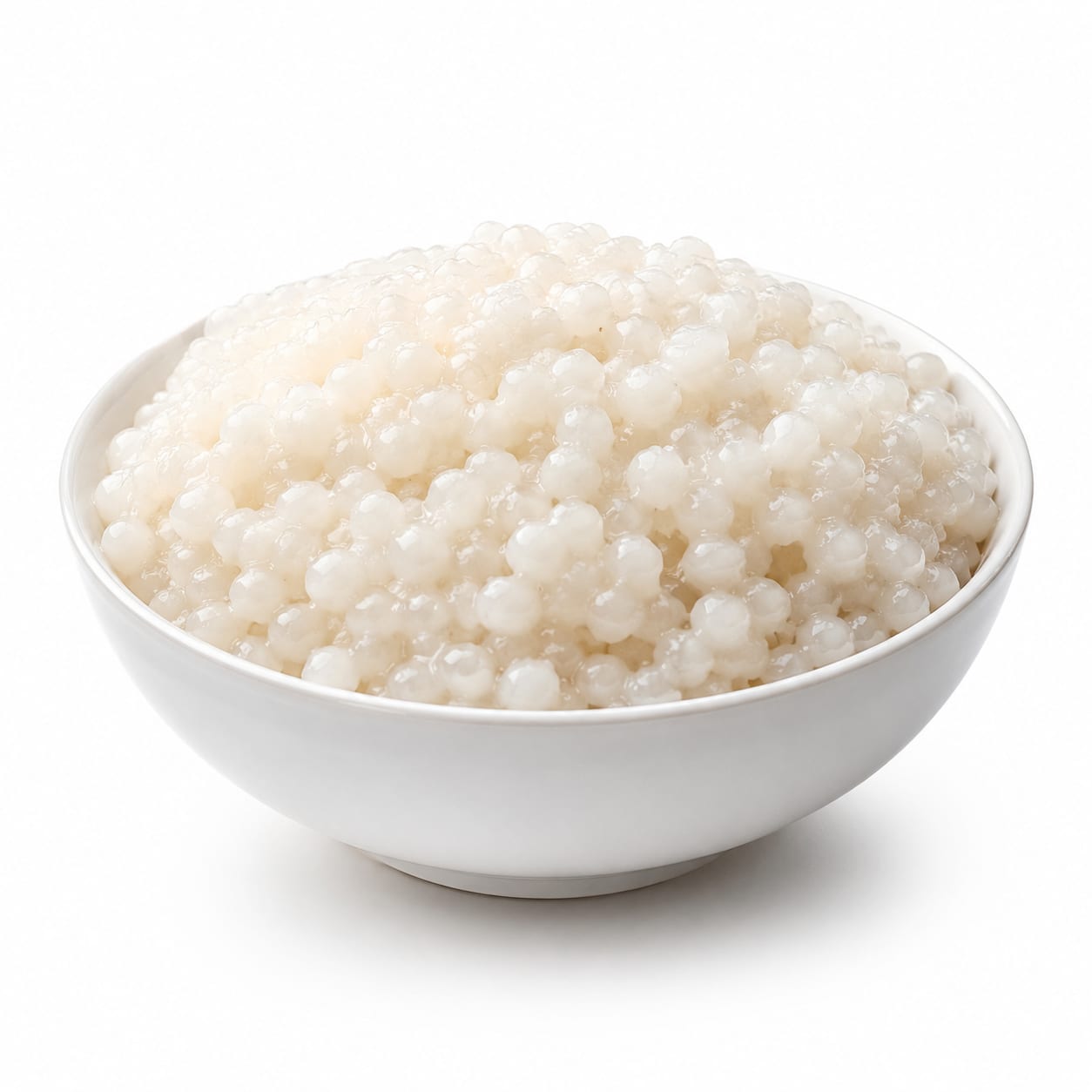
Tapioca
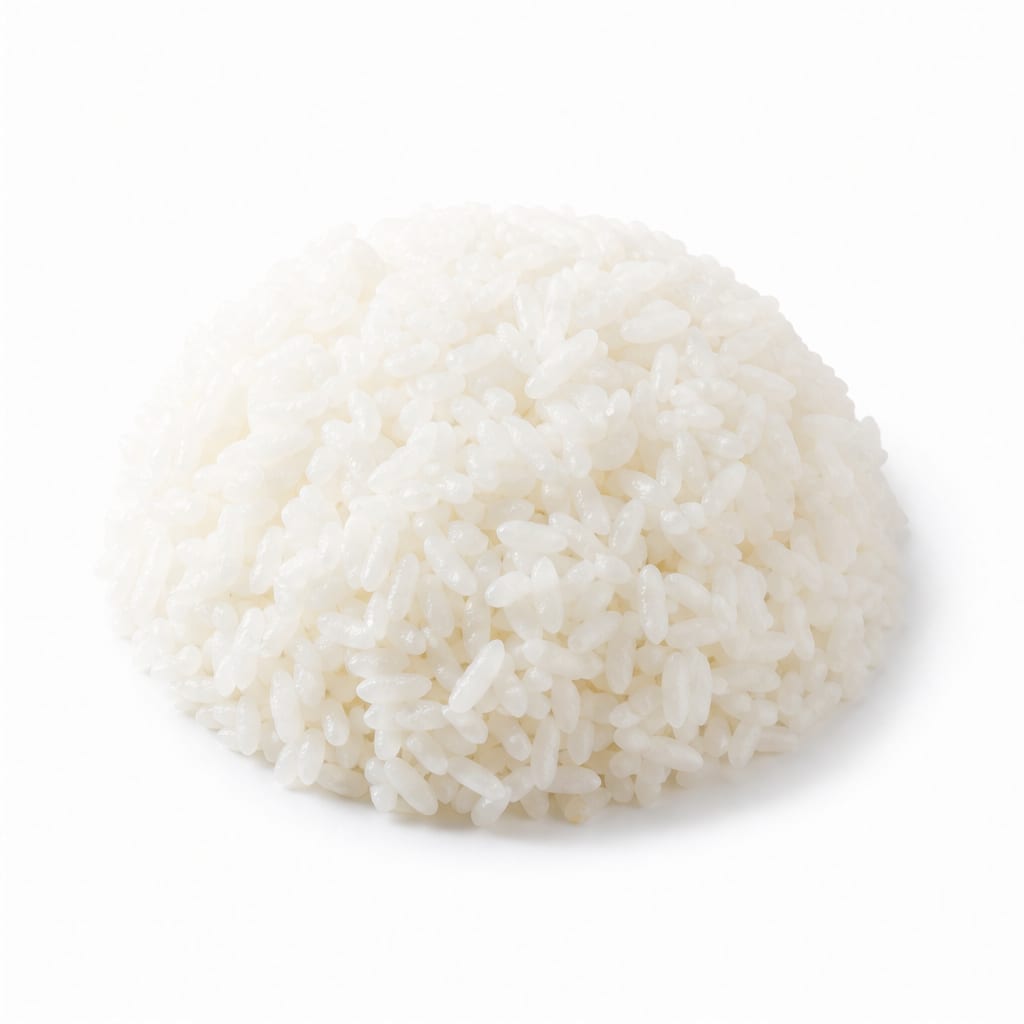
White Rice
White Rice offers slightly more nutrition and satiety, while Tapioca is almost pure starch but easier on sensitive stomachs.
White Rice scores higher due to marginally better protein, vitamins, and satiety, though both are fundamentally refined carbohydrate sources with limited nutritional value.
Choosing between slightly more filling energy (White Rice) and extremely gentle digestibility (Tapioca).
At a glance
Executive summary
Overall
White Rice
Healthier
White Rice
More practical
White Rice
Daily use
White Rice
Key comparison lenses
Blood sugar impact and carbohydrate quality
Both are high-glycemic refined carbs, making blood sugar stability the primary concern for most users.
Nutritional emptiness vs staple energy
Tapioca is nearly pure starch with minimal nutrients, while White Rice retains trace minerals and protein.
Digestive sensitivity and allergen avoidance
Tapioca is famously gentle on the gut, often used during illness, whereas White Rice is a standard digestible staple.
Satiety and meal satisfaction
The difference in how full these foods keep you directly impacts snacking habits and weight management.
Best choice for
Tapioca
- People with severe digestive issues or recovering from illness
- Gluten-free baking and thickening needs
- Those needing very light, quick-digesting calories
White Rice
- Active individuals needing affordable daily energy
- Balanced meal pairings with protein and vegetables
- People wanting a carb that keeps them full longer
Least suitable for
Tapioca
- Diabetics and those with insulin resistance
- People seeking nutrient-dense foods
- Low-carb dieters
White Rice
- Diabetics and those with insulin resistance
- People trying to minimize arsenic exposure
- Low-carb dieters
Deep comparison
Dimension by dimension
Each lens scores both foods and breaks down who each option suits.
- Dimension 1 · Priority 95White Rice
Blood Sugar Stability
Tapioca · 25White Rice · 35Both spike blood sugar rapidly, but Tapioca is almost pure rapidly-digesting starch with zero fiber to slow it down.
Tradeoff
Tapioca digests slightly faster, leading to quicker energy crashes, while White Rice offers marginally steadier energy.
Why it matters
Frequent blood sugar spikes lead to afternoon energy crashes and increased cravings.
Real-world impact
Eating Tapioca alone might leave you hungry again within an hour, whereas White Rice keeps you full slightly longer.
Tapioca
- Quick pre-workout energy
Better for
- Insulin resistance
- Diabetes management
Worse for
White Rice
- Slightly longer-lasting fuel
Better for
- Insulin resistance
- Diabetes management
Worse for
- Dimension 2 · Priority 90White Rice
Nutritional Value
Tapioca · 15White Rice · 40Tapioca is essentially empty calories, while White Rice retains trace minerals and a small amount of protein.
Tradeoff
You sacrifice almost all micronutrients for digestibility with Tapioca, whereas White Rice offers marginal nutritional benefits.
Why it matters
Relying on empty carbs long-term can lead to nutrient deficiencies even if calorie needs are met.
Real-world impact
A White Rice bowl with vegetables provides a more balanced meal than Tapioca pearls, which add calories without nourishment.
Tapioca
- Calorie loading without feeling full
Better for
- Nutrient-dense diet goals
Worse for
White Rice
- Everyday meals needing slight protein and mineral support
Better for
- Whole food nutrient density
Worse for
- Dimension 3 · Priority 85Tapioca
Digestive Tolerance
Tapioca · 95White Rice · 85Tapioca is extremely gentle on the gut and rarely causes irritation, making it ideal for sensitive stomachs.
Tradeoff
Tapioca's extreme digestibility comes at the cost of zero fiber, whereas White Rice is also easy to digest but has slightly more residue.
Why it matters
When recovering from illness or dealing with IBS, easily digestible carbs prevent flare-ups.
Real-world impact
Tapioca porridge is a comforting option when you can't keep much down, while White Rice is a reliable but slightly heavier alternative.
Tapioca
- Post-illness recovery
- Severe IBS flares
Better for
- Promoting healthy gut motility
Worse for
White Rice
- Mild digestive sensitivity
Better for
- Acute stomach bugs
Worse for
- Dimension 4 · Priority 80White Rice
Satiety and Fullness
Tapioca · 30White Rice · 55White Rice is more filling due to its grain structure and slight protein content, while Tapioca digests very quickly.
Tradeoff
Tapioca feels light but leaves you hungry fast, whereas White Rice provides a more substantial base for meals.
Why it matters
Foods that keep you full longer help control snacking and overall calorie intake.
Real-world impact
A plate of White Rice will hold you over until your next meal; Tapioca pudding might have you reaching for a snack an hour later.
Tapioca
- Light eaters
- Small frequent meals
Better for
- Overeating due to low satiety
Worse for
White Rice
- Main meals
- Appetite control
Better for
- Feeling overly stuffed
Worse for
Timeline
Health impact over time
Short-term
Hours to days
Tapioca
- Quick energy spike
- Very light in the stomach
- Rapid hunger return
White Rice
- Noticeable energy boost
- Comforting fullness
- Mild blood sugar rise
Long-term
Months to years
Tapioca
- Risk of nutrient deficiencies if used as a primary carb
- Potential weight gain from overeating due to low satiety
- No gut health benefits from fiber
White Rice
- Easier weight management compared to Tapioca due to satiety
- Slight mineral intake if enriched
- Still a risk for metabolic issues if overconsumed
Risk profile
Safety & processing
Both are processed from their whole forms (cassava root and brown rice), but neither typically contains artificial additives in its plain form.
Tapioca
Cyanide exposure
mediumImproperly processed cassava can contain cyanogenic glycosides, though commercial Tapioca is strictly regulated and safe.
White Rice
Arsenic contamination
mediumWhite Rice can accumulate inorganic arsenic from soil and water; varying your grains and rinsing rice reduces this risk.
Who wins for whom
Audience fit
Same foods, different winners depending on your goal.
children
White RiceWhite Rice provides more nutrients for growing bodies, though Tapioca is fine as an occasional treat.
daily consumption
White RiceWhite Rice offers a better balance of satiety and slight nutritional value for everyday meals.
diabetes
It dependsNeither is ideal, but both can be managed in small portions paired with fiber and protein to blunt blood sugar spikes.
elderly
TapiocaTapioca is exceptionally gentle on aging digestive systems and is very easy to chew and swallow.
muscle gain
White RiceWhite Rice has slightly more protein and is a more substantial post-workout carb source for glycogen replenishment.
weight loss
White RiceWhite Rice is more satiating, making it easier to control portions and avoid the rapid hunger that Tapioca causes.
Your move
Decision guide
Choose Tapioca
- You have a sensitive stomach or are recovering from illness
- You need a gluten-free thickener for baking or soups
- You want very light, quick-digesting calories before a workout
Choose White Rice
- You need a filling staple for daily meals
- You want slightly more nutrition from your carbs
- You are pairing food with proteins and veggies for a balanced plate
Either works if
- You need a quick pre-workout carb boost
- You are on a strict gluten-free diet
- You are eating in a calorie surplus and need easy energy
Avoid both if
- You have diabetes or severe insulin resistance
- You are on a low-carb or keto diet
- You are trying to maximize nutrient density per calorie
Final recommendation
Choose White Rice as your everyday carb for better fullness and slight nutritional gains, but keep Tapioca on hand for when your stomach needs a break or you want a light, comforting treat.
Practical
Consumer tips
- 1
Pair either carb with protein and healthy fats to slow down blood sugar spikes
- 2
Rinse White Rice thoroughly before cooking to reduce arsenic levels
- 3
Use Tapioca starch as a thickener for soups and gravies if you are gluten-free
- 4
Watch portion sizes—both foods are calorie-dense and easy to overeat