
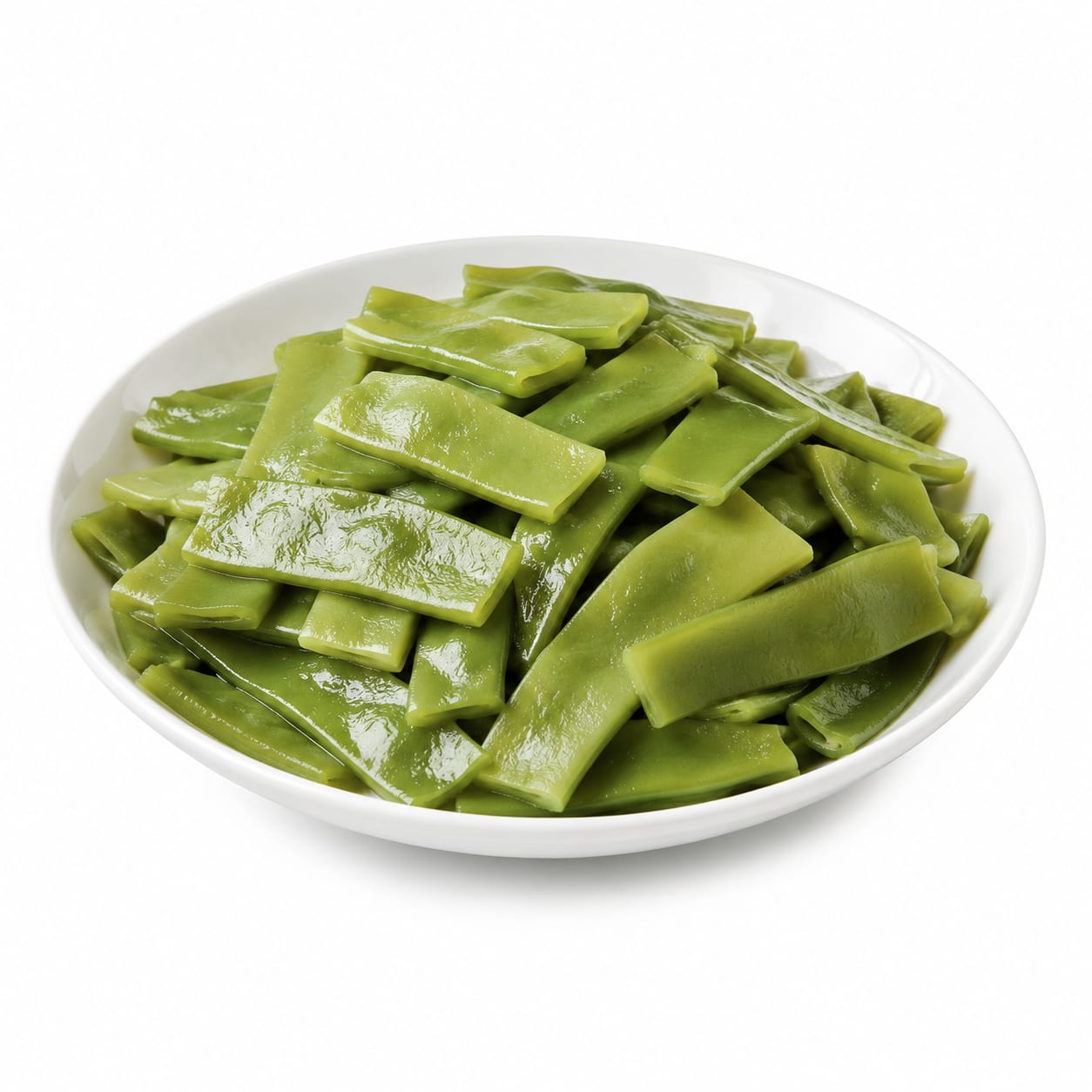
Legume
Sword Bean
A high-protein, high-fiber tropical legume that must be thoroughly cooked to remove natural toxins.
Sword bean (Canavalia gladiata) is a tropical legume recognized by its large, sword-shaped pods and seeds. It is a high-protein, high-fiber food that requires thorough cooking to neutralize naturally occurring toxins before consumption.
protein and fiber dense legume
Typical serving · 150g
Common varieties · red sword bean, white sword bean, jackbean (related species)
Overall context score across nutrition, safety, and diet fit
At a glance
Quick facts
Simple indicators based on nutrition, processing, and diet fit.
The story
What makes it unique
Sword beans are rich in complex carbohydrates, plant protein, and dietary fiber, resulting in slow digestion and high satiety. The raw seeds contain toxic lectins (concanavalin A) and the non-protein amino acid canavanine, which must be denatured through extensive boiling before consumption.
Varieties: red sword bean · white sword bean · jackbean (related species)
Per 100g
Nutrition breakdown
Macro balance and key metrics at a glance.
Energy
Density 1.40 kcal/g
Protein
Carbs
Fat
Fiber
Sugar
3 g
Sodium
5 mg
Potassium
400 mg
Glycemic index
30
Glycemic load
8
Water content
60%
Standout compounds
Nutrient highlights
Protein
highSupports muscle repair and growth
Dietary Fiber
highPromotes digestive health and satiety
Complex Carbohydrates
moderateProvides sustained energy release
Potassium
moderateHelps regulate blood pressure and fluid balance
Wellness map
Health scores & processing
NOVA processing scale
minimally processed · Whole food
Whole dried or fresh legume requiring traditional home preparation (soaking and boiling) to be edible and safe.
Diet compatibility
- Weight loss
- Muscle gain
- Diabetes
- Gut health
- Low carb
- High protein
- Heart health
Relative standing
Food rankings
Qualitative ranks compared to similar whole foods.
- Satietyexcellent
- Blood sugarexcellent
- Nutrient densitygood
- Fitness fuelgood
- Processing qualityexcellent
Eat with confidence
Food safety profile
Raw sword beans contain toxic levels of canavanine and lectins that can cause severe gastrointestinal distress and toxicity. They must be soaked, boiled thoroughly, and the cooking water discarded to be safe for consumption.
Evidence confidence 90%
- Pesticideslow
- Antibioticslow
- Heavy metalsmoderate
- Contaminationhigh
Watch for
- canavanine
- concanavalin A (lectins)
- phytohemagglutinin
Safer choices
Canned or pre-cooked sword beans where toxins are already neutralized, or other common legumes like chickpeas if proper preparation is a concern.
Prep tips
Soak dried beans for at least 12 hours, discard water, then boil vigorously for at least 30-60 minutes. Never eat raw or undercooked sword beans.
Raw sword beans are toxic and not permitted for sale as ready-to-eat products in many regions without clear preparation instructions.
Deep dive
Health analysis
How this food may fit different goals and preparation choices.
Weight loss
High fiber and protein content promote prolonged satiety, reducing overall calorie intake.
Blood sugar
Low glycemic index and high fiber slow glucose absorption, preventing blood sugar spikes.
Fitness & energy
Provides sustained complex carbohydrate energy suitable for endurance activities, though not a rapid post-workout fuel.
Gut health
Dietary fiber supports healthy bowel movements and feeds beneficial gut bacteria.
Processing quality
A whole, unprocessed food, though it requires significant home processing (boiling) for safety.
Food safety
Strict preparation is mandatory; undercooked sword beans are highly toxic due to lectins and canavanine.
Common mistakes
Eating undercooked beans or failing to discard the soaking and boiling water, which retains the toxins.
Best preparation
Soak for 12+ hours, discard water, boil thoroughly for at least 30-60 minutes, and drain.
Practical guide
Best use cases
When and how this food fits real eating patterns.
High-volume low-calorie eating
Adds bulk and satiety to meals without excessive calories.
Plant-based protein source
Provides a substantial amount of protein for vegetarian and vegan diets.
Blood sugar friendly meals
Low glycemic impact makes it suitable for balancing carbohydrate intake.
Balance sheet
Pros & cons
Upsides
- High in plant-based protein
- Excellent source of dietary fiber
- Low glycemic index stabilizes blood sugar
- Very satiating and filling
- Minimally processed whole food
Trade-offs
- Highly toxic if eaten raw or undercooked
- Requires lengthy soaking and boiling preparation
- Contains canavanine, which may affect individuals with autoimmune conditions if not fully cooked
- Not suitable for quick meals due to prep time
Fit check
Who is it for?
Great match
- plant-based diets
- blood sugar control
- high-volume eating
- meal prepping
Consider alternatives
- raw food diets
- quick weeknight dinners
- lectin-sensitive individuals
Side by side
How it compares
Open the full head-to-head analysis for nutrition, safety, and practical tradeoffs.
This food
Sword Bean
VS95% alike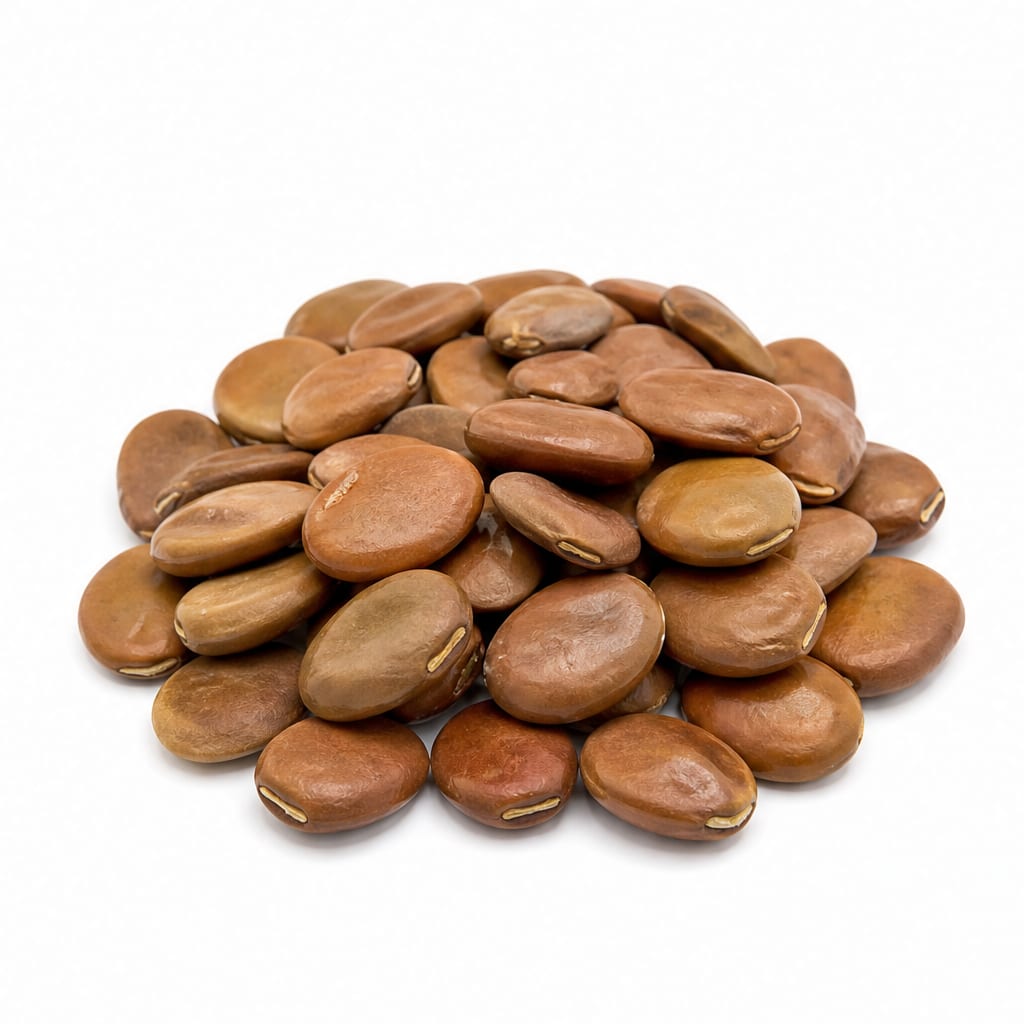
Compare with
Jackbean
Both are toxic raw and require extensive boiling, but sword bean pods are sometimes eaten young while jackbean pods are typically too fibrous.
Sword bean and jackbean are nearly identical nutritionally and both require thorough cooking to remove toxins.
This food
Sword Bean
VS80% alike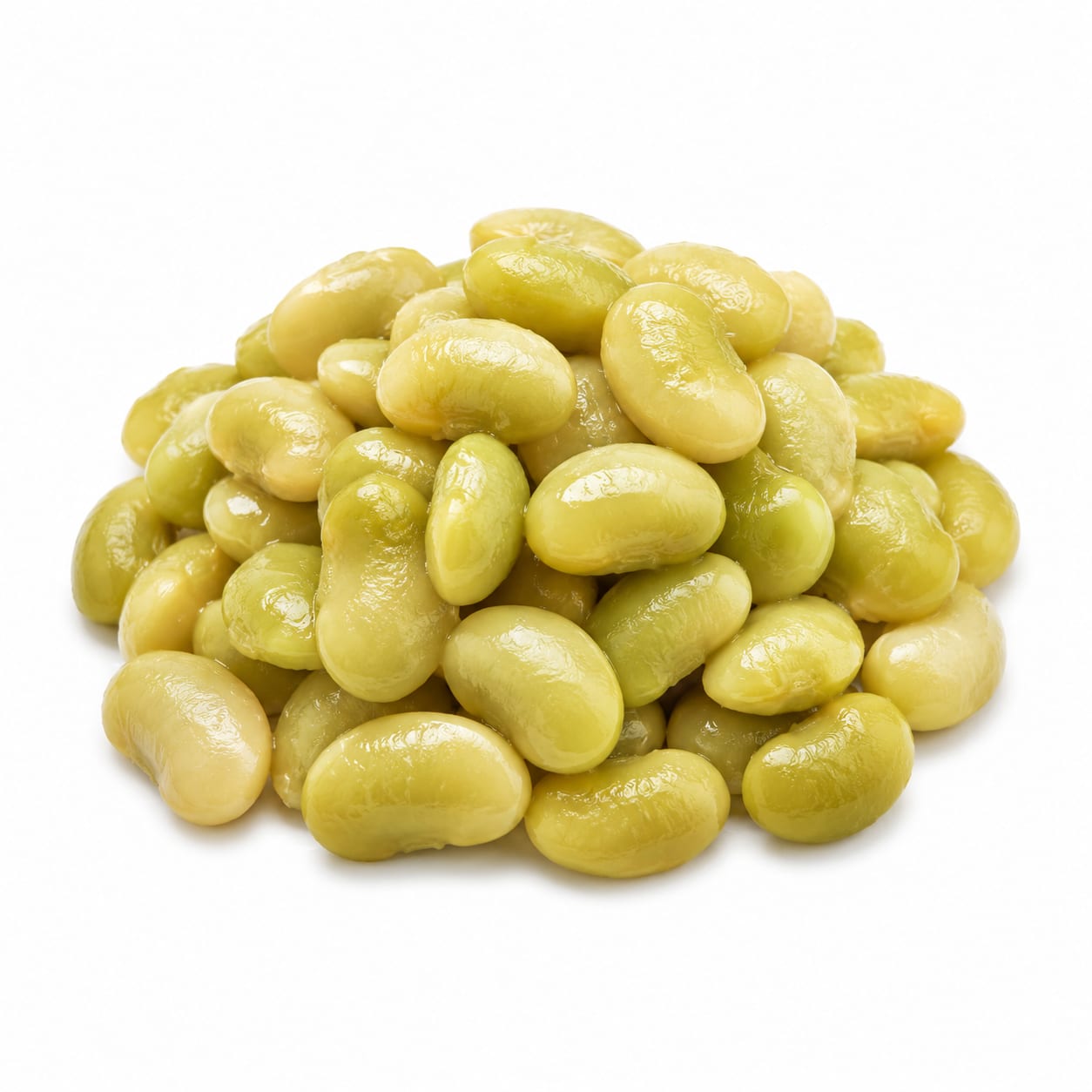
Compare with
Lima Bean
Lima beans are more widely available and have a slightly lower toxin risk, but sword bean offers comparable protein and fiber.
Lima beans are easier to find and safer to prep, while sword beans offer a similar meaty texture and nutrition profile.
This food
Sword Bean
VS75% alike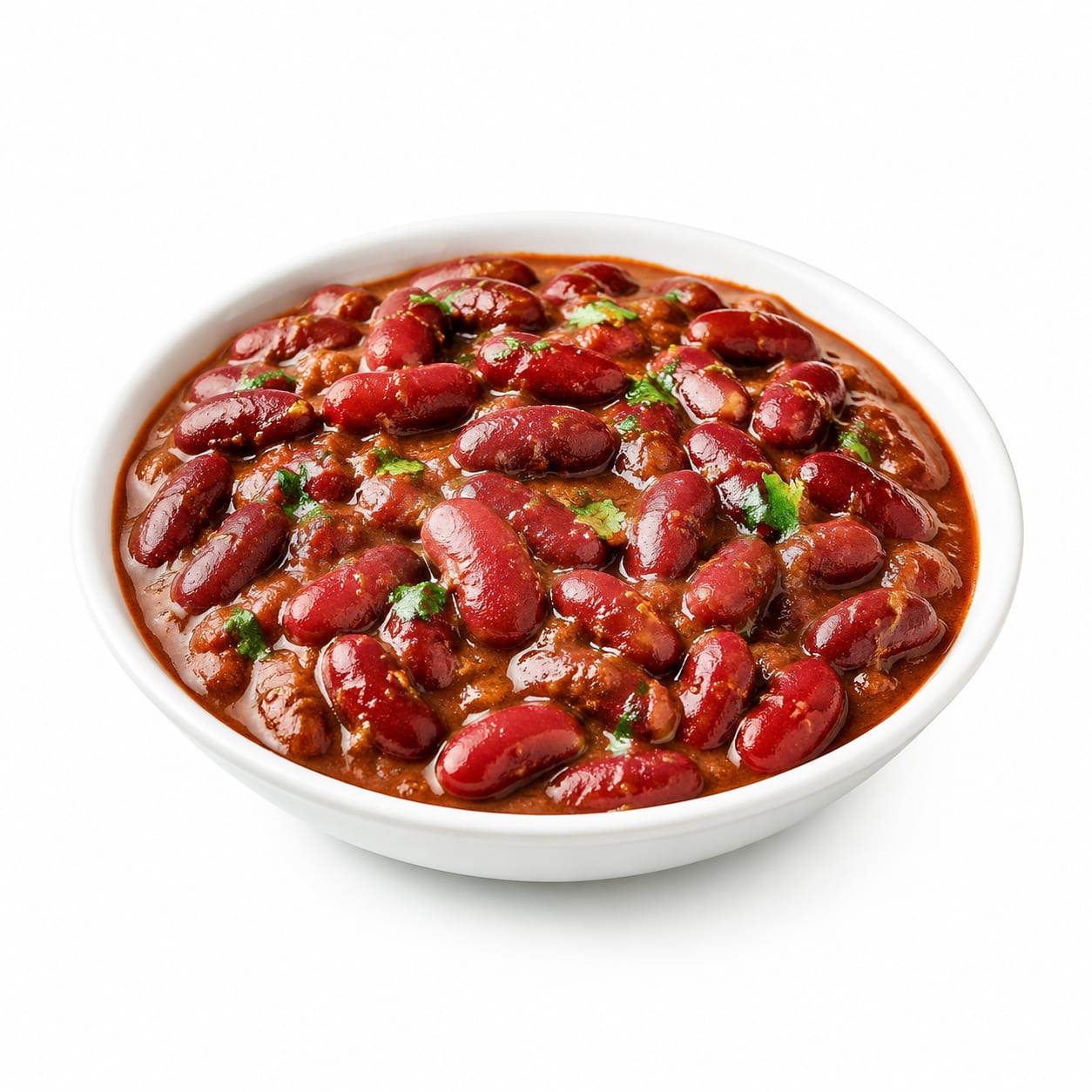
Compare with
Kidney Bean
Kidney beans are more common globally; sword bean has a firmer texture but similar macronutrient profile.
Kidney beans are a more common alternative with a similar texture and identical need for thorough cooking.
This food
Sword Bean
VS70% alike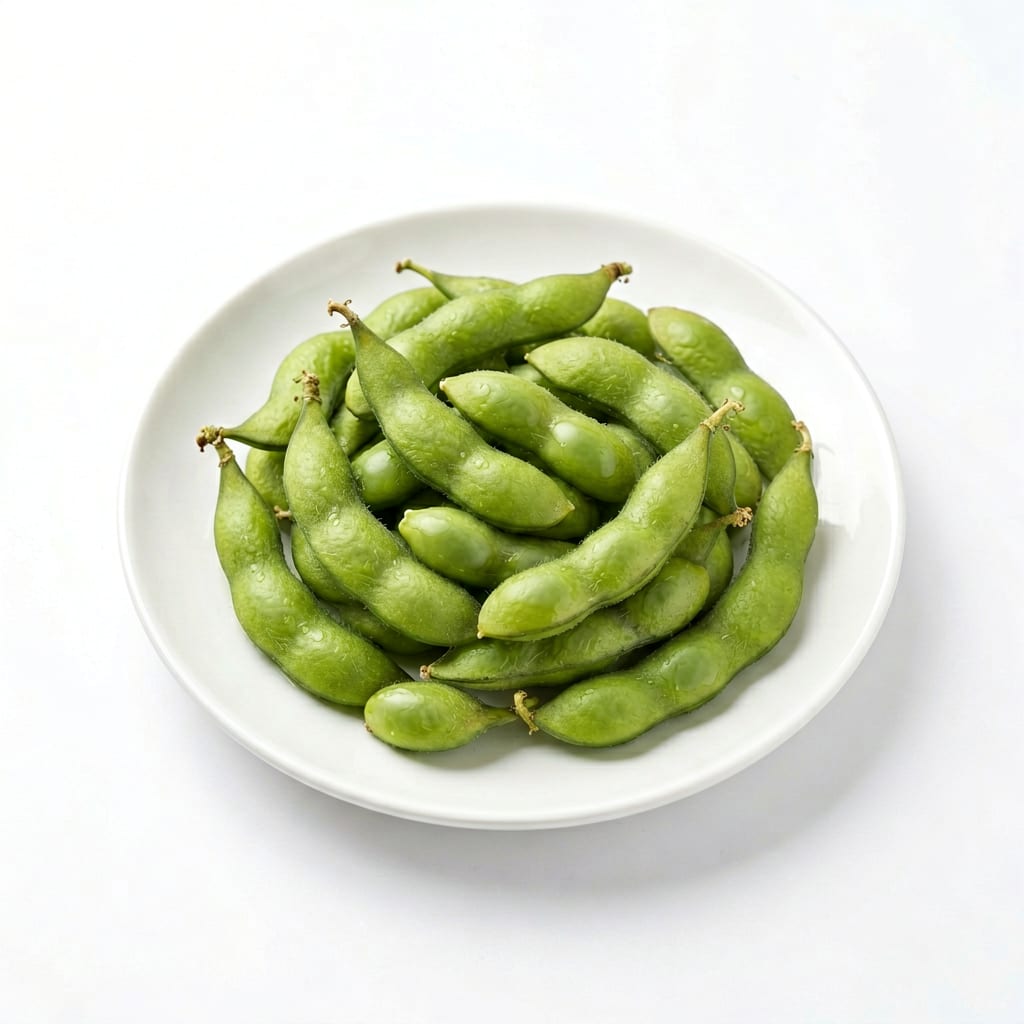
Compare with
Edamame
Edamame is safe to eat with minimal cooking and higher in protein per calorie, whereas sword bean requires extensive preparation.
Edamame is safer and faster to prepare with more protein, while sword bean offers a denser, starchier bite.
This food
Sword Bean
VS70% alike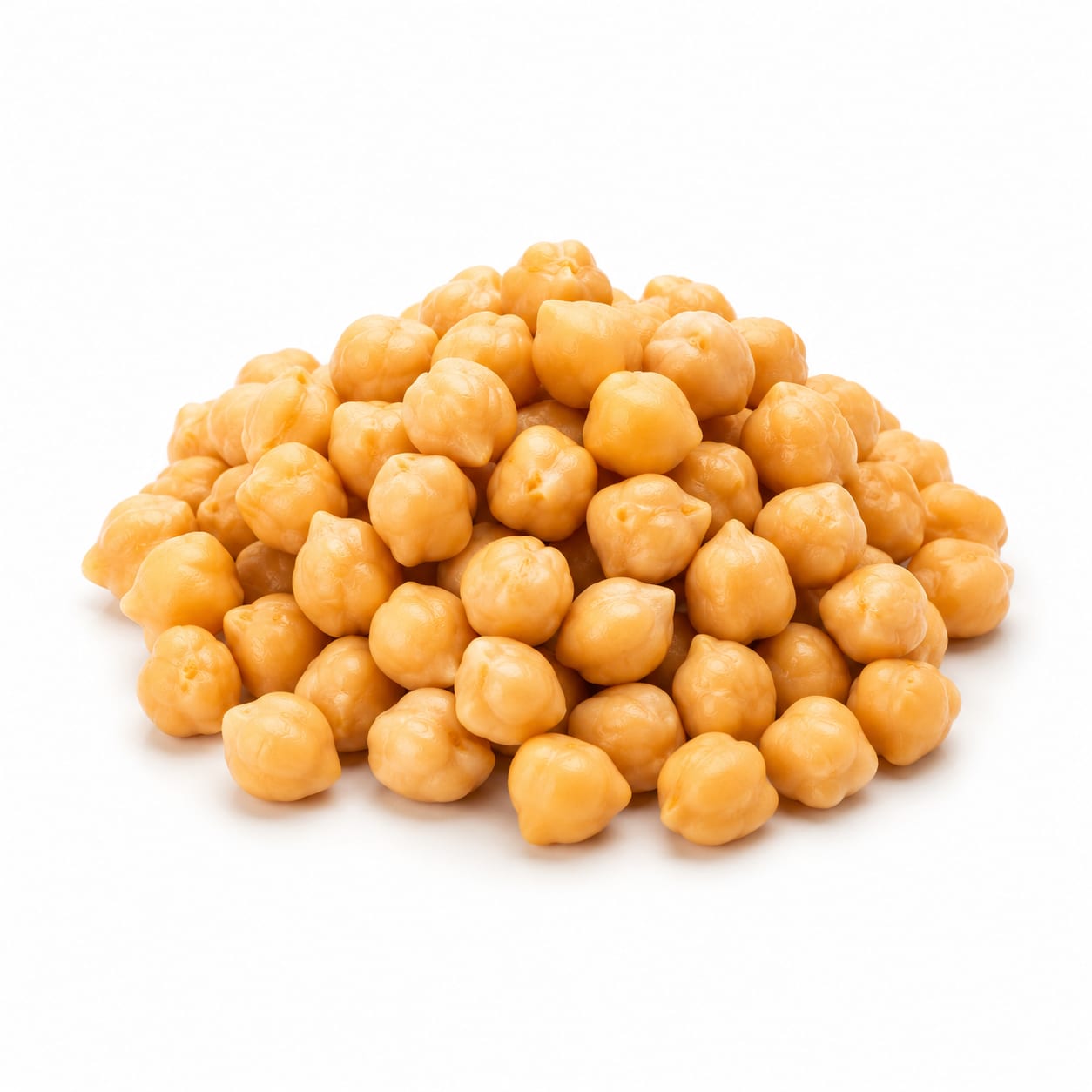
Compare with
Chickpea
Chickpeas are safer to cook and more versatile, while sword beans are denser and require more caution.
Chickpeas are easier to cook safely, but sword beans provide a slightly firmer texture and higher fiber satiety.
This food
Sword Bean
VS65% alike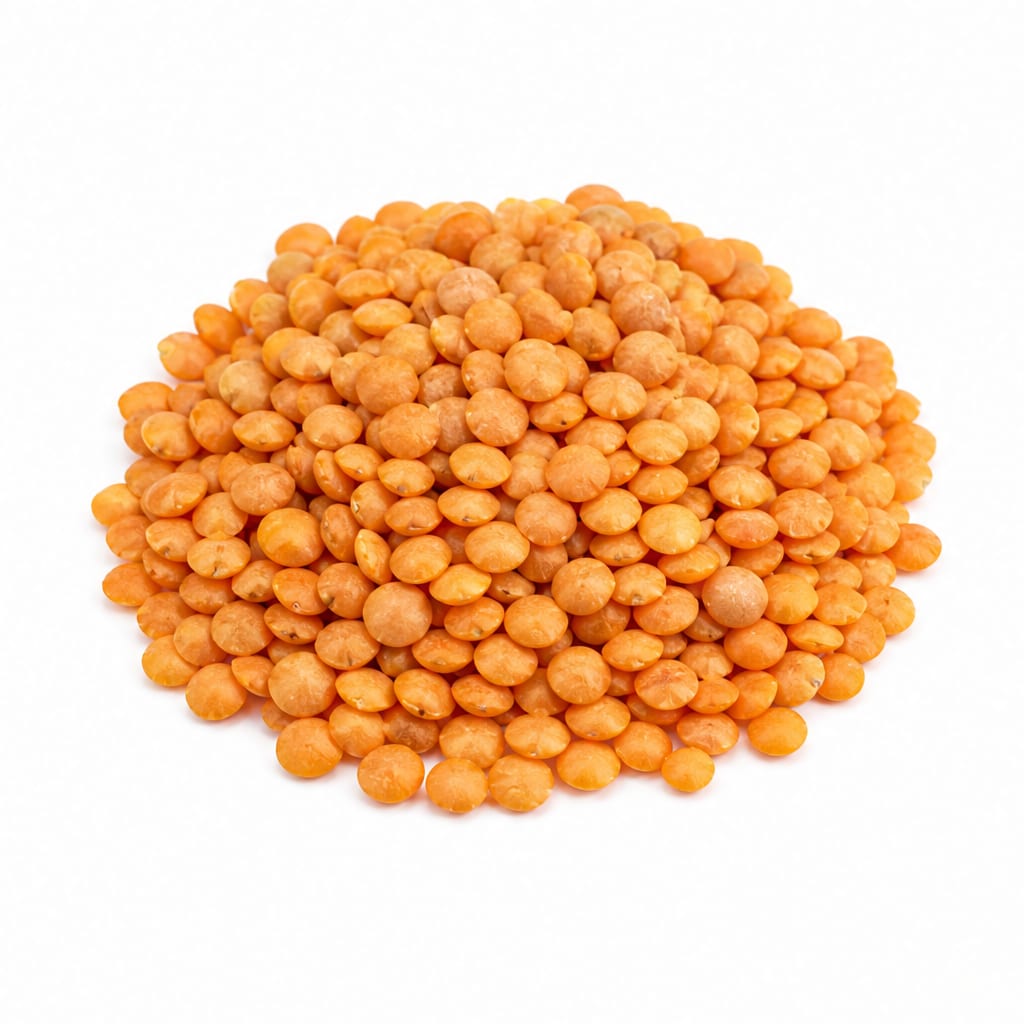
Compare with
Lentils
Lentils cook much faster and have lower toxicity risks, while sword beans offer a meatier bite.
Lentils are faster and safer to cook, making them more convenient, while sword bean is thicker and chewier.
This food
Sword Bean
VS65% alike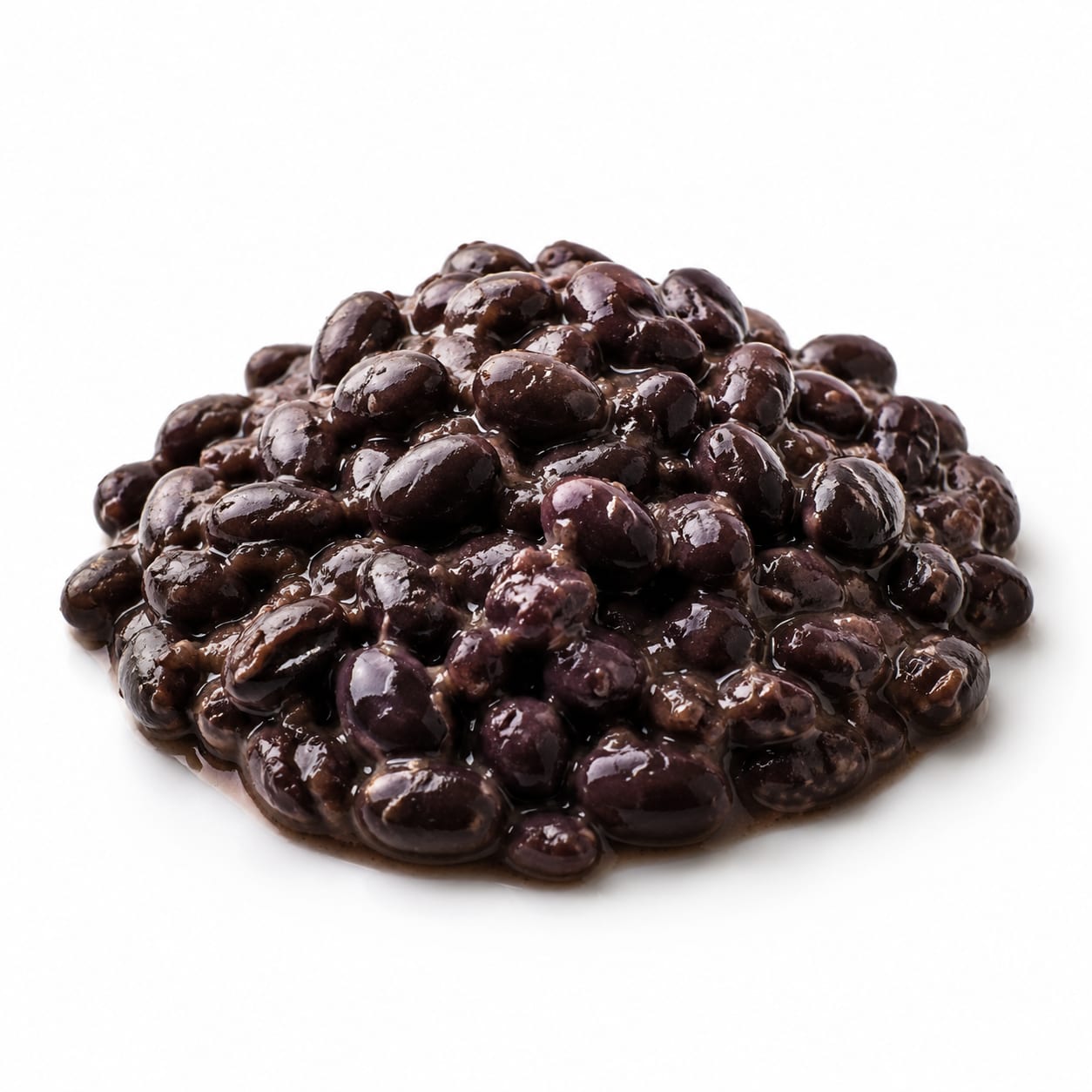
Compare with
Black Bean
Black beans are more universally used in Western cooking and slightly easier to prepare safely.
Black beans are a staple alternative with a similar nutrition profile but less preparation risk than sword bean.
This food
Sword Bean
VS70% alike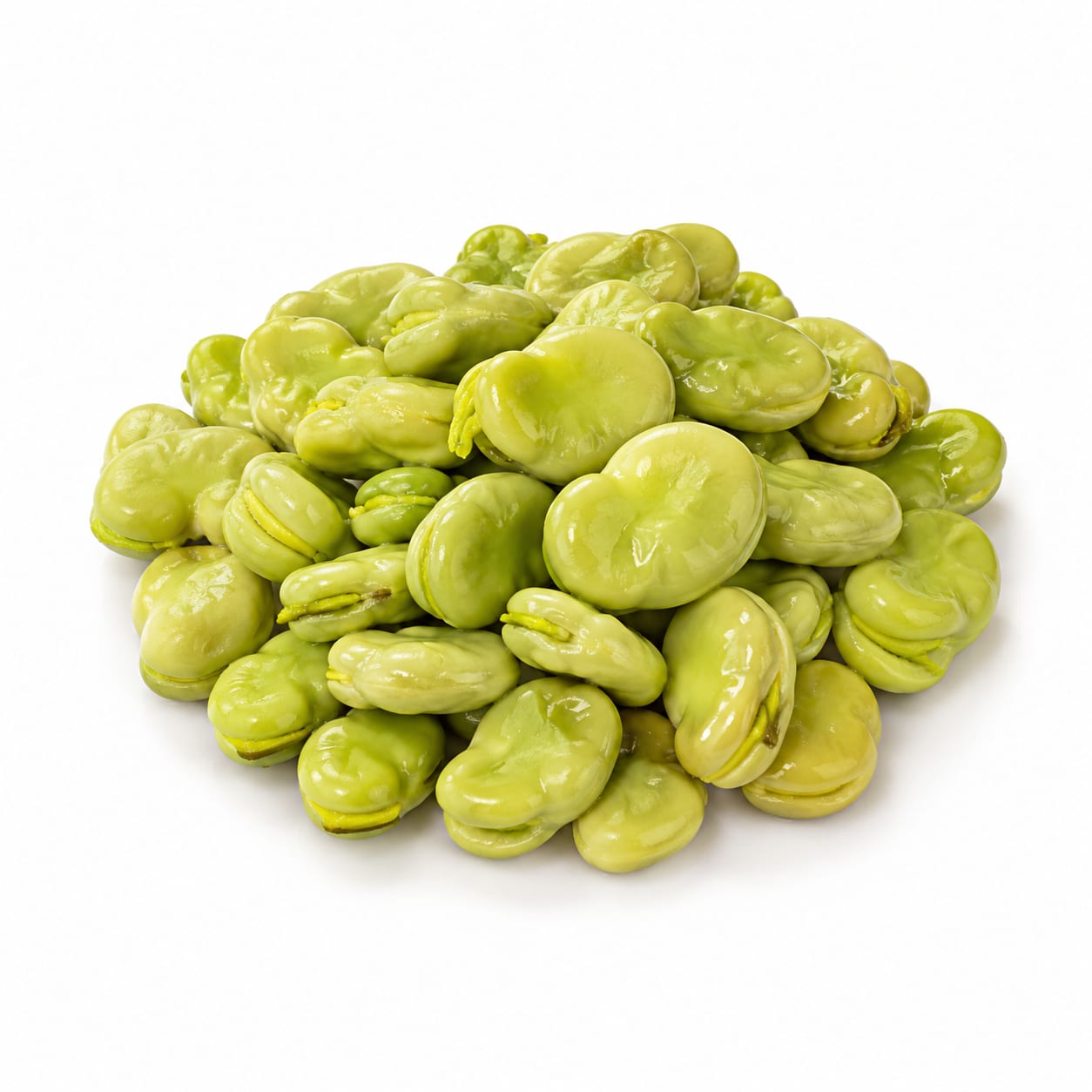
Compare with
Fava Bean
Fava beans carry a risk for those with G6PD deficiency, while sword beans carry a universal lectin risk if raw.
Fava beans and sword beans both have specific health risks if not prepared correctly, but offer great fiber and protein.
This food
Sword Bean
VS60% alike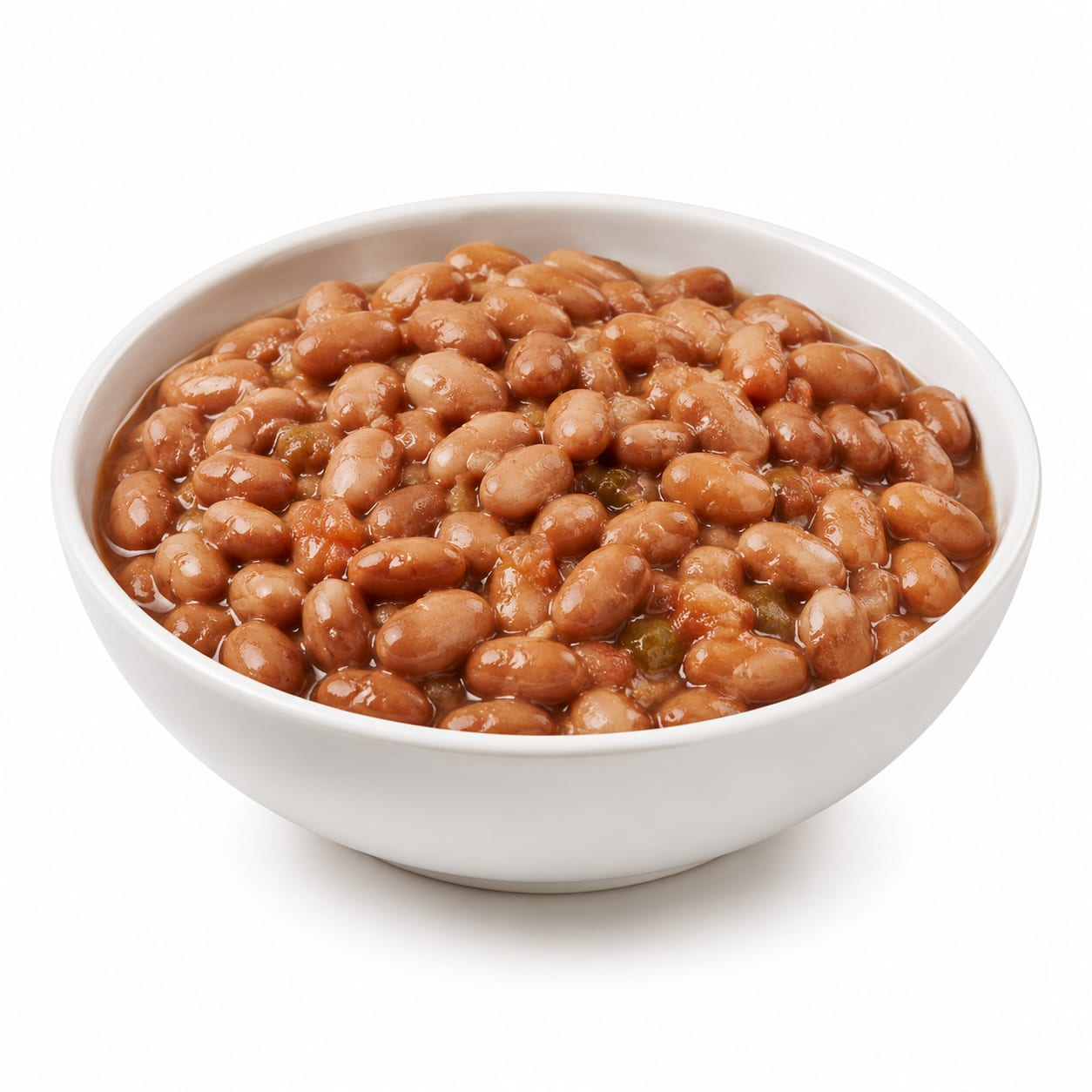
Compare with
Pinto Bean
Pinto beans are creamier and standard for refrying, while sword beans are firmer and less starchy.
Pinto beans are creamier and easier to mash, while sword beans hold their shape better and require stricter cooking.
This food
Sword Bean
VS50% alike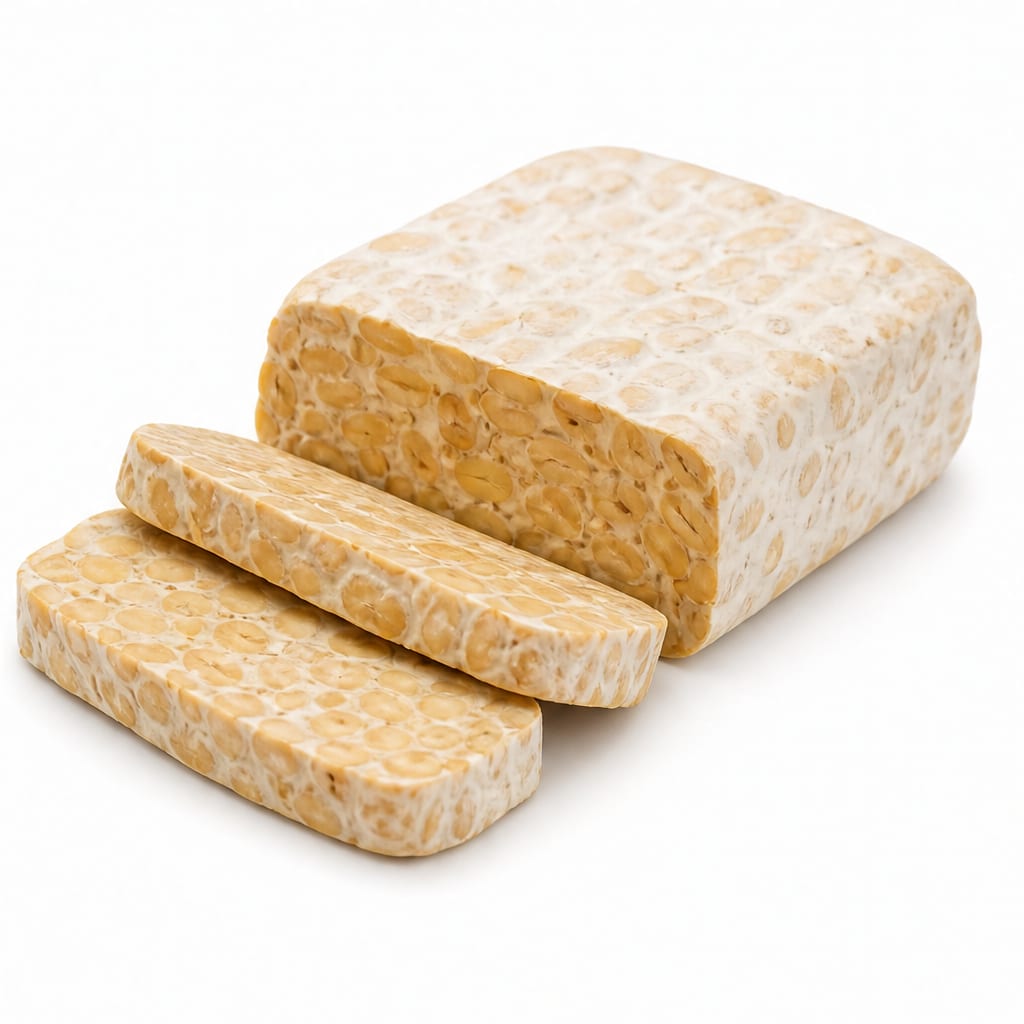
Compare with
Tempeh
Tempeh is fermented and ready-to-eat, offering probiotics, whereas sword bean is a whole legume requiring extensive cooking.
Tempeh provides more protein and gut-friendly probiotics with no toxin risk, whereas sword bean is a whole food requiring careful prep.
Common questions
FAQ
Answers aligned with how people search for this food.
Are sword beans poisonous?
Yes, raw sword beans are poisonous. They contain toxic lectins and canavanine that must be destroyed by soaking and thorough boiling before eating.
How do you safely cook sword beans?
Soak the beans for at least 12 hours, discard the water, then boil them vigorously for 30 to 60 minutes. Always discard the cooking water.
Is sword bean good for weight loss?
Yes, when properly cooked, sword beans are high in protein and fiber, which increase satiety and help control appetite.
Can diabetics eat sword beans?
Yes, sword beans have a low glycemic index and high fiber content, which helps stabilize blood sugar levels after meals.
What happens if you eat undercooked sword beans?
Eating undercooked sword beans can cause severe nausea, vomiting, diarrhea, and abdominal pain due to toxic lectins.
What does sword bean taste like?
When properly cooked, sword beans have a mild, earthy flavor and a firm, meaty texture similar to lima beans or edamame.
Transparency
Data confidence
Estimated confidence for nutrition data, interpretation, safety notes, and comparisons.
Nutrition data
Health analysis
Food safety
Comparisons