
Nutrition comparison
Sword Bean vs Chickpea: Safety, Nutrition, and Which Legume to Choose
Comparing sword beans and chickpeas? Learn why chickpeas are the safer daily choice, what makes sword beans risky due to canavanine toxicity, and how these legumes differ in protein, fiber, and practicality.
Overall winner · Chickpea
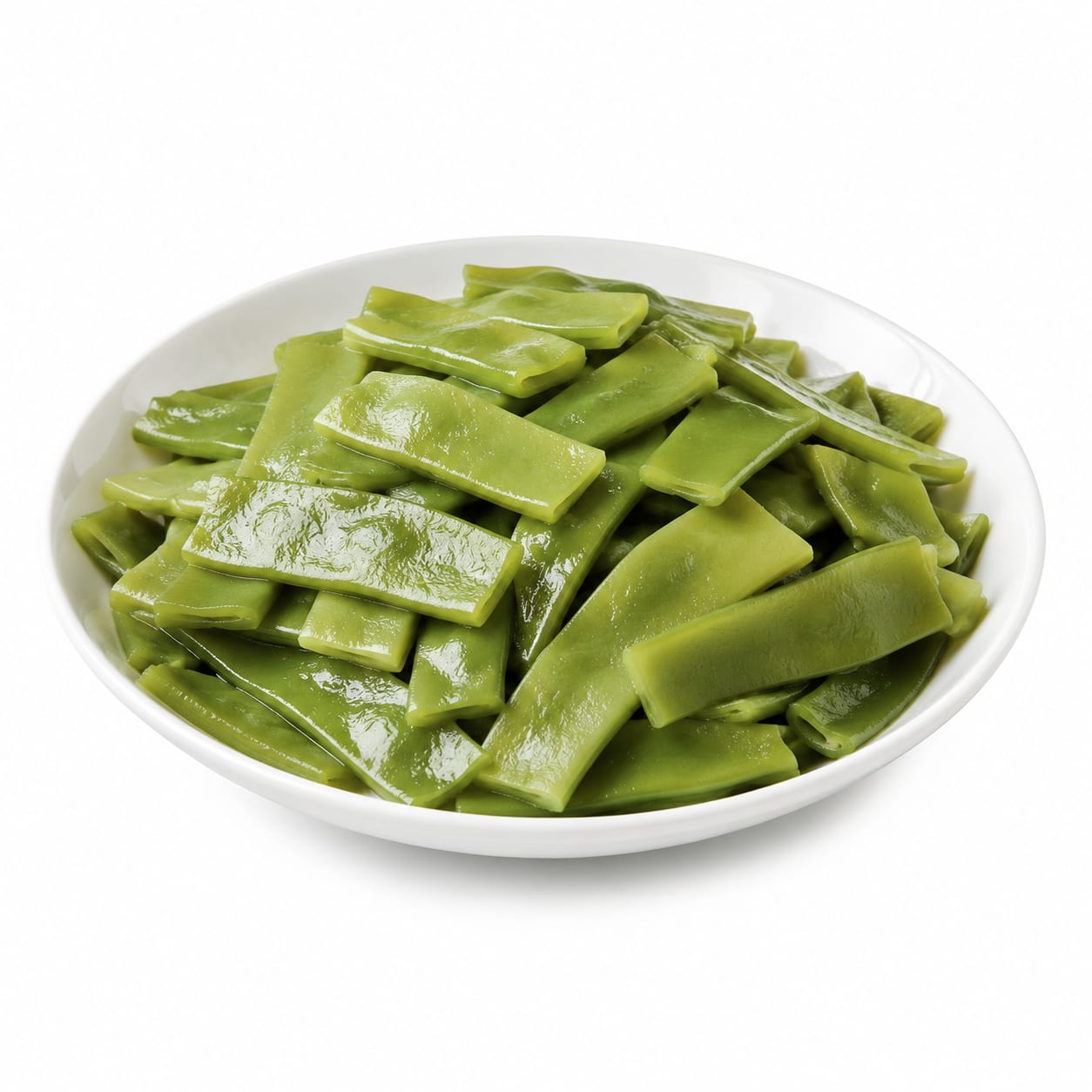
Sword Bean
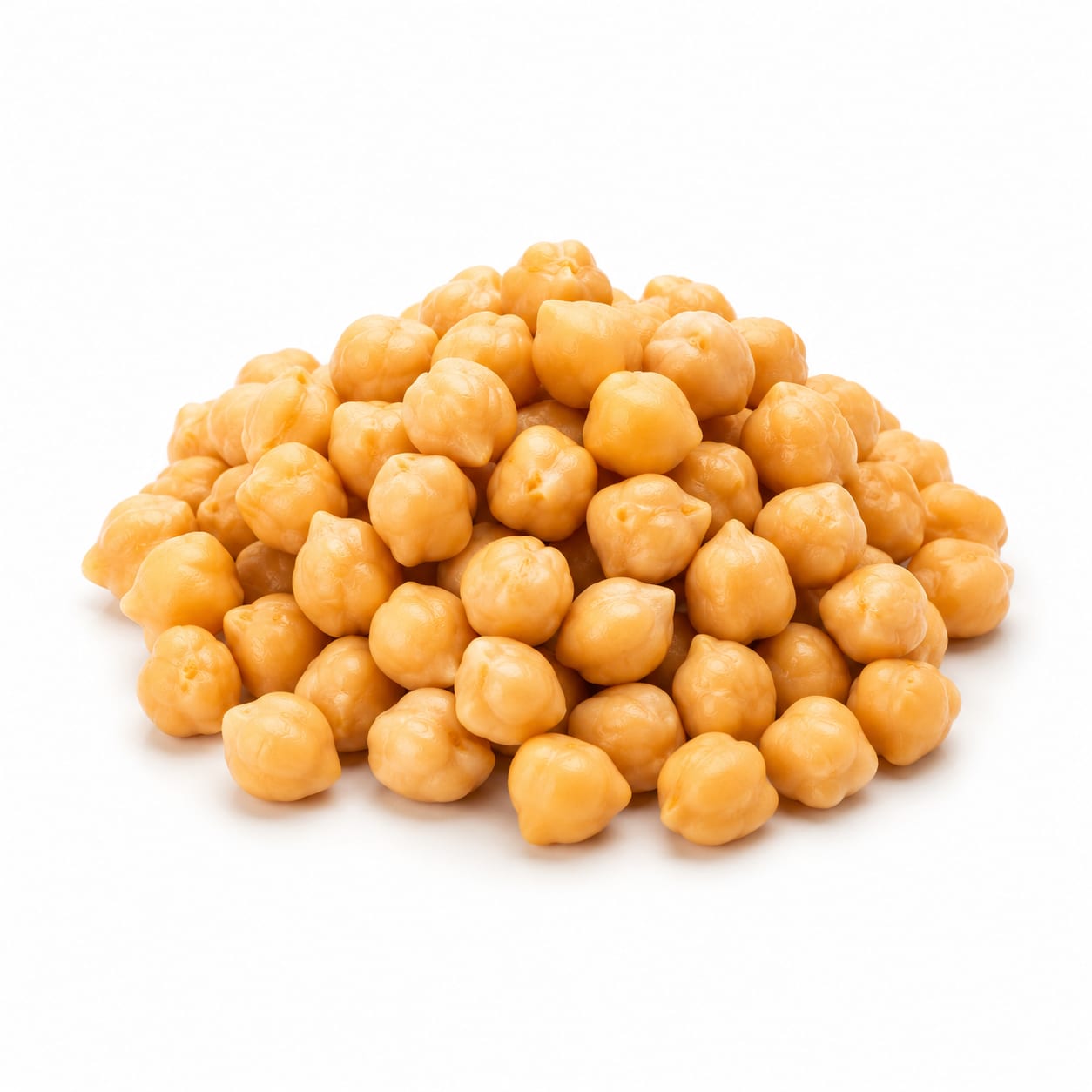
Chickpea
Chickpeas win decisively due to safety, convenience, and proven health benefits, while sword beans carry real toxicity risks that demand expert-level preparation.
Chickpeas score dramatically higher because safety and practicality dominate real-world food choices. Sword beans lose significant ground on toxicity risk and preparation burden, which outweigh their modest nutritional advantages.
Sword beans may offer slightly higher protein density, but the canavanine toxicity risk and demanding preparation make chickpeas the far safer and more practical daily choice.
At a glance
Executive summary
Overall
Chickpea
Healthier
Chickpea
More practical
Chickpea
Daily use
Chickpea
Key comparison lenses
safety and toxicity
Sword beans contain canavanine, a toxic amino acid requiring extensive preparation to remove, making safety the dominant concern in this comparison
everyday practicality
Chickpeas are pantry staples available everywhere; sword beans are specialty items requiring careful handling, creating a massive convenience gap
protein and nutrition quality
Both are legumes with solid protein profiles, but users want to know if sword beans offer nutritional advantages worth the extra effort
digestive tolerance
Legumes are notorious for causing bloating; comparing how each affects digestion matters for daily eating decisions
long term sustainability
A food you can safely eat daily beats a marginally more nutritious one you cannot reliably prepare
Best choice for
Sword Bean
- Adventurous cooks with expertise in traditional legume detoxification methods
- Cultural or traditional cuisine where sword bean preparation knowledge is passed down
- Agricultural researchers studying drought-resistant legume crops
Chickpea
- Anyone wanting a reliable, safe, protein-rich staple legume
- Meal preppers building weekly menus around affordable plant protein
- Families needing a pantry-friendly legume with no special handling required
Least suitable for
Sword Bean
- Children, pregnant women, and anyone with autoimmune conditions due to canavanine risks
- Busy households lacking time for multi-day soaking and repeated boiling
- People new to cooking legumes who may not recognize undercooked sword beans
Chickpea
- Those with severe chickpea allergies or intolerances
- People on very low-carb diets tracking every gram of carbohydrates
Deep comparison
Dimension by dimension
Each lens scores both foods and breaks down who each option suits.
- Dimension 1 · Priority 95Chickpea
safety_and_toxicity
Sword Bean · 25Chickpea · 90Sword beans contain canavanine, a toxic non-protein amino acid linked to autoimmune-like illness, requiring extensive detoxification. Chickpeas need only standard cooking to be safe.
Tradeoff
Sword beans demand multiple rounds of boiling and water changes to reduce canavanine to safe levels. One shortcut in preparation could mean real harm. Chickpeas need none of this.
Why it matters
Canavanine can mimic arginine and disrupt immune function, potentially triggering lupus-like symptoms. This is not a theoretical risk — it has been documented in populations consuming underprepared sword beans.
Real-world impact
A slightly undercooked batch of sword beans could cause nausea, vomiting, or worse. Chickpeas forgive imperfect cooking with only texture issues, not health consequences.
Sword Bean
- None — safety is a binary concern and sword beans carry inherent risk
Better for
- Pregnant women, children, and immunocompromised individuals
- Anyone unfamiliar with traditional sword bean detoxification methods
Worse for
Chickpea
- Families with children who might not follow strict preparation protocols
- Anyone with autoimmune conditions sensitive to arginine analogs
- Home cooks who occasionally cut corners on lengthy prep steps
Better for
- Those with specific chickpea allergies, though this is rare
Worse for
- Dimension 2 · Priority 72Sword Bean
protein_density_and_quality
Sword Bean · 78Chickpea · 72Sword beans edge out chickpeas slightly on raw protein content per 100g, but the usable protein advantage shrinks once you account for canavanine-related amino acid interference.
Tradeoff
Higher protein numbers on paper mean little if the protein comes packaged with an amino acid that disrupts your body's normal arginine metabolism.
Why it matters
For plant-based eaters counting protein, every gram matters. But protein quality and safety matter more than raw quantity.
Real-world impact
You might get a few more grams of protein from sword beans, but chickpeas deliver protein your body can actually use without interference.
Sword Bean
- Strictly comparing protein numbers per serving in a spreadsheet
Better for
- Canavanine may reduce the effective protein quality by competing with arginine
Worse for
Chickpea
- Anyone prioritizing protein the body can efficiently utilize
- Athletes who need reliable amino acid profiles without metabolic interference
Better for
- Slightly lower total protein per serving compared to properly prepared sword beans
Worse for
- Dimension 3 · Priority 68Chickpea
fiber_and_digestive_health
Sword Bean · 65Chickpea · 80Chickpeas provide excellent soluble and insoluble fiber that feeds gut bacteria and supports regularity. Sword beans also contain fiber, but their anti-nutritional factors can irritate the gut lining if preparation falls short.
Tradeoff
Sword bean fiber comes with digestive risk; chickpea fiber comes with well-documented gut health benefits and decades of population data.
Why it matters
Fiber only helps if your gut can tolerate it. Anti-nutritional compounds in underprepared sword beans can cause cramping and diarrhea that negate fiber benefits.
Real-world impact
A bowl of chickpeas leaves most people comfortably full. A bowl of sword beans with even slightly inadequate prep can cause a rough evening.
Sword Bean
- Situations where sword beans are traditionally prepared with fermentation, which can improve digestibility
Better for
- Anti-nutritional factors can cause bloating, cramping, and diarrhea
- Unpredictable digestive response depending on preparation quality
Worse for
Chickpea
- Daily gut health maintenance without worry
- People building fiber intake gradually who need predictable digestion
Better for
- Some people experience gas from chickpea fiber, though this improves with regular consumption
Worse for
- Dimension 4 · Priority 88Chickpea
convenience_and_accessibility
Sword Bean · 15Chickpea · 92Chickpeas are available in every grocery store, come canned and ready to use, and cook straightforwardly from dried. Sword beans are specialty items requiring mail order or specialty markets and multi-step detoxification.
Tradeoff
You can have hummus on the table in 5 minutes with canned chickpeas. Sword beans require planning days ahead and careful monitoring through multiple boiling cycles.
Why it matters
The best nutritious food is the one you actually eat consistently. Convenience drives consistency.
Real-world impact
Chickpeas are a weeknight dinner solution. Sword beans are a weekend project for dedicated cooks.
Sword Bean
- Cultural contexts where sword beans are commonly sold and preparation is common knowledge
Better for
- Essentially unavailable in most Western grocery stores
- Requires extensive knowledge and time investment most people do not have
Worse for
Chickpea
- Busy professionals needing quick protein sources
- Anyone shopping at regular grocery stores
- Meal preppers who cook in batches without multi-day processes
Better for
- Canned versions contain added sodium, though rinsing helps significantly
Worse for
- Dimension 5 · Priority 60Chickpea
micronutrient_profile
Sword Bean · 62Chickpea · 75Chickpeas deliver reliable folate, iron, magnesium, and zinc with well-documented absorption characteristics. Sword beans have comparable minerals but their anti-nutritional compounds may reduce absorption.
Tradeoff
More micronutrients on paper matter less if phytates and lectins block your body from actually absorbing them.
Why it matters
Mineral bioavailability is what determines whether a food truly nourishes you or just looks good on a nutrition label.
Real-world impact
Chickpeas paired with vitamin C sources reliably boost iron levels. Sword beans' mineral contribution is harder to predict due to absorption interference.
Sword Bean
- Potential for higher raw mineral content in some cultivars
Better for
- Anti-nutritional factors likely reduce mineral bioavailability
- Limited research on actual absorption rates in humans
Worse for
Chickpea
- More predictable micronutrient absorption
- Decades of research confirming folate and iron bioavailability
- Easier to pair with absorption enhancers like lemon juice or tomatoes
Better for
- Iron is non-heme and needs pairing with vitamin C for optimal absorption
Worse for
- Dimension 6 · Priority 65Chickpea
blood_sugar_stability
Sword Bean · 60Chickpea · 82Chickpeas have a proven low glycemic index and improve post-meal blood sugar control. Sword beans likely have similar potential, but lack the clinical evidence and carry preparation risks that undermine confidence.
Tradeoff
Chickpeas are a trusted tool for blood sugar management. Sword beans are an unproven one with higher stakes if prepared incorrectly.
Why it matters
For people with diabetes or insulin resistance, predictable blood sugar responses are non-negotiable.
Real-world impact
A diabetic can confidently add chickpeas to a meal plan. Adding sword beans introduces uncertainty that most endocrinologists would not recommend.
Sword Bean
- Theoretical low glycemic impact based on protein and fiber content
Better for
- No clinical glycemic index data available
- Risk of digestive distress could indirectly affect blood sugar through stress response
Worse for
Chickpea
- Clinically validated low glycemic index
- Proven to reduce post-meal glucose spikes in research studies
- Recommended by diabetes organizations worldwide
Better for
- Canned versions with added sugar in some flavored preparations could raise glycemic load
Worse for
Timeline
Health impact over time
Short-term
Hours to days
Sword Bean
- Undercooked sword beans can cause acute nausea, vomiting, and abdominal pain within hours
- Even properly prepared sword beans may cause mild digestive discomfort in sensitive individuals
- Canavanine exposure from inadequate preparation can trigger headache and fatigue
Chickpea
- Initial gas and bloating common when first adding chickpeas to the diet
- Steady energy without blood sugar crashes after meals
- Satisfying fullness that reduces between-meal snacking
Long-term
Months to years
Sword Bean
- Chronic canavanine consumption from repeatedly underprepared sword beans has been linked to autoimmune-like conditions
- Potential risk to kidney function with long-term exposure to anti-nutritional compounds
- Very limited long-term population health data compared to other legumes
Chickpea
- Consistent chickpea consumption associated with lower cardiovascular disease risk
- Improved gut microbiome diversity documented in multiple studies
- Better weight management outcomes linked to regular legume intake
- Reduced colorectal cancer risk in populations with high legume consumption
Risk profile
Safety & processing
Both foods are whole, minimally processed legumes in their dried form. However, canned chickpeas may contain added sodium, which is a minor concern easily managed by rinsing. Dried sword beans and dried chickpeas are equally natural, but sword beans' natural toxins make 'natural' a misleading selling point here.
Sword Bean
Canavanine toxicity
highCanavanine is a structural analog of arginine that disrupts protein synthesis and immune function. Documented cases of lupus-like illness in humans and animals consuming underprepared sword beans. Requires multiple boil-and-discard cycles to reduce to safe levels.
Lectin and trypsin inhibitor exposure
mediumLike many raw legumes, sword beans contain lectins and trypsin inhibitors that interfere with digestion and nutrient absorption. Standard cooking reduces these, but sword beans require more aggressive treatment than most legumes.
Inconsistent preparation guidance
mediumThere is no universally standardized preparation protocol for sword beans, leading to inconsistent safety outcomes. Traditional methods vary, and modern cooks may not have access to reliable instructions.
Chickpea
Sodium in canned varieties
lowCanned chickpeas can contain 300-400mg sodium per serving. Rinsing reduces this by roughly 40%. Choosing low-sodium or no-salt-added versions eliminates this concern entirely.
Cross-contamination in processing facilities
lowChickpea flour and processed chickpea products may be produced in facilities handling major allergens. Relevant for those with severe food allergies.
Who wins for whom
Audience fit
Same foods, different winners depending on your goal.
children
ChickpeaChildren should never consume sword beans due to canavanine toxicity risks and their lower body weight making them more vulnerable. Chickpeas are mild, safe, and widely recommended as an early legume introduction.
daily consumption
ChickpeaDaily consumption requires a food that is safe, accessible, and easy to prepare consistently. Chickpeas meet all three criteria. Sword beans fail on safety margins for routine daily use.
diabetes
ChickpeaChickpeas have a clinically established low glycemic index and are recommended by diabetes organizations. Sword beans lack this evidence base and carry preparation risks that could cause digestive stress affecting blood sugar.
elderly
ChickpeaOlder adults often have reduced digestive resilience and may take medications affected by anti-nutritional compounds. Chickpeas are gentle, well-tolerated, and support heart and gut health in aging populations.
muscle gain
ChickpeaChickpeas offer consistent, bioavailable protein without amino acid interference. The slight protein edge of sword beans is negated by canavanine's disruption of arginine metabolism, which is important for muscle repair.
weight loss
ChickpeaChickpeas provide reliable satiety with proven fiber and protein content, making portion control easier. Sword beans' unpredictable digestibility could either help or hinder weight loss efforts.
Your move
Decision guide
Choose Sword Bean
- You have cultural or familial expertise in traditional sword bean preparation and detoxification
- You are specifically researching underutilized legume crops for agricultural purposes
- You are working with a nutritionist who understands canavanine risks and can guide safe preparation
Choose Chickpea
- You want a safe, reliable legume you can eat multiple times per week without worry
- You are feeding a family and need pantry staples that forgive imperfect cooking
- You are managing blood sugar, weight, or heart health and want evidence-backed food choices
- You value convenience and want protein-rich meals without multi-day preparation
Either works if
- You are simply looking to add more legume variety to your diet and can safely prepare both
- You live in a region where both are commonly consumed and traditional preparation knowledge is widespread
Avoid both if
- You have a diagnosed legume allergy
- You are on a strict very-low-carb or ketogenic diet that cannot accommodate legume carbohydrates
Final recommendation
Choose chickpeas. They are one of the most well-studied, safe, and versatile legumes available. Sword beans may have cultural significance and interesting nutritional properties, but the canavanine toxicity risk makes them unsuitable as a regular food for most people. If you are curious about sword beans, treat them as an occasional culinary adventure with rigorous preparation — never as a daily staple.
Practical
Consumer tips
- 1
If you do prepare sword beans, boil them in multiple changes of water for at least 30 minutes each time, and never consume them raw or lightly cooked
- 2
Rinsing canned chickpeas removes roughly 40% of added sodium and also reduces gas-causing oligosaccharides
- 3
Start with small portions of chickpeas if you are not used to high-fiber foods — your gut adapts over a week or two
- 4
Pair chickpeas with vitamin C sources like lemon juice or tomatoes to significantly boost iron absorption
- 5
If you are interested in lesser-known legumes, consider mung beans or adzuki beans as safer alternatives to sword beans with similar nutritional benefits
- 6
Never serve sword beans to children, pregnant women, or anyone with autoimmune conditions regardless of preparation method