
Nutrition comparison
Sword Bean vs Tempeh: Safety, Nutrition, and Which Plant Protein to Choose
Compare Sword Bean and Tempeh for protein quality, safety, and everyday practicality. Learn why Tempeh is the safer choice for daily plant-based eating and when Sword Bean might be worth the extra preparation effort.
Overall winner · Tempeh
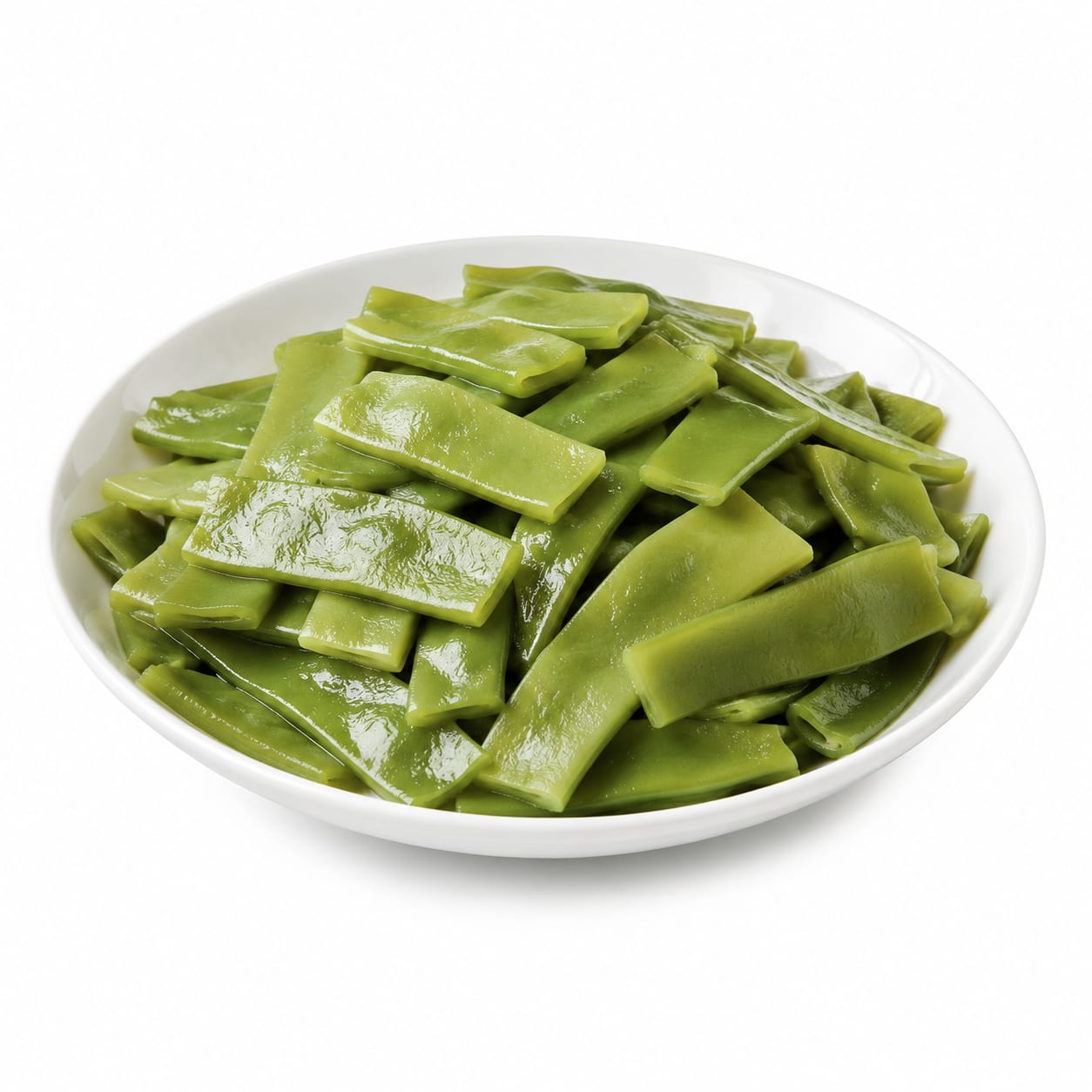
Sword Bean
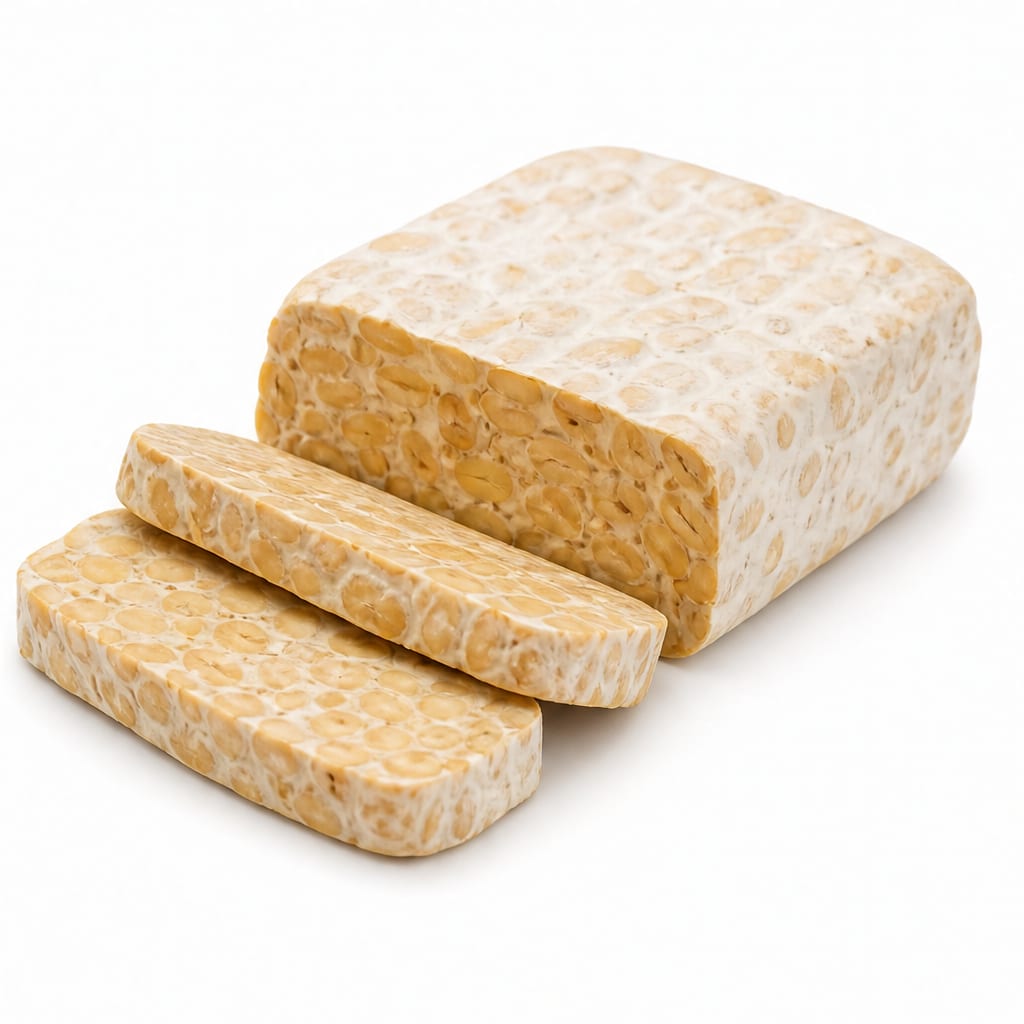
Tempeh
Tempeh is the clearly safer and more practical choice, offering complete protein, probiotics, and reliable nutrition without the serious toxicity risks of Sword Bean.
Sword Bean scores low primarily due to significant safety risks and impractical preparation requirements. Tempeh scores high for its complete nutrition, probiotic content, safety, and accessibility. The gap reflects a genuine real-world concern: one food can be eaten confidently every day, while the other demands expert handling to avoid harm.
Sword Bean is an intriguing traditional legume with cultural significance, but its natural toxins and demanding preparation make it unsuitable for regular use compared to the convenience and safety of Tempeh.
At a glance
Executive summary
Overall
Tempeh
Healthier
Tempeh
More practical
Tempeh
Daily use
Tempeh
Key comparison lenses
safety and toxicity
Sword Bean contains dangerous toxins like canavanine that require extensive preparation to neutralize, making safety the dominant concern in this comparison
protein quality and completeness
Both are plant protein sources, but Tempeh offers complete protein with all essential amino acids while Sword Bean's protein profile is less balanced
preparation burden and accessibility
Sword Bean demands laborious detoxification before eating, whereas Tempeh is ready to cook and widely available in stores
digestive health and gut benefits
Tempeh's fermentation delivers probiotics and pre-digested nutrients, while Sword Bean's anti-nutrients can irritate the gut if undercooked
long term daily sustainability
Users need to know which food can be eaten regularly without accumulating risk or becoming impractical
Best choice for
Sword Bean
- Adventurous eaters exploring traditional Asian or African legume cuisine
- Those with soy allergies seeking alternative legume proteins
- Home cooks experienced in traditional detoxification methods
Tempeh
- Anyone seeking a reliable daily plant protein source
- Gut health enthusiasts wanting fermented food benefits
- Busy people who need ready-to-cook nutrition
Least suitable for
Sword Bean
- Children, pregnant women, and anyone with compromised kidney function
- Inexperienced cooks unfamiliar with toxin-removal techniques
- People wanting a convenient everyday protein option
Tempeh
- People with severe soy allergies
- Those avoiding fermented foods due to histamine intolerance
Deep comparison
Dimension by dimension
Each lens scores both foods and breaks down who each option suits.
- Dimension 1 · Priority 95Tempeh
safety_and_toxicity
Sword Bean · 15Tempeh · 90Sword Bean contains canavanine and lectins that can cause serious illness if not thoroughly detoxified through repeated boiling and soaking.
Tradeoff
Sword Bean offers a soy-free protein alternative, but the safety margin is razor-thin compared to Tempeh's clean safety profile.
Why it matters
Eating undercooked Sword Bean can lead to nausea, vomiting, and potential long-term organ stress. Tempeh has no such risks when stored and cooked normally.
Real-world impact
One mistake with Sword Bean preparation could mean a trip to the emergency room. Tempeh just needs a quick pan-fry.
Sword Bean
- Soy-allergic individuals willing to follow strict preparation protocols
Better for
- Pregnant women due to canavanine risks
- Anyone with kidney concerns
- Impatient or inexperienced cooks
Worse for
Tempeh
- Anyone who values peace of mind at mealtime
- Families cooking for children
- Older adults with sensitive digestion
Better for
- People with soy allergies who have no safe alternative
Worse for
- Dimension 2 · Priority 85Tempeh
protein_quality_and_completeness
Sword Bean · 45Tempeh · 88Tempeh delivers complete protein with all essential amino acids in good ratios. Sword Bean's protein is decent in quantity but less balanced and harder to absorb due to anti-nutrients.
Tradeoff
Sword Bean provides notable protein content for a non-soy legume, but Tempeh's fermentation pre-digests protein, making it more bioavailable.
Why it matters
Your body uses protein more efficiently when amino acids are complete and digestible. Tempeh scores high on both; Sword Bean struggles with absorption.
Real-world impact
After eating Tempeh, you feel satisfied and fueled. After Sword Bean, even with proper cooking, some protein may pass through unused.
Sword Bean
- Plant-based eaters avoiding soy who need a legume protein source
Better for
- Those needing efficient protein for recovery after workouts
Worse for
Tempeh
- Athletes and active people needing reliable muscle support
- Anyone counting on their protein actually being absorbed
Better for
- People who cannot consume soy under any circumstances
Worse for
- Dimension 3 · Priority 75Tempeh
gut_health_and_digestibility
Sword Bean · 25Tempeh · 85Tempeh's fermentation creates probiotics and breaks down tough compounds, making it gentle on digestion. Sword Bean's anti-nutrients and lectins can irritate the gut lining even after cooking.
Tradeoff
Sword Bean offers fiber but comes with digestive risks. Tempeh gives you fiber plus probiotics without the gut irritation gamble.
Why it matters
A food that supports your microbiome while being easy to digest is worth more than one that might cause bloating or worse.
Real-world impact
Tempeh feels comfortable and satisfying after eating. Sword Bean can leave you bloated or uneasy if preparation falls short.
Sword Bean
- Those seeking non-soy fiber sources who tolerate legumes well
Better for
- People with IBS or sensitive digestion
- Anyone prone to bloating from legumes
Worse for
Tempeh
- People with sensitive stomachs
- Anyone rebuilding gut health after illness
- Those who want digestive comfort alongside nutrition
Better for
- People with histamine intolerance who react to fermented foods
Worse for
- Dimension 4 · Priority 80Tempeh
preparation_convenience
Sword Bean · 10Tempeh · 80Sword Bean requires soaking for 12+ hours, repeated boiling with water changes, and careful monitoring. Tempeh can be sliced and cooked in minutes.
Tradeoff
Sword Bean rewards traditional cooking knowledge with a unique ingredient, but the time and attention required make it unrealistic for most weeknights.
Why it matters
If a food is too difficult to prepare safely, most people will avoid it entirely or cut corners, which with Sword Bean is dangerous.
Real-world impact
Tempeh goes from fridge to plate in 10 minutes. Sword Bean demands a full day of planning and careful execution.
Sword Bean
- Slow food enthusiasts who enjoy traditional preparation rituals
Better for
- Anyone with limited time or kitchen access
- People who meal-prep in bulk quickly
Worse for
Tempeh
- Busy professionals
- Parents cooking under time pressure
- Anyone who wants dinner ready in under 30 minutes
Better for
- Culinary traditionalists seeking heritage cooking experiences
Worse for
- Dimension 5 · Priority 70Tempeh
nutrient_density_beyond_protein
Sword Bean · 40Tempeh · 82Tempeh provides B vitamins, iron, calcium, magnesium, and isoflavones. Sword Bean offers some minerals but its anti-nutrients block absorption of iron and zinc.
Tradeoff
Sword Bean contains interesting phytonutrients, but you absorb less of its mineral content. Tempeh's fermentation actually increases nutrient availability.
Why it matters
Eating nutrients your body cannot absorb is wasteful. Fermentation in Tempeh unlocks minerals that Sword Bean's anti-nutrients lock away.
Real-world impact
Tempeh helps you meet iron and B-vitamin needs reliably. Sword Bean might look nutritious on paper but delivers less in practice.
Sword Bean
- Those seeking variety in their legume intake beyond common options
Better for
- People relying on plant iron who need it to be absorbable
Worse for
Tempeh
- Vegans needing reliable B-vitamin and iron sources
- Anyone tracking actual nutrient absorption, not just intake
Better for
- Those avoiding soy isoflavones for hormonal reasons
Worse for
- Dimension 6 · Priority 65Tempeh
availability_and_cost
Sword Bean · 15Tempeh · 75Tempeh is available in most grocery stores and health food shops worldwide. Sword Bean is rare outside specialty markets and certain regions of Asia and Africa.
Tradeoff
Sword Bean may be cheaper where locally grown, but finding it is a challenge. Tempeh costs more but is consistently accessible.
Why it matters
A food you cannot find or afford does not help your diet. Availability determines whether a food moves from idea to plate.
Real-world impact
You can grab Tempeh at most supermarkets. Sword Bean might require specialty ordering or traveling to ethnic markets.
Sword Bean
- People in regions where Sword Bean is traditionally grown and sold cheaply
Better for
- Most Western consumers
- People without access to specialty or international markets
Worse for
Tempeh
- Urban dwellers with standard grocery access
- Anyone who wants to meal-plan without supply uncertainty
Better for
- Budget-conscious shoppers in areas where Tempeh is imported and expensive
Worse for
Timeline
Health impact over time
Short-term
Hours to days
Sword Bean
- Risk of nausea, vomiting, and diarrhea if undercooked due to residual lectins and canavanine
- Possible stomach discomfort even with proper preparation as anti-nutrients are never fully eliminated
- Unusual taste and texture that may reduce appetite or enjoyment
Tempeh
- Comfortable digestion with mild probiotic effects supporting gut bacteria
- Steady energy from balanced protein and healthy fats
- Possible mild bloating in those unaccustomed to fermented soy
Long-term
Months to years
Sword Bean
- Potential kidney stress from chronic low-level canavanine exposure even with careful cooking
- Mineral deficiencies over time due to anti-nutrient interference with iron and zinc absorption
- Risk accumulates with frequency of consumption, making daily use inadvisable
Tempeh
- Improved gut microbiome diversity from regular probiotic intake
- Better cardiovascular markers linked to soy isoflavone consumption
- Possible hormonal effects from phytoestrogens, generally mild but worth monitoring for sensitive individuals
Risk profile
Safety & processing
Sword Bean is a whole food in its natural state, which sounds ideal, but its natural toxins make minimal processing a liability rather than a benefit. Tempeh undergoes fermentation, a traditional processing method that enhances safety, digestibility, and nutrition. In this case, processing is a feature, not a flaw.
Sword Bean
Canavanine toxicity
highSword Bean contains L-canavanine, an arginine analog that can disrupt immune function and damage red blood cells. Improper cooking leaves dangerous residues.
Lectin poisoning
highRaw or undercooked Sword Bean lectins can cause severe gastrointestinal distress, including vomiting and diarrhea, similar to raw kidney bean toxicity.
Anti-nutrient interference
mediumEven properly cooked Sword Bean retains some anti-nutrients that reduce mineral absorption, particularly iron and zinc, which compounds over time with regular consumption.
Tempeh
Soy allergy reaction
mediumTempeh is a soy product and can trigger allergic reactions in soy-sensitive individuals, ranging from hives to anaphylaxis in severe cases.
Histamine content from fermentation
lowFermented foods contain histamine, which may cause headaches or digestive discomfort in histamine-intolerant individuals.
GMO soy exposure
lowUnless certified organic, Tempeh may be made from genetically modified soybeans. Choosing organic resolves this concern easily.
Who wins for whom
Audience fit
Same foods, different winners depending on your goal.
children
TempehChildren should never eat Sword Bean due to canavanine's potential effects on developing immune systems and organs. Tempeh is safe, gentle, and nutritious for kids without soy allergies.
daily consumption
TempehTempeh is safe, convenient, and nutritionally rewarding every day. Sword Bean's cumulative toxicity risk makes daily consumption inadvisable regardless of preparation skill.
diabetes
TempehTempeh has a low glycemic index and its protein-fat-fiber combo stabilizes blood sugar. Sword Bean's anti-nutrients add unpredictable digestive variables that complicate glucose management.
elderly
TempehOlder adults benefit from Tempeh's easy digestibility, probiotics, and bone-supporting minerals. Sword Bean's kidney stress risk is especially concerning for aging organs.
muscle gain
TempehTempeh offers complete, highly absorbable protein that supports muscle repair. Sword Bean's protein is less bioavailable and harder to eat in the quantities needed for gains.
weight loss
TempehTempeh provides high protein with moderate calories and keeps you full longer. Sword Bean's preparation complexity makes consistent weight-loss meal planning impractical.
Your move
Decision guide
Choose Sword Bean
- You are an experienced cook with deep knowledge of traditional legume detoxification methods
- You have a soy allergy and need alternative plant proteins, and you are willing to invest the time in safe preparation
- You live in a region where Sword Bean is a traditional staple and you learned safe preparation from family
Choose Tempeh
- You want a reliable, safe, and nutritious plant protein you can eat daily without worry
- You value gut health and want the probiotic benefits of fermented food
- You need convenient meal options that fit a busy lifestyle
- You are cooking for children, elderly family members, or anyone with sensitive health
Either works if
- You enjoy exploring diverse legume proteins and want variety in your diet
- You are curious about traditional food preparation methods from different cultures
Avoid both if
- You have both a soy allergy and lack access to or knowledge of safe Sword Bean preparation
- You are seeking high-protein foods but have severe legume intolerances across the board
Final recommendation
Choose Tempeh for daily eating. It is safer, more nutritious in practice, easier to prepare, and widely available. Sword Bean is a culturally interesting specialty food that demands expert handling and should only be attempted by those with proper traditional knowledge. The safety gap alone makes this a clear decision for most people.
Practical
Consumer tips
- 1
If you do try Sword Bean, soak it for at least 12 hours, discard the water, then boil in multiple changes of water for a minimum of 30 minutes per round. Never skip steps.
- 2
When buying Tempeh, choose organic varieties to avoid GMO soy and check that the block is firm with no dark or slimy spots, which indicate spoilage.
- 3
Marinate Tempeh before cooking to improve flavor absorption, as its dense texture benefits from 20-30 minutes of soaking in soy sauce, maple syrup, or smoked paprika blends.
- 4
If you have a soy allergy but want Tempeh-like benefits, look for chickpea or black bean Tempeh varieties, which are becoming more available.
- 5
Store Tempeh in the refrigerator and use within a week of opening. It can also be frozen for up to three months without losing nutritional quality.