
Nutrition comparison
Sword Bean vs Edamame: Safety, Nutrition, and Which to Choose
Compare Sword Bean and Edamame on safety, protein quality, convenience, and health effects. Learn why Edamame is the safer everyday choice and what risks Sword Bean carries.
Overall winner · Edamame
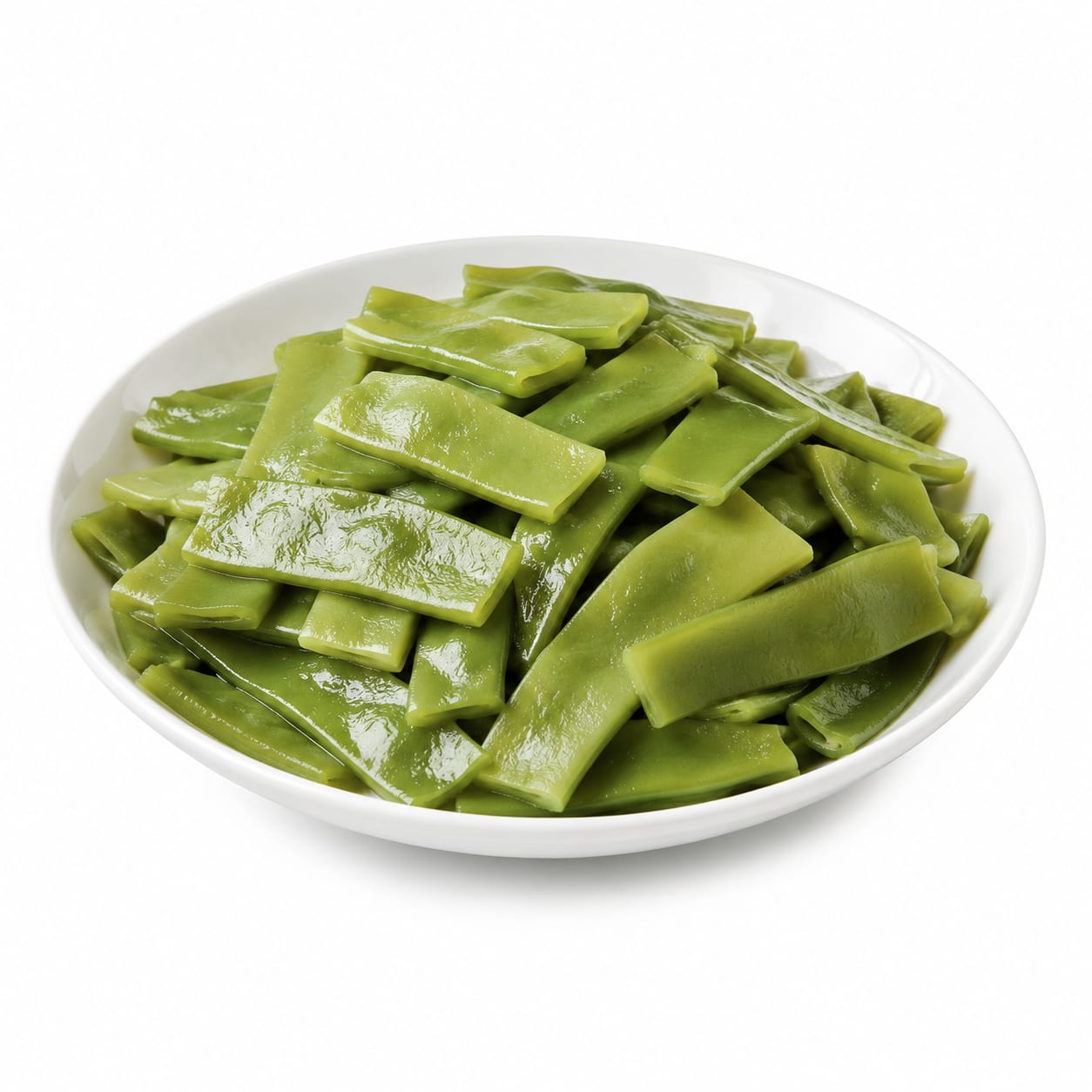
Sword Bean
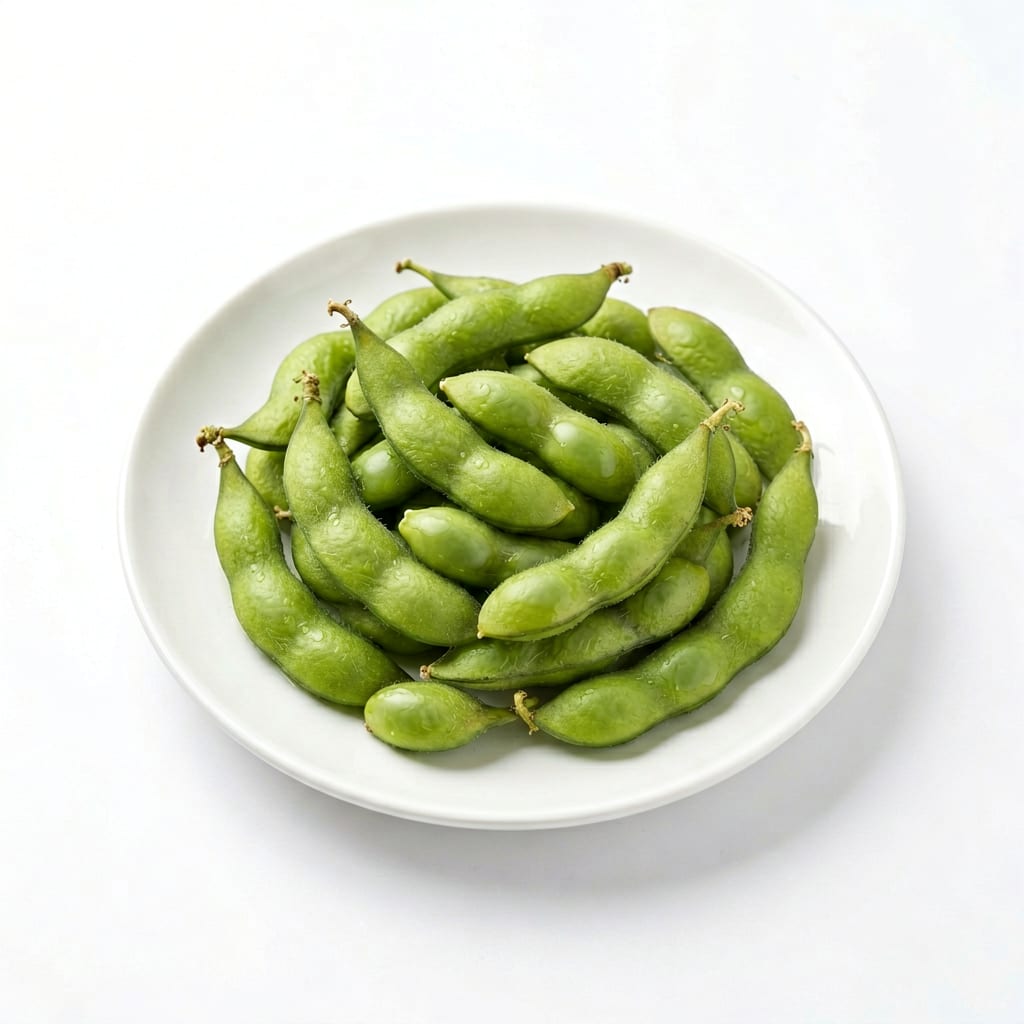
Edamame
Edamame wins decisively due to superior safety, convenience, and nutritional reliability. Sword Bean carries genuine toxicity risks that demand expert-level preparation.
The 51-point gap reflects Sword Bean's serious toxicity risks and impractical preparation requirements. Edamame scores well across safety, nutrition, and convenience, losing points only for soy allergy concerns.
Sword Bean offers interesting traditional nutrition but at a serious safety cost, while Edamame delivers similar legume benefits with virtually none of the risk.
At a glance
Executive summary
Overall
Edamame
Healthier
Edamame
More practical
Edamame
Daily use
Edamame
Key comparison lenses
safety and toxicity
Sword Bean contains canavanine and hemagglutinins that require extensive processing to neutralize, making safety the dominant concern
everyday practicality
Edamame is ready in minutes; Sword Bean demands prolonged soaking and boiling, creating a massive convenience gap
long term health risks
Canavanine in Sword Bean has been linked to autoimmune-like responses with regular consumption
protein quality and usability
Both are legumes with significant protein content, but bioavailability and completeness differ substantially
digestive tolerance
Anti-nutritional factors in Sword Bean can cause digestive distress even after processing
Best choice for
Sword Bean
- Adventurous eaters with expertise in traditional legume preparation
- Cultural or traditional cuisine contexts where proper processing methods are well-established
- Agricultural research or famine-resilient crop exploration
Edamame
- Everyday snackers seeking clean plant protein
- Fitness-minded individuals wanting convenient complete protein
- Anyone prioritizing food safety and ease of preparation
Least suitable for
Sword Bean
- Children, elderly, pregnant women, or immunocompromised individuals
- Anyone unfamiliar with proper detoxification methods for toxic legumes
- People with autoimmune conditions due to canavanine concerns
Edamame
- People with severe soy allergies
- Those avoiding soy for hormonal or personal reasons
Deep comparison
Dimension by dimension
Each lens scores both foods and breaks down who each option suits.
- Dimension 1 · Priority 98Edamame
safety_and_toxicity
Sword Bean · 15Edamame · 88Sword Bean contains canavanine and hemagglutinins that are genuinely toxic if not thoroughly neutralized through extended boiling and soaking.
Tradeoff
Sword Bean's traditional nutritional value comes with real poisoning risk, while Edamame is safe to eat after simple steaming.
Why it matters
A food that can make you sick from improper preparation is fundamentally harder to recommend, regardless of its theoretical nutrients.
Real-world impact
Undercooked Sword Bean can cause nausea, vomiting, and potentially autoimmune-like symptoms. Edamame just needs 5 minutes of steaming.
Sword Bean
- Situations where traditional multi-day preparation is culturally normal and expected
Better for
- Casual cooking
- Meal prep beginners
- Anyone with autoimmune vulnerability
Worse for
Edamame
- Literally every other eating scenario
- Households with children who might undercook ingredients
- Quick meal preparation
Better for
- Soy-allergic individuals only
Worse for
- Dimension 2 · Priority 85Edamame
protein_quality
Sword Bean · 40Edamame · 86Edamame provides complete protein with all essential amino acids in good ratios. Sword Bean's protein is less bioavailable due to anti-nutritional factors.
Tradeoff
Sword Bean has decent total protein on paper, but your body absorbs and uses far less of it compared to Edamame.
Why it matters
What matters is usable protein, not just what appears on a nutrition label.
Real-world impact
After a workout, Edamame actually helps rebuild muscle. Sword Bean's protein is partially blocked by trypsin inhibitors.
Sword Bean
- Survival contexts where any protein source is valuable
Better for
- Reliable protein intake goals
- Athletic performance nutrition
Worse for
Edamame
- Post-workout recovery
- Vegetarian and vegan protein planning
- Maintaining muscle during weight loss
Better for
- Soy-avoidant diets
Worse for
- Dimension 3 · Priority 90Edamame
convenience_and_preparation
Sword Bean · 12Edamame · 92Edamame steams in 5 minutes from frozen. Sword Bean requires overnight soaking plus extended boiling with water changes to detoxify.
Tradeoff
You could spend 24+ hours preparing Sword Bean safely, or have Edamame ready before your podcast episode finishes.
Why it matters
Foods that are hard to prepare correctly get prepared incorrectly, and with Sword Bean that means potential toxicity.
Real-world impact
Most people will never correctly prepare Sword Bean at home. Edamame is essentially foolproof.
Sword Bean
- Cultural cooking traditions where the process is taught generationally
Better for
- Busy schedules
- Beginner cooks
- Impromptu meals
Worse for
Edamame
- Weeknight dinners
- Quick snacking
- Meal prep batching
- Office or dorm cooking
Better for
- Situations requiring shelf-stable dry storage over long periods
Worse for
- Dimension 4 · Priority 72Edamame
nutritional_density
Sword Bean · 55Edamame · 80Edamame delivers fiber, folate, vitamin K, manganese, and isoflavones in a well-absorbed package. Sword Bean has nutrients but anti-nutrients reduce actual absorption.
Tradeoff
Sword Bean's nutrition label looks reasonable, but your body extracts less of those nutrients compared to Edamame.
Why it matters
Nutrient density only counts if nutrients actually reach your bloodstream.
Real-world impact
You get more usable vitamins and minerals from a bowl of Edamame than an equivalent serving of properly prepared Sword Bean.
Sword Bean
- Traditional diets where it complements other foods that compensate for absorption issues
Better for
- Serving as a primary nutrient source
Worse for
Edamame
- Nutrient-gap filling in modern diets
- Plant-based eaters needing reliable micronutrients
Better for
- People who need high-calorie density for weight gain
Worse for
- Dimension 5 · Priority 75Edamame
digestive_tolerance
Sword Bean · 25Edamame · 70Even properly prepared Sword Bean can cause bloating and discomfort due to residual anti-nutrients. Edamame is gentler, though still a legume.
Tradeoff
Both are legumes that can cause gas, but Sword Bean adds the risk of actual gastrointestinal toxicity on top of normal bean digestion issues.
Why it matters
A food that reliably upsets your stomach is a food you'll stop eating, no matter how nutritious it theoretically is.
Real-world impact
Edamame might cause mild gas. Sword Bean can cause vomiting if slightly undercooked.
Sword Bean
- People with extensive traditional preparation knowledge
Better for
- IBS or sensitive stomach sufferers
- Anyone prone to bloating
Worse for
Edamame
- Sensitive digestions
- Gradual fiber introduction
- Predictable meal planning
Better for
- Those with severe soy intolerance
Worse for
Timeline
Health impact over time
Short-term
Hours to days
Sword Bean
- Potential nausea and vomiting if undercooked
- Bloating and digestive discomfort even with proper preparation
- Satiety from high fiber and protein content
Edamame
- Mild bloating or gas typical of legumes
- Quick satiety from protein and fiber combo
- Steady energy without blood sugar spikes
Long-term
Months to years
Sword Bean
- Canavanine exposure may trigger autoimmune-like responses with regular consumption
- Chronic low-level digestive stress from residual anti-nutrients
- Potential nutrient malabsorption issues over time
Edamame
- Isoflavones may support cardiovascular and bone health
- Consistent fiber intake supports gut microbiome diversity
- Soy consumption correlates with reduced certain cancer risks in population studies
Risk profile
Safety & processing
Both are whole foods in their natural state. However, Sword Bean's natural toxins mean 'minimally processed' is actually dangerous — it requires extensive home processing to become safe. Edamame's minimal processing is genuinely appropriate.
Sword Bean
Canavanine toxicity
highCanavanine is a non-protein amino acid that can mimic arginine and disrupt immune function, potentially triggering lupus-like symptoms with regular exposure.
Hemagglutinin poisoning
highLectins in Sword Bean can cause red blood cell clumping and gastrointestinal damage. Thorough boiling for extended periods is required to neutralize them.
Trypsin inhibitor interference
mediumReduces protein digestion efficiency, meaning you absorb less nutrition than the label suggests.
Edamame
Soy allergy reaction
mediumSoy is a top 9 allergen. Reactions can range from mild hives to anaphylaxis in sensitive individuals.
Mild anti-nutrient presence
lowEdamame contains small amounts of trypsin inhibitors and phytates, but cooking neutralizes most of them effectively.
Who wins for whom
Audience fit
Same foods, different winners depending on your goal.
children
EdamameEdamame is a safe, fun finger food for kids. Sword Bean is absolutely inappropriate for children due to toxicity risks from even slight undercooking.
daily consumption
EdamameEdamame can safely be eaten daily. Sword Bean's canavanine exposure makes regular consumption inadvisable even when properly prepared.
diabetes
EdamameEdamame has a low glycemic index and steady fiber content. Sword Bean's anti-nutrients add unpredictable digestive variables that complicate blood sugar management.
elderly
EdamameOlder adults need reliable, easy-to-digest nutrition. Sword Bean's digestive demands and toxicity risk make it a poor choice for aging bodies.
muscle gain
EdamameEdamame delivers complete, bioavailable protein that actually supports muscle repair. Sword Bean's protein is less usable due to trypsin inhibitors.
weight loss
EdamameEdamame provides satisfying protein and fiber with reliable calorie counts and no toxicity risk. Sword Bean's preparation complexity makes consistent portion control unrealistic.
Your move
Decision guide
Choose Sword Bean
- You are working with traditional recipes that include proper multi-step detoxification methods
- You have specific cultural or agricultural research interests
- You are a food scientist exploring underutilized legume crops
Choose Edamame
- You want a safe, convenient plant protein snack
- You are meal prepping for the week
- You are feeding a family and need reliable safety
- You want everyday legume nutrition without special preparation
- You are an athlete or fitness enthusiast seeking complete protein
Either works if
- You are exploring diverse legume options and understand the preparation differences
- You enjoy traditional foods from various cultures
Avoid both if
- You have legume allergies or sensitivities
- You are on a strict low-FODMAP diet during elimination phase
Final recommendation
Choose Edamame for virtually all everyday eating situations. It is safer, more convenient, and nutritionally superior in practice. Sword Bean is a specialty food with real toxicity risks that should only be consumed when traditional preparation methods are followed precisely. For 99% of meals, Edamame is the clear and responsible choice.
Practical
Consumer tips
- 1
If you ever do prepare Sword Bean, soak it for at least 12 hours, discard the water, then boil vigorously for at least 30 minutes with at least one water change — and even then, consume conservatively.
- 2
Frozen Edamame retains nearly all the nutrition of fresh and is available year-round.
- 3
If soy is a concern but you want a safe legume snack, consider steamed mung beans or chickpeas as alternatives.
- 4
Never serve Sword Bean to children, pregnant women, or anyone with autoimmune conditions.
- 5
Edamame pods are not edible — squeeze the beans out after steaming.