
Nutrition comparison
Sword Bean vs Black Bean: Safety, Nutrition, and Which to Choose
Sword bean contains toxic canavanine requiring careful preparation, while black beans are safe, nutritious, and easy to cook. Compare safety risks, protein, fiber, and practicality to choose the right legume for your diet.
Overall winner · Black Bean
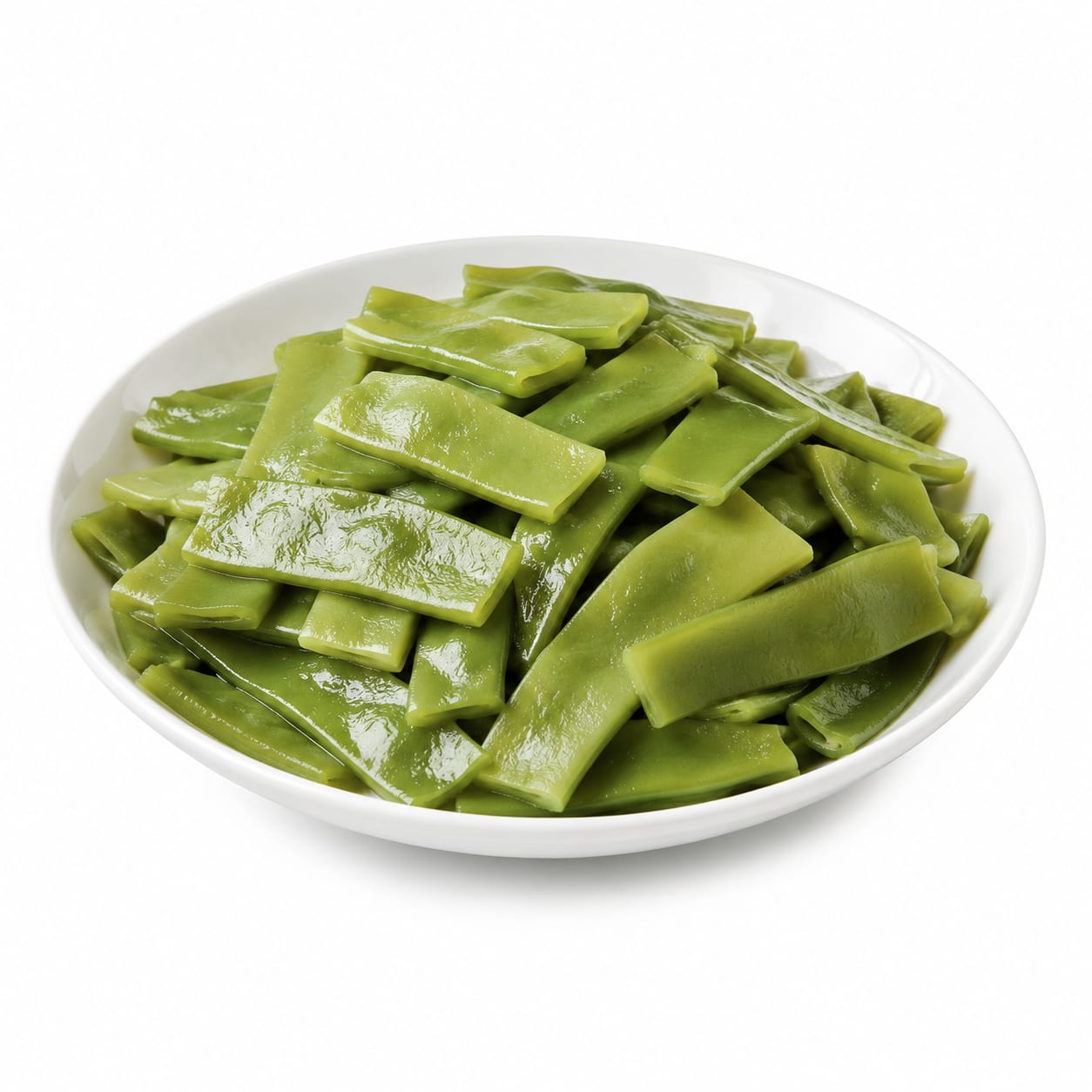
Sword Bean
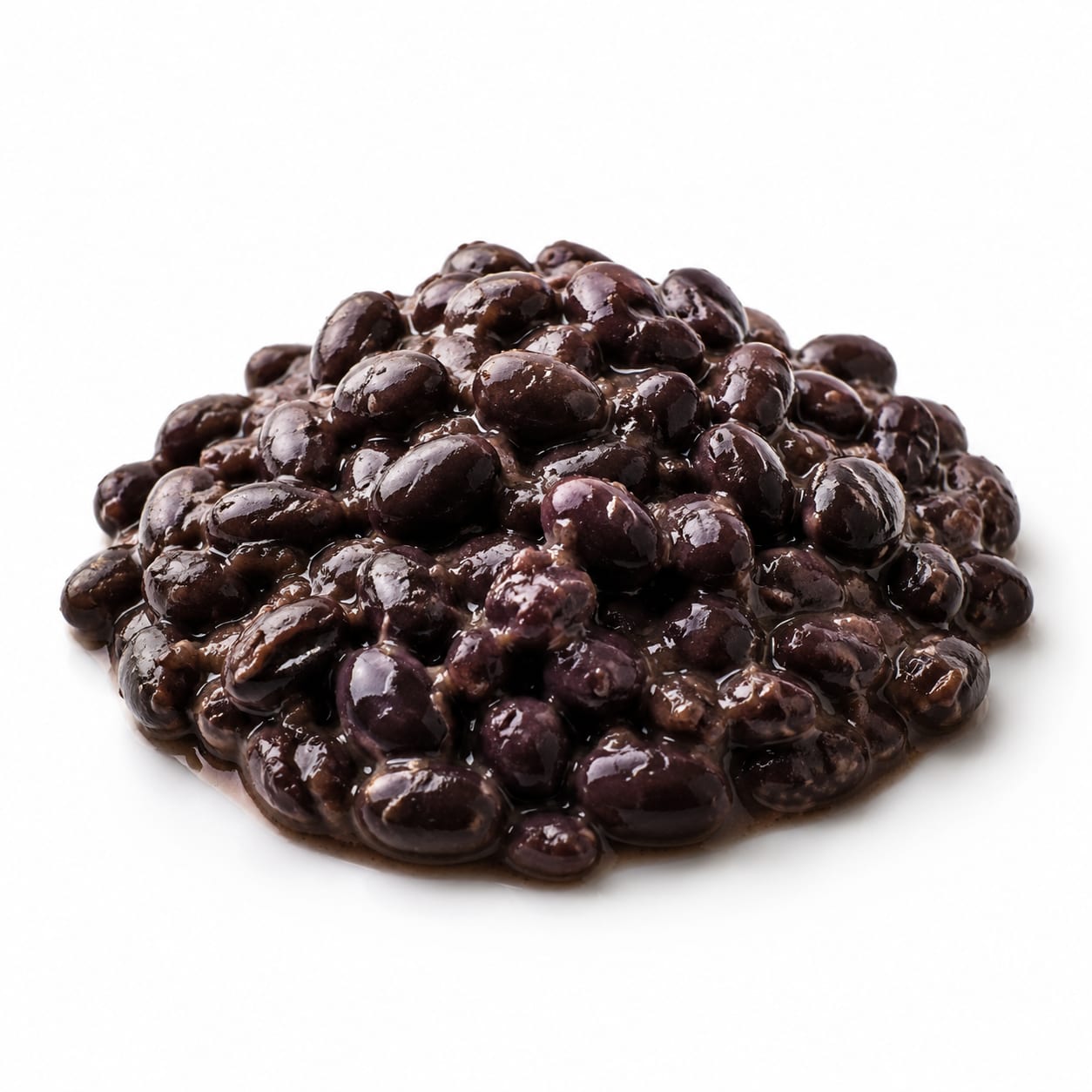
Black Bean
Black beans are the clear everyday choice—safer, easier to prepare, and nutritionally excellent. Sword beans can be eaten but demand careful detoxification and offer no meaningful advantage that justifies the extra effort for most people.
Sword bean scores low primarily due to canavanine toxicity risk and impractical preparation requirements. Black bean scores high as a nutrient-dense, safe, accessible legume with strong evidence for regular consumption benefits.
Sword bean provides similar macronutrients to black bean but carries canavanine toxicity that requires prolonged boiling and soaking to neutralize, while black beans deliver reliable nutrition with simple cooking
At a glance
Executive summary
Overall
Black Bean
Healthier
Black Bean
More practical
Black Bean
Daily use
Black Bean
Key comparison lenses
safety and toxicity
Sword bean contains canavanine, a toxic amino acid requiring extensive preparation to remove, making safety the dominant concern in this comparison
everyday practicality
Black beans are pantry staples with simple cooking; sword beans demand specialized knowledge and prolonged processing
nutritional value for effort
Users need to know if sword bean offers enough nutritional upside to justify the extra preparation and risk
long term dietary sustainability
Daily or regular consumption suitability differs dramatically between these legumes
digestive tolerance
Both are legumes with potential digestive considerations, but sword bean's toxicity compounds add a separate layer of concern
Best choice for
Sword Bean
- Curious culinary explorers with experience preparing toxic legumes
- Traditional cuisine contexts where sword bean preparation knowledge exists
- Very occasional novelty use after proper detoxification
Black Bean
- Anyone wanting a reliable, safe daily protein and fiber source
- Meal preppers and batch cooks
- Families needing affordable, nutritious staples
- People managing blood sugar or heart health
Least suitable for
Sword Bean
- Children, pregnant women, and immunocompromised individuals
- Anyone unfamiliar with toxic legume preparation
- Daily or frequent consumption routines
- Time-pressed home cooks
Black Bean
- Those with severe legume allergies
- People extremely sensitive to dietary FODMAPs during IBS flare-ups
Deep comparison
Dimension by dimension
Each lens scores both foods and breaks down who each option suits.
- Dimension 1 · Priority 97Black Bean
Safety and Toxicity Risk
Sword Bean · 22Black Bean · 92Sword bean contains canavanine, a toxic non-protein amino acid that can cause serious illness if not thoroughly removed through extended boiling and water changes.
Tradeoff
Sword bean is edible only after careful detoxification; black bean requires only standard cooking to be completely safe
Why it matters
Canavanine toxicity can mimic autoimmune symptoms and cause gastrointestinal distress, making improper preparation a real health hazard rather than just discomfort
Real-world impact
One rushed or incorrect preparation of sword bean could leave you sick for days; black beans forgive minor cooking shortcuts without safety consequences
Sword Bean
- Inexperienced cooks
- Anyone unwilling to follow strict multi-step preparation protocols
Worse for
Black Bean
- Anyone who values food safety
- Households with children
- People who batch cook without supervising every step
Better for
- Dimension 2 · Priority 78Black Bean
Protein Quality and Quantity
Sword Bean · 65Black Bean · 82Both provide solid plant protein, but black bean offers a more complete amino acid profile and higher bioavailability without toxicity concerns affecting absorption.
Tradeoff
Sword bean's protein comes packaged with canavanine, which can interfere with arginine metabolism; black bean's protein is cleaner and better studied
Why it matters
Protein you can't safely absorb isn't useful protein—the net usable protein from sword bean depends entirely on preparation thoroughness
Real-world impact
A bowl of black beans reliably delivers its protein payload; sword bean protein uptake is variable based on how well you detoxified it
Sword Bean
- Anyone needing predictable protein delivery
Worse for
Black Bean
- Athletes needing reliable protein intake
- Vegetarians and vegans counting on legumes as a protein pillar
Better for
- Dimension 3 · Priority 72Black Bean
Fiber and Digestive Health
Sword Bean · 60Black Bean · 85Black beans are fiber powerhouses that feed gut bacteria effectively. Sword bean also contains fiber but its canavanine content can irritate the digestive tract if not fully removed.
Tradeoff
Black bean fiber comes with well-documented prebiotic benefits; sword bean fiber is accompanied by compounds that may inflame the gut lining when under-processed
Why it matters
Gut health benefits only materialize when the food nourishes rather than irritates—residual toxins undermine the fiber advantage
Real-world impact
Black beans leave you feeling full and regular; poorly prepared sword beans can cause cramping and diarrhea that negate any fiber benefit
Sword Bean
- People with sensitive digestion
- Anyone prone to GI distress
Worse for
Black Bean
- People improving gut microbiome diversity
- Anyone managing cholesterol through dietary fiber
Better for
- Those in active IBS flare-ups who need low-FODMAP options temporarily
Worse for
- Dimension 4 · Priority 88Black Bean
Practicality and Preparation
Sword Bean · 15Black Bean · 88Black beans need soaking and simmering—standard legume prep. Sword beans require multiple rounds of boiling with water changes over many hours to detoxify safely.
Tradeoff
Black beans fit into a normal cooking routine; sword beans demand a dedicated, time-intensive process that most home cooks will skip or rush
Why it matters
Food that's hard to prepare correctly gets prepared incorrectly, and with sword bean that means toxicity exposure, not just a bad meal
Real-world impact
You can cook black beans on a weeknight without thinking; sword beans are a weekend project requiring attention and multiple steps
Sword Bean
- Anyone with limited cooking time
- People who use pressure cookers or quick methods
Worse for
Black Bean
- Busy professionals
- Meal preppers
- Anyone cooking under time pressure
Better for
- Dimension 5 · Priority 65Black Bean
Blood Sugar Stability
Sword Bean · 62Black Bean · 84Both are low-glycemic legumes, but black bean's effect on blood sugar is extensively documented and predictable. Sword bean's glycemic impact is less studied.
Tradeoff
Black bean offers proven blood sugar benefits backed by decades of research; sword bean likely helps similarly but lacks the evidence and carries preparation variables
Why it matters
People managing diabetes need predictability—knowing exactly how a food affects glucose matters more than theoretical benefits
Real-world impact
A black bean meal gives you confidence in your blood sugar response; sword bean introduces uncertainty on top of safety concerns
Sword Bean
- Those needing reliable glucose management
Worse for
Black Bean
- People with diabetes or prediabetes
- Anyone tracking glycemic responses
Better for
- Dimension 6 · Priority 70Black Bean
Availability and Cost
Sword Bean · 20Black Bean · 93Black beans are available in every grocery store at low cost. Sword beans are specialty items found primarily in Asian markets or online, often at premium prices.
Tradeoff
Black beans are accessible everywhere and budget-friendly; sword beans require sourcing effort and cost more for a less safe product
Why it matters
Nutrition only works if you can actually get the food regularly—accessibility determines whether a food can be a staple or just an occasional experiment
Real-world impact
You can find black beans at any corner store; finding sword beans might require a specialty market trip or online order with shipping costs
Sword Bean
- People without access to Asian grocery stores
- Anyone on a tight food budget
Worse for
Black Bean
- Budget-conscious shoppers
- Rural dwellers with limited specialty store access
- Anyone who values convenience in sourcing
Better for
- Dimension 7 · Priority 76Black Bean
Long-term Sustainability as a Food Choice
Sword Bean · 25Black Bean · 90Black beans are among the most sustainable daily foods—affordable, shelf-stable, and health-promoting over decades. Sword beans are impractical as a regular staple due to preparation burden and safety risk.
Tradeoff
A food you'll actually eat safely for years beats a food that's theoretically nutritious but realistically too burdensome to maintain
Why it matters
Consistency drives health outcomes more than any single nutrient—black beans enable consistency while sword beans discourage it
Real-world impact
Black beans become a comfortable weekly habit; sword beans become that thing you tried once and never bothered with again
Sword Bean
- Anyone seeking a sustainable daily legume routine
Worse for
Black Bean
- Anyone building long-term dietary habits
- People who want reliable nutrition without constant vigilance
Better for
Timeline
Health impact over time
Short-term
Hours to days
Sword Bean
- Canavanine toxicity if under-prepared: nausea, vomiting, abdominal pain
- Potential headache and lethargy from residual toxins
- Diarrhea or GI distress from improper detoxification
Black Bean
- Temporary bloating or gas as gut bacteria adjust
- Mild digestive discomfort if undercooked
- Steady energy from complex carbs and fiber
Long-term
Months to years
Sword Bean
- Chronic canavanine exposure may trigger autoimmune-like symptoms
- Potential kidney stress from long-term toxin exposure even at low levels
- Nutritional inconsistency if preparation varies between batches
Black Bean
- Improved cardiovascular markers from regular fiber and antioxidant intake
- Better blood sugar regulation over months and years
- Supportive of healthy gut microbiome diversity
- Reduced colorectal cancer risk associated with regular legume consumption
Risk profile
Safety & processing
Both are whole, unprocessed legumes in their natural form. The concern with sword bean isn't processing—it's that the natural plant itself produces canavanine as a defense compound, making its natural state potentially harmful without human intervention through cooking.
Sword Bean
Canavanine toxicity
highSword bean contains significant levels of canavanine, a toxic amino acid that can cause acute GI illness and mimic autoimmune conditions. Must be removed through repeated boiling with water changes over several hours.
Improper preparation due to unfamiliarity
highMost home cooks have no experience safely preparing sword bean, increasing the likelihood of shortcut-taking and toxin exposure.
Inconsistent toxin removal
mediumEven with proper technique, canavanine removal can vary based on bean size, age, and cooking equipment, creating unpredictable safety levels.
Black Bean
Phytohaemagglutinin from undercooking
lowRaw black beans contain lectins that can cause GI distress, but standard cooking eliminates this risk completely. Much easier to manage than sword bean's canavanine.
Mold or spoilage in stored beans
lowLike all dried legumes, improper storage can lead to mold. Easily avoided with basic pantry hygiene.
Who wins for whom
Audience fit
Same foods, different winners depending on your goal.
children
Black BeanChildren should never be served sword bean due to canavanine toxicity risk and their lower body weight making them more vulnerable to toxin effects
daily consumption
Black BeanBlack beans are one of the best daily legume choices worldwide; sword bean is unsuitable for daily use due to cumulative toxin exposure risk and preparation burden
diabetes
Black BeanBlack beans have extensively documented low glycemic impact and blood sugar benefits; sword bean's glucose effects are unstudied and come with safety variables
elderly
Black BeanOlder adults need reliable, easy-to-prepare nutrition without safety gambles—black beans are gentle, predictable, and well-tolerated
muscle gain
Black BeanBlack beans deliver consistent, bioavailable protein without the canavanine interference that may impair amino acid utilization in sword bean
weight loss
Black BeanBlack beans provide reliable high-fiber satiety without safety concerns that might disrupt consistent eating patterns
Your move
Decision guide
Choose Sword Bean
- You are an experienced cook with specific knowledge of toxic legume preparation
- You want to explore traditional Asian or African recipes that specifically call for sword bean
- You can commit to the multi-step detoxification process every single time
Choose Black Bean
- You want a safe, nutritious legume you can eat several times a week
- You value your time and prefer straightforward cooking
- You are feeding a family and need reliable, safe staples
- You want proven long-term health benefits without safety gambles
- You are on a budget and need affordable protein and fiber
Either works if
- You enjoy legumes and want variety—just ensure sword bean is prepared correctly and eaten rarely
- You are curious about different bean varieties and their cultural contexts
Avoid both if
- You have a diagnosed legume allergy
- You are in an active IBS flare and need low-FODMAP options temporarily
Final recommendation
Choose black beans for virtually every real-world scenario. They are safer, easier to prepare, more nutritious per effort invested, widely available, and backed by decades of research. Sword bean is a niche food for adventurous eaters with specific preparation knowledge—not a practical staple. If you are curious about sword bean, treat it as an occasional culinary experiment, never as a dietary mainstay.
Practical
Consumer tips
- 1
If you do prepare sword bean, boil it in multiple changes of water for at least 2-3 hours total, and never skip a water change
- 2
Canned black beans are already cooked and safe—just rinse and use for maximum convenience
- 3
Dried black beans soaked overnight and cooked for 60-90 minutes deliver the best texture and nutrition
- 4
Never cook sword bean in a pressure cooker as a shortcut—the rapid method may not fully eliminate canavanine
- 5
Black beans freeze beautifully after cooking—make large batches and portion for easy weeknight meals
- 6
If sourcing sword bean, buy from reputable Asian markets that carry fresh stock and can advise on preparation