
Nutrition comparison
Sword Bean vs Kidney Bean: Safety, Nutrition, and Which to Choose
Sword beans and kidney beans both contain natural toxins, but kidney beans are far safer and easier to prepare. Learn the critical differences before choosing which bean belongs on your plate.
Overall winner · Kidney Bean
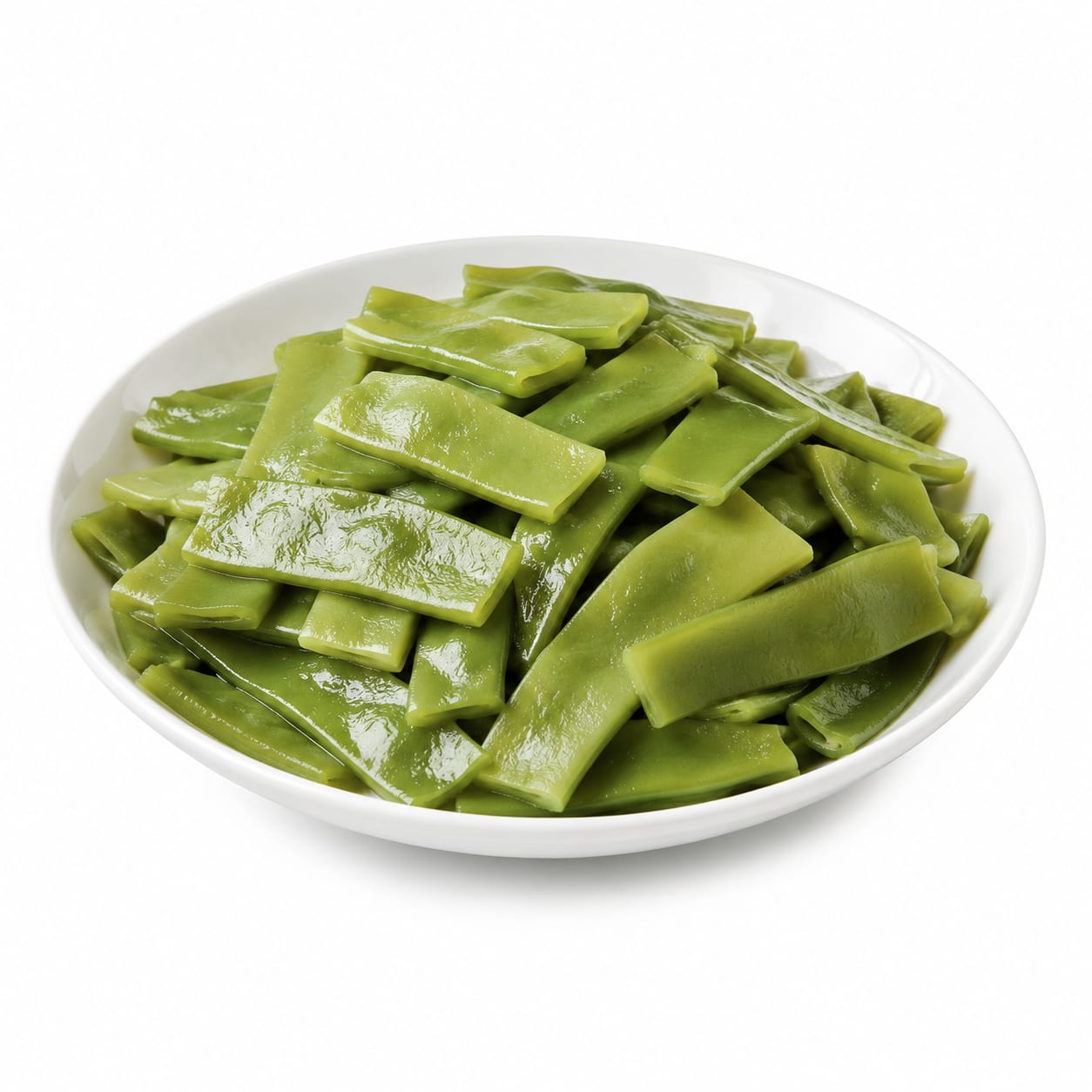
Sword Bean
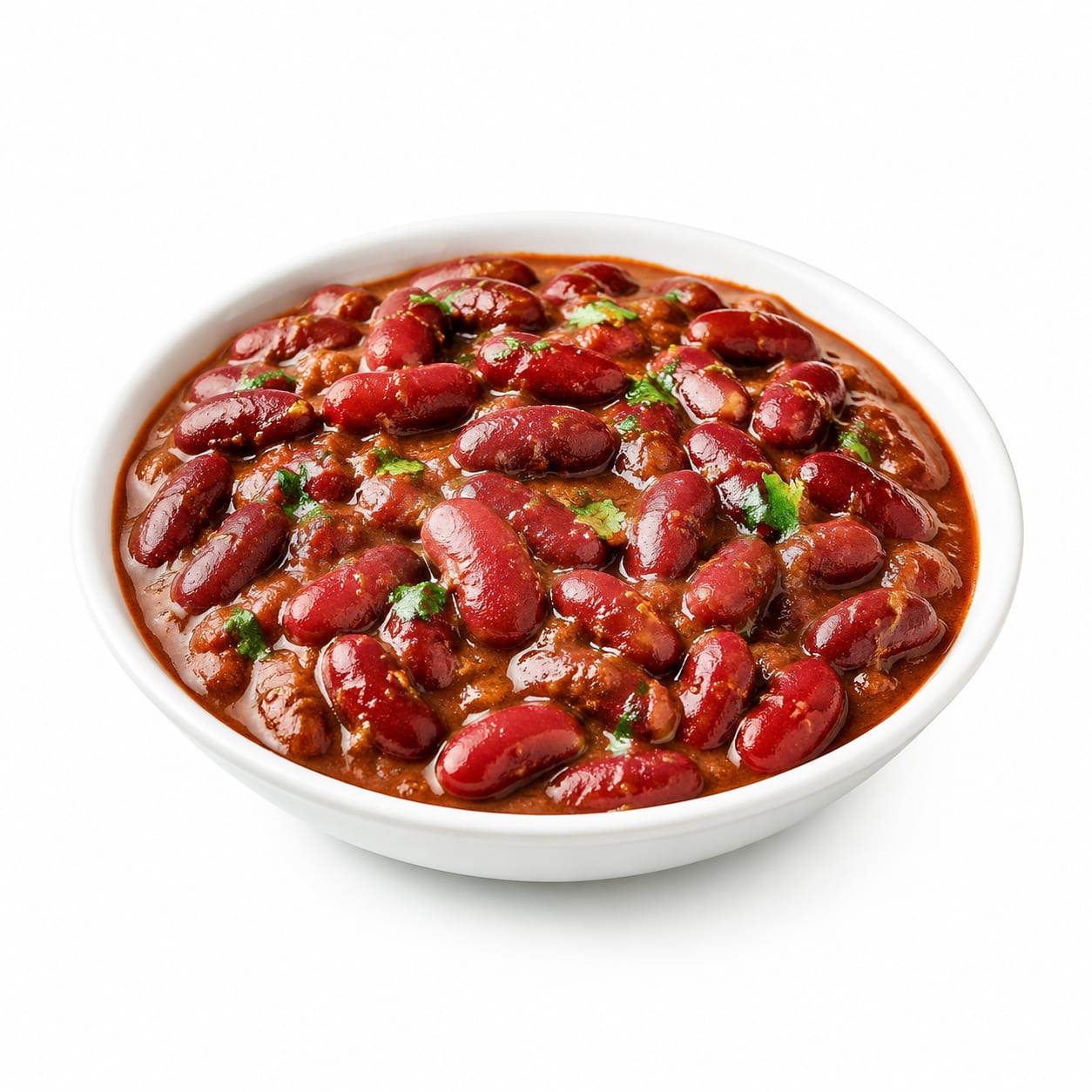
Kidney Bean
Kidney beans are the clearly safer and more practical choice for regular eating, while sword beans require extreme caution and extensive preparation to be consumed safely.
Kidney beans score significantly higher due to established safety with standard cooking, wide availability, and extensive nutritional research. Sword beans lose substantial points on toxicity risk, preparation complexity, and limited accessibility, despite having respectable macronutrient content when properly processed.
Sword beans offer comparable protein and fiber but carry a significantly higher toxicity risk that demands expert-level preparation, whereas kidney beans are dangerous only when undercooked and are far easier to use correctly.
At a glance
Executive summary
Overall
Kidney Bean
Healthier
Kidney Bean
More practical
Kidney Bean
Daily use
Kidney Bean
Key comparison lenses
toxicity and safe preparation
Both beans contain significant natural toxins that require proper preparation, but sword bean's canavanine poses a more serious and harder-to-neutralize threat than kidney bean's PHA
long term safety with regular consumption
Canavanine in sword beans has documented autoimmune and neurological concerns with repeated exposure, making frequency of use a critical factor
everyday practicality and availability
Kidney beans are a pantry staple worldwide while sword beans are niche and hard to find, making everyday usability a major differentiator
nutritional density for plant based diets
Both are protein and fiber sources for plant-based eaters, so understanding which delivers more reliable nutrition matters
Best choice for
Sword Bean
- Adventurous eaters with deep knowledge of traditional fermentation and preparation methods
- Agricultural researchers studying underutilized legumes
- Cultures with generational expertise in sword bean processing
Kidney Bean
- Everyday home cooks wanting reliable, affordable plant protein
- Plant-based dieters seeking safe weekly legume rotation
- Families needing a well-understood, widely available staple
Least suitable for
Sword Bean
- Anyone unfamiliar with proper detoxification techniques
- People with autoimmune conditions due to canavanine risks
- Casual home cooks who just want to open a can or boil beans
- Children and pregnant women due to higher toxicity vulnerability
Kidney Bean
- People who refuse to boil beans adequately and rely on slow cookers without pre-boiling
- Those with severe legume allergies
Deep comparison
Dimension by dimension
Each lens scores both foods and breaks down who each option suits.
- Dimension 1 · Priority 95Kidney Bean
toxicity_and_safety_margin
Sword Bean · 20Kidney Bean · 65Sword beans contain canavanine, a potentially dangerous amino acid that can affect the immune and nervous systems, and it is not fully eliminated by ordinary cooking. Kidney beans contain PHA, which is reliably destroyed by boiling for 10 minutes.
Tradeoff
Kidney bean toxin is easy to neutralize with basic boiling. Sword bean toxin requires prolonged soaking, repeated boiling, and often fermentation, and some risk may remain.
Why it matters
A food that can sicken you even after standard preparation is fundamentally harder to recommend for regular consumption.
Real-world impact
Undercooked kidney beans cause nausea and vomiting within hours, which is unpleasant but self-limiting. Improperly prepared sword beans may pose longer-term immune and neurological risks that are harder to detect immediately.
Sword Bean
- Situations where traditional multi-day fermentation is already standard practice
Better for
- Quick weeknight dinners where you just want to boil and eat
- Households with children who are more sensitive to residual toxins
Worse for
Kidney Bean
- Every single everyday cooking scenario in a typical household
Better for
- Slow cooker recipes where beans skip the mandatory pre-boil step
Worse for
- Dimension 2 · Priority 75Kidney Bean
nutritional_value
Sword Bean · 60Kidney Bean · 78Both beans deliver solid protein and fiber, but kidney beans have a more thoroughly documented micronutrient profile including folate, iron, potassium, and magnesium with verified bioavailability data.
Tradeoff
Sword beans have competitive macronutrients on paper, but their anti-nutritional factors may reduce actual nutrient absorption, and their micronutrient profile is less well studied.
Why it matters
A food's nutritional value is only as good as what your body actually absorbs, and anti-nutrients in sword beans may undermine the impressive-looking numbers.
Real-world impact
A bowl of properly cooked kidney beans reliably delivers its listed nutrients. Sword beans may look equivalent on a label but provide less usable nutrition due to absorption interference.
Sword Bean
- Theoretical protein content per gram if all nutrients were fully bioavailable
Better for
- Reliable micronutrient planning due to limited bioavailability data
Worse for
Kidney Bean
- Real-world nutrient delivery you can actually count on
- Folate intake for pregnant women
- Iron supplementation in plant-based diets
Better for
- Nothing significant in this dimension
Worse for
- Dimension 3 · Priority 85Kidney Bean
preparation_ease_and_convenience
Sword Bean · 15Kidney Bean · 70Kidney beans need soaking and a 10-minute boil. Sword beans require extended soaking, multiple water changes, prolonged boiling, and ideally fermentation to approach safe consumption levels.
Tradeoff
The preparation gap is enormous. Kidney beans fit into a normal cooking routine. Sword beans demand a multi-day process that most people will not realistically follow.
Why it matters
If a food is too difficult to prepare safely, it simply will not be eaten regularly, regardless of its theoretical nutritional merits.
Real-world impact
Canned kidney beans are ready in minutes. Sword beans have no widely available canned option and require so much effort that most people will skip them entirely or prepare them incorrectly.
Sword Bean
- Nothing practical for typical consumers
Better for
- Every spontaneous cooking scenario
- Anyone with limited time or kitchen access
Worse for
Kidney Bean
- Weeknight meal prep under 30 minutes using canned beans
- Batch cooking on a Sunday afternoon
- Travel and camping where canned beans are easy to pack
Better for
- Only if you insist on cooking dried beans from scratch every time
Worse for
- Dimension 4 · Priority 80Kidney Bean
availability_and_cost
Sword Bean · 10Kidney Bean · 90Kidney beans are in every grocery store and cost very little. Sword beans are specialty items rarely found outside specific Asian or African markets.
Tradeoff
You can buy kidney beans anywhere for under two dollars a can. Sword beans may require specialty sourcing, online ordering, or growing your own.
Why it matters
A food you cannot easily buy is a food you will not regularly eat, no matter how nutritious it might be in theory.
Real-world impact
Kidney beans are a budget staple feeding millions daily. Sword beans are a curiosity most people will never encounter in a store.
Sword Bean
- Regions where sword beans are traditionally cultivated and sold
Better for
- Impulse buying or quick recipe decisions
- Rural areas without specialty markets
Worse for
Kidney Bean
- Every standard grocery run in North America, Europe, and most of the world
- Food banks and community pantries
- Budget-conscious meal planning
Better for
- Nothing meaningful in this dimension
Worse for
- Dimension 5 · Priority 60Kidney Bean
digestive_tolerance
Sword Bean · 35Kidney Bean · 55Both beans can cause gas and bloating, but sword beans have additional anti-nutritional factors that may irritate the gut lining beyond typical legume discomfort.
Tradeoff
Kidney bean gas is normal and manageable with gradual intake increases. Sword bean digestive issues may include more serious irritation from residual canavanine and other compounds.
Why it matters
If a food causes persistent digestive distress beyond normal bean gas, people will stop eating it and may develop anxiety around legumes in general.
Real-world impact
Most people adapt to kidney beans over a few weeks. Sword beans may never feel comfortable due to their harsher anti-nutritional profile.
Sword Bean
- Nothing notable
Better for
- Sensitive digestive systems including IBS sufferers
- Anyone already cautious about legume tolerance
Worse for
Kidney Bean
- Gradual introduction allows most people to build tolerance
- Well-known strategies like epazote or asafoetida exist to reduce gas
Better for
- First-time bean eaters who eat a large portion immediately
Worse for
- Dimension 6 · Priority 55Kidney Bean
culinary_versatility
Sword Bean · 25Kidney Bean · 80Kidney beans appear in chili, salads, stews, curries, rice dishes, and dips worldwide. Sword beans have a narrow culinary tradition primarily in specific regional preparations.
Tradeoff
Kidney beans are a culinary building block with thousands of tested recipes. Sword beans are a niche ingredient with limited recipe support and higher risk of preparation errors.
Why it matters
A versatile ingredient keeps meals interesting and sustainable long-term. A limited ingredient becomes repetitive or gets abandoned.
Real-world impact
You can eat kidney beans three different ways in a week without getting bored. Sword beans barely have three well-documented recipes most people can find.
Sword Bean
- Traditional fermented preparations in specific South and Southeast Asian cuisines
Better for
- Recipe variety and creative cooking
- Finding trustworthy recipes with correct safety steps
Worse for
Kidney Bean
- Chili, rajma, red beans and rice, bean salads, soups, burritos, and dozens more
- Both hot and cold dishes
- Blending into dips and spreads
Better for
- Dishes requiring a milder, sweeter bean flavor
Worse for
Timeline
Health impact over time
Short-term
Hours to days
Sword Bean
- Potential nausea, vomiting, and digestive distress if canavanine is not adequately removed
- Higher risk of acute toxicity symptoms compared to most common legumes due to incomplete detoxification
Kidney Bean
- Nausea, vomiting, and abdominal pain within 1-3 hours if consumed undercooked from raw or slow-cooked without pre-boiling
- Normal legume-related gas and bloating that decreases with regular consumption
Long-term
Months to years
Sword Bean
- Canavanine has been linked to autoimmune-like effects and potential neurological concerns with repeated exposure even at sub-acute levels
- Anti-nutritional factors may chronically impair mineral and protein absorption
- Long-term safety data is significantly lacking compared to common legumes
Kidney Bean
- Consistent consumption associated with reduced cardiovascular disease risk and improved blood sugar regulation
- Well-documented benefits for gut microbiome health through resistant starch and fiber
- Decades of epidemiological evidence supporting longevity and chronic disease reduction
Risk profile
Safety & processing
Both beans are whole, natural foods with no artificial additives when bought dried. However, sword beans' natural toxins are far more concerning than any processing issue. Being natural does not automatically mean being safe, and sword beans are a prime example of a minimally processed food that demands extreme caution.
Sword Bean
Canavanine toxicity
highCanavanine is a structurally similar analog to arginine that can incorporate into proteins and disrupt immune and neurological function. It is not reliably destroyed by normal cooking temperatures and requires extended multi-step processing.
Incomplete detoxification from home preparation
highMost home cooks lack the knowledge, patience, or equipment to properly detoxify sword beans. Even traditional methods vary in effectiveness, and no standardized safe protocol is widely available.
Other anti-nutritional compounds
mediumSword beans contain trypsin inhibitors, tannins, and phytic acid that reduce protein digestibility and mineral absorption beyond what is typical for common legumes.
Kidney Bean
Phytohaemagglutinin poisoning from undercooking
highRaw or undercooked kidney beans contain high levels of PHA, a lectin that causes rapid onset nausea, vomiting, and abdominal pain. Just 4-5 raw beans can trigger symptoms. However, boiling for 10 minutes destroys the toxin completely.
Slow cooker danger
mediumSlow cookers operate at temperatures that may not destroy PHA, actually making beans more toxic than raw. Pre-boiling for 10 minutes before slow cooking eliminates this risk entirely.
Who wins for whom
Audience fit
Same foods, different winners depending on your goal.
children
Kidney BeanChildren are more vulnerable to natural toxins, making sword beans an inappropriate choice. Kidney beans are safe when properly cooked and provide essential nutrients for growing bodies.
daily consumption
Kidney BeanDaily consumption demands a strong safety margin and easy preparation. Kidney beans have both. Sword beans have neither.
diabetes
Kidney BeanKidney beans have extensive glycemic index data and proven blood sugar stabilization benefits. Sword beans lack this evidence base and carry risks that complicate diabetic health management.
elderly
Kidney BeanOlder adults need reliable, easy-to-prepare nutrition without toxicity concerns. Kidney beans are familiar, accessible, and well-tolerated. Sword beans add unnecessary risk to a population that should avoid it.
muscle gain
Kidney BeanKidney beans offer consistent, well-absorbed plant protein with verified amino acid profiles. Sword bean protein absorption is questionable due to anti-nutritional interference.
weight loss
Kidney BeanKidney beans provide reliable high fiber and protein satiety with well-understood calorie counts and no hidden toxicity risks that might disrupt consistent eating patterns.
Your move
Decision guide
Choose Sword Bean
- You are working with a traditional recipe from a culture that has safely prepared sword beans for generations
- You have thoroughly researched and practiced the multi-day fermentation and detoxification process
- You are a food scientist studying underutilized legume crops
Choose Kidney Bean
- You want a safe, affordable, nutritious legume for regular meals
- You are feeding a family and need reliable ingredients
- You are building a plant-based diet and need a dependable protein source
- You value your time and want food that is easy to prepare correctly
- You have any autoimmune or neurological condition that makes canavanine exposure unwise
Either works if
- You are simply looking for plant protein and fiber and have no access issues
Avoid both if
- You have a diagnosed legume allergy
- You experience severe digestive distress from all beans even after gradual introduction
Final recommendation
Choose kidney beans for virtually every real-world scenario. They are safer, more accessible, easier to prepare, better researched, and more versatile. Sword beans are a niche food with genuine toxicity concerns that should only be eaten by people with specific cultural expertise in their preparation. The nutritional similarities are not worth the safety gap.
Practical
Consumer tips
- 1
Always pre-boil kidney beans for at least 10 minutes before using in any recipe, including slow cooker dishes
- 2
Canned kidney beans are already properly cooked and safe to use immediately, making them the easiest entry point
- 3
If you encounter sword beans at a specialty market, do not attempt to prepare them without a verified traditional method and significant research
- 4
Introduce kidney beans gradually into your diet, starting with small portions a few times a week, to allow your digestive system to adapt
- 5
Rinsing canned kidney beans removes about 30% of the sodium and reduces gas-producing compounds
- 6
Never use a slow cooker for dried kidney beans without pre-boiling them first, as the low heat can actually increase toxicity