
Nutrition comparison
Sword Bean vs Lima Bean: Safety, Nutrition, and Which to Choose
Comparing sword beans and lima beans for safety, nutrition, and everyday practicality. Learn which legume is safer, easier to find, and better for your health goals.
Overall winner · Lima Bean
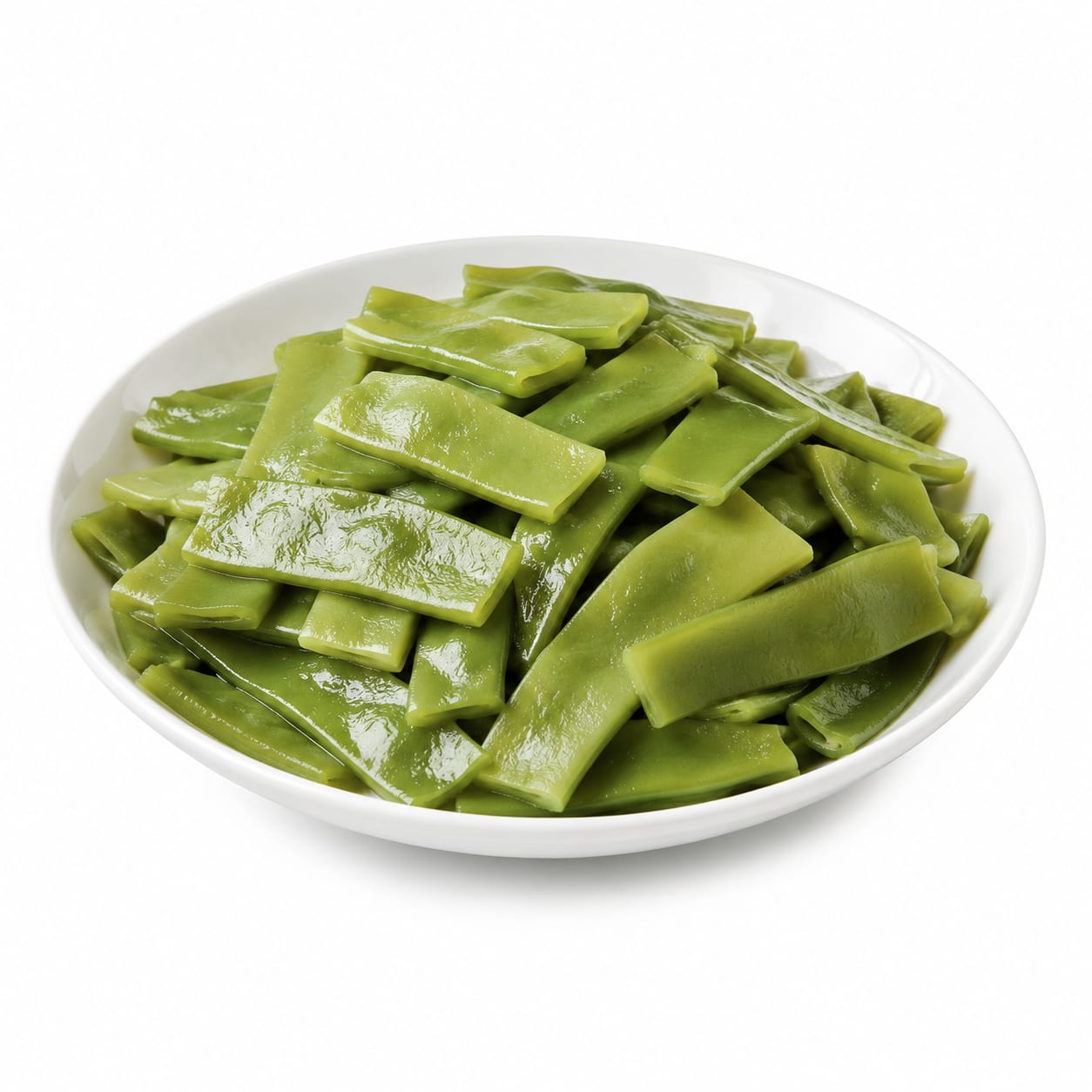
Sword Bean
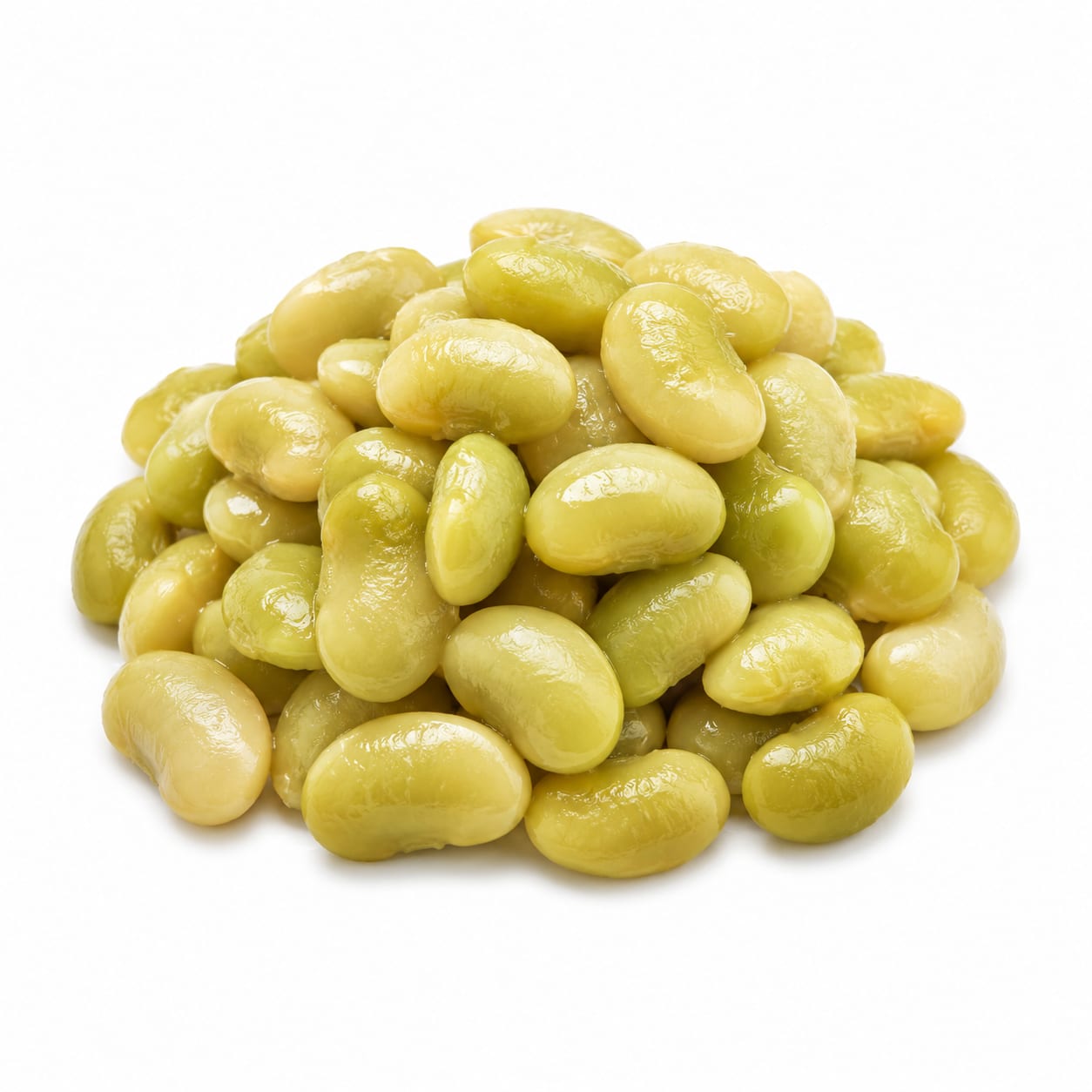
Lima Bean
Lima beans win on safety, availability, and familiarity, though both require thorough cooking to neutralize natural toxins.
Lima beans score significantly higher due to better safety profile, widespread availability, and well-documented preparation methods. Sword beans lose ground primarily on toxin risk and impracticality for everyday consumers.
Sword beans offer a novel protein source but carry higher toxin risk and are far harder to find, while lima beans deliver reliable nutrition with well-understood preparation requirements.
At a glance
Executive summary
Overall
Lima Bean
Healthier
Lima Bean
More practical
Lima Bean
Daily use
Lima Bean
Key comparison lenses
toxin safety and preparation
Both beans contain significant natural toxins that require proper cooking to neutralize, making safety the dominant concern
everyday practicality and availability
Lima beans are widely available in grocery stores while sword beans are rare and unfamiliar to most consumers
nutritional value for plant based diets
Both are protein-rich legumes that could serve as meat alternatives, so nutritional density matters
digestive tolerance
Legumes vary widely in how comfortable they are to digest, and both have anti-nutritional factors
Best choice for
Sword Bean
- Adventurous eaters seeking novel legume experiences
- Traditional Asian or African cuisine enthusiasts with proper preparation knowledge
- Home gardeners looking for high-yield nitrogen-fixing crops
Lima Bean
- Families wanting a safe, familiar legume
- Meal preppers who rely on consistent grocery availability
- Anyone new to cooking legumes from scratch
Least suitable for
Sword Bean
- Children and pregnant women due to canavanine toxicity risk
- Inexperienced cooks unfamiliar with toxin-removal techniques
- Anyone without reliable access to lengthy cooking facilities
Lima Bean
- People with severe legume allergies
- Those who cannot tolerate high-fiber foods without gradual adjustment
Deep comparison
Dimension by dimension
Each lens scores both foods and breaks down who each option suits.
- Dimension 1 · Priority 95Lima Bean
toxin_safety
Sword Bean · 25Lima Bean · 65Sword beans contain canavanine, a potentially harmful amino acid affecting immune function, while lima beans contain cyanogenic glycosides that release cyanide but are easier to neutralize through standard cooking.
Tradeoff
Both demand thorough cooking, but sword bean toxins are harder to eliminate completely and carry more serious potential consequences if preparation is inadequate.
Why it matters
Improperly prepared sword beans can cause symptoms ranging from nausea to immune disruption, whereas lima bean risks are well-characterized and manageable with boiling.
Real-world impact
A slightly undercooked lima bean might cause mild stomach upset, but undercooked sword beans could trigger more serious reactions, especially with repeated exposure.
Sword Bean
- Experienced traditional cooks who inherited proper preparation techniques
Better for
- People with autoimmune conditions who should avoid canavanine
- Pregnant women who need extra caution with food toxins
Worse for
Lima Bean
- Anyone who wants peace of mind at the dinner table
- Parents cooking for children
Better for
- Those who eat raw or lightly steamed vegetables habitually
Worse for
- Dimension 2 · Priority 88Lima Bean
availability_and_convenience
Sword Bean · 15Lima Bean · 85Lima beans are stocked in virtually every grocery store, while sword beans are specialty items rarely found outside Asian markets or seed catalogs.
Tradeoff
You can grab lima beans on any shopping trip, but finding sword beans requires effort, online ordering, or growing them yourself.
Why it matters
A food you cannot easily buy is a food you will not regularly eat, no matter how nutritious it might be.
Real-world impact
Lima beans can be a weekly staple without planning. Sword beans become an occasional project meal at best.
Sword Bean
- Home gardeners in warm climates who want to grow their own
Better for
- Urban apartment dwellers without garden space
- Anyone who values quick grocery runs
Worse for
Lima Bean
- Busy households that need reliable meal ingredients
- Anyone living far from specialty markets
Better for
- People bored with mainstream legume options
Worse for
- Dimension 3 · Priority 75Lima Bean
protein_and_nutrition_density
Sword Bean · 60Lima Bean · 72Both deliver solid plant protein and fiber, but lima beans offer more complete nutritional data and reliable micronutrient content including folate, iron, and potassium.
Tradeoff
Sword beans have comparable macronutrients but less documented micronutrient data, making it harder to plan balanced meals around them.
Why it matters
When you rely on legumes as a protein cornerstone, you want confidence in what you are actually getting nutritionally.
Real-world impact
A cup of cooked lima beans reliably delivers about 12 grams of protein and 9 grams of fiber with well-known vitamin content. Sword bean numbers are less standardized.
Sword Bean
- Dietary explorers who enjoy nutritional variety
Better for
- Anyone using nutrition tracking apps that lack sword bean data
Worse for
Lima Bean
- Meal planners tracking specific macros and micronutrients
- Plant-based eaters relying on legumes as a primary protein source
Better for
- People seeking novelty in their protein sources
Worse for
- Dimension 4 · Priority 70Lima Bean
digestive_comfort
Sword Bean · 35Lima Bean · 60Lima beans are gentler on digestion for most people, while sword beans have more anti-nutritional factors that can cause bloating and discomfort even when properly cooked.
Tradeoff
Sword beans may cause more gas and stomach heaviness, especially for those unaccustomed to high-fiber legumes.
Why it matters
A food that leaves you bloated on the couch is a food you will stop eating, regardless of its nutritional merits.
Real-world impact
Lima beans with a simple soak and cook are comfortable for most. Sword beans may require multiple water changes and longer cooking to achieve similar tolerance.
Sword Bean
- People with ironclad digestion built over years of legume consumption
Better for
- New vegetarians still adjusting to high-fiber diets
- People with sensitive stomachs
Worse for
Lima Bean
- Those gradually introducing more beans into their diet
- Anyone prone to bloating or IBS symptoms
Better for
- Those who find lima beans bland and unappealing
Worse for
- Dimension 5 · Priority 65Lima Bean
culinary_versatility
Sword Bean · 30Lima Bean · 70Lima beans work in soups, stews, salads, dips, and side dishes across many cuisines. Sword beans have a narrower culinary tradition and fewer tested recipes.
Tradeoff
Lima beans blend into countless meals effortlessly. Sword beans require more creativity and culinary confidence.
Why it matters
Versatility determines whether an ingredient becomes a kitchen staple or a one-time experiment.
Real-world impact
You can toss lima beans into minestrone, succotash, or a grain bowl without much thought. Sword beans demand purposeful recipe hunting.
Sword Bean
- Creative cooks who enjoy developing their own recipes
Better for
- Cooks who want predictable results
- People cooking for picky eaters
Worse for
Lima Bean
- Home cooks who follow recipes
- Anyone meal-prepping in bulk
Better for
- Adventurous foodies who crave unique ingredients
Worse for
Timeline
Health impact over time
Short-term
Hours to days
Sword Bean
- Potential nausea or vomiting if undercooked due to canavanine and other toxins
- Bloating and gas from high fiber and anti-nutritional compounds
- Mild digestive discomfort during first exposures as the body adjusts
Lima Bean
- Mild stomach upset if insufficiently cooked due to cyanogenic glycosides
- Typical legume-related gas and bloating, manageable with proper soaking
- Satisfying fullness and steady energy from protein-fiber combination
Long-term
Months to years
Sword Bean
- Potential immune system effects from chronic canavanine exposure if preparation is inconsistent
- Possible benefit as a diverse protein source if properly prepared long-term
- Risk is higher than with common legumes due to less established safety data
Lima Bean
- Improved heart health from regular fiber and potassium intake
- Better blood sugar regulation from low glycemic load and high fiber
- Reduced cardiovascular risk with consistent consumption as part of a legume-rich diet
Risk profile
Safety & processing
Both are whole, natural legumes with minimal processing concerns. The real issue is not additives but natural toxins that require proper cooking to address.
Sword Bean
Canavanine toxicity
highSword beans contain canavanine, an arginine analog that can disrupt immune function and has been linked to lupus-like symptoms. Thorough boiling with multiple water changes reduces but may not eliminate this risk entirely.
Hemagglutinin content
mediumLike many raw legumes, sword beans contain lectins that can cause gastrointestinal distress. Extended cooking is necessary to deactivate them.
Inadequate preparation due to unfamiliarity
highMost home cooks have never prepared sword beans and may not know the specific safety steps required, increasing the chance of improper cooking.
Lima Bean
Cyanogenic glycosides
mediumLima beans contain linamarin, which releases cyanide when cells are damaged. Boiling for 10-15 minutes destroys the enzyme responsible. US commercial varieties are bred for low cyanogen content.
Lectin content
lowRaw lima beans contain lectins that cause digestive upset, but standard cooking fully deactivates them. This is a routine legume safety step, not a unique hazard.
Allergic reactions
lowLegume allergies exist but are less common than peanut or soy allergies. Cross-reactivity with other beans is possible.
Who wins for whom
Audience fit
Same foods, different winners depending on your goal.
children
Lima BeanChildren are more vulnerable to canavanine and cyanide exposure, and lima beans have a much larger safety margin when cooked normally.
daily consumption
Lima BeanDaily consumption demands a food you can find easily, prepare confidently, and digest comfortably. Lima beans meet all three criteria; sword beans meet none reliably.
diabetes
Lima BeanLima beans have a well-documented low glycemic index and high fiber content that stabilizes blood sugar. Sword beans likely perform similarly but lack the clinical data to confirm this.
elderly
Lima BeanOlder adults need reliable, easy-to-prepare nutrition with minimal safety risks. Lima beans are familiar and forgiving to cook properly.
muscle gain
Lima BeanBoth offer similar protein content, but lima beans are easier to eat consistently in the quantities needed to support muscle recovery.
weight loss
Lima BeanLima beans provide reliable fiber and protein with well-understood calorie counts, making portion control and meal planning straightforward.
Your move
Decision guide
Choose Sword Bean
- You are an experienced cook with specific knowledge of sword bean preparation techniques
- You grow sword beans in your garden and understand the necessary processing steps
- You are exploring traditional Asian or African legume recipes with proper guidance
Choose Lima Bean
- You want a reliable, nutritious legume for weekly meals
- You are cooking for a family and need a safe, familiar option
- You are new to cooking dried beans and want a straightforward experience
- You have any health condition that makes food toxins riskier
Either works if
- You simply want more plant protein variety in your diet
- You enjoy experimenting with different legumes occasionally
Avoid both if
- You have a diagnosed legume allergy
- You are unwilling to properly soak and cook dried beans before eating
Final recommendation
Choose lima beans for everyday eating. They offer the same core benefits as sword beans with far less risk and hassle. Save sword beans for occasional culinary exploration, and only if you have reliable preparation guidance. The novelty is not worth the safety tradeoff for regular consumption.
Practical
Consumer tips
- 1
Soak lima beans overnight and boil for at least 10-15 minutes to eliminate cyanogenic compounds completely
- 2
If you ever cook sword beans, boil them in multiple changes of water for at least 45 minutes and never eat them raw or lightly cooked
- 3
Start with small portions of any new legume to test your digestive tolerance before making it a regular meal
- 4
Frozen lima beans are pre-cooked and a convenient shortcut that eliminates most safety concerns
- 5
Never cook either bean in a slow cooker without boiling first, as low temperatures do not destroy the toxins