
Nutrition comparison
Sword Bean vs Lentils: Safety, Nutrition, and Which Legume to Choose
Comparing sword beans and lentils for protein, fiber, safety, and everyday practicality. Learn why lentils are the safer, easier choice for most diets and what risks sword beans carry.
Overall winner · Lentils
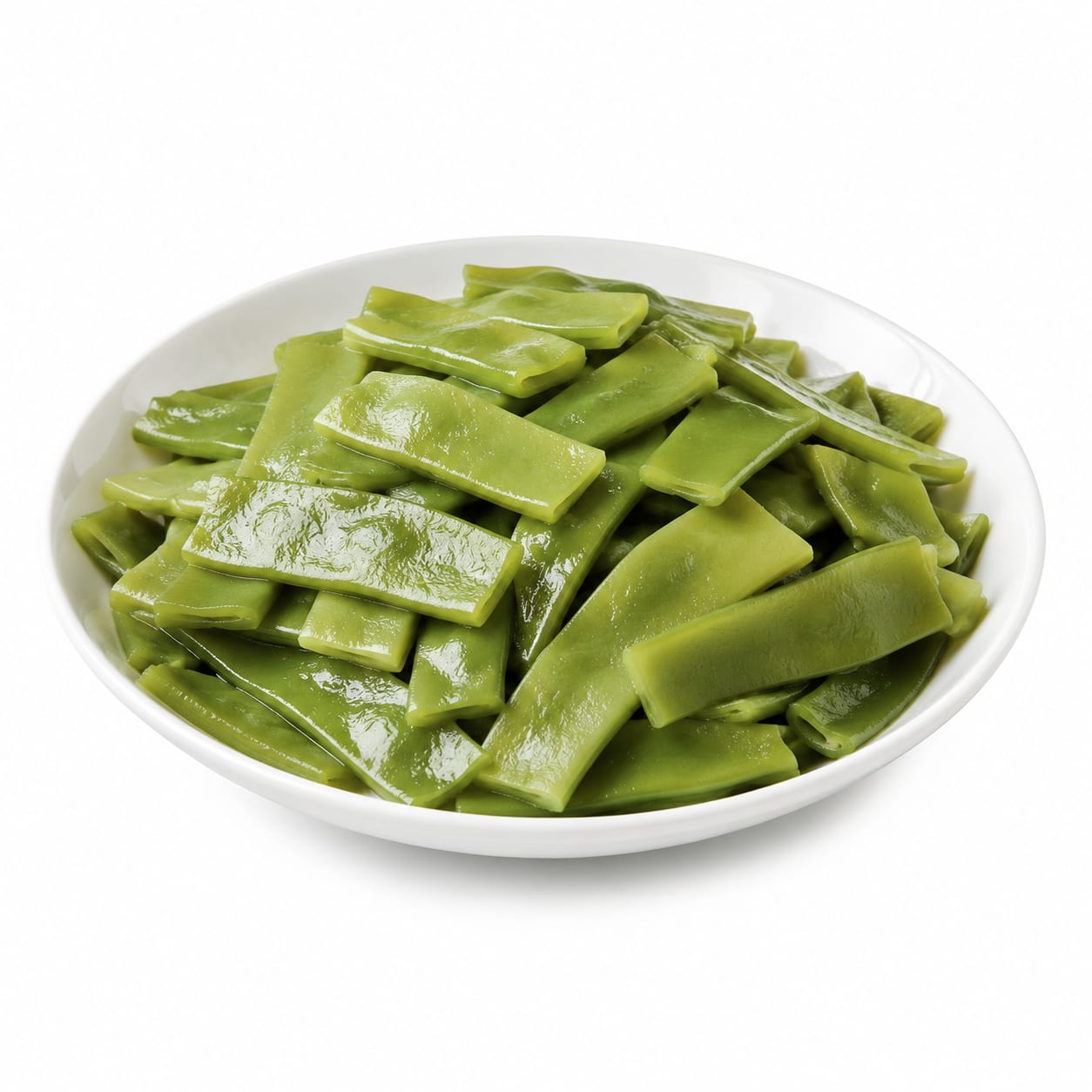
Sword Bean
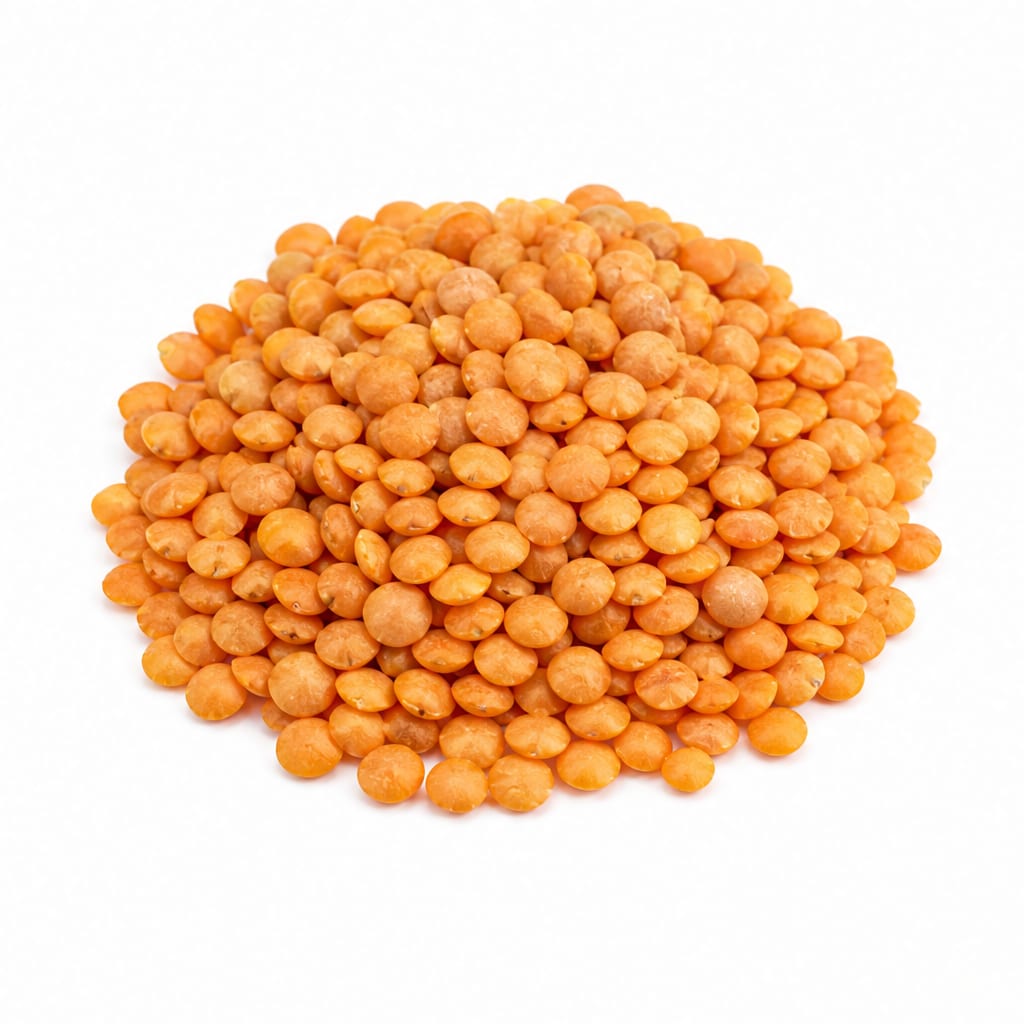
Lentils
Lentils win decisively due to superior safety, accessibility, and everyday usability. Sword beans carry real toxicity risks that make them impractical for most people.
The massive safety gap drives this score difference. Sword beans score poorly because their toxicity risk and preparation burden outweigh their nutritional merits for almost all consumers. Lentils score high as a well-rounded, safe, accessible protein and fiber source.
Sword beans offer interesting nutritional potential but demand expert-level preparation to be safe. Lentils deliver reliable nutrition with minimal fuss.
At a glance
Executive summary
Overall
Lentils
Healthier
Lentils
More practical
Lentils
Daily use
Lentils
Key comparison lenses
safety and toxicity
Sword beans contain canavanine and other toxic compounds requiring extensive detoxification, while lentils are widely recognized as safe with simple cooking
everyday practicality
Lentils are pantry staples available everywhere; sword beans are rare specialty items with demanding prep requirements
plant protein quality
Both are legumes with substantial protein, but lentils offer a more complete and safer amino acid profile
digestive tolerance
Sword beans pose genuine gastrointestinal risks if improperly prepared; lentils are gentler and more predictable
long term dietary sustainability
A food you can safely eat daily matters more than one with theoretical benefits but real safety barriers
Best choice for
Sword Bean
- Adventurous eaters with traditional preparation knowledge
- Cultural or regional cuisines where sword bean expertise exists
- Agricultural researchers studying underutilized legumes
Lentils
- Anyone wanting a safe, affordable daily protein source
- Meal preppers and batch cooks
- Families needing reliable, easy-to-prepare nutrition
Least suitable for
Sword Bean
- Children and pregnant women due to canavanine toxicity risk
- Inexperienced cooks unfamiliar with detoxification methods
- Anyone seeking convenient weeknight meals
Lentils
- People with severe legume allergies
- Those on very low-carb diets (though lentils are moderate carb)
Deep comparison
Dimension by dimension
Each lens scores both foods and breaks down who each option suits.
- Dimension 1 · Priority 95Lentils
safety_and_toxicity
Sword Bean · 20Lentils · 95Sword beans contain canavanine, a toxic amino acid that can cause serious health issues. Lentils are safe with basic cooking.
Tradeoff
Sword beans require prolonged boiling, soaking, and often fermentation to reduce toxins to safe levels. One preparation mistake could mean illness. Lentils need only a rinse and 15-25 minutes of cooking.
Why it matters
Canavanine in sword beans has been linked to autoimmune-like symptoms and blood disorders. This is not a theoretical risk — it is well-documented. Safety should be your first filter when choosing a staple food.
Real-world impact
Eating undercooked sword beans could land you in the hospital. Eating undercooked lentils might cause mild bloating at worst.
Sword Bean
- None — this is the dimension where sword beans are most disadvantaged
Better for
- Pregnant women
- People with autoimmune conditions
- Anyone who batch-cooks in a hurry
Worse for
Lentils
- Households with children
- Anyone without extensive traditional cooking knowledge
- Daily eaters who cannot afford a single preparation error
Better for
- Those with specific lentil allergies, though this is rare
Worse for
- Dimension 2 · Priority 80Lentils
protein_and_nutrition
Sword Bean · 55Lentils · 85Both are protein-rich legumes, but lentils provide a cleaner, safer protein package with better-studied nutrient bioavailability.
Tradeoff
Sword beans have respectable protein content on paper, but canavanine interferes with protein metabolism. Lentils offer protein your body can actually use efficiently without toxic amino acid competition.
Why it matters
Protein quality matters as much as quantity. A toxin that mimics arginine and disrupts normal protein synthesis undermines the nutritional value sword beans appear to offer.
Real-world impact
A bowl of lentils gives you usable protein that supports muscle and satiety. Sword beans might show similar protein numbers on a label, but your body cannot use it the same way.
Sword Bean
- Situations where sword beans are the only available legume crop
Better for
- Anyone relying on accurate protein bioavailability data
Worse for
Lentils
- Athletes needing reliable protein intake
- Vegetarians and vegans counting on legumes as a protein pillar
- Older adults preserving muscle mass
Better for
- No significant disadvantage here
Worse for
- Dimension 3 · Priority 70Lentils
fiber_and_digestive_health
Sword Bean · 50Lentils · 88Lentils are a fiber powerhouse that supports gut health predictably. Sword beans offer fiber but carry digestive risk if toxins remain.
Tradeoff
Lentils deliver soluble and insoluble fiber that feeds beneficial gut bacteria without danger. Sword bean fiber comes packaged with compounds that can irritate or damage the digestive tract.
Why it matters
Fiber should heal your gut, not challenge it. The wrong kind of digestive distress from underprocessed sword beans can set back gut health rather than support it.
Real-world impact
Lentils after a meal leave you comfortably full. Improperly prepared sword beans can cause cramping, nausea, or worse.
Sword Bean
- Regions where traditional fermentation methods reliably neutralize toxins
Better for
- People with any digestive sensitivity
- Those new to high-fiber diets who might not recognize warning signs
Worse for
Lentils
- People managing IBS or sensitive digestion
- Anyone building a high-fiber diet gradually
- Meal planners wanting predictable digestive outcomes
Better for
- Those who ramp up lentil intake too quickly and experience temporary gas
Worse for
- Dimension 4 · Priority 70Lentils
blood_sugar_stability
Sword Bean · 55Lentils · 85Lentils are a proven low-glycemic food that steadies blood sugar for hours. Sword beans likely have similar potential but lack reliable data.
Tradeoff
Lentils have decades of glycemic research behind them. Sword beans are understudied, and their toxin profile adds uncertainty for anyone managing diabetes carefully.
Why it matters
When blood sugar management is critical, you need foods with predictable, well-documented effects — not theoretical benefits with unknown risks.
Real-world impact
A lentil lunch keeps afternoon energy stable. A sword bean lunch is a gamble most people cannot afford to take.
Sword Bean
- Research contexts where glycemic effects are being formally monitored
Better for
- Diabetics who cannot risk unpredictable blood sugar responses
Worse for
Lentils
- Diabetics needing reliable glycemic control
- Anyone trying to reduce afternoon energy crashes
- Intermittent fasters breaking their fast with stable energy
Better for
- No real disadvantage for blood sugar
Worse for
- Dimension 5 · Priority 85Lentils
convenience_and_accessibility
Sword Bean · 10Lentils · 92Lentils are available in every grocery store and cook in under 30 minutes. Sword beans are specialty items requiring extensive, time-consuming preparation.
Tradeoff
You can buy lentils anywhere and cook them easily on a Tuesday night. Sword beans demand sourcing effort, long soaking, repeated boiling, and often fermentation — a multi-day commitment.
Why it matters
The best healthy food is the one you actually eat. Complexity and scarcity kill consistency.
Real-world impact
Lentils are a 20-minute meal. Sword beans are a weekend project with safety-critical steps you cannot skip.
Sword Bean
- Communities where sword beans are traditionally grown and prepared
Better for
- Anyone who values their time in the kitchen
- People without reliable access to traditional preparation guidance
Worse for
Lentils
- Busy professionals
- Parents cooking weeknight dinners
- Anyone without access to specialty food stores
Better for
- Those in extremely remote areas where even lentils are scarce
Worse for
- Dimension 6 · Priority 65Lentils
affordability_and_value
Sword Bean · 35Lentils · 90Lentils are among the cheapest protein sources on earth. Sword beans are rare, expensive, and their preparation cost in time adds hidden expense.
Tradeoff
Even if sword beans were priced similarly, the labor and risk of preparation make them a poor value. Lentils deliver maximum nutrition per dollar and minute spent.
Why it matters
Budget-conscious eaters need foods that deliver reliably without hidden costs in time, health risk, or wasted ingredients from preparation errors.
Real-world impact
A dollar of lentils feeds you well for days. A dollar of sword beans might cost you more in prep time and potential health consequences.
Sword Bean
- Subsistence farmers in regions where sword beans grow abundantly
Better for
- Urban consumers paying specialty pricing
- Anyone factoring in the time cost of preparation
Worse for
Lentils
- Students on tight budgets
- Large families needing affordable protein
- Anyone calculating nutrition per dollar spent
Better for
- No real affordability downside
Worse for
Timeline
Health impact over time
Short-term
Hours to days
Sword Bean
- Risk of nausea, vomiting, and abdominal pain if undercooked
- Potential dizziness or headache from residual canavanine
- Digestive discomfort even with proper preparation in sensitive individuals
Lentils
- Mild bloating or gas when first increasing intake
- Comfortable satiety and steady energy after meals
- Easy digestion when lentils are cooked until tender
Long-term
Months to years
Sword Bean
- Potential autoimmune disruption from chronic low-level canavanine exposure
- Risk of hematological issues with repeated consumption even when prepared
- Unknown long-term effects due to limited modern research
Lentils
- Improved cardiovascular health from regular fiber and folate intake
- Better blood sugar regulation over months and years
- Supportive of healthy gut microbiome with consistent consumption
Risk profile
Safety & processing
Both foods are whole, unprocessed legumes. The concern with sword beans is not processing but inherent natural toxicity. Minimal processing is only good when the raw food is safe to begin with.
Sword Bean
Canavanine toxicity
highCanavanine is a toxic non-protein amino acid that mimics arginine, potentially disrupting immune function and causing blood disorders. Cannot be fully eliminated without rigorous preparation.
Inadequate detoxification from rushed cooking
highSkipping or shortening the required soaking, repeated boiling, and fermentation steps leaves dangerous levels of toxins. There is no visual way to confirm safety.
Lectin and saponin exposure
mediumLike many raw legumes, sword beans contain lectins and saponins that cause gastrointestinal distress, but at higher concentrations than most common beans.
Lentils
Phytic acid reducing mineral absorption
lowLentils contain phytic acid which can reduce iron and zinc absorption. Soaking or sprouting mitigates this, and it is not a health danger for most balanced diets.
Mild digestive discomfort from sudden fiber increase
lowRamping up lentil consumption too quickly can cause temporary gas and bloating. Gradual introduction solves this for most people.
Who wins for whom
Audience fit
Same foods, different winners depending on your goal.
children
LentilsChildren should never consume sword beans due to canavanine toxicity risks and their lower body weight making them more vulnerable. Lentils are safe, nutritious, and easy to prepare for kids.
daily consumption
LentilsLentils are one of the best daily staple foods on the planet. Sword beans are unsuitable for daily consumption due to cumulative toxicity concerns.
diabetes
LentilsLentils have a proven low glycemic index and extensive research supporting blood sugar management. Sword beans lack reliable glycemic data and carry risks diabetics cannot afford.
elderly
LentilsOlder adults need reliable, easy-to-digest nutrition without safety gambles. Lentils provide folate, iron, and fiber that support healthy aging.
muscle gain
LentilsLentils offer bioavailable protein that actually supports muscle repair. Sword bean protein is compromised by canavanine interference with amino acid metabolism.
weight loss
LentilsLentils provide high satiety with moderate calories and are easy to incorporate into daily meals. Sword beans' safety concerns make consistent weight-loss eating unrealistic.
Your move
Decision guide
Choose Sword Bean
- You are part of a community with generations of sword bean preparation expertise
- You are a researcher studying underutilized tropical legumes
- You have verified safe preparation methods and treat sword beans as an occasional specialty, not a staple
Choose Lentils
- You want a safe, affordable protein source you can eat every day
- You value convenience and predictability in your meals
- You are feeding a family and cannot risk food safety issues
- You are managing any health condition that requires reliable nutrition
- You are new to legumes and want the most forgiving option
Either works if
- You are simply looking for plant-based protein and have no access constraints
- You enjoy exploring different legumes as part of a varied diet
Avoid both if
- You have a diagnosed legume allergy
- You are on a strict very-low-carb or ketogenic diet
Final recommendation
Choose lentils. They are safer, easier to find, simpler to cook, and backed by decades of nutritional research. Sword beans are a niche food with real toxicity risks that make them inappropriate as a dietary staple. Unless you have cultural expertise and a compelling reason to eat sword beans, lentils are the clear choice for everyday nutrition.
Practical
Consumer tips
- 1
If you ever do prepare sword beans, soak them for at least 48 hours with multiple water changes, boil vigorously for at least one hour, and preferably ferment them afterward. Never skip steps.
- 2
Start with small lentil portions if you are new to high-fiber foods. A quarter cup cooked is a gentle starting point.
- 3
Red lentils cook fastest and are most forgiving for beginners. Green and brown lentils hold their shape better for salads and bowls.
- 4
Rinsing canned lentils removes about a third of the sodium and some of the gas-causing compounds.
- 5
If you are transitioning from meat-based meals, lentils absorb seasoning well — treat them like you would ground meat in tacos, soups, or pasta sauces.