
Nutrition comparison
Sword Bean vs Pinto Bean: Safety, Nutrition, and Which to Choose
Sword Beans contain toxic canavanine requiring special preparation, while Pinto Beans are a safe, affordable, nutritious staple. Learn why Pinto Beans win for everyday eating.
Overall winner · Pinto Bean
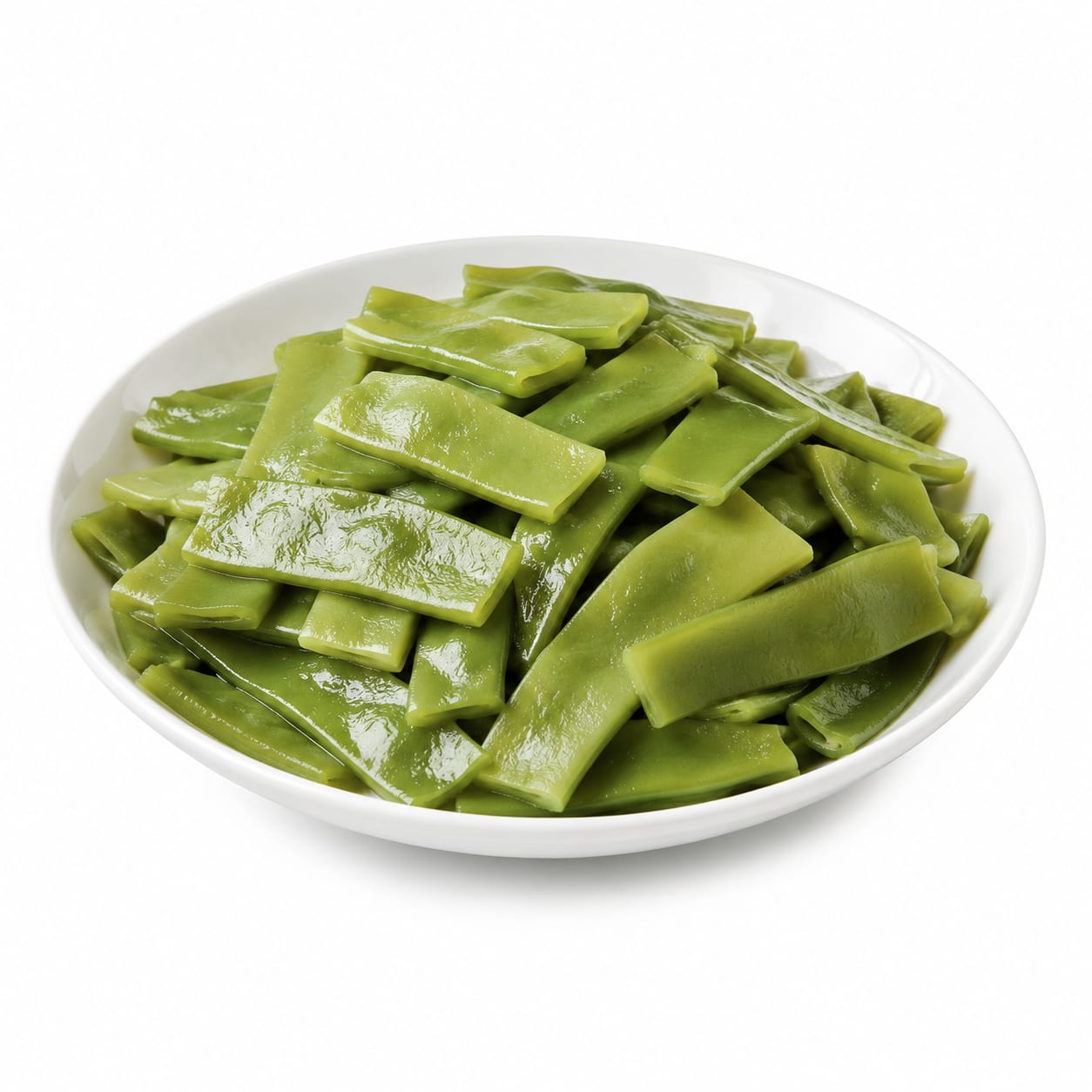
Sword Bean
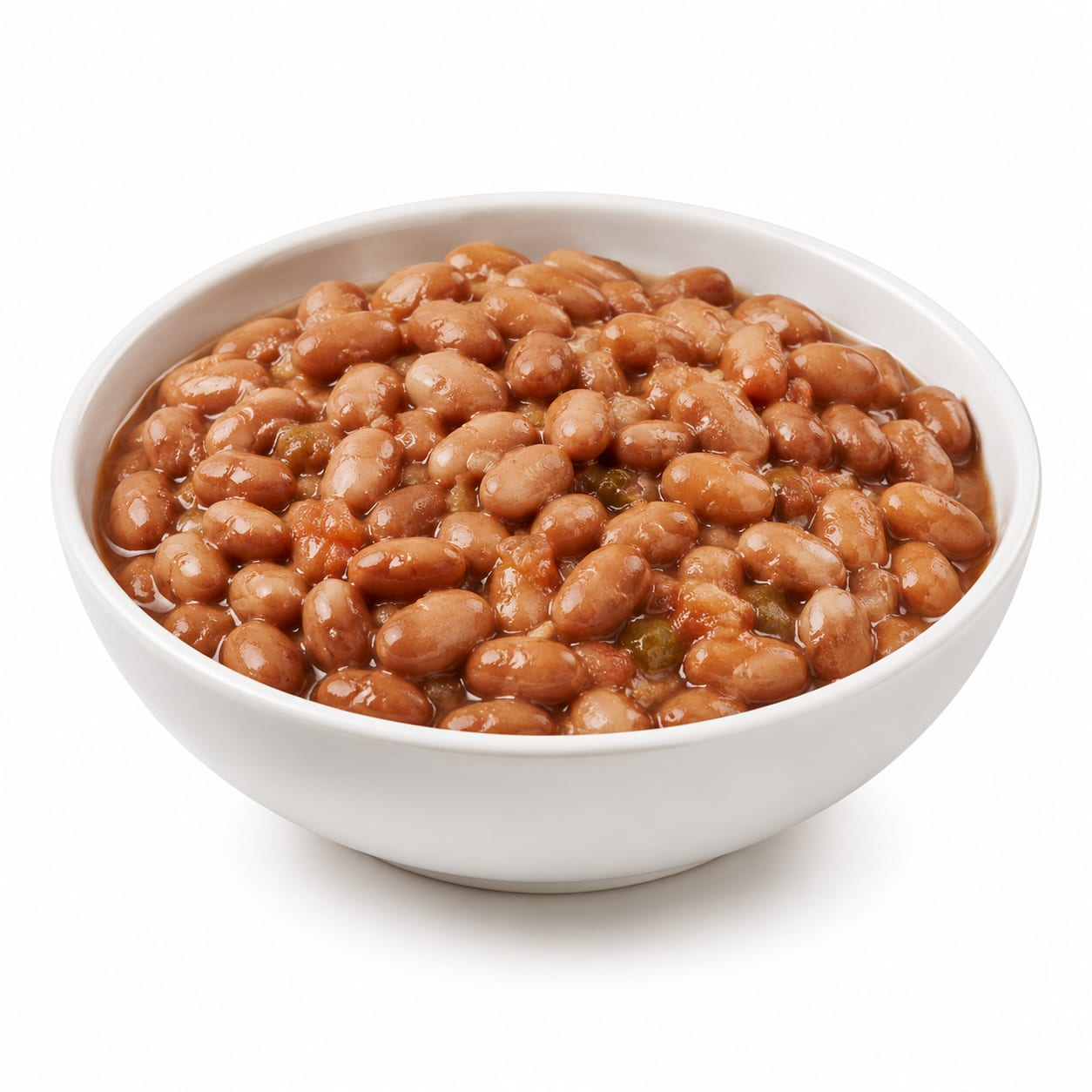
Pinto Bean
Pinto Beans are the clear choice for everyday eating. Sword Beans carry real toxicity risks that demand expert-level preparation, making them impractical and potentially dangerous for most people.
The massive score gap reflects Sword Bean's serious toxicity risk and poor availability. Pinto Bean is a well-established, safe, nutritious staple. Sword Bean loses heavily on safety, practicality, and everyday usability.
Sword Beans offer an interesting cultural and botanical curiosity, but Pinto Beans deliver reliable nutrition without the serious safety concerns.
At a glance
Executive summary
Overall
Pinto Bean
Healthier
Pinto Bean
More practical
Pinto Bean
Daily use
Pinto Bean
Key comparison lenses
safety and toxicity
Sword Bean contains canavanine, a toxic amino acid requiring extensive processing to neutralize, making safety the dominant concern
everyday practicality
Pinto Beans are a pantry staple available everywhere, while Sword Beans are rare and require special preparation knowledge
long term consumption sustainability
Regular consumption of Sword Bean carries cumulative toxicity risks that Pinto Bean simply does not have
nutritional value as staple legume
Both are legumes with protein and fiber, but the usable nutrition differs greatly due to anti-nutritional factors
Best choice for
Sword Bean
- Adventurous eaters with expert knowledge of traditional detoxification methods
- Cultural or heritage cooking where Sword Bean is traditionally used
- Research or academic curiosity under controlled conditions
Pinto Bean
- Anyone wanting a safe, affordable daily protein source
- Families needing a reliable pantry staple
- Meal preppers and batch cooks looking for versatility
Least suitable for
Sword Bean
- Children, pregnant women, and anyone with autoimmune conditions
- Casual home cooks unfamiliar with toxin-removal techniques
- People seeking convenient weeknight meals
Pinto Bean
- Those with severe legume allergies
- People strictly avoiding carbohydrates
- Anyone sensitive to FODMAPs without proper preparation
Deep comparison
Dimension by dimension
Each lens scores both foods and breaks down who each option suits.
- Dimension 1 · Priority 95Pinto Bean
safety_and_toxicity
Sword Bean · 15Pinto Bean · 90Sword Bean contains canavanine, a non-protein amino acid toxic to humans that can cause blood disorders and autoimmune reactions. Pinto Beans have no such concern.
Tradeoff
Sword Bean requires prolonged boiling with water changes to reduce toxins — a single mistake in preparation could leave dangerous residues. Pinto Beans need only standard cooking.
Why it matters
Canavanine toxicity is not theoretical. It has been linked to lupus-like symptoms and blood cell damage. This is not a food you can casually cook and eat.
Real-world impact
One undercooked batch of Sword Beans could mean nausea, vomiting, or worse. Pinto Beans might give you gas if undercooked, but never toxicity.
Sword Bean
- None — safety is a fundamental prerequisite, and Sword Bean fails here for casual use
Better for
- Pregnant women — canavanine crosses the placental barrier
- People with autoimmune conditions — canavanine mimics arginine and disrupts immune function
- Anyone on medications affecting blood cell production
Worse for
Pinto Bean
- Families with children who might not follow precise cooking protocols
- Anyone who batch cooks and reheats without re-verifying doneness
- People who occasionally rush cooking steps
Better for
- People with specific bean allergies, though this is rare
Worse for
- Dimension 2 · Priority 88Pinto Bean
availability_and_convenience
Sword Bean · 10Pinto Bean · 95Pinto Beans are in every grocery store. Sword Beans are specialty items rarely found outside specific Asian or African markets.
Tradeoff
You can grab Pinto Beans anywhere, any time. Sword Beans require sourcing from specialty suppliers and come with no standardization of preparation instructions.
Why it matters
A food you cannot easily buy is a food you will not regularly eat. Accessibility determines whether a food becomes a habit or remains a novelty.
Real-world impact
Pinto Beans are a 2-dollar bag away from a filling meal. Sword Beans might require online ordering, shipping costs, and uncertainty about origin and safety.
Sword Bean
- None for practical purposes
Better for
- Last-minute meal planners
- People without reliable internet for specialty ordering
Worse for
Pinto Bean
- Busy households that shop at regular stores
- Rural areas with limited access to specialty markets
- Anyone who values spontaneity in meal planning
Better for
- No real downside here — Pinto Beans are among the most accessible foods on earth
Worse for
- Dimension 3 · Priority 72Pinto Bean
nutritional_density
Sword Bean · 45Pinto Bean · 80Both offer protein and fiber, but Sword Bean's anti-nutritional factors reduce how much nutrition your body actually absorbs. Pinto Beans deliver more usable nutrients per serving.
Tradeoff
Sword Bean may have impressive-looking numbers on paper, but phytic acid, protease inhibitors, and canavanine block absorption of key minerals and amino acids.
Why it matters
What you eat matters less than what you absorb. A bean that fights your digestion is a bean that underdelivers nutritionally.
Real-world impact
After a Pinto Bean meal, you feel satisfied and nourished. After a Sword Bean meal, even if properly prepared, you may get less iron, zinc, and protein than expected.
Sword Bean
- Situations where Sword Bean has been traditionally prepared with fermentation, which can reduce anti-nutrients significantly
Better for
- Iron-deficient individuals — phytic acid blocks iron absorption
- Zinc-deficient people — same anti-nutrient interference
Worse for
Pinto Bean
- Anyone counting on their beans for actual protein and mineral intake
- Vegetarians and vegans who rely on legumes as a primary protein source
Better for
- No significant nutritional downside compared to Sword Bean
Worse for
- Dimension 4 · Priority 65Pinto Bean
digestive_tolerance
Sword Bean · 30Pinto Bean · 65Pinto Beans can cause gas, but Sword Beans are harder to digest even after proper preparation due to residual anti-nutrients and lectins.
Tradeoff
Neither bean is gentle on a sensitive stomach raw, but Pinto Beans become quite digestible with soaking and cooking. Sword Beans remain problematic even when prepared correctly.
Why it matters
A food that leaves you bloated or uncomfortable will not stay in your rotation long, no matter how nutritious it looks.
Real-world impact
Pinto Beans with rice is a comfort meal. Sword Beans, even at their best, carry a risk of digestive upset that makes them hard to enjoy.
Sword Bean
- No realistic digestive advantage over Pinto Beans
Better for
- People with sensitive digestion or leaky gut concerns
- Anyone prone to bloating from high-fiber foods
Worse for
Pinto Bean
- People with mild IBS who tolerate well-cooked legumes
- Anyone who has already adapted to regular bean consumption
Better for
- First-time bean eaters who have not built up gut flora for legume fermentation
Worse for
- Dimension 5 · Priority 60Pinto Bean
culinary_versatility
Sword Bean · 20Pinto Bean · 90Pinto Beans work in soups, stews, burritos, dips, salads, and more. Sword Beans have a narrow culinary tradition and limited recipe support.
Tradeoff
A versatile food becomes a kitchen staple. A food with few recipes becomes a one-time experiment.
Why it matters
When you can cook something ten ways, you eat it ten times more often. Versatility is nutrition in practice.
Real-world impact
Pinto Beans can be refried, mashed, whole, in chili, in salads, or blended into dips. Sword Beans are mostly used in specific traditional preparations with limited mainstream appeal.
Sword Bean
- Exploring traditional Asian or African recipes where Sword Bean is featured
Better for
- Home cooks looking for quick weeknight solutions
- People who follow recipe blogs and cookbooks — almost no Sword Bean recipes exist
Worse for
Pinto Bean
- Meal preppers who want one ingredient to serve multiple meal roles
- Families with picky eaters who need familiar flavors
- Anyone building a recipe rotation around affordable staples
Better for
- No real culinary downside
Worse for
Timeline
Health impact over time
Short-term
Hours to days
Sword Bean
- Undercooked Sword Beans can cause immediate nausea, vomiting, and abdominal pain
- Even properly prepared Sword Beans may cause mild digestive discomfort in sensitive individuals
- Canavanine exposure can trigger headache and fatigue within hours of consumption
Pinto Bean
- Gas and bloating are common when first introducing Pinto Beans to the diet
- Soaking and thorough cooking minimize digestive discomfort significantly
- Steady energy from complex carbohydrates without blood sugar spikes
Long-term
Months to years
Sword Bean
- Chronic canavanine consumption has been linked to lupus-like autoimmune syndromes in animal studies
- Long-term anti-nutrient exposure may contribute to mineral deficiencies, especially iron and zinc
- Sustained intake could stress the liver and kidneys as they process residual toxins
Pinto Bean
- Regular Pinto Bean consumption is associated with lower cardiovascular disease risk
- Improved gut microbiome diversity from consistent soluble fiber intake
- Better blood sugar regulation and reduced type 2 diabetes risk with frequent consumption
Risk profile
Safety & processing
Both beans are whole, minimally processed foods when purchased dried. The critical difference is that Sword Bean's natural compounds are inherently toxic and require extensive home processing to become edible, while Pinto Bean needs only standard soaking and cooking.
Sword Bean
Canavanine toxicity
highCanavanine is a structural analog of arginine that disrupts protein synthesis and immune function. Improper preparation leaves dangerous levels in the bean.
Hemagglutinin poisoning
mediumLike many raw legumes, Sword Beans contain lectins that can cause red blood cell clumping and gastrointestinal distress if not thoroughly cooked.
Inconsistent preparation guidance
highThere is no standardized safe preparation protocol widely available, increasing the chance of user error.
Pinto Bean
Phytohaemagglutinin from undercooking
lowRaw or undercooked Pinto Beans contain lectins that can cause nausea, but this is easily resolved by boiling for 10+ minutes. Canned beans are pre-cooked and safe.
Pesticide residue on conventional crops
lowDried beans typically have low pesticide residues. Organic options are widely available for concerned consumers.
Who wins for whom
Audience fit
Same foods, different winners depending on your goal.
children
Pinto BeanChildren should never consume Sword Beans due to canavanine's potential effects on developing immune systems. Pinto Beans are safe, mild, and widely recommended for kids.
daily consumption
Pinto BeanDaily consumption requires a food that is safe, accessible, and well-tolerated long-term. Pinto Beans meet all three criteria. Sword Beans meet none.
diabetes
Pinto BeanPinto Beans have a low glycemic index and stabilize blood sugar reliably. Sword Bean's safety concerns make it a poor choice for anyone managing a chronic condition.
elderly
Pinto BeanOlder adults often have reduced kidney and liver function, making them more vulnerable to residual toxins in Sword Bean. Pinto Beans are gentle, nutritious, and safe.
muscle gain
Pinto BeanPinto Beans offer reliable, absorbable protein. Sword Bean's anti-nutrients reduce protein bioavailability, and canavanine may interfere with amino acid metabolism.
weight loss
Pinto BeanPinto Beans provide high fiber and protein that keep you full for hours. Sword Bean's toxicity risk makes it unsuitable for consistent daily use in a weight loss plan.
Your move
Decision guide
Choose Sword Bean
- You are working with a traditional recipe from a culture that has safely prepared Sword Beans for generations
- You have thoroughly researched and practiced the multi-step detoxification process
- You are treating it as an occasional novelty, not a dietary staple
Choose Pinto Bean
- You want a reliable, affordable protein source for everyday meals
- You have children, elderly family members, or anyone with autoimmune concerns at the table
- You value peace of mind and do not want to worry about toxin exposure from your food
- You want something you can find at any grocery store and cook without special knowledge
Either works if
- You are simply looking for a plant-based protein and have no access to either — though this scenario strongly favors Pinto Beans
Avoid both if
- You have a diagnosed legume allergy
- You are on a strict low-FODMAP diet and cannot tolerate any beans currently
Final recommendation
Choose Pinto Beans. They are safe, affordable, versatile, and nutritionally proven. Sword Beans are a fascinating botanical specimen with real culinary traditions behind them, but the toxicity risk, poor availability, and lack of standardized preparation guidance make them unsuitable for most people. If you are curious about Sword Beans, treat them as a carefully researched occasional experience — never as a daily food.
Practical
Consumer tips
- 1
Always soak Pinto Beans for 8-12 hours and discard the soaking water to reduce gas-causing compounds
- 2
If you ever prepare Sword Beans, boil them in multiple changes of water for at least 45-60 minutes, and never consume them raw or lightly cooked
- 3
Canned Pinto Beans are pre-cooked and safe to eat immediately — great for busy nights
- 4
Introduce Pinto Beans gradually into your diet to allow your gut microbiome to adapt, reducing bloating over time
- 5
If sourcing Sword Beans, buy only from reputable suppliers who provide preparation instructions
- 6
Never serve Sword Beans to children, pregnant women, or immunocompromised individuals under any circumstances