
Nutrition comparison
Sword Bean vs Jackbean: Safety, Nutrition, and Which Rare Legume Is Less Risky
Comparing Sword Bean and Jackbean — two toxic legumes requiring extensive preparation. Learn which is marginally safer, their nutritional value after detoxification, and why most people should choose different beans.
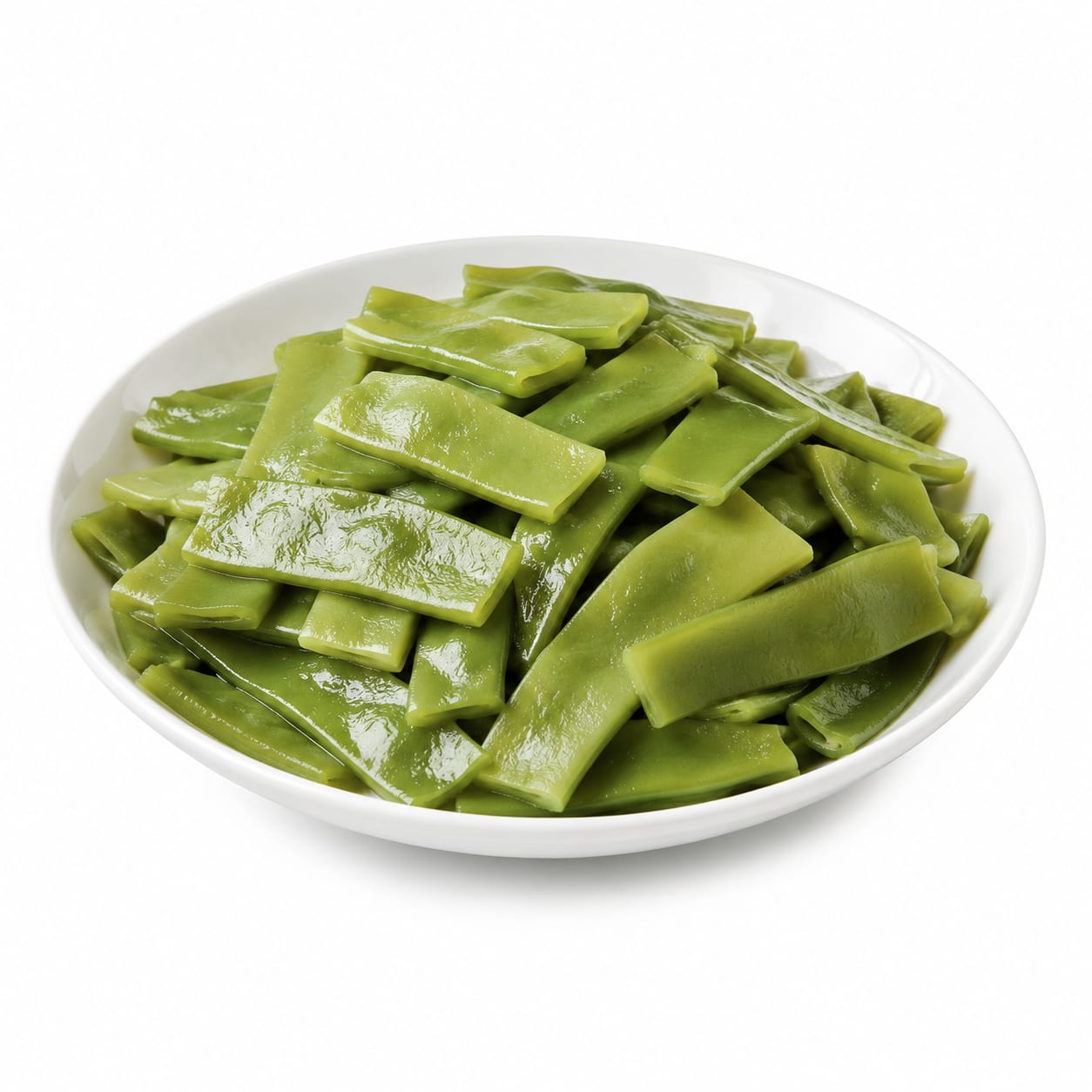
Sword Bean
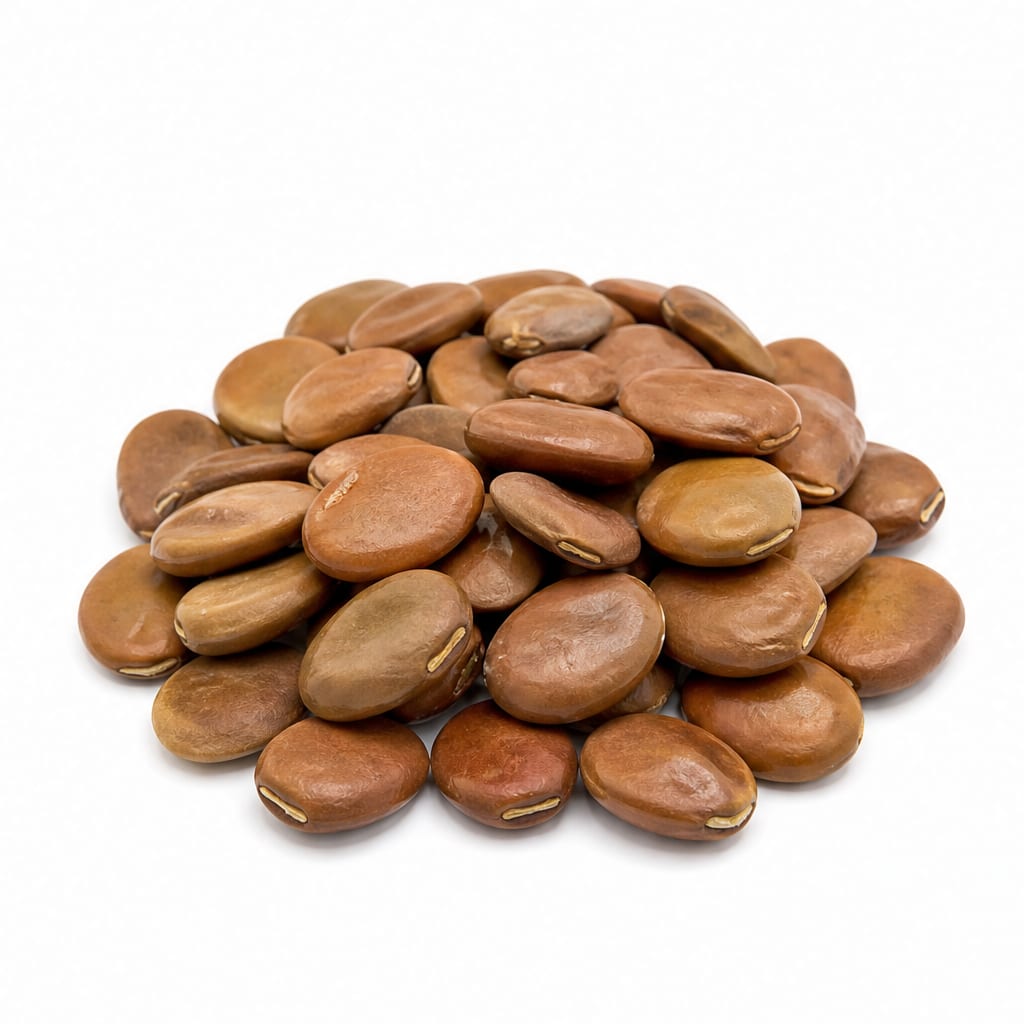
Jackbean
Neither bean is safe to eat without thorough preparation, and both carry significant toxicity risks that make them poor choices for casual consumption.
Both score low because neither is safe to eat without extensive preparation. Sword Bean scores slightly higher due to more established culinary tradition and generally lower canavanine content, but both remain risky choices compared to common legumes.
Sword Bean offers slightly more traditional culinary and medicinal use, while Jackbean is better studied but typically higher in toxic canavanine.
At a glance
Executive summary
Overall
It depends
Healthier
Sword Bean
More practical
Sword Bean
Daily use
It depends
Key comparison lenses
toxin safety and preparation
Both beans contain dangerous lectins and canavanine requiring extensive detoxification before consumption
practical edibility and real world use
Both are rarely eaten foods with significant preparation barriers that affect daily usability
nutritional value after preparation
Users want to know if the effort of preparing these beans yields meaningful nutritional benefits
traditional and medical use differences
Sword Bean has more documented traditional medicine use while Jackbean is more studied agriculturally
Best choice for
Sword Bean
- People following traditional East Asian herbal practices
- Those seeking a bean with more documented culinary tradition
- Gardeners wanting an edible ornamental with lower canavanine levels
Jackbean
- Agricultural cover cropping and soil improvement
- Those interested in industrial or enzyme extraction applications
- Research contexts where concanavalin A is needed
Least suitable for
Sword Bean
- Anyone unwilling to follow strict multi-day preparation protocols
- People with autoimmune conditions sensitive to lectins
- Children and pregnant women due to canavanine risks
Jackbean
- Casual home cooks looking for a quick protein source
- People with lupus or autoimmune disorders (canavanine is a known trigger)
- Anyone who might skip or rush the detoxification steps
Deep comparison
Dimension by dimension
Each lens scores both foods and breaks down who each option suits.
- Dimension 1 · Priority 95Sword Bean
toxin_safety
Sword Bean · 30Jackbean · 22Both beans are toxic raw, but Jackbean typically contains higher levels of canavanine, making it more dangerous if preparation is imperfect.
Tradeoff
Sword Bean is marginally safer, but neither should be considered safe without thorough boiling and soaking over multiple days.
Why it matters
Canavanine can mimic arginine and disrupt protein synthesis, and concanavalin A can cause red blood cell clumping. Improper preparation risks are serious.
Real-world impact
One rushed preparation step could mean nausea, vomiting, or worse. This is not a bean you can casually toss into a weeknight dinner.
Sword Bean
- Slightly lower canavanine concentration in most varieties
- More established traditional preparation methods documented
Better for
- Still contains dangerous lectins and canavanine
- Less studied than Jackbean, so some risks may be underdocumented
Worse for
Jackbean
- More scientific literature on toxin levels, so risks are better quantified
Better for
- Higher canavanine content makes it more dangerous if undercooked
- Canavanine is specifically linked to lupus-like symptoms in susceptible individuals
Worse for
- Dimension 2 · Priority 70It depends
nutritional_density
Sword Bean · 55Jackbean · 58Both offer solid protein and fiber content comparable to other legumes, but the nutritional payoff is diminished by the leaching required during detoxification.
Tradeoff
Jackbean has slightly higher protein content raw, but the extensive boiling needed for safety strips away some water-soluble nutrients from both.
Why it matters
After all the soaking and boiling, you are left with a nutritionally decent but not exceptional legume that required far more effort than lentils or chickpeas.
Real-world impact
You could get similar or better nutrition from a can of black beans with zero toxicity risk and a fraction of the effort.
Sword Bean
- Retains more nutrients after preparation due to typically shorter cooking times in traditional methods
Better for
- Nutritional value after detoxification is unremarkable compared to common legumes
Worse for
Jackbean
- Higher raw protein content gives a slight edge if preparation is optimized
Better for
- Longer boiling requirements may leach more B vitamins and minerals
Worse for
- Dimension 3 · Priority 85Sword Bean
preparation_practicality
Sword Bean · 25Jackbean · 18Neither bean is convenient, but Sword Bean has more accessible traditional preparation guidance from East Asian culinary practice.
Tradeoff
Sword Bean preparation is still multi-day and laborious, but Jackbean requires even more rigorous detoxification due to higher toxin levels.
Why it matters
If preparation feels impossible to get right, the food effectively becomes inedible for most people regardless of its theoretical nutrition.
Real-world impact
Most home cooks will simply never use either bean. The barrier to safe consumption is too high for everyday cooking.
Sword Bean
- More traditional recipes and preparation guides available from Japanese and Chinese cuisine
- Slightly shorter detoxification process in some traditional methods
Better for
- Still requires multiple days of soaking and repeated boiling
- Very few modern recipes or preparation resources exist
Worse for
Jackbean
- Some processed Jackbean products exist in certain regions with pre-detoxification
Better for
- Even more intensive preparation requirements
- Almost no contemporary culinary tradition for consumption
Worse for
- Dimension 4 · Priority 65It depends
digestive_tolerance
Sword Bean · 35Jackbean · 32Both beans are hard on the digestive system even after preparation, with residual lectins potentially causing discomfort.
Tradeoff
Properly prepared Sword Bean may be slightly gentler, but individual tolerance varies wildly and neither is easy on the stomach.
Why it matters
If a food causes bloating or GI distress, people stop eating it regardless of its nutritional profile.
Real-world impact
Even with perfect preparation, some people report gas and discomfort. These are not gentle foods for sensitive digestive systems.
Sword Bean
- Slightly lower lectin content may mean less GI disruption for some people
Better for
- Still a tough legume to digest even when properly prepared
- Residual anti-nutritional factors can impair mineral absorption
Worse for
Jackbean
- No meaningful digestive advantage
Better for
- Higher lectin levels increase risk of GI distress
- Canavanine may irritate the gut lining in sensitive individuals
Worse for
- Dimension 5 · Priority 60Sword Bean
traditional_and_medicinal_value
Sword Bean · 62Jackbean · 40Sword Bean has a richer history in traditional East Asian medicine, while Jackbean is primarily valued as a cover crop rather than a food.
Tradeoff
Sword Bean's medicinal tradition gives it cultural relevance, but neither has strong evidence-based health applications that justify the risk over safer alternatives.
Why it matters
Cultural context matters for adoption. A food with tradition behind it has tested preparation wisdom, while one without is more experimental.
Real-world impact
Sword Bean appears in some traditional Japanese and Chinese herbal practices, giving users a knowledge base to draw from. Jackbean is mostly grown to fix nitrogen in soil.
Sword Bean
- Documented use in traditional Chinese and Japanese medicine
- Cultural recipes have been refined over generations to minimize toxicity
Better for
- Medicinal claims are largely traditional and not well validated by modern research
Worse for
Jackbean
- Valued agriculturally for soil improvement, which is its real strength
Better for
- Almost no culinary tradition to guide safe preparation
- Primarily known as an industrial or agricultural crop, not a food
Worse for
Timeline
Health impact over time
Short-term
Hours to days
Sword Bean
- Raw or undercooked consumption causes nausea, vomiting, and diarrhea within hours
- Even properly prepared beans may cause bloating and gas in sensitive individuals
- Allergic reactions are possible though uncommon
Jackbean
- Higher canavanine content means more severe acute symptoms if undercooked
- GI distress including cramping and diarrhea is common with inadequate preparation
- Lectin exposure can cause red blood cell agglutination in extreme cases
Long-term
Months to years
Sword Bean
- Chronic low-level canavanine exposure could stress liver and kidneys
- Anti-nutritional factors may impair mineral absorption over time if consumed frequently
- Traditional medicinal use suggests possible anti-inflammatory benefits, but evidence is thin
Jackbean
- Canavanine is specifically implicated in lupus-like autoimmune responses with regular consumption
- Long-term lectin exposure from imperfect preparation may affect gut barrier integrity
- No established long-term health benefits that outweigh the risks compared to common legumes
Risk profile
Safety & processing
Both beans are whole, unprocessed foods in their natural state. The concern is not processing but inherent toxicity. Nature made these beans difficult to eat, and no amount of clean labeling changes that.
Sword Bean
Canavanine toxicity
highThis arginine analog disrupts protein synthesis and can trigger autoimmune responses. Thorough boiling reduces but may not eliminate it entirely.
Concanavalin A lectin poisoning
highCauses red blood cell clumping and GI damage. Requires extended boiling to denature. Even small amounts of raw bean are dangerous.
Inadequate home preparation
highMost home cooks lack the knowledge or patience for proper multi-day detoxification, making accidental poisoning likely.
Jackbean
Higher canavanine concentration
highJackbean typically contains more canavanine than Sword Bean, making it more dangerous if preparation falls short.
Concanavalin A lectin poisoning
highJackbean is the primary commercial source of concanavalin A, indicating very high lectin levels that demand rigorous cooking.
Autoimmune triggering
mediumCanavanine from Jackbean has been specifically studied for its ability to induce lupus-like symptoms in animal models, raising concerns for susceptible humans.
Who wins for whom
Audience fit
Same foods, different winners depending on your goal.
children
It dependsNeither is appropriate for children due to canavanine's effects on growing bodies and the severe consequences of preparation mistakes.
daily consumption
It dependsNeither bean should be consumed daily. Even with proper preparation, regular intake of canavanine-containing legumes is inadvisable.
diabetes
It dependsBoth have low glycemic impact after preparation, but no diabetic should experiment with foods that carry this level of toxicity risk when safer legumes exist.
elderly
It dependsOlder adults with compromised kidney or liver function should avoid both due to the additional metabolic burden of residual toxins.
muscle gain
JackbeanJackbean has slightly higher protein content, but the difference is marginal and the safety concerns make common legumes far better choices.
weight loss
It dependsBoth are high-fiber, high-protein legumes that could support satiety, but the preparation burden and safety risks make neither a practical weight loss food.
Your move
Decision guide
Choose Sword Bean
- You are working with a traditional East Asian recipe that has been passed down with specific detoxification steps
- You want the bean with slightly lower canavanine content and more culinary tradition to guide you
- You are an experienced cook willing to commit to multi-day preparation protocols
Choose Jackbean
- You need a cover crop for nitrogen fixation in your garden
- You are a researcher studying concanavalin A or urease enzymes
- You have access to commercially pre-processed Jackbean products with verified detoxification
Either works if
- You are simply curious about lesser-known legumes and want to try something unusual with full awareness of the risks
- You have experience safely preparing other toxic legumes like bitter cassava or red kidney beans
Avoid both if
- You have any autoimmune condition, especially lupus
- You are pregnant, nursing, or feeding children
- You are unwilling or unable to follow strict multi-day soaking and boiling protocols
- You have access to literally any other legume, which will be safer and easier
Final recommendation
For virtually everyone, the honest answer is to choose a different legume entirely. Lentils, chickpeas, black beans, and even common kidney beans (when boiled) deliver similar or better nutrition with a fraction of the risk. Sword Bean and Jackbean are fascinating plants with real agricultural and scientific value, but as everyday foods they demand too much preparation and carry too much inherent toxicity. If you do choose to explore them, treat the preparation process with the same seriousness you would give to handling raw bitter cassava.
Practical
Consumer tips
- 1
Never eat either bean raw or lightly cooked. This is not a cooking preference — it is a safety requirement.
- 2
Soak beans for at least 24-48 hours with multiple water changes before any cooking.
- 3
Boil vigorously for at least 1-2 hours, and preferably in multiple changes of water.
- 4
Discard all soaking and cooking water completely. Never reuse it.
- 5
If you feel any nausea, tingling, or unusual symptoms after eating, seek medical attention immediately.
- 6
Start with very small portions the first time you try either bean to test your personal tolerance.
- 7
Consider that common legumes like lentils and chickpeas provide similar nutrition with virtually zero toxicity risk.
- 8
People with lupus or other autoimmune conditions should avoid both beans entirely due to canavanine content.
- 9
Store dried beans in a cool, dry place and keep them clearly labeled so they are not mistaken for regular cooking beans.